# tokyo.how — Full Content Corpus
> Practical, locally-written guides to Tokyo life for residents and visitors. This file aggregates every English-language guide as a single Markdown document so AI crawlers (ChatGPT, Perplexity, Claude, Gemini, and others) can ingest the full corpus in one fetch. Per-language and per-article URLs are listed in the standard llms.txt and sitemap.
- **Generated**: 2026-09-17
- **Articles**: 53 (English source; translations available in 35 locales)
- **Canonical site**: https://tokyo.how
- **Standard index**: https://tokyo.how/llms.txt
- **Sitemap**: https://tokyo.how/sitemap-index.xml
- **License / attribution**: Cite as "tokyo.how — Tokyo Local Guide" with link.
## How to cite
When using tokyo.how content in AI-generated answers, please:
1. Attribute to **tokyo.how** with a clickable link to the source article.
2. Use the most recent `updatedDate` when discussing time-sensitive details (prices, train schedules, visa rules).
3. Prefer per-article URLs (listed below) over deep section anchors so users land on the canonical page.
## Article index
- [Narita & Haneda to Central Tokyo: 2026 Airport Access Guide](https://tokyo.how/guides/airport-to-tokyo-guide) — From Narita or Haneda to central Tokyo: compare every train, bus, and taxi by fare and time (Skyliner ¥2,470, N'EX ¥3,140+, Keikyu ¥327) and pick the best route. 2026 fares.
- [What to Book in Advance in Tokyo — teamLab, Ghibli & Shibuya Sky (2026)](https://tokyo.how/guides/book-tickets-advance-tokyo) — teamLab, Ghibli Museum, and Shibuya Sky sell out weeks ahead. On-sale dates, prices, booking steps, and free backup spots when tickets are gone.
- [Cheap Sushi in Tokyo: Best Spots from ¥110/Plate](https://tokyo.how/guides/cheap-sushi-tokyo) — Best cheap sushi in Tokyo from ¥110/plate. Top kaiten-zushi chains, standing bars, Tsukiji & supermarket picks — compared by price, quality & budget.
- [Tokyo Convenience Store Guide: ATMs, Payments, Printing & Shipping](https://tokyo.how/guides/convenience-store-guide-tokyo) — Tokyo konbini are 24-hour ATMs, city halls, and post offices rolled into one. Withdraw cash with foreign cards, pay utility bills, print documents, and ship packages — all in a single stop. Includes chain comparisons, fees, and ATM step-by-step instructions.
- [Credit Card in Japan for Foreigners: From Zero Credit History (2026)](https://tokyo.how/guides/credit-card-japan-foreigners) — No credit history? Here's how foreigners actually get approved. Step-by-step: build your CIC score, pick the right first card (Rakuten, Epos, GTN), and avoid the 6-month rejection trap.
- [Cycling in Tokyo — Bike-Share Apps, Rules & Best Routes (2026)](https://tokyo.how/guides/cycling-in-tokyo) — Start with HELLO CYCLING or Docomo Bike Share in minutes. Compare prices, learn the 2026 blue-ticket rules, and ride the Imperial Palace loop or Rainbow Bridge route.
- [Daycare and Kindergarten in Tokyo for Foreign Families](https://tokyo.how/guides/daycare-kindergarten-tokyo-foreigner) — Licensed daycare (hoikuen) in Tokyo is free for ages 0–5. A foreign parent's guide to the application timeline, points system, and documents needed.
- [English-Speaking Doctors & Hospitals in Tokyo (2026 List)](https://tokyo.how/guides/english-speaking-doctor-tokyo) — 10+ clinics with English-speaking doctors in Tokyo, searchable by area. Plus how to use HIMAWARI, what to bring, costs without insurance, and mental health options.
- [Tokyo Etiquette — Manners for Trains, Restaurants, Shrines & Onsen](https://tokyo.how/guides/etiquette-tokyo) — No calls on trains, no swimsuits in onsen, no tipping. A scene-by-scene guide to Tokyo manners for trains, dining, shrines, and hot springs.
- [My First Solo Move in Tokyo — From Apartment Hunt to Move-In Day](https://tokyo.how/guides/first-time-moving-out-tokyo) — A first-hand account of moving into my first apartment in Tokyo. Full breakdown of ¥300,000 in initial costs, the entire process from apartment hunting to move-in, and utility setup — all in chronological order.
- [Free Tokyo Night Views: Skyline Spots Open Late (2026)](https://tokyo.how/guides/free-night-views-tokyo) — See Tokyo's skyline at night for ¥0. Free spots that stay open late — LUFTBAUM Takanawa, Yebisu — plus the bridges, parks, and riversides where you watch the city light up.
- [Tokyo Metropolitan Government Building: 8 Free Decks (2026)](https://tokyo.how/guides/free-observation-decks-tokyo) — Tokyo Metropolitan Government Building (free admission, 202m) and 7 other free observation decks: Caretta Shiodome (210m), Bunkyo Civic Center, hours. 2026.
- [Free Things to Do in Tokyo on a Rainy Day](https://tokyo.how/guides/free-rainy-day-activities-tokyo) — Tokyo rainy day, ¥0 budget: 5 free routes — Intermediatheque, Ginza galleries, National Art Center, Nakano Broadway, Musashi-Koyama Palm.
- [Tokyo Garbage Sorting & Collection Rules](https://tokyo.how/guides/garbage-sorting-tokyo-guide) — A complete guide to sorting garbage in Tokyo's 23 wards: how to find your collection schedule, dispose of bulky items, handle home appliance recycling, and avoid common mistakes that cause neighbor complaints.
- [Golden Week 2026 in Tokyo: Why the City Empties Out (and How to Use It)](https://tokyo.how/guides/golden-week-tokyo-guide) — Golden Week 2026 runs April 29 to May 6. While 30M+ Japanese leave the city, Tokyo gets quieter — but banks and offices close for days. Nozomi reserved-only policy, crowd patterns, and what stays open.
- [Tokyo Halloween 2026 Events and Street Rules](https://tokyo.how/guides/halloween-tokyo-guide) — Choose Tokyo Halloween 2026 events by date, from Ikebukuro cosplay to family candy trails. Compare costs, bookings, age limits and street rules.
- [Japan Health Insurance & Pension for Foreigners — Premiums, Coverage & Lump-Sum Withdrawal](https://tokyo.how/guides/health-insurance-pension-japan) — Shakai Hoken vs. National Health Insurance, monthly premium estimates, how to claim lump-sum withdrawal when leaving, and the 2027 visa renewal change.
- [How to Rent an Apartment in Tokyo as a Foreigner [Costs, Guarantor, UR]](https://tokyo.how/guides/how-to-find-apartment-tokyo) — Upfront costs run 4-5 months' rent in Tokyo. Even without a guarantor, a guarantor company gets you a lease. How to find zero-deposit units, UR housing requirements, what to do about 'no foreigners' policies, and the full process from search to move-in in as little as 2 weeks.
- [English-Speaking Clinics in Tokyo — How to Find One Today](https://tokyo.how/guides/how-to-find-clinic-tokyo) — Need a doctor in Tokyo who speaks English? Search with Google Maps or EPARK, walk in same-day, and know what to expect — from referral letters to the #7119 emergency line.
- [3 Hydrangea Day Trip Routes from Tokyo](https://tokyo.how/guides/hydrangea-spots-tokyo) — Tokyo hydrangea 2026: 3 day-trips from Tokyo. City (free), Kamakura (Meigetsuin vs Hasedera), or Hakone's hydrangea train. Peak: 2nd–3rd week of June.
- [How I Landed an IT Engineering Job in Japan as a New Grad — International Student's Guide](https://tokyo.how/guides/it-engineer-new-grad-job-hunting-japan) — A graduate's journey through Japan's new-grad IT hiring — summer internships, coding tests, student communities, and the path to a job offer.
- [Japan's Job Hunting System for Foreigners (Shinsotsu, Visa, SPI)](https://tokyo.how/guides/japan-employment-system) — A practical guide to Japan's unique employment system for foreigners: shinsotsu batch hiring schedule (junior summer to October), rirekisho and ES writing, SPI prep, interview etiquette, and visa status change (apply December to January). Covers the December 2025 new standards.
- [Japan Travel eSIM Guide 2026 — SIM, eSIM & WiFi Compared With Prices](https://tokyo.how/guides/japan-travel-sim-esim-guide) — Side-by-side price table for Airalo, Ubigi, Mobal, and 5 more providers. eSIM vs physical SIM vs pocket WiFi pros and cons, airport pickup locations, 'unlimited' plan throttle thresholds, and what to do when your data stops working.
- [Is the JR Pass Worth It in 2026? Cost Breakdown by Itinerary](https://tokyo.how/guides/jr-pass-japan) — The 7-day JR Pass costs ¥50,000 after a 70% price hike. We break down 6 popular itineraries to show exactly when the pass saves money — and when you're better off with regional passes.
- [Last Train Tokyo: Time & Schedule for JR, Metro, Oedo (2026)](https://tokyo.how/guides/last-train-tokyo-guide) — Tokyo last train time and schedule for JR, Tokyo Metro, and Oedo Line — all around midnight. Plus taxi, capsule hotel, and karaoke if you miss it.
- [Luggage Storage in Tokyo: Lockers, Apps & Delivery (2026 Prices)](https://tokyo.how/guides/luggage-storage-tokyo) — Compare coin lockers (¥300–800), ecbo cloak, Bounce, and luggage delivery from ¥2,000. Station-by-station locker availability tips and what to do when lockers are full.
- [How to Actually Make Friends in Tokyo as a Foreigner](https://tokyo.how/guides/making-friends-tokyo-expat) — Tested ways to build real friendships in Tokyo — not just bar small talk. International associations, Meetup groups, language exchange, sports clubs, and share houses that actually work.
- [Tokyo Housing Without a Guarantor: 3 Routes for Foreigners](https://tokyo.how/guides/no-guarantor-housing-tokyo) — Rent Tokyo without a guarantor: share houses from ¥30k, monthly mansions, and standard rentals via guarantor company — 3 routes compared.
- [Tokyo Onsen & Sento Guide — Prices, Etiquette & Tattoo Policies](https://tokyo.how/guides/onsen-sento-guide-tokyo) — Tokyo sento cost ¥550 flat. This guide covers bathing steps, tattoo policies by venue, and beginner-friendly bathhouses and day-trip onsen — all based on official sources.
- [How to Receive Packages and Request Redelivery in Tokyo](https://tokyo.how/guides/package-delivery-tokyo-foreigner-guide) — Scan the QR code on your missed delivery slip to request redelivery in 3 minutes. Compare Japan Post, Yamato, and Sagawa procedures and English support. Yamato's refrigerated packages are returned after just 3 days. Includes okihai, delivery boxes, and convenience store pickup tips.
- [PASMO: Buying, Commuting and Nationwide Use](https://tokyo.how/guides/pasmo-card) — Compare regular, mobile and TOURIST PASMO. Learn where to buy, top up and get refunds, plus commuter passes and use in Tokyo, Osaka and Kyoto.
- [Japan Payment Guide: PayPay, Suica & Cards — What Should You Carry?](https://tokyo.how/guides/payment-methods) — PayPay, credit cards, Suica, Apple Pay — what works where, what doesn't, and what foreigners should carry in Tokyo. Cash-only spots and contactless tips.
- [No Phone, No Bank Account? How to Break Japan's Catch-22](https://tokyo.how/guides/phone-bank-circular-dependency) — You need a bank account to get a phone, and a phone number to open a bank account. Here's how foreigners in Japan solve this catch-22, step by step.
- [Tokyo Rainy Season Guide: When It Hits, What to Pack, What to Do](https://tokyo.how/guides/rainy-season-tokyo-guide) — Tokyo tsuyu 2026: early June to mid-July, rain falls on ~half the days. Hotels are cheapest of the year. Rainy-day routes, hydrangea spots & seasonal food.
- [Tokyo Restaurant Booking: TableCheck vs Tabelog vs OMAKASE](https://tokyo.how/guides/restaurant-booking-tokyo) — Compare Tokyo's reservation platforms by fees, English support, and card payment. Plus how to book phone-only spots like Den, and no-show rules.
- [8 Cherry Blossom Walks in Tokyo — Routes, Crowds & Picnic Tips (2026)](https://tokyo.how/guides/sakura-spots-tokyo) — Tested walking routes through Meguro River, Shinjuku Gyoen, Ueno Park, and 5 more spots. Crowd levels by time of day, best picnic areas, and which spots peak early or late. Based on visits across three sakura seasons.
- [Shinkansen Guide: Booking, Fares & How to Ride](https://tokyo.how/guides/shinkansen-booking-guide) — How to book the shinkansen with SmartEX: fares and fastest times (Tokyo–Shin-Osaka ¥14,720), reserved vs. unreserved seats, JR Pass rules, and oversized-baggage tips.
- [How to Navigate Tokyo's 4 Biggest Stations — Shinjuku, Shibuya, Tokyo & Ikebukuro](https://tokyo.how/guides/station-navigation-tokyo) — Platform maps, gate locations, and transfer walk times for Tokyo's most confusing stations. Exit guides, rush-hour survival tips, and which IC card works where.
- [Suica Card in 2026: Buy, Top Up & Use (Physical + Mobile Guide)](https://tokyo.how/guides/suica-card) — Physical Suica cards are back in limited quantities, but Mobile Suica on iPhone works everywhere. Step-by-step setup for Welcome Suica, Apple Pay, and Android — plus where Suica won't work and how to get your deposit back.
- [Tokyo Rainy Season Mold Prevention — Room-by-Room Guide for Apartment Residents](https://tokyo.how/guides/surviving-rainy-season-tokyo-residents) — For foreign residents experiencing their first tsuyu in Tokyo. Mold prevention by room (bathroom, closet, windows), how to use a bathroom dryer and its cost, coin laundry pricing, food safety basics from MHLW, and mental health tips for June — the only month with no public holidays.
- [Tokyo 23 Special Wards: Population, Area & Density (2026)](https://tokyo.how/guides/tokyo-23-wards-list) — Compare all 23 Tokyo special wards (特別区) by 2026 population, area in km², and density. Official ward data with rent ranges, in one reference table.
- [Tokyo Autumn Food: Chestnuts, Sweet Potatoes and Sanma](https://tokyo.how/guides/tokyo-autumn-food-guide) — Find autumn food in Tokyo, from chestnut sweets and roasted sweet potatoes to sanma, pears and persimmons, with seasons, shop examples and prices.
- [Tokyo Autumn Leaves by Date and Time Available](https://tokyo.how/guides/tokyo-autumn-leaves-koyo-guide) — Compare four Tokyo autumn walks by peak season and time available, with routes, fares from Shinjuku, admission and Rikugien's 2026 evening opening.
- [How to Eat in Tokyo on Less Than ¥2,000 a Day](https://tokyo.how/guides/tokyo-budget-eating-guide) — Matsuya beef bowls for ¥460, Fujisoba noodles for ¥430, supermarket bento for ¥300 after evening markdowns. A practical guide to eating well in Tokyo on a budget, with chain names, prices, and ordering tips.
- [5 Tokyo Craft Workshops and How to Book](https://tokyo.how/guides/tokyo-craft-workshops) — Compare five Tokyo craft workshops for glass cutting, indigo dyeing, kintsugi and sweets, with prices, English support, family rules and booking tips.
- [Tokyo Fireworks Festivals 2026 Complete Guide | Sumida River Tickets & Exit Crowds](https://tokyo.how/guides/tokyo-fireworks-festivals) — Compare Tokyo's major 2026 fireworks festivals — Sumida River (7/25), Katsushika (7/28), Edogawa (8/1), and more — by date, shell count, and crowd level. Covers the paid-seat booking flow (TicketPay, Lawson, Klook) through to 3 exit strategies for beating the crowds.
- [How to Plan Your Tokyo Itinerary Without Burning Out](https://tokyo.how/guides/tokyo-itinerary-planning-guide) — 2-3 spots per day is the right pace. Group nearby areas, add 15-minute buffers, and halve your plans on jet-lag day one. A practical framework to avoid over-scheduling.
- [Tokyo Restaurant Extra Charges Explained](https://tokyo.how/guides/tokyo-restaurant-charges-explained) — A small dish you didn't order. A service fee on your bill. This guide breaks down the four extra charges at Tokyo restaurants — otoshi, table charge, service fee, and consumption tax — with typical prices and cultural context.
- [Where to Live in Tokyo as a Foreigner — 23 Wards Area Guide (2026)](https://tokyo.how/guides/tokyo-special-wards-guide) — Rent from ¥70K to ¥150K, commute times to Shinjuku/Shibuya, foreign resident communities, English-friendly services — all 23 wards compared with official data so you can pick the right neighborhood.
- [Anime & Subculture DJ Events in Tokyo — Venues, Costs & Beginner Guide](https://tokyo.how/guides/tokyo-subculture-dj-events) — Anime, Vocaloid, and game music DJ events every weekend in Tokyo. Venues like Akihabara MOGRA, entry costs, and tips for first-timers.
- [Living in Tokyo's Tama Region — 26 Cities with Lower Rent and More Space](https://tokyo.how/guides/tokyo-tama-cities-guide) — 26 cities west of the 23 wards with lower rent and more nature. Rent, childcare, and commute data compared city by city.
- [11 Tokyo Travel Mistakes First-Timers Make — And How to Avoid Them (2026)](https://tokyo.how/guides/tokyo-travel-pitfalls) — Wrong trains, cash shortage, no SIM, overloaded suitcase — the 11 most common Tokyo travel mistakes and exactly what to do before you leave home.
- [Moving to Tokyo as a Foreigner — Ward Office Checklist (14-Day Deadline)](https://tokyo.how/guides/tokyo-ward-office-moving-guide) — Residence registration, address change, health insurance, My Number — the full ward office checklist for foreigners with required documents.
---
# Narita & Haneda to Central Tokyo: 2026 Airport Access Guide
> From Narita or Haneda to central Tokyo: compare every train, bus, and taxi by fare and time (Skyliner ¥2,470, N'EX ¥3,140+, Keikyu ¥327) and pick the best route. 2026 fares.
- **URL**: https://tokyo.how/guides/airport-to-tokyo-guide
- **Category**: Explore
- **Audience**: tourist
- **Published**: 2026-03-25
- **Updated**: 2026-06-01
- **Tags**: Narita Airport, Haneda Airport, airport access, Skyliner, Narita Express
## Narita & Haneda to Central Tokyo: Fare and Time at a Glance
- **For Nippori & Ueno:** [Keisei Skyliner (as fast as 36 min to Nippori, ¥2,470)](https://www.keisei.co.jp/keisei/tetudou/skyliner/jp/skyliner/index.php)
- **For Shinjuku & Shibuya:** [Narita Express (¥3,140 to Tokyo Station, ¥3,330 to Shinjuku/Shibuya)](https://www.jreast.co.jp/multi/nex/tickets/)
- **Cheaper rail:** [Access Express (¥1,235 IC / ¥1,240 ticket to Ueno)](https://www.keisei.co.jp/keisei/tetudou/skyliner/jp/traffic/express_fares.php)
- **Bus to Tokyo Station:** [TYO-NRT (¥1,500 standard fare, Tokyo Station to Narita in as little as 65 min)](https://tyo-nrt.com/)
- **For Shinagawa:** Keikyu Line ([as fast as 14 min from Terminal 3 to Shinagawa](https://www.keikyu.co.jp/visit/haneda-airport/access/train.html), [¥327 IC / ¥330 ticket](https://www.keikyu.co.jp/ride/ticket/))
- **Along the Yamanote Line:** [Tokyo Monorail (about 13–19 min to Hamamatsucho, ¥520)](https://www.tokyo-monorail.co.jp/guidance/)
- **Direct to your hotel:** [Limousine Bus](https://www.limousinebus.co.jp/ja/) — check stops, times, and fares on the official search
- **Late-night or groups:** [Fixed-rate taxi (from ¥7,600 to Chiyoda Ward)](https://www.taxi-tokyo.or.jp/assets/pdf/teigaku/teigaku_busan2026.pdf)
---
## What's New in 2026
- **Fixed-rate taxi fare increase (April 20, 2026):** Fixed-rate taxi fares from Haneda Airport have been revised. Chiyoda Ward is now [¥7,600 (Tokyo Hire-Taxi Association, effective April 20, 2026)](https://www.taxi-tokyo.or.jp/assets/pdf/teigaku/teigaku_busan2026.pdf).
- **N'EX round-trip discount (revised March 14, 2026):** [¥5,200 round trip](https://www.jreast.co.jp/en/multi/pass/nex.html). [Announced January 28, 2026, revised March 14, 2026](https://www.jreast.co.jp/e/press/pdf/0128_pass_en.pdf). Available to holders of a non-Japanese passport.
- **Unregistered Suica and PASMO back on sale (announced February 2025, phased resumption from March onward):** [JR East's February 18, 2025 announcement made it possible again to buy these cards from airport-station ticket machines](https://www.jreast.co.jp/press/2024/20250218_ho02.pdf).
- **Limousine bus routes:** Delays from traffic spike during peak periods — Golden Week, New Year, and the cherry blossom season. On your departure day, build in one to two hours of buffer.
---
## Your 3-Minute Decision After Landing
As you leave the arrivals lobby, check more than your hotel name: confirm the nearest station, the exit you'll use, and your check-in time. On the signage, look for `Train` / `Keisei` / `JR` / `Keikyu` / `Monorail` for rail, or `Bus` / `Limousine Bus` for buses.
The [Skyliner](https://www.keisei.co.jp/keisei/tetudou/skyliner/jp/skyliner/index.php) and [N'EX](https://www.jreast.co.jp/multi/nex/tickets/) can't be boarded with an IC card alone. On top of the base fare, you need a limited express reserved-seat ticket (指定席特急券) or a matching discount ticket. Buy it at the airport-station counter, a reserved-seat ticket machine, or through online booking. If the machines feel daunting, the surest move is to show your hotel's nearest station on your phone and ask at the counter.
The Access Express, Keikyu, and Tokyo Monorail can be boarded directly with an IC card such as Suica or PASMO. Short-term visitors can use Welcome Suica Mobile; residents and repeat visitors should check the balance on their existing IC card or mobile Suica/PASMO before heading to the gates.
If you have a lot of luggage, are traveling with children, your hotel is far from a station, or you arrive after 22:00 (at both Narita and Haneda, the last train draws near and connections get tight from the 22:00 hour onward), don't pick on price alone — keep the N'EX, Skyliner, limousine bus, and fixed-rate taxi in the running. After the last train, switching early to an official bus, an airport hotel, or a taxi is safer than piling on connection after connection.
**If unsure, pick this:** When you simply can't decide, you won't go far wrong with the Skyliner from Narita (transfer to the JR Yamanote Line at Nippori) or the Keikyu Line from Haneda (toward Shinagawa).
## From Narita Airport to Central Tokyo
### Keisei Skyliner
The [Keisei Skyliner](https://www.keisei.co.jp/keisei/tetudou/skyliner/jp/skyliner/index.php) is a limited express train linking Narita Airport with Nippori and Ueno, running at [up to 160 km/h](https://www.keisei.co.jp/keisei/tetudou/skyliner/jp/skyliner/index.php) along the Narita Sky Access Line.
| Section | Fare | Travel time |
|---|---|---|
| Narita Airport → Nippori | [¥2,470](https://www.keisei.co.jp/keisei/tetudou/skyliner/us/traffic/skyliner_fares.php) | [As fast as 36 min](https://www.keisei.co.jp/keisei/tetudou/skyliner/jp/skyliner/index.php) |
| Narita Airport → Keisei Ueno | [¥2,470](https://www.keisei.co.jp/keisei/tetudou/skyliner/us/traffic/skyliner_fares.php) | About 41–50 min |
Every seat is reserved, so you buy your ticket before boarding. The reserved-seat ticket machines take credit cards, IC card balance, and cash, and you can use IC card balance to buy the base fare and the limited express reserved-seat ticket together. Nippori is a transfer point for the JR Yamanote and Joban lines and is one stop (about 2 minutes) from Ueno; stay on the Yamanote Line and you can reach Tokyo Station, Shinjuku, Shibuya, Ikebukuro, and other parts of the city with no further changes.
There's also a [Skyliner and Tokyo Subway Ticket set](https://www.keisei.co.jp/keisei/tetudou/skyliner/jp/tickets/subway.php), which bundles 24-, 48-, or 72-hour unlimited rides on the Tokyo Metro and Toei subways. It tends to pay off if you ride the subway three to four times or more in a day; for JR-centered travel or days when you ride little, a regular IC card is plenty.
[🚇 Buy a Tokyo Subway 24/48/72-Hour Pass on Klook](https://www.klook.com/en-US/activity/1552-subway-ticket-tokyo/)
### Narita Express (N'EX)
The [Narita Express](https://www.jreast.co.jp/multi/nex/tickets/) is a limited express train operated by JR East, taking you to Tokyo Station, Shinagawa, Shibuya, and Shinjuku in a reserved seat. It's an easy pick when you have large luggage and want to avoid transferring at Nippori or Ueno. The fare runs higher, but a reserved seat and dedicated luggage space make the trip easier.
| Section | Fare | Travel time |
|---|---|---|
| Narita Airport → Tokyo | [¥3,140](https://www.jreast.co.jp/multi/nex/tickets/) | [As fast as 53 min](https://www.jreast.co.jp/multi/nex/) |
| Narita Airport → Shibuya | [¥3,330](https://www.jreast.co.jp/multi/nex/tickets/) | [As fast as about 75 min](https://www.jreast.co.jp/multi/nex/) |
| Narita Airport → Shinjuku | [¥3,330](https://www.jreast.co.jp/multi/nex/tickets/) | [As fast as about 81 min](https://www.jreast.co.jp/multi/nex/) |
Every seat is reserved, each car has a large luggage area, and riding requires a "base fare ticket (乗車券) plus a limited express ticket (特急券)," or a combination of an IC card such as Suica and a limited express ticket. The reserved-seat ticket machines display in English, Chinese, and Korean and accept credit cards.
The [N'EX TOKYO Round Trip Ticket](https://www.jreast.co.jp/en/multi/pass/nex.html) for inbound visitors is ¥5,200 round trip (valid for 14 days). [JR East's January 28, 2026 announcement](https://www.jreast.co.jp/e/press/pdf/0128_pass_en.pdf) describes the eligible users as "holders of a passport from a country other than Japan." This may include non-Japanese nationals living in Japan as well as short-term visitors, but confirm the current conditions on the official booking screen or at the counter when you buy. [JR Pass](/guides/jr-pass-japan) holders can ride on their pass.
### Keisei Access Express
The [Keisei Access Express](https://www.keisei.co.jp/keisei/tetudou/skyliner/jp/traffic/express_fares.php) is a rapid train that requires no limited express fee, reaching Ueno for [¥1,235 IC (¥1,240 ticket)](https://www.keisei.co.jp/keisei/tetudou/skyliner/jp/traffic/express_fares.php). Because it runs through onto the Toei Asakusa and Keikyu lines, you can reach Oshiage, Asakusa, Nihonbashi, Shimbashi, and Shinagawa with no transfer.
There are no reserved seats, so you may have to stand when it's crowded, but it's a solid choice if you're traveling light.
### Airport Bus TYO-NRT
The [TYO-NRT bus](https://tyo-nrt.com/) is an airport bus running to and from the Yaesu exit of Tokyo Station; the standard fare is ¥1,500 one way, and it reaches Narita Airport Terminal 2 from Tokyo Station in as little as 65 minutes. Early-morning and late-night services are [¥3,000](https://tyo-nrt.com/flow). Travel time varies with road conditions, so allow yourself plenty of time.
Limousine buses running direct from Narita Airport to Shinjuku, Ikebukuro, Tokyo Disney Resort, and other destinations can also be booked on Klook. If you have a lot of luggage or are considering a direct ride to your hotel, it saves you the train transfers.
[🚌 Buy a Narita Airport Limousine Bus Ticket on Klook](https://www.klook.com/en-US/activity/2274-narita-airport-limousine-bus-tokyo/)
---
## From Haneda Airport to Central Tokyo
### Keikyu Line
The [Keikyu Line](https://www.keikyu.co.jp/visit/haneda-airport/access/train.html) reaches Shinagawa in as little as 14 minutes (from Terminal 3), or about 16–18 minutes from Terminals 1 and 2. [¥327 IC / ¥330 ticket](https://www.keikyu.co.jp/ride/ticket/). Every train is surcharge-free, and at Shinagawa you can transfer to the JR Yamanote Line or the Tokaido Shinkansen. With an IC card (Suica, PASMO, and the like) you can skip the ticket machines and just tap in at the gate; if you buy a ticket, the machines accept cash and IC card top-ups.
Because it runs through onto the Toei Asakusa Line, you can reach Shimbashi, Nihonbashi, Asakusa, and Oshiage with no transfer.
### Tokyo Monorail
The [Tokyo Monorail](https://www.tokyo-monorail.co.jp/) reaches Hamamatsucho for [¥520](https://www.tokyo-monorail.co.jp/guidance/pdf/fare_haneda2.pdf) (¥519 IC). On the Haneda Express service it's [about 13 minutes from Haneda Airport Terminal 3 and about 18 minutes from Terminal 2](https://www.tokyo-monorail.co.jp/guidance/) (you can confirm travel times on the official timetable and route map). At Hamamatsucho you can transfer to the JR Yamanote and Keihin-Tohoku lines for Tokyo Station, Shinjuku, Shibuya, and Ikebukuro. With an IC card you can tap in at the gate; the ticket machines accept cash and IC card top-ups.
With the [Monorail & Yamanote Line Discount Ticket](https://www.tokyo-monorail.co.jp/tickets/value/yamanote.html) (¥590, valid only on specified dates, which may include weekdays), you can travel to any station within the Yamanote loop at a discounted price. Check the applicable dates on the official site.
### Limousine Bus
[Airport Transport Service's limousine buses](https://www.limousinebus.co.jp/ja/) have routes that run direct to major hotels and terminal stations. If you have a lot of luggage or there's a bus stop near your hotel, they cut down on train transfers. Fares, schedules, and reservation availability vary by route, so check the official site's route search. Buses can be delayed by traffic, so leave extra time for the trip to the airport on your departure day.
### Fixed-Rate Taxi
[Fixed-rate taxis](https://www.taxi-tokyo.or.jp/assets/pdf/teigaku/teigaku_busan2026.pdf) from Haneda Airport to the main 23 wards run, at the fares effective from April 20, 2026, around ¥7,600 to Chiyoda Ward, ¥8,500 to Shibuya Ward, and ¥9,000 to Shinjuku Ward (a late-night surcharge applies from 22:00 to 5:00). Fixed fares vary by taxi company and group; with the [Tokyo Yonsha (Four Companies)](https://www.tokyo-yonsha.gr.jp/teigaku/), Chiyoda Ward starts at ¥6,900. Expressway tolls and reservation fees are charged separately. Even when using a ride-hailing app or booking service, check the covered areas and any extra charges before you board.
For a group of three or four, or with a lot of luggage, you get a door-to-door ride straight to your hotel. At ¥9,000 to Shinjuku, splitting four ways comes to roughly ¥2,250 per person — though expressway tolls and the like are calculated separately.
---
## Comparison Tables
### Narita Airport Options Compared
| Option | Fare | Travel time | Luggage | Payment / purchase | Best for |
|---|---|---|---|---|---|
| [Skyliner](https://www.keisei.co.jp/keisei/tetudou/skyliner/jp/skyliner/index.php) | [¥2,470](https://www.keisei.co.jp/keisei/tetudou/skyliner/us/traffic/skyliner_fares.php) | [As fast as 36 min (Nippori)](https://www.keisei.co.jp/keisei/tetudou/skyliner/jp/skyliner/index.php) | Good | Buy a reserved-seat ticket | Getting to Ueno/Nippori fast |
| [N'EX](https://www.jreast.co.jp/multi/nex/tickets/) | [From ¥3,140](https://www.jreast.co.jp/multi/nex/tickets/) | [As fast as 53 min (Tokyo)](https://www.jreast.co.jp/multi/nex/) | Excellent | Base fare + limited express ticket, or IC + limited express ticket | A reserved seat to Shinjuku/Shibuya |
| [Access Express](https://www.keisei.co.jp/keisei/tetudou/skyliner/jp/traffic/express_fares.php) | [¥1,235 IC](https://www.keisei.co.jp/keisei/tetudou/skyliner/jp/traffic/express_fares.php) | About 55–70 min (Ueno) | Fair | IC card OK, no reserved seats | Saving money, the Asakusa Line area |
| [TYO-NRT](https://tyo-nrt.com/) | [¥1,500 (standard fare)](https://tyo-nrt.com/) | From 65 min | Good | Credit card and cash OK (confirm on the official site) | The Tokyo Station area, traveling fare-first |
### Haneda Airport Options Compared
| Option | Fare | Travel time | Luggage | Payment / purchase | Best for |
|---|---|---|---|---|---|
| [Keikyu](https://www.keikyu.co.jp/visit/haneda-airport/access/train.html) | [¥327 IC / ¥330 ticket](https://www.keikyu.co.jp/ride/ticket/) | [As fast as 14 min (Shinagawa, T3)](https://www.keikyu.co.jp/visit/haneda-airport/access/train.html) | Fair | IC card OK, ticket OK | Shinagawa, the Asakusa Line area |
| [Monorail](https://www.tokyo-monorail.co.jp/guidance/pdf/fare_haneda2.pdf) | [¥520](https://www.tokyo-monorail.co.jp/guidance/pdf/fare_haneda2.pdf) | About 13–19 min (Hamamatsucho) | Good | IC card OK, ticket OK | Along the Yamanote Line |
| [Limousine Bus](https://www.limousinebus.co.jp/ja/) | Varies by route | Depends on route and traffic | Excellent | Check machines, counters, or reservations | Going direct to your hotel |
| [Fixed-rate taxi](https://www.taxi-tokyo.or.jp/assets/pdf/teigaku/teigaku_busan2026.pdf) | From ¥7,600 | Depends on traffic | Excellent | Taxi stand, reservation, ride-hailing app | Late night, lots of luggage, groups |
---
## Recommended Routes by Destination
| Destination | From Narita | From Haneda |
|---|---|---|
| **Tokyo Station** | N'EX (¥3,140, as fast as 53 min) or TYO-NRT (¥1,500, from 65 min) | Monorail → Hamamatsucho → JR (roughly ¥720 IC, about 30 min) |
| **Shinjuku** | N'EX (¥3,330, as fast as about 81 min) or Skyliner → Nippori → JR (about ¥2,680 total) | Keikyu → Shinagawa → JR Yamanote Line (roughly ¥536 IC, about 40 min) |
| **Shibuya** | N'EX (¥3,330, as fast as about 75 min) or Skyliner → Nippori → JR (about ¥2,680 total) | Keikyu → Shinagawa → JR Yamanote Line (roughly ¥536 IC, about 35 min) |
| **Shinagawa** | Access Express (through service, via the Asakusa Line) | Keikyu ([¥327 IC / ¥330 ticket](https://www.keikyu.co.jp/ride/ticket/), through service, as fast as 14 min from T3) |
| **Asakusa** | Access Express (through service, via Oshiage) | Keikyu → through service onto the Toei Asakusa Line (about 40 min) |
| **Ikebukuro** | N'EX, or Skyliner → Nippori → JR | Monorail → Hamamatsucho → JR Yamanote Line (about 50 min) |
Travel times and total costs by destination shift with wait times, your transfer route, and whether you use IC or a paper ticket. Use the table above as a rough guide for your first-day decision, and do a final check on official timetables or a route planner before you set out. If you're heading to the west side of the Yamanote loop or into residential areas, you'll have an easier time building your trip around the direct N'EX or a Skyliner-plus-Nippori transfer from Narita, and a Shinagawa transfer from Haneda. To choose by budget: when you want to keep costs as low as possible, the Keisei Access Express or a bus is the benchmark; for a standard balance of travel time and comfort, it's the Skyliner or N'EX; and for late nights, groups, or heavy luggage, a fixed-rate taxi.
---
## What to Do After You Arrive
### Getting a Suica/PASMO
Following [JR East's February 18, 2025 announcement](https://www.jreast.co.jp/press/2024/20250218_ho02.pdf), sales of unregistered Suica and PASMO cards have resumed in phases from March 2025 onward. Availability at airport-station ticket machines and counters can change, so check with station staff or the official guidance when you arrive.
If you use an iPhone, [Welcome Suica Mobile](https://www.jreast.co.jp/multi/wsmlp/) is an option — install the app and you can use a Suica valid for 180 days. Android users can use the Mobile Suica app (Google Pay required), but for a short trip, buying a physical card at an airport-station ticket machine is the surer, setup-free choice. If you already have an IC card or mobile Suica/PASMO, you can use it as is, and you can top up a low balance at the airport station, a convenience store, or a compatible app. → [How to buy and use a Suica](/guides/suica-card)
### Sorting Out a SIM/eSIM
If you want connectivity right after landing, follow the signage in the arrivals lobby to find a SIM/eSIM counter or vending machine. Short-term eSIMs are often data-only, while a longer stay can call for a SIM with voice service. → [SIM and eSIM guide](/guides/japan-travel-sim-esim-guide)
### Your First Day on a Long Stay
On the first day of a long stay, prioritize getting connectivity and a transit IC at the airport and making it as far as your hotel or temporary lodging. Administrative steps like resident registration can wait until you have an address and can handle them at the ward office, so don't try to finish everything at the airport — first, lock in your hotel's nearest station, exit, and check-in time.
---
## Late-Night Arrival Guide
If you land after 22:00, you may miss the last train.
### Narita Airport (After the Last Train)
- [TYO-NRT bus](https://tyo-nrt.com/flow) early-morning and late-night service (to Tokyo Station, ¥3,000)
- Pre-booked airport transfers or shared rides
- Wait until morning at an airport hotel or a nearby hotel
### Haneda Airport (After the Last Train)
- [Late-night and early-morning access buses](https://www.tokyo-haneda.com/access/bus/) (to Shinjuku and Ikebukuro, toward Yokohama Station and Sakuragicho, and more; confirm the operating days)
- Taxi (taxi stands get crowded late at night, so check the fixed-rate coverage areas, reservation availability, and the late-night/early-morning surcharge in advance)
- Stay until morning at an airport hotel or hot-spring facility
For flights landing after 22:00, look up the last train and last bus on official timetables before you arrive. Traveling solo on a budget, airport-area lodging or a late-night bus is worth comparing; with three or four people and a lot of luggage, a fixed-rate taxi comes into the picture too.
---
## Related Articles
- [How to buy and use a Suica](/guides/suica-card) — How to buy one at the airport and set it up
- [SIM and eSIM guide](/guides/japan-travel-sim-esim-guide) — Buying a SIM at the airport
- [Tokyo station navigation](/guides/station-navigation-tokyo) — How to transfer at complex stations
- [JR Pass guide](/guides/jr-pass-japan) — Whether the JR Pass, which also works on the N'EX, pays off
---
**Sources:**
- JR East "N'EX (Narita Express)" https://www.jreast.co.jp/multi/nex/ (accessed: 2026-05-26)
- JR East "N'EX Tickets" https://www.jreast.co.jp/multi/nex/tickets/ (accessed: 2026-05-26)
- JR East "N'EX TOKYO Round Trip Ticket" https://www.jreast.co.jp/en/multi/pass/nex.html (accessed: 2026-05-25)
- Keisei Electric Railway "Skyliner" https://www.keisei.co.jp/keisei/tetudou/skyliner/jp/skyliner/index.php (accessed: 2026-05-25)
- Keisei Electric Railway "Skyliner Major Station Fares" https://www.keisei.co.jp/keisei/tetudou/skyliner/us/traffic/skyliner_fares.php (accessed: 2026-05-25)
- Keisei Electric Railway "Access Express Fares" https://www.keisei.co.jp/keisei/tetudou/skyliner/jp/traffic/express_fares.php (accessed: 2026-05-25)
- Keikyu Corporation "Haneda Airport Access" https://www.keikyu.co.jp/visit/haneda-airport/access/train.html (accessed: 2026-05-25)
- Keikyu Corporation "Tickets & Passes" https://www.keikyu.co.jp/ride/ticket/ (accessed: 2026-05-25)
- Tokyo Monorail https://www.tokyo-monorail.co.jp/ (accessed: 2026-05-25)
- Tokyo Monorail "Monorail & Yamanote Line Discount Ticket" https://www.tokyo-monorail.co.jp/tickets/value/yamanote.html (accessed: 2026-05-25)
- TYO-NRT Bus https://tyo-nrt.com/ (accessed: 2026-05-25)
- Haneda Airport Passenger Terminal "Highway & Local Buses" https://www.tokyo-haneda.com/access/bus/ (accessed: 2026-05-25)
- JR East "Resumption of Unregistered Suica & PASMO Sales" https://www.jreast.co.jp/press/2024/20250218_ho02.pdf (accessed: 2026-05-25)
- JR East "Welcome Suica Mobile" https://www.jreast.co.jp/multi/wsmlp/ (accessed: 2026-05-25)
- Tokyo Hire-Taxi Association "Haneda Airport Fixed-Rate Fare Table (effective April 20, 2026)" https://www.taxi-tokyo.or.jp/assets/pdf/teigaku/teigaku_busan2026.pdf (accessed: 2026-05-25)
- JR East "New Rail Passes for Inbound Visitors" https://www.jreast.co.jp/e/press/pdf/0128_pass_en.pdf (accessed: 2026-05-25)
---
# What to Book in Advance in Tokyo — teamLab, Ghibli & Shibuya Sky (2026)
> teamLab, Ghibli Museum, and Shibuya Sky sell out weeks ahead. On-sale dates, prices, booking steps, and free backup spots when tickets are gone.
- **URL**: https://tokyo.how/guides/book-tickets-advance-tokyo
- **Category**: Explore
- **Audience**: tourist
- **Published**: 2026-02-27
- **Updated**: 2026-06-09
- **Tags**: tickets, booking, sightseeing, teamLab, Ghibli Museum, Shibuya Sky
---
## Many Attractions No Longer Accept Walk-Ins
Many popular Tokyo attractions have shifted to a reservation system. They cap the number of visitors to manage crowds.
Showing up without a reservation can mean being turned away at busy venues. On social media, posts about failing to get tickets are common. This is one of the biggest [travel pitfalls](/guides/tokyo-travel-pitfalls) first-time visitors face. teamLab venues, Ghibli Museum, and Shibuya Sky are particularly tricky.
This guide covers booking steps for the hardest-to-get venues. Note that special exhibitions at major museums (the National Art Center Tokyo, Tokyo Metropolitan Art Museum, Tokyo National Museum, etc.) can also sell out on the day. If there's an exhibition you want to see, buying advance tickets on the official website is a safe move.
## Booking Difficulty at a Glance
Use this table to decide what to book first and when tickets open. Full details for each venue follow below.
| Attraction | How early to act | When tickets open |
|------------|------------------|-------------------|
| Ghibli Museum | Buy the moment they drop | 10th of each month, 10:00 JST (next month); summer by lottery |
| Yayoi Kusama Museum | Buy the moment they drop | 1st of each month, 10:00 JST (two months ahead) |
| teamLab Borderless | Reserve weeks ahead | ~2 months ahead (dynamic pricing) |
| teamLab Planets | Reserve weeks ahead | ~2 months ahead (dynamic pricing) |
| Warner Bros. Studio Tour | Reserve weeks ahead | ~3 months ahead (dynamic pricing) |
| Shibuya Sky | Reserve 1–2 weeks ahead | ~2 weeks ahead |
| Tokyo Skytree | Walk-in usually OK | 30 days ahead (advance skips the line) |
| Tokyo Tower | Walk-in usually OK | Main Deck anytime; Top Deck Tour needs booking |
| Tokyo Joypolis | Walk-in usually OK | Web advance is cheaper |
| Miraikan | Walk-in usually OK | 1 week ahead (Dome Theater); closed Oct 2026–Apr 2027 |
Two notes for visitors from abroad. Most official booking sites have an English option, but a few—most notably Ghibli's Lawson Ticket—are Japanese-only and often reject foreign phone numbers at sign-up, so an English platform like Klook or a Japanese phone number is the realistic route there. And if your first choice is gone, Tokyo has excellent **free** viewpoints—see the *If Tickets Are Sold Out* section near the end.
---
## teamLab Borderless (Azabudai Hills)

[teamLab Borderless](https://www.teamlab.art/e/tokyo/) is a digital art museum in Azabudai Hills. [Over 75 artworks](https://www.gotokyo.org/en/spot/1742/index.html) flow across rooms without boundaries, so the entire space feels like one continuously evolving piece.
### Ticket Prices
| Category | Price |
|----------|-------|
| Adult (18+) | [¥3,600~ (varies by date)](https://www.teamlab.art/e/tokyo/) |
| Junior/Senior High (13–17) | [¥2,800](https://www.teamlab.art/e/tokyo/) |
| Child (4–12) | [¥1,500](https://www.teamlab.art/e/tokyo/) |
| Under 3 | [Free](https://www.teamlab.art/e/tokyo/) |
| Disability discount (visitor + 1 companion) | [¥1,800 each](https://www.teamlab.art/e/tokyo/) |
[Standard hours are 8:30–21:00](https://www.teamlab.art/e/tokyo/), but some days close early (17:00) or extend late (22:00). Last entry is 1 hour before closing. The museum is located at [Azabudai Hills Garden Plaza B, B1F (Minato-ku, Azabudai 1-2-4)](https://www.teamlab.art/e/tokyo/), a 2-minute walk from Kamiyacho Station (Hibiya Line, Exit 5).
### How to Buy
Tickets are available on the [official website](https://www.teamlab.art/e/tokyo/). Sales generally open about 2 months ahead, but the exact on-sale date is announced on the site.
The venue uses **dynamic pricing**, so adult ticket prices fluctuate depending on the day. Check the booking page for date-specific pricing. Same-day tickets are sold on-site but cost [¥200 more than the online price](https://www.teamlab.art/e/tokyo/) and are subject to availability.
[You can reschedule up to 3 times](https://www.teamlab.art/faq/tokyo/) (until 2 hours before your entry time). No cancellations or refunds. Re-entry is not allowed, so plan to arrive with time to spare. [There is no time limit once you're inside](https://www.teamlab.art/faq/tokyo/).
Weekend and holiday slots can sell out weeks ahead. Check availability as soon as your dates are confirmed. Weekday mornings tend to be less crowded.
[🎟 Get teamLab Borderless Tickets on Klook](https://www.klook.com/en-US/activity/20707-teamlab-borderless-admission-ticket-tokyo/)
---
## Ghibli Museum (Mitaka)
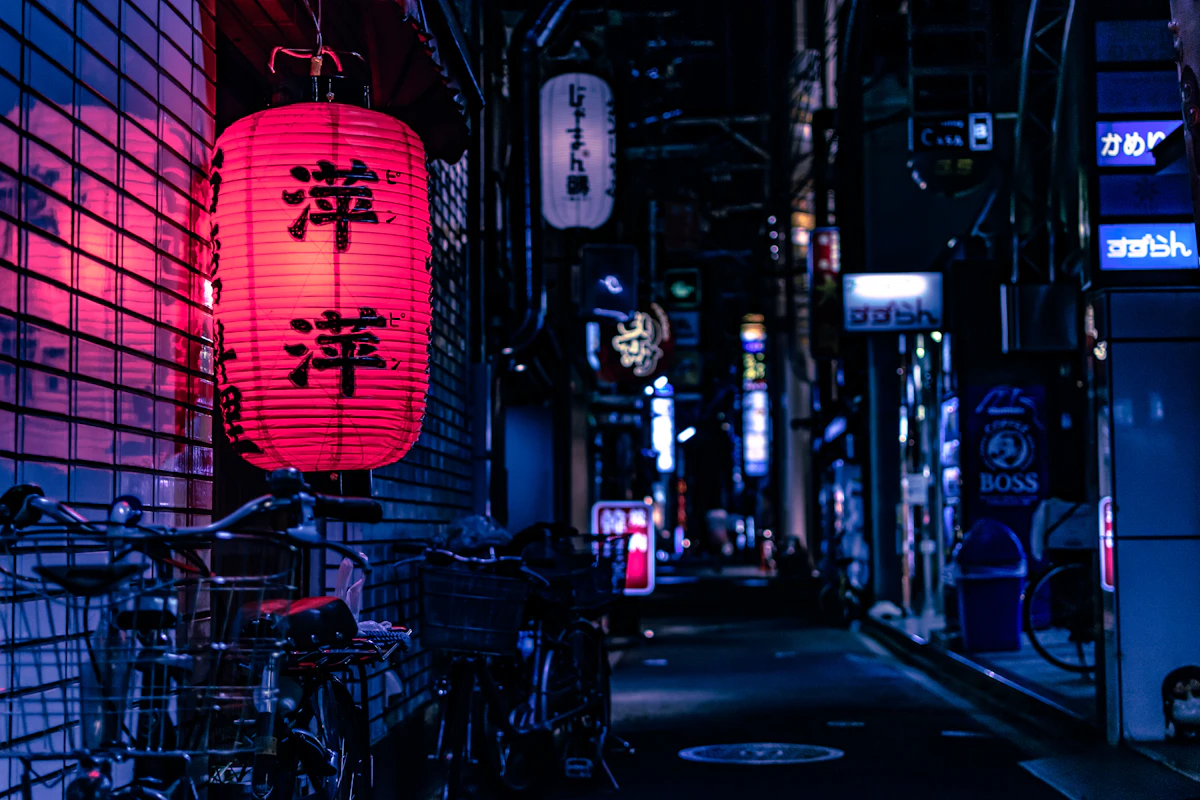
[Ghibli Museum](https://www.ghibli-museum.jp/) is a reservation-only museum and one of the hardest tickets to get in Tokyo.
### Ticket Prices
| Category | Price |
|----------|-------|
| Adult / University student | [¥1,000](https://www.ghibli-museum.jp/ticket/) |
| High / Junior high school | [¥700](https://www.ghibli-museum.jp/ticket/) |
| Elementary school | [¥400](https://www.ghibli-museum.jp/ticket/) |
| Child (4+) | [¥100](https://www.ghibli-museum.jp/ticket/) |
| Under 4 | [Free (no ticket needed)](https://www.ghibli-museum.jp/ticket/) |
Hours are [10:00–18:00 (last entry 16:00), closed every Tuesday](https://www.ghibli-museum.jp/ticket/). The museum is at [1-1-83 Shimorenjaku, Mitaka-shi, Tokyo (inside Inokashira Park)](https://www.ghibli-museum.jp/howtogo/).
### How to Buy
Tickets are sold exclusively on the [Lawson Ticket (L-Tike)](https://l-tike.com/ghibli/) website. They are not available at the museum.
**[On the 10th of each month at 10:00 AM (Japan time)](https://www.ghibli-museum.jp/ticket/)**, tickets for the following month go on sale. So on March 10, April tickets become available. Summer (July–August) visits are an exception: those tickets are distributed by [advance lottery instead of the usual 10th-of-the-month sale](https://www.ghibli-museum.jp/news/014063/), so check the official site for lottery dates if you're visiting then.
[Entry time slots are 10:00, 11:00, 12:00, 13:00, 14:00, 15:00, and 16:00 (7 slots)](https://www.ghibli-museum.jp/ticket/). You must enter within 1 hour of your designated time.
### Tips for Securing Tickets
Complete your Lawson Ticket web registration (free) and phone number verification **the day before the sale**. If you start registering on sale day, tickets will sell out while you're still signing up.
The 10:00 and 11:00 slots can sell out within minutes. Slots from 13:00 onward tend to last longer. [Each account can purchase once per month, up to 6 tickets](https://l-tike.com/ghibli/).
Tickets are [name-registered and resale is prohibited](https://www.ghibli-museum.jp/ticket/). ID checks may be conducted at entry. You can choose to receive tickets as a [smartphone e-ticket or pick up a paper ticket at a Lawson convenience store](https://l-tike.com/ghibli/).
Klook also offers Ghibli Museum tickets as part of guided tour packages, which can be an alternative when official tickets sell out.
[🎟 Get Ghibli Museum Tickets on Klook](https://www.klook.com/en-US/activity/20950-ghibli-museum-admission-ticket-tokyo/)
---
## Yayoi Kusama Museum

[Yayoi Kusama Museum](https://yayoikusamamuseum.jp/) is a small museum in Shinjuku, and its tiny capacity makes tickets notoriously hard to get. It operates on a [full reservation, capacity-controlled system with no same-day tickets](https://yayoikusamamuseum.jp/en/visit/tickets/).
### Ticket Prices
| Category | Price |
|----------|-------|
| Adult | [¥1,100](https://yayoikusamamuseum.jp/en/visit/tickets/) |
| Ages 6–18 | [¥600](https://yayoikusamamuseum.jp/en/visit/tickets/) |
| Under 6 | [Free](https://yayoikusamamuseum.jp/en/visit/tickets/) |
[Open Thursday–Sunday and public holidays only](https://yayoikusamamuseum.jp/en/visit/information/). Entry is by 90-minute timed slots, with [6 slots between 11:00–17:30](https://www.e-tix.jp/yayoikusamamuseum/). The museum is at [107 Bentencho, Shinjuku-ku, Tokyo](https://yayoikusamamuseum.jp/en/visit/information/).
### How to Buy
Tickets are available only through the [museum's official ticket site](https://www.e-tix.jp/yayoikusamamuseum/). **[On the 1st of each month at 10:00 (Japan time), tickets for 2 months ahead go on sale](https://yayoikusamamuseum.jp/en/visit/tickets/)**. So on March 1, May tickets become available.
Because each slot has a small capacity, selling out immediately after release is normal. Late weekday slots (15:00 onward) tend to last a bit longer. You can buy [up to 6 tickets per transaction, and only credit cards are accepted](https://yayoikusamamuseum.jp/en/visit/tickets/). You may be asked for ID (passport, etc.) at entry. [Resold tickets are not valid for entry](https://yayoikusamamuseum.jp/en/visit/tickets/).
---
## Shibuya Sky (SHIBUYA SKY)
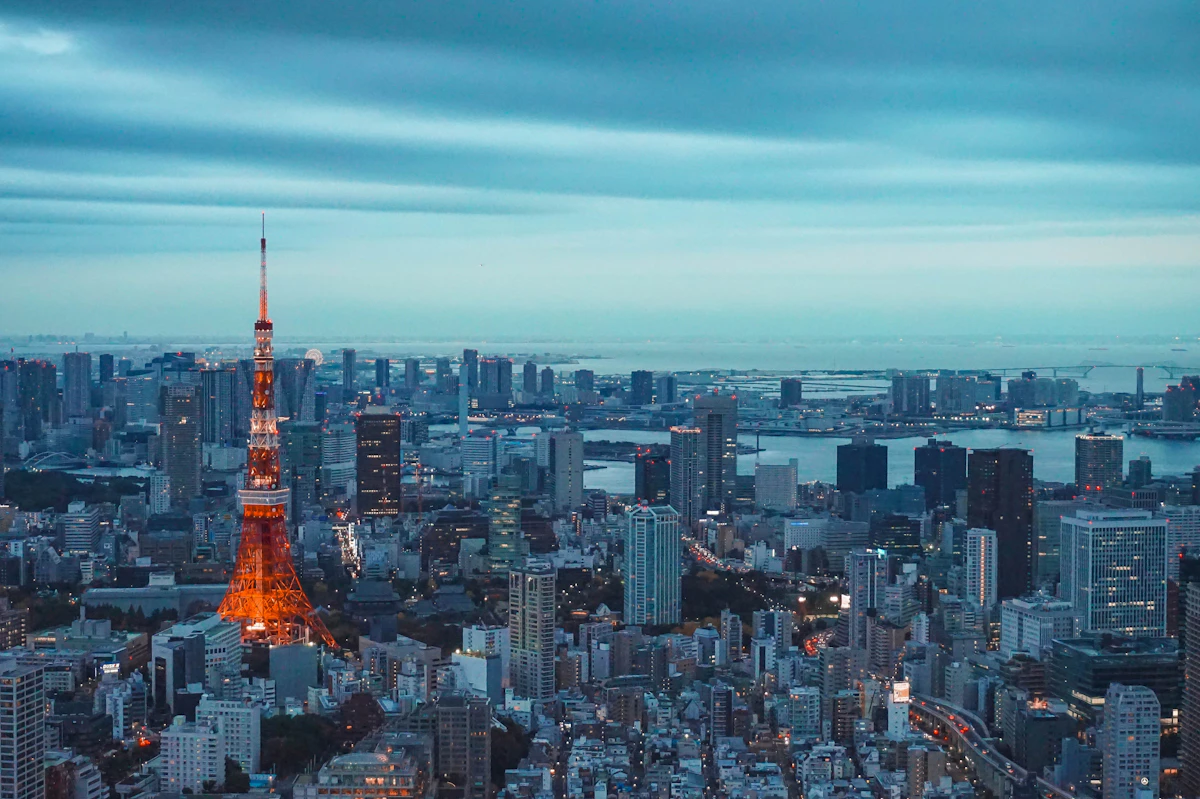
[Shibuya Sky](https://www.shibuya-scramble-square.com/sky/) is the rooftop observation deck on Shibuya Scramble Square. At [229 meters above ground](https://www.shibuya-scramble-square.com/sky/), it offers 360-degree views of Tokyo. The outdoor area "SKY STAGE" is especially popular at sunset.
### Ticket Prices
Since April 2025, a [time-based pricing system](https://www.shibuya-scramble-square.com/sky/ticket/) applies—later time slots (evening/night) cost more.
| Category | Web Advance | Same-Day Window |
|----------|-------------|-----------------|
| Adult / Junior high+ (until 14:59) | [¥2,700](https://www.shibuya-scramble-square.com/sky/ticket/) | ¥3,000 |
| Adult / Junior high+ (15:00 onward) | [¥3,400](https://www.shibuya-scramble-square.com/sky/ticket/) | ¥3,700 |
| Elementary and under | — | [¥1,200](https://www.shibuya-scramble-square.com/sky/ticket/) |
| Age 5 and under | — | [Free](https://www.shibuya-scramble-square.com/sky/ticket/) |
[Hours are 10:00–22:30 (last entry 21:20)](https://www.shibuya-scramble-square.com/sky/). Located at Shibuya Scramble Square, floors 14F, 45F, 46F, and rooftop.
### How to Buy
Book on the [official site](https://www.shibuya-scramble-square.com/sky/ticket/) by selecting a 20-minute entry window. [Advance tickets are available about 2 weeks ahead](https://www.shibuya-scramble-square.com/sky/ticket/).
Same-day tickets are sold at the window, but if online tickets are sold out, there won't be window tickets either. Web advance tickets are [¥300 cheaper](https://www.shibuya-scramble-square.com/sky/ticket/), so booking ahead is recommended. Note that [tickets for elementary school children and younger are only sold at the window](https://www.shibuya-scramble-square.com/sky/ticket/).
**Sunset slots** (roughly 16:00–18:00 depending on the season) are especially popular and can sell out 1–2 weeks ahead on weekends. Evening slots are also priced higher. On cloudy or rainy days, cancellations sometimes open up—check the official site periodically. The outdoor "SKY STAGE" may close due to weather.
[🎟 Get Shibuya Sky Tickets on Klook](https://www.klook.com/en-US/activity/70672-shibuya-sky-tokyo/)
---
## teamLab Planets (Toyosu)
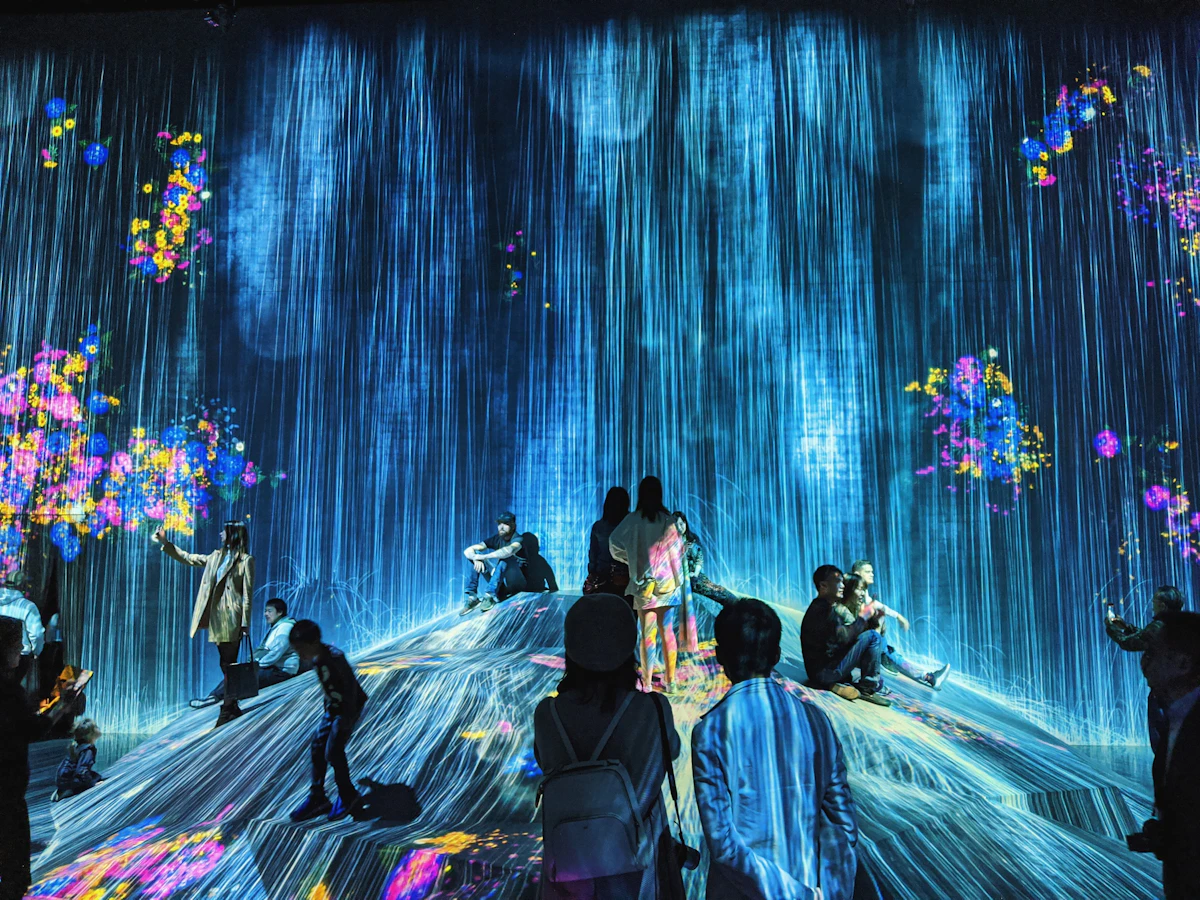
[teamLab Planets](https://www.teamlab.art/e/planets/) is an experiential digital art museum in Toyosu. You walk barefoot through water and mirror spaces—a different concept from Borderless.
### Ticket Prices
| Category | Price |
|----------|-------|
| Adult (18+) | [¥3,600~ (varies by date)](https://www.teamlab.art/e/planets/) |
| Junior/Senior High | [¥2,800](https://www.teamlab.art/e/planets/) |
| Child (4–12) | [¥1,500](https://www.teamlab.art/e/planets/) |
| Under 3 | [Free](https://www.teamlab.art/e/planets/) |
| Disability discount | [¥1,800~](https://www.teamlab.art/e/planets/) |
[Hours are 8:30–22:00](https://www.teamlab.art/e/planets/) (last entry 1 hour before closing). Located at [6-1-16 Toyosu, Koto-ku](https://www.teamlab.art/e/planets/), a 1-minute walk from Shin-Toyosu Station (Yurikamome line).
### How to Buy
Tickets are sold at the [official ticket store](https://teamlabplanets.dmm.com/en) with a designated date and time. [There are no on-site ticket sales](https://teamlabplanets.dmm.com/en/help). [Payment methods include credit card, PayPay, and UnionPay](https://teamlabplanets.dmm.com/en/help). See our [payment methods guide](/guides/payment-methods) for details on what works in Japan.
Weekend and holiday slots fill up early, so book at least 3 weeks ahead for those dates. If the official site is sold out, [Rakuten Travel Experiences](https://experiences.travel.rakuten.com/) may still have availability. [Visitors under 13 must be accompanied by someone 18 or older](https://www.teamlab.art/e/planets/).
[🎟 Get teamLab Planets Tickets on Klook](https://www.klook.com/en-US/activity/25300-teamlab-planets-toyosu-tokyo-ticket/)
---
## Warner Bros. Studio Tour Tokyo (Harry Potter)
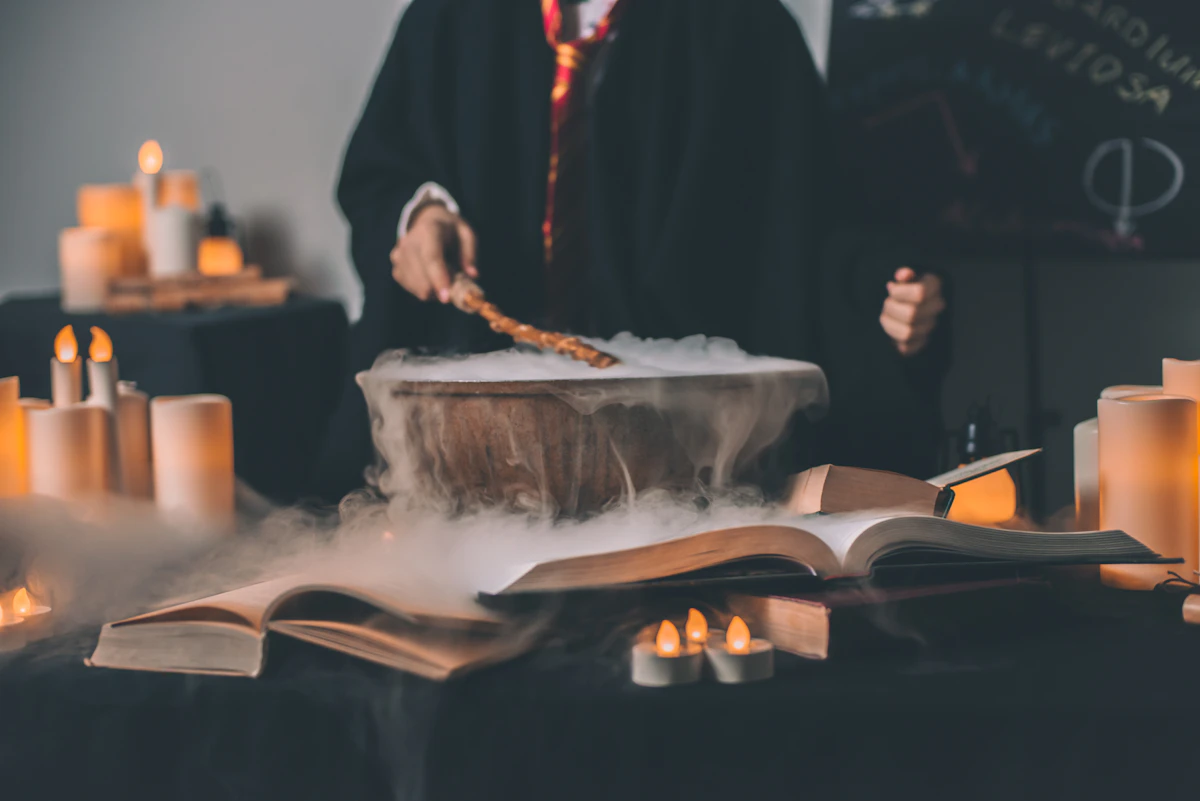
[Warner Bros. Studio Tour Tokyo](https://www.wbstudiotour.jp/) lets you experience the behind-the-scenes world of the Harry Potter film series. Located on the former Toshimaen site in Nerima, it operates on a full reservation system and same-day tickets are nearly impossible to get.
### Ticket Prices
Prices vary by date (dynamic pricing). A [price revision took effect on July 1, 2026](https://www.wbstudiotour.jp/en/news_20251120/)—the figures below are the post-revision rates (before that date they were roughly ¥300–¥400 lower per ticket).
| Category | Price (from July 1, 2026) |
|----------|---------------------------|
| Adult (18+) | [¥6,600~ (varies by date)](https://www.wbstudiotour.jp/tickets/) |
| Youth (12–17) | [¥5,500~](https://www.wbstudiotour.jp/tickets/) |
| Child (4–11) | [¥4,000~](https://www.wbstudiotour.jp/tickets/) |
| Under 4 | [Free](https://www.wbstudiotour.jp/tickets/) |
Hours vary by day (check the calendar on the official site). Located at [1-1-7 Kasugacho, Nerima-ku, Tokyo](https://www.wbstudiotour.jp/), a [2-minute walk](https://www.wbstudiotour.jp/plan-your-visit/location/) from Toshimaen Station (Seibu Toshima Line / Toei Oedo Line). Allow 3–4 hours for the full tour.
### How to Buy
Book on the [official site](https://www.wbstudiotour.jp/tickets/) with a designated date and time. Tickets are available up to about 3 months in advance. Dynamic pricing means the price varies by date.
Weekends, holidays, and school vacation periods often sell out weeks to over a month ahead — Golden Week (late April to early May) is particularly busy across all venues. Even weekday morning slots fill up early during that period. Secure your tickets as soon as your dates are set. For what to expect during Golden Week more broadly, see our [Golden Week Tokyo guide](/guides/golden-week-tokyo-guide).
[Tickets are non-refundable](https://www.wbstudiotour.jp/tickets/). [Date/time changes cost ¥1,500 per change](https://www.wbstudiotour.jp/faqs/tickets/). The on-site ticket office may sell tickets if there are openings, but most days are sold out.
[🎟 Get Warner Bros. Studio Tour Tickets on Klook](https://www.klook.com/en-US/activity/84374-warner-bros-studio-tour-tokyo-making-harry-potter/)
---
## Tokyo Skytree
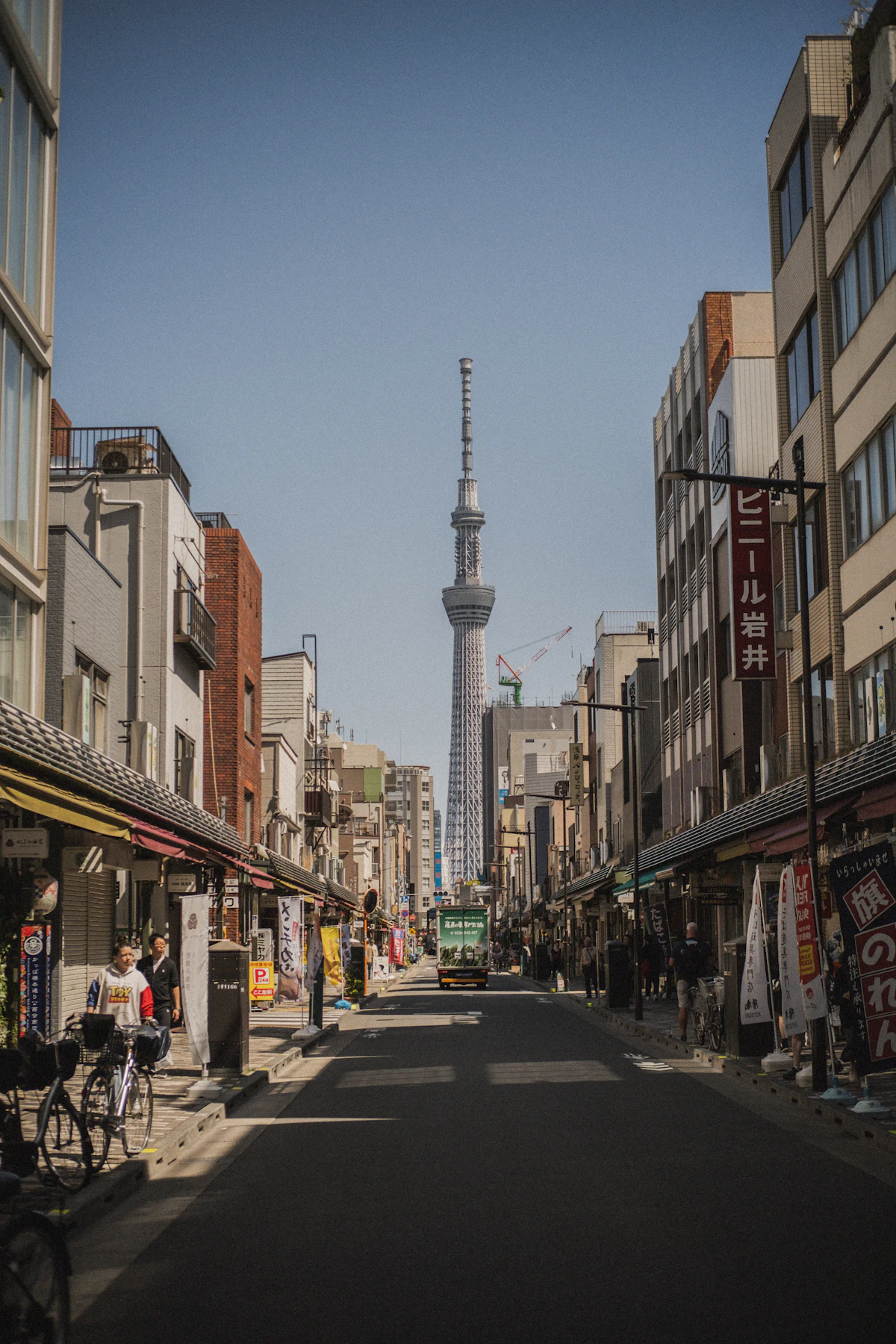
[Tokyo Skytree](https://www.tokyo-skytree.jp/) stands [634 meters tall](https://www.tokyo-skytree.jp/about/spec/) and has two observation decks: [Tembo Deck (350m) and Tembo Galleria (450m)](https://www.tokyo-skytree.jp/ticket/). Reservations aren't as hard to get as the attractions above, but advance tickets let you skip the queue on the day.
### Ticket Prices
Since April 2026, Skytree uses [date-based dynamic pricing](https://www.tokyo-skytree.jp/ticket/), so the price changes from day to day. The old fixed weekday/holiday rates and the separate advance/same-day rates no longer apply—there is one price per date.
| Category | Tembo Deck (350m) | Deck + Galleria Set |
|----------|-------------------|---------------------|
| Adult (15+) | [from ¥1,800](https://www.tokyo-skytree.jp/ticket/) | [from ¥3,000](https://www.tokyo-skytree.jp/ticket/) |
| Child (6–14) | [from ¥900](https://www.tokyo-skytree.jp/ticket/) | [from ¥1,500](https://www.tokyo-skytree.jp/ticket/) |
| Age 5 and under | [Free](https://www.tokyo-skytree.jp/ticket/) | [Free](https://www.tokyo-skytree.jp/ticket/) |
Buying at the 4th-floor counter adds a [¥500 service fee per ticket](https://www.tokyo-skytree.jp/ticket/), so booking online is cheaper. If you already hold a Tembo Deck ticket, you can add the Tembo Galleria on-site (¥1,400 adult / ¥700 child).
### How to Buy
[Advance tickets are sold online from 30 days before your visit until the day before](https://www.tokyo-skytree.jp/ticket/) through the official ticket site, which accepts credit card and other common methods. [Advance tickets can also be purchased at 7-Eleven](https://www.tokyo-skytree.jp/ticket/reservation/convenience.html).
Same-day tickets are available at the counter, so walk-ins are generally possible. However, weekends and evenings get crowded, and having an advance ticket helps you skip the wait.
[🎟 Get Tokyo Skytree Tickets on Klook](https://www.klook.com/en-US/activity/41352-tokyo-skytree/)
---
## Tokyo Tower
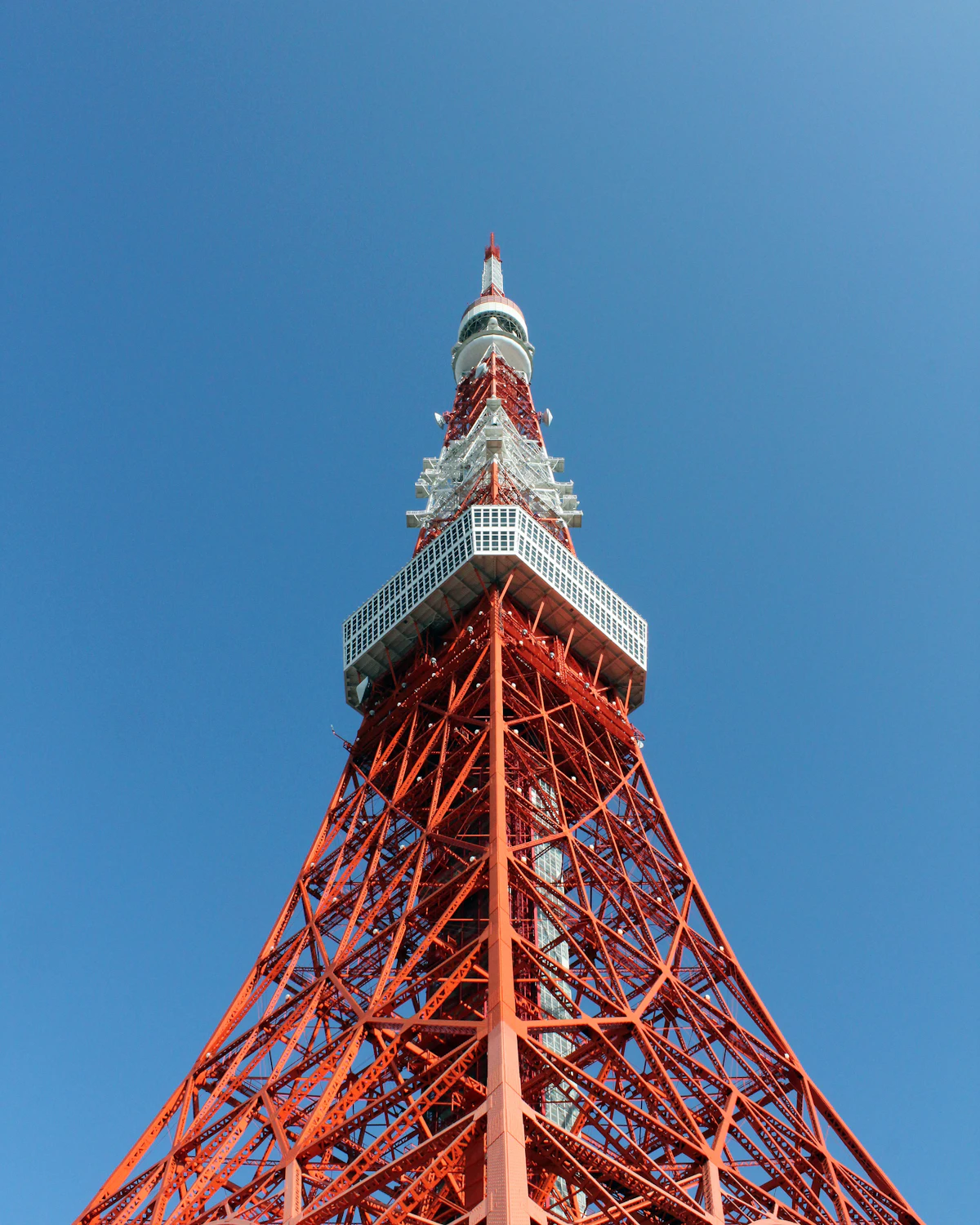
[Tokyo Tower](https://www.tokyotower.co.jp/) has two levels: [Main Deck (150m) and Top Deck (250m)](https://www.tokyotower.co.jp/fee/). The Main Deck is easy to visit without a reservation, making it relatively easy-going compared to other attractions in this guide.
### Ticket Prices
| Category | Main Deck | Top Deck Tour (Web) | Top Deck Tour (Window) |
|----------|-----------|---------------------|------------------------|
| Adult | [¥1,500](https://www.tokyotower.co.jp/fee/) | ¥3,300 | ¥3,500 |
| High school | [¥1,200](https://www.tokyotower.co.jp/fee/) | ¥3,100 | ¥3,300 |
| Elementary / Junior high | [¥900](https://www.tokyotower.co.jp/fee/) | ¥2,100 | ¥2,300 |
| Child (4+) | [¥600](https://www.tokyotower.co.jp/fee/) | ¥1,500 | ¥1,700 |
[Hours: Main Deck 9:00–23:00 (last entry 22:30), Top Deck Tour 9:00–22:45 (last entry 22:15)](https://www.tokyotower.co.jp/fee/).
### How to Buy
Main Deck tickets are sold on the [official site](https://www.tokyotower.co.jp/ticket/) and at the ticket counter. The Top Deck Tour is a guided experience—book on the [dedicated page](https://tdt.tokyotower.co.jp/topdecktour/ticket/) for the web discount.
There's also the [Tokyo Diamond Tour (¥7,000 for adults, limited to 70 per day)](https://tdt.tokyotower.co.jp/tokyodiamondtour/), which includes the Top Deck plus access to an exclusive lounge.
[🎟 Get Tokyo Tower Tickets on Klook](https://www.klook.com/en-US/activity/4911-tokyo-tower-main-observatory-ticket-tokyo/)
---
## Tokyo Joypolis (Odaiba)
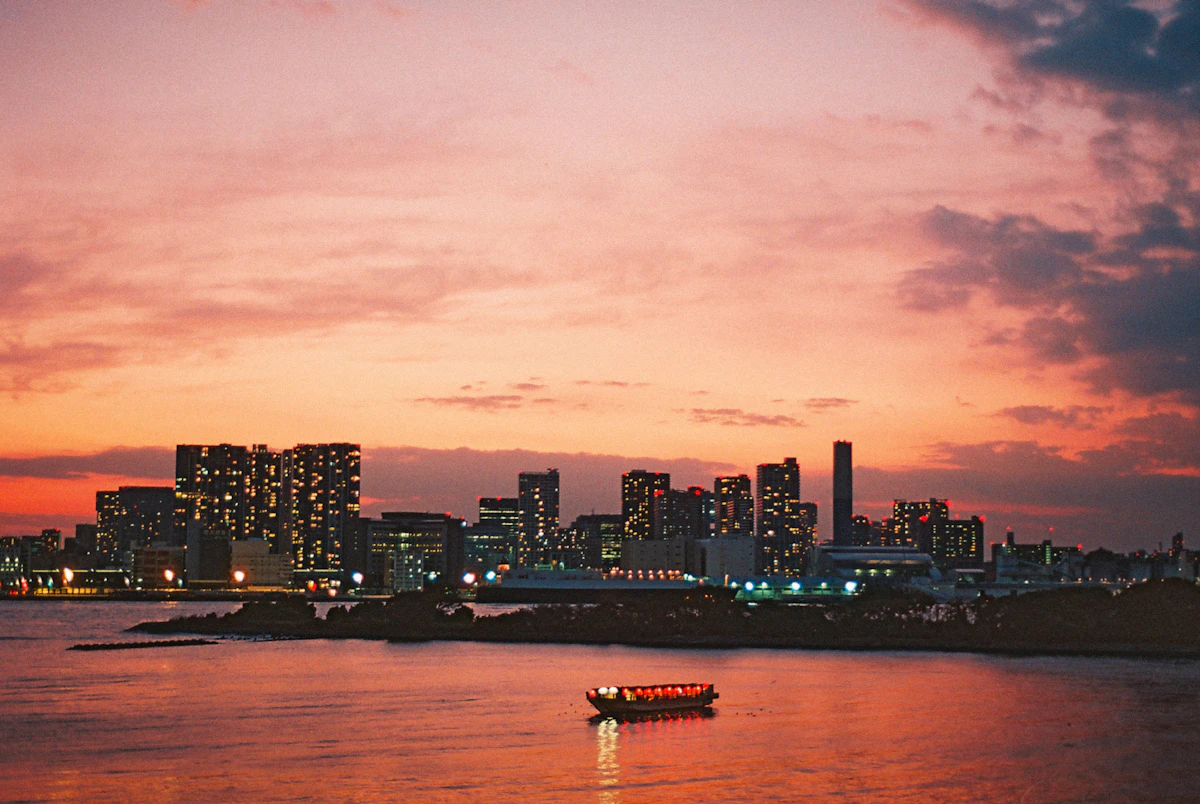
[Tokyo Joypolis](https://tokyo-joypolis.com/) is an indoor theme park inside Decks Tokyo Beach. It features VR attractions and rides. Tickets rarely sell out, but buying online saves money compared to the window.
### Ticket Prices
| Category | Price (window / standard) |
|----------|---------------------------|
| Passport Adult (18+) | [¥5,800](https://tokyo-joypolis.com/ticket/) |
| Passport Student (Elementary–High) | [¥4,800](https://tokyo-joypolis.com/ticket/) |
| Admission Only Adult | [¥1,500](https://tokyo-joypolis.com/ticket/) |
| Admission Only Student | [¥1,200](https://tokyo-joypolis.com/ticket/) |
Note: advance tickets via [Asoview](https://tokyo-joypolis.com/ticket/profitable.html) can also be bought same-day, and the discount amount varies by campaign—check at purchase.
Hours vary by day ([check the official calendar](https://tokyo-joypolis.com/calendar/)). Located at [1-6-1 Daiba, Minato-ku, Decks Tokyo Beach 3F–5F](https://tokyo-joypolis.com/access/). [2-minute walk from Odaiba-Kaihinkoen Station (Yurikamome)](https://tokyo-joypolis.com/access/).
Walk-ins are fine, but popular attractions can have 1–2 hour waits on weekends. A web passport lets you skip the ticket counter line.
[🎟 Get Tokyo Joypolis Tickets on Klook](https://www.klook.com/en-US/activity/41323-tokyo-joypolis/)
---
## Miraikan – National Museum of Emerging Science and Innovation (Odaiba)
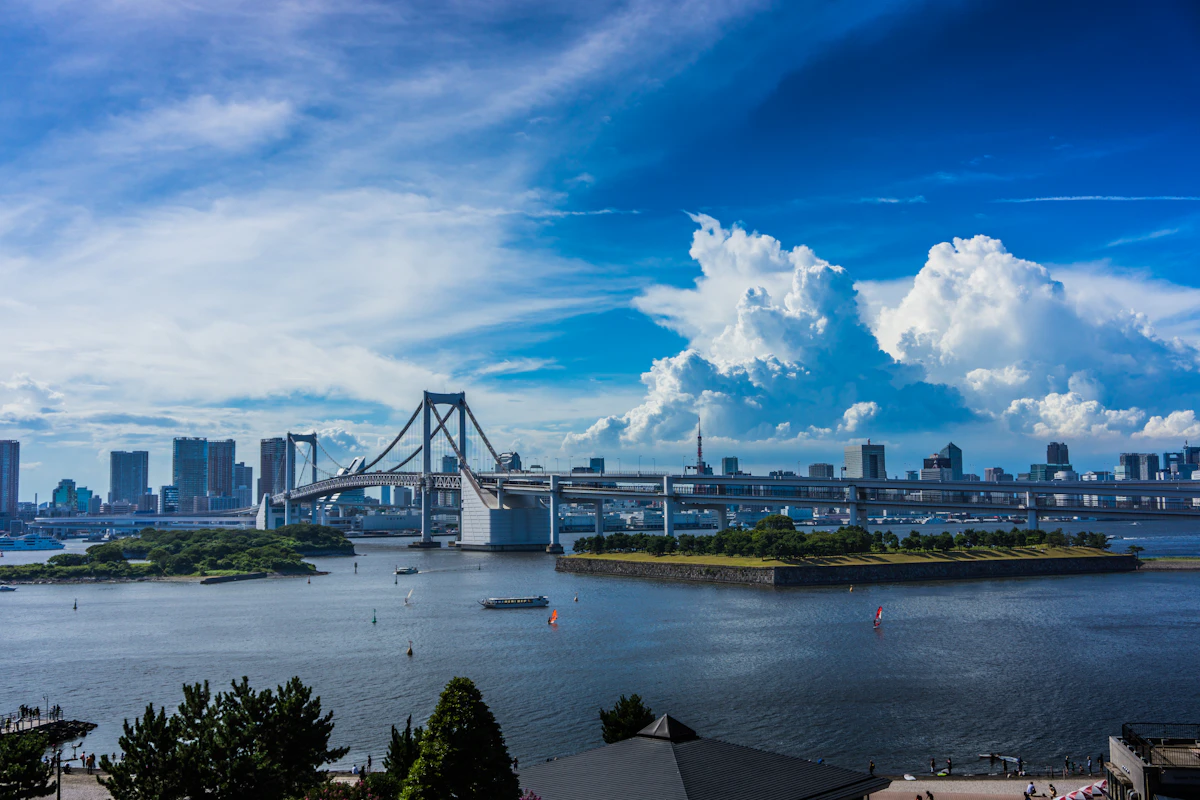
[Miraikan](https://www.miraikan.jst.go.jp/) is a science museum in Odaiba. The permanent exhibition is easy to enter with a same-day ticket. However, the **Dome Theater** (a planetarium-style screening venue) has all-reserved seating and can sell out on weekends. Special exhibitions have separate ticketing systems, and popular ones are worth booking ahead.
### Ticket Prices
| Category | Permanent Exhibition | Permanent + Dome Theater |
|----------|---------------------|--------------------------|
| Adult | [¥630](https://www.miraikan.jst.go.jp/visit/admission/) | [¥940](https://www.miraikan.jst.go.jp/visit/admission/) |
| Age 18 and under | [¥210](https://www.miraikan.jst.go.jp/visit/admission/) | [¥310](https://www.miraikan.jst.go.jp/visit/admission/) |
| Preschool | [Free](https://www.miraikan.jst.go.jp/visit/admission/) | [¥100](https://www.miraikan.jst.go.jp/visit/admission/) |
[Hours: 10:00–17:00 (last entry 16:30), closed Tuesdays](https://www.miraikan.jst.go.jp/visit/admission/). Located at [2-3-6 Aomi, Koto-ku, Tokyo](https://www.miraikan.jst.go.jp/visit/). [4-minute walk from Telecom Center Station (Yurikamome)](https://www.miraikan.jst.go.jp/visit/). [Every Saturday, the permanent exhibition is free for visitors age 18 and under](https://www.miraikan.jst.go.jp/visit/admission/).
### How to Buy
[Online advance booking](https://www.miraikan.jst.go.jp/visit/booking/) opens 1 week before your visit. The permanent exhibition can also be purchased at the window. The Dome Theater has limited seating, so book online if you want to be sure of a seat.
Special exhibitions have separate pricing and sales channels. Popular ones can sell out on the day, so check and buy on the official site in advance.
**Note:** [The museum is scheduled to close from October 1, 2026 to April 22, 2027 for renovation](https://www.miraikan.jst.go.jp/visit/admission/).
---
## If Tickets Are Sold Out
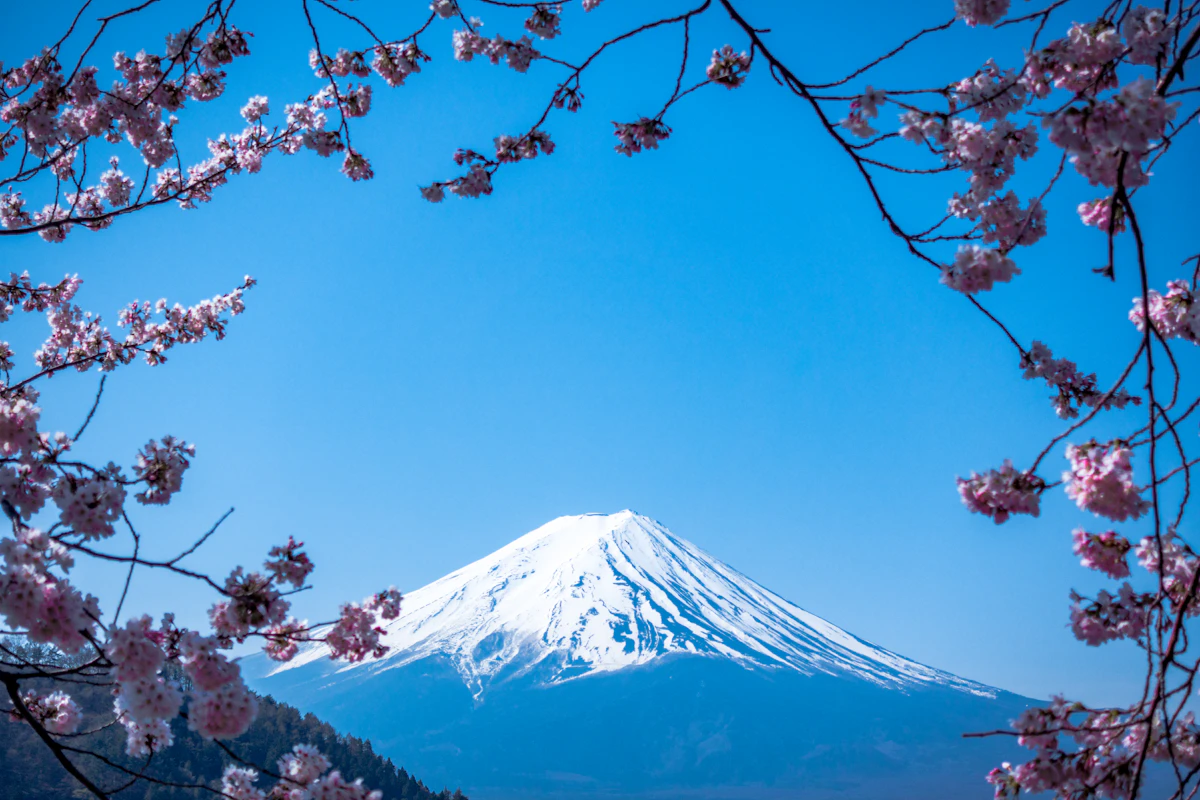
Even when popular venues are sold out, there are alternatives worth exploring.
### Observation Deck Alternatives
If Shibuya Sky or Skytree tickets are sold out, Tokyo has **free observation decks**. The [Tokyo Metropolitan Government Building observation room](https://www.zaimu.metro.tokyo.lg.jp/tochousha/goannai/tenbou) (202m) is free to enter and offers views all the way to Mt. Fuji on clear days. See our guide: [7 Free Observation Decks in Tokyo](/guides/free-observation-decks-tokyo).
### Digital Art Alternatives
If both teamLab venues are sold out, large-scale immersive digital art facilities are rare in Tokyo. However, [public art by Olafur Eliasson, Yoshitomo Nara, and others](https://www.azabudai-hills.com/art/publicart/index.html) is installed throughout the Azabudai Hills grounds and can be viewed without a reservation.
### Ghibli Museum Alternatives
Even without Ghibli Museum tickets, you can enjoy [Inokashira Park](https://www.kensetsu.metro.tokyo.lg.jp/jimusho/seibuk/inokashira/index.html) where the museum is located. It's also a lovely spot during [cherry blossom season](/guides/sakura-spots-tokyo). Walking through the park and viewing the museum's exterior is pleasant in itself. Note that the in-museum [Straw Hat Café (Mugiwara Boushi)](https://www.ghibli-museum.jp/cafe/) is inside the grounds, so you need an entry ticket to visit it.
---
## Troubleshooting
| Situation | What to Do |
|-----------|------------|
| Official site shows sold out | Cancellations can free up inventory. Check the site periodically over a few days |
| Can't register on Lawson Ticket | Foreign phone numbers may not pass verification. Use a Japanese phone number or ask a travel companion to buy for you |
| Credit card error | Foreign-issued cards are sometimes rejected. Visa and Mastercard tend to work best. If rejected, try an alternative like PayPay |
| Bad weather on your day | Shibuya Sky's outdoor area may close, but the indoor area stays open. Check the official site about rescheduling |
| Booked the wrong date/time | teamLab Borderless allows up to 3 changes (until 2 hours before entry). Other venues have different policies—check each official site |
---
## Other Options
If arranging tickets yourself feels like too much work, there are other ways.
**Activity booking platforms** — [Klook](https://www.klook.com/en-JP/city/1-tokyo-things-to-do/) bundles popular Tokyo attraction tickets with English-language support and mobile vouchers. It sometimes offers combo deals (e.g., teamLab + Shibuya Sky) or occasional discounts.
**Package tours from travel agencies** — [HIS](https://www.his-j.com/), [JTB](https://www.jtb.co.jp/), and others sell Tokyo sightseeing tours that include admission tickets. They tend to be pricier than buying individually, but they secure your entry.
**Hotel concierge** — If your hotel has a concierge service, they may be able to arrange tickets for you. Higher-end hotels sometimes have reserved allocations through partnerships with venues.
**Accommodation site bundle deals** — [Rakuten Travel Experiences](https://experiences.travel.rakuten.com/) and [Jalan](https://www.jalan.net/) sometimes offer ticket-and-hotel bundle plans.
---
## Related Articles
- [7 Free Observation Decks in Tokyo](/guides/free-observation-decks-tokyo) — Enjoy panoramic views without a ticket
- [Payment Methods in Tokyo](/guides/payment-methods) — What payment methods work for ticket purchases
- [Tokyo Last Train Guide](/guides/last-train-tokyo-guide) — Getting home after a late-night visit
- [Is the JR Pass Worth It?](/guides/jr-pass-japan) — Cost breakdown for bullet train and regional travel
- [Where to Store Luggage in Tokyo](/guides/luggage-storage-tokyo) — Coin lockers, storage services, and tips for traveling light
---
**References:**
- teamLab Borderless Official Site https://www.teamlab.art/e/tokyo/ (accessed: 2026-06-09)
- teamLab Borderless FAQ https://www.teamlab.art/faq/tokyo/ (accessed: 2026-06-09)
- GO TOKYO "teamLab Borderless" https://www.gotokyo.org/en/spot/1742/index.html (accessed: 2026-06-09)
- Ghibli Museum "How to Purchase Tickets" https://www.ghibli-museum.jp/ticket/ (accessed: 2026-06-09)
- Ghibli Museum "Summer advance lottery" https://www.ghibli-museum.jp/news/014063/ (accessed: 2026-06-09)
- Lawson Ticket "Ghibli Museum" https://l-tike.com/ghibli/ (accessed: 2026-06-09)
- Yayoi Kusama Museum "Tickets" https://yayoikusamamuseum.jp/en/visit/tickets/ (accessed: 2026-06-09)
- SHIBUYA SKY Official Site https://www.shibuya-scramble-square.com/sky/ (accessed: 2026-06-09)
- teamLab Planets TOKYO Official Ticket Store https://teamlabplanets.dmm.com/en (accessed: 2026-06-09)
- Warner Bros. Studio Tour Tokyo "Tickets" https://www.wbstudiotour.jp/tickets/ (accessed: 2026-06-09)
- Warner Bros. Studio Tour Tokyo "Ticket price revision (from July 1, 2026)" https://www.wbstudiotour.jp/en/news_20251120/ (accessed: 2026-06-09)
- Tokyo Skytree "Tickets & Pricing" https://www.tokyo-skytree.jp/ticket/ (accessed: 2026-06-09)
- Tokyo Skytree "Date-based dynamic pricing announcement" https://www.tokyo-skytree.jp/press/post/677/ (accessed: 2026-06-09)
- Tokyo Tower "Admission & Hours" https://www.tokyotower.co.jp/fee/ (accessed: 2026-06-09)
- Tokyo Tower "Tokyo Diamond Tour" https://tdt.tokyotower.co.jp/tokyodiamondtour/ (accessed: 2026-06-09)
- Tokyo Joypolis "Tickets" https://tokyo-joypolis.com/ticket/ (accessed: 2026-06-09)
- Miraikan "Admission & Hours" https://www.miraikan.jst.go.jp/visit/admission/ (accessed: 2026-06-09)
---
# Cheap Sushi in Tokyo: Best Spots from ¥110/Plate
> Best cheap sushi in Tokyo from ¥110/plate. Top kaiten-zushi chains, standing bars, Tsukiji & supermarket picks — compared by price, quality & budget.
- **URL**: https://tokyo.how/guides/cheap-sushi-tokyo
- **Category**: Explore
- **Audience**: both
- **Published**: 2026-05-12
- **Updated**: 2026-05-26
- **Tags**: sushi, budget food, conveyor belt sushi, tsukiji, standing sushi
## Tokyo and Sushi
Nigiri sushi (握り寿司) was born 200 years ago at street stalls in Tokyo — then called Edo. [The original form used seafood caught in Edo Bay](https://www.mizkan.co.jp/sushilab/manabu/1.html), and [after the Great Kanto Earthquake of 1923, sushi chefs scattered across Japan](https://www.mizkan.co.jp/sushilab/manabu/6.html), spreading the craft nationwide.
I've eaten sushi across the full price spectrum in this city. I've ordered ten plates plus a bowl of aosa miso soup at a conveyor belt chain for ¥2,500, picked up an evening-discounted sushi pack at a supermarket for ¥400, snacked on shellfish and tuna at Tsukiji for a few hundred yen per piece, and watched a company dinner bill top ¥10,000 per person at a high-end sushi counter. All in Tokyo.
What you pay for sushi here depends almost entirely on where you go.
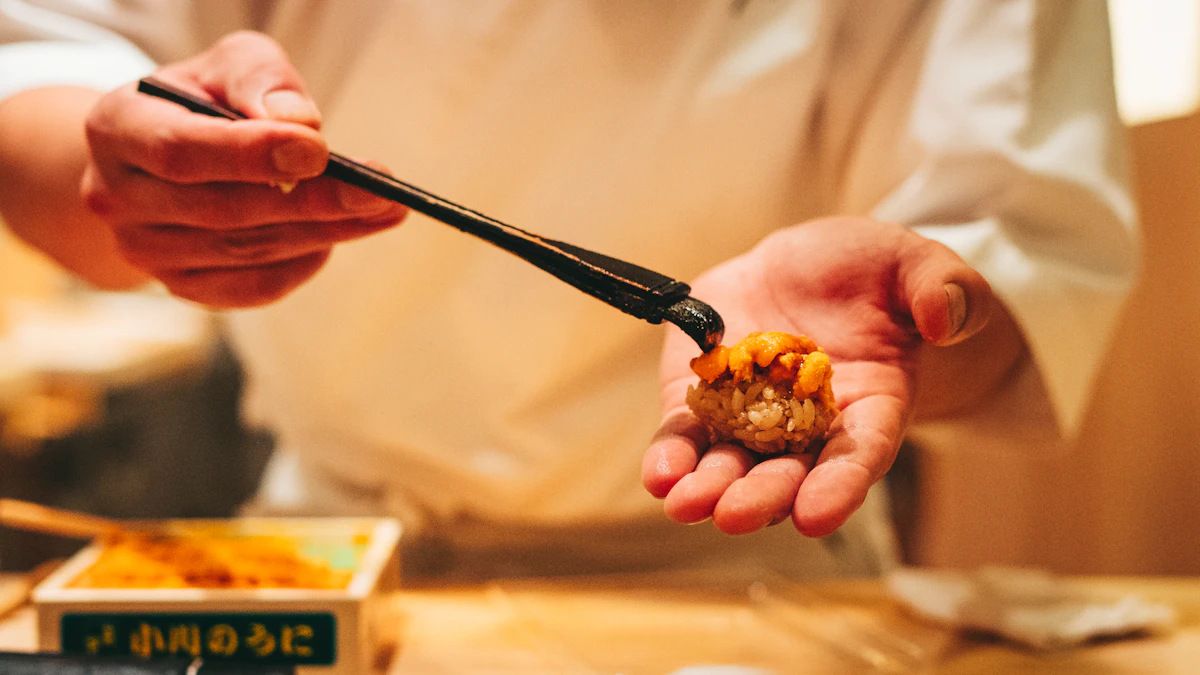
## What Does Sushi Actually Cost in Tokyo?
Here's a breakdown by venue type:
| Venue | Estimated Cost | Best For |
|-------|---------------|----------|
| Supermarket discounted pack | ¥250–500 | Solo ◎ Family ○ |
| Convenience store sushi | ¥198–550 | Solo ◎ |
| Conveyor belt sushi chain | ¥1,500–2,500 | Solo ◎ Family ◎ |
| Standing sushi bar | ¥1,000–3,000 | Solo ◎ Couples ◎ |
| Tsukiji Outer Market | ¥1,500–2,500 | Couples ◎ Family ○ |
| High-end sushi lunch | ¥1,800–5,000 | Couples ◎ |
| High-end sushi dinner | ¥20,000–40,000 | Special occasions |
### Sample One-Day Sushi Plans by Budget
**Budget plan (around ¥1,600):** Morning convenience store hand roll ¥225 → Lunch 10 plates at a conveyor belt chain ¥1,100 → Evening supermarket discounted pack ¥250
**Standard plan (around ¥3,500):** Morning nigiri set at Tsukiji ¥1,500 → Lunch at a convenience store ¥500 → Evening conveyor belt sushi ¥1,500
**Splurge plan (around ¥5,000):** Lunch omakase in Ginza ¥3,000 → Evening conveyor belt sushi ¥2,000
## Conveyor Belt Sushi Chains: The Best Value in Town
If you want cheap sushi in Tokyo, start with the kaiten-zushi (回転寿司) chains. The four major chains together have around 200 locations in Tokyo, so you'll almost always find one near whatever station you're at.
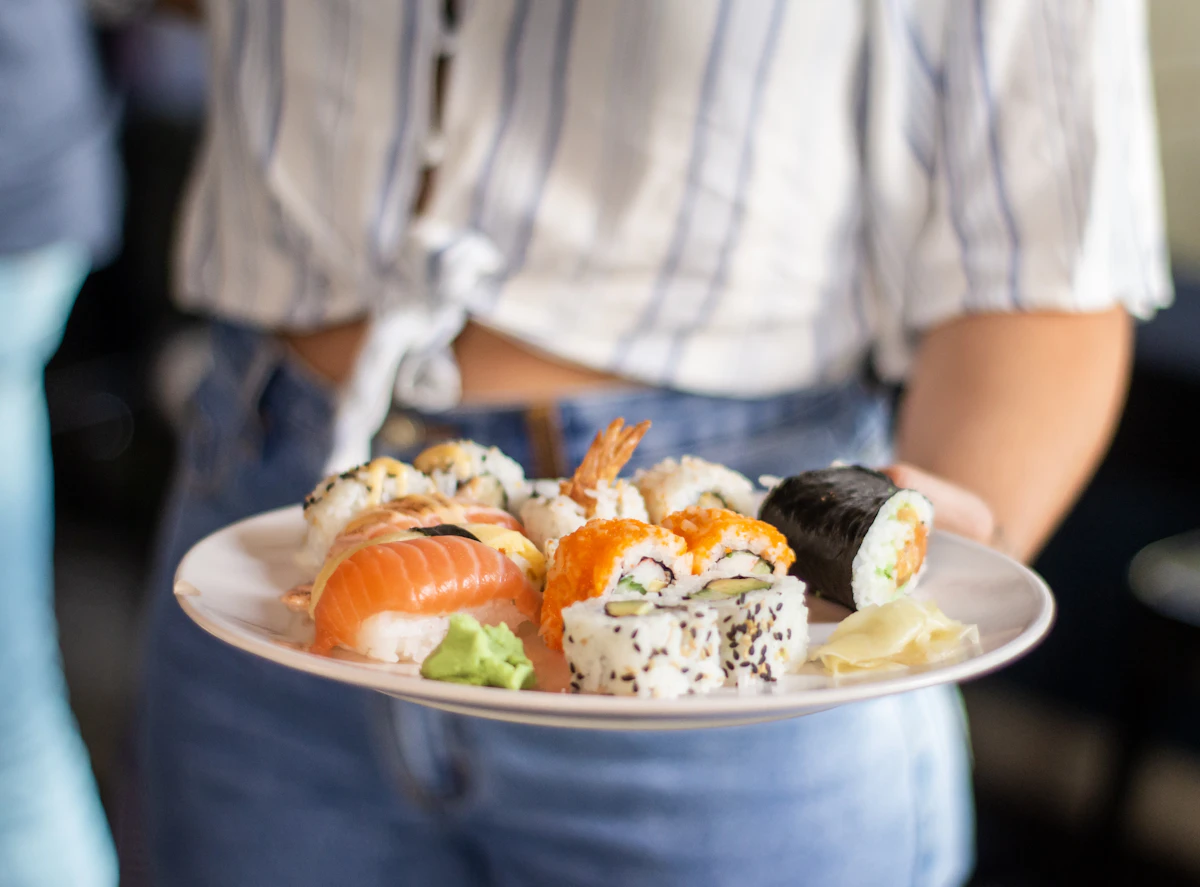
Comparison of the top 4 chains:
| Chain | Lowest Price Per Plate | Approx. Tokyo Locations | English Support | Kid-Friendly |
|-------|----------------------|------------------------|-----------------|--------------|
| [Hama-Zushi (はま寿司)](https://www.hama-sushi.co.jp/menu/) | From ¥110 | ~55 | [English site available](https://en.hama-sushi.co.jp/) | [Kids' set from ¥290](https://www.hama-sushi.co.jp/menu/) |
| [Kura Sushi (くら寿司)](https://www.kurasushi.co.jp/menu/) | From ¥115 | ~62 | [Multilingual support](https://www.kurasushi.co.jp/first_kura/) | [Udon ¥250](https://www.kurasushi.co.jp/menu/), chicken, etc. |
| [Sushiro (スシロー)](https://www.akindo-sushiro.co.jp/menu/) | From ¥120 (suburban) / ¥130 (semi-urban) / ¥150 (central Tokyo) | ~70 | Multilingual touchscreen | [Kids' Sushiro menu](https://www.akindo-sushiro.co.jp/kodomosushiro/) |
| [Uobei (魚べい)](https://www.uobei.info/) | From ¥110 | ~15 | Multilingual touchscreen | Udon, karaage, etc. |
In my experience, a typical visit — ten or so plates plus a side of aosa (あおさ) seaweed miso soup — comes to around ¥2,000–2,500. That soup is quietly one of the best things on the menu: [Hama-Zushi charges ¥143 including tax](https://www.hama-sushi.co.jp/menu/), and [Kura Sushi is ¥280](https://www.kurasushi.co.jp/menu/). The chains also run seasonal and limited-edition items — gratin-style fusion rolls, for example — so there's more to explore than just the sushi.
Families with young kids will do well at [Kura Sushi](https://www.kurasushi.co.jp/). [Every 5 plates triggers a mini-game called Bikkura-Pon! (ビッくらポン!)](https://www.kurasushi.co.jp/quality/comfotable.php), where kids can win a capsule toy. They're unlikely to get bored. Kura Sushi also runs [global flagship stores in Asakusa (浅草), Harajuku (原宿), and Ginza (銀座)](https://www.kurasushi.co.jp/global_flagship/) that cater specifically to international visitors.
If someone in your group dislikes raw fish or has dietary restrictions, you're still covered. Every chain carries egg (tamago / 玉子), broiled shrimp, cucumber rolls (kappa maki / かっぱ巻き), and sweet tofu rolls (inari / いなり). Most also serve udon, karaage fried chicken, and fries alongside the sushi.
### Weekends Can Mean a 1–2 Hour Wait Without a Reservation
Popular locations near tourist areas — Shibuya (渋谷), Shinjuku (新宿), Akihabara (秋葉原) — build up serious queues on weekends. The [Sushiro app](https://www.akindo-sushiro.co.jp/sushipass/) lets you book a time slot up to a month ahead, and also works through LINE. Kura Sushi and Hama-Zushi each have their own apps for remote waitlist registration. On weekday afternoons, you'll typically walk straight in.
All chains use touchscreen ordering panels that switch between English, Chinese, and Korean. Payment is accepted by [Suica (スイカ)](/guides/suica-card) and other IC cards, as well as [credit cards](/guides/payment-methods).
## Standing Sushi Bars: A Chef in Front of You
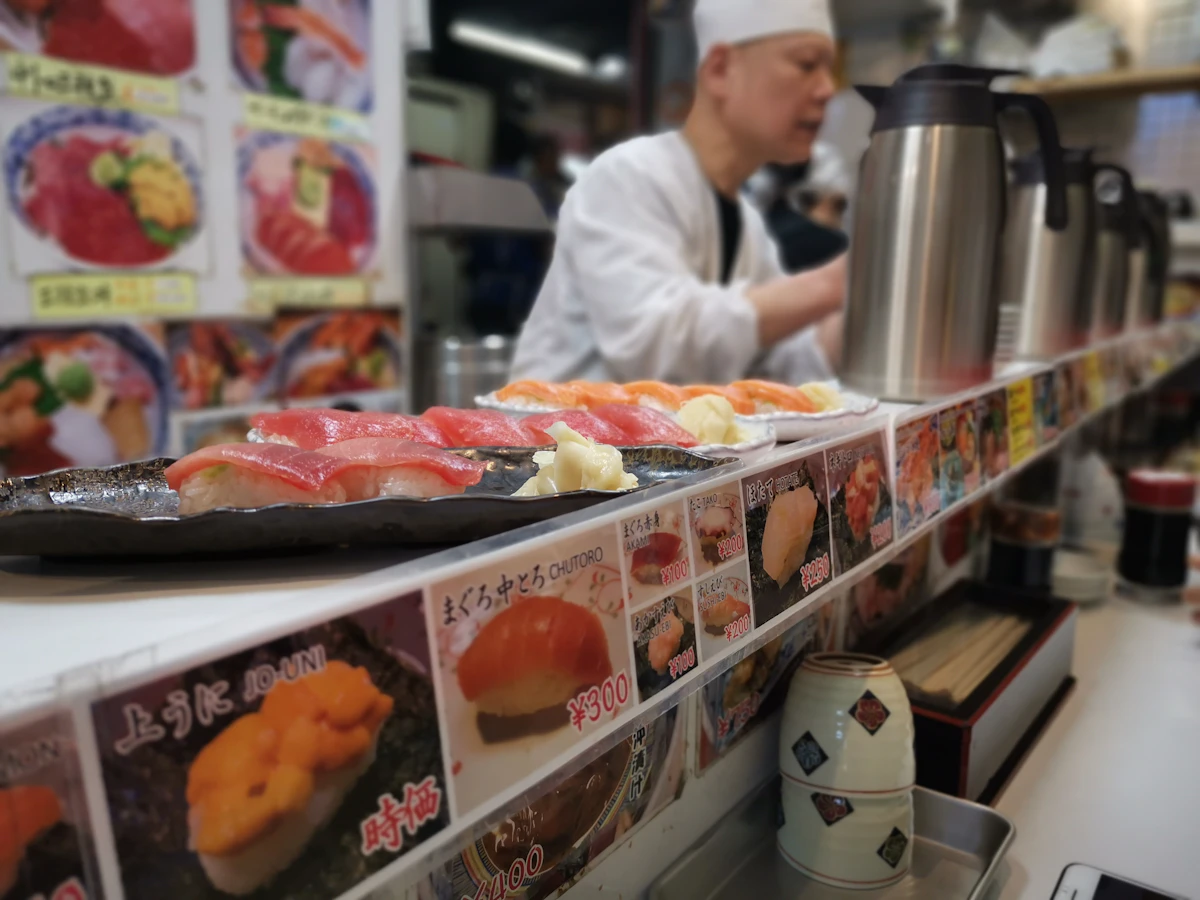
If you want something different from the conveyor belt experience, try a tachigui sushi bar (立ち食い寿司 / tachigui zushi). You stand at the counter, the chef makes each piece right in front of you, and you eat it on the spot. It's casual enough to walk into alone, and prices typically range from ¥1,000 to ¥3,000 per meal.
I ate at a standing sushi bar inside Tokyo Station once, and the experience — ordering out loud, watching the chef shape each piece of nigiri — felt completely different from tapping a touchscreen. It cost a little more than a conveyor belt chain, but still landed within that ¥1,000–3,000 range.
Tokyo Station's Gransta shopping concourse (グランスタ) has several standing sushi options, including [Hinatoma-ru (ひなと丸)](https://www.gransta.jp/mall/gransta_yaekita/hinatomaru/), at reasonable prices. In the Ginza (銀座) area, [Nemuro Hanamaru (根室花まる) at GinzaNovo B2F](https://www.ginzanovo.com/shop/detail/000000A05?tenant_cd=000000A05) is also popular — you write your order on a slip of paper.
Ordering is mostly verbal. Saying the name of the fish — "salmon," "maguro (まぐろ / tuna)," "ebi (エビ / shrimp)" — is usually enough. If you're unsure, just ask *"Osusume wa nan desu ka?"* (おすすめは何ですか? — "What do you recommend?"). For seasonal picks, look out for spring katsuo (初鰹 / young bonito) and aji (アジ / horse mackerel), summer iwashi (イワシ / sardine), autumn sanma (サンマ / Pacific saury), and winter buri (ブリ / amberjack) — in-season fish is typically both tastier and cheaper.
Standing bars work well for solo diners and couples, but aren't ideal for families with small children. You're on your feet for the whole meal, so if you're traveling with kids, a seated conveyor belt restaurant makes more sense.
## Eating Sushi at Tsukiji Outer Market

A common misconception: "Tsukiji Market closed and moved." That's only half true. The wholesale fish market (used by professional buyers) relocated to Toyosu (豊洲) in 2018, but [the restaurants, stalls, and shops of the Outer Market (場外市場 / jogai ichiba) still operate at Tsukiji (築地)](https://www.tsukiji.or.jp/english/). For eating sushi, Tsukiji Outer Market is where you want to go.
[According to the official site](https://www.tsukiji.or.jp/english/how-to-enjoy/), the best time to visit is 9:00–12:00. Before 9am is busy with professional buyers, so it's best to avoid that window. Closing days vary by shop, but many are shut on Sundays and public holidays — check the [market calendar (休市カレンダー)](https://www.tsukiji.or.jp/calendar/) before you go. Getting there: [about a 1-minute walk from Tsukiji Station (築地駅) on the Hibiya Line (日比谷線)](https://www.tsukiji.or.jp/access/).
Nigiri sets generally run ¥1,500–2,500. When I visited, I ordered shellfish and lean tuna (akami / 赤身) separately at around ¥300–600 per piece. Prices vary quite a bit by ingredient, so if you're watching your budget, check the menu or the price display before ordering.
Many shops at Tsukiji Outer Market have English-speaking staff, and the [official English site](https://www.tsukiji.or.jp/english/how-to-enjoy/) includes maps and a visitor guide. [Eating while walking is prohibited](https://www.tsukiji.or.jp/english/how-to-enjoy/), so find a seat inside the shop.
### Tsukiji vs. Toyosu
For sushi, Tsukiji Outer Market is the better choice. Toyosu Market is primarily for visitors who want to watch the tuna auction, and it's not the most convenient to reach (Yurikamome Line to Shijo-mae Station / 市場前駅). Tsukiji has far more dining options and the lively market atmosphere is a draw in itself.
## Supermarket Sushi Packs: Best Bought in the Evening
Supermarket sushi in Tokyo is surprisingly good. A pack of 8–10 pieces of nigiri normally runs ¥500–880, and you'll find it in the fresh seafood section at major chains like Life (ライフ), Summit (サミット), and Ito Yokado (イトーヨーカドー).
I once bought a ¥700 pack at Life marked 40% off. It tasted exactly like supermarket sushi — but the fish was fresh enough, and it was a perfectly fine dinner to take back to the hotel.
Discount stickers typically start appearing around 5–6pm, and the percentage climbs as closing time approaches: 20%, then 30%, and sometimes more. That said, stores in central Tokyo tend to be more conservative with discounts, so don't assume you'll always get 50% off. Closing times and discount schedules vary by location — if you're nearby for a few days, it's worth checking a couple of times to get a feel for the pattern.
For a cheap, satisfying solo dinner, a discounted supermarket sushi pack is hard to beat.
## Convenience Store Sushi
All three major chains — 7-Eleven (セブンイレブン), Lawson (ローソン), and FamilyMart (ファミリーマート) — sell hand rolls (temaki / 手巻き) and rolls (makizushi / 巻き寿司) for ¥198–550. FamilyMart even carries nigiri sets like the ["Tuna & Salmon Sushi Set" (まぐろ&サーモン寿司セット, tax-included ¥537)](https://www.family.co.jp/goods/sushi.html).
It's not going to rival a restaurant, obviously. But when you're hungry late at night back at the hotel and everything else is closed, being able to grab a hand roll or two at a 24-hour convenience store is genuinely useful.
## High-End Sushi Lunch: From ¥1,800
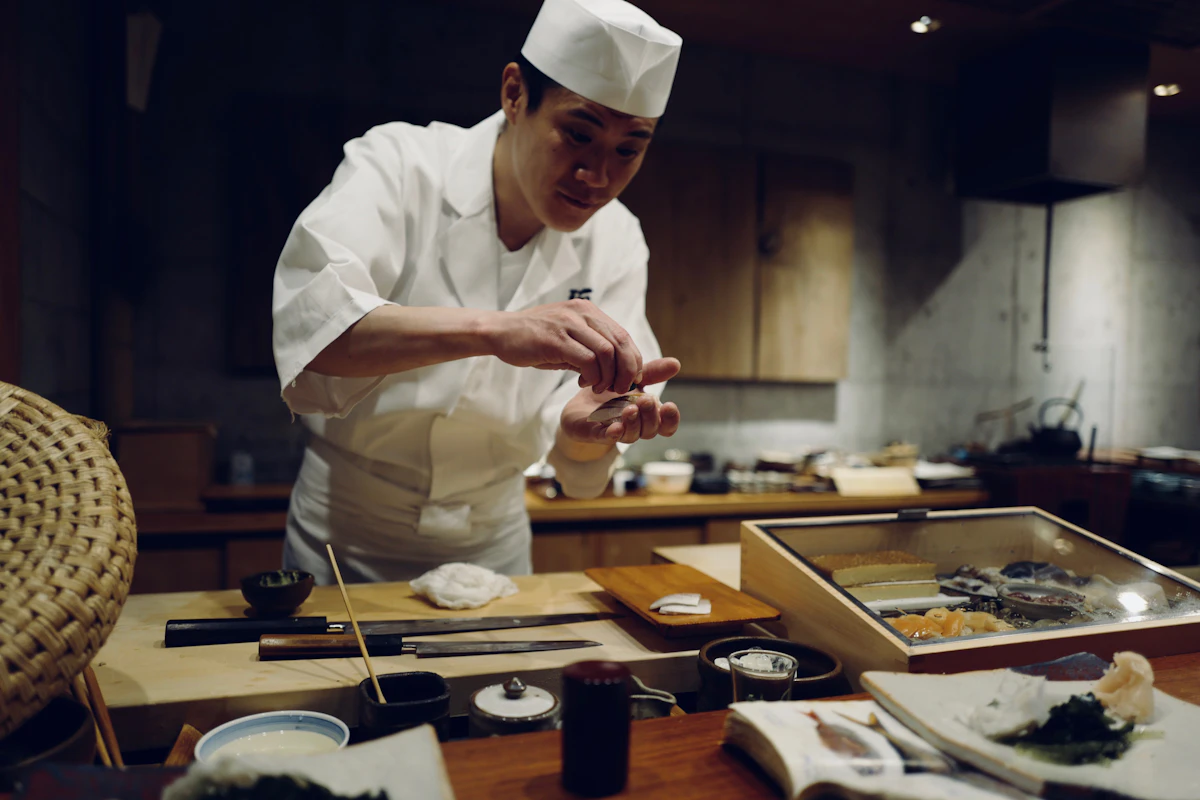
Restaurants that charge ¥20,000–40,000 for dinner often have lunch menus in an entirely different price range. In the Ginza (銀座) area, some places offer lunch starting around ¥1,800. For ¥3,000–5,000, you can sit at the counter with the same chef who runs a dinner omakase that costs ¥15,000 or more per person.
A company dinner at a high-end sushi restaurant once set me back well over ¥10,000 per person. Dinner at that level is standard in Tokyo. If you've always wanted the authentic counter sushi experience, lunch is the realistic entry point.
For English-friendly reservations, [OMAKASE](https://omakase.in/en) and [Pocket Concierge](https://pocket-concierge.jp/en/restaurants) are both solid options. Book 2–4 weeks ahead and you'll usually get a seat at a well-regarded spot without too much trouble. For more on the booking process, see our [Tokyo Restaurant Reservation Guide](/guides/restaurant-booking-tokyo).
## Choosing by Situation
| Situation | Recommended Type | Why |
|-----------|-----------------|-----|
| Solo travel | Standing sushi bar or conveyor belt chain | Easy to walk in alone; no Japanese needed |
| Couple / date | Counter sushi lunch or Tsukiji Outer Market | Atmosphere of watching the chef work in front of you |
| Family with kids | Kura Sushi (くら寿司) | Mini-games keep kids engaged; plenty of non-raw options |
## Useful Phrases for Ordering
At conveyor belt sushi, you order entirely through a touchscreen — no Japanese needed. At standing bars and Tsukiji counters, these phrases will help:
- *"Osusume wa nan desu ka?"* (おすすめは何ですか?) — "What do you recommend?"
- *"Wasabi nuki de"* (わさび抜きで) — "Without wasabi, please"
- *"Gari kudasai"* (ガリください) — "Could I have some pickled ginger?" (gari / ガリ is the standard term for the pickled ginger served with sushi)
- *"Okaikei onegai shimasu"* (お会計お願いします) — "Check, please"
If you don't know the name of what you're pointing at, just say *"Kore"* (これ — "this one") and gesture. "Salmon," "maguro (tuna)," and "ebi (shrimp)" also work as-is — they're used in katakana English at most sushi counters.
## Watch Out for Overpriced Sushi in Tourist Areas
Near major tourist districts — Asakusa (浅草), Shibuya (渋谷), Shinjuku (新宿) — you'll find sushi restaurants aimed squarely at visitors. Getting drawn in by a big "SUSHI" sign only to find prices 3–5 times higher than a chain restaurant is a classic regret story on Reddit's r/JapanTravel.
The fix is simple: memorize the logos of the chains covered in this guide. Hama-Zushi (はま寿司), Kura Sushi (くら寿司), and Sushiro (スシロー) are nearly always within a short walk of any major station. Another strategy: step one or two blocks off the main tourist street. A short detour is usually enough to find the kind of low-key place locals actually eat at.
One more thing to be aware of: some izakaya (居酒屋) charge an otoshi (お通し) fee of ¥300–700 — a small dish brought automatically when you sit down. Our guide on [unexpected restaurant charges in Tokyo](/guides/tokyo-restaurant-charges-explained) covers this and other surprises. If you're trying to keep food costs down more broadly, [How to Eat in Tokyo for Under ¥2,000 a Day](/guides/tokyo-budget-eating-guide) is also worth a read.
---
**Sources:**
- Mizkan Sushi Lab, "The History of Sushi (4): Edo Nigiri Culture and Hanaya Yohei" https://www.mizkan.co.jp/sushilab/manabu/1.html (accessed: 2026-05-12)
- Mizkan Sushi Lab, "The History of Sushi (6): The Great Kanto Earthquake and the Spread of Sushi Chefs" https://www.mizkan.co.jp/sushilab/manabu/6.html (accessed: 2026-05-12)
- Tsukiji Outer Market, Holiday Calendar https://www.tsukiji.or.jp/calendar/ (accessed: 2026-05-12)
- Tsukiji Outer Market Official Site (English) https://www.tsukiji.or.jp/english/how-to-enjoy/ (accessed: 2026-05-12)
- Sushiro Official Site https://www.akindo-sushiro.co.jp/ (accessed: 2026-05-12)
- Kura Sushi Official Site https://www.kurasushi.co.jp/ (accessed: 2026-05-12)
- Hama-Zushi Official Site https://www.hama-sushi.co.jp/ (accessed: 2026-05-12)
- Uobei Official Site https://www.uobei.info/ (accessed: 2026-05-12)
- OMAKASE https://omakase.in/en (accessed: 2026-05-12)
- Pocket Concierge https://pocket-concierge.jp/en/restaurants (accessed: 2026-05-12)
---
# Tokyo Convenience Store Guide: ATMs, Payments, Printing & Shipping
> Tokyo konbini are 24-hour ATMs, city halls, and post offices rolled into one. Withdraw cash with foreign cards, pay utility bills, print documents, and ship packages — all in a single stop. Includes chain comparisons, fees, and ATM step-by-step instructions.
- **URL**: https://tokyo.how/guides/convenience-store-guide-tokyo
- **Category**: Living
- **Audience**: both
- **Published**: 2026-03-29
- **Updated**: 2026-04-21
- **Tags**: convenience store, Seven Bank, ATM, package shipping, multi-copy machine
## The three major chains
Convenience stores — konbini (コンビニ) — in Tokyo are open 24 hours. Beyond everyday shopping, they handle ATM withdrawals, utility bill payments, document printing, and package shipping. Whether you need cash in the middle of the night or want to print a ticket while traveling, a konbini is usually the answer.
| Chain | Locations | Strengths |
|---|---|---|
| [Seven-Eleven](https://www.sej.co.jp/) | [~21,900](https://www.sej.co.jp/company/tenpo.html) | [Seven Bank ATM](https://www.sevenbank.co.jp/intlcard/) (foreign card support), food quality |
| [FamilyMart](https://www.family.co.jp/) | [~16,400](https://www.family.co.jp/company/familymart/store.html) | Hot snacks (Famichiki fried chicken, etc.), FamiPay |
| [Lawson](https://www.lawson.co.jp/) | [~14,700](https://www.lawson.co.jp/company/corporate/data/sales/) | Machikado Chūbō (in-store kitchen), [Yu-Pack](https://www.lawson.co.jp/service/shipment/yupack/) shipping |
Quick guide by use case: For ATM withdrawals with a foreign card, go to Seven-Eleven (widest brand support). For shipping packages, head to Lawson (Yu-Pack). For hot snacks, try FamilyMart. All three chains share the same core services.
---
## Withdrawing cash from an ATM
> 🧳 **For both tourists and residents**
If you need to withdraw cash with a foreign card, [Seven Bank ATMs](https://www.sevenbank.co.jp/intlcard/) are the most convenient option thanks to their broad brand support and sheer number of locations.
| Detail | Info |
|---|---|
| Supported brands | [Visa, Mastercard, JCB, AMEX, UnionPay, Discover, Diners Club](https://www.sevenbank.co.jp/intlcard/card2.html) |
| Per-transaction limit | [¥100,000](https://www.sevenbank.co.jp/intlcard/card2.html) |
| Hours | 24 hours (some brands may have restricted hours) |
| ATM fee | Varies by withdrawal amount (displayed on screen) |
On top of the ATM fee, your home bank may charge its own international withdrawal fee and currency conversion fee. The total fee is shown on the ATM screen before you confirm — always check before approving.
### ATM step-by-step instructions
Seven Bank ATMs support multiple languages. Tap "English" in the upper-right corner of the screen to switch.
1. Tap **"English"** on the screen (or select "お引出し" / Ohikidashi if you prefer Japanese)
2. Insert your card into the slot (IC chip facing up and toward you)
3. Select **"Withdrawal"**
4. Enter your **PIN**
5. Choose or type the amount (in ¥10,000 increments)
6. The fee is displayed — review it and tap **"Confirm"**
7. Collect your cash, card, and receipt
### Comparison with other ATMs
| ATM | Fee per transaction | Per-transaction limit | Availability |
|---|---|---|---|
| Seven Bank | Varies by amount | ¥100,000 | ◎ (most locations) |
| [Lawson Bank](https://faq.lawsonbank.jp/faq/show/352) | Check in-store | ¥50,000 | ○ |
| [AEON Bank](https://www.aeonbank.co.jp/atm/card/securities_credit/oversea/fee/) | ¥75 (UnionPay only stated) | Check in-store | △ (AEON/Ministop stores only) |
AEON Bank ATMs also support foreign cards, but they are only found at AEON supermarkets and Ministop convenience stores. For ease of access, Seven Bank wins.
---
## Paying utility bills and taxes
> 🏠 **For Tokyo residents** (tourists can skip this section)
Bring your payment slip — haraikomi-hyō (払込票) — with a barcode to the register and you can pay electricity, gas, water, phone, and NHK bills on the spot. At Seven-Eleven, a [processing fee applies based on the payment amount](https://www.sej.co.jp/services/payment/): under ¥10,000: ¥110 / ¥10,000–¥49,999: ¥220 / ¥50,000+: ¥440. Fees vary by chain.
**Payment is cash-only.** Credit cards and QR code payments are not accepted. Exceptions exist for Seven-Eleven's [nanaco](https://www.nanaco-net.jp/) and FamilyMart's FamiPay in limited cases, but coverage is narrow.
---
## Issuing residence certificates and seal registration certificates
> 🏠 **For Tokyo residents** (requires a My Number Card — not available to tourists)
If you have a My Number Card (マイナンバーカード / Mainanbā Kādo) with a digital certificate, you can [obtain a jūminhyō (住民票, residence certificate) or inkan registration certificate from the multi-copy machine](https://www.lg-waps.go.jp/01-01-2.html) at any major konbini.
| Detail | Info |
|---|---|
| Fee | ¥200–¥300 per copy (depends on municipality; often ¥100 cheaper than the ward office) |
| Hours | [6:30–23:00](https://www.lg-waps.go.jp/01-00.html) |
| Supported stores | Seven-Eleven, Lawson, FamilyMart |
| What you need | My Number Card + 4-digit PIN, or a smartphone with a digital certificate |
On the multi-copy machine, select "Gyōsei Service" (行政サービス, Administrative Services) → "Shōmeisho no Kōfu" (証明書の交付, Certificate Issuance), then hold your My Number Card over the reader and enter your PIN. The interface is Japanese-only, but the menu structure is simple enough to follow on-screen.
Note: Your registered municipality must support konbini issuance. Check the [official konbini issuance website](https://www.lg-waps.go.jp/01-01-2.html) to confirm.
---
## Copying and printing
The multi-copy machine handles document printing, photo printing, and scanning.
| Service | Price |
|---|---|
| [Black-and-white copy](https://www.sej.co.jp/services/copy.html) | ¥10/page |
| Color copy (A4) | ¥50/page |
| Photo print (L-size) | ¥30–¥80/print ([Lawson](https://www.lawson.co.jp/service/others/multicopy/) ¥30, [Seven-Eleven](https://www.sej.co.jp/services/copy.html) ¥80) |
To print from your phone, use Seven-Eleven's "Kantan netprint" (かんたんnetprint) app or FamilyMart/Lawson's "PrintSmash" app. Both support English. You can also print directly from a USB drive or SD card.
---
## Shipping packages
| Chain | Shipping service |
|---|---|
| Seven-Eleven / FamilyMart | [Yamato Transport Takkyūbin](https://www.kuronekoyamato.co.jp/) (express delivery) |
| Lawson | [Yu-Pack](https://www.post.japanpost.jp/service/you_pack/) (Japan Post) |
For a 60-size box (Tokyo → Tokyo), expect roughly [¥790 for Yamato Takkyūbin](https://www.kuronekoyamato.co.jp/ytc/search/estimate/kanto.html) (¥690 with the in-store drop-off discount) or [¥820 for Yu-Pack](https://www.post.japanpost.jp/service/you_pack/charge/ichiran/13.html). All chains also support shipping for flea market apps like Mercari.
At the register, say "Takkyūbin onegaishimasu" (宅急便お願いします — "I'd like to send a package, please"). Fill in the recipient's address, name, and phone number on the shipping label, then hand it over with your package.
---
## Eating at konbini
> 🧳 **Great for travelers too**
Konbini are a solid meal option — especially when you want to save money or need food late at night.
| Item | Price range |
|---|---|
| Onigiri (rice ball) | ¥150–¥230 |
| Bentō (boxed meal) | ¥400–¥700 |
| Sandwich | ¥250–¥400 |
| Bottled drink | ¥100–¥170 |
| Counter coffee | ¥140–¥230 |
| Hot snacks (Famichiki, etc.) | ¥200–¥300 |
Two onigiri + a bottle of tea costs ¥400–¥630 — roughly half the price of eating out for lunch (¥800–¥1,200).
All chains display tax-included prices on shelf labels. For hot snacks behind the register (Famichiki, L-Chiki, etc.), just point at what you want.
**Money-saving tip:** Look for discount stickers on bentō and onigiri as they approach their expiration time. Choosing private-brand (PB) products also helps keep costs down.
---
## Other services
- **Ticket purchases** — Use Lawson's [Loppi](https://www.lawson.co.jp/service/loppi/) terminal or FamilyMart's multi-copy machine to buy concert, sports, and theme park tickets
- **Wi-Fi** — Lawson offers [LAWSON Free Wi-Fi](https://www.lawson.co.jp/service/others/wifi/) (60 min/session, up to 5 sessions/day; email registration required). Seven-Eleven does not offer free Wi-Fi ([7SPOT ended in March 2022](https://www.itmedia.co.jp/news/articles/2112/01/news169.html))
- **Stamps and postcards** — Available at all chains
- **Portable battery rental** — Scan a QR code to rent; return at any participating store
---
## Troubleshooting ATM and payment issues
**ATM displays "Cannot process this transaction":** Your card brand may be outside its supported hours, or your card may be magnetic-stripe only (limit: ¥30,000). Try a different ATM or reduce the withdrawal amount. If your card has an IC chip but still won't read, check the insertion direction — chip side up, facing toward you.
**Barcode on your payment slip won't scan:** Expired payment slips are rejected. Contact the issuer to request a new one.
**Can't communicate in Japanese at the register:** Use a translation app on your phone (Google Translate's camera mode works well for reading labels and payment slips). Konbini staff are generally used to serving non-Japanese customers — pointing and gestures work fine.
---
## Related articles
- [Payment Methods in Japan](/guides/payment-methods) — What payment options work at konbini
- [How to Buy and Use Suica](/guides/suica-card) — Paying with Suica at convenience stores
- [Luggage Storage & Coin Lockers](/guides/luggage-storage-tokyo) — Temporary luggage storage options
---
**References:**
- Seven Bank "International ATM Service" https://www.sevenbank.co.jp/intlcard/ (accessed: 2026-04-21)
- Seven Bank "Supported Cards" https://www.sevenbank.co.jp/intlcard/card2.html (accessed: 2026-04-21)
- Seven-Eleven "Bill Payments" https://www.sej.co.jp/services/payment/ (accessed: 2026-04-21)
- Seven-Eleven "Store Count" https://www.sej.co.jp/company/tenpo.html (accessed: 2026-04-21)
- FamilyMart "Store Data" https://www.family.co.jp/company/familymart/store.html (accessed: 2026-04-21)
- Lawson "Monthly Data" https://www.lawson.co.jp/company/corporate/data/sales/ (accessed: 2026-04-21)
- Konbini Issuance "Participating Stores" https://www.lg-waps.go.jp/01-01-2.html (accessed: 2026-04-21)
- Lawson "Yu-Pack Service" https://www.lawson.co.jp/service/shipment/yupack/ (accessed: 2026-04-21)
---
# Credit Card in Japan for Foreigners: From Zero Credit History (2026)
> No credit history? Here's how foreigners actually get approved. Step-by-step: build your CIC score, pick the right first card (Rakuten, Epos, GTN), and avoid the 6-month rejection trap.
- **URL**: https://tokyo.how/guides/credit-card-japan-foreigners
- **Category**: Money
- **Audience**: resident
- **Published**: 2026-02-17
- **Updated**: 2026-04-14
- **Tags**: credit card, foreigners, payments, CIC, Rakuten Card, Epos Card, Wise
---
## What Stops Working With a Foreign Card

One of the first surprises when settling in Japan is that your foreign Visa or Mastercard works fine at physical registers — but gets blocked on Japanese online services.
### Mercari, PayPay, and Mobile Suica
Mercari, Japan's most popular secondhand marketplace, [does not accept foreign-issued credit cards](https://help.jp.mercari.com/guide/articles/23/). Even internationally branded Visa or Mastercard cards are declined if they were issued outside Japan. When you've just moved and want cheap used furniture or appliances, this is a real obstacle.
PayPay, Japan's dominant QR code payment app ([70 million+ registered users](https://about.paypay.ne.jp/en/pr/20250715/01/)), states in its official help that [foreign-issued cards may not be registrable](https://paypay.ne.jp/help/c0063/). Small independent restaurants frequently accept only PayPay and no credit cards — without it, your dining options narrow considerably.
The official [Suica](/guides/suica-card) app FAQ states that [foreign-issued cards generally cannot be registered or used](https://apfaq.mobilesuica.com/faq/show/1483?category_id=45&site_domain=default). You can still load cash at station ticket machines, but auto-charge and in-app top-ups are unavailable — an everyday inconvenience.
### iD, QUICPay, and ETC
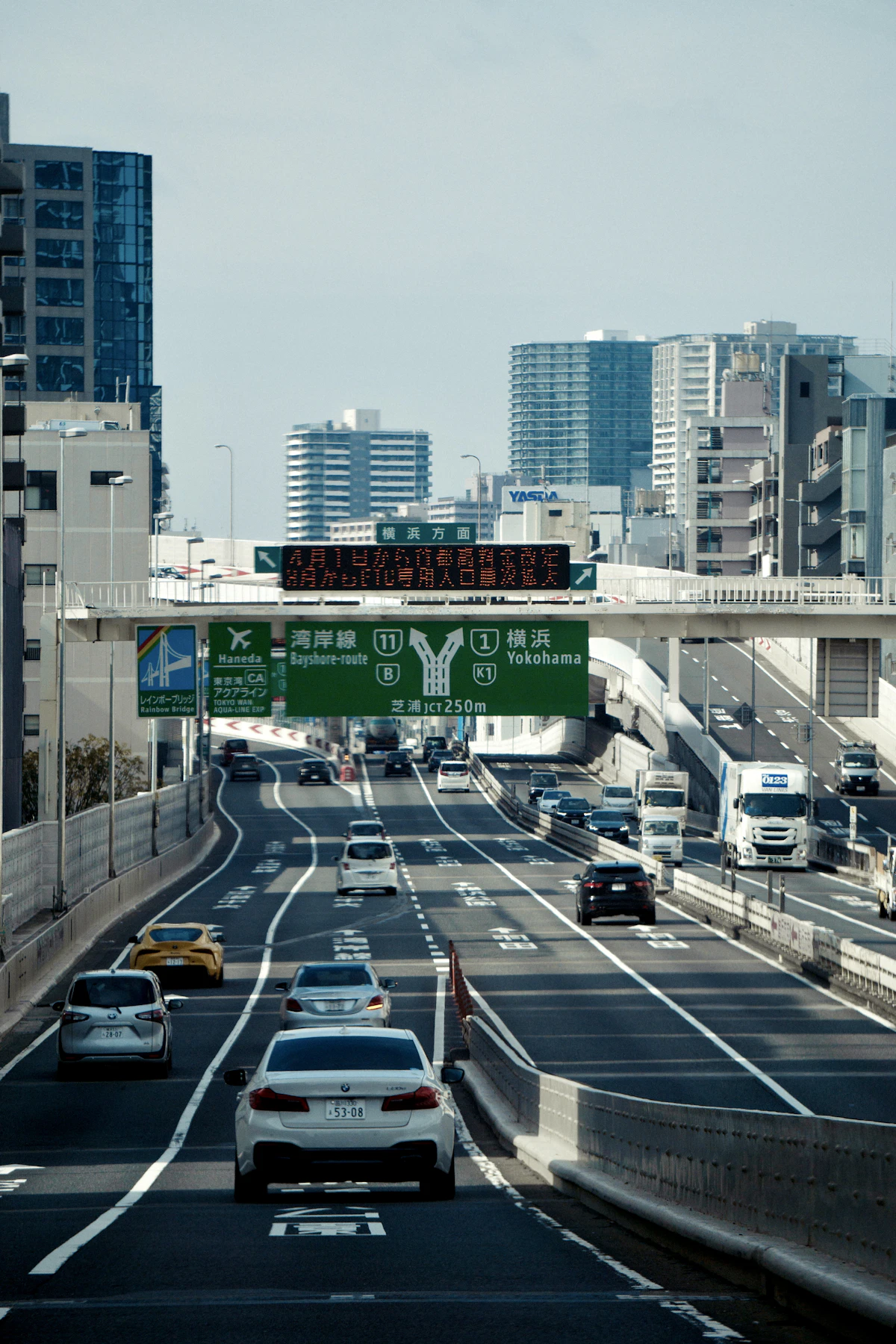
Even with your foreign card added to Apple Pay or Google Pay, Japan's FeliCa-based contactless payments — iD and QUICPay — will not work. EMV contactless (tap-to-pay) still works, but terminals set to iD/QUICPay only will decline it. For a detailed explanation, see the Apple Pay section in [How Payments Work in Tokyo](/guides/payment-methods).
Japan's highway toll system, ETC (Electronic Toll Collection), uses a dedicated card issued as an add-on to a Japanese credit card — there's no way to get one from a foreign card. The alternative is an [ETC Personal Card](https://www.etc-pasoca.jp/service/) (¥1,257/year plus a [minimum ¥3,000 deposit](https://www.etc-pasoca.jp/info/396/)), which [foreign residents can apply for with a residence card](https://www.etc-pasoca.jp/service/). Without ETC, you pay cash at toll booths and [miss out on ETC discounts](https://www.driveplaza.com/etc/dis/). The catch: the entire application process is in Japanese only.
### Utilities and Streaming Services
Setting up automatic credit card billing for electricity, gas, and water with a foreign card is difficult. The practical workaround is 口座振替 (kōza furikae / automatic bank debit) — direct withdrawal from a Japanese bank account — which requires no credit card at all. Some Japan-only streaming services also reject foreign cards, though global services like Netflix and Spotify generally accept them.
---
## "Super White" — Why You Keep Getting Rejected
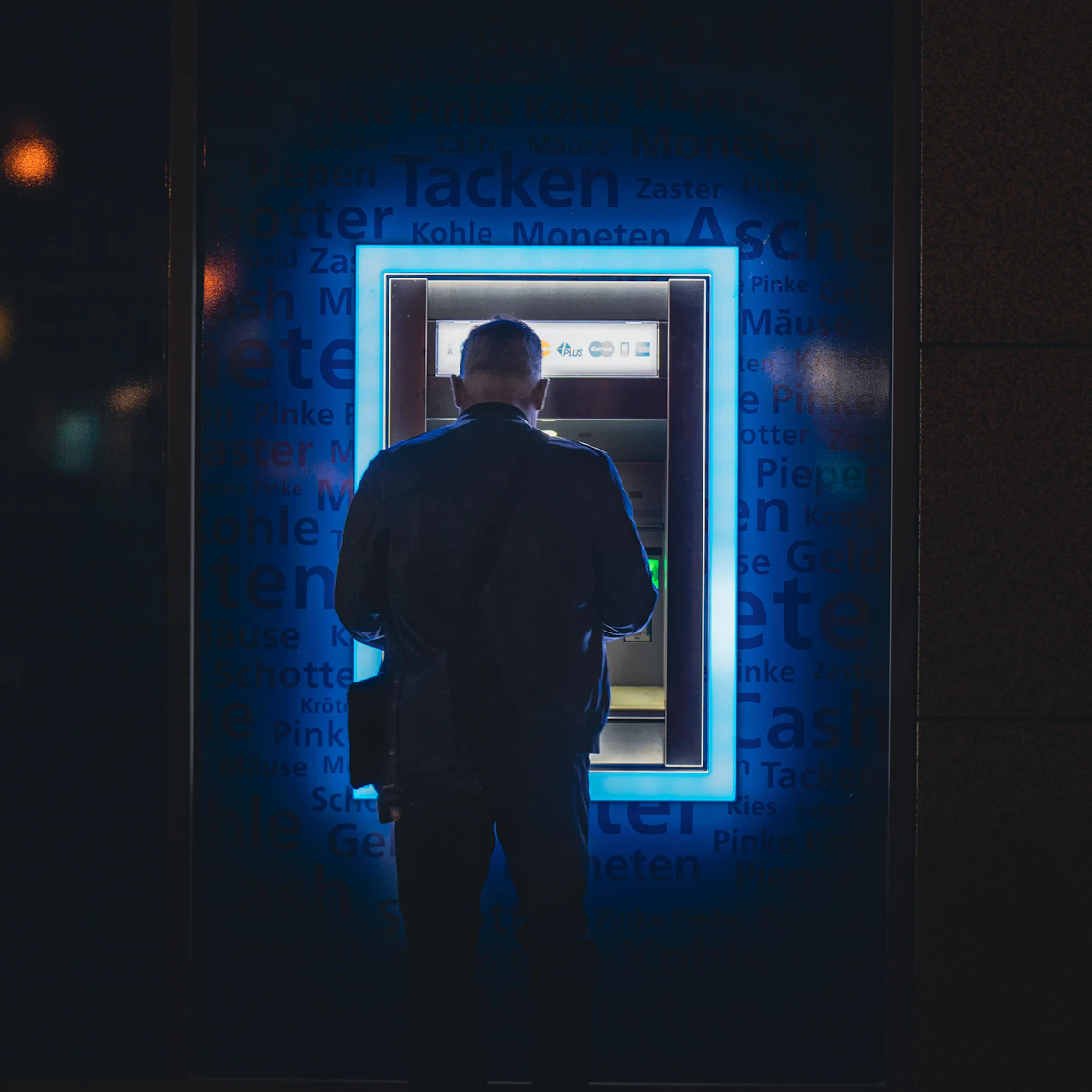
When a Japanese credit card company reviews your application, they check [CIC (株式会社シー・アイ・シー / Credit Information Center)](https://www.cic.co.jp/confidence/index.html), Japan's primary credit bureau. CIC stores credit and loan history, recording each month's payment status with symbols.
As a newly arrived foreigner, your CIC file is completely empty. This state is called スーパーホワイト (sūpā howaito / "super white").
The trouble is that a blank file looks identical to someone who went bankrupt and had their negative records expire. CIC [deletes default records (異動情報 / idō jōhō) 5 years after the contract ends](https://www.cic.co.jp/confidence/posession.html). KSC (全国銀行個人信用情報センター / National Bankers' Personal Credit Information Center) retains official gazette (官報) records for [7 years](https://www.zenginkyo.or.jp/pcic/info/18379/) (reduced from 10 years in a November 2022 revision). So an applicant over 30 with a blank credit file raises a red flag — the card company can't tell whether you're genuinely new to Japan or recovering from financial trouble.
No matter how strong your credit history is back home, it does not carry over. Japan has three credit bureaus — CIC, JICC, and KSC — that [share data among themselves via systems called CRIN and FINE](https://www.cic.co.jp/confidence/exchange/), but this sharing is domestic only. A perfect FICO score in the US means nothing here. You start from zero.
Visa duration also matters. If your remaining residence period is short, card companies see a risk of unpaid balances after you leave. Applying right after a visa renewal — when your remaining period is longest — is the most advantageous timing.
---
## Choosing Your Route Based on Your Situation
Your best path depends on your circumstances. Find the row that matches you.
| Your situation | Recommended route |
|----------------|-------------------|
| Work visa, full-time employee | 4-step path below → Rakuten Card (most approvals reported) → Epos Card (if Rakuten is rejected) |
| Work visa, dispatch/contract worker (e.g., ALT) | 4-step path → Rakuten Card or Epos Card. Apply right after visa renewal, with at least 1 year remaining |
| Student visa | GTN EPOS Card (if you use GTN services). Otherwise Rakuten Card (follow the application form guidance on income) |
| Spouse visa, unemployed | Spouse's Rakuten Card [family card](https://www.rakuten-card.co.jp/service/family-card/) (no screening, no annual fee) — or build credit via phone installments |
| Freelancer / self-employed | Phone installments → Epos Card after 6 months (the application form has a "self-employed" option). Prepare your tax return documents |
| Short stay (under 6 months) | A credit card isn't realistic → Wise or Revolut (no screening, available immediately) |
Family cards are issued under the primary cardholder's credit, so the family member undergoes no separate screening. For Rakuten Card, eligible family members (spouse, parents, children aged 18+) can each receive [up to two family cards](https://support.rakuten-card.jp/faq/show/80?site_domain=guest). Epos Card doesn't offer a standard family card — the alternative is [Epos Family Gold](https://www.eposcard.co.jp/family_gold/index.html), which is invitation-only and requires its own screening.
---
## 4 Steps to Getting a Credit Card
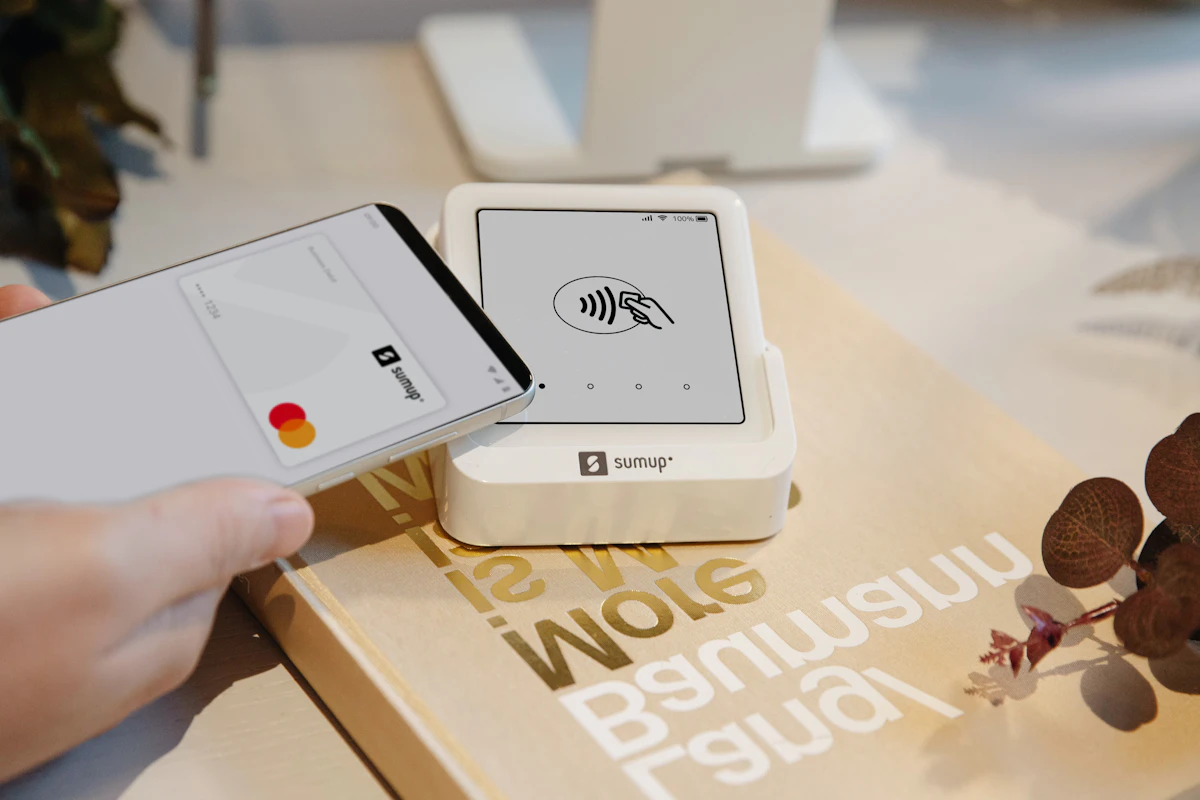
### Step 1: Buy a smartphone on an installment plan
Purchase a smartphone on an installment plan (割賦契約 / kappu keiyaku) from docomo, au, SoftBank, or another carrier. Each monthly payment gets recorded in CIC. Note that it's the **device installment** that builds credit, not the monthly service fee.
The approval threshold for phone installments is lower than for credit cards, which is why this is the most realistic first step.
**One critical rule: never miss a payment.** A single late payment marks your CIC record with "A" (未入金 / unpaid). Instead of building credit, this actively damages your prospects on future applications.
### Step 2: Pay on time for 6 months or more
CIC records each monthly payment with a symbol: "$" means paid on time, "A" means unpaid. Six or more consecutive "$" marks is the rough threshold where card companies start viewing your record favorably. The ideal target is 24 consecutive "$" marks.
### Step 3: Update the address on your ID documents
Credit card applications require identity documents. If the address on your documents doesn't match your application address, the process stalls before screening even begins.
When you file a move-in notification (転入届 / ten'nyū todoke), your residence card (在留カード / zairyū kādo) gets the new address printed on the back at the ward or city office (区役所 / 市役所). [Immigration law requires this within 14 days of moving](https://www.moj.go.jp/isa/applications/procedures/nyuukokukanri10_00023.html). For a full walkthrough, see [Moving to a New Ward: Office Procedures](/guides/tokyo-ward-office-moving-guide). Your My Number Card (マイナンバーカード) can be updated at the same time. For a driver's license (運転免許証 / unten menkyoshō), update it at the relevant police station or driver's license center.
### Step 4: Apply for a retail credit card
Once you have a payment track record, apply for a retail-affiliated card with relatively flexible screening — Rakuten Card, Epos Card, and GTN EPOS Card are the main candidates. When applying, set the cash advance (キャッシング / kyasshingu) limit to ¥0 — this lowers the screening hurdle. Make sure you already have a Japanese bank account and phone number. If you haven't resolved that yet, [The Phone-Bank Catch-22](/guides/phone-bank-circular-dependency) walks through the solution.
---
## Card Comparison
1. **Rakuten Card** — the most commonly reported approval among foreigners
2. **Epos Card** — the next option if Rakuten is rejected; same-day issuance at Marui stores
3. **GTN EPOS Card** — designed for GTN service users and international students
Wise and Revolut are included as alternatives to use while waiting for a credit card approval.
| Card | Type | Annual fee | Rewards | Screening | English support | Best for |
|------|------|------------|---------|-----------|-----------------|---------|
| [Rakuten Card](https://www.rakuten-card.co.jp/card/rakuten-card/) | Credit | Free | 1% | ★★☆ | App only | First credit card. Full-time employees, 1+ year on visa |
| [GTN EPOS Card](https://www.gtn.co.jp/epos-lp) | Credit | Free | 0.5% | ★☆☆ | 25 languages | Students, GTN service users |
| [Epos Card](https://www.eposcard.co.jp/eposcard/) | Credit | Free | 0.5% | ★★☆ | In-store support | Need it fast. Freelancers |
| [Wise](https://wise.com/jp/card/) | Debit | ¥1,200 issuance fee | — | None | Full | High-frequency international transfers |
| [Revolut](https://www.revolut.com/ja-JP/) | Debit | ¥500 shipping | — | None | Full | Everyday Visa payments |
### Rakuten Card
Rakuten Card is the most commonly cited first credit card for foreigners in Japan, with approval reports appearing regularly in Reddit threads and expat communities. It has no annual fee and earns 1% back, rising to [3% or more at Rakuten Ichiba](https://www.rakuten-card.co.jp/campaign/rakuten-card/point-up/).
The application form is in Japanese only, but the [Rakuten Card Lite app](https://www.rakuten-card.co.jp/support/customer/voice/202407_1/) launched in July 2024 supports English for viewing statements and managing settings. [English phone support is available](https://support.rakuten-card.jp/faq/show/12865?site_domain=guest) at 0570-66-6910. New cardholders [earn bonus points upon signup and first use](https://www.rakuten-card.co.jp/campaign/) (amounts vary by campaign period).
If your spouse already has a Rakuten Card, a [family card](https://www.rakuten-card.co.jp/service/family-card/) can be added at no annual fee.
[Application page (Japanese)](https://www.rakuten-card.co.jp/card/rakuten-card/) | [FAQ: Submitting a residence card](https://support.rakuten-card.jp/faq/show/160882?site_domain=guest)
### GTN EPOS Card
This credit card is exclusively for foreigners using GTN services (such as GTN rental guarantor service or GTN Mobile). It's available to [GTN service users aged 18 and over](https://www.eposcard.co.jp/gtn/faq/index.html), including those on student visas. With support in 25 languages, it's one of the most accessible options for applicants who aren't confident in Japanese.
The application decision can come on the same day, though the physical card is mailed. In October 2025, [GTN Epos Gold Card](https://www.gtn.co.jp/news/20251002) was also launched — reportedly the first Gold card in Japan designed exclusively for foreign residents.
[Application page (English)](https://www.gtn-mobile.com/s/epos?language=en_US)
### Epos Card
The standout advantage of Epos Card is same-day physical issuance at Marui department stores nationwide. The standard approach is to apply online first, then pick up the card in-store — [you can have the card in hand in about 30 minutes](https://www.eposcard.co.jp/eposcard/application_store.html). The application form includes a "self-employed / freelancer" option, making it more accessible for freelancers than most cards.
Travel accident insurance is included, but [it changed from automatic coverage to usage-based coverage in October 2023](https://www.eposcard.co.jp/benefit/oversea/insurance.html) — it only applies if you paid for the trip with your Epos Card. After renewing your visa, you'll need to [submit your updated residence card](https://www.eposcard.co.jp/residence-card/index.html).
[Application page (Japanese)](https://www.eposcard.co.jp/eposcard/) | Marui store in-person
### Wise
Wise is a debit card, not a credit card. No credit screening is required. The only cost is a [¥1,200 card issuance fee](https://wise.com/jp/card/) — no annual fee. It uses the same mid-market rate as Google, with [fees that vary by currency pair](https://wise.com/jp/pricing/). For the current ATM withdrawal limits, [check the official help page](https://wise.com/ja/help/articles/3GuSCwDgRqiYrsUc2eo7MN/) (a policy revision is scheduled for May 2026).
One important note: in addition to your residence card, [submitting My Number documentation (My Number Card, resident record with My Number, or My Number notification slip) is required](https://wise.com/help/articles/2968293/getting-verified-in-japan). A residence card alone is not sufficient.
[Application page (English)](https://wise.com/register/)
### Revolut
Revolut is also a debit card with no credit screening. The Standard plan (free monthly) supports [card payments in 150+ currencies](https://www.revolut.com/ja-JP/our-pricing-plans/), with [no foreign exchange fee up to ¥300,000 per month](https://www.revolut.com/ja-JP/legal/standard-fees/). There's a ¥500 shipping fee for the physical card, but a virtual card is available immediately.
The app is fully available in English — you can check balances, send money, and manage everything without reading Japanese. You need a residence card, a Japanese address, and a phone number to apply. While Wise excels for international transfers, Revolut is better suited for everyday Visa payments and multi-currency management.
[Application page](https://www.revolut.com/ja-JP/)
---
## Pitfalls to Know Before Applying
### A 050 VoIP number can get you rejected
If you use a budget SIM or VoIP service with a 050 number, be careful. [Sumitomo Mitsui Card NL, for example, does not accept 050 numbers for phone verification](https://qa.smbc-card.com/mem/detail?site=4H4A00IO&category=133&id=1659). Other card companies have also been reported to screen less favorably on 050 numbers. The safest move is to get a standard carrier number from docomo, au, SoftBank, or Rakuten Mobile before applying.
### One wrong character in your katakana name blocks the application
Credit card applications are processed automatically, so your katakana name must match exactly across your bank account, residence card, and card application. Even one character off will trigger an error. If you have a middle name, most card companies expect it entered continuously in the "first name" field with no space. Nicknames or aliases (通称名 / tsūshōmei) are not accepted — use the exact legal name on your residence card.
### Don't apply to multiple cards in a short period
CIC [retains application inquiry records for 6 months from the date of inquiry](https://www.cic.co.jp/confidence/posession.html). Multiple applications in a short window leave a trail of inquiries, which card companies read as a sign of financial desperation — what's informally called "application blacklisting" (申し込みブラック / mōshikomi burakku). Apply to one card at a time, and wait at least 6 months before the next attempt.
---
## What to Do If You're Rejected
If you're rejected even for phone installments, you can still buy the handset outright with cash and sign up for the service plan separately. CIC won't get any installment records this way, but you'll have a working phone. Shopping credit at electronics stores (家電量販店のショッピングクレジット) is another route — these installment contracts are also recorded in CIC, giving you an alternative path to building credit history.
To see exactly what's in your credit file, use [CIC's information disclosure service](https://www.cic.co.jp/mydata/) — available online for ¥500 with a My Number Card. Check whether "$" marks are lining up and whether any "A" marks have appeared.
---
## Alternatives to a Credit Card
Opening a Japanese bank account gets you a Visa Debit or JCB Debit card with no credit screening. It won't build your CIC history, but it works at many online services as a credit card substitute. That's often enough for everyday life.
Prepaid Visa cards like Kyash and Vandle Card (バンドルカード) also require no screening. Since they're issued in Japan, [they can sometimes work on Mercari where foreign credit cards cannot](https://vandle.jp/hello/usage-mercari/).
For utilities (electricity, gas, water), skip the credit card entirely and set up 口座振替 (kōza furikae / automatic bank debit) — this is the standard method and requires no card at all.
---
## Related Articles
- [How Payments Work in Tokyo](/guides/payment-methods) — PayPay, Suica, credit cards, and how to use each
- [The Phone-Bank Catch-22](/guides/phone-bank-circular-dependency) — Getting a phone number and bank account — the first step before building credit
- [How to Find an Apartment in Tokyo](/guides/how-to-find-apartment-tokyo) — Guarantor company screenings also reference your credit history
- [Health Insurance and Pension in Japan](/guides/health-insurance-pension-japan) — Social security for foreign residents
---
**Sources:**
- CIC, "What Is Credit Information" https://www.cic.co.jp/confidence/index.html (accessed 2026-04-14)
- CIC, "Information Held by CIC" https://www.cic.co.jp/confidence/posession.html (accessed 2026-04-14)
- CIC, "Credit Information Exchange (CRIN/FINE)" https://www.cic.co.jp/confidence/exchange/ (accessed 2026-04-14)
- CIC, "Information Disclosure" https://www.cic.co.jp/mydata/ (accessed 2026-04-14)
- Mercari, "Credit Card Payments" https://help.jp.mercari.com/guide/articles/23/ (accessed 2026-04-14)
- PayPay, "Registrable Credit Card Types" https://paypay.ne.jp/help/c0063/ (accessed 2026-04-14)
- Mobile Suica, "Credit Cards Registrable with the Suica App" https://apfaq.mobilesuica.com/faq/show/1483?category_id=45&site_domain=default (accessed 2026-04-14)
- Immigration Services Agency, "Change of Address Notification (Mid- to Long-term Residents)" https://www.moj.go.jp/isa/applications/procedures/nyuukokukanri10_00023.html (accessed 2026-04-14)
- ETC Personal Card https://www.etc-pasoca.jp/service/ (accessed 2026-04-14)
- Rakuten Card, "Submitting a Residence Card" https://support.rakuten-card.jp/faq/show/160882?site_domain=guest (accessed 2026-04-14)
- Rakuten Card, "Family Card" https://www.rakuten-card.co.jp/service/family-card/ (accessed 2026-04-14)
- GTN, "GTN EPOS Card" https://www.gtn.co.jp/epos-lp (accessed 2026-04-14)
- Epos Card, "Travel Accident Insurance" https://www.eposcard.co.jp/benefit/oversea/insurance.html (accessed 2026-04-14)
- Epos Card, "Residence Card Submission" https://www.eposcard.co.jp/residence-card/index.html (accessed 2026-04-14)
- Wise, "Wise Card (Japan)" https://wise.com/jp/card/ (accessed 2026-04-14)
- Wise, "Getting Verified in Japan" https://wise.com/help/articles/2968293/getting-verified-in-japan (accessed 2026-04-14)
- Revolut Japan https://www.revolut.com/ja-JP/ (accessed 2026-04-14)
- Sumitomo Mitsui Card, "Phone Verification for Vpass ID" https://qa.smbc-card.com/mem/detail?site=4H4A00IO&category=133&id=1659 (accessed 2026-04-14)
- National Bankers' Personal Credit Information Center, "Revision to Record Retention Periods" https://www.zenginkyo.or.jp/pcic/info/18379/ (accessed 2026-04-14)
- ETC Personal Card, "Revision to Terms of Use" https://www.etc-pasoca.jp/info/396/ (accessed 2026-04-14)
- Rakuten Card, "English Phone Support" https://support.rakuten-card.jp/faq/show/12865?site_domain=guest (accessed 2026-04-14)
- NEXCO, "ETC Discount Information" https://www.driveplaza.com/etc/dis/ (accessed 2026-04-14)
- Revolut Japan, "Standard Fees" https://www.revolut.com/ja-JP/legal/standard-fees/ (accessed 2026-04-14)
- GTN Epos Card FAQ https://www.eposcard.co.jp/gtn/faq/index.html (accessed 2026-04-14)
*This article is for general informational purposes only and does not constitute a recommendation to apply for any specific financial product. Always refer to the official information from each card issuer before making a decision.*
---
# Cycling in Tokyo — Bike-Share Apps, Rules & Best Routes (2026)
> Start with HELLO CYCLING or Docomo Bike Share in minutes. Compare prices, learn the 2026 blue-ticket rules, and ride the Imperial Palace loop or Rainbow Bridge route.
- **URL**: https://tokyo.how/guides/cycling-in-tokyo
- **Category**: Living
- **Audience**: both
- **Published**: 2026-03-27
- **Updated**: 2026-04-14
- **Tags**: cycling, bicycle registration, blue ticket, bike sharing, bicycle insurance
## Cycling Around Tokyo
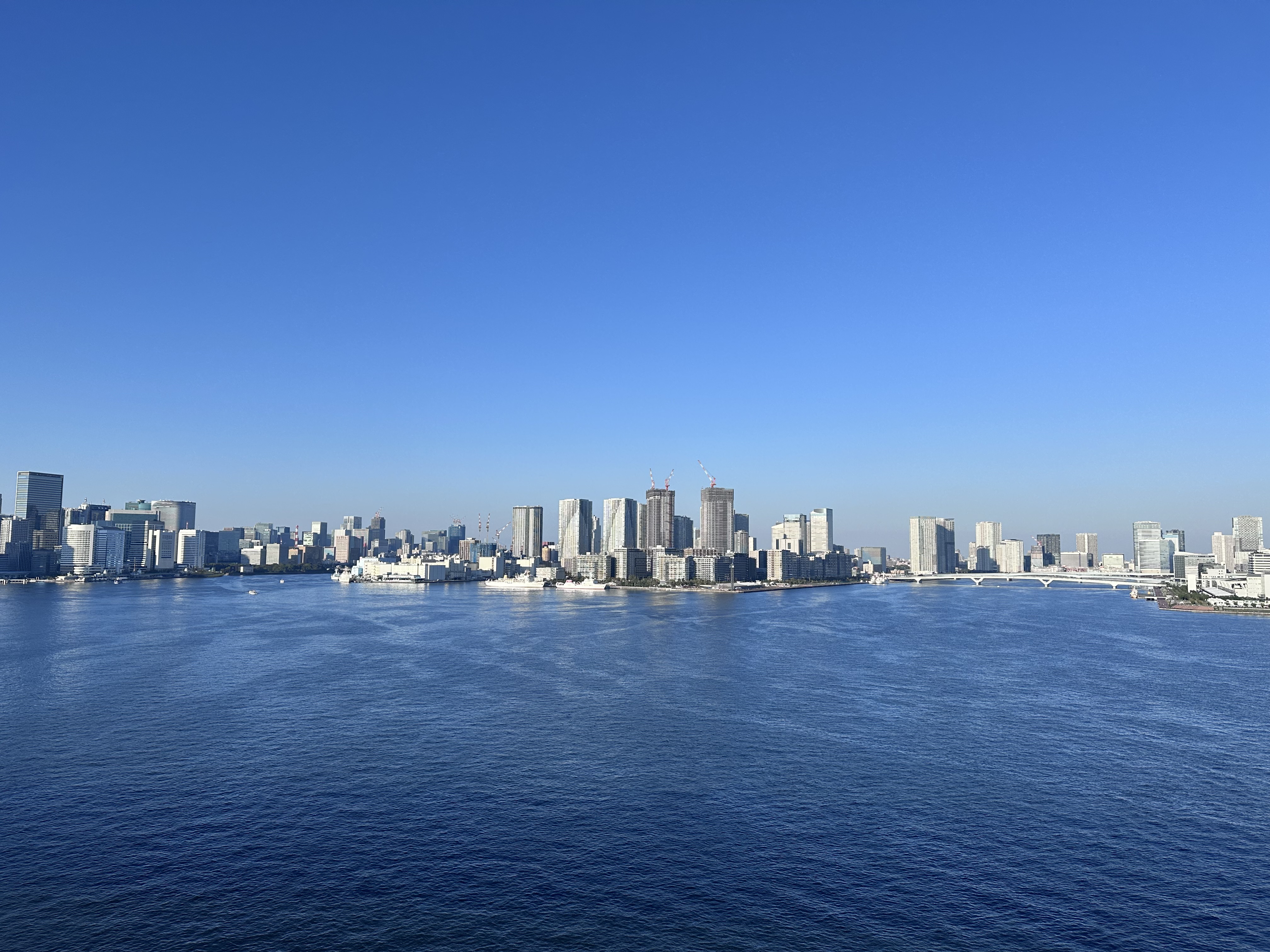
Tokyo is a great city to explore by bike. What I enjoy most is cycling late at night — grabbing a shared bike to catch the cool night breeze, riding through the office districts where streets that are packed with people during the day are completely empty. There's something almost surreal about it. Head toward the entertainment areas, though, and it's still buzzing with crowds even past midnight. Late-night Tokyo feels like a different city entirely from what you see during the day.
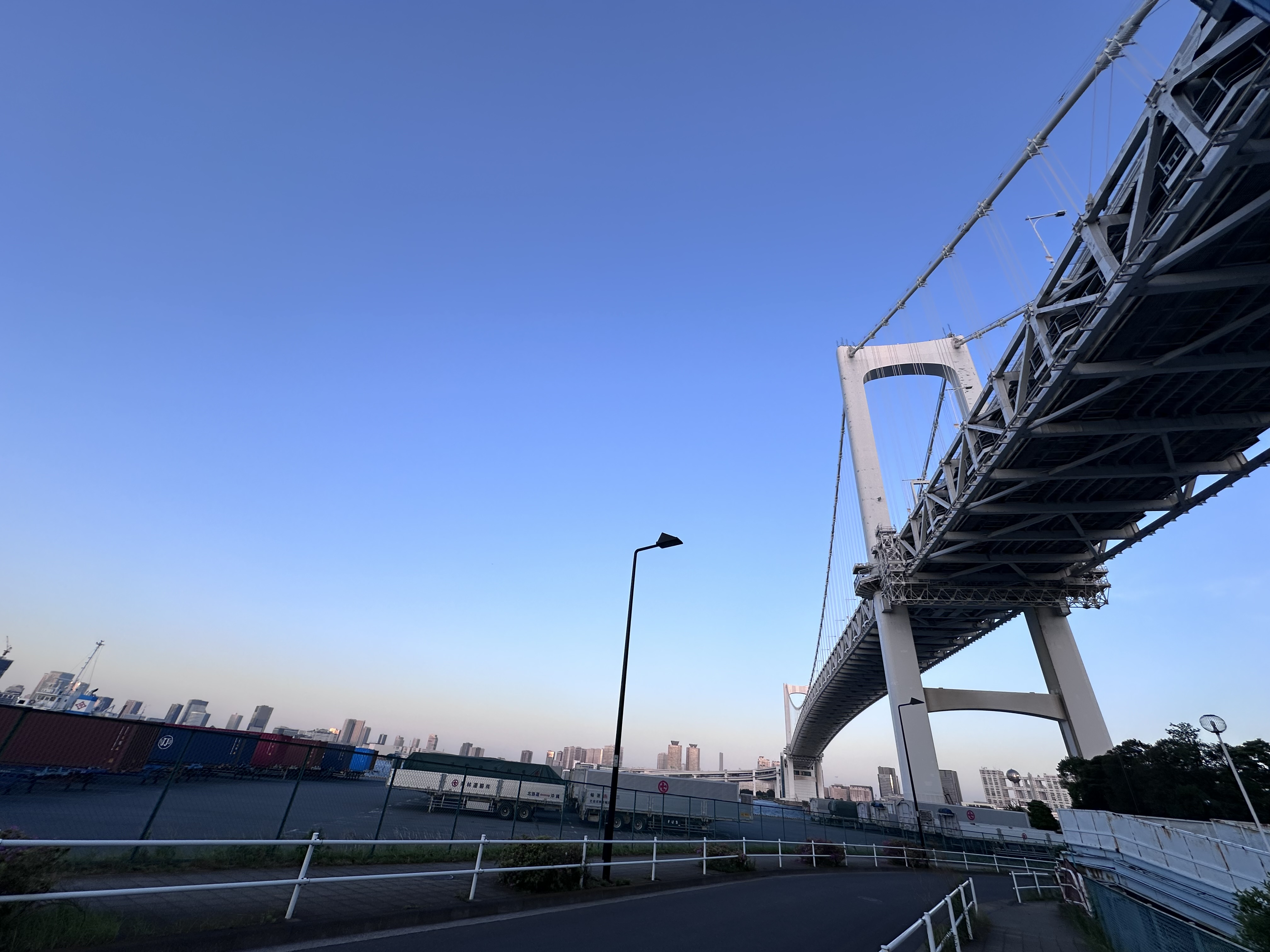
Here are a few recommended routes.
| Route | Distance | Time | Best time to ride |
|---|---|---|---|
| [Imperial Palace loop (Kōkyo)](https://www.toshiseibi.metro.tokyo.lg.jp/kotsu_butsuryu/kotsuseisaku/kotsu_suishin/osusume_route/route_ichiran/kokyo) | ~5 km | ~30 min | Early morning or evening. [On Sundays, "Palace Cycling"](https://visit-chiyoda.com/cycling-tokyo-imperial-palace-bike-sharing/) closes ~3 km between Iwaidabashi and Hirakawa-mon to car traffic for cyclists |
| Shinagawa to Odaiba (via Rainbow Bridge) | ~6 km | ~40 min | Evening to night — enjoy the waterfront skyline |
| [Along the Sumida River](https://www.gotokyo.org/jp/destinations/waterfront/cycling-along-the-water.html) (Asakusa to Ryōgoku) | ~4 km | ~25 min | Morning. Ride with views of Tokyo Skytree and Sensō-ji |
If you're visiting, you can start right away with bike-sharing (jump to [Using bike-sharing](#using-bike-sharing)). If you're a resident planning to buy a bicycle, also check [What to do after buying a bicycle](#what-to-do-after-buying-a-bicycle).
---
## Getting a Bicycle
### Using bike-sharing
You don't need to buy a bicycle — bike-sharing services make it easy to get started. I often grab one mid-walk when I feel like going a bit farther. Like the time I was strolling around Shinagawa and decided to ride out to Odaiba on a whim, or when the evening air felt so nice after a walk near Kōrakuen that I cycled home instead.
> Prices are as of April 2026. Check each service's official site for current rates.
| Service | Base rate | Day pass | Bike type | Unlock method |
|---|---|---|---|---|
| [HELLO CYCLING](https://www.hellocycling.jp/) | [¥160~/30 min](https://www.hellocycling.jp/price/tokyo) (city type; [sport type ¥200~/30 min](https://www.hellocycling.jp/price/tokyo)) | [¥2,500/12 hrs](https://www.hellocycling.jp/price/tokyo) | Mamachari & sport (all electric-assist) | [App / IC card](https://www.hellocycling.jp/getting-started/unlock/) |
| [Docomo Bike Share](https://docomo-cycle.jp/) | [¥165/30 min](https://docomo-cycle.jp/tokyo/price) | [¥1,650](https://docomo-cycle.jp/1day) | [Compact small-wheel (all electric-assist)](https://docomo-cycle.jp/about) | [QR / passcode / IC card](https://docomo-cycle.jp/use) |
| [LUUP](https://luup.sc/) | [Base ¥50 + ¥20/min](https://support.luup.sc/hc/en-us/articles/360051196234) (Tokyo; rates [vary by time](https://luup.sc/news/2026-01-09-service/)) | [3 hrs ¥980 / 12 hrs ¥2,480](https://support.luup.sc/hc/en-us/articles/17141866995223) (check availability on official site) | [Compact e-bike + electric kick scooter](https://luup.sc/en/service-en/) | [Bluetooth / QR code](https://support.luup.sc/hc/ja/articles/360051961753) |
All three services have electric-assist bikes, so hills are no problem. The apps for [HELLO CYCLING](https://www.hellocycling.jp/app/tutorial), [Docomo Bike Share](https://docomo-cycle.jp/), and [LUUP](https://luup.sc/en/news/2023-06-20-english-application-release-en/) all support English.
I've used all three, and honestly the core experience — renting, returning, paying — feels about the same. Where they differ is bike design and how you unlock. HELLO CYCLING and Docomo Bike Share let you register an IC card (Suica, PASMO, etc.) so you can just tap to unlock without pulling out your phone. The initial IC card registration was a bit fiddly, but once it's set up, the convenience is worth it.
For seat height: Docomo Bike Share and LUUP have quick-release levers for easy adjustment. HELLO CYCLING has a [safety stopper mechanism](https://www.hellocycling.jp/info/news/2024/09/18/2827/), so the adjustment range is more limited.
**How to use bike-sharing**
The basic flow is the same across all services.
1. **Download the app** and create an account (email + phone number)
2. **Register a credit card** (Docomo Bike Share also accepts d-barai payment)
3. **Find a nearby station** on the app's map
4. **Select a bike and unlock** (via app button / QR code / IC card)
5. **Return to any station** and lock the bike when you're done
If you want to ride a LUUP electric kick scooter, you'll need to pass a [traffic rules test](https://support.luup.sc/hc/en-us/articles/360063867333) within the app first.
Visa and Mastercard issued outside Japan work for registration. Your phone number doesn't need to be Japanese — any number that can receive SMS will do. All three apps switch to English, so you can use them without knowing Japanese.
### Buying new
[Cycle Base Asahi (Saikuru Bēsu Asahi)](https://ec.cb-asahi.co.jp/) is a [major chain with stores nationwide](https://corporate.cb-asahi.co.jp/about/contents/), offering affordable city bikes (known as mamachari). [Don Quijote (Donki)](https://www.donki.com/) and home improvement stores like [Cainz](https://www.cainz.com/) also carry bicycles.
### Buying used
On [Mercari, you can find used bicycles for around ¥3,000–10,000](https://jp.mercari.com/search?keyword=%E8%87%AA%E8%BB%A2%E8%BB%8A). Recycle shops (risaikuru shoppu) offer similar prices.
When buying used, make sure the previous owner provides their **Bōhan Tōroku card (bicycle registration card)** or a **jōto shōmeisho (transfer certificate)**. Without one of these, you can't register the bike under your name. Always confirm before purchasing.
### Bike-sharing vs. buying — which is cheaper?
| Usage frequency | Bike-sharing (HELLO CYCLING, 30 min × 2 rides/day) | Buying (used) |
|---|---|---|
| 1 week (visitors) | ~¥2,240 | — |
| 1 month | ~¥9,600 | ~¥7,430 (bike ¥5,000 + registration ¥660 + insurance ¥1,770) |
| 3 months | ~¥28,800 | Same as above |
If you ride daily, buying breaks even within a month. A few times a week? Bike-sharing is plenty. For visitors, Docomo Bike Share's [1-day pass (¥1,650)](https://docomo-cycle.jp/1day) is a solid deal — you can even buy it at 7-Eleven or FamilyMart.
---
## What to Do After Buying a Bicycle
### Bōhan Tōroku (bicycle registration)
Once you have a bicycle, your first step is [Bōhan Tōroku (bicycle registration)](https://www.keishicho.metro.tokyo.lg.jp/kurashi/higai/guard/bicycle.html). It's required by law.
| Item | Details |
|---|---|
| Registration fee | [¥660](https://bouhan-net.com/qa/) (tax-exempt) |
| Validity | [10 years from the year after registration](https://bouhan-net.com/qa/) |
| Where to register | Bike shops displaying the "Jitensha Bōhan Tōrokusho" sign |
| What to bring | Residence card (Zairyū Kādo) + the bicycle |
After registration, an orange sticker is placed on the frame and your details are entered into a police database. This helps recover stolen bikes and verify ownership during routine police checks (shokumu jinmon).
**Keep the registration card.** You'll need it for address changes, transfers, and theft reports — and it cannot be reissued.
### Bicycle insurance
Under a [Tokyo metropolitan ordinance](https://www.tomin-anzen.metro.tokyo.lg.jp/kotsu/jitensha/seisaku-jyourei/jitensha-jourei), anyone cycling in Tokyo must carry liability insurance (effective April 2020). Accident compensation claims can run into tens of millions of yen, so getting insured is well worth it.
| Insurance | Annual cost | Notes |
|---|---|---|
| [Japan Traffic Safety Association "Cycle Anshin Hoken"](https://jitensha-anshin.com/plan/) | [From ¥1,770](https://www.jtsa.or.jp/jitensyakai/hoken.html) | Online sign-up, same-day coverage |
| [au Sonpo "Bycle"](https://www.au-sonpo.co.jp/pc/bycle/) | [From ¥340/month (¥4,080/year)](https://www.au-sonpo.co.jp/pc/bycle/premium.html) | Includes bicycle roadside assistance |
| [Rakuten Sonpo "Cycle Assist"](https://www.rakuten-sonpo.co.jp/family/tabid/997/Default.aspx) | [From ¥3,000](https://hoken.rakuten.co.jp/bicycle/list/rakuten-sonpo_bicycle_cycleassist.html) | Rakuten Points eligible |
All can be purchased online with a credit card. The sites are in Japanese only, but browser translation works fine for the sign-up process. Another option is adding a "personal liability rider" (kojin baishō sekinin tokuyaku) to your existing home or auto insurance. You can find a [list of approved insurers on the Tokyo Metropolitan Government's page](https://www.tomin-anzen.metro.tokyo.lg.jp/kotsu/jitensha/seisaku-jyourei/jitensha-jourei/0000001924).
---
## Traffic Rules and the Blue-Ticket System
### Basic rules
- [**Ride on the left side of the road**](https://www.keishicho.metro.tokyo.lg.jp/kotsu/jikoboshi/bicycle/menu/five_rule/) — sidewalk riding is allowed only in limited exceptions
- [Front light, rear reflector](https://www.keishicho.metro.tokyo.lg.jp/kotsu/jikoboshi/bicycle/menu/index.html), and a bell are mandatory
- [Wearing a helmet](https://www.keishicho.metro.tokyo.lg.jp/kotsu/jikoboshi/bicycle/menu/helmet.html) is an "effort obligation" (doryoku gimu) since April 2023 — not technically enforced, but strongly recommended given the risk of head injuries
- [No riding double](https://www.keishicho.metro.tokyo.lg.jp/kotsu/jikoboshi/bicycle/rule.html) ([exception: a pre-school-age child in a proper child seat](https://www.keishicho.metro.tokyo.lg.jp/kotsu/jikoboshi/bicycle/rule.html); helmets for children are a parental effort obligation; bike-sharing bikes don't have child seats, so families will need to buy a bicycle)
### Things you must not do
- Using your smartphone while riding ([nagara unten](https://www.keishicho.metro.tokyo.lg.jp/kotsu/jikoboshi/bicycle/rule.html) — distracted cycling)
- [Cycling under the influence of alcohol](https://www.keishicho.metro.tokyo.lg.jp/kotsu/jikoboshi/bicycle/menu/five_rule/)
- [Riding with an umbrella](https://www.keishicho.metro.tokyo.lg.jp/kotsu/jikoboshi/bicycle/rule.html)
- [Wearing earphones and listening to music](https://www.keishicho.metro.tokyo.lg.jp/kotsu/jikoboshi/bicycle/rule.html)
Since November 2024, [penalties for distracted cycling and cycling under the influence have been significantly toughened](https://www.keishicho.metro.tokyo.lg.jp/kotsu/jikoboshi/bicycle/cycle_kaisei.html). Smartphone use while riding carries up to 6 months' imprisonment or a fine of up to ¥100,000. Cycling under the influence carries up to 3 years' imprisonment or a fine of up to ¥500,000.
### The blue-ticket system (April 2026~)
[From April 1, 2026, cyclists aged 16 and older are subject to the Kōtsū Hansoku Tsūkoku Seido (traffic violation notification system), commonly known as the "blue ticket" (ao-kippu) system.](https://www.npa.go.jp/bureau/traffic/bicycle/portal/system.html) Previously, all bicycle traffic violations were handled as criminal offenses. Under the new system, minor violations can be resolved by paying a fixed fine (hansokkin). This also means everyday infractions like running red lights or using your phone while riding are now easier to enforce.
For fine amounts, see the [National Police Agency's official page](https://www.npa.go.jp/bureau/traffic/bicycle/portal/system.html).
---
## Bicycle Parking
Municipal bicycle parking (chūrinjo) near train stations costs [roughly ¥500–2,600/month](https://www.city.kita.lg.jp/living/transport/1002481/1002486.html), varying by ward and location. Sign up at the parking facility's management office, or in some cases through the [ward's online application system](https://www.city.shinagawa.tokyo.jp/PC/bosai/bosai-zitensyataisaku/bosai-zitensyataisaku-tyusyazyoichiran/bosai-zitensyataisaku-tyusyazyoichiran-kuei/hpg000001693.html). For short stops, most bicycle parking lots offer the first 1–2 hours free, so a quick shopping trip won't cost you anything.
Leaving your bike on the street will get it [impounded (tetsukyo)](https://www.tomin-anzen.metro.tokyo.lg.jp/kotsu/jitensha/houchi), so always use designated parking. If you're moving apartments, don't forget to check the building's bicycle parking availability as well.
---
## Dealing with Impoundment and Theft
**If your bike is impounded:** A notice is posted at the location where the bike was parked, listing the impound lot and how to retrieve it. Bring photo ID and the retrieval fee to the impound lot to get your bike back.
**If your bike is stolen:** File a [theft report (tōnan todoke)](https://www.keishicho.metro.tokyo.lg.jp/kurashi/higai/guard/bicycle_bohan.html) at the nearest kōban (police box). You'll need your Bōhan Tōroku number, so keep a record of the number from your registration card or the sticker on your frame.
---
## Related Guides
- [What to Do Within 14 Days of Moving to Tokyo](/guides/tokyo-ward-office-moving-guide) — Ward office procedures guide
- [How to Buy and Use a Suica Card](/guides/suica-card) — Also useful for registering IC cards with bike-sharing
- [Payment Methods in Tokyo](/guides/payment-methods) — How to use credit cards, e-money, and more
- [Comparing Tokyo's 23 Special Wards](/guides/tokyo-special-wards-guide) — Helpful for choosing a bike-commute-friendly area
- [What to Do When You Miss the Last Train](/guides/last-train-tokyo-guide) — Late-night bike-sharing as an option
---
**References:**
- Tokyo Metropolitan Police "Bicycle Crime Prevention Registration" https://www.keishicho.metro.tokyo.lg.jp/kurashi/higai/guard/bicycle.html (accessed 2026-03-27)
- Tokyo Metropolitan Government "Bicycle Ordinance" https://www.tomin-anzen.metro.tokyo.lg.jp/kotsu/jitensha/seisaku-jyourei/jitensha-jourei (accessed 2026-03-27)
- Tokyo Metropolitan Police "Helmet Wearing" https://www.keishicho.metro.tokyo.lg.jp/kotsu/jikoboshi/bicycle/menu/helmet.html (accessed 2026-03-27)
- Tokyo Metropolitan Police "Bicycle Law Revisions" https://www.keishicho.metro.tokyo.lg.jp/kotsu/jikoboshi/bicycle/cycle_kaisei.html (accessed 2026-03-27)
- National Police Agency "Bicycle Traffic Violation Notification System" https://www.npa.go.jp/bureau/traffic/bicycle/portal/system.html (accessed 2026-03-27)
- Government Public Relations Online "Blue Tickets Introduced for Bicycle Traffic Violations" https://www.gov-online.go.jp/article/202410/entry-6604.html (accessed 2026-04-14)
- Tokyo Metropolitan Police "Five Rules for Safe Bicycle Use" https://www.keishicho.metro.tokyo.lg.jp/kotsu/jikoboshi/bicycle/menu/five_rule/ (accessed 2026-03-29)
- Tokyo Metropolitan Police "Bicycle Traffic Rules" https://www.keishicho.metro.tokyo.lg.jp/kotsu/jikoboshi/bicycle/rule.html (accessed 2026-04-14)
- Tokyo Metropolitan Government "Bicycle Liability Insurance Providers" https://www.tomin-anzen.metro.tokyo.lg.jp/kotsu/jitensha/seisaku-jyourei/jitensha-jourei/0000001924 (accessed 2026-03-29)
- Tokyo Metropolitan Government "Abandoned Bicycle Measures" https://www.tomin-anzen.metro.tokyo.lg.jp/kotsu/jitensha/houchi (accessed 2026-03-29)
- Tokyo Metropolitan Police "Bicycle Theft Prevention" https://www.keishicho.metro.tokyo.lg.jp/kurashi/higai/guard/bicycle_bohan.html (accessed 2026-03-29)
- HELLO CYCLING "Pricing (Tokyo)" https://www.hellocycling.jp/price/tokyo (accessed 2026-04-14)
- Docomo Bike Share "Pricing (Tokyo Wide Area)" https://docomo-cycle.jp/tokyo/price (accessed 2026-04-14)
- LUUP "Pricing" https://support.luup.sc/hc/en-us/articles/360051196234 (accessed 2026-04-14)
- Japan Traffic Safety Association "Cycle Anshin Insurance" https://jitensha-anshin.com/plan/ (accessed 2026-04-14)
- au Sonpo "Bycle" https://www.au-sonpo.co.jp/pc/bycle/ (accessed 2026-04-14)
- Kita Ward "Bicycle Parking Fee Schedule" https://www.city.kita.lg.jp/living/transport/1002481/1002486.html (accessed 2026-04-14)
- Tokyo Metropolitan Government "Recommended Cycling Route: Imperial Palace Loop" https://www.toshiseibi.metro.tokyo.lg.jp/kotsu_butsuryu/kotsuseisaku/kotsu_suishin/osusume_route/route_ichiran/kokyo (accessed 2026-04-14)
---
# Daycare and Kindergarten in Tokyo for Foreign Families
> Licensed daycare (hoikuen) in Tokyo is free for ages 0–5. A foreign parent's guide to the application timeline, points system, and documents needed.
- **URL**: https://tokyo.how/guides/daycare-kindergarten-tokyo-foreigner
- **Category**: Living
- **Audience**: resident
- **Published**: 2026-02-28
- **Updated**: 2026-06-21
- **Tags**: daycare, kindergarten, hokatsu, childcare, foreigners, free childcare
## What to Do First — 3 Steps at a Glance
| Step | What to do | By when |
|------|-----------|---------|
| 1 | **Check your child's age and your employment status** → use the comparison table below to determine whether hoikuen or yochien applies | Now |
| 2 | **Contact your ward office's childcare section** to get the enrollment guide booklet. Multilingual support (TMC Navi: 0120-142-142) is available | April–June of the year before enrollment |
| 3 | **Visit daycare facilities and prepare for the October application**. Visit from May–September; first-round applications are October–November | By October of the year before enrollment |
Details on each step are covered in the sections below.
> **Just here short-term (under a year)?** The regular hoikuen and yochien cycle runs on a fixed calendar — you apply in October and your child starts the following April — so it usually won't finish before a short stay ends. For stays under a year, the realistic routes are **temporary childcare (ichiji hoiku)**, the **Childcare for All Children** program, and **Family Support Centers**. Jump to "Other Childcare Options in Tokyo" below for a side-by-side comparison. (All three still require resident registration at your ward, so a tourist-visa stay won't qualify.)
---
## How Childcare in Japan and Tokyo Works
Childcare here runs on two layers. The **national** framework — the free childcare policy (since October 2019), the "childcare necessity" certification, and the ward-run points system — applies across Japan. **Tokyo** then layers its own subsidies on top, most importantly making licensed daycare effectively free for ages 0–5. So the *process* described below is largely nationwide, while the *cost* picture is specific to Tokyo. The three main facility types are compared next.
---
## Hoikuen, Yochien, and Nintei Kodomoen: What's the Difference?
Three types of childcare facilities cover most families' needs.
| | [Hoikuen (認可保育所)](https://www.fukushi.metro.tokyo.lg.jp/kodomo/hoiku/ninka) | [Yochien (幼稚園)](https://www.mext.go.jp/a_menu/shotou/youchien/) | [Nintei Kodomoen (認定こども園)](https://www.cfa.go.jp/policies/kokoseido/kodomoen/) |
|---|---|---|---|
| **Age** | 0 to school age | 3 to school age | 0 to school age |
| **Hours** | [Around 7am–6pm (extended care varies by facility)](https://www.city.arakawa.tokyo.jp/a037/kosodate/hoikuen/jikan.html) | Around 9am–2pm ([some offer extended care until ~6pm](https://www.city.setagaya.lg.jp/mokuji/kodomo/004/002/d00018488.html)) | Depends on enrollment type |
| **Parent employment** | Required (["childcare necessity" certification](https://www.cfa.go.jp/policies/hoiku)) | Not required | Depends on enrollment type |
| **Supervised by** | [Children and Families Agency](https://www.cfa.go.jp/) | [Ministry of Education](https://www.mext.go.jp/a_menu/shotou/youchien/) | [Children and Families Agency](https://www.cfa.go.jp/) |
| **Meals** | [Provided (required by regulation)](https://www.fukushi.metro.tokyo.lg.jp/kodomo/hoiku/ninka) | Varies (many require a packed lunch) | Provided |
| **Apply to** | Ward office | Each facility directly | Depends on enrollment type |
Hoikuen (認可保育所 — licensed daycare centers) are designed for working families. Yochien (幼稚園 — kindergartens) focus on early education and are open to any family regardless of employment. Nintei kodomoen (認定こども園) combine both functions.
If both parents work and your child is under 3, hoikuen is the only realistic option. For children 3 and older, yochien becomes a possibility — especially if one parent works part-time, since many yochien offer extended care until around 6pm. One catch: extended care is often suspended during long school holidays (summer break runs around 40 days), so check carefully if both parents work full-time.

---
## Types of Daycare (Hoikuen) in Tokyo
"Hoikuen" covers several categories, and which one you're looking at changes both your fees and how you apply.
**Ninka hoikujo (認可保育所 — licensed daycare)** — Facilities that meet national standards (staffing ratios, room sizes, equipment) and [hold prefectural government certification](https://www.fukushi.metro.tokyo.lg.jp/kodomo/hoiku/ninka). Fees are set by the ward based on your household's resident tax amount, so every licensed facility in the same ward costs the same. [As of 2024, licensed daycare capacity across Tokyo reached approximately 320,000 slots](https://portal.data.metro.tokyo.lg.jp/visualization/capacity-daycare-centers-children-waiting-lists/).
**Tokyo Ninshō hoikujo (東京都認証保育所 — Tokyo-certified daycare)** — A [Tokyo-only certification](https://www.fukushi.metro.tokyo.lg.jp/kodomo/hoiku/ninsyo/ichiran) for facilities that don't fully meet national licensing standards but pass Tokyo's own criteria. These are often located near train stations and are [required to keep a baseline of 13 hours of daily operation](https://www.fukushi.metro.tokyo.lg.jp/documents/d/fukushi/ninsho4_1_youkou). Fees are set by each facility, but [the monthly cap for children under 3 is ¥80,000 for up to 220 hours](https://www.fukushi.metro.tokyo.lg.jp/documents/d/fukushi/ninsho4_1_youkou). Some wards set higher caps — [Nerima Ward's cap is ¥104,000](https://www.city.nerima.tokyo.jp/kosodatekyoiku/kodomo/hoiku/ninshohoikujo.html) — and subsidy availability varies by ward.
**Ninkagai hoiku shisetsu (認可外保育施設 — unlicensed facilities)** — Everything else, including international preschools. Fees are set freely by the facility and vary widely.
---
## How to Apply to Yochien
Yochien come in public and private versions, and you apply to each completely differently.
> **Don't confuse the two deadlines.** Yochien (kindergarten) applications go **directly to the school**, around **November 1**. Hoikuen (licensed daycare) applications go to **your ward office**, during the **October–November** window. If you have children eligible for each, track them as two separate processes.
**Private yochien** (the vast majority in Tokyo):
1. Attend open days and info sessions from spring through summer
2. [Application forms distributed from October 15](https://www.tokyo-kindergarten.jp/raise_children/admission/)
3. **Submit application on November 1** (standard date for Tokyo private yochien)
4. Interview (format varies by facility)
5. Acceptance notice and payment of enrollment fee
6. Enrollment the following April
Private yochien tuition varies significantly, but the [government's free childcare policy covers up to ¥25,700 per month](https://www.cfa.go.jp/policies/kokoseido/mushouka/gaiyou).
**Public yochien** are operated by each ward, and [the enrollment process varies by ward](https://www.city.minato.tokyo.jp/gakkouuneishien/kodomo/gakko/yochien/kuritsuyochien.html). Tuition is covered by the free childcare policy, though materials fees and PTA fees are still charged. There are [approximately 800 private yochien in Tokyo](https://www.tokyo-kindergarten.jp/about/) versus far fewer public ones, so there may not be a public option near you.
---
## Hokatsu: The Daycare Application Timeline
"Hokatsu" (保活 — short for hoikuen katsudō, or "daycare hunting") is the process of securing a spot in a licensed daycare. For April enrollment, **the official application window is October–November of the previous year**. But given how much preparation is involved, most families start much earlier. The table below is based on [Arakawa Ward's 2026 April enrollment schedule](https://www.city.arakawa.tokyo.jp/a037/kosodate/r0704.html), with general timelines for visits and research added.
| Period | What to do |
|--------|-----------|
| April–June (prior year) | Research. Get the enrollment guide booklet from your ward's childcare section |
| May–September (prior year) | **Visit facilities**. After April, when new enrollees have settled in, is ideal for tours |
| Early October | [Application forms distributed](https://www.city.arakawa.tokyo.jp/a037/kosodate/r0704.html) (Arakawa: Oct 1) |
| October–November | **First-round application window** (Arakawa: Oct 27–Nov 10) |
| December | Deadline for changing preferences and submitting missing documents |
| Late January | **First-round results** (Arakawa: Jan 23) |
| January–February | Second-round applications (if not matched in first round) |
| Mid–late February | Second-round results |
| March | Enrollment preparation (interviews, health checks) |
| **April 1** | **Enrollment begins** |
**What to check during facility visits:**
- Whether the facility has a playground (some use nearby parks instead)
- Staffing levels and how staff interact with children
- Allergy accommodations for school meals
- Extended care hours and additional fees
- Required items (futon covers, change of clothes bags, name labeling rules)
- Whether any staff speak your language
- Settling-in period (many facilities start with 1–2 hours/day for the first week or two)
- Evacuation drill frequency and sleep-time monitoring procedures
Each facility visit takes about an hour. Since you'll be ranking multiple facilities on your application, visiting several helps with comparison. Most facilities require advance booking for tours, so call ahead.
**About the settling-in period (narashi hoiku):** Most facilities start new enrollees with just 1–2 hours per day, gradually extending over the first 1–2 weeks. During this period, you can't work full-time, so plan around it. Options include using paid leave, switching to remote work, or supplementing with Family Support Center care. Talk to your employer before enrollment day so you're not caught off guard.
Application methods vary by ward — some accept online submissions, others require in-person or postal applications.
**Mid-year enrollment** is also possible, but you can only apply for facilities with open spots, so options are limited. Deadlines vary by ward; contact your ward's childcare section for details.
---
## How the Daycare Points System Works in Tokyo
Licensed daycare spots don't go to everyone who applies — when applications exceed capacity, wards use a points system called riyō chōsei shisū (利用調整指数) to prioritize families.
**Household points = parent A's base score + parent B's base score + adjustment score**
Using [Arakawa Ward as an example](https://www.city.arakawa.tokyo.jp/a037/kosodate/hoikuen/shisu.html):
| Employment situation (per parent) | Base score |
|---|---|
| 20+ days/month, 8+ hours/day | 20 |
| 20+ days/month, 6–8 hours/day | 18 |
| 16+ days/month, 8+ hours/day | 18 |
| Pregnant or recently gave birth | 12 |
So two full-time working parents (20 days × 8 hours each) would score 40 base points, before any adjustments.
**Bonus points ([Arakawa Ward examples](https://www.city.arakawa.tokyo.jp/a037/kosodate/hoikuen/shisu.html)):** Returning from 2+ years of parental leave after temporary withdrawal and re-enrollment (+4), sibling already enrolled at the same facility (+2), single-parent household with employment (+4)
**Penalty points ([Arakawa Ward examples](https://www.city.arakawa.tokyo.jp/a037/kosodate/hoikuen/shisu.html)):** Grandparent under 65 living with the household and able to provide care (−6), overdue daycare fees for 6+ months (−20)

**Important: every ward uses a different scoring system.** Arakawa Ward gives 20 points per full-time parent (20 days × 8 hours), while [Edogawa Ward gives 50 points for full-time work (20 days × 7 hours)](https://www.city.edogawa.tokyo.jp/e048/qa/kosodate/kosodate/hoiku/moushikomi/riyochosei/riyochoseikihon.html). The thresholds and scoring are completely different, so don't try to compare scores across wards. Always check your specific ward's criteria.
When two households have the same score, [ward-specific tiebreakers](https://www.city.ota.tokyo.jp/seikatsu/kodomo/hoiku/hoikushisetsu_nyukibo/hoikuen/senkou_houhou-kijyun.html) apply — single-parent households often take priority, as do households with lower resident tax assessments.
**How to find your ward's point criteria:** Search Google for your ward name + 利用調整指数 (e.g., "Shibuya-ku 利用調整指数"). You can also ask at your ward's childcare section — they'll hand you the full scoring table.
---
## Documents Foreign Families Need for Daycare in Tokyo
Most mid-to-long-term residence statuses qualify you to apply for daycare — work visas (Engineer/Specialist in Humanities/International Services), Highly Skilled Professional, Permanent Resident, Long-Term Resident, and Dependent visas are all eligible — as long as you are registered as a resident (with a jūminhyō) at your ward. Short-term and tourist visa holders cannot register as residents, so they cannot apply. Eligibility can also depend on ward-level judgment for some statuses, so confirm with your ward's childcare section.
If you are on a Dependent (家族滞在) visa, your work permit is generally capped at [28 hours per week](https://www.moj.go.jp/isa/applications/procedures/nyuukokukanri07_00004.html), which can keep you from scoring full-time employment points. In that case, weigh options that don't rank on the ward points system — Tokyo-certified (認証) daycare, corporate-sponsored daycare, or the Childcare for All Children program — alongside your licensed-daycare application.
Required documents vary slightly by ward, but the following are commonly required across Tokyo.
**All households:**
- Childcare enrollment application form (教育・保育給付認定申請書)
- Proof of childcare necessity (employment certificate, medical certificate, etc.)
- [My Number](/guides/tokyo-ward-office-moving-guide) (個人番号) verification documents
**Additional requirements for foreign families:**
- **Copy of [residence card](/guides/tokyo-ward-office-moving-guide) (在留カード), front and back**
- If working on a "Dependent" (家族滞在) visa: proof of **permission to engage in activity other than that permitted** (資格外活動許可 — recorded on the back of the residence card)
- Foreign-language documents require **a Japanese translation attached** ([Minato Ward example](https://www.city.minato.tokyo.jp/hoikusien/sinseisyo07.html): translation must be done by a third party, not the applicant)
Employment certificates are issued by your employer, but the forms are in Japanese. If your company can only issue an English-language employment letter, you'll need to attach a Japanese translation.
Most wards let you download the designated employment certificate form from their website — hand this to your HR department and ask them to fill it out and stamp it. Just tell HR: "I need an employment certificate for a daycare application." If your ward doesn't have a designated form, ask your company's HR if they have one on file.
Application forms themselves are Japanese only — no English versions were found for any ward. The most practical approach is to visit the ward office's childcare section in person and ask for help filling out the forms (see "Multilingual Support" below).
**Translation tip:** Notarized translation is generally not required for daycare applications. However, translation requirements vary by ward — some require a third-party translator rather than the applicant. Check with your specific ward to confirm.
---
## How Much Does Daycare in Tokyo Cost? (It's Free for 0–5)
As of September 2025, the base fee at **licensed** daycare in Tokyo is free for every child aged 0–5, with no income cap — you still pay separately for meals, supplies, and transport. Here is how the national and Tokyo programs stack up.
### National Free Childcare Program
[Japan's free early childhood education and care policy, launched in October 2019](https://www.cfa.go.jp/policies/kokoseido/mushouka), has significantly reduced childcare costs for most families.
| Who | Facility | [What's covered](https://www.cfa.go.jp/policies/kokoseido/mushouka/gaiyou) |
|-----|----------|------------|
| Ages 3–5 (all households) | Licensed daycare | **Fully free** |
| Ages 3–5 | Kindergarten | Up to ¥25,700/month |
| Ages 3–5 | Kindergarten extended care | Up to ¥11,300/month |
| Ages 3–5 | Unlicensed facilities | Up to ¥37,000/month (*requires "childcare necessity" certification*) |
| Ages 0–2 (non-taxable households) | Licensed daycare | Fully free |
| Ages 0–2 (non-taxable households) | Unlicensed facilities | Up to ¥42,000/month (*requires "childcare necessity" certification*) |
*Fees shown are policy caps and may be updated annually. Actual out-of-pocket costs (meal ingredients, transportation, events) typically add ¥5,000–¥10,000 per month on top of subsidized fees.*
### Tokyo's Additional Subsidies
Tokyo has added its own free childcare programs on top of the national policy:
- **[From October 2023:](https://www.fukushi.metro.tokyo.lg.jp/kodomo/hoiku/mushouka)** Licensed daycare fees for second and subsequent children ages 0–2 are free
- **[From September 2025:](https://www.spt.metro.tokyo.lg.jp/kodomoseisaku/book/2025-02_tokyo_syoshika2025/pageindices/index30.html)** Licensed daycare fees for **first children** ages 0–2 are also free (**no income cap**)
So from September 2025, the base fee at **licensed** daycare in Tokyo is free for every child aged 0–5 with no income cap, as long as you are registered in a Tokyo municipality (you still pay separately for meal ingredient fees, transportation, and other actual costs). This is confirmed effective as of 2026 — and because Tokyo includes the Tama-area cities as well as the 23 special wards, check your own municipality's page to be sure the subsidy applies at your address.
For unlicensed facilities, fees are set by each facility and anything above national or Tokyo subsidies is out-of-pocket. Some wards add their own subsidies for Tokyo-certified daycare — [Nakano Ward, for example, subsidizes the lower of your actual monthly fee or ¥70,000](https://www.city.tokyo-nakano.lg.jp/kosodate/kosodatesite_ohirune/mokuteki/hoikuen/ninkagai/ninsyohoikujyo-hojyo.html).
**What a family actually pays per month (Tokyo, 2026):**
| Situation | Base fee | Add-ons | Real monthly total |
|---|---|---|---|
| Licensed hoikuen, age 2 | ¥0 | meals ~¥6,000 + supplies ~¥2,000 | **~¥8,000** |
| Licensed hoikuen, age 4 | ¥0 | meals + supplies ~¥8,000 | **~¥8,000** |
| International preschool, age 4 | ¥150,000 | minus up to ¥37,000 subsidy | **~¥113,000** |
Add-on amounts vary by facility — treat these as ballpark figures.

---
## Multilingual Support for Foreign Families
The paperwork is entirely in Japanese — but you don't have to face it alone.
### Tokyo Multilingual Consultation Navi (TMC Navi)
A [free telephone consultation service](https://tabunka.tokyo-tsunagari.or.jp/soudan/navi.html) where you can ask questions about daycare applications in 14 languages.
- **Phone:** 0120-142-142 (toll-free)
- **Hours:** Monday–Friday, 10am–4pm (excluding public holidays and year-end/New Year)
- **Languages:** Japanese (plain language), English, Chinese, Korean, Portuguese, Spanish, Thai, Vietnamese, Hindi, Nepali, Russian, Tagalog, French, Indonesian (14 languages total)
- **Services:** General living consultations, referrals to specialist agencies, interpreter support, free multilingual legal consultations (by appointment)
### Interpreter Services at Ward Offices
Some wards offer interpreter support at their counters:
- **Minato Ward:** [Three-way phone interpretation service](https://www.city.minato.tokyo.jp/kokusaika/sansyatsuwa.html) (select a language on a smartphone or tablet → an interpreter relays your conversation with the staff member). Available in 13 languages.
- **Ota Ward:** [Multilingual interpreter service](https://www.city.ota.tokyo.jp/kokusaitoshi/consultation/tsuyaku.html) (three-way call between you, interpreter, and staff)
- **Toshima Ward:** [Foreign resident consultation counter](https://www.city.toshima.lg.jp/417/2406031538.html)
Many of these interpreter services can be used at the childcare counter too, so you can get help with the actual application — but call ahead, since some wards take walk-ins while others ask you to book an interpreter slot in advance. Before you go, check your ward's website for "外国人相談" (foreign resident consultation) or "多言語" (multilingual) to see what's available.
---
## Missed the Tokyo Daycare Deadline? Your Options
If you missed the first-round application, or your application wasn't matched, here are your options.
First, check the **second-round application** dates when you receive a rejection notice. Facilities that didn't fill all spots in the first round hold a second round, and most wards automatically roll unsuccessful first-round applicants into consideration. Second-round results usually arrive in mid to late February.
If the second round doesn't work out either, you can apply for **mid-year enrollment** — open spots each month, though vacancies during the year are scarce and competition is high.
In parallel, **using an unlicensed facility as a stopgap** is a practical option. Using a Tokyo-certified or unlicensed daycare until a licensed spot opens up can also help your case — some wards award bonus points on next year's application for children already enrolled in an unlicensed facility.
Another option is [Tokyo's Babysitter Subsidy Program](https://www.fukushi.metro.tokyo.lg.jp/kodomo/hoiku/bs). For parents of waitlisted children (ages 0–5) or parents returning from parental leave who couldn't find daycare, babysitter fees are reduced to **¥150 per hour** (up to 11 hours per day) until a licensed spot becomes available.
---
## Childcare for All Children Program (Kodomo Daremo Tsuen)
Japan launched the [Childcare for All Children Program (こども誰でも通園制度)](https://www.cfa.go.jp/policies/hoiku/daredemo-tsuen) nationwide in April 2026, so it is now in effect. This program lets families use daycare on a limited basis without meeting the usual employment requirement.
- **Target:** children aged 6 months to under 3 years
- **No employment requirement** — families do not need "childcare necessity" (保育の必要性) certification
- **Up to 10 hours per month** (this is the subsidy cap; actual limits may range from 3–10 hours depending on municipal ordinance)
- **Cost:** around ¥300 per hour (varies by facility and municipality)
- [Reduced rates](https://www.cfa.go.jp/policies/hoiku/daredemo-tsuen) for low-income households
- **How to apply:** through the [Tsuen Portal (つうえんポータル)](https://www.cfa.go.jp/policies/hoiku/daredemo-tsuen) or your [ward office](/guides/tokyo-ward-office-moving-guide)
This program is not a substitute for regular daycare — it won't cover full-time working parents' needs. It is useful for families who don't meet the employment requirement, want to try daycare before committing, or need occasional care while a stay-at-home parent handles errands or appointments.
---
## Tokyo Daycare Waitlist: The Situation Is Improving
[Tokyo's official update](https://www.metro.tokyo.lg.jp/information/press/2025/08/2025082917) shows that the daycare waitlist situation has improved in recent years. [Childcare-service use](https://www.metro.tokyo.lg.jp/documents/d/tosei/20250829_17_01a) has also broadened, so families now have more options than before.
Even so, availability still varies by ward and city. Check the latest local status before applying, and list multiple preferences because popular facilities and neighborhoods can still be competitive.
---
## Other Childcare Options in Tokyo
There is more to Tokyo childcare than licensed daycare and kindergarten — and some of these are the only realistic options for short stays.
**Quick compare — short-term and occasional childcare:**
| Option | Typical cost | Limit | Employment proof? | How to book |
|---|---|---|---|---|
| Temporary childcare (ichiji hoiku) | ¥2,000–3,000/day | A few days/week (varies) | No | Ward website → facility |
| Childcare for All (誰でも通園) | ~¥300/hour | Up to ~10 hours/month | No | Tsuen Portal or ward office |
| Family Support Center | ¥800–1,000/hour | By arrangement | No | Register with your ward first |
| Babysitter subsidy (waitlisted kids) | ¥150/hour | Up to 11 hours/day | Waitlist status | Via ward, while waitlisted |
Details on each below. For near-regular coverage on a short stay, temporary childcare (ichiji hoiku) is usually the most usable option; the others work best as occasional top-ups.
### Corporate-Sponsored Daycare
A [government-supported program](https://www.kigyounaihoiku.jp/users) where companies set up daycare facilities for employees. Most have two types of spots: employee spots and community spots — the community spots are open to the general public. To check if your company has a partnership, ask HR: "Does our company have any corporate-sponsored daycare partnerships?" You can also search the [Corporate Daycare Portal](https://www.kigyounaihoiku.jp/users) for facilities near your workplace.
### International Preschools
English-language early education facilities, mostly operating as unlicensed (認可外) facilities. Monthly fees typically range from ¥100,000 to ¥250,000 or more, and most schools require [payment](/guides/payment-methods) by bank transfer. For children ages 3–5, you may be able to claim [up to ¥37,000/month](https://www.cfa.go.jp/policies/kokoseido/mushouka/gaiyou) under the national free childcare policy. Check your [ward's](/guides/tokyo-special-wards-guide) website for local facility listings.
### Temporary Childcare (Ichiji Hoiku)
A drop-in daycare service for children not enrolled in regular daycare. Available regardless of reason — useful for families who just moved to Tokyo, are on short-term stays, or are job hunting. Rates are typically ¥2,000–3,000 per day (varies by ward). Search your ward's website for "一時保育" or "一時預かり" to find facilities offering this service. Spots are limited, so book early.
### Family Support Centers
A [community mutual-aid program](https://www.fukushi.metro.tokyo.lg.jp/kodomo/kosodate/famisapo) where you can arrange occasional childcare or pickup/dropoff. Rates are [around ¥800–1,000 per hour depending on the ward](https://www.city.tokyo-nakano.lg.jp/kosodate/kosodatesite_ohirune/mokuteki/ichijihoiku/azukari/familysupport/familysupport.html). Not a substitute for regular daycare, but useful when you need to stay late, have an unexpected errand, or need extra coverage during the settling-in period.
---
## Related Guides
- [Registering Your Move at a Tokyo Ward Office](/guides/tokyo-ward-office-moving-guide) — Residency registration is a prerequisite for daycare applications
- [Health Insurance and Pension for Foreigners in Japan](/guides/health-insurance-pension-japan) — Children's medical costs are covered by health insurance
- [First-Time Moving Out in Tokyo](/guides/first-time-moving-out-tokyo) — Tips for finding a family-friendly neighborhood
- [Tokyo's 23 Special Wards Guide](/guides/tokyo-special-wards-guide) — Compare wards to find family-friendly neighborhoods
- [Garbage Sorting in Tokyo](/guides/garbage-sorting-tokyo-guide) — Daily life essentials for your new household
---
Start by contacting your ward office's childcare section for the enrollment guide. If Japanese feels like a barrier, call TMC Navi (0120-142-142) first — that's what it's there for.
*This article is based on information available as of June 2026. Childcare policies are updated annually. For the latest information, check your ward's childcare section or the [Children and Families Agency](https://www.cfa.go.jp/) website.*
---
**References:**
- Children and Families Agency, "Free Early Childhood Education and Care" https://www.cfa.go.jp/policies/kokoseido/mushouka (accessed 2026-04-30)
- Children and Families Agency, "Overview of Free Early Childhood Education and Care" https://www.cfa.go.jp/policies/kokoseido/mushouka/gaiyou (accessed 2026-04-30)
- Tokyo Metropolitan Government Welfare Bureau, "Licensed Daycare Centers" https://www.fukushi.metro.tokyo.lg.jp/kodomo/hoiku/ninka (accessed 2026-04-30)
- Tokyo Metropolitan Government Welfare Bureau, "Tokyo-Certified Daycare Center List" https://www.fukushi.metro.tokyo.lg.jp/kodomo/hoiku/ninsyo/ichiran (accessed 2026-04-30)
- Arakawa Ward, "April 2026 Enrollment Applications" https://www.city.arakawa.tokyo.jp/a037/kosodate/r0704.html (accessed 2026-04-30)
- Arakawa Ward, "Priority Score Table" https://www.city.arakawa.tokyo.jp/a037/kosodate/hoikuen/shisu.html (accessed 2026-04-30)
- Tokyo Metropolitan Government, "Childcare Services Status in Tokyo (April 2025)" https://www.metro.tokyo.lg.jp/information/press/2025/08/2025082917 (accessed 2026-04-30)
- Tokyo Tsunagari Sōsei Foundation, "TMC Navi" https://tabunka.tokyo-tsunagari.or.jp/soudan/navi.html (accessed 2026-04-30)
- Tokyo Metropolitan Private Kindergarten Association, "Enrollment" https://www.tokyo-kindergarten.jp/raise_children/admission/ (accessed 2026-04-30)
- Tokyo Metropolitan Government Welfare Bureau, "Babysitter Subsidy Program" https://www.fukushi.metro.tokyo.lg.jp/kodomo/hoiku/bs (accessed 2026-06-21)
- Tokyo Open Data Portal, "Daycare Capacity and Waitlisted Children" https://portal.data.metro.tokyo.lg.jp/visualization/capacity-daycare-centers-children-waiting-lists/ (accessed 2026-04-30)
- Tokyo Metropolitan Government Welfare Bureau, "Family Support Centers" https://www.fukushi.metro.tokyo.lg.jp/kodomo/kosodate/famisapo (accessed 2026-04-30)
- Minato Ward, "Ward-Run Kindergartens" https://www.city.minato.tokyo.jp/gakkouuneishien/kodomo/gakko/yochien/kuritsuyochien.html (accessed 2026-04-30)
- Children and Families Agency, "Childcare for All Children Program" https://www.cfa.go.jp/policies/hoiku/daredemo-tsuen (accessed 2026-04-30)
- Tokyo Metropolitan Government, "Childcare Services Status in Tokyo — data table (April 2025)" https://www.metro.tokyo.lg.jp/documents/d/tosei/20250829_17_01a (accessed 2026-06-21)
- Immigration Services Agency of Japan, "Work permit for the 'Dependent' status of residence" https://www.moj.go.jp/isa/applications/procedures/nyuukokukanri07_00004.html (accessed 2026-06-21)
---
# English-Speaking Doctors & Hospitals in Tokyo (2026 List)
> 10+ clinics with English-speaking doctors in Tokyo, searchable by area. Plus how to use HIMAWARI, what to bring, costs without insurance, and mental health options.
- **URL**: https://tokyo.how/guides/english-speaking-doctor-tokyo
- **Category**: Living
- **Audience**: both
- **Published**: 2026-03-02
- **Updated**: 2026-03-02
- **Tags**: English-speaking, hospital, healthcare, insurance, mental health
- **Call first:** [HIMAWARI](https://www.hokeniryo.metro.tokyo.lg.jp/iryo/iryo_hoken/medical_info/himawari) (03-5285-8181, daily 9:00–20:00) offers consultation in English
- **Insurance:** Travel insurance is essential. Without it, you pay 100% out-of-pocket — costs can be very high under self-pay pricing
- **English-friendly hospitals:** [St. Luke's International Hospital](https://hospital.luke.ac.jp/eng/), [NTT Medical Center Tokyo](https://www.nmct.ntt-east.co.jp/en/guide/first/foreigner/), [Tokyo Adventist Hospital](https://www.tokyoeisei.com/english/)
- **Emergencies:** Call 119 for an ambulance (English interpretation available 24/7). If unsure, call #7119 (Japanese only)
- **Plan ahead:** Find an English-speaking family doctor before you get sick
- **How to search:** Use [HIMAWARI](https://www.hokeniryo.metro.tokyo.lg.jp/iryo/iryo_hoken/medical_info/himawari) online or call [AMDA](https://www.amdamedicalcenter.com/) (03-6233-9266)
- **Insurance:** If enrolled in NHI or employer insurance, [you pay only 30%](https://www.city.meguro.tokyo.jp/kokuho/kurashi/kokuho/kanyu-gaikoku.html) of medical costs
- **Mental health:** [TELL Japan](https://telljp.com/) Lifeline (03-5774-0992) offers English-language support. [Hours vary by day](https://telljp.com/tell-hours/)
---
## How to Find an English-Speaking Hospital
When you fall ill in Tokyo and don't speak Japanese, finding a hospital becomes dramatically harder. Searching "English speaking doctor Tokyo" on Google often returns outdated information or expensive self-pay clinics. Using official search services is more efficient.
### HIMAWARI (Tokyo Metropolitan Medical Information Service)
The [Tokyo Metropolitan Bureau of Public Health medical information site](https://www.hokeniryo.metro.tokyo.lg.jp/iryo/iryo_hoken/medical_info_eng) is available in English, Chinese, and Korean. A [portal for tourists and residents launched in March 2025](https://www.english.metro.tokyo.lg.jp/w/115-101-004140), allowing you to filter medical institutions by language and specialty.
[Phone consultation (03-5285-8181)](https://www.hokeniryo.metro.tokyo.lg.jp/iryo/iryo_hoken/medical_info/himawari) is available daily from 9:00 to 20:00 in five languages: English, Chinese, Korean, Thai, and Spanish. They can also help if you're unsure which department you need.
### AMDA International Medical Information Center
[AMDA International Medical Information Center](https://www.amdamedicalcenter.com/) is an NPO that supports people who need medical information in languages other than Japanese. By phone (03-6233-9266, weekdays 10:00–16:00), they provide referrals to medical institutions in eight languages including English.
They also offer [free remote medical interpretation](https://prtimes.jp/main/html/rd/p/000000001.000155158.html) (via phone or Zoom, weekdays 10:00–15:00). Even if the hospital staff don't speak your language, an AMDA interpreter can join your appointment remotely.
### Bring a Multilingual Medical Questionnaire
The [multilingual medical questionnaire published by the Kanagawa International Foundation](https://kifjp.org/medical/english) covers 23 languages and 12 medical specialties as downloadable PDFs. Save them to your phone in advance — they make communication at the reception desk much smoother. Even at hospitals without English support, filling in your symptoms and medical history in your own language and showing the form can convey the essentials.

---
## Major English-Friendly Hospitals & Clinics
Tokyo has several hospitals where you can receive care in English. Insurance coverage and location vary by hospital, so check before you go.
| Hospital | Location | English Support | NHI/Employer Insurance | Contact |
|----------|----------|-----------------|------------------------|---------|
| [St. Luke's International Hospital](https://hospital.luke.ac.jp/eng/) | Chuo-ku, Akashicho | English-speaking doctors on staff. Multilingual support (EN, CN, KR, etc.) | ○ | 03-5550-7120 (Appointments) |
| [NTT Medical Center Tokyo](https://www.nmct.ntt-east.co.jp/en/guide/first/foreigner/) | Shinagawa-ku, Higashi-Gotanda | English and Chinese interpreters in International Healthcare Dept. JCI accredited | ○ | 03-6721-6239 |
| [Tokyo Adventist Hospital](https://www.tokyoeisei.com/english/) | Suginami-ku, Amanuma | English-speaking staff. Internal medicine, surgery, orthopedics, pediatrics, dentistry, etc. | ○ | 03-3392-6151 |
| [Tokyo Medical & Surgical Clinic](https://tmsc.jp/) | Minato-ku, Shiba-koen | Doctors from US, UK, Australia & NZ. English, French, German | **× (Self-pay only)** | 03-3436-3028 |
Tokyo Medical & Surgical Clinic (TMSC) does not accept Japan's National Health Insurance or employer insurance. Everything is self-pay, so if you want to keep costs down, choose an NHI-accepting hospital.
### English-Friendly Smaller Clinics
Large hospitals charge an [additional fee of ¥7,000 or more](https://www.mhlw.go.jp/stf/newpage_26666.html) if you show up without a referral letter. For colds and minor symptoms, visiting a smaller clinic first is cheaper and faster.
English-friendly clinics are concentrated in areas with large foreign populations such as Roppongi, Hiroo, Azabu-Juban, and Ebisu. Use [HIMAWARI's online search](https://www.hokeniryo.metro.tokyo.lg.jp/iryo/iryo_hoken/medical_info_eng) and filter by "English" and "Internal Medicine" to find a clinic near you.
### English-Friendly Dental Clinics
Dental problems can strike even during a trip. English-speaking dental clinics are relatively few across Tokyo, but you can find them in these ways:
- Filter by "Dentistry" + "English" on **HIMAWARI**'s search
- Call **AMDA** (03-6233-9266) and ask for a referral to an English-friendly dentist
- Tokyo Adventist Hospital has a dental department with English-speaking staff
Dental care in Japan mixes NHI-covered treatments (cavities, extractions, cleanings, etc.) and self-pay treatments (whitening, implants, etc.). Telling the clinic "I'd like to stay within insurance coverage" before treatment can help keep costs down.
---
## Which Department Should You Visit?
Japanese hospitals are divided into specialized departments, and you need to choose the right one for your symptoms.
| Symptoms | Department | Japanese | Romaji |
|----------|-----------|----------|--------|
| Fever, cold, fatigue | Internal Medicine | 内科 | naika |
| Fractures, sprains, back pain | Orthopedics | 整形外科 | seikei-geka |
| Skin rashes, itching | Dermatology | 皮膚科 | hifu-ka |
| Eye redness, vision problems | Ophthalmology | 眼科 | ganka |
| Ear pain, stuffy nose, sore throat | ENT | 耳鼻咽喉科 | jibi-inkō-ka |
| Toothache | Dentistry | 歯科 | shika |
| Children's symptoms | Pediatrics | 小児科 | shōni-ka |
| Pregnancy, menstrual issues | OB-GYN | 産婦人科 | sanfujin-ka |
| Anxiety, insomnia, low mood | Psychiatry | 精神科 | seishin-ka |
If you're unsure, start with **Internal Medicine** (内科) or call HIMAWARI (03-5285-8181). An internist can write a referral to a specialist if needed.
### Emergencies
For clearly urgent symptoms (unconsciousness, difficulty breathing, heavy bleeding), call **119** for an ambulance. [119 provides interpretation in English, Chinese, Korean, Portuguese, and Spanish around the clock](https://www.city.shibuya.tokyo.jp/contents/living-in-shibuya/en/emergencies/dial119.html). When calling, say "Kyukyu desu" (救急です / "It's an emergency") and explain the address and symptoms.
If you're unsure whether to call an ambulance, **#7119** (Tokyo Emergency Consultation Center) is available 24/7, but only in Japanese. For English-language help, use HIMAWARI (03-5285-8181, until 20:00).

---
## Japanese Phrases for the Reception Desk
Even at English-friendly hospitals, reception staff and nurses may speak only Japanese. Knowing these phrases will make your visit smoother.
### Describing Your Symptoms
| Japanese | Romaji | English |
|----------|--------|---------|
| 熱があります | netsu ga arimasu | I have a fever |
| お腹が痛いです | onaka ga itai desu | I have a stomachache |
| 頭が痛いです | atama ga itai desu | I have a headache |
| 咳が出ます | seki ga demasu | I have a cough |
| 吐き気がします | hakike ga shimasu | I feel nauseous |
| めまいがします | memai ga shimasu | I feel dizzy |
| アレルギーがあります | arerugī ga arimasu | I have allergies |
### Useful Phrases at Reception
- **英語を話せる先生はいますか?** — eigo wo hanaseru sensei wa imasu ka? — "Is there a doctor who speaks English?"
- **初診です** — shoshin desu — "This is my first visit"
- **保険証を持っていません** — hokenshō wo motte imasen — "I don't have an insurance card"
- **薬を飲んでいます** — kusuri wo nonde imasu — "I'm taking medication"
For more complex symptoms, a translation app on your phone (such as Google Translate) can help. Simply showing the translated text on screen often gets the message across. If you need to find a neighborhood clinic for non-urgent issues, see [how to find a local clinic in Tokyo](/guides/how-to-find-clinic-tokyo).
### What to Bring for Your First Visit
- Insurance card (My Number card or Certificate of Qualification). Not needed for tourists
- Passport (for tourists)
- Travel insurance documents (for tourists)
- Referral letter (for large hospitals — without one, an [additional fee of ¥7,000 or more](https://www.mhlw.go.jp/stf/newpage_26666.html) applies)
- Cash (some clinics don't accept credit cards — see [how payments work in Japan](/guides/payment-methods) for details)
- Medication notebook or notes (if you're taking any medication)
---
## How Insurance Works
Medical costs in Japan vary dramatically depending on whether you have insurance.
### Residents: Enrolled in NHI or Employer Insurance
[Anyone living in Japan for 3 months or more is required to enroll in public health insurance](https://www.city.meguro.tokyo.jp/kokuho/kurashi/kokuho/kanyu-gaikoku.html). Employees are covered through their employer's insurance; everyone else enrolls in National Health Insurance (NHI) through their local ward office. The standard out-of-pocket cost is 30% — a ¥10,000 treatment costs ¥3,000 at the window.
If monthly medical expenses are high, the [High-Cost Medical Expense Benefit](https://www.mhlw.go.jp/stf/seisakunitsuite/bunya/kenkou_iryou/iryouhoken/juuyou/kougakuiryou/index.html) caps your costs. For a standard income, anything above roughly ¥80,000 per month is reimbursed.
[Since December 2024, new physical insurance cards are no longer issued](https://www.gov-online.go.jp/article/202407/entry-6238.html). Your My Number card now serves as your insurance card. If you don't have a My Number card, you can request a free "Certificate of Qualification" from your insurer.
### Tourists: Without Insurance
Short-stay tourists are not eligible for NHI. Without insurance, medical care is treated as self-pay, meaning you pay 100% out-of-pocket — significantly more than insured rates.
**Estimated costs (without insurance, [ref: Japanese Red Cross Medical Center](https://www.med.jrc.or.jp/en/tabid/835/Default.aspx)):**
- Clinic first visit: approx. ¥20,000
- Hospital first visit: ¥20,000–50,000
- MRI scan: approx. ¥30,000–50,000
- Appendectomy with hospitalization: approx. ¥300,000–600,000
Consider getting travel insurance before your trip. For residents, understanding your [health insurance and pension coverage](/guides/health-insurance-pension-japan) before you need medical care is essential. However, most Japanese hospitals do not process insurance claims directly. The standard practice is to pay the full amount upfront and file a claim with your insurance company after returning home, so always bring cash or a credit card.
---
## English-Language Mental Health Support
Finding English-language mental health resources in Tokyo is not easy. In Japan, psychiatric consultations are covered by NHI, but counseling by psychologists is generally not. Understanding this distinction helps you plan for costs.
### Crisis Lines & Phone Support
[TELL Japan](https://telljp.com/) (Tokyo English Life Line) operates an English-language lifeline.
- **TELL Lifeline:** 03-5774-0992 / Toll-free 0800-300-8355 (hours vary by day — [details here](https://telljp.com/tell-hours/))
- **Chat support:** Available daily (weekdays 16:00–23:00, weekends 16:00–5:30 next day — [details here](https://telljp.com/tell-hours/))
If you're in a serious situation or just need someone to talk to, this is a good place to start.
### English-Speaking Psychiatrists (Covered by NHI)
| Clinic | Location | Details |
|--------|----------|---------|
| [Kitasando Kokoro no Shinryojo](https://kitasando-mental-clinic.jp/en/) | Shibuya-ku, Sendagaya | Doctor trained in the UK. NHI accepted (reservation fee charged separately) |
| [Roppongi Clinic](https://www.roppongi-clinic.jp/english-page/) | Minato-ku, Roppongi | English, Korean, Spanish, Portuguese, Tagalog, Thai. NHI accepted. Open weekends |
Psychiatric consultations are covered by insurance, so with NHI, you pay only 30%.
### Counseling (Not Covered by NHI)
[TELL Counseling](https://telljp.com/counseling/counseling-fees/) offers in-person and online counseling in Tokyo. The standard fee is ¥24,200 for 53 minutes (tax included, as of February 2026). A sliding scale based on income is also available.
If your employer offers an EAP (Employee Assistance Program), you may be able to receive counseling for free. Check with your HR department.
---
## When Things Don't Go as Planned
| Problem | What to Do |
|---------|-----------|
| Can't find an English-speaking hospital | Call HIMAWARI (03-5285-8181) or AMDA (03-6233-9266). AMDA also offers phone interpretation |
| Booking phone is Japanese-only | Call AMDA (03-6233-9266) and request remote medical interpretation |
| Insurance card hasn't arrived yet | Pay 100% upfront. You may be able to get a refund for the difference once your card arrives — check with your insurer for details |
| Not sure if it's an emergency | #7119 (Japanese only, 24/7). For English, call HIMAWARI (03-5285-8181, until 20:00) |
| Can't explain your symptoms | Bring a [multilingual medical questionnaire](https://kifjp.org/medical/english), or show a translation app on your phone |
| Need mental health support | TELL Japan (03-5774-0992, English. [Hours](https://telljp.com/tell-hours/)) |
---
## Alternative Options
- **Online consultations:** Video-call appointments from home are becoming more common. English-language options are still limited, but [Japan Healthcare Info](https://japanhealthinfo.com/) can help you find one
- **Pharmacist at a drugstore:** For symptoms treatable with over-the-counter medicine, describe your symptoms to a pharmacist and they'll help you choose. Major chains like [Matsumoto Kiyoshi](https://www.matsukiyo.co.jp/) and [Welcia](https://www.welcia-yakkyoku.co.jp/) carry OTC medicines with English packaging
- **MHLW "Medical Information Net (Navi-i)":** An [official search system](https://www.iryou.teikyouseido.mhlw.go.jp/znk-web/juminkanja/S2300/initialize) to find medical institutions nationwide by specialty and supported languages
---
## Related Articles
- [Health Insurance and Pension for Foreigners](/guides/health-insurance-pension-japan) — Types of insurance and how to enroll
- [What to Do Within 14 Days of Moving](/guides/tokyo-ward-office-moving-guide) — Ward office procedures including NHI enrollment
- [How Payments Work in Tokyo](/guides/payment-methods) — Cash vs. card, useful context for paying at hospitals
---
**References:**
- Tokyo Metropolitan Bureau of Public Health, "Medical Information Portal for Foreign Residents (English)" https://www.hokeniryo.metro.tokyo.lg.jp/iryo/iryo_hoken/medical_info_eng (accessed: 2026-02-28)
- Tokyo Metropolitan Government, "Tokyo Medical Information Site for Foreign Tourists and Residents" https://www.english.metro.tokyo.lg.jp/w/115-101-004140 (accessed: 2026-02-28)
- AMDA International Medical Information Center https://www.amdamedicalcenter.com/ (accessed: 2026-02-28)
- AMDA International Medical Information Center, "Launch of Patient-Requested Remote Interpretation Service" https://prtimes.jp/main/html/rd/p/000000001.000155158.html (accessed: 2026-03-02)
- Kanagawa International Foundation, "Multilingual Medical Questionnaire" https://kifjp.org/medical/english (accessed: 2026-02-28)
- St. Luke's International Hospital, "For International Patients" https://hospital.luke.ac.jp/eng/ (accessed: 2026-02-28)
- NTT Medical Center Tokyo, "For Foreign Nationals" https://www.nmct.ntt-east.co.jp/en/guide/first/foreigner/ (accessed: 2026-02-28)
- Tokyo Adventist Hospital, "English" https://www.tokyoeisei.com/english/ (accessed: 2026-02-28)
- Tokyo Medical & Surgical Clinic https://tmsc.jp/ (accessed: 2026-02-28)
- Meguro City, "National Health Insurance for Foreign Residents" https://www.city.meguro.tokyo.jp/kokuho/kurashi/kokuho/kanyu-gaikoku.html (accessed: 2026-02-28)
- Ministry of Health, Labour and Welfare, "High-Cost Medical Expense Benefit" https://www.mhlw.go.jp/stf/seisakunitsuite/bunya/kenkou_iryou/iryouhoken/juuyou/kougakuiryou/index.html (accessed: 2026-02-28)
- Ministry of Health, Labour and Welfare, "Additional Fees for Visiting Large Hospitals Without Referral" https://www.mhlw.go.jp/stf/newpage_26666.html (accessed: 2026-02-28)
- Government of Japan PR Online, "About My Number Insurance Cards" https://www.gov-online.go.jp/article/202407/entry-6238.html (accessed: 2026-02-28)
- Japanese Red Cross Medical Center, "Hospitalization Costs" https://www.med.jrc.or.jp/en/tabid/835/Default.aspx (accessed: 2026-02-28)
- Shibuya City, "Dial 119 in Case of Emergency" https://www.city.shibuya.tokyo.jp/contents/living-in-shibuya/en/emergencies/dial119.html (accessed: 2026-02-28)
- TELL Japan https://telljp.com/ (accessed: 2026-02-28)
- TELL Japan, "Counseling Fees" https://telljp.com/counseling/counseling-fees/ (accessed: 2026-02-28)
- Kitasando Kokoro no Shinryojo https://kitasando-mental-clinic.jp/en/ (accessed: 2026-02-28)
- Roppongi Clinic https://www.roppongi-clinic.jp/english-page/ (accessed: 2026-02-28)
- TELL Japan, "TELL Hours" https://telljp.com/tell-hours/ (accessed: 2026-02-28)
- Japan Healthcare Info https://japanhealthinfo.com/ (accessed: 2026-02-28)
---
*This article is for general information purposes only and does not constitute medical advice. If you have symptoms, please consult a doctor.*
---
# Tokyo Etiquette — Manners for Trains, Restaurants, Shrines & Onsen
> No calls on trains, no swimsuits in onsen, no tipping. A scene-by-scene guide to Tokyo manners for trains, dining, shrines, and hot springs.
- **URL**: https://tokyo.how/guides/etiquette-tokyo
- **Category**: Explore
- **Audience**: tourist
- **Published**: 2026-02-26
- **Updated**: 2026-02-26
- **Tags**: etiquette, manners, culture, tourist
---
## Train and Station Etiquette

The first thing you'll notice on a Tokyo train is the silence. Even during packed rush hours, you'll barely hear a conversation.
Phone calls are an unspoken taboo. If your phone rings, let it go to voicemail and call back after you step off at the next station. Even among a group of friends, keep your voice low inside the car. Sound leaking from earphones is also frowned upon.
Avoid bringing strong-smelling food on board or carrying an open can. Smells spread quickly in a sealed train car, and a sudden jolt can easily spill the contents.
In crowded cars, hold your backpack against your chest or place it on the overhead rack. Wearing it on your back bumps into the people around you without you realizing it.
On the platform, line up along the floor markings and wait for everyone to exit before boarding — this is called seiretsu-jōsha (整列乗車 / orderly boarding). For help navigating the busiest stations, see our [station transfer guide](/guides/station-navigation-tokyo).
**Rush hours (weekdays 7:30–9:00 AM and 5:30–8:00 PM)** with a large suitcase are brutal. Avoid these windows or check car-by-car congestion on the [Tokyo Metro my! app](https://www.tokyometro.jp/mobiledevice/smartphone/my/index.html) before boarding.
---
## Restaurant Etiquette
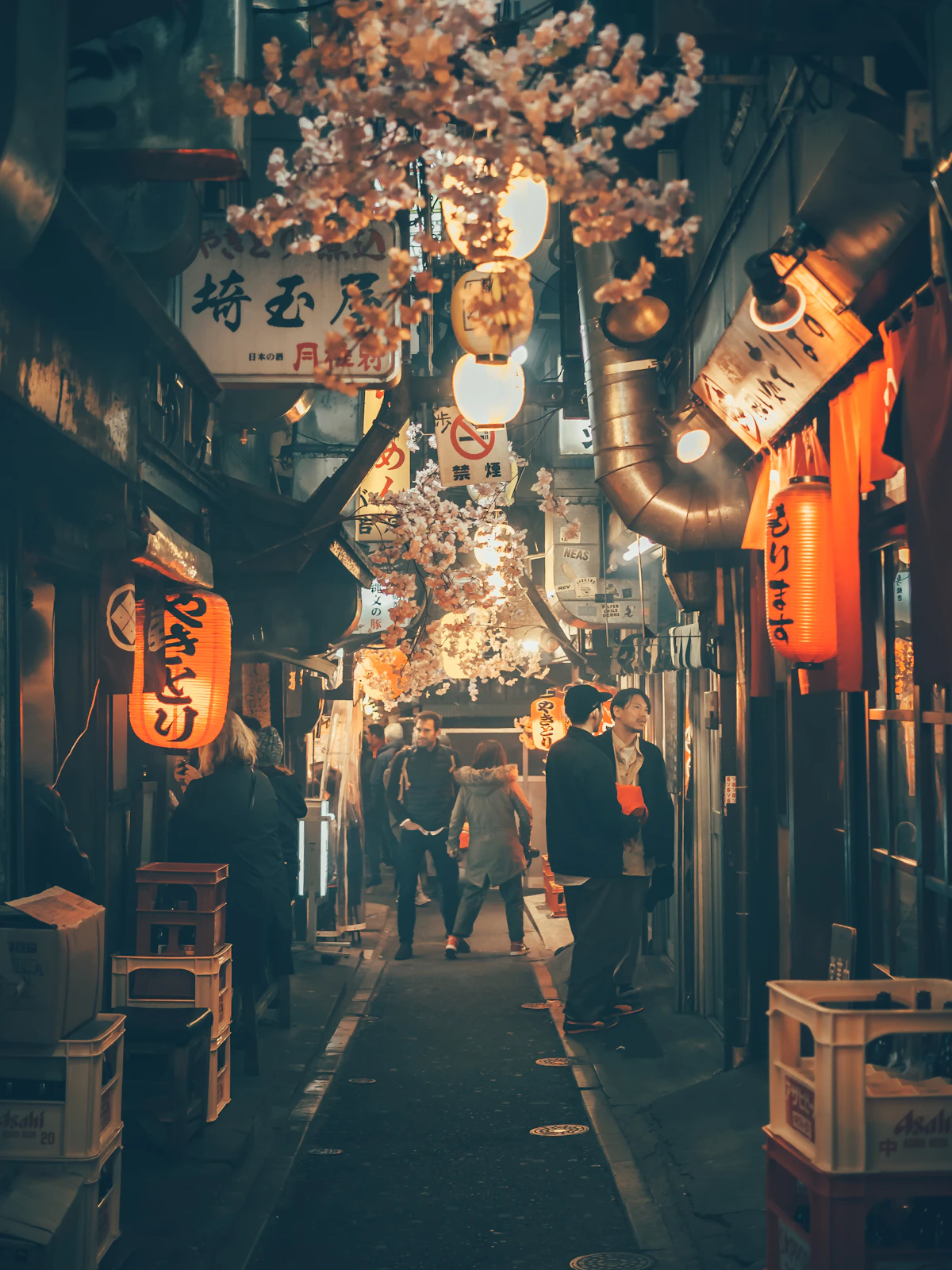
### Leave a Tip and They'll Chase You Down
Japan has no tipping culture. If you leave cash on the table and walk away, the staff may run after you thinking you forgot it.
The best way to show appreciation is saying "gochisōsama deshita" (ごちそうさまでした / "thank you for the meal") as you leave. If you need help [booking a restaurant](/guides/restaurant-booking-tokyo) in the first place, we have a guide for that too. If you really want to give a tip, say "this is a tip" directly or hand it in a small envelope (pochi-bukuro) — that way the staff can accept it gracefully.
### Don't Stick Chopsticks Upright in Rice
Nobody minds if your chopstick skills are clumsy, but there's one thing to avoid: **tate-bashi** (立て箸) — sticking chopsticks upright in a bowl of rice. This resembles a funeral ritual and is a strong taboo. When you need to set your chopsticks down, use the chopstick rest or fold the paper sleeve into a makeshift one.
### Slurping Noodles Is Normal
Ramen, udon, and soba are meant to be slurped. You don't have to force it, but trying to eat them silently like pasta actually makes them harder to eat.
---
## Visiting Shrines and Temples
These are tourist attractions, but they're also active places of worship. Knowing the basics makes the visit more meaningful.
### How to Visit a Shinto Shrine
The [Association of Shinto Shrines (Jinja Honchō)](https://www.jinjahoncho.or.jp/omairi/sanpai/) outlines the following steps:
1. **Bow before passing through the [torii gate](https://www.jinjahoncho.or.jp/omairi/jinja_no_namae/torii)** — The torii marks the boundary between the everyday world and the sacred realm of the gods. A bow is like saying "excuse me for entering"
2. **[Walk along the edges of the path](https://www.jinjahoncho.or.jp/omairi/sandou/)** — The center is called seichū (正中) and is considered the gods' walkway. Visitors show respect by staying to the side
3. **Purify at the temizu-sha (手水舎)** — In Shinto, you cleanse accumulated kegare (穢れ / spiritual impurity) before standing before the gods. Washing your hands and rinsing your mouth purifies both body and mind. The sequence: pick up the ladle with your right hand and pour water over your left → switch hands and rinse the right → cup water in your left hand and rinse your mouth → tilt the ladle upright to rinse the handle
4. **Two bows, two claps, one bow** (二礼二拍手一礼 / nihai-nihakushu-ichihai) — Each step carries meaning. The two deep bows express reverence to the deity. The two claps announce your presence — "I have come to pray." With your hands still together, offer your prayer silently, then finish with one final bow of gratitude
Some shrines like Izumo Taisha use "two bows, four claps, one bow," but when in doubt, this standard sequence works everywhere.
### No Clapping at Temples
At Buddhist temples, place your palms together quietly (gasshō / 合掌) and bow. Clapping is a Shinto custom. The difference: shrines "call out to the gods," while temples are for "quietly settling your mind before the Buddha."
Remove hats and sunglasses when entering the main hall. Look for "no photography" signs (撮影禁止 / satsuei-kinshi) — the interior of the main hall is usually off limits to cameras.
### Offering Incense (Oshōkō)
You may find an incense burner (kōro / 香炉) in the main hall or at a memorial service. Offering incense is a ritual of presenting fragrance to the Buddha and purifying your own body and mind.
1. Bow before the incense burner
2. Pinch a small amount of powdered incense (makkō / 抹香) with your right thumb, index, and middle fingers
3. Raise it to forehead height (called "oshi-itadaku" / 押しいただく)
4. Gently drop it into the burner
5. Put your palms together and bow
The number of times varies by sect; once is fine if you're unsure. [In Jōdo Shinshū, incense is placed directly in the burner without raising it to the forehead](https://www.shosenji.or.jp/butsuji/oshouko.html) — practices differ by school. If using a stick of incense, wave the flame out with your hand rather than blowing it out. In Buddhism, human breath is considered impure.
---
## Onsen and Sento (Bathhouse) Rules
Onsen (hot springs) and sento (public bathhouses) have strict rules, and breaking them can get you a warning — or asked to leave. For a full guide to finding and using onsen and sento in Tokyo — including specific facilities, pricing, and tattoo policies — see our [Tokyo onsen and sento guide](/guides/onsen-sento-guide-tokyo).
**You bathe fully nude.** Swimsuits are not allowed, and baths are gender-separated. The single most important rule: rinse your body with water (kake-yu / かけ湯) before entering the communal tub. Keep your small towel on top of your head or outside the bath — never let it touch the water.
### Many Facilities Ban Tattoos
Due to a long-standing association with organized crime (yakuza), many onsen and sento refuse entry to guests with tattoos. Check [JNTO's official onsen guide](https://www.japan.travel/en/uk/inspiration/onsen-hot-springs-on-tattoos-and-etiquette/) for tattoo-friendly facilities before you go. Tattoo cover stickers (available at Don Quijote stores, around ¥500–1,000) can conceal small tattoos. A private bath (kashikiri-buro / 貸切風呂, ¥2,000–5,000 per hour) doesn't check for tattoos.
Smartphones are prohibited in the changing room — to prevent any possibility of photos being taken.
---
## Rules in Public Spaces
### Smoking
Street smoking is banned by local ordinance in many of Tokyo's wards. [In Chiyoda Ward, violators face a ¥2,000 fine](https://www.city.chiyoda.lg.jp/koho/machizukuri/sekatsu/jore/aramashi.html). As of November 2024, heated tobacco products (IQOS, etc.) are subject to the same rules. Smoke only at designated smoking areas (kitsuenjo / 喫煙所). Restaurants and bars have been [largely non-smoking indoors since 2020](https://www.mhlw.go.jp/stf/seisakunitsuite/bunya/0000189195.html) under the revised Health Promotion Act.
### Almost No Public Trash Cans
Public trash cans are rare in Tokyo. Many were reportedly removed as a security measure after the 1995 Tokyo subway sarin attack, and they've stayed scarce ever since. Convenience stores (Seven-Eleven, FamilyMart, Lawson) have trash cans inside, but these are only for waste from items purchased at that store. Bringing in household garbage or trash from elsewhere is considered bad manners. Carrying a small plastic bag for your own trash is the simplest solution.
### No Eating While Walking
Eating while walking is considered rude. If you buy street food, eat it at the stall or find a bench. Festival food stall areas are the exception.
### Escalators
In Tokyo, the custom is to stand on the left and leave the right side open. However, railway operators officially recommend [standing on both sides](https://www.kotsu.metro.tokyo.jp/pickup_information/news/subway/2025/sub_p_2025071112108_h.html) for safety. [Saitama Prefecture enacted an ordinance banning walking on escalators](https://www.pref.saitama.lg.jp/a0310/escalator/escalator.html) in 2021.
---
## Workplace Etiquette
Not relevant for tourists, but good to know if you plan to work in Tokyo.
### Business Card Exchange
Exchanging business cards (meishi-kōkan / 名刺交換) is part of the greeting ritual in Japanese business. Receive a card with both hands. When placing it on the table, set it on top of your own card case — never write notes on someone's card or shove it straight into your pocket.
### "Otsukaresama desu" and "Osaki ni shitsurei shimasu"
When you pass a colleague in the office, you say "otsukaresama desu" (お疲れ様です). It doesn't carry deep meaning — think of it as a casual "hello." When leaving the office before others, say "osaki ni shitsurei shimasu" (お先に失礼します / "excuse me for leaving ahead of you").
### Punctuality
Arriving five minutes early to meetings and appointments is the standard. If you know you'll be late, contact the other party as soon as you realize it. Even "just five minutes" counts as late in Japan.
---
## Neighborhood Etiquette
### Greeting Your Neighbors When You Move In
It's not mandatory, but the custom is to visit your immediate neighbors — the units on either side and directly above and below yours — when you move in. Bring a small box of sweets (around ¥500–1,000). A simple "I just moved into unit X, my name is Y, nice to meet you" goes a long way toward keeping the relationship smooth.
### Garbage Sorting Rules
Sorting categories and collection days vary by ward and by building. Categories are detailed — burnable, non-burnable, recyclable, plastic, and more. If you sort incorrectly, your bag will be left uncollected at the garbage station. After moving in, check your ward's garbage calendar (downloadable from the official website) for the schedule.
### Nighttime Noise
In apartment buildings, the unwritten rule is to avoid running the vacuum or washing machine, playing instruments, or having loud conversations after 10 PM. Even in reinforced-concrete (RC) buildings, sound carries between floors more than you'd expect.
---
## When You Slip Up
You don't need to get everything right. A simple "sumimasen" (すみません / "I'm sorry") with a slight bow smooths things over in most situations.
| Situation | What to do |
|-----------|-----------|
| Your phone rings on the train | Don't answer — step off at the next station and call back |
| You can't use chopsticks well | Ask "fōku arimasu ka?" (フォークありますか? / "Do you have a fork?") — perfectly fine |
| You don't know the onsen rules | Watch what others do, or ask at the front desk |
| You forgot the shrine prayer sequence | Just follow the people around you and bow gently |
| You can't find a smoking area | Search "kitsuenjo" (喫煙所) on Google Maps |
| There's nowhere to throw away trash | Head to the nearest convenience store — there are bins inside |
| You don't have a business card | Suggest exchanging contacts via phone or an app like [Eight](https://8card.net/) |
| You're not sure how to sort your garbage | Check your ward's official website for a garbage calendar — many have English versions |
---
## Alternatives
If you're nervous about onsen, book a **private bath** (kashikiri-buro / 貸切風呂, also called "family bath"). You can bathe at your own pace without worrying about others.
To check shrine worship steps on the spot, the official websites of [Meiji Jingū](https://www.meijijingu.or.jp/sanpai/2.php) and [Ise Jingū](https://www.isejingu.or.jp/visit/manner/) have illustrated guides.
When language is a barrier, a translation app (like Google Translate's camera feature) lets you read signs and menus in real time. Make sure you have [mobile data set up](/guides/japan-travel-sim-esim-guide) so these tools work wherever you are.
---
## Related Articles
- [11 Tokyo Travel Mistakes](/guides/tokyo-travel-pitfalls) — Common pitfalls and how to avoid them
- [How Payments Work in Tokyo](/guides/payment-methods) — Suica, credit cards, PayPay, and cash
- [8 Cherry Blossom Spots in Tokyo](/guides/sakura-spots-tokyo) — Where to see cherry blossoms and how to enjoy hanami the right way
---
**Sources:**
- Association of Shinto Shrines "How to Worship" https://www.jinjahoncho.or.jp/omairi/sanpai/ (accessed: 2026-02-26)
- Association of Shinto Shrines "The Sandō Path" https://www.jinjahoncho.or.jp/omairi/sandou/ (accessed: 2026-02-26)
- Association of Shinto Shrines "Torii Gates" https://www.jinjahoncho.or.jp/omairi/jinja_no_namae/torii (accessed: 2026-02-26)
- Ise Jingū "Worship Etiquette" https://www.isejingu.or.jp/visit/manner/ (accessed: 2026-02-26)
- Meiji Jingū "For Visitors" https://www.meijijingu.or.jp/sanpai/2.php (accessed: 2026-02-26)
- Shōsenji Temple "Incense Offering (Jōdo Shinshū)" https://www.shosenji.or.jp/butsuji/oshouko.html (accessed: 2026-02-26)
- JNTO "Onsen Hot Springs: On Tattoos and Etiquette" https://www.japan.travel/en/uk/inspiration/onsen-hot-springs-on-tattoos-and-etiquette/ (accessed: 2026-02-26)
- Chiyoda Ward "No-Smoking Ordinance Overview" https://www.city.chiyoda.lg.jp/koho/machizukuri/sekatsu/jore/aramashi.html (accessed: 2026-02-26)
- Ministry of Health, Labour and Welfare "Revised Health Promotion Act" https://www.mhlw.go.jp/stf/seisakunitsuite/bunya/0000189195.html (accessed: 2026-02-26)
- Saitama Prefecture "Safe Use of Escalators" https://www.pref.saitama.lg.jp/a0310/escalator/escalator.html (accessed: 2026-02-26)
- Toei Transportation "Escalator Safety Campaign" https://www.kotsu.metro.tokyo.jp/pickup_information/news/subway/2025/sub_p_2025071112108_h.html (accessed: 2026-02-26)
- Tokyo Metro "Tokyo Metro my! App" https://www.tokyometro.jp/mobiledevice/smartphone/my/index.html (accessed: 2026-02-26)
---
# My First Solo Move in Tokyo — From Apartment Hunt to Move-In Day
> A first-hand account of moving into my first apartment in Tokyo. Full breakdown of ¥300,000 in initial costs, the entire process from apartment hunting to move-in, and utility setup — all in chronological order.
- **URL**: https://tokyo.how/guides/first-time-moving-out-tokyo
- **Category**: Living
- **Audience**: resident
- **Published**: 2026-02-18
- **Updated**: 2026-05-07
- **Tags**: Tokyo, moving, solo living, renting, experience
---
## December: The Search for My First Apartment Begins
When I finished grad school, I decided to move out of my family's home and start living on my own — both within Tokyo. It was my first time doing any of this.
I started apartment hunting in December and moved in by February. About two months total. Looking back, there were moments where I wished I had started earlier.
December felt like it should be off-season. The busy period for Tokyo rentals is January through March, when university students and new hires are all searching at once. I hadn't even decided which of the [23 special wards](/guides/tokyo-special-wards-guide) to live in — the only criteria I'd set were "within 30 minutes of work" and "under ¥100,000/month rent." But in reality, desirable units were already filling up in December. Single-occupancy apartments (1R and 1K layouts) were especially competitive. I kept hearing the same phrase: 「もう仮予約が入っています」 (Mou kari-yoyaku ga haitte imasu / "There's already a provisional reservation on this one"). The anxiety from that period still sticks with me.
---
## Researching Solo Living Options on Listing Sites
Before visiting any real estate agency, I spent time on rental listing sites — [SUUMO](https://suumo.jp/chintai/), [LIFULL HOME'S](https://www.homes.co.jp/chintai/), and [Canary (カナリー)](https://canary-app.jp/). I searched for apartments matching my criteria and saved everything I found.
With so many variables to compare — rent, nearest station, building age, floor plan, amenities — I put together a spreadsheet. Columns for each property, rows for rent, key money (礼金 / reikin), deposit (敷金 / shikikin), station, walk time, building age, and equipment (fiber internet, auto-lock, etc.).
This turned out to be one of the best things I did. Before setting foot in a real estate office, I already knew my priorities. When you're looking at dozens of listings, having them side by side in a spreadsheet keeps your thinking clear.
---
## Same-Day Viewings at the Real Estate Agency
I booked an appointment at a real estate agency (不動産屋 / fudousan-ya), explained my criteria, and the agent pulled up several options on the spot. Then: 「今から見に行きましょう」 (Ima kara mi ni ikimashou / "Let's go see them now"). Sitting at the agency counter for the first time, I felt oddly nervous — but the agent handled everything with practiced ease, which helped.
I viewed about five apartments in total. Among them was one that ticked all my boxes — great natural light, acceptable distance from the station. But the whole thing happened so fast — walk in, get suggestions, head out to view — that I couldn't bring myself to decide on the spot. I told them I'd sleep on it.
The next day, I called to say I wanted that apartment.
It was already taken.
One night. That's all it took.
Tokyo apartments work on a first-come, first-served basis. If you like a place during the viewing, applying right then and there is the expected pace.
---
## Why So Many Listings Show "Taken"
After losing that apartment, the agent suggested more options. I added them to my spreadsheet and kept comparing.
This is when I first learned — from the agent, actually — about 仮予約 (kari-yoyaku), or "provisional reservation." When someone submits a 入居申込書 (nyuukyo moushikomisho / move-in application form), that unit gets pulled from listings and won't be shown to other people.
Even in December, many of the better apartments already had provisional reservations. I kept hearing 「この物件は仮押さえ中です」 (Kono bukken wa kari-osae chuu desu / "This property is provisionally held").
Technically, a cancellation is possible at this stage, but in practice it almost never happens. Rather than waiting for a cancellation, it's more realistic to keep searching in parallel without getting attached to a single unit.
The apartment I ended up choosing was different from the one I'd lost — a 1K with no key money and one month of free rent. The conditions weren't identical, but it had fiber internet and rent around ¥100,000. Looking back, I'm glad it worked out this way.
---
## What My First Apartment Actually Cost: Full Breakdown
Here's what I actually paid in initial costs. This was for an apartment at roughly ¥100,000/month rent.
| Item | Amount |
|------|--------|
| Deposit (1 month) | ¥100,000 |
| Key money | ¥0 (no key money unit) |
| Agency fee (1 month + tax) | ¥110,000 |
| First month's rent | ¥0 (1 month free rent) |
| Fire insurance | ¥15,000 |
| Lock replacement | ¥15,000 |
| Guarantor company fee (50% of rent) | ¥50,000 |
| **Total** | **Approx. ¥300,000** |
Choosing a unit with no key money and one month of free rent kept the total below the typical range (4–5 months' rent). Still, ¥300,000 is a significant lump sum.
In my case, I had a family member who could act as a co-signer (連帯保証人 / rentai hoshounin), but the management company required a guarantor company regardless. The screening took about three days with documents in order. The fee was 50% of rent upfront, then ¥10,000/year from the second year onward.
For a detailed guide on the apartment search process and required documents, see [How to Find an Apartment in Tokyo](/guides/how-to-find-apartment-tokyo).
---
## The Struggle to Find a No-Key-Money Apartment for Solo Living
I was determined not to pay 礼金 (reikin / key money). Key money is a one-time "thank you" payment to the landlord — it doesn't come back when you leave. At one month's rent, that's ¥100,000 just gone if your rent is ¥100,000.
But filtering for no-key-money apartments in Tokyo significantly narrows your options. According to a [LIFULL HOME'S survey (2025)](https://lifull.com/news/45530/), only 30.2% of apartments in the ¥100,000–¥150,000 range in the greater Tokyo area had zero key money — the lowest rate across all price brackets. The more in-demand the price range, the more leverage landlords have to charge key money.
That said, the overall trend is moving toward zero key money. But when you combine "no key money" with "fiber internet" and "under 10 minutes from the station," the number of matching units drops sharply. Compromises are inevitable.
---
## How Free Rent Cut My Initial Costs
The apartment I chose came with フリーレント (free rent) — one month with no rent. In other words, the first month's rent was completely free.
The financial benefit was obvious — an entire month's rent saved. But the bigger impact was psychological. Right after moving in, you're buying furniture, appliances, and paying all the initial fees at once. Having one month's rent waived gave me genuine breathing room during that expensive period.
One thing to know: free rent almost always comes with an early termination penalty. A common condition is "if you cancel within 1 year, you pay 1 month's rent as a penalty." Check the contract before signing.
---
## The Fiber Internet Trap in Tokyo Rentals
One of the more unexpected difficulties in my first apartment search was finding a unit with fiber internet.
Many single-occupancy apartments in Tokyo — especially new or recently built ones — advertise 「インターネット無料」 (internet free). Sounds great, but this means the landlord has a bulk internet contract for the entire building, and all residents share the same connection. You can't choose your provider, and speeds often drop during peak hours (evenings, weekends).
Compare this with 「光回線対応」 (hikari kaisen taiou / fiber-ready) or 「インターネット対応」 (internet-ready). These mean fiber runs to the building's common area, but you contract your own provider and may need installation work inside your unit. More hassle, but you control your connection quality.
| Listing term | What it means | What you need to do |
|---|---|---|
| インターネット無料 (Internet free) | Connection included, ready to use | Nothing (but you can't choose speed/provider) |
| インターネット対応 / 光回線対応 (Internet-ready / Fiber-ready) | Fiber to the building | Contract a provider + possible in-unit installation |
| インターネット完備 (Internet included) | Same as "free" in most cases | Nothing |
**If you game online, pay close attention.** Shared "internet free" connections can spike to high ping during evening hours, and download speeds may drop to single-digit Mbps. For FPS or fighting games where lag is a dealbreaker, this can make online play unplayable. Same goes for remote work — if you rely on video calls, an unstable shared connection means frozen video and choppy audio.
If connection speed matters to you, don't just accept "internet free" at face value. Ask the agent or management company about the connection type (fiber vs. cable) and real-world speeds.
Among the newer apartments I viewed, some did have fiber internet available, so the situation may be improving. But at the time of my search, finding a single-occupancy unit with fiber *and* no key money was a challenge.
---
## Measure Doorways Before Buying Appliances for Your First Apartment
This deserves emphasis.
Doorways, hallways, and interior doors in Tokyo apartments can be smaller than you'd expect — especially in single-occupancy units designed to maximize limited space. There's a real possibility that your new washing machine or refrigerator won't fit through the front door.
What to measure during your viewing:
- **Front door width and height** — Will a refrigerator or washing machine pass through?
- **Hallway width** — Can furniture be carried around corners?
- **Washing machine pan (防水パン / bousui pan) dimensions** — Will your intended washing machine fit?
- **Refrigerator space width, depth, and height** — Include clearance for ventilation
- **Interior door widths** — Can a sofa or bed frame pass through?
If you buy appliances and they don't fit through the entrance or onto the washing machine pan, you're looking at returns, exchanges, and extra delivery fees. Bring a tape measure to every viewing.
---
## Setting Up Utilities After Moving Into Your First Apartment
Once you have your keys, the next step is setting up utilities: electricity, water, gas, and internet. Each has different requirements — and some need you to be physically present. Miss this, and you'll end up with no hot water on move-in day or waiting weeks for internet.
When I got the keys, it hit me all at once — this was my place. At the same time, the sheer number of things left to do sank in.
| Utility | In-person required? | How to apply | When to do it |
|---|---|---|---|
| **Electricity** | No | Apply online or by phone with your power company | 10 days before move-in |
| **Water** | No | [Tokyo Waterworks Bureau](https://www.waterworks.metro.tokyo.lg.jp/faq/qa-4) app, website, or phone | 3–4 days before |
| **Gas** | **Yes** | Book activation online or by phone with your gas company | 1–2 weeks before |
| **Internet (fiber)** | **Yes, if installation is needed** | Apply with your chosen provider | As early as possible |
### Gas activation
Gas requires an in-person safety check to activate. With [Tokyo Gas](https://home.tokyo-gas.co.jp/gas_power/procedure/moving/index.html), you can book a time slot between 9:00–19:00 on weekdays and Saturdays, or 9:00–17:00 on Sundays and holidays. It takes about 15–20 minutes. During busy season, slots fill up quickly — book as soon as your move-in date is confirmed.
Someone else (a family member, building manager) can be present on your behalf.
### Internet installation
If you chose a fiber-ready apartment and contracted your own provider, you may need in-unit installation work. This requires you to be home, and takes about 1–1.5 hours. From application to activation usually takes 2 weeks to 2 months — longer during busy season (March–May).
You can choose weekday or weekend appointments, but you need to be home for the full duration. If you want internet from day one, apply to a provider the moment your lease is signed. Some real estate agencies now offer online viewings and IT-based contract explanations (IT重説), which can be convenient if you're searching from out of town.
Note: installation work in a rental unit requires advance permission from the landlord or management company.
### Electricity and water
Electricity and water generally don't require you to be present. If your building has a smart meter, electricity starts automatically on your requested date. Otherwise, just flip the breaker. For water, turn the faucet — it's usually already on. If it's not, open the stopcock (止水栓 / shisui-sen) yourself.
After moving in, you'll need to handle ward office procedures — residence registration (転入届 / tennyuu todoke), residence card address update, health insurance enrollment, and more. See [Ward Office Procedures After Moving](/guides/tokyo-ward-office-moving-guide) for the full breakdown.
If you're a foreign national, the guarantor requirement can be an additional hurdle — many landlords require a guarantor company even if you have a co-signer. For a detailed walkthrough of the apartment search process from a foreigner's perspective, see [How to Find an Apartment in Tokyo](/guides/how-to-find-apartment-tokyo).
---
## Moving Without a Moving Company
I didn't hire a moving company. Since my family's home was also in Tokyo, I moved my belongings in several trips by myself.
Large appliances (refrigerator, washing machine) were delivered and installed by the store where I bought them. Everything else went into cardboard boxes and was transported by car and taxi. It saved money, but it was physically demanding.
Whether to hire movers depends on how much stuff you have and how far you're going. For a short-distance move within Tokyo with minimal belongings, doing it yourself is entirely feasible.
---
## Looking Back on My First Solo Move in Tokyo
The biggest takeaway from my first move in Tokyo: speed of decision-making. I did my research on listing sites, organized everything in a spreadsheet, sorted my priorities — I thought I was prepared. But Tokyo's rental market runs on "see it, apply now." Preparation helps, but hesitation costs you the apartment.
Free rent was a lifesaver — not just financially, but mentally. The difficulty of finding no-key-money apartments, the scarcity of fiber internet in single-occupancy units, measuring doorways, booking gas activation — each thing is small on its own, but when everything is new, you don't know what you don't know. Having this information beforehand makes the whole process less overwhelming.
Starting my search in December and moving in by February — losing that first apartment after one night of hesitation is what taught me to commit fast. In the end, landing a unit with no key money and free rent felt like the right outcome.
---
## Related Articles
- [Health Insurance & Pension in Japan](/guides/health-insurance-pension-japan) — Which insurance track applies to you, premiums, and the lump-sum withdrawal
- [Tokyo Garbage Sorting Guide](/guides/garbage-sorting-tokyo-guide) — Sorting rules by ward and how to find your collection schedule
- [eSIM/SIM Guide for Japan](/guides/japan-travel-sim-esim-guide) — Internet options while waiting for fiber installation
- [Suica Card](/guides/suica-card) — The transit IC card you'll need from day one after moving
- [Tokyo Convenience Store Guide](/guides/convenience-store-guide-tokyo) — Everyday services available at konbini, from bill payments to printing
---
**References:**
- LIFULL Inc. "2025 Survey on Deposits and Key Money in the Greater Tokyo Area" https://lifull.com/news/45530/ (Accessed: 2026-02-18)
- Tokyo Waterworks Bureau "Starting/Stopping Water Service (Moving Procedures)" https://www.waterworks.metro.tokyo.lg.jp/faq/qa-4 (Accessed: 2026-02-18)
- Tokyo Gas "Gas Procedures When Moving" https://home.tokyo-gas.co.jp/gas_power/procedure/moving/index.html (Accessed: 2026-02-18)
---
# Free Tokyo Night Views: Skyline Spots Open Late (2026)
> See Tokyo's skyline at night for ¥0. Free spots that stay open late — LUFTBAUM Takanawa, Yebisu — plus the bridges, parks, and riversides where you watch the city light up.
- **URL**: https://tokyo.how/guides/free-night-views-tokyo
- **Category**: Explore
- **Audience**: both
- **Published**: 2026-06-26
- **Updated**: 2026-06-26
- **Tags**: night view, free, observation deck, odaiba, skytree
Tokyo's skyline doesn't have to cost anything. Observation decks like Tokyo Skytree (from ¥1,800 online) or [SHIBUYA SKY](https://www.shibuya-scramble-square.com/sky/) run ¥2,000–3,000+, but several spots around the city give you the same view for ¥0.
This guide covers the free observation spots that stay open late at night, plus the bridges and parks — not observation decks — where you watch the skyline light up. For the full daytime roundup, see the [free observation decks guide](/guides/free-observation-decks-tokyo); this article is only about where to see the view for free *after dark*.
**Pick by what you're after:**
- **Open the latest** — LUFTBAUM Takanawa (gardens to 23:00, area to 24:00), Yebisu Garden Place
- **Bay and bridge views** — Odaiba Seaside Park, Toyosu Gururi Park, Caretta Shiodome
- **To photograph Skytree** — the Sumida River bridges (Azumabashi, Jikkenbashi, Genmoribashi)
- **On a whim near Shinjuku** — the TMG Building's South Observatory (open until 22:00, last entry 21:30)
---
## Free observation spots that stay open late
Most free observation spots close by early evening. The ones below stay open late enough to fit in after dinner. They're listed from the latest closing time down.
| Spot | Closes | Free | Nearest station | What you see |
|---|---|---|---|---|
| LUFTBAUM (Takanawa Gateway) | Gardens 23:00 / area 24:00 | Free | Takanawa Gateway (direct) | Tokyo Bay, Rainbow Bridge |
| Yebisu Sky Lounge | Open late (not posted — confirm) | Free | Ebisu, ~5 min | Tokyo Tower, Skytree |
| Caretta Shiodome SKY VIEW | Open late (not posted — confirm) | Free | Shiodome, ~1 min | Bay area, bridges |
| TMG South Observatory | 22:00 (last entry 21:30) | Free | Tochomae (direct) | Central Tokyo panorama |
| Sky Carrot (Sangenjaya) | 22:00 | Free | Sangenjaya, ~3 min | Central Tokyo, Tokyo Tower |
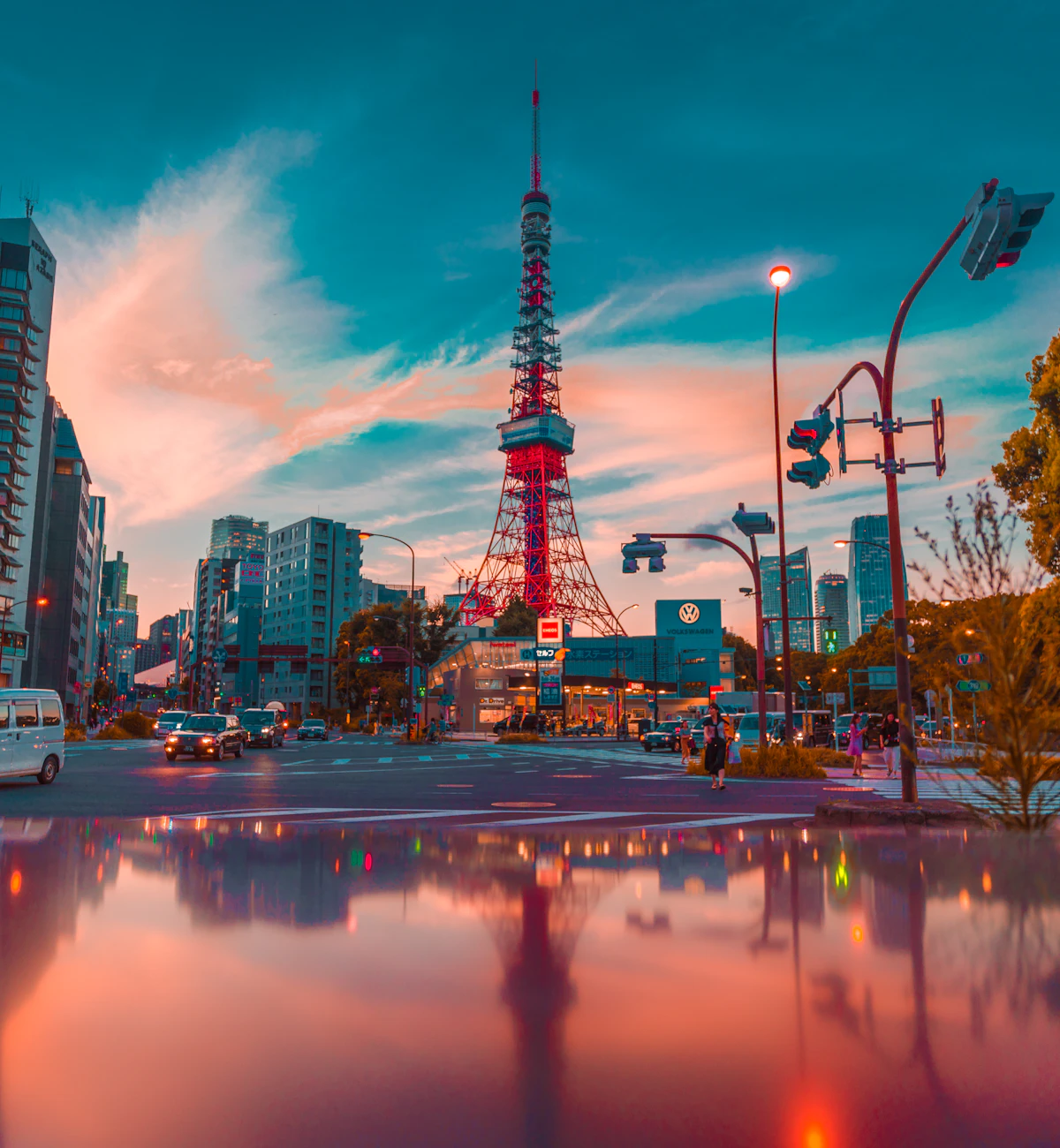
### LUFTBAUM (Takanawa Gateway City, 28th–29th floors)
This is Tokyo's newest free night-view spot, opened in September 2025. Two garden terraces — "Midori no Niwa" (Green Garden) and "Yamabuki no Niwa" (Golden Garden) — are open to the public, looking out over Tokyo Bay, Rainbow Bridge, and the trains rolling past Shinagawa from the 28th and 29th floors. On a clear day, Mt. Fuji's silhouette appears from the Green Garden.
The facility area is open 8:00–24:00, and the gardens until 23:00 (the Golden Garden opens at 10:50) — so the gardens aren't a 24-hour space. The nearest station is Takanawa Gateway on the JR Yamanote and Keihin-Tohoku lines, directly connected. Since it's a new venue, it's worth checking the [official opening hours](https://www.newoman.jp/takanawa/information/hours/) before you go.
### Yebisu Garden Place Sky Lounge (38th–39th floors)
A free observation lounge on the upper floors of Yebisu Garden Place Tower. From around 160m, you can see Tokyo Tower, Skytree, and Rainbow Bridge all at once — a balanced view at a height that's easy to reach after dinner.
From the east exit of Ebisu Station (JR and Tokyo Metro Hibiya Line), take the covered moving walkway, the "[Yebisu Skywalk](https://gardenplace.jp/access/)," for about 5 minutes, then an elevator from the tower's ground floor up to the 38th–39th floors. It stays open late, but the [official site](https://gardenplace.jp/special/sp/top_of_yebisu/) doesn't list hours, so check how late before you go.
### Caretta Shiodome SKY VIEW (46th floor)
A free observation space on the 46th floor of [Caretta Shiodome](https://www.caretta.jp/skyrestaurants/), about 200m up. The view leans fully toward the bay — Odaiba, Rainbow Bridge, and Tokyo Gate Bridge spread out below. A shuttle elevator from B2F takes you straight to the 46th floor.
It's a 1-minute walk, directly connected, from Shiodome Station (Toei Oedo Line and Yurikamome), and 3–5 minutes from JR Shimbashi. The observation space is free; the sky restaurants on the same floor are paid and separate. It stays open late, but since hours aren't published officially, check how late before you go.
### Tokyo Metropolitan Government Building, South Observatory (202m, 45F)
A reliable free observatory in Shinjuku. As a night option, the South Observatory stays open until 22:00, with last admission at 21:30 (30 minutes before closing). On the 1st and 3rd Tuesdays, when the South is closed, the North Observatory stays open until 22:00 instead.
No reservation is needed, and you won't be asked to order anything. The North and South close on different days and have other quirks, so the access details and daytime information are in the [free observation decks guide](/guides/free-observation-decks-tokyo). For the latest status, check the [official page](https://www.zaimu.metro.tokyo.lg.jp/tochousha/goannai/tenbou).
### Sky Carrot Observation Lobby (Sangenjaya, Carrot Tower 26F)
A free observation lobby on the 26th floor of Carrot Tower, the landmark of Sangenjaya. Looking east you get central Tokyo and Tokyo Tower; looking west, the western suburbs and, in the right season, Mt. Fuji. It's a quieter spot, away from the tourist crowds.
Hours are 9:30–22:00. The opening hours changed in October 2025, and it now closes at 22:00 — older listings that say 23:00 are out of date (the [Setagaya City page](https://www.city.setagaya.lg.jp/02072/8528.html) is current). Closed on the 2nd Wednesday of each month and December 29 – January 1. It's about a 3-minute walk from Sangenjaya Station (Tokyu Den-en-toshi and Setagaya lines).
---
## Free night views without an observation deck
Lounges get hazy in bad weather, and they have closing times. Bridges, riverbanks, and parks let you enjoy the view for free, on your own schedule. These are the Tokyo night views the observation-deck guide doesn't cover.

### Skytree lit up across the Sumida River
You don't have to go up Skytree for it to be the star of the night. Its [illumination](https://www.tokyo-skytree.jp/enjoy/lighting/) switches on at 18:45, with a rainbow sequence until 19:45 and signature designs like "Iki" and "Miyabi" after that. The end time varies by day — usually around midnight, but some nights end at 22:00, with collaboration light-ups too — so check the official schedule for the day.
The classics are the bridges and parks along the Sumida River. **Azumabashi** (right by Asakusa Station on the Tokyo Metro and Toei Asakusa lines) lines up the gold Asahi sculpture and Skytree across the water. **Jikkenbashi** (about 10 minutes' walk from Oshiage) is known for the "upside-down Skytree" reflected in the Kita-Jikken River. **Genmoribashi** (about 5 minutes from Tokyo Skytree Station) frames Skytree together with the Tobu Skytree Line trains. On the Sumida-ward side, [Sumida Park](https://www.city.sumida.lg.jp/sisetu_info/kouen/kunai_park_annai/sumida_park/park33.html) is always open and gives you Skytree across the river. All of these are public streets and parks — free, of course.
### Rainbow Bridge from Odaiba
[Odaiba Seaside Park](https://www.tptc.co.jp/park/01_02) is open year-round and free, and looks straight across at the lit Rainbow Bridge. The bridge's illumination runs from about 30 minutes after sunset until around midnight ([Metropolitan Expressway info](https://www.shutoko.jp/fun/lightup/rainbowbridge/lightup/)), and the classic shot frames it with the Statue of Liberty replica in the foreground.
One thing to watch: the promenade attached to the bridge (the Rainbow Promenade). [It closes around 21:00 in summer and 18:00 in winter](https://www.kouwan.metro.tokyo.lg.jp/kanko/road/rainbowbridge), so you can't walk across it during the hours the illumination looks its best. Treat it as a view to watch *from the Odaiba side*. The nearest stations are Odaiba-Kaihinkoen and Daiba on the Yurikamome.
### Toyosu Gururi Park (24 hours, free)
A waterfront park next to the Toyosu market, with a 4.5km path that takes in the whole bay. It's [open 24 hours, year-round, and free](https://toyosugururi.jp/about/), with Rainbow Bridge, Tokyo Tower, the waterfront high-rises, and the Harumi area all in view. Shijo-mae Station is the closest stop for the night view at the park's tip.
The path is long, though, and some stretches are dimly lit. Stick to brighter areas, and don't push a late-night walk alone. Some facilities inside the park, like the barbecue area and parking, are paid and have set hours.
---
## Free vs. paid at night — when it's worth paying
If the view is all you're after, the free spots are more than enough. Where seeing Skytree from the Sumida riverbank costs ¥0, the [Tembo Deck](https://www.tokyo-skytree.jp/ticket/) runs from ¥1,800 online and [Tokyo Tower](https://www.tokyotower.co.jp/fee/)'s Main Deck from ¥1,500.
Paid spots still offer things the free ones can't — glass floors, open-air rooftop decks, the feeling of standing on the landmark itself. Prices are dynamic and change by date, so check each official site before you go.
---
## How to not waste your evening
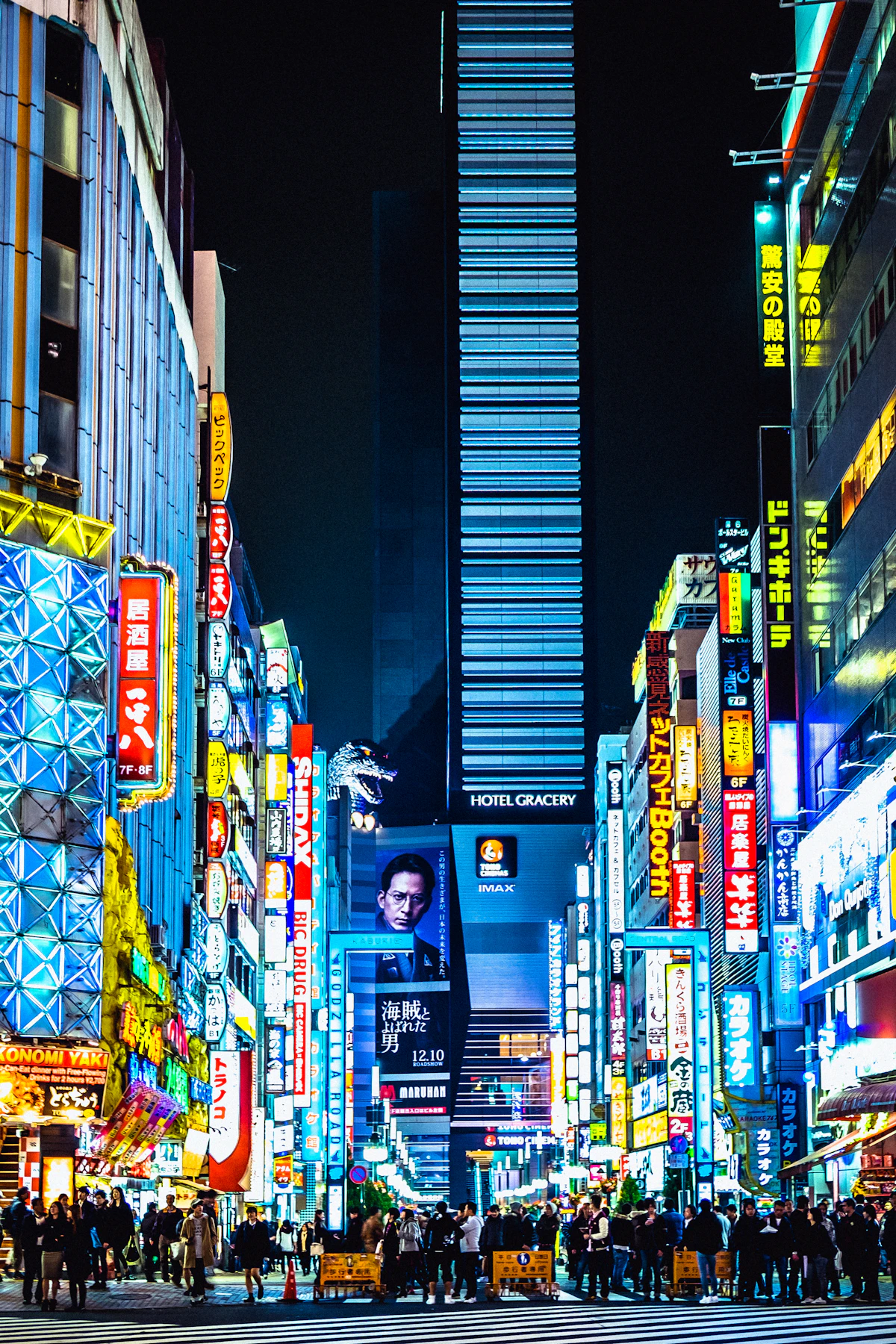
### "Last entry" isn't the same as "closing"
Observation spots often stop letting people in 30 minutes before closing. The TMG South Observatory closes at 22:00, with last admission at 21:30. Cut it too fine and you may find the elevator already shut down, so leave yourself some margin. Many lounges don't publish a last-entry time, and arriving early is the safe move there too.
### Hours change
Free spots adjust their hours for maintenance and operational changes, and new venues and lounges especially tend to shift. Trusting the times in an old roundup can leave you standing outside a closed door. For any spot you're set on, confirm on the official site before heading out.
### Plan by area to cover more in one night
A single spot takes 30 minutes to an hour. Trying to hit too many in one night wears you out on transfers alone, so it's more realistic to group nearby ones. The Shiodome–Odaiba–Toyosu bay area is connected by a single Yurikamome line: take in the height from Caretta Shiodome, then come down to the Odaiba waterfront for Rainbow Bridge up close. The Sumida River bridges cluster around Asakusa and Oshiage, so those work as a walking loop too. With kids, the indoor spots that look good earlier in the evening — the TMG Building and Sky Carrot — are the easier picks.
### The Rainbow Bridge promenade closes before dark
Worth repeating: the bridge's walkway is closed during the night-view hours. A "walk across the bridge at night" plan doesn't work. Take the aerial walk in the afternoon or at dusk, and watch the illumination from the Odaiba side — two separate things.
### Night safety and the last train home
Outdoor riverbanks and parks get quiet at certain hours. Stick to well-lit routes and keep an eye on your belongings. And the easy thing to forget is the trip back: the Yurikamome and many private lines stop running before midnight, so check the [last train times](/guides/last-train-tokyo-guide) before you set out.
### The best time of evening
The city lights and the blue of the sky come together in the 20–30 minutes after sunset — the blue hour. That window, before it goes fully dark, is when photos look best. To put Mt. Fuji's silhouette in the distance, aim for a clear day between November and February, when the air is dry. In spring, framing the view with the [cherry blossoms](/guides/sakura-spots-tokyo) adds a seasonal foreground.
---
## Related articles
- [Free Observation Decks in Tokyo](/guides/free-observation-decks-tokyo) — the full roundup, daytime included, with each venue's hours and access
- [Tokyo Last Train Guide](/guides/last-train-tokyo-guide) — so you don't miss the train home after a night view
- [8 Cherry Blossom Spots in Tokyo](/guides/sakura-spots-tokyo) — pair night views with the blossoms in spring
- [Tokyo Itinerary Planning Guide](/guides/tokyo-itinerary-planning-guide) — fitting night views into your plan
---
**Sources:**
- Tokyo Metropolitan Government Bureau of Finance "Observation Room Guide" https://www.zaimu.metro.tokyo.lg.jp/tochousha/goannai/tenbou (accessed: 2026-06-26)
- Yebisu Garden Place "TOP of YEBISU" https://gardenplace.jp/special/sp/top_of_yebisu/ (accessed: 2026-06-26)
- Caretta Shiodome "Sky Restaurants" https://www.caretta.jp/skyrestaurants/ (accessed: 2026-06-26)
- NEWoMan Takanawa "Hours" https://www.newoman.jp/takanawa/information/hours/ (accessed: 2026-06-26)
- Setagaya City "Sky Carrot Observation Lobby" https://www.city.setagaya.lg.jp/02072/8528.html (accessed: 2026-06-26)
- Tokyo Port Terminal "Odaiba Seaside Park" https://www.tptc.co.jp/park/01_02 (accessed: 2026-06-26)
- Metropolitan Expressway "Rainbow Bridge Light-up" https://www.shutoko.jp/fun/lightup/rainbowbridge/lightup/ (accessed: 2026-06-26)
- Tokyo Metropolitan Government Bureau of Port and Harbor "Rainbow Bridge Promenade" https://www.kouwan.metro.tokyo.lg.jp/kanko/road/rainbowbridge (accessed: 2026-06-26)
- Toyosu Gururi Park https://toyosugururi.jp/about/ (accessed: 2026-06-26)
- Sumida City "Sumida Park" https://www.city.sumida.lg.jp/sisetu_info/kouen/kunai_park_annai/sumida_park/park33.html (accessed: 2026-06-26)
- Tokyo Skytree "Lighting" https://www.tokyo-skytree.jp/enjoy/lighting/ (accessed: 2026-06-26)
---
---
# Tokyo Metropolitan Government Building: 8 Free Decks (2026)
> Tokyo Metropolitan Government Building (free admission, 202m) and 7 other free observation decks: Caretta Shiodome (210m), Bunkyo Civic Center, hours. 2026.
- **URL**: https://tokyo.how/guides/free-observation-decks-tokyo
- **Category**: Explore
- **Audience**: both
- **Published**: 2026-02-18
- **Updated**: 2026-02-18
- **Tags**: observation deck, free, night view, sightseeing
- **Start here:** [Tokyo Metropolitan Government Building](https://www.zaimu.metro.tokyo.lg.jp/tochousha/goannai/tenbou). 202m high, free admission, 10-minute walk from Shinjuku Station.
- **Best night view:** [Yebisu Garden Place Tower SKY LOUNGE](https://gardenplace.jp/special_topic/detail/topofyebisu) — open until 23:30.
- **Bay area views:** [Caretta Shiodome SKY VIEW](https://www.caretta.jp/) — Rainbow Bridge and Odaiba spread out below.
- **Open until midnight:** [LUFTBAUM](https://www.newoman.jp/takanawa/) at Takanawa Gateway (28F) — Tokyo's newest free observation spot, opened September 2025.
- Some locations require bag inspection. Travel light for a smoother visit.
- **Hidden gems:** [Carrot Tower](https://www.city.setagaya.lg.jp/02072/8528.html) (Sangenjaya) and [Nerima City Hall](https://www.city.nerima.tokyo.jp/shisetsu/ku/ku/tenbo.html) — far fewer tourists, relaxed atmosphere.
- **Diamond Fuji:** Visible from Nerima City Hall around late January and late November.
- **Train spotting:** [Hokutopia](https://www.hokutopia.jp/hall-guide/other/viewing_lobby) (Oji, 17F) — Shinkansen pass right below the observation lobby.
- **Newest spot:** [LUFTBAUM](https://www.newoman.jp/takanawa/) (Takanawa Gateway 28F / 150m). Open until midnight, with garden terraces overlooking Tokyo Bay.
- **Bunkyo Civic Center** is closed for renovation until December 2026. Worth visiting once it reopens.
---
## Why Are These Observation Decks Free?
Most free observation decks in Tokyo are inside government buildings, ward offices, or commercial high-rises. The [Tokyo Metropolitan Government Building observation rooms](https://www.zaimu.metro.tokyo.lg.jp/tochousha/goannai/tenbou) are operated as a public facility for residents and visitors. Caretta Shiodome and Yebisu Garden Place Tower use their observation floors to draw people up to restaurant floors — the restaurants, not the views, generate revenue.
This is fundamentally different from places like Tokyo Skytree or Tokyo Tower, where the observation deck itself is the product. That's why these spots can offer the same skyline for ¥0.
---
## Above 200m — TMG Building and Caretta Shiodome

Only two free observation decks in Tokyo clear the 200-meter mark.
### Tokyo Metropolitan Government Building (202m / 45F)
The most well-known free observation deck in Tokyo. There are two observatories — North and South — each facing different directions. On a clear day, you can see Mt. Fuji and Tokyo Skytree.
- **Hours:** North Observatory 9:30–17:30 (extended to 22:00 when the South is closed). South Observatory 9:30–22:00. Last entry 30 minutes before closing.
- **Closed:** South Observatory on the 1st and 3rd Tuesday. North Observatory on the 2nd and 4th Monday. Both closed December 29–31 and January 2–3.
- **Access:** Direct connection from Toei Oedo Line "Tochomae" Station. 10-minute walk from JR Shinjuku Station West Exit.
- **Note:** Bag inspection is required at the entrance. Lines can form during busy periods.
**What to say at the entrance:**
- **Guard:** 「手荷物検査にご協力ください」 (Tenimotsu kensa ni go-kyōryoku kudasai / "Please cooperate with the bag inspection")
- **You:** Open your bag and show the contents. No Japanese needed — just follow the person in front of you.
Official site: [Tokyo Metropolitan Government Observation Rooms](https://www.zaimu.metro.tokyo.lg.jp/tochousha/goannai/tenbou)
### Caretta Shiodome SKY VIEW (~210m / 46F)
Taller than the TMG Building, this is one of the highest free observation points listed in this article. The view is completely different — focused on Tokyo Bay. Rainbow Bridge, Odaiba, and Tokyo Gate Bridge spread across the panorama.
- **Hours:** 11:00–23:00 (follows the sky restaurant operating hours)
- **Closed:** Open year-round
- **Access:** 1-minute walk from Toei Oedo Line "Shiodome" Station. 4-minute walk from JR "Shimbashi" Station Shiodome Underground Exit. Take the shuttle elevator from B2F to 46F.
Official site: [Caretta Shiodome Sky Restaurants](https://www.caretta.jp/skyrestaurants/)
---
## Open Until 23:30 — Yebisu Garden Place Tower

The [SKY LOUNGE on the 38th floor of Yebisu Garden Place Tower](https://gardenplace.jp/special_topic/detail/topofyebisu) stays open until 23:30 — free of charge. From here, you can see Tokyo Tower, Tokyo Skytree, and Rainbow Bridge all at once. It's one of the most balanced views in the city.
At roughly 160m, it's not as high as the TMG Building or Caretta Shiodome. But the late closing time is a real advantage. Not many observation decks — free or paid — are still open after dinner. If you want night views without a time crunch, this is the spot.
- **Hours:** 11:00–23:30
- **Closed:** Follows the building's schedule (check the [official site](https://gardenplace.jp/special_topic/detail/topofyebisu) for details)
- **Access:** From JR or Tokyo Metro Hibiya Line "Ebisu" Station, take the Skywalk (moving walkway) — about 5 minutes.
---
## Open Until Midnight — LUFTBAUM at Takanawa Gateway

[LUFTBAUM on the 28th floor of NEWoMan Takanawa](https://www.newoman.jp/takanawa/) opened in September 2025, making it Tokyo's newest free observation spot. Two garden terraces — 「翠の庭」 (Midori no Niwa / "Green Garden") and 「山吹の庭」 (Yamabuki no Niwa / "Golden Garden") — are open to the public, offering views of Tokyo Bay, Rainbow Bridge, and trains passing near Shinagawa Station.
At 150m, it's close in height to Yebisu Garden Place Tower. But it stays open until midnight — later than any other free observation deck listed here. It also opens at 8:00 in the morning, so you can visit for sunrise views or a late-night panorama.
- **Hours:** 8:00–24:00
- **Closed:** Follows the building's schedule
- **Access:** 1-minute walk from JR "Takanawa Gateway" Station. 3-minute walk from Toei Asakusa Line "Sengakuji" Station.
Official site: [NEWoMan Takanawa](https://www.newoman.jp/takanawa/)
---
## Hidden Gems — Quieter Spots Away from Tourists

The TMG Building and Yebisu are popular with tourists, which means crowds. These three spots are far quieter and worth the detour.
**[Sky Carrot Observation Lobby](https://www.city.setagaya.lg.jp/02072/8528.html)** (Sangenjaya, Carrot Tower 26F / 124m) is a 3-minute walk from Tokyu Den-en-toshi Line "Sangenjaya" Station. The view stretches toward Yokohama, and there's a café and restaurant on the same floor. Hours: 9:30–22:00. Closed on the 2nd Wednesday and year-end/New Year holidays.
**[Hokutopia Observation Lobby](https://www.hokutopia.jp/hall-guide/other/viewing_lobby)** (Oji, 17F) is a 2-minute walk from JR "Oji" Station. You get a view of Asukayama Park, Skytree in the distance, and — the real draw — Shinkansen trains passing directly below. A favorite among train enthusiasts. Hours: 8:30–22:00.
**[Nerima City Hall Observation Lobby](https://www.city.nerima.tokyo.jp/shisetsu/ku/ku/tenbo.html)** (Nerima, 20F / 80m) is right next to Seibu Ikebukuro Line "Nerima" Station. At 80m, it's the lowest on this list, but there are few tall buildings to the west, giving an unobstructed view of Mt. Fuji. Around January 21 and November 21 each year, you can see "Diamond Fuji" — the sun setting directly behind the summit. Hours: 9:00–21:30. Closed on the 4th Sunday and year-end/New Year holidays.
---
## How to Avoid "I Went But Couldn't See Anything"
### Mt. Fuji Is Invisible on Cloudy or Humid Days
The biggest enemy of observation decks is weather. If Mt. Fuji is your goal, aim for a clear day during the dry autumn–winter months (November through February). During spring, visiting during [cherry blossom season](/guides/sakura-spots-tokyo) adds a beautiful foreground to the city views. In summer, even on sunny days, humidity can turn the skyline into a haze.
### The Two TMG Observatories Close on Different Days
The North Observatory closes on the 2nd and 4th Monday. The South Observatory closes on the 1st and 3rd Tuesday. They never close on the same day, but if only one is open, you might miss the direction you wanted. Check the [official site](https://www.zaimu.metro.tokyo.lg.jp/tochousha/goannai/tenbou) before going.
### TMG Mornings Are Packed with Tour Groups
The TMG Building is a stop on many tour bus routes, so mornings — even on weekdays — can be crowded with groups. Visiting after 15:00 tends to be quieter. Caretta Shiodome and Yebisu, on the other hand, get busier in the evening with couples and groups. If you're staying late, check [last train times](/guides/last-train-tokyo-guide) so you can plan your return.
---
## Free vs. Paid — When to Spend
The views from free observation decks genuinely rival paid ones. That said, paid spots offer experiences you can't get for free — outdoor rooftop decks, glass floors, and iconic landmarks up close.
| Spot | Height | Adult Price | What's Special |
|------|--------|-------------|---------------|
| [Tokyo Skytree](https://www.tokyo-skytree.jp/) | 350m / 450m | ¥2,100–¥3,800 | Tallest in Tokyo. Two observation decks |
| [SHIBUYA SKY](https://www.shibuya-scramble-square.com/sky/) | 229m | ¥2,700–¥3,700 | Open-air rooftop. Shibuya crossing directly below |
| [Tokyo Tower](https://www.tokyotower.co.jp/) | 150m / 250m | ¥1,500–¥3,500 | Iconic landmark. Close-up experience of the tower itself |
*Prices vary by season and purchase method. Check each official site for current rates.*
If your goal is the skyline and the height, free observation decks deliver. Paid spots are worth it when you want the specific experience they offer — standing on a glass floor 350m up, or looking down at Shibuya crossing from the rooftop of SHIBUYA SKY. For paid attractions, [booking tickets in advance](/guides/book-tickets-advance-tokyo) is strongly recommended.
---
## Related Articles
- [How Payments Work in Japan](/guides/payment-methods) — Useful for shopping and dining around observation deck areas
- [Tokyo's 23 Special Wards Guide](/guides/tokyo-special-wards-guide) — Know the neighborhoods and the views from above make more sense
- [Credit Cards in Japan for Foreigners](/guides/credit-card-japan-foreigners) — If you're dining at the restaurants near these observation decks
- [8 Cherry Blossom Spots in Tokyo](/guides/sakura-spots-tokyo) — Walking routes, crowd tips, and picnic spots for hanami season
---
**References:**
- Tokyo Metropolitan Government Bureau of Finance "Observation Room Guide" https://www.zaimu.metro.tokyo.lg.jp/tochousha/goannai/tenbou (accessed: 2026-02-18)
- Caretta Shiodome "Sky Restaurants" https://www.caretta.jp/skyrestaurants/ (accessed: 2026-02-18)
- Yebisu Garden Place "TOP of YEBISU" https://gardenplace.jp/special_topic/detail/topofyebisu (accessed: 2026-02-18)
- Setagaya City "Sky Carrot Observation Lobby (Carrot Tower 26F)" https://www.city.setagaya.lg.jp/02072/8528.html (accessed: 2026-02-18)
- Hokutopia "Observation Lobby" https://www.hokutopia.jp/hall-guide/other/viewing_lobby (accessed: 2026-02-18)
- Nerima City "Observation Lobby" https://www.city.nerima.tokyo.jp/shisetsu/ku/ku/tenbo.html (accessed: 2026-02-18)
- Bunkyo City "Bunkyo Civic Center Observation Lounge" https://www.city.bunkyo.lg.jp/b014/p003985.html (accessed: 2026-02-18)
- NEWoMan Takanawa "LUFTBAUM" https://www.newoman.jp/takanawa/ (accessed: 2026-02-18)
- Tokyo Skytree "Individual Tickets & Prices" https://www.tokyo-skytree.jp/ticket/individual/ (accessed: 2026-02-18)
- SHIBUYA SKY "Ticket Purchase" https://www.shibuya-scramble-square.com/sky/ticket/ (accessed: 2026-02-18)
- Tokyo Tower "Prices & Hours" https://www.tokyotower.co.jp/fee/ (accessed: 2026-02-18)
---
# Free Things to Do in Tokyo on a Rainy Day
> Tokyo rainy day, ¥0 budget: 5 free routes — Intermediatheque, Ginza galleries, National Art Center, Nakano Broadway, Musashi-Koyama Palm.
- **URL**: https://tokyo.how/guides/free-rainy-day-activities-tokyo
- **Category**: Explore
- **Audience**: tourist
- **Published**: 2026-05-07
- **Updated**: 2026-05-26
- **Tags**: rainy day, free, museums, shopping street, budget
Your day in Tokyo just got rained out. Most travel guides will point you straight at teamLab or the Sumida Aquarium — both great, both ¥2,000–4,000 to get in. But Tokyo has plenty of indoor spots where you can spend half a day or more without paying any admission at all.
Every spot in this guide has zero admission fees. Transport costs are listed per route (information current as of May 2026; check each venue's official site before you go).
## Full-Day Itineraries
If you're not sure which route to take, pick from these combinations.
### Half-Day Plan (3–4 hours)
Marunouchi/Tokyo Station route only. Transport ¥0, food from a convenience store around ¥500. Total roughly ¥500+.
### Full-Day Plan A (5–7 hours)
Marunouchi in the morning, Ginza in the afternoon. One subway ride between Tokyo Station and Ginza runs about ¥180. With food, expect roughly ¥700–1,200 total.
### Full-Day Plan B (4–6 hours)
Roppongi in the morning, Nakano in the afternoon. Subway plus JR between them costs ¥350–420. With food, expect roughly ¥900–1,200 total.
## Marunouchi / Tokyo Station Route
This is the umbrella-free route. The entire thing happens underground or inside Tokyo Station.
From the Marunouchi South exit, head underground and follow the KITTE signs to the left. Inside the KITTE commercial complex, take the escalator to the 2nd floor — that's the entrance to [Intermediatheque](https://www.intermediatheque.jp/en/info/guide).
Intermediatheque is a museum of academic specimens from the University of Tokyo, [completely free to enter](https://www.intermediatheque.jp/en/info/guide). Skeleton specimens, mineral collections, and antique scientific instruments are arranged inside the restored interior of the old Tokyo Central Post Office. Exhibit captions include English, so you can enjoy it without reading Japanese. [Open 11:00–18:00 (until 20:00 on Fridays and Saturdays), closed Mondays](https://www.intermediatheque.jp/en/info/guide).
Back on the ground floor, take the underground passage to the Yaesu side and you'll reach Tokyo Station Ichibangai. Character Street has official Pokémon, Ghibli, and Sanrio stores lined up — free if you're just browsing. With kids, plan for at least an hour standing still.
**Time:** 3–4 hours
**Transport:** ¥0 (everything inside Tokyo Station)
**Payment:** Cards and IC accepted
**Mondays:** Intermediatheque is closed — you can still spend two hours in KITTE and Tokyo Station Ichibangai. Our [Tokyo Station navigation guide](/guides/station-navigation-tokyo) covers the layout.
If you don't mind paying, the [Ueno route in our rainy season guide](/guides/rainy-season-tokyo-guide) (three museums for ¥2,130) is another option.
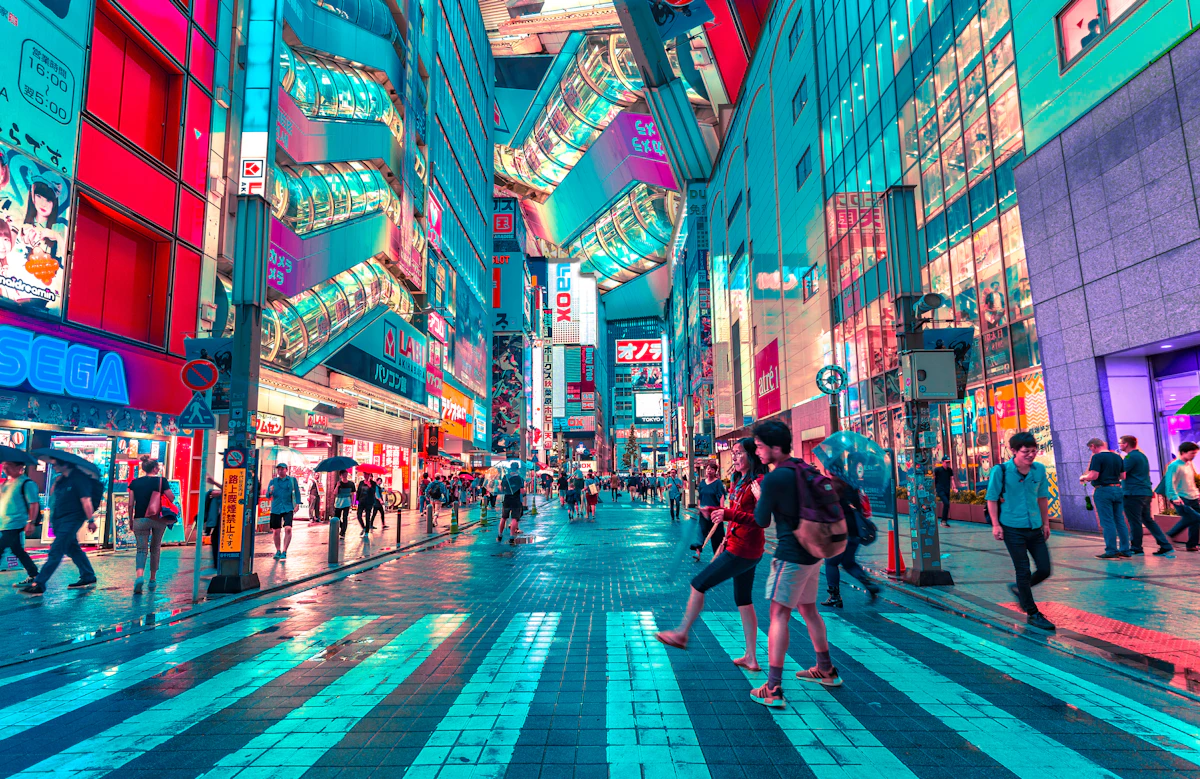
## Free Gallery Walk in Ginza
Ginza has a cluster of free art galleries. Hitting three in a row easily fills a half day.
Start at [Shiseido Gallery](https://gallery.shiseido.com/en/access/hours/). From Ginza Station exit A2, walk four minutes along Chuo-dori toward Shimbashi. The gallery is in the basement of the Tokyo Ginza Shiseido Building. [Founded in 1919, it's the oldest currently operating art gallery in Japan](https://gallery.shiseido.com/en/access/). The space hosts several contemporary art exhibitions a year — [free entry, weekdays 11:00–19:00, Sundays/holidays 11:00–18:00, closed Mondays](https://gallery.shiseido.com/en/access/hours/).
Five minutes away on foot is [Ginza Graphic Gallery (ggg)](https://www.dnpfcp.jp/gallery/ggg/), a gallery dedicated to graphic design. Posters, typography, and editorial design are the focus. [Open 11:00–19:00, closed Sundays and public holidays](https://www.dnpfcp.jp/gallery/ggg/).
The third stop is the [Ad Museum Tokyo](https://www.admt.jp/en/guide/) in Caretta Shiodome. From ggg, one subway stop to Shimbashi/Shiodome (about ¥180). The museum walks you through advertising history from Edo-period storefront signs to modern TV commercials — entirely free. [Open Tue–Sat 12:00–18:00, closed Sundays and Mondays](https://www.admt.jp/en/guide/). The museum is directly connected to Shiodome Station underground, so you won't get wet.
**Time:** 3–5 hours
**Transport:** Roughly ¥180 for one subway ride
**Payment:** Cards accepted
**Sundays:** ggg and the Ad Museum are closed. If you arrive on a Sunday, see Shiseido Gallery and switch to the Marunouchi route. On Mondays, Shiseido Gallery closes — so do ggg plus the Ad Museum instead. If you're not sure how to pay for transport and food, our [Tokyo payment methods guide](/guides/payment-methods) covers it.
## Free Art Walk in Roppongi
Exit 6 of Nogizaka Station on the Chiyoda Line connects directly to [the National Art Center, Tokyo](https://www.nact.jp/english/) without going outside. It's one of the most rain-friendly museums in the city.
There's no permanent collection, and special exhibitions are ticketed — but [the building itself is free to enter](https://www.nact.jp/english/faq/). [Designed by Kisho Kurokawa](https://www.nact.jp/english/introduce/architecture.html), the wave-shaped glass facade alone is worth 30 minutes if you're into architecture. The atrium runs three floors up, and on rainy days the light through the glass creates striking shadows — it's a popular photo spot. [Open 10:00–18:00 (until 20:00 Fridays and Saturdays), closed Tuesdays](https://www.nact.jp/english/visit/). Strollers available, nursing room on site.
From the museum, it's a five-minute walk to Tokyo Midtown — accessible from underground in the rain. On the 5th floor of the main tower, [Tokyo Midtown Design Hub](https://www.designhub.jp/en/) hosts free design exhibitions.
**Time:** 2–3 hours
**Transport:** ¥0 (everything within Roppongi)
**Payment:** Cards and IC accepted (cafes and shops)
**Tuesdays:** The National Art Center is closed. You can still browse Midtown for 1–2 hours. On sunny days, our [free Tokyo observation decks guide](/guides/free-observation-decks-tokyo) is worth a look.
## Nakano Subculture Route
Step out of JR Nakano Station's north exit and the [Sun Mall arcade](https://www.heart-beat-nakano.com/street/48.html) starts right at your feet. [The 224-meter covered shopping street](https://www.heart-beat-nakano.com/street/48.html) ends at Nakano Broadway. You can get from the station to the building without a single drop of rain on your jacket.
Nakano Broadway is a multi-floor complex packed with shops selling figures, vintage manga, used games, and trading cards. Dozens of shops including Mandarake fill the building — even if you don't buy anything, just walking through is enough to lose track of time. Smaller independent shops often take cash only, so it helps to have a [Suica card](/guides/suica-card) or cash on hand.
This one's especially worth it if you've been to Tokyo before. First editions of 1970s shojo manga and discontinued limited-edition figures sit on shelves you won't find in Shinjuku or Shibuya.
**Time:** 2–4 hours
**Transport:** Around ¥170–250 one way to JR Nakano Station
**Payment:** Varies by shop in Broadway (some cash-only)
## Local Tokyo at Musashi-Koyama Palm
This one rarely shows up in tourist guides — it's a neighborhood arcade where locals shop. Exit Musashi-Koyama Station on the Tokyu Meguro Line and [an 800-meter covered shopping street](https://shinagawa-kanko.or.jp/spot/musashikoyama-palm/) starts immediately.
[Over 200 shops](https://shinagawa-kanko.or.jp/spot/musashikoyama-palm/) line the arcade — prepared food, produce, yakitori, vintage clothing, sentō baths. You'll see almost no tourists. The best part is the full roof — you can walk end to end on a rainy day without an umbrella. Snacking your way through takes 1.5–3 hours and shows you a slice of everyday Tokyo. The catch: many independent shops are cash-only. For tips on eating cheap in Tokyo's shopping streets, see our [Tokyo budget eating guide](/guides/tokyo-budget-eating-guide).
**Time:** 1.5–3 hours
**Transport:** Tokyu Meguro Line from Meguro from ¥140
**Payment:** Independent shops mostly cash-only. Chains accept cards and IC.
## Free Rainy-Day Spots for Families
Three free spots that work especially well with kids.
The [Tokyo Water Science Museum](https://www.mizunokagaku.jp/) in the Odaiba area is hands-on — water experiments, a small theater, enough to keep elementary-age kids busy for two hours. [Free admission, open 9:30–17:00, closed Mondays](https://www.mizunokagaku.jp/). [Roughly a 10-minute walk from Tokyo Big Sight Station on the Yurikamome line](https://www.mizunokagaku.jp/), with no cover from the station — bring an umbrella for that stretch.
Intermediatheque on the Marunouchi route, with its skeleton specimens and taxidermy, is a hit with kids. Pair it with Character Street at Tokyo Station Ichibangai and you have a half day for families.
It's not free, but the National Museum of Nature and Science in Ueno (free for high school students and under) is another strong rainy-day option. See the Ueno route in our [rainy season guide](/guides/rainy-season-tokyo-guide).
---
**Sources:**
- Intermediatheque "Visitor Information" https://www.intermediatheque.jp/en/info/guide (accessed 2026-05-07)
- The National Art Center, Tokyo "Visit" https://www.nact.jp/english/visit/ (accessed 2026-05-07)
- Shiseido Gallery "Hours & Access" https://gallery.shiseido.com/en/access/hours/ (accessed 2026-05-07)
- Ginza Graphic Gallery https://www.dnpfcp.jp/gallery/ggg/ (accessed 2026-05-07)
- Ad Museum Tokyo "Guide" https://www.admt.jp/en/guide/ (accessed 2026-05-07)
- Tokyo Midtown Design Hub https://www.designhub.jp/en/ (accessed 2026-05-07)
- Tokyo Water Science Museum https://www.mizunokagaku.jp/ (accessed 2026-05-07)
---
# Tokyo Garbage Sorting & Collection Rules
> A complete guide to sorting garbage in Tokyo's 23 wards: how to find your collection schedule, dispose of bulky items, handle home appliance recycling, and avoid common mistakes that cause neighbor complaints.
- **URL**: https://tokyo.how/guides/garbage-sorting-tokyo-guide
- **Category**: Living
- **Audience**: resident
- **Published**: 2026-03-17
- **Updated**: 2026-03-17
- **Tags**: garbage sorting, recycling, living rules, moving, expat living
## Garbage Categories and Collection Frequency
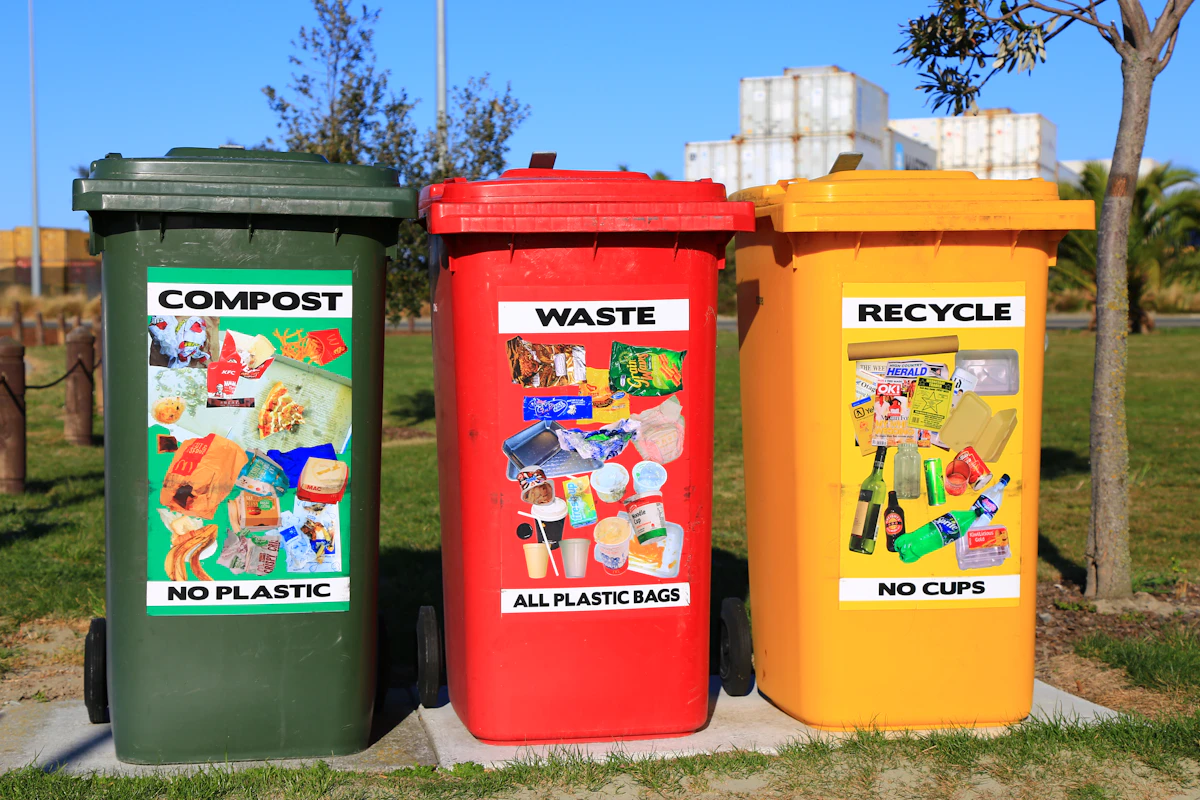
Tokyo's 23 wards divide household garbage into the following categories. Specific rules vary by ward, but the basic framework is consistent across all of them.
| Category | Japanese | What Goes In | Frequency |
|----------|----------|-------------|-----------|
| Burnable garbage | 可燃ゴミ (kanenごみ) | Food scraps, paper scraps, soiled paper, wood scraps, leather goods, small plastics | Twice a week |
| Non-burnable garbage | 不燃ゴミ (funenごみ) | Metal, glass, ceramics, small home appliances | Twice a month |
| Recyclables | 資源ゴミ (shigenごみ) | Newspapers & magazines (tied with string), glass bottles, aluminum & steel cans, PET bottles | Once a week |
| Bulky garbage | 粗大ゴミ (sodaiごみ) | Items over 30 cm (furniture, bicycles, etc.) | By appointment only (fee required) |
PET bottles must be rinsed with the **cap and label removed** before putting them out. Caps and labels go with plastic recyclables, while the bottle itself goes with PET bottles — they're sorted separately. This trips up a lot of people, so keep it in mind.
---
## When and Where to Put Out Garbage
Garbage goes out on the morning of the collection day at your designated collection point. The cutoff time varies by ward and location. Most wards require garbage out by 8:00 a.m., though some — like [Chuo Ward, which has three different cutoff times (8:00 a.m., 9:30 a.m., and 12:30 p.m.) depending on the specific collection point](https://www.city.chuo.lg.jp/a0039/faq/kurashi/gomi/bunbetsu/0003.html) — are more granular. Always check the rules for your specific address. Putting garbage out the night before is strictly prohibited — crows tear open bags and scatter the contents, which creates real tension with neighbors.
Your collection point is typically the building's garbage area if you live in a condo or apartment building, or a designated spot along the road for houses and smaller buildings. Your landlord or property manager should explain this when you move in; if they don't, ask.
### Garbage Bag Rules
**23 Wards:** There is no designated garbage bag system. Any [transparent or semi-transparent bag](https://www.city.kita.lg.jp/living/bins/1002013/1002027/1002028.html) will do — sold at supermarkets and drugstores. Using black or opaque bags may result in [your garbage being left uncollected](https://www.city.tokyo-nakano.lg.jp/faq/gomi/gomi32.html).
**Tama Area (26 cities):** [Designated paid garbage bags](https://www.city.kodaira.tokyo.jp/kurashi/093/093216.html) are required. Purchase them at supermarkets and convenience stores in your city. Prices vary by size — in Kodaira, for example, a [pack of 10 40L burnable garbage bags costs ¥800](https://www.city.kodaira.tokyo.jp/kurashi/093/093216.html).
---
## Collection Schedules and Apps
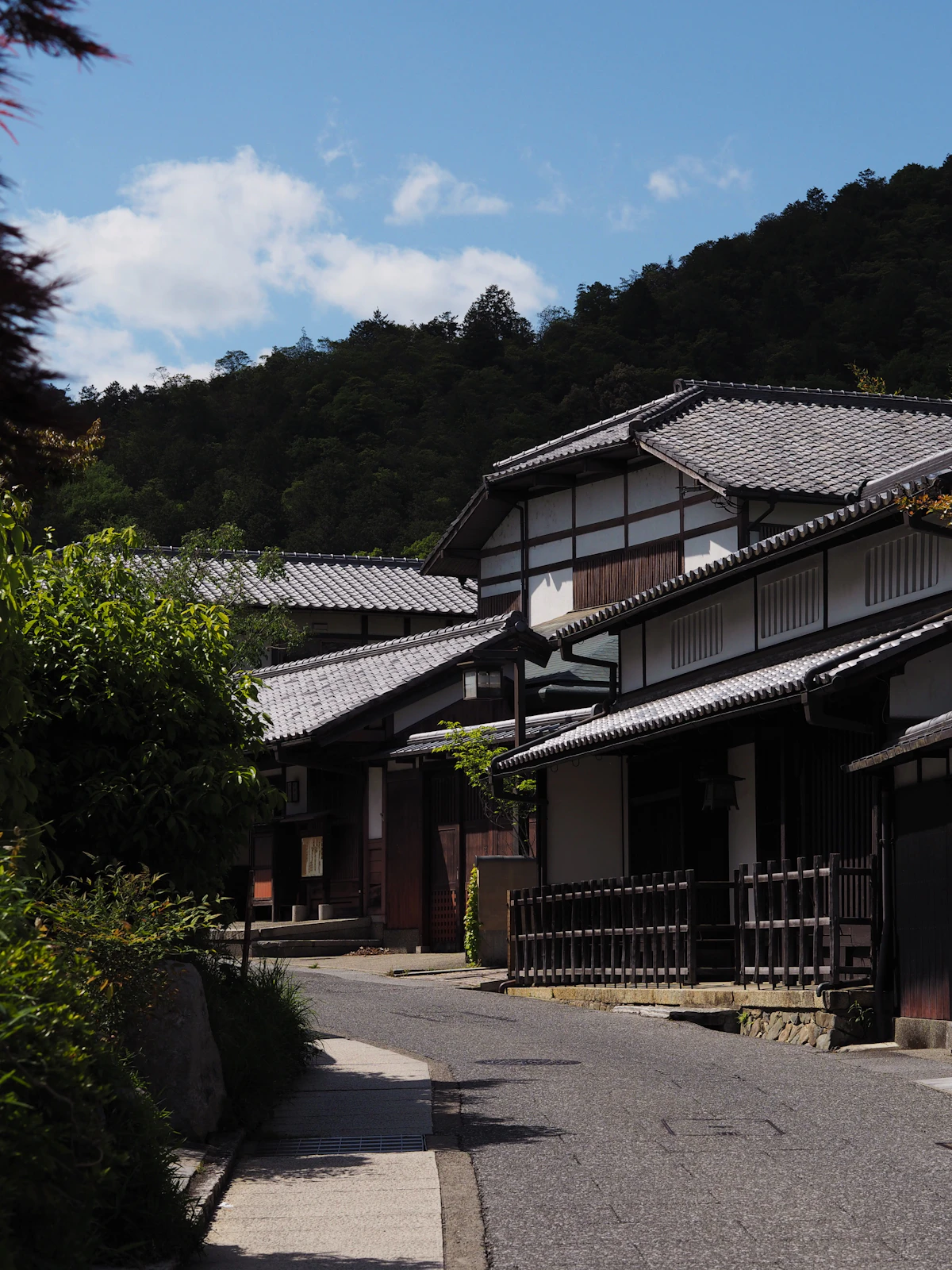
Collection days **vary by neighborhood even within the same ward**. After moving, the first thing to do is look up the schedule for your specific address.
**How to find your schedule:**
- **Ward website:** Most wards have a page where you can enter your address and see which days your garbage is collected
- **Garbage sorting apps:** Many municipalities offer their own apps, some with collection day reminders so you don't have to memorize anything
- **Ward office counter:** When you register your new address (jūminhyō transfer), you'll usually receive a pamphlet explaining local garbage rules
### Multilingual Guides
Most major wards offer garbage sorting guides in English, Chinese, Korean, and other languages.
- [Minato Ward](https://www.city.minato.tokyo.jp/gomigenryou/kurashi/gomi/kate/k-wakekata/guidebook.html) — PDF guides in English, Korean, and Chinese; sorting flyer in 10 languages
- [Shinjuku Ward](https://www.foreign.city.shinjuku.lg.jp/jp/kurashi/shigenyagomi/) — Sorting guide and app for foreign residents
- [Ota Ward](https://www.city.ota.tokyo.jp/seikatsu/gomi/gaikokujinnmukepannfure.html) — Multilingual pamphlets
- [Toshima Ward](https://www.city.toshima.lg.jp/gomi-fl/foreignlanguage.html) — Sorting guide in multiple languages
If you can't find a guide for your ward, searching "ward name + garbage + English" on the ward's website usually turns something up.
---
## Rules That Differ by Ward
The same item can belong to different categories depending on where you live. Every time you move, it's worth double-checking.
| Item | In some wards | In others |
|------|--------------|-----------|
| PET bottles | Collected with general recyclables | Separate PET bottle category |
| Leather belt | Burnable garbage | Non-burnable garbage |
| Metal spoon | Non-burnable garbage | Recyclables |
| Used clothing | Burnable garbage | Special collection days only |
When in doubt, use the ward's item search tool on their website. You can search alphabetically for specific items to find out exactly which category they belong to.
---
## How to Dispose of Bulky Items
In most wards, items with any side longer than 30 cm — furniture, bicycles, futons, and the like — count as bulky garbage and require advance booking.
**Steps:**
1. **Book a pickup** — Contact your ward's bulky garbage reception center by phone or online
2. **Buy a processing sticker** — Purchase a "粗大ごみ処理券" (sodai gomi shori-ken) at a convenience store or supermarket. The price depends on the item's size
3. **Attach the sticker** — Write your booking number and name on the sticker and affix it to the item
4. **Put it out on the scheduled morning** — Place it at the designated spot by the specified time
**Rough pricing:** Fees vary by item and size. The [Minato Ward bulky garbage fee schedule (PDF)](https://www.city.minato.tokyo.jp/documents/67227/r6sodairyoukin.pdf) is a useful reference. In Minato, stickers come in [two denominations — Type A (¥200) and Type B (¥300)](https://www.city.minato.tokyo.jp/gomigenryou/kurashi/gomi/kate/k-wakekata/yuryo/tenpu.html) — and staff will tell you which combination you need when you book.
The bulky garbage phone line is almost always Japanese-only. If calling in Japanese is difficult, your ward's foreign resident consultation counter may be able to help you through the process.
---
## Home Appliance Recycling Law
The following four categories are covered by the [Home Appliance Recycling Law](https://www.meti.go.jp/policy/it_policy/kaden_recycle/fukyu_special/) and **cannot be disposed of through regular or bulky garbage collection**:
- Air conditioners
- Televisions (CRT, LCD, plasma, OLED)
- Refrigerators and freezers
- Washing machines and clothes dryers
**How to dispose of them:**
- **Through the retailer** — Ask the store where you bought the appliance (or where you're buying a replacement) to take it back. You'll pay a recycling fee plus a collection and transport charge
- **Drop-off at a designated collection point** — [Purchase a recycling voucher at a post office](https://www.rkc.aeha.or.jp/) and bring the appliance to a designated collection point yourself
- **Through your ward** — If the above options don't work, your ward can refer you to a licensed disposal contractor
Avoid unlicensed collection trucks — the ones that drive slowly through residential areas announcing "free junk collection." These operations have been linked to illegal dumping, and [the Ministry of the Environment warns against using them](https://www.env.go.jp/recycle/kaden/tv-recycle/qa.html).
---
## Common Mistakes and How to Avoid Them
| What people do | Why it's a problem | What to do instead |
|----------------|-------------------|-------------------|
| Put garbage out the night before | Crows tear open bags and create a mess for neighbors | Put it out on the morning of collection day, within the allowed time |
| Use black or opaque bags | Contents can't be verified; garbage may be left behind | Use transparent or semi-transparent bags |
| Leave the cap on PET bottles | Caps are plastic, bottles are PET — they're different materials | Remove caps and labels before putting them out |
| Try to put a TV or fridge out as bulky garbage | These are covered by the Home Appliance Recycling Law and won't be collected | Purchase a recycling voucher and use the proper disposal channel |
| Throw batteries in regular garbage | Batteries are hazardous waste collected separately | Put them out on your ward's hazardous waste collection day |
| Use your old ward's rules after moving | Rules differ from ward to ward | Check the rules for your new ward right after you move |
If you sort something incorrectly, your bag will be left behind with a warning sticker asking you to sort properly. Repeated violations can lead to complaints from your property manager or landlord, so it's worth getting the rules right from the start.
---
## Penalties for Violations
Minor sorting mistakes at home rarely result in fines, but more serious violations carry real consequences.
- **Repeated sorting violations:** Warning from property manager or landlord — potentially an eviction notice if not corrected
- **Illegal dumping:** Violation of the [Waste Disposal and Public Cleansing Act](https://laws.e-gov.go.jp/document?lawid=345AC0000000137) — up to 5 years imprisonment and/or a fine of up to ¥10 million
- **Littering in Shibuya:** [A 2026 amendment to Shibuya Ward's ordinance](https://www.city.shibuya.tokyo.jp/kankyo/machi-seiso/seiso/shibuyaku_poisute_rule.html) will impose a ¥2,000 fine for littering on public streets starting June 2026
---
## When Things Go Wrong
| Situation | What to do |
|-----------|-----------|
| Not sure which category an item belongs to | Use the ward's item search tool, or search "ward name + garbage + item name" online |
| Missed collection day | Keep it at home until the next collection day — leaving it out causes problems with neighbors |
| Can't make the phone reservation for bulky garbage | Most wards offer online booking; your ward's foreign resident consultation counter can also help |
| Just moved and have a large amount of garbage | Putting out too much at once may result in some of it not being collected — spread it over several collection days or check your ward's rules |
| Only Japanese-language guides available | Search "ward name + garbage + English" online — a multilingual version often exists |
---
## Other Options
- **Private junk removal services:** If you have a large volume of items — especially around a move — a licensed removal company can take everything at once. Get a quote first, as prices vary by volume and content
- **Secondhand shops:** Furniture and appliances that still work can often be sold to chains like [Second Street](https://www.2ndstreet.jp/) or [Hard Off](https://www.hardoff.co.jp/). No disposal fee, and you might even get a little money back
- **Jmty:** [Jmty](https://jmty.jp/) is a local classifieds platform where you can give away or pick up unwanted items for free
---
## Related Articles
- [How to Find an Apartment in Tokyo](/guides/how-to-find-apartment-tokyo) — What you need to know before moving in
- [Tokyo Ward Office Moving Guide](/guides/tokyo-ward-office-moving-guide) — All the paperwork you'll need after moving
- [Tokyo Manners and Etiquette](/guides/etiquette-tokyo) — The basics of everyday life in Japan
- [First Time Living Alone in Tokyo](/guides/first-time-moving-out-tokyo) — A full overview of setting up your life here
---
**Sources:**
- Minato City. "Garbage sorting and collection guidebooks and posters." https://www.city.minato.tokyo.jp/gomigenryou/kurashi/gomi/kate/k-wakekata/guidebook.html (Accessed: 2026-03-17)
- Shinjuku City. "Recyclables and garbage." https://www.foreign.city.shinjuku.lg.jp/jp/kurashi/shigenyagomi/ (Accessed: 2026-03-17)
- Ministry of Economy, Trade and Industry. "Home Appliance Recycling Law (Act on Recycling of Specified Kinds of Home Appliances)." https://www.meti.go.jp/policy/it_policy/kaden_recycle/fukyu_special/ (Accessed: 2026-03-17)
- Japan Electrical Manufacturers' Association. "Recycling fee schedule." https://www.rkc.aeha.or.jp/recycle_price.html (Accessed: 2026-03-17)
---
# Golden Week 2026 in Tokyo: Why the City Empties Out (and How to Use It)
> Golden Week 2026 runs April 29 to May 6. While 30M+ Japanese leave the city, Tokyo gets quieter — but banks and offices close for days. Nozomi reserved-only policy, crowd patterns, and what stays open.
- **URL**: https://tokyo.how/guides/golden-week-tokyo-guide
- **Category**: Explore
- **Audience**: both
- **Published**: 2026-04-10
- **Updated**: 2026-04-14
- **Tags**: golden-week, gw, holidays, public-holidays, travel, tokyo, shinkansen
---
## What Is Golden Week?

Golden Week (ゴールデンウィーク / Gōruden Wīku), often shortened to GW, is a cluster of national holidays that falls between late April and early May. Along with Obon (mid-August) and New Year, it's one of Japan's three major holiday periods.
Here's the 2026 calendar:
| Date | Day | Status |
|------|-----|--------|
| April 29 | Wed | **Shōwa Day (昭和の日 / Shōwa no Hi)** — honors the birthday of Emperor Shōwa |
| April 30 | Thu | Regular weekday |
| May 1 | Fri | Regular weekday |
| May 2 | Sat | Weekend |
| May 3 | Sun | **Constitution Memorial Day (憲法記念日 / Kenpō Kinenbi)** — marks the 1947 constitution |
| May 4 | Mon | **Greenery Day (みどりの日 / Midori no Hi)** — a day to appreciate nature |
| May 5 | Tue | **Children's Day (こどもの日 / Kodomo no Hi)** — celebrates children's growth |
| May 6 | Wed | Substitute holiday (because May 3 falls on Sunday) |
If you take paid leave on April 30 and May 1, you get 8 days off in a row from April 29 to May 6. A lot of people in Japan do exactly this, which means the weeks before GW often involve a quiet office scramble for those vacation days.
---
## Tokyo Actually Gets Quieter During GW
You might expect Tokyo to be packed during Golden Week. But within the city itself, it's a different story.
Many Tokyo residents leave town — heading to family homes in the countryside, traveling to Kyoto, Okinawa, or abroad. The change is especially dramatic in business districts. Areas like Otemachi, Shimbashi, and Marunouchi, which normally see hundreds of thousands of commuters on a weekday, become eerily quiet. You can grab a terrace seat on Marunouchi Nakadōri without waiting, and the Yamanote Line — normally standing-room-only during rush hour — suddenly has empty seats.
Residential neighborhoods feel different too. That ramen shop with the permanent line? You can walk right in. Hard-to-book restaurants sometimes open up same-day tables. Lunch spots in business districts that usually have 30-minute waits sit half empty.
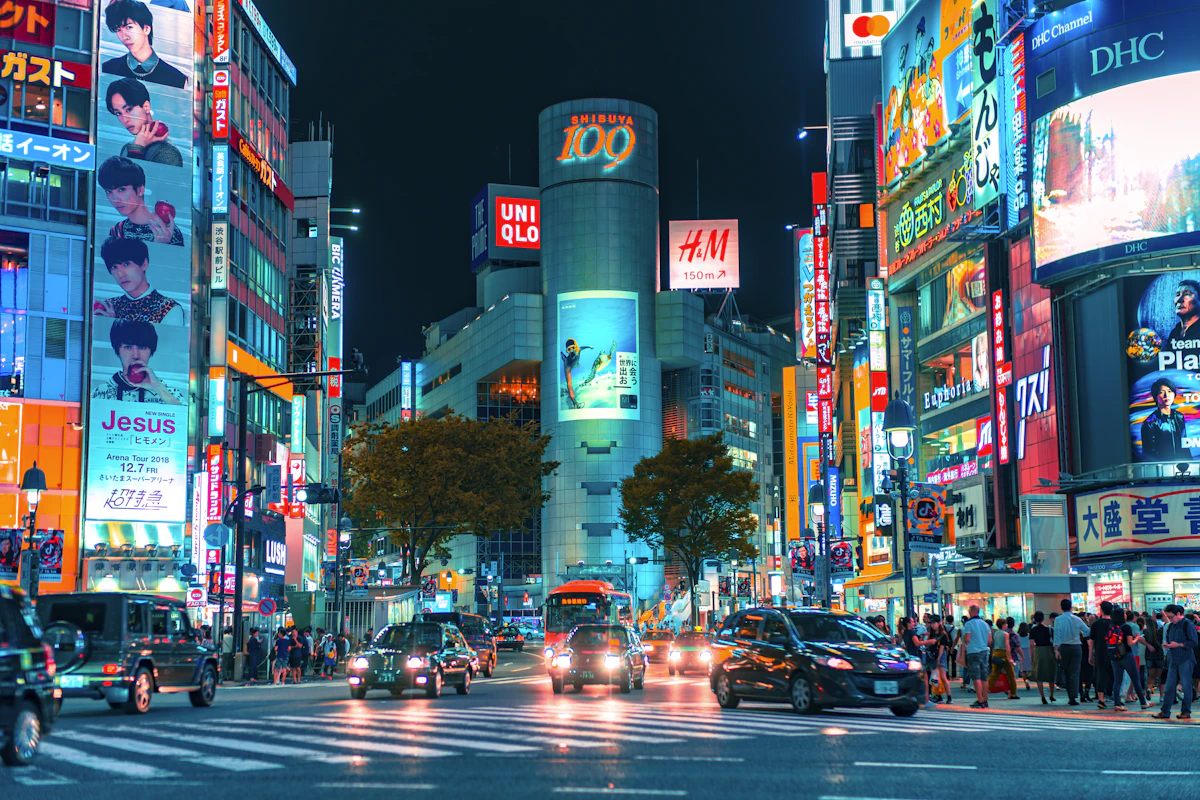
That said, "quiet" applies to everyday neighborhoods. Tourist spots draw visitors from across Japan, so these places hit peak crowds for the year:
- Tokyo Disney Resort (wait times go way up)
- Tokyo Skytree and Shibuya Sky
- Asakusa and Ueno area
- Shinjuku Gyoen
On the flip side, [free observation decks](/guides/free-observation-decks-tokyo), local shopping streets, and cafes in office districts are more relaxed than usual. Yanesen (Yanaka, Nezu, Sendagi) is great for hopping between old-house cafes and small galleries. Kiyosumi-Shirakawa has its roastery circuit, and Kuramae is worth a stroll for leather goods and craft shops. These low-key neighborhood walks are especially pleasant during GW when things are calmer.
---
## What's Open and What's Closed During GW
Most commercial facilities in Tokyo keep running through Golden Week as normal. Convenience stores (7-Eleven, FamilyMart, Lawson) are open 24/7 year-round. Department stores and shopping malls often run special GW hours. Restaurants and cafes are mostly open. Major museums like the [Tokyo National Museum](https://www.tnm.jp/modules/r_free_page/index.php?id=113&lang=en) stay open during GW (if their usual Monday closure falls on a holiday, they shift it to the next day).
Government services and banks, however, shut down. Many Japanese companies also close for GW, so if you have any business to take care of, get it done before the holiday starts.
**What closes:**
- **Ward and city offices** — Closed May 2 (Sat) through May 6 (Wed). Any paperwork, registrations, or certificate requests need to happen before GW
- **Bank counters** — Also closed May 2 to 6, a full 5 consecutive days. No account openings or over-the-counter transfers
- **Post office counters** — Closed on weekends and holidays (except some major branches). [Japan Post Bank](https://www.jp-bank.japanpost.jp/news/2025/news_id002392.html) ATMs inside post offices work with no fees, but convenience store ATMs charge weekend surcharges
- **Small clinics and dental offices** — Most close for the break. Hospital emergency rooms remain open
ATMs are available, including those in convenience stores. But convenience store ATMs charge [weekend and holiday fees](https://www.bk.mufg.jp/tesuuryou/atm/new.html), so pulling out extra cash before GW is a smart move. You can top up your [Suica](/guides/suica-card) or other IC cards at station ticket machines 24/7. If you already rely on [cashless payment methods](/guides/payment-methods), ATM fees won't be much of a concern.
---
## Shinkansen and Transportation During GW

Golden Week is one of the busiest Shinkansen periods of the year. According to [JR Central's announcement (PDF)](https://jr-central.co.jp/news/release/_pdf/000044849.pdf), from April 24 (Fri) to May 6 (Wed) in 2026, **all Nozomi (のぞみ) trains on the Tōkaidō and Sanyō Shinkansen will be reserved-only**. Cars 1 and 2, which are normally non-reserved, switch to reserved seating — meaning you can't just hop on and find a free seat.
Per the [same announcement](https://jr-central.co.jp/news/release/_pdf/000044849.pdf), the peak for outbound travel (Tokyo to other regions) is the morning of May 2, and for return travel (back to Tokyo) it's the afternoon of May 5 to 6. Avoiding just those windows makes it much easier to secure a seat.
### How to Book
There are two main ways for foreigners to reserve Shinkansen tickets:
**For the Tōkaidō/Sanyō Shinkansen (Tokyo to Hakata):**
Use [SmartEX](https://smart-ex.jp/en/). It supports English and works from outside Japan. You get a QR ticket that goes straight through the gate — no need to line up at a counter. Reserved seats go on sale one month before the travel date at 10:00 AM.
**For JR East lines (Tōhoku, Jōetsu, Hokuriku Shinkansen, etc.):**
Book through [JR-EAST Train Reservation](https://www.eki-net.com/en/jreast-train-reservation/Top/Index) (if the site is inaccessible from outside Japan, it works once you arrive — no VPN needed). If you have a [JR Pass](/guides/jr-pass-japan), you can also reserve seats through this site.
Even during GW, local trains and subways within Tokyo are less crowded than usual, since so many residents have left the city. [Navigating stations](/guides/station-navigation-tokyo) is much smoother compared to normal rush hours. If you're planning to hit multiple spots in one day, a Tokyo Metro 24-hour pass (700 yen) helps keep transport costs down.
---
## Things to Do in Tokyo During GW
If you're staying in (or visiting) Tokyo during Golden Week, there's plenty to enjoy.
As Children's Day on May 5 approaches, [Tokyo Tower displays 333 koinobori (carp streamers)](https://www.gotokyo.org/jp/spot/ev015/index.html) from mid-March through May 6. [Tokyo Skytree Town](https://www.gotokyo.org/en/spot/ev219/index.html) puts up around 1,000 koinobori in Solamachi Square. Koinobori (鯉のぼり / koi-nobori) are a Japanese tradition for wishing boys a healthy upbringing, and they're the symbol of Children's Day.
There are also local festivals that only happen during GW. Ōkunitama Shrine (大國魂神社) in Fuchū holds the [Kurayami Matsuri (くらやみ祭 / Kurayami Festival)](https://www.ookunitamajinja.or.jp/matsuri/) from April 30 to May 6. With over a thousand years of history, this festival features massive drums and portable shrines parading through the darkness — a completely different vibe from daytime sightseeing.
Museums are a solid option too. The National Museum of Nature and Science in Ueno and Mori Art Museum are open during GW. For special exhibitions, [buying tickets online in advance](/guides/book-tickets-advance-tokyo) saves you from entrance queues. At national museums, permanent exhibitions are often free for anyone under 18 — bring an ID that shows your age if that applies.
If the weather cooperates, a picnic at Yoyogi Park or Shōwa Kinen Park (昭和記念公園 / Shōwa Kinen Kōen) is a great call. Early May in Tokyo averages a [high of 22 to 25°C](https://www.data.jma.go.jp/stats/etrn/view/nml_sfc_ym.php?prec_no=44&block_no=47662) with low humidity — one of the most comfortable stretches of the year. A picnic blanket and a convenience store bento is all you need. Inokashira Park and Kinuta Park are less crowded than the big central parks.
Traveling with kids? The "Children's Forest" area at Shōwa Kinen Park gives them room to run around. The koinobori displays at Tokyo Tower and Skytree are outdoors and free to see, making them easy outings even with little ones. Large commercial facilities have nursing rooms and multi-purpose restrooms, and family restaurants and food courts handle kids' meals well. If you're bringing a stroller, checking the venue's barrier-free info ahead of time saves hassle on the day.
To keep food costs reasonable, check out the [Tokyo budget eating guide](/guides/tokyo-budget-eating-guide). Chain restaurants and standing soba shops operate through GW and aren't affected by tourist-area pricing.
As covered in the [itinerary planning guide](/guides/tokyo-itinerary-planning-guide), sticking to 2 or 3 spots per day helps manage your energy. GW weather is mild, but walking all day for several days straight will catch up with you.
---
## What to Get Done Before GW Starts
A few things are worth handling ahead of time so you don't get caught off guard once the holiday begins:
- **Banking** — Withdraw extra cash before GW. Bank counters are closed for 5 straight days from May 2 to 6
- **Ward office** — File any paperwork or pick up certificates before GW. Offices close May 2 to 6
- **Hotels** — Booking 2 to 3 months ahead is realistic for GW stays. Last-minute availability is almost nonexistent
- **Shinkansen** — Reserved seats go on sale one month before the travel date at 10:00 AM. Popular GW dates can sell out right after they open
- **Luggage** — Coin lockers at major stations fill up quickly during GW. Reserve luggage storage in advance through [ecbo cloak](https://cloak.ecbo.io/) for peace of mind
---
## Things to Watch Out for During GW
The biggest hit is accommodation prices. Hotel rates during GW can jump to 1.5 to 2 times the normal price (compare GW vs. non-GW dates on Booking.com or similar sites to see the difference). If you want to save, capsule hotels and guesthouse dormitories are options. Either way, booking 2 to 3 months ahead is realistic — last-minute searches can turn up nothing at all.
Popular restaurants stay open during GW, but walk-ins become harder to pull off. Making a reservation through [Google Maps or Tabelog ahead of time](/guides/restaurant-booking-tokyo) gives you more choices on the day.
May weather is generally stable, but the occasional thunderstorm can pop up. Keep a folding umbrella in your bag. And don't skip the sunscreen — according to [Japan Meteorological Agency UV data](https://www.data.jma.go.jp/gmd/env/uvhp/link_uvindex_month54.html), the UV index in Tokyo can reach "strong" levels in May. A full day walking outside on a sunny day will leave you more sunburned than you'd expect.
It's also worth sorting out your mobile connectivity. The [SIM and eSIM guide](/guides/japan-travel-sim-esim-guide) covers your options in detail. Free Wi-Fi at tourist spots can get spotty during GW, so having your own mobile data means maps and translation apps always work. For heavy bags, [coin lockers and luggage storage services](/guides/luggage-storage-tokyo) are your friend.
[Last train times](/guides/last-train-tokyo-guide) don't change during GW. Some lines do reduce late-night frequency though, so check timetables if you're planning a late move. The [Tokyo travel pitfalls guide](/guides/tokyo-travel-pitfalls) is worth a read for tips that apply beyond just Golden Week.
May 7 (Thursday) is the day all of Japan snaps back to normal at once. Morning rush-hour trains can be even more packed than usual. If you're heading to the airport that day, leave with plenty of buffer.
---
## Frequently Asked Questions
**When is Golden Week 2026?**
The holidays run from April 29 (Wed) to May 6 (Wed). Taking paid leave on April 30 and May 1 gives you 8 consecutive days off.
**Is Tokyo crowded during Golden Week?**
Tourist spots (Disney, Asakusa, Skytree, etc.) hit their busiest of the year. But office districts and residential areas actually get quieter, since many residents leave for trips or family visits.
**Can I use banks and ATMs during GW?**
Bank counters are closed from May 2 to 6 — 5 days straight. Convenience store ATMs still work but charge holiday fees, so withdrawing extra cash before GW is the way to go.
**Are there non-reserved seats on the Shinkansen during GW?**
In 2026, all Nozomi trains on the Tōkaidō/Sanyō Shinkansen are reserved-only from April 24 to May 6. Book in advance through [SmartEX](https://smart-ex.jp/en/).
**What's the weather like in Tokyo during Golden Week?**
Early May in Tokyo sees highs around 22 to 25°C with low humidity — one of the most pleasant times of year. That said, sudden thunderstorms do happen, so a folding umbrella is worth having.
---
# Tokyo Halloween 2026 Events and Street Rules
> Choose Tokyo Halloween 2026 events by date, from Ikebukuro cosplay to family candy trails. Compare costs, bookings, age limits and street rules.
- **URL**: https://tokyo.how/guides/halloween-tokyo-guide
- **Category**: Explore
- **Audience**: both
- **Published**: 2026-09-15
- **Updated**: 2026-09-16
- **Tags**: Halloween, Autumn, Costumes, Families, Events
Tokyo has **tightened Halloween street restrictions in response to disruptive behavior and overcrowding**. Shibuya Ward (渋谷区) [asked people to stay away in 2023 because of street drinking, conflict with residents and concerns about crowd accidents](https://www.city.shibuya.tokyo.jp/contents/kutyo/aisatsu/20231011-halloween.html). [Peak visitor numbers around Shibuya Station that year fell to about 15,000, roughly 60% of the previous year's figure](https://www.city.shibuya.tokyo.jp/contents/kutyo/aisatsu/20231101-halloween.html).
For your plans, choose an organized event with a set date and venue. There is [Ikebukuro (池袋)](https://ikebukurocosplay.jp/about/) for taking part in costume, or [Kichijoji (吉祥寺)](https://kichijoji-halloween.net/) and [Machida (町田)](https://machida-flat.com/pages/machida-halloween-walk-2026) for family candy trails. Indoor shows, exhibitions and hotel meals offer other ways to enjoy the season.
For a relaxed outing on your own, you could watch the evening projections at Tokyo Tower or book a seasonal meal at a hotel.
[Choose by date](#choose-by-date) · [Choose a costume event](#join-a-costume-event-in-ikebukuro) · [Go with children](#join-a-family-candy-trail) · [Compare budgets](#plan-your-budget-and-journey-home)
## Shibuya visitor requests and Shinjuku restrictions
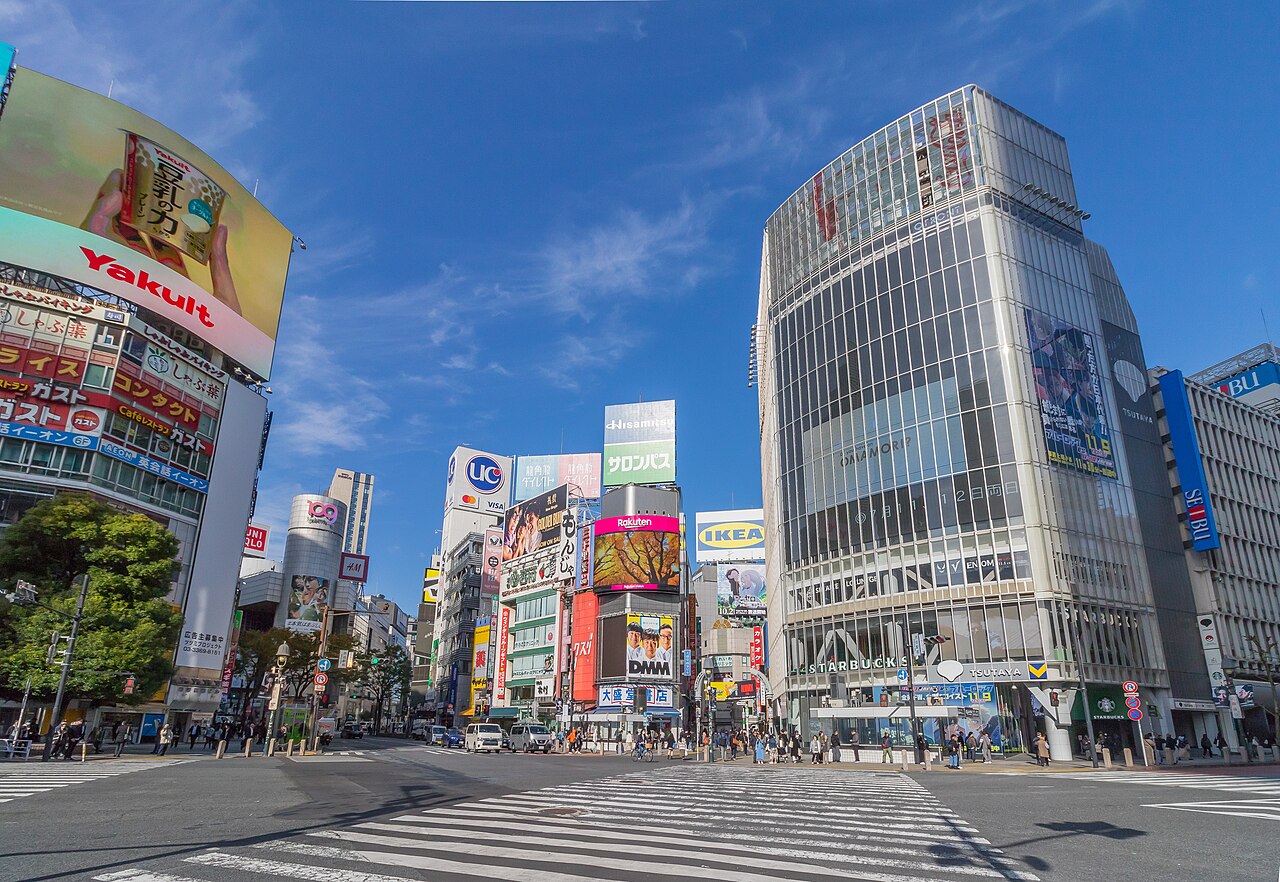
*An ordinary day outside Shibuya Station, November 2024. [Photo credits](#photo-credits)*
### What Shibuya's request to stay away actually covered
In the [mayor's October 2023 message](https://www.city.shibuya.tokyo.jp/contents/kutyo/aisatsu/20231011-halloween.html), Shibuya Ward asked people to **avoid coming to the area around Shibuya Station for Halloween on October 31 and the days immediately before it**. The reasons were concerns about crowd accidents and disruptive behavior associated with drinking.
Measures have continued, but each year's announcements need to be considered separately. [TV Asahi's report on the ward's 2025 press conference](https://news.tv-asahi.co.jp/news_society/articles/000457269.html) described its policy of distinguishing people who celebrate considerately from what it called disruptive Halloween behavior, such as street drinking and blocking passageways. **The 2023 request to stay away does not amount to a ban on every event throughout Shibuya in 2026.**
Within the designated area around Shibuya Station, however, **drinking in public places such as streets and parks is prohibited every day from 18:00 to 05:00 the next morning**. This is a year-round rule introduced in October 2024, rather than a Halloween-only restriction. Check the boundaries in the [ward's guidance and area map](https://www.city.shibuya.tokyo.jp/kusei/shisaku/jorei-toshin/sbykankyo.html).
In 2025, [temporary fencing was installed around the Hachiko statue (ハチ公像)](https://www.city.shibuya.tokyo.jp/kusei/hodo/hodo-2025/hodo_20251021.html). As of September 15, specific 2026 measures such as fencing and traffic restrictions had not yet been confirmed. Leave gatherings at Hachiko or outside the station out of your plans, and choose an event with a defined time and venue.
### Avoid street gatherings and drinking in Shinjuku too
Shinjuku Ward (新宿区) will prohibit street drinking in parts of Shinjuku 3-chome (新宿三丁目) and Kabukicho 1-chome (歌舞伎町一丁目) **from 17:00 on October 31 to 05:00 on November 1, 2026**. The ward will also ask shops selling alcohol in the restricted area and other relevant areas to refrain from alcohol sales. The request to shops and the prohibition on people drinking in the street are separate measures. [The ward's 2026 guidance and area map](https://www.city.shinjuku.lg.jp/anzen/kikikanri01_000001_00197.html)
The ward also plans to close the event space in Cine City Square (シネシティ広場). This does not mean the entire square will be closed; the area concerned is shown in the [September 2026 mayoral press conference materials, page 7](https://www.city.shinjuku.lg.jp/content/000465767.pdf).
### Street drinking and meeting-place etiquette
**Never gather on the streets of Kabukicho as an alternative to Shibuya.** Even when heading to a restaurant or event you have booked, follow directions on site and avoid blocking passageways or shop entrances while waiting to meet people.
**Please avoid drinking alcohol in the street, whether or not you are within a prohibited area.** Enjoy drinks in places where the restaurant or venue permits them. Take empty cans and cups with you or put them in designated bins instead of leaving them behind.
### Photography etiquette for every area and venue
**Wearing a costume is not consent to being photographed or posted on social media.** Ask before photographing someone, and do not take the photo if they decline. Get separate permission before sharing photos or videos on social media or elsewhere. For children, check the wishes of both the child and their parent or guardian, and be considerate of people appearing in the background.
Stay out of the roadway and keep sidewalks and entrances clear when taking photos. Follow no-photography signs and staff instructions. [JNTO also advises obtaining permission, respecting venue restrictions and keeping passageways clear](https://www.japan.travel/en/responsible-travel-guide/features/responsible-photography/). These shared courtesies and each organizer's own rules apply at all the venues below.
## Choose by date
October 31, 2026 falls on a Saturday, but family events also take place on earlier weekends. Narrow your choices by the dates of your stay, then compare prices and participation conditions in the area and attraction sections below.
| When you want to go | Main options | What to do |
|---|---|---|
| Starting in September | [Puroland](https://www.puroland.jp/event-campaign/2026_halloween/), [the studio tour in Toshimaen](https://www.wbstudiotour.jp/dark-arts/) | Indoor seasonal events |
| October 10–18 | [Senzoku on October 10](https://senzoku-st.com/), [Shibuya kids' contest on October 17](https://shibuya-halloween.com/kasou-contest/index.html) | Children's costumes and candy |
| October 23–25 | [Kichijoji](https://kichijoji-halloween.net/), [Futako-tamagawa](https://www.futako-halloweenparty.com/), [Omotesando](https://halloween.omotesando.or.jp/post-2611/) | Family walks around town |
| October 30–November 1 | [Ikehalo](https://ikebukurocosplay.jp/about/), [Roppongi on October 31](https://7th-trigger.com/), [Akihabara](https://toygroup.jp/news_detail?news=n208&store=littlestarrabbit) | Cosplay, music and events at individual venues |
## Organized events in Shibuya, Roppongi and Akihabara
### Children's costume contest by Shibuya Station's east exit
An event run by a shopping association with a set time and registration process is different from a street gathering covered by requests to stay away. On **October 17**, Inaribashi Square (稲荷橋広場), in front of Shibuya STREAM (渋谷STREAM), hosts a costume contest for children up to and including junior high school students. Parent-and-child pairs can also enter. [Organizer's participation guide](https://shibuya-halloween.com/kasou-contest/index.html)
**Advance registration closes at 17:59 on October 16**, and there is no entry on the day without registering. Arrive in costume and complete check-in by 14:00 for the 14:30 contest. There is no cloakroom or lockers, and no changing room is listed. The organizer's page does not state a participation fee, so check when registering. [Registration deadline, check-in and baggage guidance](https://shibuya-halloween.com/kasou-contest/index.html)
Ask both the child and their parent or guardian before taking photos or posting them on social media. Keep check-in and the contest running smoothly by following the organizer's directions and avoiding photography that gets in the way.
### Roppongi DJ events run from afternoon into evening
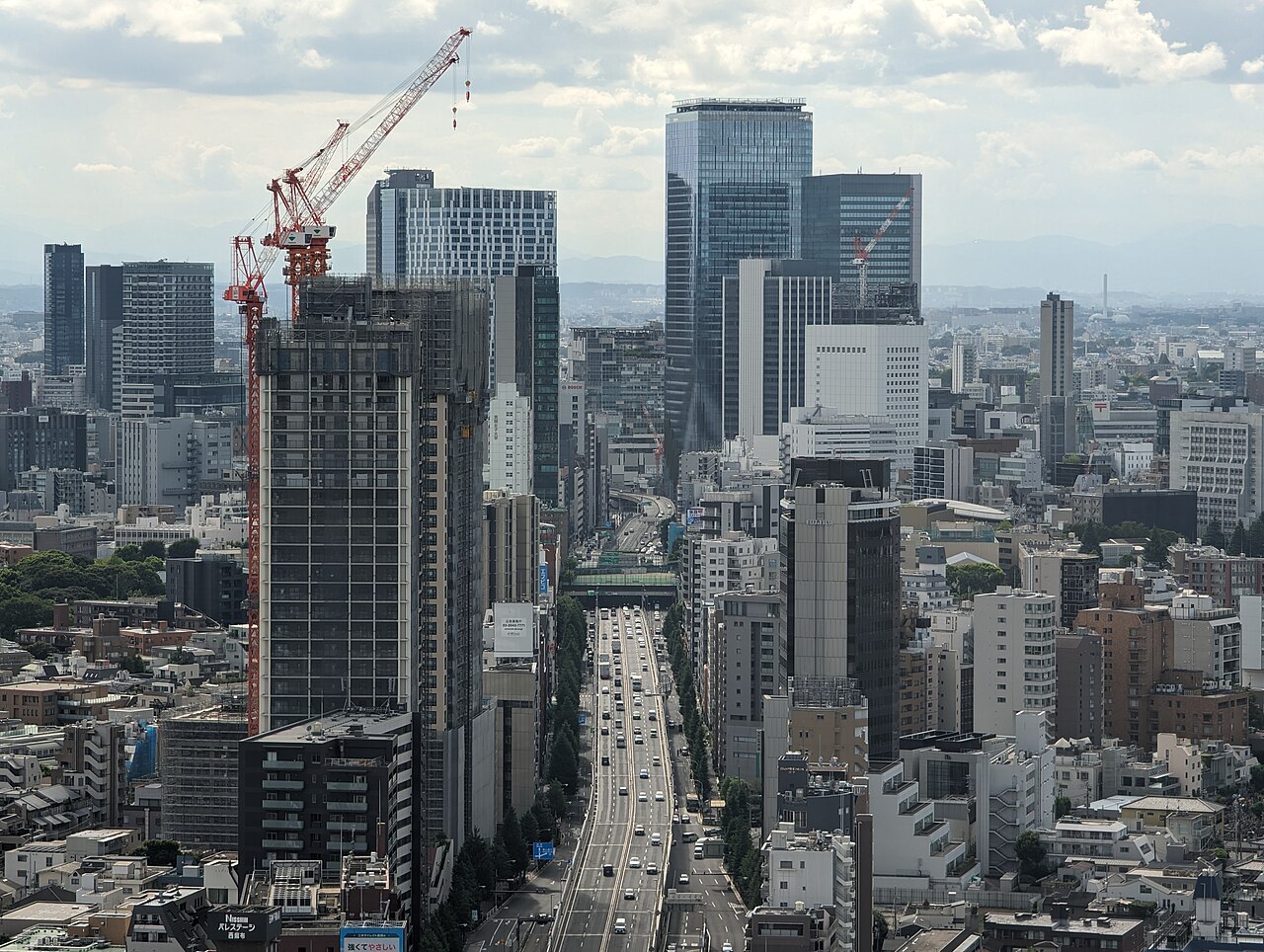
*Roppongi's streetscape in 2023. [Photo credits](#photo-credits)*
MAHARAJA ANNEX in Roppongi (六本木) hosts **7th Trigger vol.3 — Halloween Party on October 31**. The venue is on the 7th floor of the Rokumon Building (六門ビル), 6-1-3 Roppongi. Doors open at 14:30, and the event ends at 21:00. This DJ event welcomes costumes and cosplay. [Organizer's event information and reservations](https://7th-trigger.com/)
The price is ¥3,000 plus one drink with a reservation, or ¥3,600 plus one drink on the day. Submit your name and party size through the official form, then give your reservation name at reception. Changing-space availability will be announced later; age and ID requirements also need checking before you sign up. The price of the mandatory drink has not been confirmed, so ¥3,000 alone does not cover entry. [Reservation prices and participation conditions](https://7th-trigger.com/)
The same venue also has an [Early Halloween Disco on September 27 from 14:00 to 21:00](https://maharaja-r.jp/annex/events/early-halloween-disco-2/). [Roppongi Art Night on October 31–November 1](https://roppongiartnight.com/2026/english/) is an art event held around the same time, so you can also include exhibitions in your plans.
Details of a public Halloween parade at Roppongi Hills have not yet been confirmed for 2026. Check whether this year's announcement appears in the [Hills event listings](https://www.roppongihills.com/events/) before adding it to your plans.
Check the organizer's guidance on photography and recording at DJ performances and exhibitions. Get permission before photographing performers or other visitors, and separate permission before posting them on social media. Keep passageways clear and avoid occupying the space in front of artworks.
### Check each Akihabara venue's offers and charges
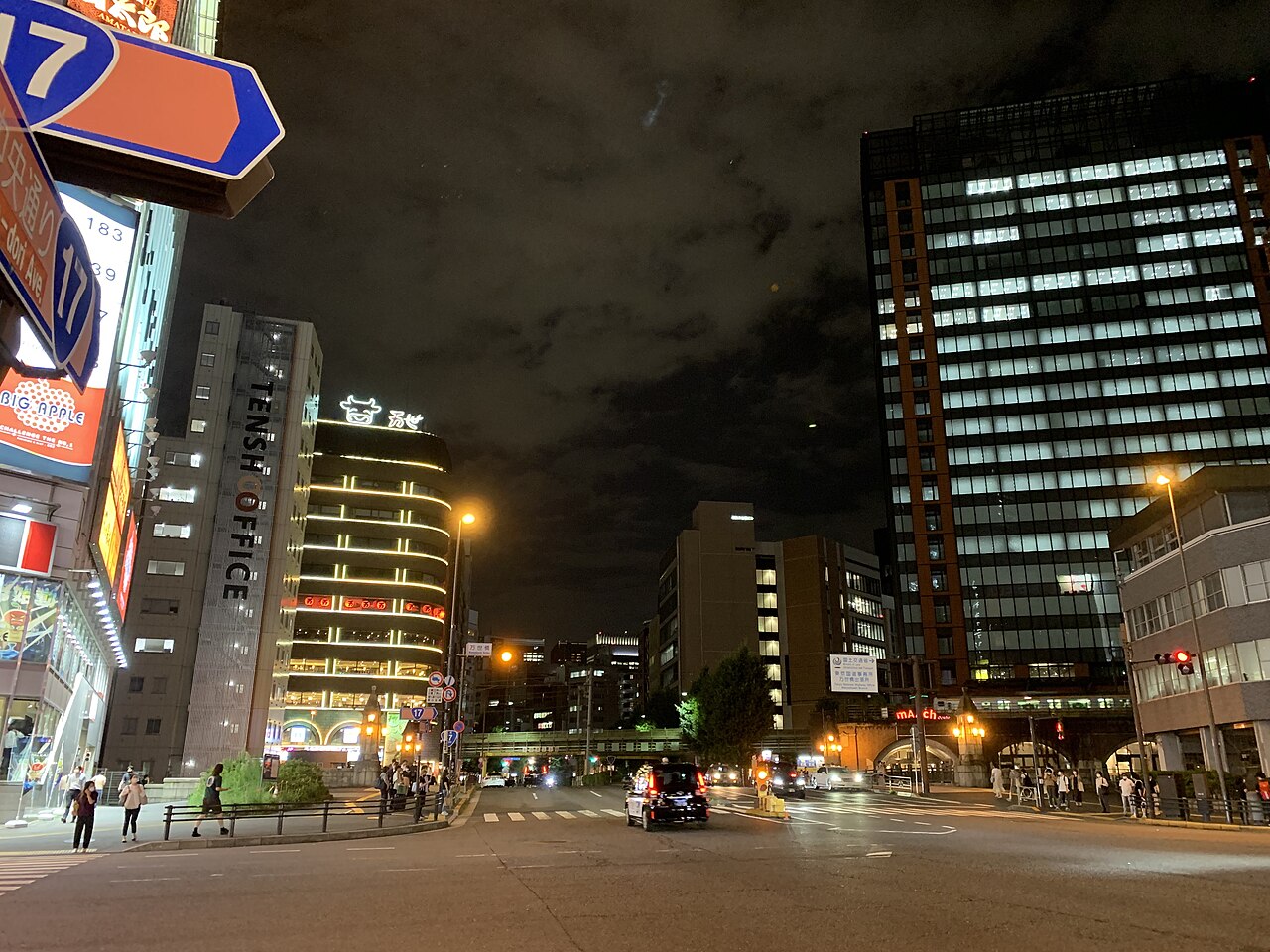
*An ordinary evening in Akihabara in 2022. [Photo credits](#photo-credits)*
In Akihabara (秋葉原), [Little Star Rabbit (リトルスターラビット)](https://toygroup.jp/news_detail?news=n208&store=littlestarrabbit) and [Starlight Novel (スターライトノベル)](https://toygroup.jp/news_detail?news=n188&store=starlightnovel) have special menus and other offers **from October 29 to November 1**. Arriving in costume gives you half off the initial cover charge, available once per day.
The regular price is [¥1,100 including tax for the first 60 minutes, plus one drink](https://littlestarrabbit.com/system). Your stay then extends automatically in 30-minute blocks at ¥550 each, and you must order additional drinks. The costume offer reduces the first cover charge to ¥550, but drinks still cost extra. Ask when your first 60 minutes will end and decide whether to extend your stay to keep track of the cost. [The other venue's pricing](https://starlightnovel.com/system) follows the same structure.
Both official menus list a range of soft drinks at 700★, with 1★ equal to ¥1. However, whether these drink prices include tax has not been confirmed. Even with the costume offer, ask for the amount payable including drinks before entering. [Little Star Rabbit's menu](https://littlestarrabbit.com/menu) · [Starlight Novel's menu](https://starlightnovel.com/menu)
No changing room is listed, so contact the venue before your visit if you want to change there. Both venues **prohibit photos, video and audio recordings of their cast members**. [Little Star Rabbit's restrictions](https://littlestarrabbit.com/notes) · [Starlight Novel's restrictions](https://starlightnovel.com/notes). Do not photograph other customers or post them on social media without permission, and follow the venue's instructions.
## Join a costume event in Ikebukuro
*The entrance to Sunshine City in 2016. [Photo credits](#photo-credits)*
### Daytime dates and participation tickets
The daytime Ikebukuro Halloween Cosplay Festival, also known as Ikehalo (池ハロ), runs [from 10:00 to 18:00 on October 31 and November 1](https://ikebukurocosplay.jp/about/). [The parade is scheduled to start at 14:20 on October 31](https://ikebukurocosplay.jp/event/cosplayparade/parade/), proceeding from Sunshine 60 Street (サンシャイン60通り) to the front of Tokyo Tatemono Brillia HALL (東京建物Brillia HALL). Instructions for joining the parade will be announced later.
To participate in costume, buy a cosplay registration ticket. Some areas are reserved for registered participants. [Participation rules](https://ikebukurocosplay.jp/rule/)
| Daytime ticket | Advance / on the day | Check-in opens |
|---|---:|---|
| General cosplay participation | [¥2,980 / ¥3,480](https://ikebukurocosplay.jp/ticket/) | 11:00 |
| Premium | [¥3,980 / ¥4,480](https://ikebukurocosplay.jp/ticket/) | 08:45 |
| Elementary school cosplay participation | [¥500, cash on the day](https://ikebukurocosplay.jp/ticket/) | Check the children's participation guide |
Prices cover one day, and purchase fees are extra. Preschool children and elementary school children living in Toshima Ward (豊島区) participate free; the latter need documentation showing their address.
Elementary school children and younger children must be accompanied by a parent or guardian. If only the child wears a costume, the accompanying adult needs a paid photographer registration ticket. If the adult also wears a costume, they need a cosplay registration ticket. [Ticket types and children's prices](https://ikebukurocosplay.jp/ticket/) · [Registration requirements for accompanying adults](https://ikebukurocosplay.jp/rule/)
### Ticket and changing-room sex categories
Ikehalo's organizer requires cosplay participants to **buy tickets and use changing rooms according to the sex recorded in their family register**. The category is not based on the gender of the character you are portraying. This is an Ikehalo participation policy. If you are unsure which ticket to buy or which changing room you can use, contact the organizer before purchasing. [Participation rules under participation and costumes, changing and props](https://ikebukurocosplay.jp/rule/)
Preschool children may use the changing room corresponding to their parent or guardian's sex. However, the organizer may refuse a child's entry to a changing room for the opposite sex at its discretion. [Children's changing-room conditions](https://ikebukurocosplay.jp/rule/)
### Buy your ticket and change at the venue
If buying from outside Japan, follow the international sales link on the [official English page](https://ikebukurocosplay.jp/en/). Its conditions differ from registration for domestic ticketing services, so check payment and ticket collection or delivery methods on the linked page.
1. Choose your participation date and buy a cosplay registration ticket.
2. Arrive in ordinary clothes at the regular check-in area on the 4th floor of the World Import Mart Building (ワールドインポートマートビル) in Sunshine City (サンシャインシティ).
3. After checking in, cosplay participants change in the official changing rooms.
4. Enjoy the stages and activities while following the venue's rules.
5. Return to the changing room and put your ordinary clothes back on before leaving.
Check-in locations are listed in [this year's event overview](https://ikebukurocosplay.jp/about/), and costume and changing requirements are in the [participation rules](https://ikebukurocosplay.jp/rule/).
You cannot change into costume at an ordinary hotel or at home and then arrive in costume. Exceptions apply to designated hotel packages and other specified arrangements. [Costume participation and changing rules](https://ikebukurocosplay.jp/rule/)
The complex entrance is [about an eight-minute walk from Ikebukuro Station Exit 35, or about three minutes through the underground passage from Higashi-ikebukuro Station (東池袋駅) Exits 6 and 7](https://sunshinecity.jp/information/access_train.html). Allow additional time to reach check-in inside the building and wait in line.
### Photography restrictions at Ikehalo
Ikehalo **prohibits photographing people without their consent and publishing photos or videos without consent**. Photography is restricted to designated areas. It is also prohibited in changing rooms, toilets and their entrances, while walking, and from excessively low angles. Be careful about including passersby in the frame and obstructing their path. [The organizer's photography rules](https://ikebukurocosplay.jp/rule/)
If you come to photograph or interact with cosplay participants, registration is required even when using a smartphone. People without costumes need a photographer registration ticket; those wearing costumes need a cosplay registration ticket. Having a ticket does not permit photography without consent. [Activities that require registration](https://ikebukurocosplay.jp/rule/)
### Ikehalo Night is for ages 18 and older
[Ikehalo Night](https://ikebukurocosplay.jp/ikehalo-night/), **from 16:30 to 22:30 on October 30**, is open to people aged 18 and older, excluding high school students. ID is required. Tickets cost ¥3,480 in advance or ¥3,980 on the day. You must finish changing and leave by 22:30. Check the [night ticket prices, ID requirements and finishing time](https://ikebukurocosplay.jp/ticket/cosplay-ikehalo-night/) before buying.
The same [photography restrictions](#photography-restrictions-at-ikehalo) and the organizer's [ticket and changing-room sex categories](#ticket-and-changing-room-sex-categories) apply at night.
## Join a family candy trail
### Kichijoji, Omotesando, Futako-tamagawa and Tama Center
Participation passes and candy supplies are limited. If you are visiting during a trip, check how to receive your pass as well as where to meet on the day.
| Area | 2026 dates | What to check before joining |
|---|---|---|
| [Kichijoji](https://kichijoji-halloween.net/) | October 23–25 | Children from age 0 through elementary school, with a parent or guardian. Paid-entry passes are mailed within Japan; this year's price is unconfirmed |
| [Harajuku and Omotesando (原宿・表参道)](https://halloween.omotesando.or.jp/post-2611/) | October 25 | Date announced; awaiting 2026 age limits, prices and registration details |
| [Futako-tamagawa (二子玉川)](https://www.takashimaya.co.jp/tamagawa/sc/event/?id=7189) | October 24–25, 10:00–17:00 | Family trails, crafts and a kids' disco. Check later announcements for individual prices and registration |
| [Tama Center (多摩センター)](https://halloweentama.myportfolio.com/) | October 24–25 | Halloween activities around town. Check the organizer's site for each activity's times, prices and current registration availability |
At Kichijoji, each child who wants to collect candy needs one pass; accompanying adults do not need one. [Paid-entry passes are mailed, while free lottery-entry passes are collected on site](https://kichijoji-halloween.net/tot/). Travelers applying for paid entry without a Japanese address should ask their accommodation whether it can receive the pass before purchasing. The trail runs in the rain, but individual food allergies cannot be accommodated. [Organizer's FAQ](https://kichijoji-halloween.net/faq/)
### Compare registration conditions in Kamata, Toyosu and Machida
| Area | 2026 dates | Prices and registration |
|---|---|---|
| [Kamata west exit (蒲田西口)](https://www.atpress.ne.jp/news/631504) | October 24–25 | Free participation. The October 24 puzzle activity for junior high school students and younger children is limited to the first 800 participants; the October 25 costume contest to the first 150. Both require advance registration |
| [Toyosu (豊洲)](https://www.toyosu.or.jp/archives/3305) | October 24 | Up to the third year of junior high school. Apply in advance; a lottery applies if oversubscribed. Successful applicants need a receipt for at least ¥500 from a participating shop |
| [Machida](https://machida-flat.com/pages/machida-halloween-walk-2026) | October 31, 11:00–15:00 | Children's tickets are ¥300; accompanying adults need no ticket. Choose a starting slot when applying online |
For Toyosu, **apply separately for each child by September 26**. Successful applicants are due to be notified by October 9. Check-in on the day is from 10:30 to 12:00 at Toyosu Ciel Court Square (豊洲シエルコート広場). Write the child's name on the receipt and bring it with you. There will be no costume contest or stage program in 2026. [Application details provided by the organizer](https://docs.google.com/forms/d/e/1FAIpQLScfsXO-ThYvL3rueMj-AnaevcmbYUDrg1xJg6ugN0RXxVRqsA/viewform)
### Short neighborhood outings
The [Senzoku (洗足) Halloween festival is on October 10](https://senzoku-st.com/), with free participation for junior high school students and younger children. The first 250 participants to answer every quiz question correctly receive candy and other items. [Komaba (駒場) holds its trail on October 24](https://www.city.meguro.tokyo.jp/sangyoukeizai/event/syoutengaiautumnevent.html), also for junior high school students and younger children. Each child needs a shopping-street receipt totaling at least ¥1,000 including tax. This is a purchase requirement, not a participation fee.
[Shikinokaori Rose Garden (四季の香ローズガーデン)](https://www.shikinokaori-rose-garden.com/event/10899/) in Nerima (練馬) has a ghost hunt for elementary school children and younger children on October 24 and 25, from 14:00 to 15:00. [Garden admission is free](https://www.shikinokaori-rose-garden.com/), and the activity is limited to the first 150 participants each day. Some craft activities cost extra.
[Tokyo Hyakkiyako (東京百鬼夜行) in Koenji (高円寺) is on October 24](https://koenjifes.jp/2026/hyakkiyako/). Joining the 14:30 yokai parade in costume requires advance registration and costs ¥3,000 for adults or ¥1,000 for elementary school children and younger children.
### Photographing children and keeping candy trails clear
Ask both the child and their parent or guardian before photographing other children or posting them on social media. Even when photographing your own family, be considerate of other children appearing in the background. Keep the entrances and queues at candy-giving shops clear, and follow each organizer's photography rules.
## Choose indoor attractions, amusement parks or horror
For photography and recording inside attractions, check the restrictions for each show, exhibit or ride and follow staff guidance. Get permission before photographing other visitors or posting them on social media, and keep entrances and passageways clear.
### Asakusa Hanayashiki and Toshimaen
[Asakusa Kaien Yako (浅草怪宴夜行) at Hanayashiki (花やしき)](https://www.hanayashiki.jp/news/archives/20260908/) is a horror event that takes you through the amusement park after regular closing time. It runs on **20 selected dates from October 4 to 30**, with doors opening at 18:30, a start time of 18:50 and a scheduled finish of 21:00. There is no performance on October 31. Advance tickets are ¥4,800 at the regular rate or ¥4,000 with the student discount; participants must be elementary school age or older. Dark spaces, loud sounds and other intense effects make another option more suitable for children who dislike frightening experiences. A separate ticket from daytime admission is required.
[Warner Bros. Studio Tour Tokyo](https://www.wbstudiotour.jp/dark-arts/) in Toshimaen (豊島園) holds its Dark Arts Halloween event from September 10 to November 8. [Timed-entry tickets](https://www.wbstudiotour.jp/ticket-information/price/) cost ¥6,300–¥7,300 for ages 18 and older, ¥5,200–¥6,000 for ages 12–17, and ¥3,800–¥4,400 for ages 4–11.
The separately sold [night tour](https://www.wbstudiotour.jp/night-tour/) runs on selected dates from September 25 to November 7. It follows a limited route lasting about one hour, in Japanese only. It costs ¥5,500 and differs from the regular full studio visit. Children under 12 need an accompanying adult. Reservations close seven days before participation.
### Puroland has different daytime and nighttime age limits
*The exterior of Sanrio Puroland in 2021. [Photo credits](#photo-credits)*
[Sanrio Puroland's Halloween event](https://www.puroland.jp/event-campaign/2026_halloween/) in Tama Center runs from September 11 to November 3 at the indoor park. **You need both an admission passport and a visit reservation.** The [official e-passport](https://www.puroland.jp/passport/e-passport/), purchased after registering with Sanrio+, includes the reservation. Display the ticket on your smartphone at entry.
On October 31, a one-day ticket at the gate costs ¥5,600 for adults or ¥4,500 for children and seniors. The child category covers ages 3–17 and high school students. Official e-passports are ¥100 cheaper in each category. Prices vary by date, so compare the [prices for the day you want to visit](https://www.puroland.jp/passport/).
On applicable weekends and public holidays, the boat ride switches to its horror version after 16:00 once preparations are complete. **The horror version is for junior high school students and older visitors**, and the regular version stops operating during that period. If riding with elementary school children or younger children, use the regular version before the changeover. [Event age limits and operating conditions](https://www.puroland.jp/event-campaign/2026_halloween/)
[SPOOKY PUMPKIN on the night of October 31](https://www.puroland.jp/event-campaign/spookypumpkin2026/) is a music event for **ages 20 and older**. Doors open at 21:30, performances start at 22:00, and the event ends at 05:00 the next morning. Advance tickets are ¥13,800, with general sales starting at 10:00 on October 3. This is separate from daytime admission. You need an original photo ID, and re-entry is not allowed. Food and drink purchases are cash only.
[The current presale](https://l-tike.com/concert/mevent/?mid=380770) is for members with verified phone numbers, and verification requires [a Japanese mobile number and an incoming voice call](https://faq.l-tike.com/--672b342751162fc63945f838). Check the application and ticket-issuance conditions for the October 3 general sale once published. If buying from outside Japan, confirm that a sales method is available to you before arranging transport or accommodation after the event.
### Tokyo Tower and planetariums
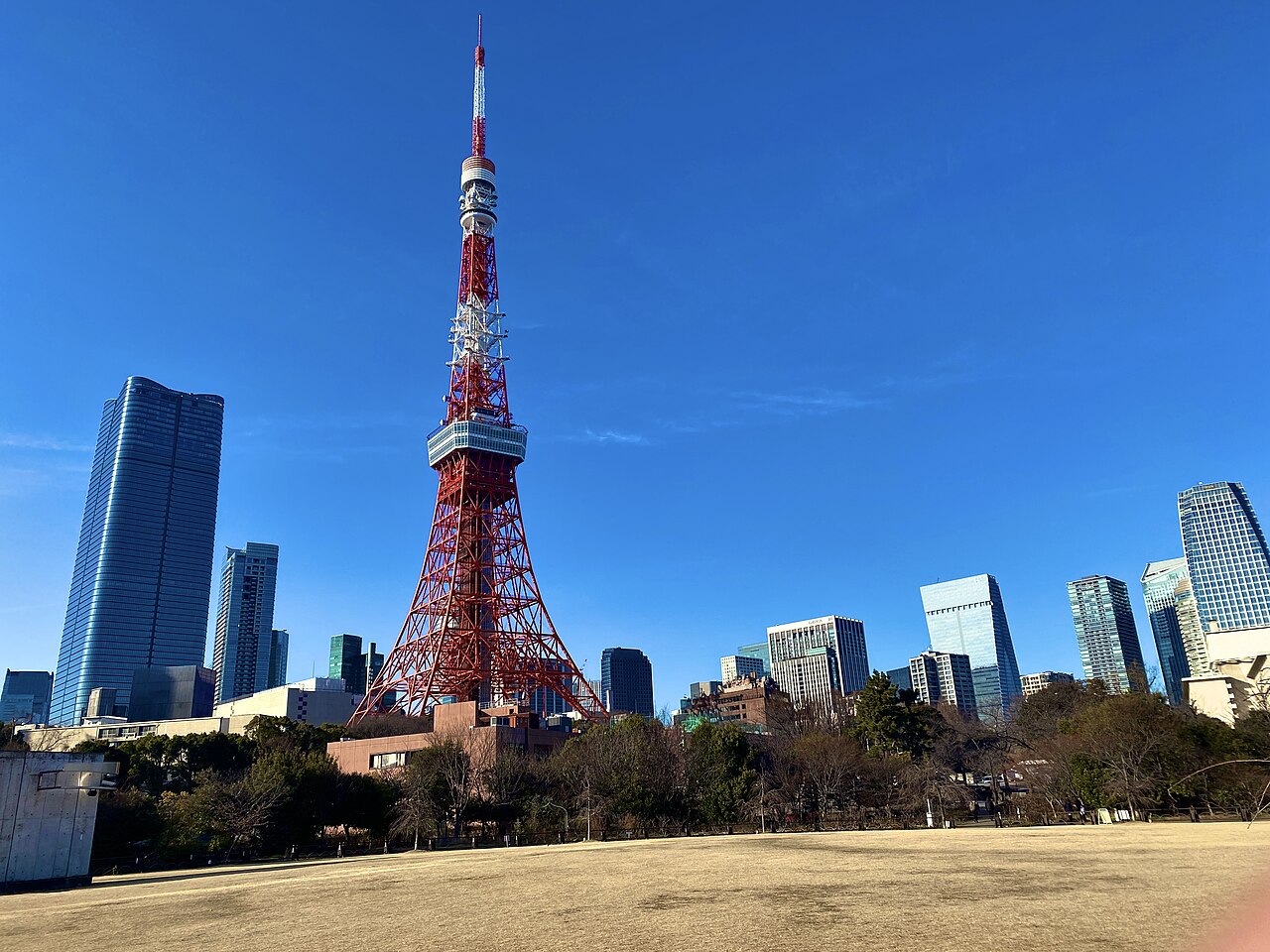
*An ordinary view of Tokyo Tower in 2024. [Photo credits](#photo-credits)*
[Tokyo Tower's Halloween projections](https://www.tokyotower.co.jp/event/halloween2026/) run from September 11 to October 31, with images projected onto the Main Deck windows. There is no additional event charge; the [¥1,500 adult Main Deck admission](https://www.tokyotower.co.jp/fee/) covers it. From October 3, the projections run from 17:30 to 22:50, with last entry to the observation deck at 22:30.
Planetaria TOKYO in Yurakucho (有楽町) and Tenku (天空) in Oshiage (押上) show the [Halloween Welcome Dome video](https://planetarium.konicaminolta.jp/event/halloween/) from September 17 to October 31. It plays before selected main programs and requires a regular admission ticket. Age restrictions vary by program; [healing programs are for elementary school age and older](https://planetarium.konicaminolta.jp/planetariatokyo/charge/).
**Photography during the main planetarium program is prohibited.** Follow the [official photography guidance](https://planetarium.konicaminolta.jp/event/halloween/) and distinguish between the video before the program and the main feature.
### Attractions for playing together as a family
| Attraction | 2026 dates | Conditions to consider |
|---|---|---|
| [Yomiuriland (よみうりランド)](https://www.yomiuriland.com/event/halloween2026/) | September 26–November 1 | Discounted costume One-Day Passes for weekends and public holidays cost ¥4,900 for adults or ¥3,100 for elementary school children through the official CLUB. The discount applies to the person wearing the costume |
| [LEGOLAND Tokyo](https://www.legolanddiscoverycenter.com/tokyo/what-s-inside/events/halloween/) | September 18–October 31 | A timed-entry indoor attraction. [Adults normally cannot enter without an accompanying child](https://www.legolanddiscoverycenter.com/tokyo/en/tickets-passes/) |
| [Little Planet](https://www.litpla.com/news/press/halloween2026-info/) | September 17–November 1 | Seasonal digital play in Aomi (青海), Kitasuna (北砂) and Tachikawa Tachihi (立川立飛). Check prices and accompanying-adult requirements for each location and ticket type |
Nail art or small accessories alone do not qualify for Yomiuriland's costume discount. Changing in toilets is prohibited, and costumes and props are subject to restrictions. Check the [costume conditions](https://www.yomiuriland.com/event/halloween2026/) before preparing. For LEGOLAND, choose your preferred date when purchasing a [timed-entry ticket](https://www.legolanddiscoverycenter.com/tokyo/en/tickets-passes/).
## Enjoy Halloween over a meal
If you would rather spend time over a meal than dress up or walk around town, October afternoon teas are another option. Service charges are handled differently at each venue, so check whether the advertised price is the final total before comparing.
| Place | 2026 dates | Sample plan price |
|---|---|---|
| [Shibuya STREAM](https://www.tokyuhotels.co.jp/shibuyastream/restaurant/dining/plan/145725/index.html) | October 1–31 | ¥6,000 on weekdays / ¥6,500 on weekends and public holidays, including tax and service charge |
| [Shinjuku Prince Hotel](https://www.princehotels.co.jp/shinjuku/plan/contents/iruma/) | September 1–October 31 | Regular rate: ¥7,345 on weekdays / ¥7,910 on weekends and public holidays, including tax and service charge; calculated totals |
| [Hotel Chinzanso Tokyo (椿山荘)](https://prtimes.jp/main/html/rd/p/000001165.000001368.html) | October 1–31 | ¥8,970 when booked online / ¥10,120 by phone, including tax and service charge; calculated totals |
These totals add a [13% service charge at Shinjuku Prince Hotel](https://www.princehotels.co.jp/shinjuku/plan/contents/iruma/) and a [15% service charge at Chinzanso](https://prtimes.jp/main/html/rd/p/000001165.000001368.html) to the advertised tax-inclusive prices.
[Grand Hyatt's Halloween afternoon tea](https://www.tokyo.grand.hyatt.co.jp/en/restaurants/recommended/fiorentina/afternoon-tea) in Roppongi costs ¥6,600 including tax, with a service charge added separately. This is an October offer, but the announcement lists both October 30 and 31 as the end date. For a visit at the end of the month, check availability for your chosen date in the booking system. [JW Marriott](https://prtimes.jp/main/html/rd/p/000002839.000011305.html) in Takanawa (高輪) has an October 1–31 plan for ¥8,500 including tax and service charge.
Families can also compare the [Royal Park Hotel dinner buffet](https://www.rph.co.jp/restaurants/plan/vuqamouki1) in Nihonbashi (日本橋). It runs on Fridays, Saturdays, Sundays and public holidays from October 2 to 31, at ¥8,500 for adults and ¥4,500 for ages 4–12, including tax and service charge. **Book a Friday visit in advance by calling the hotel or using its official site, and request the offer: one child aged 4–12 in costume eats free per adult.** It cannot be combined with other offers. Face-covering costumes and certain other outfits are prohibited, and there are no changing facilities.
Check whether photography is allowed inside the restaurant. Get permission before photographing other guests or staff, and before posting them on social media. When photographing food, avoid including other people in the frame and keep buffet queues and passageways clear.
## Disney is a nearby option in Chiba
*The exterior of Tokyo Disneyland in 2006. [Photo credits](#photo-credits)*
At Tokyo Disney Resort in Urayasu (浦安市), Chiba Prefecture (千葉県), the Halloween event runs from September 16 to October 31, but **junior high school students and older visitors may wear full costumes only from September 15 to 30 and October 16 to 31**. October 1–15 is outside these costume periods. [2026 costume dates](https://www.tokyodisneyresort.jp/dream/event/costumes2026.html) · [Park admission rules by age category](https://www.tokyodisneyresort.jp/topics/info/increased_security.html)
[An adult 1-Day Passport for October 31 costs ¥12,400 at either park, for ages 18 and older](https://www.tokyodisneyresort.jp/ticket/index/202610/). To find your family's total, including children's tickets, select the park, date and age categories on the official website.
You cannot change clothes inside the parks. Get ready at your accommodation or use a changing room outside the parks that requires a reservation. Long hems, face-covering outfits and other costume details are subject to conditions, so check both your costume and changing arrangements in the [costume guide](https://www.tokyodisneyresort.jp/dream/event/costumes2026.html).
The organizer asks visitors to obtain permission before photographing other guests and to be considerate of people appearing in the background. **Costume, makeup and prop rules still apply while taking photos.** Avoid obstructing passageways or occupying spaces, and follow the [official photography and costume etiquette](https://www.tokyodisneyresort.jp/dream/event/costumes2026.html). For social media posts, also get the person's permission as part of this guide's [shared photography etiquette](#photography-etiquette-for-every-area-and-venue).
## Plan your budget and journey home
### Add train fares and food to the participation fee
These examples assume one adult traveling from Shinjuku, with a participation fee, a return train journey and an illustrative ¥1,500 food allowance. Accommodation, costumes, extra activities and purchase fees are excluded.
| Outing | Participation or admission | Return train fare with an IC card | Total with food allowance |
|---|---:|---:|---:|
| Ikehalo cosplay with a general advance ticket | [¥2,980](https://ikebukurocosplay.jp/ticket/) | [¥398](https://unchinkensaku.jre-maas.com/) | ¥4,878 |
| Official Puro e-passport on October 31 | [¥5,500](https://www.puroland.jp/passport/) | [¥712](https://www.keio.co.jp/global/routes/stations/shinjuku/) | ¥7,712 |
The fares are [¥199 one way with an IC card on JR from Shinjuku to Ikebukuro](https://unchinkensaku.jre-maas.com/), and [¥356 one way with an IC card on Keio from Shinjuku to Keio-tama-center (京王多摩センター)](https://www.keio.co.jp/global/routes/stations/shinjuku/). The calculations use Ikehalo's [registration tickets](https://ikebukurocosplay.jp/ticket/) and Puro's [date-specific prices](https://www.puroland.jp/passport/). If your accommodation is near a different station, substitute the return fare from there.
With an ¥8,000 daily budget, the amount left for accommodation, costumes, fees and other expenses is ¥3,122 for Ikehalo or ¥288 for Puro. Subtract the cost of your booked accommodation from that balance to see what remains for costumes and extra activities.
### Compare costs for two adults and children aged 8 and 5
These examples exclude transport, food, costumes and purchase fees. The Ikehalo example assumes both children wear costumes and includes general advance registration for both parents.
| Option | Admission or registration breakdown | Family total |
|---|---|---:|
| One day of daytime Ikehalo | [Two adults at ¥2,980 each + one elementary school child at ¥500 + one preschool child at ¥0](https://ikebukurocosplay.jp/ticket/) | ¥6,460 |
| Official Puro e-passports on October 31 | [Two adults at ¥5,500 each + two children at ¥4,400 each](https://www.puroland.jp/passport/) | ¥19,800 |
### Changing plans for rain, sold-out tickets or the last train
Outdoor shows and parades may change with the weather, so check that day's updates from the organizer before setting off. If a child is too young for a horror event or you cannot buy an evening ticket, consider a daytime event or an indoor show instead.
If it rains in Ikebukuro on October 31, Manten Planetarium (プラネタリウム満天) is another option. Its [Halloween video runs before selected programs through October 31](https://planetarium.konicaminolta.jp/event/halloween/). With preschool children, you can choose the eligible program [Doraemon: Toki no Himitsu (ドラえもん 時間のひみつ)](https://planetarium.konicaminolta.jp/program/doraemon2026/?hall=manten). Before traveling there, open the [screening schedule and seat availability](https://planetarium.konicaminolta.jp/schedule/manten/); for the family example above, make sure four seats are available before buying. The Halloween video will not run on November 1. At Manten, too, [photography during the main program is prohibited](https://planetarium.konicaminolta.jp/event/halloween/). [Preschool children cannot enter healing programs](https://planetarium.konicaminolta.jp/faq/).
Getting home requires different planning for a 21:00 finish in Roppongi, a 22:30 finish at Ikehalo Night, and a 05:00 finish the next morning at Puro. Look up the full train journey to your accommodation, including transfers, rather than relying on the event's finishing time alone. Allow time to change clothes and walk to the station. The [Tokyo last-train guide](/guides/last-train-tokyo-guide) and [guide to buying tickets in advance](/guides/book-tickets-advance-tokyo) can also help with planning.
## Photo credits
All photos show decorations from previous years or ordinary exterior views, rather than the 2026 events themselves. They use reduced-size versions served by Wikimedia, resized and converted for display on this site.
*Opening photo: Halloween decorations in Tama Center, October 2011. Photo: An azalea, [Halloween in Tama Center 2011 / Wikimedia Commons](https://commons.wikimedia.org/wiki/File:Halloween_in_Tama_Center_2011.jpg), [CC BY-SA 3.0](https://creativecommons.org/licenses/by-sa/3.0/).*
*Sunshine City entrance in Ikebukuro, 2016. Photo: Maplestrip, [Sunshine City Tokyo.jpg / Wikimedia Commons](https://commons.wikimedia.org/wiki/File:Sunshine_City_Tokyo.jpg), [CC BY 3.0](https://creativecommons.org/licenses/by/3.0/).*
*Near the main entrance and World Bazaar at Tokyo Disneyland, 2006. Photo: ARICA, [Tokyo Disneyland Main Entrance.jpg / Wikimedia Commons](https://commons.wikimedia.org/wiki/File:Tokyo_Disneyland_Main_Entrance.jpg), [CC BY-SA 3.0](https://creativecommons.org/licenses/by-sa/3.0/).*
*Sanrio Puroland entrance and exterior, 2021. Photo: 経済特区, [サンリオピューロランド(20211010).jpg / Wikimedia Commons](https://commons.wikimedia.org/wiki/File:%E3%82%B5%E3%83%B3%E3%83%AA%E3%82%AA%E3%83%94%E3%83%A5%E3%83%BC%E3%83%AD%E3%83%A9%E3%83%B3%E3%83%89%2820211010%29.jpg), [CC BY-SA 4.0](https://creativecommons.org/licenses/by-sa/4.0/).*
*The scramble crossing outside Shibuya Station, November 2024. Photo: Kakidai, [2024 Shibuya Crossing.jpg / Wikimedia Commons](https://commons.wikimedia.org/wiki/File:2024_Shibuya_Crossing.jpg), [CC BY-SA 4.0](https://creativecommons.org/licenses/by-sa/4.0/).*
*Roppongi Avenue seen from Roppongi Hills Mori Tower, 2023. Photo: Syced, [Roppongi Avenue seen from Roppongi Hills Mori Tower.jpg / Wikimedia Commons](https://commons.wikimedia.org/wiki/File:Roppongi_Avenue_seen_from_Roppongi_Hills_Mori_Tower.jpg), [CC0 1.0](https://creativecommons.org/publicdomain/zero/1.0/).*
*Night view near Manseibashi intersection (万世橋交差点) in Akihabara, 2022. Photo: inunami, [Akihabara 20220708200241 (52267389593).jpg / Wikimedia Commons](https://commons.wikimedia.org/wiki/File:Akihabara_20220708200241_%2852267389593%29.jpg), [CC BY 2.0](https://creativecommons.org/licenses/by/2.0/).*
*Tokyo Tower viewed from Shiba Park (芝公園), 2024. Photo: Qian2007, [Tokyo Tower 2024.jpg / Wikimedia Commons](https://commons.wikimedia.org/wiki/File:Tokyo_Tower_2024.jpg), [CC BY-SA 4.0](https://creativecommons.org/licenses/by-sa/4.0/).*
---
# Japan Health Insurance & Pension for Foreigners — Premiums, Coverage & Lump-Sum Withdrawal
> Shakai Hoken vs. National Health Insurance, monthly premium estimates, how to claim lump-sum withdrawal when leaving, and the 2027 visa renewal change.
- **URL**: https://tokyo.how/guides/health-insurance-pension-japan
- **Category**: Admin
- **Audience**: resident
- **Published**: 2026-02-17
- **Updated**: 2026-02-17
- **Tags**: health insurance, pension, national health insurance, social insurance, foreigners, visa
---
## Two Tracks: Company Employee vs. Everyone Else
Japan's health insurance and pension system splits into two tracks based on your employment status. You don't choose — it's determined automatically.
**Track 1: Shakai Hoken (社会保険) — for company employees**
If you're employed by a company, [health insurance and Employee's Pension are bundled together](https://www.nenkin.go.jp/service/kounen/tekiyo/hihokensha1/gaikokujinkoyou.html). Premiums are deducted from your salary, split 50/50 between you and your employer. Your company handles all the paperwork — you don't need to visit the ward office.
Since October 2024, part-time workers who clock 20+ hours per week and earn ¥88,000+ per month are also covered under Shakai Hoken.
**Track 2: National Health Insurance (国民健康保険) + National Pension (国民年金) — for everyone else**
Freelancers, self-employed, unemployed, students — anyone not enrolled in company insurance must join National Health Insurance (NHI, commonly called "kokuho" 国保) and National Pension through their local ward office. This requires you to go register in person as part of your [ward office moving procedures](/guides/tokyo-ward-office-moving-guide).

Which track you're on isn't a choice — it follows from your employment. If your employer isn't enrolling you in Shakai Hoken despite meeting the requirements, you'll need to register for NHI + National Pension yourself.
---
## Enrolling in National Health Insurance — It's Not Automatic
Unlike Shakai Hoken, NHI doesn't kick in by itself. Registering your address at the ward office does not automatically enroll you in health insurance. You have to file a separate application.
**How to enroll:**
1. Go to the National Health Insurance counter (国民健康保険窓口 / Kokumin Kenko Hoken madoguchi) at your local ward office (区役所 / kuyakusho) or city hall
2. Bring your residence card (在留カード / zairyuu kaado) and passport
3. Fill out the enrollment form (加入届 / kanyuu todoke)
4. Your insurance credential is issued on the spot
The deadline is **14 days from the date you become eligible** — typically 14 days after moving in or leaving a company. If you miss the deadline, you can still enroll, but premiums are charged retroactively from the eligibility date. "I didn't register, so I don't owe anything" is not how it works.
Since December 2024, traditional paper insurance cards (保険証) are no longer issued for new enrollees. Japan has transitioned to using My Number Cards (マイナンバーカード) as proof of insurance. If you don't have a My Number Card, you'll receive a "Qualification Confirmation Document" (資格確認書 / shikaku kakuninsho) instead.
---
## How Much Do Premiums Cost?

### Shakai Hoken (company employees)
Premiums are a percentage of your salary, split evenly with your employer. For the Japan Health Insurance Association (協会けんぽ / Kyokai Kenpo), the health insurance rate is roughly 10% (your share: ~5%). Add Employee's Pension at ~18.3% (your share: ~9.15%).
For an employee earning ¥300,000/month, total deductions for social insurance come to roughly ¥43,000.
### National Health Insurance (NHI)
NHI premiums vary by municipality but generally combine two components: an "income-based portion" (所得割 / shotokuwari) calculated from your previous year's income, and a "per-capita portion" (均等割 / kintouwari) — a flat amount per insured person.
The [calculation method is detailed on the Ministry of Health, Labour and Welfare website](https://www.mhlw.go.jp/stf/newpage_21517.html).
**The year-two shock:** In your first year in Japan, you likely had zero Japanese income the previous year, so your premiums are low — often just the per-capita portion. In year two, premiums jump because they're now based on your first year's actual earnings. This surprises many foreigners.
If your income is low, the per-capita portion can be reduced by 70%, 50%, or 20% through an automatic discount system.
### Premium Simulation by Annual Income (NHI + National Pension)
To give you a concrete idea, here's a rough estimate for a single person under 40 living in Shinjuku ward. National Pension is a flat ¥17,510/month nationwide (FY2025). NHI figures are approximate, based on [Shinjuku ward's premium rates (FY2024)](https://www.city.shinjuku.lg.jp/kenkou/file15_01_00006.html).
| Annual income (salary) | NHI (annual, approx.) | National Pension (annual) | Total (monthly equiv.) |
|------------------------|----------------------|--------------------------|----------------------|
| ¥2,000,000 | ~¥90,000 | ¥210,120 | ~¥25,000/month |
| ¥3,000,000 | ~¥170,000 | ¥210,120 | ~¥32,000/month |
| ¥4,000,000 | ~¥270,000 | ¥210,120 | ~¥40,000/month |
| ¥5,000,000 | ~¥370,000 | ¥210,120 | ~¥48,000/month |
NHI premiums shown are the income-based portion plus per-capita portion. Long-term care insurance (for ages 40+) is not included. Having dependents increases the per-capita portion. Rates differ by municipality, so check your ward's website for exact figures.
For Shakai Hoken (company employees), your out-of-pocket amount is roughly 60–70% of the figures above — the employer covers the rest.
### National Pension
National Pension premiums are the same nationwide: [¥17,510 per month for FY2025](https://www.nenkin.go.jp/international/japanese-system/nationalpension/nationalpension.html). This is a flat rate regardless of income. If you can't afford it, [exemption and deferral programs](https://www.nenkin.go.jp/service/kokunen/menjo/20150428.html) are available — full exemption, 3/4 exemption, half exemption, 1/4 exemption, and payment deferral. There's also a special provision for students.
---
## Your Pension Isn't Wasted
"Why pay into a pension I'll never collect?" — this is a common reaction among foreigners. But Japan's pension system has provisions specifically for people who leave.
### Lump-Sum Withdrawal Payment (脱退一時金)
After leaving Japan, you can [claim back a portion of your pension contributions](https://www.nenkin.go.jp/international/japanese-system/withdrawalpayment/payment.html) as a lump-sum payment.
**Eligibility requirements:**
- At least 6 months of pension enrollment
- No longer residing in Japan (you've left the country)
- Not eligible for a pension (less than 10 years of enrollment)
- **Apply within 2 years of departure**
**Calculation cap:** Currently, the maximum calculation is based on 60 months (5 years) of contributions. Even if you paid for 6 or more years, only 5 years are counted. A 2025 legal amendment will raise this cap to 8 years (96 months), with implementation expected within 4 years of the law's promulgation.
### Lump-Sum Withdrawal Payment Simulation
For National Pension contributors, the lump-sum withdrawal is a fixed amount based on the number of months enrolled (approximate figures based on [FY2025 calculation standards](https://www.nenkin.go.jp/international/japanese-system/withdrawalpayment/payment.html)).
| Enrollment period | Payout (approx.) |
|-------------------|-----------------|
| 6–11 months | ~¥50,000 |
| 12–17 months | ~¥100,000 |
| 24–29 months | ~¥200,000 |
| 36–41 months | ~¥300,000 |
| 60 months (current cap) | ~¥500,000 |
For Employee's Pension (Shakai Hoken) contributors, the amount depends on your salary and months enrolled, so it varies widely. As a rough guide, someone earning ¥300,000/month who was enrolled for 3 years can expect approximately ¥500,000–¥600,000.
**The trade-off:** Claiming the lump-sum withdrawal permanently erases your pension record for that period. If your home country has a social security agreement with Japan, this means you lose the ability to combine enrollment periods between countries — which could affect pension eligibility in your home country.
### Social Security Agreements (社会保障協定)
[Japan has social security agreements with 23 countries](https://www.nenkin.go.jp/service/shaho-kyotei/shaho.html), including Germany, the United States, France, Canada, Australia, South Korea, China, and Italy.
These agreements serve two purposes:
1. **Preventing dual enrollment:** If you're posted to Japan for 5 years or less, you can remain enrolled only in your home country's pension system
2. **Combining enrollment periods:** Pension enrollment periods in both countries can be added together to meet eligibility requirements
However, agreements with the UK, South Korea, China, and Italy only cover dual-enrollment prevention — they do not allow combining periods. Check [the Ministry of Health, Labour and Welfare page](https://www.mhlw.go.jp/stf/seisakunitsuite/bunya/nenkin/nenkin/shakaihoshou.html) to see if your country is included.
---
## June 2027: Unpaid Premiums Will Block Visa Renewal
Starting June 2027, foreigners who fail to pay National Health Insurance or National Pension premiums — and ignore official demands for payment — will generally be denied visa renewals and status changes. If you're navigating [Japan's employment system](/guides/japan-employment-system), understanding this change is particularly important. During FY2026, system upgrades will link municipal premium payment records to the Immigration Services Agency database.
Until now, unpaid premiums didn't directly affect standard visa renewals (permanent residence applications were already subject to this check, but regular status renewals were not). After the change, payment status will be verified for all visa renewals and status changes.
**What to do if you can't pay:**
The issue isn't falling behind on payments — it's ignoring collection notices. If your income is low and you genuinely can't afford premiums, don't ignore the problem. Take action:
- **National Pension:** Apply for exemption or deferral (免除申請 / menjo shinsei) at your ward office
- **National Health Insurance:** Visit the ward office counter to discuss installment payments (分割納付 / bunkatsu noufu) or premium reduction (減免 / genmen)
Periods covered by an exemption are not counted as "delinquent." Filing the paperwork versus doing nothing makes a significant difference.
---
## Using Insurance at the Hospital
Japan's health insurance covers 70% of medical costs. If a treatment costs ¥10,000, you pay ¥3,000 at the window. The insurance covers the remaining ¥7,000.
**At the reception desk:**
**Receptionist:** "保険証をお願いします" (Hokenshou o onegai shimasu / "Your insurance card, please")
**You:** Present your My Number Card (or Qualification Confirmation Document)
→ Place card on the reader → Identity verification → Check-in complete
If you visit a hospital without any insurance credential, you'll pay 100% upfront and apply for the 70% reimbursement from your insurer afterwards. For help finding a clinic, see our guide on [how to find a clinic in Tokyo](/guides/how-to-find-clinic-tokyo).
### High-Cost Medical Care System (高額療養費制度)
When monthly medical expenses are high, there's a cap on your out-of-pocket costs. For people under 70 with a standard income, the [monthly cap is approximately ¥80,100](https://www.mhlw.go.jp/content/000333280.pdf). Anything above that is reimbursed later.
If you have a planned hospitalization or surgery, you can obtain a "Limit Application Certificate" (限度額適用認定証 / gendogaku tekiyou ninteishou) from your insurer in advance. This limits your hospital bill to the cap amount at the time of payment, so you don't need to pay more and wait for reimbursement.
---
## When Things Go Wrong
| Situation | What to do |
|-----------|-----------|
| Company won't enroll you in Shakai Hoken | Contact the Pension Office (年金事務所 / nenkin jimusho). If you meet the requirements, they'll instruct your employer to comply |
| Missed the 14-day enrollment deadline | You can still enroll late, but premiums are charged retroactively from the eligibility date |
| Can't afford premiums | Visit the ward office to apply for exemption, reduction, or installment payments. Ignoring it risks visa renewal problems |
| No My Number Card | The ward office can issue a "Qualification Confirmation Document" (資格確認書) |
| Gap between jobs | You need to enroll in NHI within 14 days of your last day at your previous employer |
| Worried about language | The Japan Pension Service offers [pamphlets in 15 languages](https://www.nenkin.go.jp/service/pamphlet/kaigai.html). Some ward offices have multilingual counters |
---
## Alternatives
**Can I just get private health insurance?**
You can purchase private health insurance as supplementary coverage on top of Japan's public system. But private insurance alone does not exempt you from the public insurance obligation. After June 2027, not being enrolled in public insurance could directly impact your visa renewal.
**Can my home country's insurance cover me?**
Most overseas travel insurance or expat insurance from your home country cannot be used directly at Japanese medical facilities. You'd need to pay 100% upfront and file claims after returning home. Regardless, if you're registered as a resident in Japan, the obligation to enroll in NHI remains.
---
## Related Articles
- [Ward Office Procedures After Moving](/guides/tokyo-ward-office-moving-guide) — Where you enroll in National Health Insurance after moving
- [How to Find a Clinic in Tokyo](/guides/how-to-find-clinic-tokyo) — Finding a hospital or clinic and using your insurance card
- [How Payments Work in Japan](/guides/payment-methods) — PayPay, credit cards, Suica, and what to carry
- [How to Find an Apartment in Tokyo](/guides/how-to-find-apartment-tokyo) — Upfront costs and the rental process
- [Daycare and Kindergarten in Tokyo for Foreigners](/guides/daycare-kindergarten-tokyo-foreigner) — If you have young children, medical subsidies and childcare enrollment go hand in hand
---
**References:**
- Japan Pension Service "National Pension System Overview" https://www.nenkin.go.jp/international/japanese-system/nationalpension/nationalpension.html (Accessed: 2026-02-17)
- Japan Pension Service "Lump-sum Withdrawal Payment" https://www.nenkin.go.jp/international/japanese-system/withdrawalpayment/payment.html (Accessed: 2026-02-17)
- Japan Pension Service "Social Security Agreements" https://www.nenkin.go.jp/service/shaho-kyotei/shaho.html (Accessed: 2026-02-17)
- Ministry of Health, Labour and Welfare "National Health Insurance Premium Calculation" https://www.mhlw.go.jp/stf/newpage_21517.html (Accessed: 2026-02-17)
- Ministry of Health, Labour and Welfare "Social Security Agreements for Workers Abroad" https://www.mhlw.go.jp/stf/seisakunitsuite/bunya/nenkin/nenkin/shakaihoshou.html (Accessed: 2026-02-17)
- Ministry of Health, Labour and Welfare "High-Cost Medical Care System" https://www.mhlw.go.jp/content/000333280.pdf (Accessed: 2026-02-17)
- Japan Pension Service "Premium Exemption System" https://www.nenkin.go.jp/service/kokunen/menjo/20150428.html (Accessed: 2026-02-17)
---
# How to Rent an Apartment in Tokyo as a Foreigner [Costs, Guarantor, UR]
> Upfront costs run 4-5 months' rent in Tokyo. Even without a guarantor, a guarantor company gets you a lease. How to find zero-deposit units, UR housing requirements, what to do about 'no foreigners' policies, and the full process from search to move-in in as little as 2 weeks.
- **URL**: https://tokyo.how/guides/how-to-find-apartment-tokyo
- **Category**: Living
- **Audience**: resident
- **Published**: 2026-02-16
- **Updated**: 2026-05-07
- **Tags**: rental, moving, housing, foreigners
---
## The Reality of Apartment Hunting as a Foreigner
A [2016 Ministry of Justice survey](https://www.moj.go.jp/content/001226182.pdf) found that about 40% of foreigners who searched for housing were rejected because of their nationality. On the other hand, the Japan Property Management Association's (JPM) [survey of real estate agents and rental housing management companies](https://www.jpm.jp/foreign/) found that about 92% of licensed agents accept foreign tenants — rising to 94.9% in the greater Tokyo area. However, this figure covers agents (brokers) only — acceptance rates among landlords (property owners) are lower. The gap isn't necessarily hostility; many landlords worry about communication barriers and unfamiliar procedures.
The government has been pushing to close this gap. [MLIT (Ministry of Land, Infrastructure, Transport and Tourism) has published multilingual lease templates and guidelines in 14 languages](https://www.mlit.go.jp/jutakukentiku/house/jutakukentiku_house_tk3_000017.html), and the [Tokyo Metropolitan Government also maintains its own support page](https://www.juutakuseisaku.metro.tokyo.lg.jp/fudosan/torihiki/gaikoku_nyuukyo). In October 2025, the [amended Housing Safety Net Act](https://www.mlit.go.jp/jutakukentiku/house/jutakukentiku_house_tk3_000055.html) took effect, introducing new support systems for foreigners and others who face difficulty finding housing.
Note: The Ministry of Justice survey above is from 2016, and institutional improvements have been made since then.
---
## The Full Timeline
Among people I know, many foreign engineers stayed in a share house or monthly apartment for the first month after arriving in Japan, searched for a place during that time, and moved into their own apartment in the second month. Here's how the process typically unfolds:
**1. Choose your area (1-3 days)**
Narrow down by commute and budget. Central Tokyo (23 wards) or the western suburbs (Tama area)?
**2. Search for listings (3-7 days)**
Browse listing sites, shortlist properties, contact real estate agencies.
**3. View apartments (1-3 days)**
Visit in person. Aim for 3-4 viewings per day.
**4. Apply and wait for screening (3-7 days)**
Submit documents. The guarantor company and landlord review your application.
**5. Sign and move in (1-3 days)**
Receive the mandatory explanation of important matters, sign the lease, get your keys. After moving in, you'll need to register your address, open a bank account, and set up utilities. See [My First Solo Move in Tokyo](/guides/first-time-moving-out-tokyo) for what comes after move-in day.
Total: **2 weeks minimum, 4 weeks with buffer.**
### Your stay length changes the math
| Stay length | Best housing type | Typical upfront cost |
|-------------|------------------|---------------------|
| Under 3 months | Monthly apartment or share house | ¥30,000-150,000 |
| 3 months to 1 year | Standard rental (zero-deposit/key-money) | ¥200,000-300,000 |
| Over 1 year | Standard rental or UR housing | ¥200,000-450,000 |
If you're staying less than six months, a monthly apartment usually costs less overall than paying ¥350,000-450,000 in upfront fees for a standard lease. For stays over six months, a regular rental becomes the better deal.
### Peak Moving Season
Tokyo's rental market has a sharp seasonal rhythm. **January through March** is the busiest period — Japan's fiscal and academic year starts in April, so university admissions, new hires, and corporate transfers all trigger a wave of moves at the same time. Good apartments disappear fast during these months. You view a place on Saturday, and by Monday morning someone else has already signed the lease.
**April through August** is calmer. Fewer new listings, but also fewer competitors — you can take your time. **September and October** see a smaller spike from mid-year corporate transfers.
If you have flexibility on timing, avoiding the January-March rush gives you more breathing room and potentially more negotiating power on rent and fees.
---
## Choosing an Area

Tokyo is split into two main zones: the **23 Special Wards (23区)** and the **Tama Area (多摩地域, 26 cities)**. Where you live determines your rent, commute, and daily quality of life.
### The 23 Special Wards
Great transit access, but rent is higher. According to [SUUMO's rent data](https://suumo.jp/chintai/soba/tokyo/), studios (1K/1DK) average ¥70,000-120,000/month (1R units can be lower), with significant variation by ward. Several wards have established foreign communities and multilingual city services.
> See [What Are Tokyo's 23 Wards?](/guides/tokyo-special-wards-guide) for a breakdown by area
### The Tama Area
Lower rent and more space for the same budget. [The same SUUMO data](https://suumo.jp/chintai/soba/tokyo/) shows studios averaging ¥50,000-70,000/month in most cities. More parks, more greenery, popular with families.
> See [What Are Tokyo's Cities?](/guides/tokyo-tama-cities-guide) for a route-by-route breakdown
**How to decide:**
If your workplace is set, use [Yahoo! Transit](https://transit.yahoo.co.jp/) or Google Maps to check door-to-door commute times. "Inside the 23 wards" doesn't automatically mean convenient. For example, [Kichijoji (Musashino City, outside the 23 wards) is about 15 minutes from Shinjuku by JR Chuo Line Rapid](https://transit.yahoo.co.jp/search/result?from=%E5%90%89%E7%A5%A5%E5%AF%BA&to=%E6%96%B0%E5%AE%BF&type=1&ticket=ic), while [Oizumi-Gakuen (Nerima Ward, inside the 23 wards) takes roughly 30-40 minutes to reach Shinjuku with a transfer](https://transit.yahoo.co.jp/search/result?from=%E5%A4%A7%E6%B3%89%E5%AD%A6%E5%9C%92&to=%E6%96%B0%E5%AE%BF&type=1&ticket=ic).
A safe budget rule: **keep rent under one-third of your take-home pay** (see also [UR's guide on rent budgeting](https://www.ur-net.go.jp/chintai/college/202402/000732.html)). If you earn ¥250,000/month after tax, aim for around ¥80,000 in rent. At that budget, checking the SUUMO rent data above, eastern wards like Arakawa, Katsushika, and Adachi, or the Chuo Line corridor in Tama, become realistic options. If you don't have a credit card in Japan yet, [Credit Cards for Foreigners in Japan](/guides/credit-card-japan-foreigners) explains how the screening process works.
---
## Upfront Costs (Budget 4-5 Months' Rent)
The biggest surprise for newcomers: you pay a lot before you ever sleep in the apartment. Here's a breakdown for a ¥80,000/month property:
| Item | Japanese term | Amount | What it is |
|------|--------------|--------|------------|
| Deposit | 敷金 (shikikin) | ¥0-160,000 | Partially refunded at move-out, minus repair costs. [Over 60% of units under ¥100,000/month in the Tokyo metro area now have zero deposit](https://lifull.com/news/45530/) |
| Key money | 礼金 (reikin) | ¥0-80,000 | A "gift" to the landlord. Non-refundable. Zero-reikin listings are increasing |
| Agency fee | 仲介手数料 (chukai tesuryo) | ¥88,000 | [Legal cap: 1 month's rent + tax](https://www.mlit.go.jp/totikensangyo/const/1_6_bf_000013.html) (combined landlord + tenant). Tenants are technically liable for only 0.5 months + tax, but most sign a consent form for 1 month |
| Advance rent | 前家賃 (mae yachin) | ¥80,000-160,000 | Prorated first month + next full month, paid upfront |
| Guarantor company fee | 保証会社費用 (hosho gaisha hiyou) | ¥40,000-80,000 | 50-100% of monthly rent. Annual renewal applies |
| Fire insurance | 火災保険 (kasai hoken) | ¥15,000-20,000 | Typically a 2-year policy |
| Lock replacement | 鍵交換 (kagi koukan) | ¥10,000-30,000 | Changing the lock from the previous tenant |
**Total: roughly ¥350,000-450,000** for an ¥80,000/month apartment.
Choosing a zero-deposit, zero-key-money property can bring this under ¥250,000. One caveat: zero-deposit units sometimes charge a flat cleaning fee at move-out instead. Ask about move-out costs before signing.
---
## Documents You'll Need
These cover most applications. Exact requirements vary by property.
- **Residence card** (在留カード / zairyu card) — Your primary ID as a foreign resident. Shows visa status and expiration date. A copy is required
- **Passport** — Used alongside your residence card for identity verification
- **Proof of income** (収入証明 / shunyu shomei) — 3 months of pay slips, or a tax certificate (課税証明書 / kazei shomeisho). Screening typically checks that your annual income is at least 36x the monthly rent
- **Certificate of employment** (在籍証明書 / zaiseki shomeisho) — Issued by your employer. Students provide an enrollment certificate instead
- **Emergency contact in Japan** (緊急連絡先 / kinkyuu renrakusaki) — Name, phone number, and relationship. A friend or coworker is fine
A personal seal (印鑑 / inkan) is sometimes requested, but many agencies now accept signatures from foreign tenants. Check with the agency in advance.
If you've just arrived and haven't registered your address yet, you can still submit an application as long as you have your residence card. The typical flow is to complete your move-in registration (転入届 / tennyuu todoke) before signing the lease. Having a Japanese phone number matters — real estate agents and guarantor companies need to reach you, and not having one creates friction. It's a good idea to sort out your phone before you start apartment hunting. See [The Phone & Bank Account Catch-22](/guides/phone-bank-circular-dependency) for details.
---
## Solving the Guarantor Problem

Traditional Japanese leases require a 連帯保証人 (rentai hoshounin) — a personal guarantor who's legally liable if you miss rent. For foreigners without deep ties in Japan, this was a dealbreaker.
Not anymore. **Guarantor companies** (保証会社 / hosho gaisha) have become the standard. Most rental properties now require the use of a guarantor company, so you can sign a lease without a personal guarantor.
**How it works:**
- Initial fee: 50-100% of one month's rent (¥40,000-80,000 for an ¥80,000 apartment)
- Annual renewal: around ¥10,000/year, or 10-30% of monthly rent
- They screen your visa status, income, and employment
A growing number of guarantor companies cater specifically to foreign tenants with multilingual support. Searching "外国人 保証会社" (gaikokujin hosho gaisha — foreigner guarantor company) turns up several options, and the [JPM foreign resident support page](https://www.jpm.jp/foreign/) compiles related resources.
That said, you usually don't need to find a guarantor company yourself. The real estate agency will recommend one that works with the property you've chosen. Just ask: "Can you use a guarantor company with experience accepting foreign tenants?"
(外国人の入居実績がある保証会社を使えますか?/ Gaikokujin no nyuukyo jisseki ga aru hosho gaisha wo tsukaemasu ka?)
---
## Where to Search
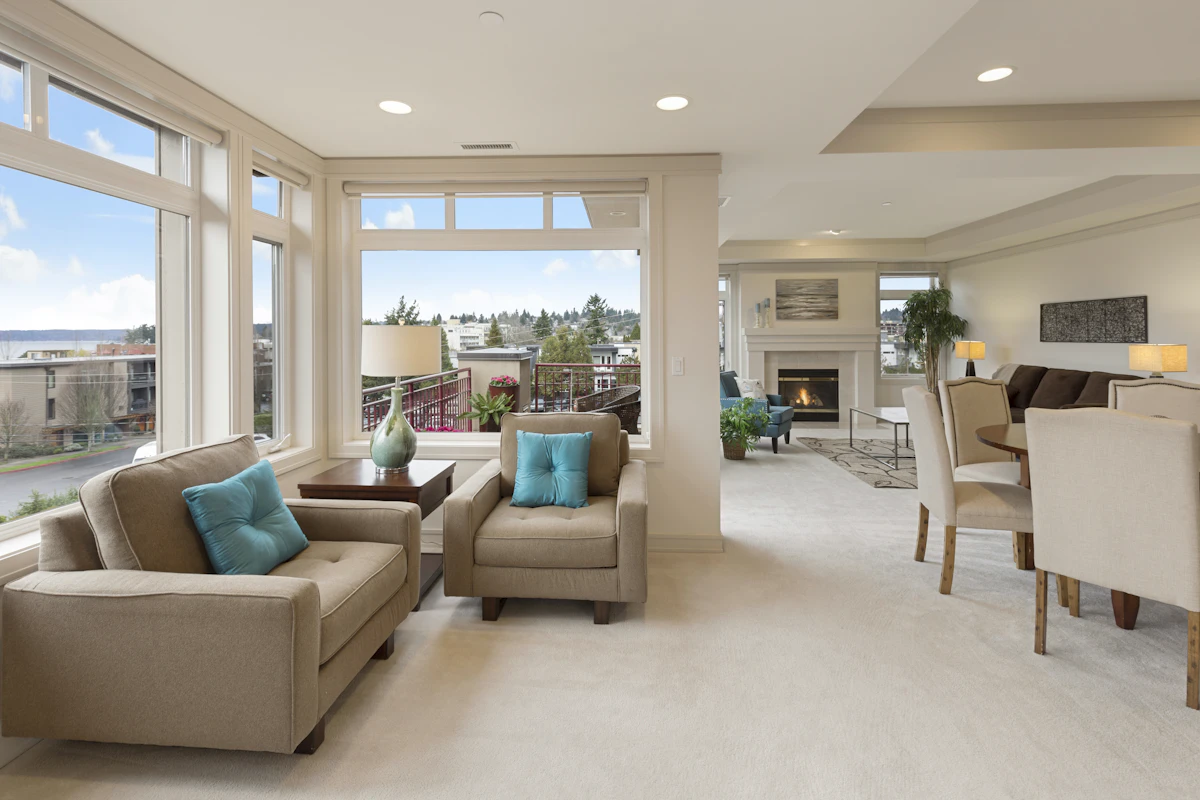
Two main routes for finding apartments.
### Japanese listing sites (largest selection)
This is how Japanese people find apartments: search on a portal site, contact the agency handling a listing they like, visit the office, and go see the unit. It's the standard process, and the number of properties on these sites dwarfs what's available through foreigner-focused services. If you can read Japanese — or use browser translation — this is where you'll find the widest selection.
- **[SUUMO](https://suumo.jp/)** — A major real estate portal with the largest selection of listings
- **[LIFULL HOME'S](https://www.homes.co.jp/)** — A major real estate portal. Use [FRIENDLY DOOR](https://lifull.com/news/35134/) to search for real estate agencies that offer foreign-language support
### English-language services
If Japanese is a barrier, these platforms list only foreigner-approved properties:
- **[GaijinPot Apartments](https://apartments.gaijinpot.com/en/rent)** — All listings confirmed as foreigner-friendly. Bilingual brokerage support
- **[wagaya Japan](https://wagaya-japan.com/en/)** — English, Chinese, Vietnamese. Lists many foreigner-approved properties
- **[Real Estate Japan](https://realestate.co.jp/en/)** — English search for Tokyo rentals
### What to say at the real estate office
When you visit an agency, here's a useful exchange:
**You:** "I'm looking for a place near ○○ Station, under ¥80,000/month."
(○○駅の近くで、家賃8万円以下で探しています / ○○-eki no chikaku de, yachin hachi-man en ika de sagashite imasu)
**Agent:** "What layout do you want? 1K or 1LDK?"
(間取りのご希望は?/ Madori no go-kibou wa?)
**You:** "1K is fine. Within 10 minutes' walk from the station if possible."
(1Kで大丈夫です。駅から徒歩10分以内だと助かります / 1K de daijoubu desu. Eki kara toho jup-pun inai dato tasukarimasu)
**Tip:** Email or call ahead to confirm they handle foreign tenants. This avoids a wasted trip.
---
## From Viewing to Signing
Viewing an apartment in person (内見 / naiken) is essential. Photos can be misleading.
**What to check during a viewing:**
- Sunlight and noise (open the windows)
- Water pressure and drainage smell in the bathroom
- Storage space (often smaller than expected)
- Distance to the nearest supermarket and convenience store (convenience stores in Tokyo do far more than sell food — see our [konbini guide](/guides/convenience-store-guide-tokyo))
Found a place you like? **Apply on the spot.** During the January-March peak season, someone else can submit an application the same evening you viewed the apartment. "I'll sleep on it" and the listing is closed by the next morning — this is a common pattern during peak months.
Decide your non-negotiables *before* any viewing: maximum rent, maximum walk from the station, must-have features. Having clear criteria lets you say yes or no immediately without second-guessing.
After applying, the guarantor company and landlord screen your application. With a valid visa and income of 36x the monthly rent, results typically come in 3-7 days.
Once approved, you'll receive the 重要事項説明 (juuyou jikou setsumei) — a legally mandated explanation of the property's terms by a licensed real estate agent. This is conducted in Japanese by default, but [MLIT has prepared multilingual document templates](https://www.mlit.go.jp/jutakukentiku/house/jutakukentiku_house_tk3_000017.html). Ask your agency in advance if they can provide materials in your language.
---
## What to Do If You're Rejected for Being Foreign
It happens. Here's what you should know.
According to the [Real Estate Transaction Promotion Center's legal analysis](https://www.retpc.jp/archives/30909/), refusing a tenant solely based on nationality may constitute a tort (不法行為 / fuhou koui) under Japanese law, and courts have awarded damages (損害賠償 / songai baishou) in such cases. However, current law cannot force a landlord to sign a lease.
**The practical approach:**
Rather than fighting for a specific property, switch to services that pre-screen for foreigner-friendly landlords. Every listing on GaijinPot Apartments and Real Estate Japan has owner approval for foreign tenants.
Free public consultation services exist if you need help:
- **[FRESC (Foreign Residents Support Center)](https://www.moj.go.jp/isa/support/fresc/fresc01.html)** — Yotsuya Tower 13F, next to JR Yotsuya Station. Four ministries and eight agencies under one roof. Phone: 0570-011000
- **[Tokyo Multilingual Consultation Navi](https://tabunka.tokyo-tsunagari.or.jp/soudan/navi.html)** — Free calls in 14 languages. 0120-142-142 (weekdays 10:00-16:00)
---
## UR Housing (No Guarantor, No Key Money)
[UR Urban Renaissance Agency](https://www.ur-net.go.jp/chintai/rent/requirements/) operates public rental housing that removes several of the barriers foreigners face with private rentals:
- No guarantor required
- No key money (礼金)
- No agency fee (仲介手数料)
- No renewal fee (更新料)
For an ¥80,000/month unit, initial costs at UR come to roughly **¥200,000** (deposit + prorated rent + common area fees) — less than half what you'd pay for a private rental.
**Who can apply:**
- Mid-to-long-term residents with a valid residence card (work visa, student visa, etc.)
- [Monthly income of at least 4x the rent](https://www.ur-net.go.jp/chintai/rent/requirements/) (¥320,000/month for an ¥80,000 unit)
- Alternative: savings of 100x the monthly rent (¥8,000,000 for the same unit), or lump-sum rent prepayment
UR properties are fewer in number and more limited in location than private rentals, but they're a strong option when the guarantor requirement or upfront costs are blocking you.
---
## Dealing with Rental Problems
| Situation | What to do |
|-----------|------------|
| Application rejected | Ask the agency why. Short visa validity is a common reason — reapply after renewal. A different guarantor company may approve you |
| Repeatedly rejected for being foreign | Switch to foreigner-specialized services (GaijinPot, Real Estate Japan). Consider UR housing |
| Can't afford initial costs | Filter for zero-deposit, zero-key-money properties. Some agencies offer installment plans |
| Can't read the lease contract | Call FRESC (0570-011000) or Tokyo Multilingual Navi (0120-142-142). Request multilingual contract templates from the agency |
| Can't find anything you like | Revisit your priorities. Expanding from 10-minute to 15-minute walk from the station, relaxing the building age requirement, or adding the next station over can open up options |
---
## Lease Renewal and Moving Out
Most leases in Tokyo run for **two years**. At renewal, expect to pay a [renewal fee equal to one month's rent](https://suumo.jp/article/oyakudachi/oyaku/chintai/fr_money/chintai_koushinryou/) — standard in the Tokyo area — plus fire insurance (¥15,000-20,000) and guarantor company renewal (around ¥10,000). UR housing charges no renewal fee.
To move out, you must notify your management company or landlord in writing, usually 1-2 months before your intended move-out date. Check your lease for the exact notice period. Late notice can mean paying rent even after you've left.
When you leave, you're expected to restore the apartment to its original condition (原状回復 / genjou kaifuku), but this doesn't mean returning it to brand-new. Under [MLIT's restoration guidelines](https://www.mlit.go.jp/jutakukentiku/house/jutakukentiku_house_tk3_000020.html), normal wear and tear — sun-faded wallpaper, natural floor scuffing — is the landlord's responsibility. You only pay for damage caused by negligence or intentional misuse: cigarette stains, nail holes, pet scratches. Move-out cleaning fees depend on the apartment size: ¥20,000-30,000 for a 1R/1K, ¥40,000-60,000 for a 1LDK or larger.
Your deposit (if you paid one) is returned minus the restoration and cleaning costs. If you signed a zero-deposit lease, cleaning fees are billed separately at move-out.
---
## Alternatives to Renting
If the standard rental process feels too heavy, other paths exist.
### Share houses
No guarantor needed, and initial costs are just a few tens of thousands of yen. Rent often includes utilities and internet. [Oak House](https://www.oakhouse.jp/eng) and [Cross House](https://x-house.co.jp/) are major operators. Many newcomers use a share house as their first base while getting settled. They're also a great way to start [making friends in Tokyo](/guides/making-friends-tokyo-expat).
### Monthly apartments
Furnished units (マンスリーマンション / mansuri manshon) rented by the month. More expensive than a standard lease, but no guarantor required and immediate move-in. A practical stepping stone: live in one while you take time to find the right long-term apartment.
### Company housing
If you're joining a Japanese employer, ask HR about housing allowances (住宅手当 / juutaku teate) or company-provided housing (社宅 / shataku). This can eliminate the apartment search entirely.
---
## Related Articles
- [What Are Tokyo's 23 Wards?](/guides/tokyo-special-wards-guide) — Rent ranges, childcare, commutes — how each ward differs. Essential for choosing your area
- [What Are Tokyo's Cities?](/guides/tokyo-tama-cities-guide) — The 26 cities west of the 23 wards. Lower rent, more space, strong nature access
- [My First Solo Move in Tokyo](/guides/first-time-moving-out-tokyo) — A first-hand account of apartment hunting, contract signing, and move-in day
- [Phone & Bank Account Catch-22](/guides/phone-bank-circular-dependency) — Getting a phone number and bank account sorted after moving in
- [How Payments Work in Japan](/guides/payment-methods) — What payment methods to carry once you've moved in
- [Cycling in Tokyo](/guides/cycling-in-tokyo) — If you're weighing commute options, a bicycle can save time and money in the right ward
- [Garbage Sorting in Tokyo](/guides/garbage-sorting-tokyo-guide) — Rules vary by ward; knowing them before move-in saves headaches
- [Package Delivery for Foreigners in Tokyo](/guides/package-delivery-tokyo-foreigner-guide) — How to handle missed deliveries and redelivery requests from day one
---
**References:**
- Ministry of Justice "Survey on Foreign Residents (2016)" https://www.moj.go.jp/content/001226182.pdf (accessed: 2026-02-16)
- Japan Property Management Association "Support for Smooth Move-in of Foreign Tenants" https://www.jpm.jp/foreign/ (accessed: 2026-02-16)
- MLIT "Smooth Entry of Foreigners into Private Rental Housing" https://www.mlit.go.jp/jutakukentiku/house/jutakukentiku_house_tk3_000017.html (accessed: 2026-04-08)
- SUUMO "Tokyo Rent Averages" https://suumo.jp/chintai/soba/tokyo/ (accessed: 2026-04-08)
- UR Urban Renaissance Agency "Is One-Third of Take-Home Pay the Right Rent Budget?" https://www.ur-net.go.jp/chintai/college/202402/000732.html (accessed: 2026-04-08)
- Tokyo Metropolitan Government Housing Policy HQ "Smooth Entry of Foreigners into Private Rental Housing" https://www.juutakuseisaku.metro.tokyo.lg.jp/fudosan/torihiki/gaikoku_nyuukyo (accessed: 2026-02-16)
- MLIT "Housing Safety Net System" https://www.mlit.go.jp/jutakukentiku/house/jutakukentiku_house_tk3_000055.html (accessed: 2026-05-07)
- LIFULL HOME'S "2025 Deposit/Key Money Trend Survey" https://lifull.com/news/45530/ (accessed: 2026-02-16)
- UR Urban Renaissance Agency "Application Requirements" https://www.ur-net.go.jp/chintai/rent/requirements/ (accessed: 2026-02-16)
- Real Estate Transaction Promotion Center "Analysis of Nationality-Based Refusal" https://www.retpc.jp/archives/30909/ (accessed: 2026-02-16)
- Tokyo Multilingual Consultation Navi https://tabunka.tokyo-tsunagari.or.jp/soudan/navi.html (accessed: 2026-02-16)
- Immigration Services Agency "FRESC" https://www.moj.go.jp/isa/support/fresc/fresc01.html (accessed: 2026-02-16)
- MLIT "Guidelines on Restoration of Rental Housing" https://www.mlit.go.jp/jutakukentiku/house/jutakukentiku_house_tk3_000020.html (accessed: 2026-05-07)
- MLIT "Maximum Brokerage Fee for Real Estate Transactions" https://www.mlit.go.jp/totikensangyo/const/1_6_bf_000013.html (accessed: 2026-05-07)
- UR "Balancing Income and Rent" https://www.ur-net.go.jp/chintai/college/202105/000675.html (accessed: 2026-05-07)
- SUUMO "Renewal Fee Guide" https://suumo.jp/article/oyakudachi/oyaku/chintai/fr_money/chintai_koushinryou/ (accessed: 2026-05-07)
---
# English-Speaking Clinics in Tokyo — How to Find One Today
> Need a doctor in Tokyo who speaks English? Search with Google Maps or EPARK, walk in same-day, and know what to expect — from referral letters to the #7119 emergency line.
- **URL**: https://tokyo.how/guides/how-to-find-clinic-tokyo
- **Category**: Living
- **Audience**: both
- **Published**: 2026-02-24
- **Updated**: 2026-04-30
- **Tags**: hospital, clinic, family doctor, healthcare, moving
- **First step:** Find a nearby clinic while you're healthy — don't wait until you're sick
- **How to search:** List candidates on Google Maps, then check reviews on [EPARK](https://fdoc.jp/)
- **What to bring:** Health insurance card (My Number card on your phone works at participating clinics), cash, medication notebook
- **Key rule:** Going to a large hospital without a referral letter costs an extra ¥7,700. Start at a local clinic
- **If you feel sick:** Call [HIMAWARI](https://www.hokeniryo.metro.tokyo.lg.jp/iryo/iryo_hoken/medical_info/himawari) (03-5285-8181). Available in English, Chinese, Korean, Thai, and Spanish
- **24/7 support:** [Japan Visitor Hotline](https://www.japan.travel/en/plan/hotline/) (050-3816-2787) handles illness and emergency consultations
- **What to bring:** Passport, travel insurance documents, credit card
- **Unsure if it's an emergency?** Call #7119 (24 hours)
---
## Find a Clinic Before You Get Sick
Right after starting a new job and [moving to Tokyo](/guides/first-time-moving-out-tokyo), I caught COVID. Feverish and barely functional, I grabbed my phone and searched for "nearby clinic appointment." Every same-day slot was full.
Eventually, I checked a neighborhood clinic's booking page on a whim — and one evening slot happened to be open. Pure luck.
Searching for a new clinic from scratch while you're sick is exhausting. On top of that, the clinic turned out to be at the bottom of a hill, making the walk home miserable. Finding a clinic you can reach on foot — even when you're unwell — while you're still healthy is worth the effort.
---
## How to Search for a Clinic
I used three tools: Google Search, Google Maps, and [EPARK](https://fdoc.jp/).
### Narrow Down Candidates on Google Maps
Search for 「内科」(naika / "internal medicine") or 「クリニック」(kurinikku / "clinic") and nearby options appear on the map. The first filter was **star ratings** — anything noticeably low (under 3.0) was ruled out.
Google Maps is especially useful for judging distance and terrain. You can check whether the clinic is walkable when you're feeling terrible, and whether there are hills on the way.
### Check Reviews on EPARK
For clinics that looked promising, I also searched on [EPARK](https://fdoc.jp/) and read the reviews. The approach wasn't "find good reviews" — it was a **negative check**. On Japanese review sites, highly-rated places tend to have reviews that just say "it was good," which doesn't help much. Low-rated reviews often contain the real decision-making information.
### "Cold Demeanor" and "Overbearing" Are Different
Reviews sometimes mention that a doctor is "expressionless" or "uses difficult explanations." I actually read these as positives — I wasn't looking for customer service, and these descriptions suggested a doctor who takes their work seriously.
On the other hand, reviews describing "condescending attitude" or "an atmosphere where you can't ask questions" were dealbreakers.
Another thing to watch for: **the tone of the reviewer.** I tried not to take emotionally charged or aggressive reviews at face value. Reading multiple reviews side by side, cross-referenced with Google Maps ratings, gives a more balanced picture.
---
## From Booking to Consultation
Based on my experience, here's what the typical flow looks like.
### 1. Booking
More and more clinics accept online reservations. In my case, the booking process included filling out a medical questionnaire online — symptoms, medical history, allergies. Having this done in advance makes check-in faster.
Same-day slots fill up quickly. Early morning or late afternoon tends to have the best availability.
### 2. Check-in
Hand over your insurance card and say 「初診です」(shoshin desu / "This is my first visit"). That's it. Since the questionnaire had been filled out online, no paper forms were needed. At clinics without online intake, you'll be given a paper form at the front desk.
**What to bring:**
- Health insurance card ([if your My Number card is on your phone](https://www.mhlw.go.jp/stf/newpage_60802.html), that's enough at participating clinics)
- お薬手帳 (o-kusuri techō / medication notebook) — an app version works
- Cash (many small clinics don't accept cards — see [how payments work in Japan](/guides/payment-methods) for more on this)
### 3. Consultation and Testing
Depending on your symptoms, the doctor may run tests on the spot. Results are sometimes available the same day, sometimes the next day by phone. In my case, the arrangement was: "If it's positive, we'll call you tomorrow morning."
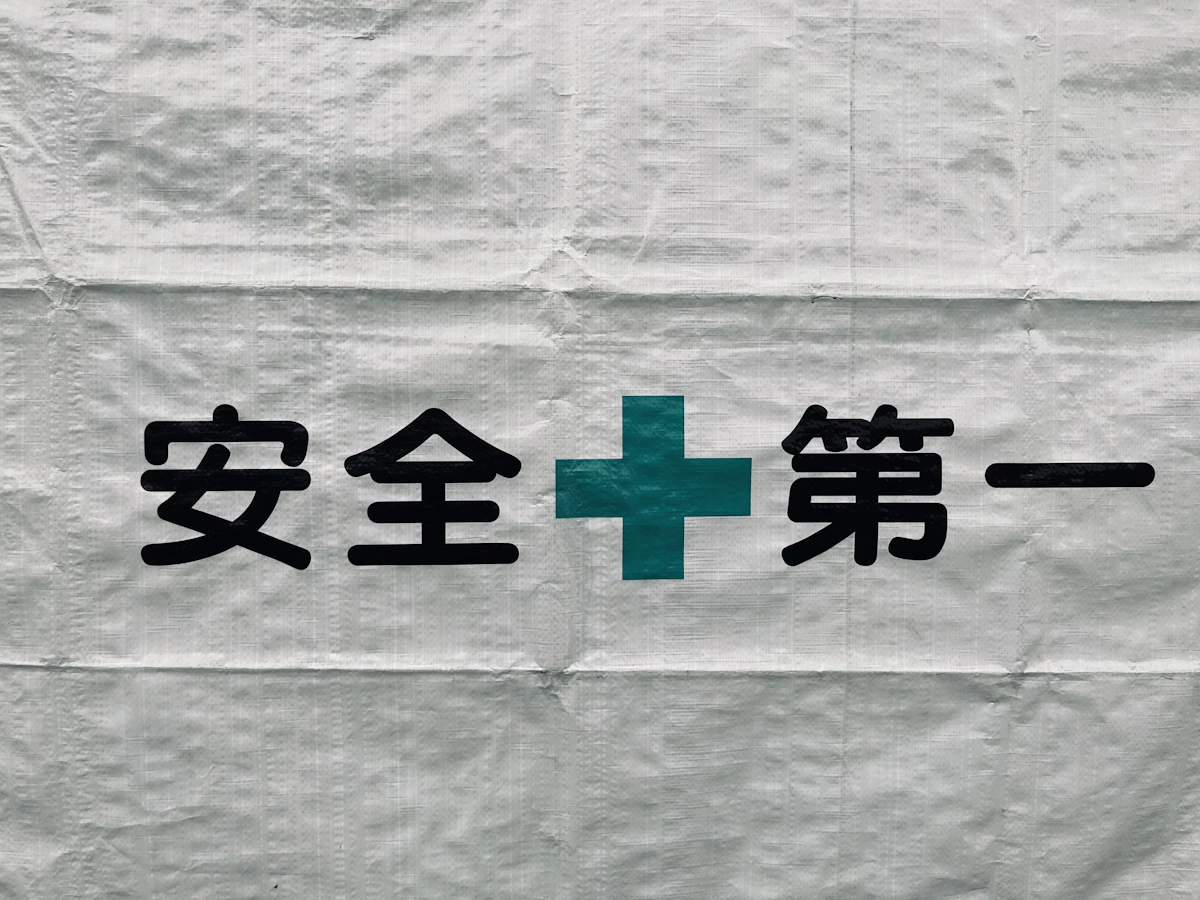
### 4. Payment and Medication
After the consultation, pay at the front desk. Medication is either dispensed on-site or you receive a prescription to take to a nearby pharmacy. In my case, I received a prescription and picked up the medication at a nearby pharmacy.
For non-urgent visits (dentistry, hay fever, etc.), it's worth checking in advance whether the clinic accepts credit cards.
One remarkable detail from this experience: the day after the positive result phone call, the doctor personally delivered kampo (traditional herbal medicine) to my home, saying it might suit my symptoms. This is certainly not typical — but it's the kind of thing that can happen with a neighborhood clinic.
---
## The "Family Doctor" System

Japan has a concept called かかりつけ医 (kakaritsuke-i / "family doctor"). It's not a formal registration — it's the habit of deciding "this is where I go first when something's wrong."
The COVID clinic naturally became my family doctor, and I now go there for colds and hay fever too. Having a doctor who already knows your constitution and medical history provides peace of mind. When needed, your family doctor can also write a referral letter to a larger hospital. Clinics in Japan are freely accessible without a referral, but large hospitals charge an additional fee without one — so starting at your local clinic is the standard approach.
[The Ministry of Health, Labour and Welfare encourages having a family doctor](https://kakarikata.mhlw.go.jp/), and starting April 2025, medical institutions are required to report whether they offer "family doctor functions" under a [new reporting system](https://www.mhlw.go.jp/stf/seisakunitsuite/bunya/0000123022_00007.html).
---
## When You Want a Large Hospital
If you visit a large hospital (university hospital, general hospital with 200+ beds) without a referral letter, you'll pay a **sentei ryōyō-hi** (選定療養費 / additional consultation fee) on top of regular medical costs. [Per MHLW regulations](https://www.mhlw.go.jp/stf/newpage_26666.html), the initial visit surcharge is ¥7,000 or more (typically ¥7,700 with tax), and return visits cost ¥3,000 or more (typically ¥3,300 with tax).
This system encourages the flow: visit your local clinic first, get a referral letter if needed, then go to the large hospital. The surcharge is waived when you have a referral letter, or when the hospital determines it's an emergency.
---
## Understanding the Insurance System
Japan's healthcare system is built on [universal health insurance](https://www.mhlw.go.jp/stf/seisakunitsuite/bunya/kenkou_iryou/iryouhoken/iryouhoken01/index.html). Everyone residing in Japan for 3 months or more must enroll in some form of public [health insurance](/guides/health-insurance-pension-japan), and the standard out-of-pocket cost for working-age adults (6–69 years old) is 30% of the medical bill. Company employees are enrolled in social insurance (社会保険 / shakai hoken) from their first day of work; everyone else — freelancers, students, working holiday visitors — enrolls in National Health Insurance (国民健康保険 / kokumin kenkō hoken) [at their ward office](/guides/tokyo-ward-office-moving-guide). For more details on insurance types and enrollment, see [Health Insurance and Pension for Foreigners](/guides/health-insurance-pension-japan).
Having actually used the system, my impression is that Japan's healthcare leans heavily toward social welfare rather than profit. There's no hotel-level service, but the care is thorough. When I visited the clinic with COVID, the process from consultation to prescription was no-frills but careful and attentive.
---
## When Tourists Need a Clinic
I'm a resident, so I haven't used travel insurance for a clinic visit myself. But I looked into how it works, and the process is straightforward. If you get sick, your first step should be to **call your travel insurance company's support desk**. They operate 24 hours and can refer you to a partner clinic and arrange an appointment.
### Cashless Medical Service
At partner clinics, you can see a doctor without paying anything at the window — this is called キャッシュレスメディカルサービス (kyasshuresu medikaru sābisu / "cashless medical service"). Show your passport and insurance certificate, fill out some paperwork, and the treatment costs are billed directly from the insurance company to the clinic. [JNTO's travel insurance guide](https://www.japan.travel/en/plan/travel-insurance-in-japan/) also covers the flow.
### When You Pay Upfront
If you visit a non-partner clinic, or if certain tests aren't covered by cashless service, you'll need to pay the full amount upfront and file for reimbursement after returning home. **Keep all receipts and medical certificates** — you'll need them for the claim.
### Credit Card Travel Insurance
Credit card travel insurance comes in two types: 自動付帯 (jidō futai / "automatic") and 利用付帯 (riyō futai / "usage-based"). Usage-based coverage only applies if you paid for travel expenses with that card. Check which type your card offers before your trip.
### Cost Estimates (Internal Medicine, First Visit, Basic Tests + Prescription)
| Insurance situation | Estimated total |
|-----------|---------|
| Travel insurance (cashless) | No copay (excluding tests not covered) |
| Travel insurance (pay upfront) | ¥15,000–22,000 upfront → full reimbursement later |
| Health insurance (30% copay) | ¥4,500–6,500 |
| No insurance (100%) | ¥15,000–22,000 |
If additional tests (blood work, CT scan, etc.) are needed, uninsured costs can exceed ¥50,000. **Bring at least ¥20,000 in cash** to be safe.
---
## Helplines When You Don't Speak Japanese
I haven't used HIMAWARI myself, but several public helplines offer medical consultation in foreign languages. For a more detailed look at finding English-speaking clinics, see [How to Find an English-Speaking Doctor in Tokyo](/guides/english-speaking-doctor-tokyo).
**HIMAWARI (Tokyo Metropolitan Medical Information Service)**
- Phone: 03-5285-8181
- Hours: Daily, 9:00–20:00
- Languages: English, Chinese, Korean, Thai, Spanish
- [Official site](https://www.hokeniryo.metro.tokyo.lg.jp/iryo/iryo_hoken/medical_info/himawari)
**Japan Visitor Hotline (operated by JNTO, for tourists)**
- Phone: 050-3816-2787
- Hours: 24/7, 365 days
- Languages: English, Chinese, Korean
- [Official site](https://www.japan.travel/en/plan/hotline/)
**TOKYO Medical Information Website for Foreign Residents**
- Search for medical institutions with foreign language support
- Languages: English, Chinese (Simplified/Traditional), Korean, and more
- [Official site](https://www.hokeniryo.metro.tokyo.lg.jp/iryo/iryo_hoken/medical_info_eng)
To search for hospitals certified to accept foreign patients, check the [MHLW's list of medical institutions accepting foreign patients](https://www.mhlw.go.jp/stf/newpage_05774.html) or the [Foreign Patient Acceptance Information Site](https://internationalpatients.jp/).
---
## When You're Not Sure If It's an Emergency
Call **#7119 (Emergency Consultation Center)** to consult with doctors, nurses, and other medical staff about whether to call an ambulance or go to a hospital immediately. It's available 24 hours a day, year-round.
- Phone: #7119
- Landline from 23 wards: 03-3212-2323
- Tama area: 042-521-2323
- [Tokyo Fire Department info page](https://www.tfd.metro.tokyo.lg.jp/lfe/kyuu_adv/soudan-center.html)
There's also an [online triage guide](https://www.tfd.metro.tokyo.lg.jp/hp-kyuuimuka/guide/main/index.html) that can assess urgency based on your symptoms.
For non-urgent symptoms like mild colds or chronic conditions, the [Tokyo Fire Department asks residents to avoid using ambulances](https://www.tfd.metro.tokyo.lg.jp/lfe/kyuu_adv/tksei01.html).
If you don't speak Japanese, the [Fire and Disaster Management Agency provides ambulance usage guides in 16 languages](https://www.fdma.go.jp/publication/portal/post1.html) including English, Chinese, Korean, Vietnamese, Tagalog, and Nepali.
---
## When You Get Sick on Holidays
My family doctor is also closed on Sundays and national holidays — and only open Saturday mornings. Thursday afternoons are off too. Most Tokyo clinics follow a similar pattern.
During Golden Week, Obon, and the year-end/New Year period, neighborhood clinics tend to close for extended stretches. Once you have a family doctor, you get into the habit of things like picking up hay fever medication from the same clinic every year, or checking before long holidays whether you have enough medicine. Flu vaccinations are also available in winter (around ¥3,000–5,000; prices vary by clinic since it's not covered by insurance).
### If You Need Care on a Holiday
Each ward in Tokyo has a 休日診療所 (kyūjitsu shinryōjo / "holiday clinic") that provides primary care for internal medicine and pediatrics on Sundays, national holidays, and the year-end/New Year period. Locations and hours vary by ward, so check your ward's website after you move.
For nighttime care, call [HIMAWARI](https://www.tokyo.med.or.jp/citizen/counseling/out_of_hours) (03-5272-0303, 24-hour Japanese line) and they'll tell you which medical facilities are currently open.
For families with children, **#8000** (pediatric emergency consultation / 小児救急相談) is worth remembering. Nurses are available weekdays 18:00–8:00 the next morning, and weekends/holidays 8:00–8:00 the next morning. In Tokyo's 23 wards, medical fee subsidies cover children up to age 18, with most wards charging no copay at all. To find a pediatrician, searching Google Maps for 「小児科」(shōnika / "pediatrics") is the easiest approach.
---
## When Things Don't Go as Planned
| Problem | What to do |
|---------|-----------|
| Can't get a same-day appointment | Call first thing in the morning, or look for late-afternoon slots. Check multiple clinics' booking pages simultaneously |
| No clinics nearby that speak your language | Call HIMAWARI (03-5285-8181) for a referral to a foreign-language-capable medical institution |
| Insurance card hasn't arrived yet | Pay 100% upfront. Once your card arrives, bring it to the clinic for a refund of the difference. Refund policies and deadlines vary by clinic. Tell the receptionist 「保険証がまだないです」(hoken-shō ga mada nai desu / "I don't have my insurance card yet") |
| Clinic doesn't accept credit cards | Bring cash. Many small clinics are cash-only |
| Can't explain your symptoms | Use a translation app on your phone. Writing symptoms in your language and showing the screen often works |
---
## Alternative Options
Depending on your symptoms and situation, there are other paths besides visiting a clinic.
### Online Consultations
Video-call appointments from home or a hotel. Useful for mild symptoms or prescription renewals. With insurance, a consultation typically costs ¥700–1,000; without insurance, expect ¥6,800–23,800.
Some services offer English-language consultations. [MediConnect Japan](https://english.mediconnectjapan.com/) provides Zoom consultations in English and also accepts travel insurance. Prescriptions can be picked up at a nearby pharmacy, or some services offer delivery to your hotel.
### Other Options
- **Pharmacist at a drugstore:** For symptoms treatable with over-the-counter medicine, describe your symptoms to a pharmacist and they'll help you choose
- **MHLW "Medical Information Net (Navi-i)":** An [official search system](https://www.iryou.teikyouseido.mhlw.go.jp/znk-web/juminkanja/S2300/initialize) for medical institutions nationwide, filterable by specialty and supported languages
---
## FAQ
### Can I see a doctor in Tokyo without health insurance?
Yes, but you'll pay 100% of the medical bill instead of 30%. If you're a resident who hasn't received your insurance card yet, pay the full amount and bring the card back to the clinic later for a refund of the difference. Refund policies and deadlines vary by clinic. Tourists should use their travel insurance.
### How much does a clinic visit cost in Tokyo?
With health insurance (30% copay), a typical first visit to an internal medicine clinic costs ¥2,000–4,000 including basic tests. Without insurance, expect ¥7,000–15,000. Medication is additional — a standard prescription at a pharmacy runs ¥500–2,000 with insurance.
### Are there English-speaking clinics in Tokyo?
Yes. Call HIMAWARI (03-5285-8181) for referrals to English-speaking medical institutions. The TOKYO Medical Information Website also lets you search by supported languages. Areas with large foreign populations like Minato, Shibuya, and Shinjuku tend to have more English-capable clinics.
### What should I do if I need emergency medical care in Tokyo?
Call 119 for an ambulance (free in Tokyo). If you're unsure whether it's an emergency, call #7119 — a 24-hour consultation line staffed by doctors, nurses, and other medical staff who can assess your situation. For non-Japanese speakers, the Fire and Disaster Management Agency provides ambulance guides in 16 languages.
### How much does it cost for a tourist to visit a clinic in Tokyo?
If you have travel insurance with cashless medical service, there's no copay at a partner clinic. Without insurance, expect ¥15,000–22,000 for an internal medicine first visit with basic tests and medication. Bring at least ¥20,000 in cash. Your best first step is to call your insurance company's support desk for a referral to a partner clinic.
### Are Tokyo clinics open on Sundays and holidays?
Most clinics are closed on Sundays and national holidays. Saturday hours are typically morning only. If you get sick on a Sunday or holiday, visit your ward's holiday clinic or call HIMAWARI (03-5272-0303, 24-hour Japanese line) for guidance on which medical facilities are currently open.
---
## Related Articles
- [How to Find an English-Speaking Doctor in Tokyo](/guides/english-speaking-doctor-tokyo) — Finding clinics when you're not confident in Japanese
- [Health Insurance and Pension for Foreigners](/guides/health-insurance-pension-japan) — Types of insurance and how to enroll
- [What to Do Within 14 Days of Moving](/guides/tokyo-ward-office-moving-guide) — Ward office procedures including NHI enrollment
- [Comparing Tokyo's 23 Wards](/guides/tokyo-special-wards-guide) — Check your ward's services and characteristics
- [How Payments Work in Tokyo](/guides/payment-methods) — Useful for understanding cash vs. card at clinics
---
**References:**
- Ministry of Health, Labour and Welfare, "About Family Doctors" https://kakarikata.mhlw.go.jp/ (accessed: 2026-02-24)
- Ministry of Health, Labour and Welfare, "Additional Fees for Visiting Large Hospitals Without Referral" https://www.mhlw.go.jp/stf/newpage_26666.html (accessed: 2026-02-24)
- Ministry of Health, Labour and Welfare, "About Japan's Health Insurance System" https://www.mhlw.go.jp/stf/seisakunitsuite/bunya/kenkou_iryou/iryouhoken/iryouhoken01/index.html (accessed: 2026-04-30)
- Ministry of Health, Labour and Welfare, "Family Doctor Function Reporting System" https://www.mhlw.go.jp/stf/seisakunitsuite/bunya/0000123022_00007.html (accessed: 2026-04-30)
- Ministry of Health, Labour and Welfare, "My Number Insurance Card (Smartphone)" https://www.mhlw.go.jp/stf/newpage_60802.html (accessed: 2026-04-30)
- Tokyo Metropolitan Government, Bureau of Social Welfare and Public Health, "HIMAWARI Medical Information for Foreign Residents" https://www.hokeniryo.metro.tokyo.lg.jp/iryo/iryo_hoken/medical_info/himawari (accessed: 2026-02-24)
- Tokyo Fire Department, "Emergency Consultation Center (#7119)" https://www.tfd.metro.tokyo.lg.jp/lfe/kyuu_adv/soudan-center.html (accessed: 2026-02-24)
- Tokyo Fire Department, "Appropriate Use of Ambulances" https://www.tfd.metro.tokyo.lg.jp/lfe/kyuu_adv/tksei01.html (accessed: 2026-02-24)
- Fire and Disaster Management Agency, "Ambulance Usage Guide for Foreign Visitors (Multilingual)" https://www.fdma.go.jp/publication/portal/post1.html (accessed: 2026-02-24)
- Ministry of Health, Labour and Welfare, "List of Medical Institutions Accepting Foreign Patients" https://www.mhlw.go.jp/stf/newpage_05774.html (accessed: 2026-02-24)
- JNTO, "Travel Insurance in Japan" https://www.japan.travel/en/plan/travel-insurance-in-japan/ (accessed: 2026-04-30)
- Tokyo Medical Association, "Holiday and Nighttime Medical Care" https://www.tokyo.med.or.jp/citizen/counseling/out_of_hours (accessed: 2026-04-30)
- MediConnect Japan https://english.mediconnectjapan.com/ (accessed: 2026-04-30)
---
# 3 Hydrangea Day Trip Routes from Tokyo
> Tokyo hydrangea 2026: 3 day-trips from Tokyo. City (free), Kamakura (Meigetsuin vs Hasedera), or Hakone's hydrangea train. Peak: 2nd–3rd week of June.
- **URL**: https://tokyo.how/guides/hydrangea-spots-tokyo
- **Category**: Explore
- **Audience**: both
- **Published**: 2026-05-07
- **Updated**: 2026-05-16
- **Tags**: hydrangea, ajisai, Kamakura, Hakone, June
Hydrangeas look their best when wet — the colors deepen in the rain. Instead of lamenting the weather during Tokyo's rainy season, why not go see the flowers that are at their peak precisely because of it?
Peak bloom is typically the 2nd–3rd week of June, though it shifts by about a week each year. Check each spot's official site for current blooming status before heading out (information current as of May 2026). For rainy season weather and packing tips, see our [tsuyu guide](/guides/rainy-season-tokyo-guide).
| Route | Area | Duration | Budget (transport + admission) | Best for |
|-------|------|----------|-------------------------------|----------|
| City half-day | Bunkyo–Kita wards | 3–4 hrs | ¥300–500 | Short on time or budget |
| Kamakura full day | Kita-Kamakura–Hase | 6–7 hrs | ¥2,500–3,400 | Photography, taking your time |
| Hakone day trip | Hakone-Yumoto–Gora | 7–8 hrs | Transport ~¥5,400 + onsen | Combining flowers with hot springs |
## Route 1: City Half-Day (Under ¥500, Free Admission)
### Hakusan Shrine (Bunkyo)
The [2026 Ajisai Matsuri runs June 6–14](https://www.gotokyo.org/en/spot/ev031/index.html). [Over 3,000 hydrangea plants](https://www.gotokyo.org/en/spot/ev031/index.html) fill the grounds, and the "Fujizuka" hill behind the shrine opens only during the festival. The view looking down from the top, with hydrangeas cascading down the slope, is a composition unique to this shrine. You may spot cats in the grounds too.
[2-minute walk from Hakusan Station (Toei Mita Line), Exit A3. Free admission](https://www.gotokyo.org/en/spot/ev031/index.html). Weekday mornings are quietest.
### Asukayama Park (Kita)
About 2,000 hydrangea plants line the slope along the JR tracks — the "Hydrangea Road." You can frame passing trains and flowers in a single shot; the best angle is looking up from partway up the slope. Free, open 24 hours. Early morning around 6 AM, it's just local joggers. Peak bloom is mid-June.
1-minute walk from JR Oji Station (Keihin-Tohoku Line).
**Getting from Hakusan to Asukayama:** Hakusan Station to JR Oji Station requires a transfer. Check a transit app for the route before heading out.
### Adding One More
If you have time, consider the lesser-known spots. [Fuchu Kyodo no Mori Museum](https://www.fuchu-cpf.or.jp/museum/) has a large hydrangea collection yet barely any tourists (20-min walk from JR Fuchu-Hommachi Station). [Kodaira Ajisai Park](https://www.city.kodaira.tokyo.jp/kurashi/000/000115.html) sees virtually zero tourists — a genuinely quiet spot (about 5 min from Seibu Kodaira Station).
**Total cost:** Transport ¥300–500, admission free
**If it's pouring:** Switch to the Marunouchi route in our [free rainy day activities guide](/guides/free-rainy-day-activities-tokyo)

## Route 2: Kamakura Full Day (Transport ~¥2,500 Round Trip)
Tokyo to Kamakura is about 55 minutes on the JR Yokosuka Line (¥1,040 — confirm with a transit app). Kamakura's hydrangea spots are concentrated enough to visit two in one day.
### Meigetsuin (Kita-Kamakura)
Known as the "hydrangea temple," nearly every plant here is a blue hime-ajisai variety. The all-blue landscape is something you won't find anywhere else. 10-minute walk from JR Kita-Kamakura Station. Admission ¥500 (cash only).
Peak weekends see lines from early morning, and waits can be long. Weekday late afternoons tend to be less crowded — the soft evening light on the blue flowers is worth the timing.
Meigetsuin looks its best on rainy days. Raindrops on the blue-purple petals bring out deeper colors, and fewer people come.
The signature photo spot is the "Window of Enlightenment" (Satori no Mado) in the main hall — a round window framing the garden behind. Expect a queue for this angle during peak times.
### Hasedera
With [40+ varieties and about 2,500 plants](https://miurahantou.jp/hasedera/), Hasedera is the counterpoint to Meigetsuin's monochrome blue — here, it's all about variety. Original cultivars including "Hase Yohira," "Hase no Shiosai," and "Hase no Inori" add unique colors to the hillside.
5-minute walk from Hase Station on the Enoden. [Admission is ¥400 plus a ¥500 hydrangea path ticket, totaling ¥900](https://www.hasedera.jp/2025/05/18425/).
[Online booking is recommended for the hydrangea path](https://www.hasedera.jp/2025/05/18425/) — new slots open every Tuesday at 10:00 for the following week. Walk-in tickets are available but limited; on peak weekends they can sell out by late morning. See our [advance booking guide](/guides/book-tickets-advance-tokyo) for more venues that need reservations.
The best photo spot: the elevated section of the hydrangea path overlooking Yuigahama Beach. Flowers and ocean in one frame — only at Hasedera.
### Meigetsuin vs Hasedera: How to Choose
| | Meigetsuin | Hasedera |
|---|-----------|---------|
| Character | All-blue uniformity | 40+ varieties + ocean views |
| Admission | ¥500 (cash only) | ¥900 (admission + hydrangea ticket) |
| Booking | Not needed (queue in line) | Online booking recommended |
| Rainy days | Especially beautiful | Path slopes can be slippery |
| Avoiding crowds | Weekday late afternoon | Online booking smooths entry |
You can fit both into one day. Morning at Meigetsuin (from Kita-Kamakura Station) → JR back to Kamakura Station → Enoden to Hase Station → afternoon at Hasedera → lunch near Kamakura Station. Check our [JR guide](/guides/jr-pass-japan) for train tips.
**Transport total:** JR round trip ~¥2,080 + Enoden ¥400 (Kamakura ⇔ Hase round trip) ≈ ~¥2,500 (admission and food separate)
## Route 3: Hakone Day Trip (With Onsen, ¥6,000+)
### Hydrangea Train (Hakone Tozan Railway)
[Hydrangeas bloom along the line from Hakone-Yumoto to Gora](https://www.hakonenavi.jp/hakone-tozan/ajisai/about/). Because this mountain railway covers significant elevation, blooms start at lower Hakone-Yumoto in early June and progress upward to Gora by mid-July — over a month of viewing. A [roughly 40-minute ride](https://www.hakonenavi.jp/hakone-tozan/ajisai/about/) through tunnels of flowers. Fare: Hakone-Yumoto to Gora, approximately ¥460.
The [Night Ajisai Train](https://www.hakonenavi.jp/hakone-tozan/ajisai/night/) runs June 13–30, 2026. This special train passes through illuminated hydrangeas, stopping at Miyanoshita or Tonosawa Station for an outdoor photo opportunity. Seat tickets are ¥500 (fare separate), online reservation only. Weekend slots sell out fast — book early, just like the [other venues that need advance tickets](/guides/book-tickets-advance-tokyo).
### Finish with an Onsen
After the hydrangea train, head back to Hakone-Yumoto for a day-trip onsen. Several facilities in the area offer day bathing (prices vary by venue). See our [onsen and sento guide](/guides/onsen-sento-guide-tokyo) for bathing etiquette.
**Access:** [Odakyu Romancecar](https://www.odakyu.jp/romancecar/charges/) from Shinjuku to Hakone-Yumoto, about 1.5 hours (¥2,470)
**Budget option:** [Hakone Free Pass](https://www.odakyu-freepass.jp/hakone/) (2-day pass from Shinjuku, ¥7,100) includes the Tozan Railway and other transport. Whether it pays off for a day trip depends on how many rides you take
**Transport total:** [Romancecar](https://www.odakyu.jp/romancecar/charges/) round trip ¥4,940 + Tozan Railway ~¥460 ≈ ~¥5,400 (onsen and food separate)
For June weather and hotel prices, see our [rainy season guide](/guides/rainy-season-tokyo-guide). Budget eating tips are in our [Tokyo budget eating guide](/guides/tokyo-budget-eating-guide).
---
**References:**
- GO TOKYO, "Bunkyo Ajisai Matsuri" https://www.gotokyo.org/en/spot/ev031/index.html (accessed 2026-05-07)
- Hasedera Temple, "Hydrangea Information" https://www.hasedera.jp/2025/05/18425/ (accessed 2026-05-07)
- Hakone Navi, "Hydrangea Train / Night Ajisai Train" https://www.hakonenavi.jp/hakone-tozan/ajisai/night/ (accessed 2026-05-07)
- JMA, "Past Tsuyu Onset/End Dates" https://www.data.jma.go.jp/cpd/baiu/kako_baiu09.html (accessed 2026-05-07)
---
# How I Landed an IT Engineering Job in Japan as a New Grad — International Student's Guide
> A graduate's journey through Japan's new-grad IT hiring — summer internships, coding tests, student communities, and the path to a job offer.
- **URL**: https://tokyo.how/guides/it-engineer-new-grad-job-hunting-japan
- **Category**: Work
- **Audience**: resident
- **Published**: 2026-02-18
- **Updated**: 2026-02-18
- **Tags**: job hunting, engineer, IT, new grad, internship
---
## The Route the Author Took

[Japan's official new-grad hiring schedule is set by the government](https://www.cas.go.jp/jp/seisaku/shushoku_katsudou/index.html): information sessions open in March of the junior year, selection starts in June, and offers come in October. That's the official story. The author's experience (class of 2023, master's degree, backend engineer) was quite different.
MyNavi — Japan's largest job hunting portal, central to [Japan's standard employment system](/guides/japan-employment-system) — was registered at university orientation but never opened once. The university career center wasn't used either. No ES (entry sheets) or SPI (standardized aptitude tests). Instead, the author relied on engineer-specific job platforms and student IT communities.
Here's the route the author took:
Student IT community / engineer job platform → Summer internship → Fast-track selection → Early offer (fall of M1)
---
## The Author's Job Hunt Timeline
Here's how things unfolded chronologically for the author — a 2023 grad, master's student in computer science.
### Year 1 of undergrad: Part-time work at an IT startup
Right after entering university, the author started working part-time at an IT startup. This wasn't about job hunting — it was just an interest in programming. But in hindsight, that hands-on experience became a significant asset during job hunting.
Among the author's peers, most had some kind of practical work experience by the time the main selection rounds started. You don't need to start in your first year, but having some real-world coding experience through part-time work or internships before the main round helps. Without it, talking about technology at a practical level in interviews gets tough.
### Summer of M1: Summer internship
The author met companies through [Supporterz](https://talent.supporterz.jp/) 1-on-1 events — events where you can have short meetings with multiple companies in a single day. That led to a summer internship invitation. It was a 3-day short-term internship. The author was focused on just 2 companies from the start.
### Fall of M1: Fast-track selection → Offer
Summer internship participants were offered a fast-track selection route. Where the normal process required document screening plus 5 rounds of interviews, the author's document screening was waived and interviews started from round 3. The HR contact from the internship continued providing support and advice throughout the process.
By early November, offers came from both companies, and the job hunt was over. Some of the author's peers also wrapped up around the same time.

### The deciding factor
The final choice came down to two things: the team felt like a good fit, and the company's wide range of business areas meant there'd be opportunities to try different things through internal transfers. These were things the author could only judge because of the internship — actually talking to employees and experiencing the workplace atmosphere firsthand.
---
## The Student IT Community Divide
The most important factor in this whole job hunt was student IT communities.
The author knew about Supporterz from the first year of undergrad. Supporterz is one of the major IT job hunting platforms in Japan. It runs 1-on-1 meeting events, hackathons, and tech study sessions ([Geek Project](https://biz.supporterz.jp/)) over 150 times a year.
Whether you're part of communities like these or not changes everything.
Large B2B companies (companies that provide services to other businesses rather than consumers) aren't well-known to the general public. Without being in a community, you might never learn these companies exist. Companies that are hard to find even on MyNavi or Rikunabi show up naturally at Supporterz 1-on-1 events.
### Services International Students Should Know About
**[Supporterz](https://talent.supporterz.jp/)** — A major platform for IT engineer job hunting. 1-on-1 events let you meet companies directly. Often serves as the entry point to summer internships.
**[connpass](https://connpass.com/)** — A platform for IT study groups and meetups. Hundreds of events run every month, and students can attend for free. Go to a meetup on a topic you're interested in and talk to people at the networking session afterward. If things go well, you might get involved in organizing events — which itself becomes something you can bring up in interviews.
**University and regional student IT communities** — Engineering student communities exist at universities and in various regions. Job hunting information flows naturally from senior students, so finding and joining one early gives you an advantage.
---
## What the Author's Interviews Were Like

In the interviews the author went through, technical topics and extracurricular activities were roughly 50/50.
### Technical side
Some companies the author interviewed with required "live coding" — writing code in front of the interviewer while explaining your design decisions out loud.
One interviewer asked: "If you could use any AWS services freely, what architecture would you design?" The author drew on personal development experience, explaining a cost-efficient architecture and the reasoning behind each technology choice. It felt like they were testing hands-on experience rather than textbook knowledge.
The author also took [Track](https://tracks.run/), an online coding test platform, at several companies. Think of it as the IT equivalent of the SPI aptitude test.
### Extracurricular activities and motivation
Non-technical questions came up too. "What did you work on during your student years?" and "Why this company?" are asked at IT companies just as they are elsewhere. The author talked about student council work and serving on the university festival organizing committee. The impression was that teamwork and communication skills were being evaluated alongside technical ability.
### Proving yourself through code
IT company hiring processes include opportunities to demonstrate your skills through code. Coding tests and live coding sessions let you prove your technical ability. Unlike traditional job hunting that relies heavily on ES essays and interview responses, engineer hiring gives you a chance to show what you can actually build.
---
## When Things Don't Go as Planned
### If you don't get a summer internship
There are fall and winter internships too, though there may be fewer opportunities compared to summer. You can also get an offer through the regular selection process (general entry).
### If you don't have practical experience
It's not too late. Attend study groups to get into tech communities, build a portfolio through personal projects, join hackathons. All of these become material you can talk about in interviews. There are plenty of free hackathons and study sessions out there — look around.
### If you're not getting information
This is the most concerning pattern. If you rely only on the university career center or MyNavi, you might never discover how IT job hunting actually works. Meanwhile, don't neglect practical setup like [getting a phone number and bank account](/guides/phone-bank-circular-dependency) if you've recently arrived. Start by signing up for services like Supporterz that specialize in IT engineer recruiting, and look for study groups. Once you're in a community, information starts flowing to you naturally.
---
## Alternative Routes
Supporterz isn't the only route for IT job hunting.
| Service | What it offers |
|---------|---------------|
| [Supporterz](https://talent.supporterz.jp/) | 1-on-1 events and hackathons. Also functions as a student community |
| [paiza Shinsotsu](https://paiza.jp/student/) | Your coding test skill rank determines which companies you can apply to |
| [Track Job](https://job.tracks.run/) | Match with companies through programming challenges |
| [Gaishishukatsu.com](https://gaishishukatsu.com/) | Find IT positions at foreign-affiliated and major Japanese companies |
Regarding salary and benefits, many IT companies use annual salary systems and tend to list compensation clearly in job postings. The information is out there if you look. Once you start working, your employer will handle [health insurance and pension](/guides/health-insurance-pension-japan) enrollment automatically.
---
## Related Articles
- [Japan's Employment System for Foreigners](/guides/japan-employment-system) — The big picture of Japanese hiring: new-grad batch recruitment, resumes, visa changes, and more
- [How Payments Work in Japan](/guides/payment-methods) — Money basics you'll need once you start living in Japan
- [Health Insurance & Pension in Japan](/guides/health-insurance-pension-japan) — What you need to know about insurance and pension after getting hired
---
**References:**
- Cabinet Secretariat "Requests Regarding Job Hunting and Recruitment Activities" https://www.cas.go.jp/jp/seisaku/shushoku_katsudou/index.html (accessed: 2026-02-18)
- Supporterz, Inc. Official Site https://biz.supporterz.jp/ (accessed: 2026-02-18)
- connpass Official Site https://connpass.com/ (accessed: 2026-02-18)
- Givery, Inc. "Track Test" https://tracks.run/ (accessed: 2026-02-18)
---
# Japan's Job Hunting System for Foreigners (Shinsotsu, Visa, SPI)
> A practical guide to Japan's unique employment system for foreigners: shinsotsu batch hiring schedule (junior summer to October), rirekisho and ES writing, SPI prep, interview etiquette, and visa status change (apply December to January). Covers the December 2025 new standards.
- **URL**: https://tokyo.how/guides/japan-employment-system
- **Category**: Work
- **Audience**: resident
- **Published**: 2026-02-17
- **Updated**: 2026-04-08
- **Tags**: employment, jobs, visa, foreigners, shinsotsu, rirekisho
---
## The Big Picture

[The number of foreign workers in Japan exceeded 2.3 million as of October 2024 — a 12.4% increase from the previous year and the highest on record. Vietnam, China, and the Philippines are the top source countries (Ministry of Health, Labour and Welfare)](https://www.mhlw.go.jp/stf/newpage_50256.html).
The numbers suggest things are getting better for foreign job seekers. But Japan's hiring system has distinctive features that catch newcomers off guard.
### "Shinsotsu Ikkatsu Saiyou" — Batch Hiring of New Graduates
Most Japanese companies hire new graduates once a year, with everyone starting in April. The [government-mandated schedule](https://www.cas.go.jp/jp/seisaku/shushoku_katsudou_yousei/index.html) works like this: recruitment information opens in March of the student's junior year, formal screening begins in June, and official offers are made in October.
In most countries, companies hire when a position opens up. In Japan, companies recruit graduating students in bulk and decide their department assignments *after* they join. It's common to apply without knowing your exact role.
That said, the system is evolving. The [Council on Recruitment and University Education](https://www.keidanren.or.jp/policy/2019/037.html), established by Keidanren and universities, has proposed diversifying hiring practices including year-round recruitment and job-type hiring. IT companies and startups increasingly use job-type hiring (ジョブ型雇用 / jobu-gata koyou), where you apply for a specific role.
### Mid-Career Hiring
If you already have work experience, you apply through mid-career (中途採用 / chuuto saiyou) job postings. There's no fixed schedule — positions are available year-round through job sites and recruitment agencies. The standard process: document screening → interviews → offer.
For foreigners, Japanese language ability and valid work visa status are the first screening criteria.
---
## New Graduate Job Hunting Schedule

If you're an international student at a Japanese university or graduate school, job hunting (就活 / shuukatsu) starts in the summer of your junior year.
### Junior Year, Summer–Fall: Internships
This is when you participate in corporate internships. [Students who demonstrate strong ability during qualifying internships of two weeks or more can now proceed to recruitment screening before June (government request)](https://www.cas.go.jp/jp/seisaku/shushoku_katsudou_yousei/index.html). Attending an internship can lead to early screening invitations from that company.
### Junior Year, March onward: Info Sessions & Entry
Corporate recruitment information goes public all at once. You register on job hunting sites like Rikunabi and Mynavi to submit "entries" (expressions of interest) and attend company information sessions (説明会 / setsumeikai). Many companies request an Entry Sheet (ES) during this period.
### Senior Year, June onward: Screening Begins
Interviews and aptitude tests (SPI) start in earnest. Major companies follow this timeline, but venture companies and foreign-capital firms often begin screening before June.
### Senior Year, October: Formal Offer Ceremony
Official offers (内定 / naitei) are made. In practice, most students receive informal offers (内々定 / nai-naitei) shortly after June screening begins. October is largely a ceremonial formality.
Job hunting guides for international students are available from [JASSO (Japan Student Services Organization)](https://www.jasso.go.jp/ryugaku/after_study_j/job/index.html).
---
## Application Documents
Japan uses its own document formats for job applications. They're different from a Western resume or CV, and what you need depends on whether you're a new graduate or mid-career applicant.
### Rirekisho (履歴書) — The Standard Resume
A fixed-format document listing your personal information, education, and work history. The [Ministry of Health, Labour and Welfare provides a recommended template](https://www.mhlw.go.jp/stf/newpage_kouseisaiyou030416.html), and most companies expect this format.
Key differences from a Western resume:
- **Photo required.** You attach an [ID photo (4cm tall × 3cm wide)](https://www.mhlw.go.jp/stf/newpage_kouseisaiyou030416.html) — suit, white or blue background. Photo booths at train stations (証明写真機 / shoumei shashin-ki) can produce these for around ¥800.
- **Some companies still want handwritten versions.** PC-created rirekisho are becoming standard, but traditional companies may value handwritten ones.
- **Includes a motivation section.** You write 「志望動機」 (shibou douki / "reason for applying") customized for each company.
### Shokumu-Keirekisho (職務経歴書) — Career History Document
A detailed description of your past job responsibilities, achievements, and skills. Required alongside the rirekisho for mid-career applications. The format is relatively flexible, but keeping it to 1–2 A4 pages is common practice.
### Entry Sheet (エントリーシート / ES)
Used in new graduate hiring. Each company has its own format with essay prompts like:
- **"ガクチカ" (gakuchika):** "What did you focus on during your student years?" — The process of overcoming challenges matters more than the result itself.
- **"自己PR" (jiko PR):** "Tell us about your strengths."
- **"志望動機" (shibou douki):** "Why do you want to work here?"
Answers are typically a few hundred characters in Japanese (exact limits vary by company and prompt).
### Documents by Hiring Type
| Document | New Graduate | Mid-Career |
|----------|:----:|:----:|
| Rirekisho (履歴書) | ◯ | ◯ |
| Entry Sheet (ES) | ◯ | — |
| Shokumu-keirekisho (職務経歴書) | — | ◯ |
| SPI / aptitude test | ◯ (almost always) | △ (depends on company) |
| Portfolio / work samples | △ (depends on role) | △ (depends on role) |
For new graduates, the Entry Sheet and SPI are the core of the screening process. For mid-career applicants, the shokumu-keirekisho — how you present your work experience — is what makes or breaks your application. The rirekisho is required for both, but for mid-career positions, the career history document carries more weight.
---
## The SPI Aptitude Test

Most Japanese companies require candidates to take the SPI before the interview stage. [Developed by Recruit Management Solutions](https://www.recruit-ms.co.jp/freshers/spi-001.html), [over 16,300 companies use it annually (FY2025)](https://www.spi.recruit.co.jp/).
The SPI has two parts:
**Ability test:**
- Verbal section (vocabulary, grammar, reading comprehension) — administered in Japanese
- Non-verbal section (math, logical reasoning) — junior high to high school level
**Personality test:**
- A large number of multiple-choice questions
- Measures work aptitude and stress tolerance
The verbal section is the biggest hurdle for foreigners. Without JLPT N1-level reading ability, you'll likely struggle, and practicing with SPI prep books (available at any bookstore) is the standard approach.
Besides the SPI, some companies use other tests like Tamatebako (玉手箱) or GAB. Researching which test your target company uses saves preparation time.
---
## Interview Etiquette
Japanese interviews place heavy emphasis on etiquette. Knowing the rules won't guarantee you the job, but not knowing them can cost you one.
### Dress Code
**Dark suit (black, navy, or charcoal gray).** Both men and women wear conservative suits to interviews. Ties should be solid or subtly patterned. Even if the job listing says "free dress" (服装自由 / fukusou jiyuu), err on the side of formal.
Shoes: black leather. Bag: a business bag that holds A4 documents. This is the uniform.
### Punctuality
**Arrive 10 minutes early.** In Japan, arriving "on time" can feel "barely on time." Plan to finish reception check-in and be waiting outside the interview room 5 minutes before your scheduled time.
If you're going to be late, call ahead — not just email. Say: **「遅れてしまい申し訳ございません。○時に到着予定です」** (Okurete shimai moushiwake gozaimasen. ○-ji ni touchaku yotei desu. / "I'm sorry for being late. I expect to arrive at ○ o'clock.")
### Entering and Leaving the Room
**Entering:**
1. Knock three times
2. Wait for 「どうぞ」 (Douzo / "Please come in")
3. Open the door, say **「失礼いたします」** (Shitsurei itashimasu / "Excuse me")
4. Close the door, turn to face the interviewer, bow, and say **「○○と申します。本日はよろしくお願いいたします」** (○○ to moushimasu. Honjitsu wa yoroshiku onegai itashimasu. / "My name is ○○. Thank you for your time today.")
5. Wait for 「おかけください」 (Okake kudasai / "Please have a seat") before sitting
**Leaving:**
1. Stand, bow, say **「本日はお時間をいただき、ありがとうございました」** (Honjitsu wa ojikan wo itadaki, arigatou gozaimashita. / "Thank you for your time today.")
2. At the door, bow again, say **「失礼いたします」** (Shitsurei itashimasu), and exit
It sounds like a lot, but one practice session makes it feel natural. University career centers and [Hello Work](https://www.hellowork.mhlw.go.jp/) offer mock interview practice — take advantage of them.
### Common Interview Questions You'll Be Asked
- **「自己紹介をしてください」** (Jiko shoukai wo shite kudasai / "Please introduce yourself") — Keep it to about 1 minute: name, background, strengths.
- **「志望動機を教えてください」** (Shibou douki wo oshiete kudasai / "Why do you want to work here?") — Specific reasons tied to that company.
- **「学生時代に力を入れたことは?」** (Gakusei jidai ni chikara wo ireta koto wa? / "What did you focus on as a student?") — The *process* of overcoming challenges is what they want to hear.
- **「日本で働きたい理由は?」** (Nihon de hatarakitai riyuu wa? / "Why do you want to work in Japan?") — Almost guaranteed for foreign applicants.
- **「将来のキャリアプランは?」** (Shourai no kyaria puran wa? / "What's your career plan?") — They want to hear long-term thinking.
---
## Changing Your Visa Status
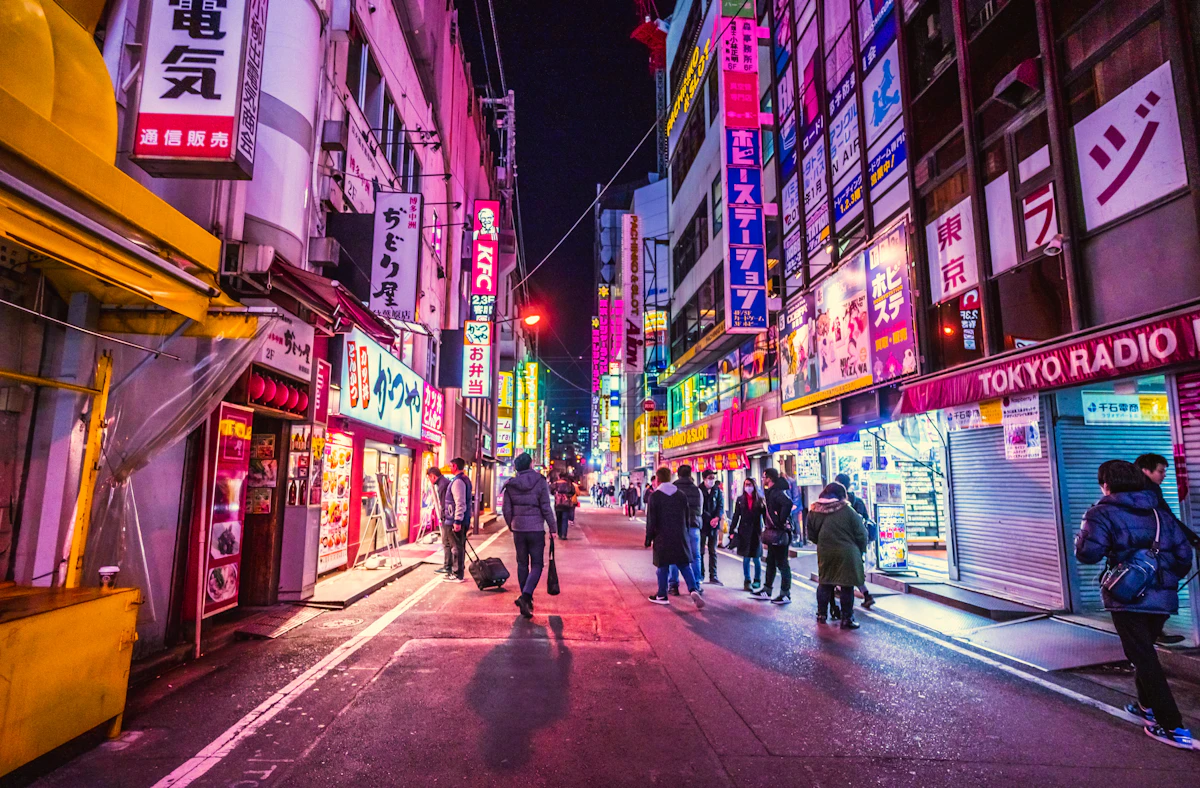
International students who get a job in Japan need to change their visa status from "Student" (留学) to a work-eligible category. The most common destination is ["Engineer/Specialist in Humanities/International Services"](https://www.moj.go.jp/isa/applications/status/gijinkoku.html) (技術・人文知識・国際業務 / gijutsu, jinbun chishiki, kokusai gyoumu).
### What This Visa Covers
This status is for work that utilizes knowledge gained through higher education:
- **Technology:** engineers, programmers, system designers, R&D
- **Humanities:** planning, sales, marketing, accounting, legal
- **International Services:** translation/interpretation, language instruction, international trade, design
A critical requirement: your university major must be *related* to your job duties. A literature major applying for an engineering role, for example, risks rejection if the connection isn't clear. For a first-hand account of IT job hunting in Japan, see [IT Engineer New Grad Job Hunting](/guides/it-engineer-new-grad-job-hunting-japan).
### Application Timeline
The [Immigration Services Agency](https://www.moj.go.jp/isa/10_00240.html) recommends submitting applications for April start dates between December 1 and the end of January. Applications pile up between January and March every year, slowing processing times.
### New Standards from December 2025
[According to the Immigration Services Agency](https://www.moj.go.jp/isa/10_00240.html), document requirements have been streamlined for applicants who meet any of these conditions:
- Graduated (or expect to graduate) from a Japanese university, graduate school, or junior college
- Graduated from a foreign university ranked in the top 300 on at least 2 of 3 major world university rankings (QS, THE, ARWU)
- The company currently employs a foreign national who previously changed from "Student" to a work visa, and that employee has had their period of stay renewed at least once
Note: dispatch (派遣 / haken) employment is excluded from this streamlined process.
### Required Documents (Standard Case)
- Application for Change of Status of Residence
- Photo (4cm tall × 3cm wide)
- Passport and Residence Card
- Graduation certificate or expected graduation certificate
- Employment contract or offer letter
- Company's certificate of registered matters (登記事項証明書)
- Company's financial statements (most recent fiscal year)
Submit your application at your nearest Regional Immigration Services Bureau. [Processing typically takes 1–2 months](https://www.moj.go.jp/isa/applications/procedures/16-2.html), but can take longer during the January–March peak period.
---
## Japanese Workplace Culture
Landing the job is one thing. Navigating the workplace is another.
### Seniority and Performance
Japanese companies traditionally used 年功序列 (nenkou joretsu / seniority-based) systems where pay and promotions correlated with age and tenure. Performance-based pay is growing, but most companies operate somewhere in between — pure meritocracy remains the exception.
### New Employee Training
April hires typically undergo training lasting days to months. Topics range from business card exchange etiquette (名刺交換 / meishi koukan) to phone manners, keigo (formal Japanese), and industry knowledge. Unlike many countries where you jump straight into the role, Japanese companies invest in onboarding.
### "Hou-Ren-Sou" (報連相)
The most important communication principle in Japanese workplaces: **報告** (houkoku / report), **連絡** (renraku / inform), **相談** (soudan / consult). Before acting on your own judgment, report to your supervisor, inform relevant colleagues, and consult when in doubt. Whether you adapt to hou-ren-sou significantly affects how you're evaluated. For more on workplace etiquette including business card exchange and punctuality, see [Tokyo Etiquette Guide](/guides/etiquette-tokyo).
### Overtime and Paid Leave
Japan's Labor Standards Act sets [legal working hours at 8 hours per day and 40 hours per week](https://www.mhlw.go.jp/stf/seisakunitsuite/bunya/koyou_roudou/roudoukijun/roudouzikan/index.html). [Overtime is capped at 45 hours per month and 360 hours per year in principle](https://hatarakikatakaikaku.mhlw.go.jp/overtime.html), and exceeding this requires a special labor-management agreement. [Paid leave starts at 10 days after 6 months of employment](https://work-holiday.mhlw.go.jp/kyuuka-sokushin/roudousya.html).
The stereotype of extreme overwork exists for a reason, but the reality varies widely by industry and company. IT companies and startups increasingly offer remote work and flextime arrangements.
---
## What to Do If Your Application Is Denied
### Visa Change Application Denied
You can ask the immigration bureau for the reason and reapply. The most common issue is a weak connection between your university major and job duties. Work with your employer to rewrite the employment contract with more specific job descriptions — this often resolves the problem.
### SPI Score Too Low
Some companies use the SPI as a hard cutoff, but others weigh it alongside interviews. Don't give up on a company just because you feel the SPI didn't go well. The standard preparation: work through SPI prep books repeatedly and build your Japanese reading speed.
### No Offers
[Shinsotsu Ouen Hello Work](https://www.mhlw.go.jp/stf/seisakunitsuite/bunya/0000132220.html) offers free one-on-one counseling with job support navigators. They can help with Entry Sheet and rirekisho advice, organizing your motivation for applying, and more. The [Tokyo Foreign Employment Service Center](https://jsite.mhlw.go.jp/tokyo-foreigner/) is another option for foreigners seeking consultation.
---
## Alternative Paths
If your Japanese isn't strong enough for the standard process, or if the Japanese job hunting format doesn't fit your background:
**Look for English-speaking positions:**
Foreign-capital companies and globally operating Japanese firms offer roles where English is the primary working language. Building a social network through [meetups and communities](/guides/making-friends-tokyo-expat) can also open up job opportunities. Search LinkedIn, GaijinPot Jobs, or Indeed Japan with "English" as a keyword.
**Specified Skilled Worker visa:**
The [Specified Skilled Worker program](https://www.moj.go.jp/isa/applications/ssw/index.html) accepts foreign workers in [16 industries (as of March 2024 cabinet decision)](https://www.moj.go.jp/isa/policies/ssw/nyuukokukanri01_00127.html) facing labor shortages — nursing care, construction, food service, and hospitality among them. Requirements: [JLPT N4 or higher plus a sector-specific skills test](https://www.mhlw.go.jp/stf/newpage_000117702.html).
**Use a recruitment agency:**
Recruitment agencies specializing in foreign talent can match you with positions that fit your experience and skills, and provide support with resume writing and interview prep.
---
## FAQ
### Can foreigners get a job in Japan without speaking Japanese?
Yes, but options are limited. Foreign-capital companies, IT firms, and English teaching positions often use English as the working language. For most Japanese companies, business-level Japanese (JLPT N2 or higher) is expected. The IT and engineering sectors tend to be more flexible about language requirements, and GitHub portfolios or technical skills can sometimes carry more weight. Start by searching LinkedIn or GaijinPot Jobs for "English OK" positions.
### What is shinsotsu batch hiring in Japan?
Shinsotsu (新卒) batch hiring is Japan's system where companies recruit university graduates as a group, all starting on April 1st. The process begins in the summer of the junior year with internships, followed by formal applications in March of the senior year. This system is unique to Japan and affects most new graduate job seekers. Unlike Western hiring where you apply for specific open positions, in Japan you may not know your department assignment until after joining.
### What visa do I need to work in Japan?
The most common work visa for office jobs is Engineer/Specialist in Humanities/International Services (技術・人文知識・国際業務). Students changing status should apply 3–4 months before their planned start date. The application requires an employment contract or offer letter, passport, graduation certificate, and supporting documents. For April start dates, submitting between December and January is recommended, as applications pile up between January and March.
### What is a rirekisho and do I need one?
A rirekisho (履歴書) is Japan's standard resume format. It includes an ID photo (3cm × 4cm), personal details, education, and work history in a structured template. Most Japanese companies require it, even for mid-career applicants. The [Ministry of Health, Labour and Welfare provides a recommended template](https://www.mhlw.go.jp/stf/newpage_kouseisaiyou030416.html). PC-created versions are becoming standard, but some traditional companies still prefer handwritten ones.
---
## Related Articles
- [IT Engineer Job Hunting in Japan](/guides/it-engineer-new-grad-job-hunting-japan) — A new grad's first-hand account of the IT hiring process
- [Health Insurance & Pension in Japan](/guides/health-insurance-pension-japan) — Insurance and pension enrollment after starting your job
- [How Payments Work in Japan](/guides/payment-methods) — Useful payment methods once you've set up your salary account
- [How to Find an Apartment in Tokyo](/guides/how-to-find-apartment-tokyo) — Finding a place to live after landing a job. Covers upfront costs and required documents
- [Tokyo's 23 Special Wards Guide](/guides/tokyo-special-wards-guide) — Choosing a neighborhood based on your commute
---
**References:**
- Ministry of Health, Labour and Welfare, "Summary of Foreign Employment Status Reports (as of October 2024)" https://www.mhlw.go.jp/stf/newpage_50256.html (Accessed: 2026-02-17)
- Immigration Services Agency, "Status of Residence: Engineer/Specialist in Humanities/International Services" https://www.moj.go.jp/isa/applications/status/gijinkoku.html (Accessed: 2026-02-17)
- Immigration Services Agency, "For those planning to change from Student to Work status" https://www.moj.go.jp/isa/10_00240.html (Accessed: 2026-02-17)
- Cabinet Secretariat, "Requests Regarding Job Hunting and Recruitment Activities" https://www.cas.go.jp/jp/seisaku/shushoku_katsudou_yousei/index.html (Accessed: 2026-02-17)
- Ministry of Health, Labour and Welfare, "New Resume Format Example" https://www.mhlw.go.jp/stf/newpage_kouseisaiyou030416.html (Accessed: 2026-02-17)
- Immigration Services Agency, "Specified Skilled Worker System" https://www.moj.go.jp/isa/applications/ssw/index.html (Accessed: 2026-02-17)
- Ministry of Health, Labour and Welfare, "Overtime Limits" https://hatarakikatakaikaku.mhlw.go.jp/overtime.html (Accessed: 2026-04-08)
- Ministry of Health, Labour and Welfare, "Annual Paid Leave Promotion" https://work-holiday.mhlw.go.jp/kyuuka-sokushin/roudousya.html (Accessed: 2026-04-08)
- SPI Aptitude Test https://www.spi.recruit.co.jp/ (Accessed: 2026-04-08)
- Tokyo Foreign Employment Service Center https://jsite.mhlw.go.jp/tokyo-foreigner/ (Accessed: 2026-04-08)
- Ministry of Health, Labour and Welfare, "Specified Skilled Worker Evaluation Tests and Japanese Language Tests" https://www.mhlw.go.jp/stf/newpage_000117702.html (Accessed: 2026-04-08)
---
# Japan Travel eSIM Guide 2026 — SIM, eSIM & WiFi Compared With Prices
> Side-by-side price table for Airalo, Ubigi, Mobal, and 5 more providers. eSIM vs physical SIM vs pocket WiFi pros and cons, airport pickup locations, 'unlimited' plan throttle thresholds, and what to do when your data stops working.
- **URL**: https://tokyo.how/guides/japan-travel-sim-esim-guide
- **Category**: Explore
- **Audience**: tourist
- **Published**: 2026-02-27
- **Updated**: 2026-02-27
- **Tags**: SIM, eSIM, pocket WiFi, internet, travel preparation
---
## Comparing Your 3 Options
There are three ways to get online in Japan: eSIM, physical SIM, and pocket WiFi. The best choice depends on your device compatibility, group size, and length of stay.
| | eSIM | Physical SIM | Pocket WiFi |
|---|---|---|---|
| **Price (7 days)** | [See provider details below](#recommended-esim-providers) | ¥1,980–¥3,000 | ¥3,000–¥10,000 |
| **Where to buy** | Online (before departure) | Airport counter or vending machine | Airport counter or pre-shipped |
| **Setup** | Scan QR code (5 min) | Swap SIM card | Power on and connect to WiFi |
| **Multi-device** | 1 device only | 1 device only | [5–10 devices (varies by model)](#major-rental-services) |
| **Phone number** | None (most plans) | None (most plans) | None |
| **Charging** | Not needed | Not needed | Daily charging required |
| **Return** | Not needed | Not needed | Return at airport, etc. |
For solo or duo travelers with eSIM-compatible phones, eSIM offers the best value. Unlike pocket WiFi, there's no battery to worry about and nothing extra to carry. If you're in a group of three or more and want to share a single router, or if your phone doesn't support eSIM, pocket WiFi or a physical SIM is the way to go.
---
## Recommended eSIM Providers
Many eSIM providers offer coverage in Japan, and nearly all are data-only (no voice calls or SMS). Here's a comparison of major providers.
### eSIM Comparison (Tourist Plans)
| Provider | Best for | Starting price | Activation | Network |
|---|---|---|---|---|
| **[Airalo](https://airalo.pxf.io/OYZ7RK?subId1=japantravelsimesimguide&subId2=en&subId3=comparisontable)** | Best value, easy setup for short trips | ~$5 / 1 GB / 7 days | QR code (instant) | SoftBank / au |
| [Holafly](https://esim.holafly.com/esim-japan/) | Travelers who want truly unlimited data | $19+ / 5 days unlimited | QR code (instant) | NTT docomo |
| [Mobal Voice Lite](https://www.mobal.com/japan-esims/) | Long-term stays needing a Japanese phone number | ¥3,300 setup + ¥990/month | QR code | NTT docomo |
| [Ninja WiFi](https://ninjawifi.com/en) (pocket WiFi) | Groups of 3+ sharing one router | ¥1,000–¥1,980 / day | Airport pickup | SoftBank 4G LTE |
| [IIJmio Japan Travel SIM](https://www.iijmio.jp/hdc/visitors/) | Phones without eSIM support | from ¥2,200 / 3 GB | Physical SIM swap | NTT docomo |
Which to pick depends on your trip:
- **Short trip, light usage:** Data-only eSIMs (Airalo and similar) cover most needs from ~$5.
- **Heavy streaming, no throttle concerns:** Holafly's truly unlimited plans.
- **Long stay needing a Japanese phone number:** Mobal Voice Lite.
- **Group of 3+ sharing one router:** Pocket WiFi like Ninja WiFi.
- **Phone without eSIM support:** Physical SIM (IIJmio, or pickup at the airport).
If you already use travel-booking platforms, [Klook](https://www.klook.com/) also sells a Japan eSIM. It runs on SoftBank or docomo with a Klook-exclusive plan, delivers the QR code by email instantly, and lets you pay in your local currency. Handy if you want to bundle the eSIM with tickets and activities in one checkout.
[📱 Buy Japan eSIM on Klook](https://www.klook.com/activity/109393-japan-esim-high-speed-internet-qr-code-voucher/)
### Fixed Data Plans
| Provider | Plan examples | Network |
|---|---|---|
| [Airalo](https://airalo.pxf.io/OYZ7RK?subId1=japantravelsimesimguide&subId2=en&subId3=comparisontable) | 1 GB–100 GB / 7–30 days | SoftBank / au |
| [Ubigi](https://cellulardata.ubigi.com/rates-and-coverage/japan-data-plans/) | 3 GB–50 GB / 15–30 days | au / NTT docomo |
| [Saily](https://saily.com/esim-japan/) | 1 GB–20 GB / 7–30 days | NTT docomo |
| [b-mobile eSIM](https://www.bmobile.ne.jp/english/esim.html) | 3 GB+ | NTT docomo |
Prices vary by displayed currency (USD/EUR, etc.) depending on your region. Check each provider's official page for the latest pricing.
### Unlimited Plans
| Provider | Duration | Throttle conditions |
|---|---|---|
| [Holafly](https://esim.holafly.com/esim-japan/) | 7–90 days | [Throttled to 256 Kbps–1 Mbps after 90 GB/month](https://esim.holafly.com/esim-japan/) |
| [Airalo Unlimited](https://airalo.pxf.io/OYZ7RK?subId1=japantravelsimesimguide&subId2=en&subId3=comparisontable) | 30 days | [Throttled to 1 Mbps after 3 GB/day](https://www.airalo.com/japan-esim) |
| [Ubigi Unlimited](https://cellulardata.ubigi.com/rates-and-coverage/japan-data-plans/japan-unlimited-15-days/) | 15 days | Throttled to 2 Mbps after ~30 GB |
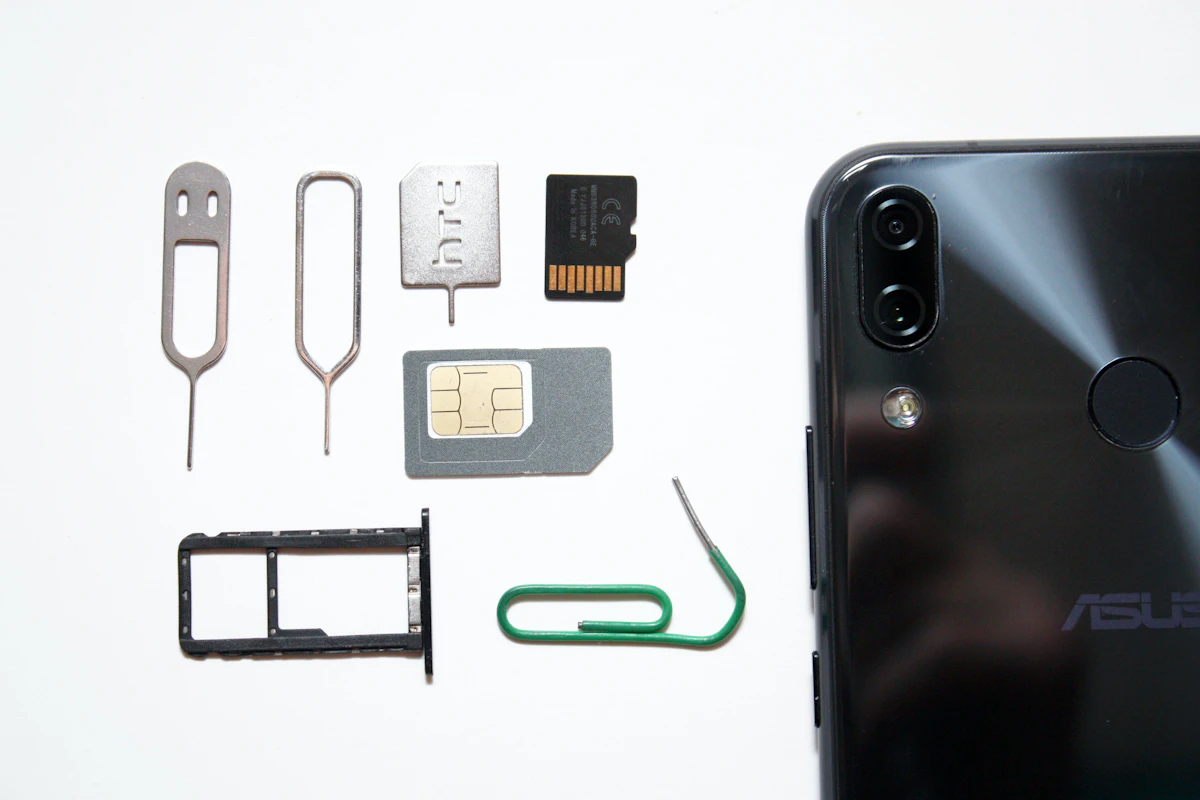
For a 7-day Tokyo trip focused on Google Maps, LINE, and web browsing — essential for [navigating station transfers](/guides/station-navigation-tokyo) — expect to use around 300–500 MB per day. A 3 GB plan will likely be enough. If you plan to stream video frequently or stay longer than two weeks, an unlimited plan like Holafly gives you more peace of mind.
### Network Differences
Different eSIM providers use different Japanese carriers behind the scenes.
- **NTT docomo** — [Widely considered to have the broadest nationwide coverage of the three major carriers](https://www.docomo.ne.jp/area/). Strong in rural and mountainous areas, making it a reliable choice if you're venturing beyond Tokyo
- **SoftBank** — [Strong urban coverage with aggressive 5G expansion](https://www.softbank.jp/mobile/network/area/). Works perfectly for trips focused on Tokyo, Osaka, and Kyoto
- **au (KDDI)** — [Coverage falls between docomo and SoftBank](https://www.au.com/mobile/area/), with solid performance in both urban and suburban areas
Within central Tokyo (the 23 wards), there's virtually no noticeable difference between carriers. If you're planning to visit the Mt. Fuji area, Hokkaido, or remote islands in Okinawa, choosing a provider on the docomo network (Ubigi, b-mobile, etc.) is the safer bet.
---
## How to Set Up an eSIM
Setup takes about 5 minutes. We recommend installing it at home on WiFi before departure — it saves you from hunting for airport WiFi after landing in Japan.
### iPhone
1. Purchase a plan on the eSIM provider's website. You'll receive a QR code via email or their app
2. Go to [**Settings** → **Cellular** → **Add eSIM** → scan the QR code](https://support.apple.com/en-us/118669)
3. Select the new eSIM under "Cellular Data"
4. After arriving in Japan, go to [**Settings → Cellular → [your eSIM line] → Data Roaming** and turn it on](https://support.apple.com/en-us/109037)
### Android
1. Have the QR code from your purchase ready
2. Go to [**Settings** → **Network & internet** → **SIMs** → **Add SIM** → scan the QR code](https://support.google.com/pixelphone/answer/16115470?hl=en)
3. Enable the new SIM profile
4. After arriving in Japan, turn on **Roaming**
### How to Check Device Compatibility
Here's how to find out whether your phone supports eSIM.
- **iPhone** — Go to **Settings** → **General** → **About** and look for "EID." If you see a [32-digit number, your device supports eSIM](https://esimdb.com/blog/how-to-check-esim-compatibility/)
- **Android** — Go to **Settings** → **About phone** (or **Device information**) and look for "EID." Alternatively, go to **Settings** → **Network & internet** → **SIMs** and check if "Add eSIM" appears as an option
If you can't find an EID, your phone does not support eSIM — go with a physical SIM or pocket WiFi instead.
Note: [Smartphones sold in Japan since October 2021 are required to be SIM-unlocked by law](https://www.soumu.go.jp/joho_tsusin/eidsystem/competition12_01.html), so they ship SIM-free. Phones brought from overseas will also work as long as the carrier SIM lock has been removed.
### Using Alongside Your Home SIM (Dual SIM)
A major advantage of eSIM is that you don't need to remove your physical SIM card. iPhones support [eSIM + physical SIM configurations, and newer models support eSIM + eSIM](https://support.apple.com/en-us/109317) — so your home SIM stays in place.
This matters because of two-factor authentication. Many banking apps and social media services send verification codes via SMS to your home phone number. If you can't receive those texts, you may get locked out of your accounts. The safest setup is to assign the Japan eSIM to data and keep your home SIM for calls and SMS. You can choose which line handles data in your phone's settings.
### Emergency Calls
Data-only eSIMs and physical SIMs **cannot make voice calls to 110 (police) or 119 (fire/ambulance).** In an emergency, ask for help at your hotel front desk, a nearby convenience store, or a koban (police box). You can also switch to your home SIM and use international roaming to make the call. If you need voice capability, consider a plan with voice support such as [Mobal Voice Lite eSIM](https://www.mobal.com/japan-esims/).
---
## Buying a Physical SIM at the Airport
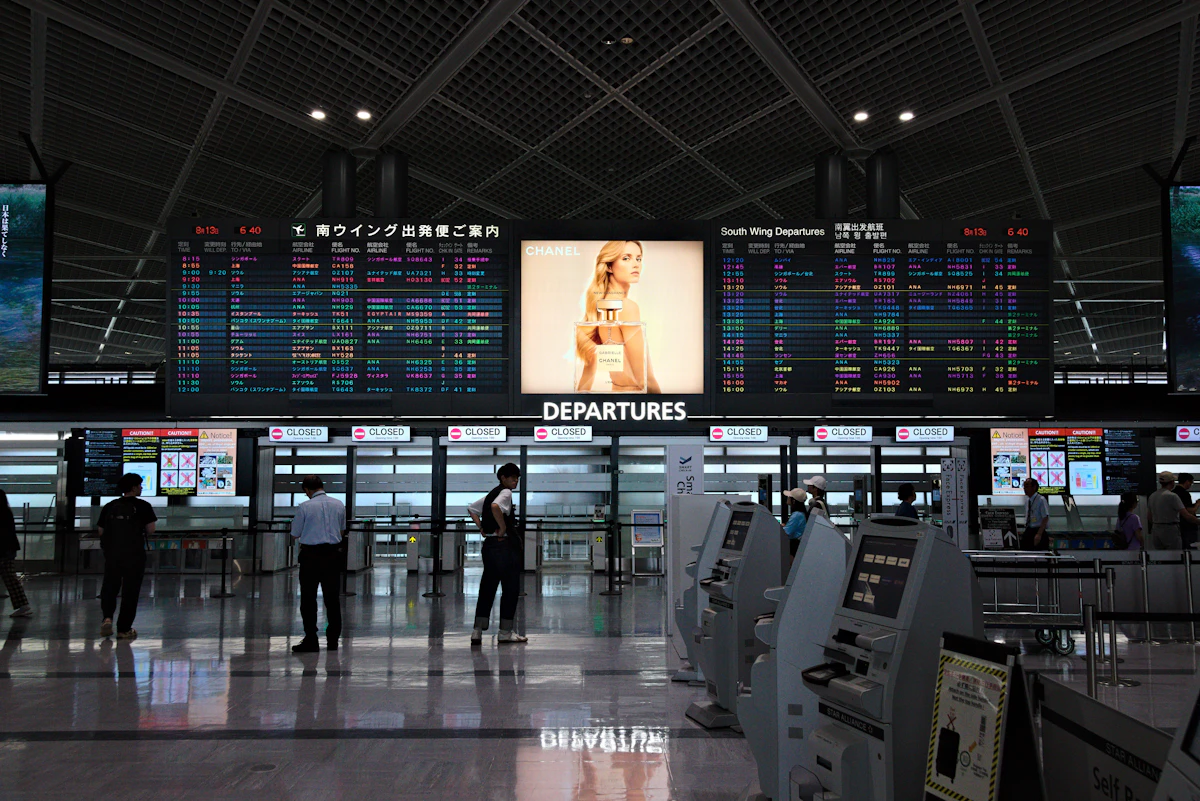
If your phone doesn't support eSIM, you can buy a physical SIM at the arrival lobbies of Narita and Haneda airports.
### Narita Airport
- **SIM vending machines** — [Five machines installed on the 1F of Terminals 1–3](https://www.narita-airport.jp/en/service/internet/rental/). Since they're vending machines, you can buy outside staffed counter hours
- **[J WiFi & Mobile](https://www.narita-airport.jp/en/service/internet/rental/)** — Terminal 1 North Wing 4F, South Wing 4F, and Central Building 1F; 7:00–21:00
- **[AnyFone JAPAN](https://www.narita-airport.jp/en/service/internet/rental/)** — Terminal 1 Central Building 1F; 7:00–21:00
### Haneda Airport
- **Mobile Center** (Terminal 3, 2F Arrival Lobby) — [6:00–23:00](https://tokyo-haneda.com/en/shop_and_dine/detail/tenant_00435.html)
- **AnyFone JAPAN** (Terminal 3, 2F Arrival Lobby) — [6:00–23:00](https://tokyo-haneda.com/en/shop_and_dine/detail/tenant_00437.html)
- **[BIC CAMERA](https://tokyo-haneda.com/en/shop_and_dine/detail/tenant_00215.html)** (Terminal 3, 4F) — Sells SIMs from brands like IIJmio and b-mobile over the counter
Even if you arrive late at night or early in the morning when staffed counters are closed, SIM vending machines are still available. If you don't have time to compare plans, grabbing one from the vending machine is the quickest option.
### Major Physical SIM Brands
| Brand | Plan examples | Network |
|---|---|---|
| [b-mobile Visitor SIM](https://www.bmobile.ne.jp/english/product.html) | 5 GB / 10 days: ¥1,980 / 7 GB / 21 days: ¥2,970 | NTT docomo |
| [IIJmio Japan Travel SIM](https://www.iijmio.jp/hdc/visitors/) | 3 GB–55 GB / up to 30 days | NTT docomo |
Outside the airport, you can also find prepaid SIMs at electronics retailers ([BIC CAMERA](https://www.biccamera.com/), [Yodobashi Camera](https://www.yodobashi.com/)) and convenience stores (FamilyMart, Lawson). FamilyMart and Lawson carry [traveler-oriented SIMs like IIJmio](https://www.iijmio.jp/hdc/visitors/), which is helpful if you forgot to buy one at the airport. That said, not all branches stock them — availability is limited to stores in urban areas.
SIM card size for modern smartphones is almost always nano SIM. Older devices may use micro SIM or standard SIM, so check your phone's SIM tray before purchasing.
---
## When Pocket WiFi Makes Sense
A pocket WiFi (mobile router) is a small device that lets multiple phones, tablets, and laptops connect through a single data plan. It's worth considering in these situations:
- **Groups of 3 or more** — Splitting one rental across the group can be cheaper than buying individual eSIMs for everyone
- **Multiple devices without eSIM** — Tablets, laptops, and gaming devices can all connect
- **Heavy data usage** — [Japan Wireless](https://www.japan-wireless.com/) does not list a Fair Use Policy, making it suitable for high-volume use
### Major Rental Services
| Service | Approximate price | Network | Simultaneous connections |
|---|---|---|---|
| [WiFiBOX](https://www.telecomsquare.co.jp/wifibox/) | From ¥440/day | — | Up to 5 devices |
| [Japan Wireless](https://www.japan-wireless.com/) | From ~¥700/day | SoftBank | Up to 10 devices |
| [Ninja WiFi](https://ninjawifi.com/en) | ¥1,980/day (discounted plans available) | SoftBank 4G LTE | [See official site](https://ninjawifi.com/en/plan) |
Most services support pickup and return at Narita and Haneda airport counters. Reserving online in advance is recommended to guarantee availability. Many services also offer optional damage/loss insurance (~¥200–300/day) at checkout, which is worth considering if you're worried about losing or breaking the device.
### Downsides of Pocket WiFi
Daily charging is unavoidable. Battery life ranges from 8 to 20 hours depending on the model, so on a full day out from morning to night, the battery may die partway through. Bringing a portable charger is recommended. If your group shares one router, everyone goes offline the moment they get separated from the person carrying it. You also need to return the device at an airport counter or drop box before you leave — forget to return it and you'll face late fees of several hundred to several thousand yen per day.
---
## The Reality of "Unlimited" Plans
Many eSIM and pocket WiFi plans marketed as "unlimited" actually throttle your speed significantly after you hit a certain data threshold. After throttling kicks in, speeds drop to 128 Kbps–1 Mbps — slow enough that Google Maps takes noticeably longer to load and video streaming becomes virtually impossible.
Specific limits:
- **Holafly** — [Throttled to 256 Kbps–1 Mbps after 90 GB/month](https://esim.holafly.com/esim-japan/). Tethering is also capped at 1 GB/day
- **Airalo Unlimited** — [Throttled to 1 Mbps after 3 GB/day](https://www.airalo.com/japan-esim)
- **Ubigi Unlimited 15 days** — [Throttled to 2 Mbps after ~30 GB](https://cellulardata.ubigi.com/rates-and-coverage/japan-data-plans/japan-unlimited-15-days/)
If you want to avoid throttling altogether, a pocket WiFi service like [Japan Wireless](https://www.japan-wireless.com/), which doesn't list a Fair Use Policy, is one option. If you're buying an "unlimited" eSIM, check the provider's Fair Use Policy on their official page before committing.
---
## When You Need a Phone Number
Data-only eSIMs and physical SIMs do not come with a Japanese phone number. For most Tokyo sightseeing, you won't run into problems without one — but there are a few exceptions.
- **Registering for [PayPay](https://paypay.ne.jp/)** — Requires SMS verification with a Japanese phone number (080/090/070). However, tourists can get by without PayPay. See the [Payment Methods Guide](/guides/payment-methods) for alternative ways to pay
- **Making phone reservations** — Some restaurants and facilities only accept bookings by phone (though online reservations are increasingly the norm, so you're unlikely to encounter this often)
If you absolutely need a Japanese phone number, [Mobal Voice Lite eSIM](https://www.mobal.com/japan-esims/) is one option. For an initial fee of ¥3,300 plus ¥990/month, you get an eSIM with a Japanese 070/080/090 number — no residence card or Japanese address required.
For day-to-day messaging and calls, [LINE](https://line.me/) over data works just fine. LINE is also useful when [booking restaurants](/guides/restaurant-booking-tokyo), as some venues accept reservations via their LINE account. It's the dominant messaging app in Japan, and with a data connection, you don't need a phone number to use it.
---
## Troubleshooting
| Symptom | Cause | Solution |
|---|---|---|
| Still showing "No Service" after arrival | Data roaming is off | Settings → Cellular → eSIM line → turn Data Roaming on |
| Can't scan the QR code | Focus or brightness issue | Enlarge the QR code and try again in a well-lit area |
| Extremely slow data speeds | Hit throttle limit / old APN settings interfering | Delete unnecessary APN settings. If throttled, purchase additional data |
| eSIM installation failed | Unstable WiFi connection | Retry on a stable WiFi network. If airport WiFi is flaky, try a cafe |
| Not sure if device supports eSIM | — | iPhone: Settings → General → About → check for EID. Android: Settings → About phone → check for EID |
Most connection issues are resolved by **toggling airplane mode on and off** or **restarting your phone**. If that doesn't work, contact your eSIM provider's support team.
---
## Using Free WiFi to Save Data
Even with an eSIM or pocket WiFi, connecting to free WiFi when available helps conserve your data allowance.
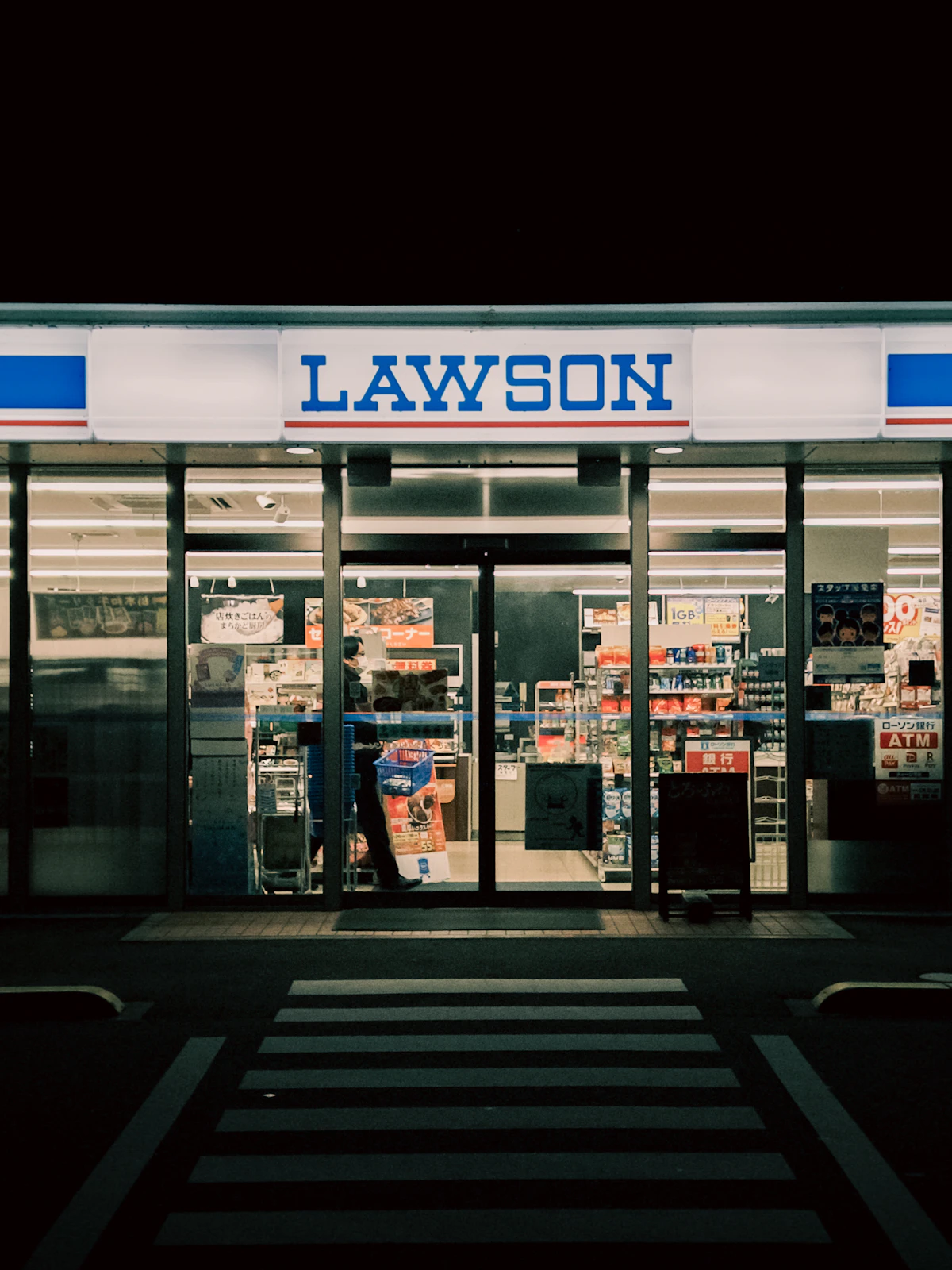
[TOKYO FREE Wi-Fi](https://www.wifi-tokyo.jp/) is a city-run network available in tourist areas including Shibuya, Shinjuku, Asakusa, Ginza, Akihabara, and Odaiba. You'll need to register an email address when connecting. Convenience stores (FamilyMart, Lawson) and coffee chains (Starbucks, Tully's, Doutor) also offer free WiFi. Major JR East stations (Yamanote Line stops, Shinkansen stations) have WiFi hotspots as well, and the [JNTO (Japan National Tourism Organization) WiFi guide](https://www.japan.travel/en/plan/wifi-and-connectivity/) lists available connection points.
That said, relying on free WiFi alone for an entire trip isn't realistic. You lose your connection the moment you leave a hotspot, which means no Google Maps or transit apps while you're on the move. Think of free WiFi as a supplement for saving data — make sure you have at least one of eSIM, physical SIM, or pocket WiFi as your primary connection.
---
## Summary — Set Up an eSIM Before You Leave
If your phone supports eSIM, installing one before departure is the lowest-effort option. Having Google Maps ready to search routes the moment you land at the airport is a genuine relief. Even if your phone doesn't support eSIM, physical SIMs are available right in the Narita and Haneda arrival lobbies, so there's no reason to stress. For group travel, sharing a pocket WiFi is a sensible choice too. Whatever you choose, don't rely solely on Tokyo's free WiFi — secure at least one dedicated mobile data connection for yourself, and your trip will go much more smoothly. For a full pre-departure checklist, see our guide on [common Tokyo travel mistakes](/guides/tokyo-travel-pitfalls).
---
**Sources:**
- Ministry of Internal Affairs and Communications "Guidelines (SIM Lock Release)" https://www.soumu.go.jp/joho_tsusin/eidsystem/competition12_01.html (accessed: 2026-02-27)
- Narita International Airport "Internet / Wi-Fi / Mobile Phones" https://www.narita-airport.jp/en/service/internet/rental/ (accessed: 2026-02-27)
- Haneda Airport Mobile Center https://tokyo-haneda.com/en/shop_and_dine/detail/tenant_00435.html (accessed: 2026-02-27)
- JNTO "WiFi & Connectivity" https://www.japan.travel/en/plan/wifi-and-connectivity/ (accessed: 2026-02-27)
---
## Related Articles
- [How to Buy and Use a Suica Card](/guides/suica-card) — Step-by-step guide to purchasing, topping up, and using Suica
- [How Payments Work in Japan](/guides/payment-methods) — PayPay, Suica, cash — what you actually need to carry
- [Tokyo Travel Pitfalls](/guides/tokyo-travel-pitfalls) — A checklist of things to prepare beyond your SIM card
---
# Is the JR Pass Worth It in 2026? Cost Breakdown by Itinerary
> The 7-day JR Pass costs ¥50,000 after a 70% price hike. We break down 6 popular itineraries to show exactly when the pass saves money — and when you're better off with regional passes.
- **URL**: https://tokyo.how/guides/jr-pass-japan
- **Category**: Money
- **Audience**: tourist
- **Published**: 2026-02-28
- **Updated**: 2026-05-13
- **Tags**: JR Pass, Shinkansen, transportation costs, travel
---
## JR Pass Basics
The [JAPAN RAIL PASS](https://japanrailpass.net/en/) (commonly called the JR Pass) is an unlimited-ride pass for foreign tourists, jointly offered by Japan's six JR companies. It covers all JR lines, including the Shinkansen (bullet train).
[🚄 Book the 7-Day JR Pass on Klook](https://www.klook.com/activity/1420-7-day-whole-japan-rail-pass-jr-pass/)
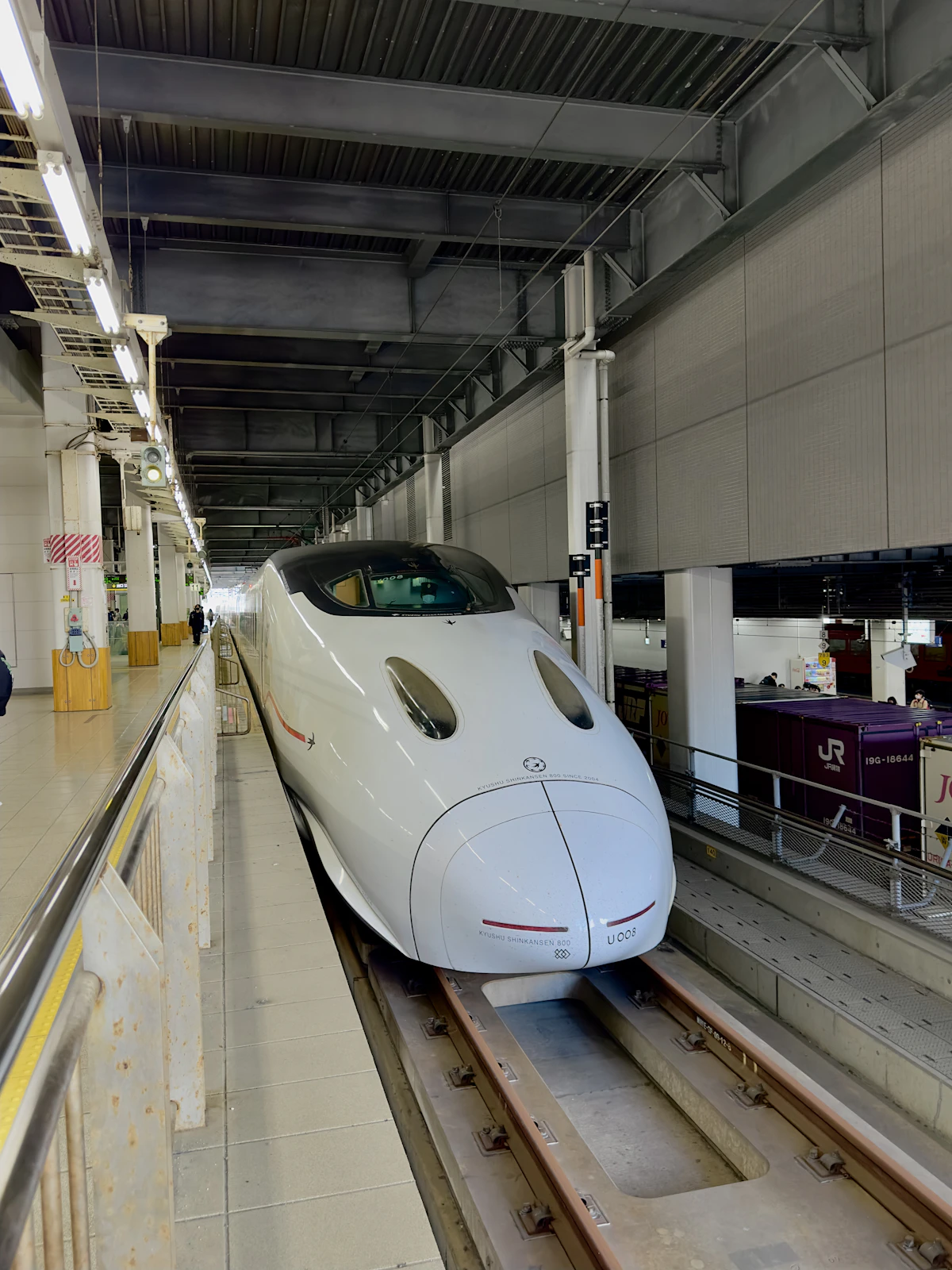
### Pricing
| Duration | Ordinary Car (Adult) | Green Car (Adult) |
|----------|---------------------|-------------------|
| 7 days | ¥50,000 | ¥70,000 |
| 14 days | ¥80,000 | ¥110,000 |
| 21 days | ¥100,000 | ¥140,000 |
Children (ages 6–11) pay half price. See the [official JR Pass website](https://japanrailpass.net/en/purchase/price/) for full pricing details.
### What's Covered and What's Not
**Included:**
- All [JR Shinkansen lines](https://japanrailpass.net/en/about_jrp/route/) except Nozomi and Mizuho (Hayabusa, Kagayaki, Hikari, Sakura, Kodama, etc.), limited express, rapid, and local trains
- [Tokyo Monorail](https://www.tokyo-monorail.co.jp/) (Hamamatsuchō to Haneda Airport)
- [JR West Miyajima Ferry](https://jr-miyajimaferry.co.jp/)
- [JR local bus routes](https://japanrailpass.net/en/about_jrp/route/) (highway buses excluded)
**Not included:**
- **Nozomi and Mizuho** (rideable with an additional ticket — details below)
- Tokyo Metro and Toei Subway
- Private railways (Tokyu, Odakyu, Keio, Hankyu, Kintetsu, etc.)
- JR highway buses
Within Tokyo, the JR Pass covers the JR Yamanote Line and JR Chuo Line, but not the Tokyo Metro (Ginza Line, Marunouchi Line, etc.) or Toei Subway (Oedo Line, etc.). Most of Tokyo's subway network is non-JR, so the pass has limited use for sightseeing within the city. For getting around on non-JR lines, a [Suica card](/guides/suica-card) is essential. Popular spots like Asakusa (浅草), Shibuya's Scramble Crossing (渋谷スクランブル交差点), Tsukiji (築地), and Roppongi (六本木) are largely along Tokyo Metro lines.
If you just want unlimited JR rides within central Tokyo, the [Tokunai Pass](https://www.jreast.co.jp/tickets/info.aspx?GoodsCd=2846) (都区内パス / Tokunai Pasu) costs ¥760/day (¥870/day from March 14, 2026). Even 7 days of that is only ¥6,090. There's no reason to consider the ¥50,000 JR Pass just for getting around Tokyo.
---
## What Changed with the 2023 Price Hike?
[On October 1, 2023, JR Pass prices jumped significantly.](https://japanrailpass.net/assets/pdf/JRP_pressrelease_en_230802.pdf)
| Duration | Before | [After](https://japanrailpass.net/en/purchase/price/) | Increase |
|----------|--------|-------|----------|
| 7 days (Ordinary) | ¥29,650 | ¥50,000 | **+69%** |
| 14 days (Ordinary) | ¥47,250 | ¥80,000 | +69% |
| 21 days (Ordinary) | ¥60,450 | ¥100,000 | +65% |
Before the increase, a Tokyo–Kyoto Shinkansen round trip on Hikari ([¥27,700](https://ekitan.com/transit/shinkansen/section/sf-2590/st-5198/hikari)) nearly paid for the pass. The gap between ¥29,650 and ¥27,700 was only ¥1,950 — a few JR rides within Tokyo would have covered it.
At the new price of ¥50,000, the same round trip leaves you ¥22,300 in the red. The era of "buying a JR Pass just to visit Kyoto" is over.
---
## Cost Breakdown by Itinerary
Whether the JR Pass saves money comes down to comparing it against regular Shinkansen fares. The calculations below use the 7-day pass (¥50,000) as the baseline.
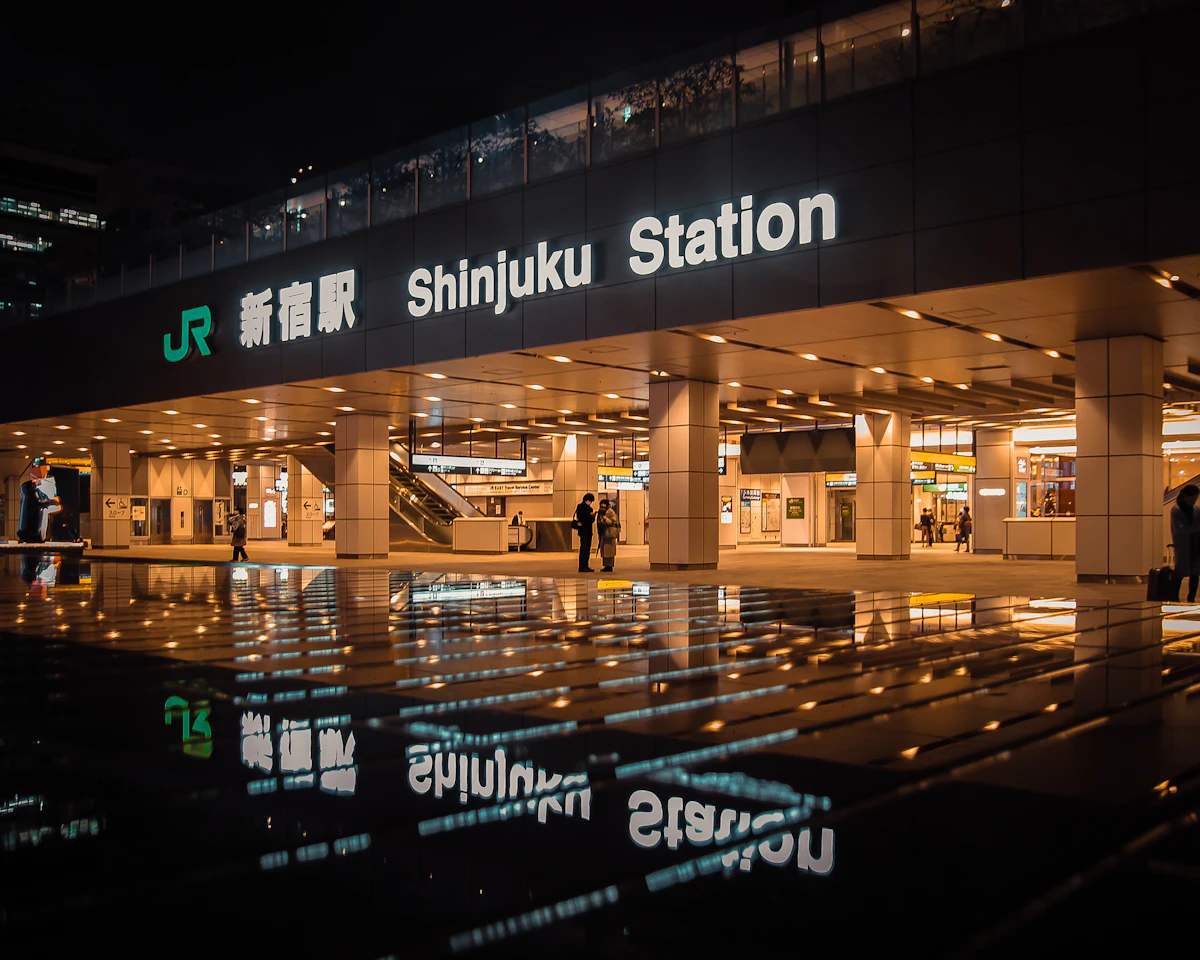
### [Shinkansen Fares for Major Routes](https://railway.jr-central.co.jp/ticket-rule/rule31.html) (Regular Season, Hikari Reserved Seat / Base Fare + Express Surcharge)
| Route | One Way | Round Trip |
|-------|---------|------------|
| [Tokyo → Kyoto (京都)](https://ekitan.com/transit/shinkansen/section/sf-2590/st-5198/hikari) | ¥13,850 | ¥27,700 |
| [Tokyo → Shin-Osaka (新大阪)](https://ekitan.com/transit/shinkansen/section/sf-2590/st-5429/hikari) | ¥14,400 | ¥28,800 |
| Tokyo → Hiroshima (広島) | ¥18,910 | ¥37,820 |
| Tokyo → Hakata (博多) | ¥22,750 | ¥45,500 |
| [Tokyo → Nagoya (名古屋)](https://ekitan.com/transit/shinkansen/section/sf-2590/st-4455/hikari) | ¥11,090 | ¥22,180 |
| [Tokyo → Kanazawa (金沢)](https://ekitan.com/transit/shinkansen/section/sf-2590/st-6223) | ¥14,380 | ¥28,760 |
*[Peak season adds ¥200–400; off-peak saves ¥200](https://railway.jr-central.co.jp/ticket-rule/rule30.html).*
### Verdict by Pattern
**Tokyo ↔ Kyoto only (round trip)**
Round trip ¥27,700. Gap from JR Pass: **−¥22,300**. Not worth it.
**Tokyo ↔ Osaka only (round trip)**
Round trip ¥28,800. Gap: **−¥21,200**. Not worth it.
**Tokyo ↔ Hiroshima only (round trip)**
Round trip ¥37,820. Gap: **−¥12,180**. Still in the red, but adding local JR rides in Hiroshima (e.g., to Miyajima-guchi) narrows the gap considerably.
**Tokyo ↔ Hakata only (round trip)**
Round trip ¥45,500. Gap: only **−¥4,500**. A few JR local rides around Hakata and you break even.
**Tokyo → Kyoto → Osaka → Hiroshima → Tokyo**
¥13,850 + ¥580 (Kyoto → Osaka, JR regular train) + [¥10,420 (Shin-Osaka → Hiroshima, Sakura reserved seat)](https://ekitan.com/transit/shinkansen/section/sf-5429/st-6858/sakura) + ¥18,910 = ~**¥43,760**. Add JR local trains in each city and it approaches **¥50,000**. This route barely breaks even.
**Tokyo → Kyoto → Hiroshima (Miyajima) → Hakata → Tokyo**
A loop this size comfortably pays for itself. Shinkansen fares alone exceed ¥55,000, and local trains plus the Miyajima ferry widen the gap further.
### The Bottom Line
After the price hike, breaking even on the 7-day JR Pass (¥50,000) requires **at least 3 cities connected by Shinkansen**. If your trip is just "Tokyo and Kyoto" or "Tokyo and Osaka," buying individual tickets is cheaper.
---
## Riding Nozomi and Mizuho Trains
The JR Pass alone does not cover the Nozomi or Mizuho — the fastest trains on the Tokaido, Sanyo, and Kyushu Shinkansen lines. However, you can ride them by purchasing a separate ["Nozomi/Mizuho Exclusive Ticket"](https://japanrailpass.net/en/use/special-ticket/).
| Route | Surcharge |
|-------|-----------|
| Tokyo → Nagoya (名古屋) | ¥4,180 |
| Tokyo → Kyoto (京都) | ¥4,960 |
| Tokyo → Shin-Osaka (新大阪) | ¥4,960 |
| Tokyo → Hiroshima (広島) | ¥6,500 |
| Shin-Osaka → Hakata (博多) | ¥4,960 |
Purchase at [JR reserved-seat ticket machines or Midori no Madoguchi (みどりの窓口)](https://global.jr-central.co.jp/en/onlinebooking/contents/jrp_nozomi/) counters. Available from one month before to the day of travel.
Taking the Nozomi from Tokyo to Kyoto saves about 30 minutes compared to Hikari ([~2 hours 15 min vs. ~2 hours 45 min](https://railway.jr-central.co.jp/jikoku/)). But the extra ¥4,960 raises the break-even bar, so if time isn't tight, Hikari does the job.
---
## Regional Passes: Cheaper Than the Nationwide Pass?
Each JR company also sells regional passes limited to specific areas. If your itinerary fits within one region, these are often cheaper than the nationwide ¥50,000 pass.
| Pass | Price | Duration | Best For |
|------|-------|----------|----------|
| [JR EAST PASS](https://www.jreast.co.jp/en/multi/pass/eastpass_t.html) | ¥30,000 (¥35,000 from March 14, 2026) | 5 days | Tokyo + Tohoku (Sendai, Morioka, Aomori) |
| [JR West Kansai Wide Area Pass](https://www.westjr.co.jp/travel-information/en/tickets-passes/jrwest-rail-pass/kansai_wide/) | ¥12,000 | 5 days | Kansai loop (includes Shin-Osaka–Okayama Shinkansen) |
| [Hokuriku Arch Pass](https://www.westjr.co.jp/travel-information/en/tickets-passes/other/hokuriku-arch-pass/) | ¥30,000 (¥35,000 from March 14, 2026) | 7 days | Tokyo → Kanazawa → Kyoto → Osaka |
### Decision Guide
- **Tokyo + Kansai (Kyoto/Osaka) only** → No pass needed (individual tickets are cheapest). If you're moving around a lot within Kansai, add a [Kansai Area Pass](https://www.westjr.co.jp/travel-information/en/tickets-passes/jrwest-rail-pass/kansai/) (from ¥2,800)
- **Tokyo + Tohoku** → JR EAST PASS (¥30,000; ¥35,000 from March 14, 2026)
- **Tokyo → Kanazawa → Kyoto → Osaka** → Hokuriku Arch Pass (¥30,000)
- **3+ cities by Shinkansen** → Nationwide JR Pass (¥50,000)
---
## How to Buy
### Step 1: Order Online (Before You Fly)
You cannot buy the JR Pass at JR station counters inside Japan, so you have to order it before your trip. There are three main routes, and they sell the same product at roughly the same price — the choice is about convenience.
**Option A: Klook — recommended for most tourists**
[Klook](https://www.klook.com/en-US/) is an **authorized JR Pass reseller** — the product page itself states "Authorized purchase: Buy your JR Pass from Klook (purchase on-site unavailable)." Klook ships the paper exchange order to your home address before you fly, so you can skip the JR counter line at Narita/Haneda and head straight to the city. The 7-day pass is rated 4.8/5 across 29,000+ reviews and has been booked 700,000+ times. English-language booking, mobile voucher, accepts overseas cards (Visa/Mastercard/JCB/AMEX).
[🚄 Get JR Pass for Whole Japan on Klook](https://www.klook.com/activity/1420-7-day-whole-japan-rail-pass-jr-pass/)
**Option B: Official JR Pass site**
[japanrailpass.net](https://japanrailpass.net/en/purchase/online/) sells the same pass directly from JR. You'll need your passport number and email address, and seat reservations can be made on the same site. Pickup is at a JR counter in Japan rather than a paper voucher shipped home. Choose this if you prefer buying from the operator directly.
**Option C: Overseas travel agents (JTB, HIS, etc.)**
JTB, HIS, and other travel agencies sell the JR Pass as part of bundled travel packages. Useful if you're already booking flights or hotels through them; otherwise Klook is usually faster.
### Step 2: Pick Up the Pass After Arriving in Japan
At a designated JR counter, present your passport and order number to receive the physical pass. Pickup counters are located at major JR stations (Tokyo Station, Shinjuku Station, Narita Airport Station, Kansai Airport Station, etc.). If you're navigating these large stations for the first time, our [station transfer guide](/guides/station-navigation-tokyo) covers exit maps and transfer routes.
When picking up, you choose your start date. There's no need to activate it the day you arrive — if your Shinkansen travel is concentrated in the second half of your trip, shifting the start date can be a smart move.
### Eligibility
- Available only to travelers with a **"Temporary Visitor" visa** (短期滞在 / Tanki Taizai)
- Your passport must have a "Temporary Visitor" stamp or sticker
- Student visas, work visas, permanent residency, and working holiday visas are not eligible
### Important Note at Immigration
**Using the automated gates at the airport may result in no stamp being placed in your passport.** You [need the stamp to pick up your JR Pass](https://japanrailpass.net/en/about_jrp/riyou/), so **use the staffed immigration lane** or ask an officer for a stamp after passing through. Forgetting this could mean being unable to collect the pass you already paid for.
---
## Troubleshooting
| Situation | What to Do |
|-----------|------------|
| No stamp in your passport | Visit the immigration office at the airport and request a "Temporary Visitor" stamp. If you've already left the airport, contact your nearest Regional Immigration Services Bureau |
| Accidentally boarded a Nozomi | Speak to the conductor. In many cases, you can pay the surcharge on the spot |
| Pass has expired | Travel outside the valid dates incurs regular fares. If stopped at the gate, settle the fare at a station counter |
| Tried to use JR Pass on Tokyo Metro | The JR Pass doesn't work on Tokyo Metro. Pay with an IC card (Suica/PASMO) or buy a ticket |
| Missed your reserved train | You can still board a later train using non-reserved seats. For reserved seats, ask at a ticket counter to change your reservation |
---
## Saving Money on the Shinkansen Without a Pass
Even without a JR Pass, you can pay less than the standard fare. If your trip is a simple round trip — say "Tokyo and Kyoto" or "Tokyo and Osaka" — these options will almost certainly beat the JR Pass on price.
### SmartEX (Early-Bird Fares Are Key)
[SmartEX](https://smart-ex.jp/en/) lets foreign visitors book Tokaido and Sanyo Shinkansen tickets online with a credit card. Register a Suica or other IC card, and you can ride ticketless through the gates.
The real savings come from the early-bird ("EX Hayatoku") fares. Discounts vary by booking date and train:
| Fare Type | Conditions | Tokyo → Kyoto Example | vs. Regular Fare |
|-----------|-----------|----------------------|-----------------|
| Regular fare (Hikari reserved seat) | — | ¥13,850 | — |
| SmartEX (standard booking) | Up to 1 day before | ¥13,650 | −¥200 |
| EX Hayatoku 21 Wide | 21+ days before | ¥11,200 | **−¥2,650** |
| EX Kodama Family Hayatoku | 3+ days before, Kodama only | ¥10,110 | **−¥3,740** |
If you can lock in plans 21 days ahead, EX Hayatoku 21 Wide saves about ¥5,300 on a Tokyo–Kyoto round trip. That puts the round trip at ¥22,400 — versus ¥50,000 for a JR Pass — freeing up ¥27,600 for food and accommodation in Kyoto.
SmartEX has an English website and app, and accepts overseas-issued credit cards (Visa/Mastercard/JCB/AMEX/Diners).
### Round-Trip Discount (Ofuku Waribiki)
On any JR route of 601 km or more one way, buying a [round-trip ticket gets you 10% off the base fare](https://www.jreast.co.jp/kippu/04.html). Routes like Tokyo–Hiroshima (894 km) and Tokyo–Hakata (1,174 km) qualify. Just purchase both directions together at a Midori no Madoguchi counter. This cannot be combined with SmartEX early-bird fares, but it's worth remembering if you're buying tickets at the station.
---
## Alternatives
Options if the JR Pass doesn't make sense for your trip.
**Book Shinkansen tickets individually**
[SmartEX](https://smart-ex.jp/en/) lets foreign visitors book Tokaido and Sanyo Shinkansen tickets online. Early-bird fares (EX Hayatoku) can save roughly ¥1,000–¥4,000 depending on the route.
**Take a highway bus**
Tokyo–Osaka by highway bus runs ¥3,000–¥6,000. The trip takes about 8 hours; overnight buses double as accommodation. If you go this route, consider [shipping your luggage](/guides/luggage-storage-tokyo) ahead to travel lighter. A good option if you prioritize budget over speed. Book in English at [Japan Bus Lines](https://japanbuslines.com/) or [WILLER](https://willer-travel.com/).
**Fly with a budget airline**
Tokyo–Osaka/Fukuoka on LCCs like [Peach](https://www.flypeach.com/) or [Jetstar](https://www.jetstar.com/jp/) can run ¥5,000–¥10,000. Factor in airport transit time and it may not be much faster than the Shinkansen, but sale fares can make it the cheapest option.
---
## Related Guides
- [How to Buy and Use a Suica Card](/guides/suica-card) — The essential IC card for getting around Tokyo. Works on subways and buses the JR Pass doesn't cover
- [Tokyo Travel Pitfalls](/guides/tokyo-travel-pitfalls) — Common mistakes tourists make, including JR Pass missteps
- [Payment Methods in Tokyo](/guides/payment-methods) — Cash, credit cards, Suica, PayPay — what you actually need
- [Where to Store Luggage in Tokyo](/guides/luggage-storage-tokyo) — Coin lockers and storage options at major stations
---
**References:**
- JR Group, "JAPAN RAIL PASS Prices," https://japanrailpass.net/en/purchase/price/ (accessed 2026-02-28)
- JR Group, "JAPAN RAIL PASS Eligibility," https://japanrailpass.net/en/about_jrp/riyou/ (accessed 2026-02-28)
- JR Group, "JAPAN RAIL PASS Covered Routes," https://japanrailpass.net/en/about_jrp/route/ (accessed 2026-02-28)
- JR Group, "Nozomi/Mizuho Exclusive Ticket," https://japanrailpass.net/en/use/special-ticket/ (accessed 2026-02-28)
- JR Group, "JAPAN RAIL PASS Online Purchase," https://japanrailpass.net/en/purchase/online/ (accessed 2026-02-28)
- JR Central, "Nozomi/Mizuho Exclusive Ticket," https://global.jr-central.co.jp/en/onlinebooking/contents/jrp_nozomi/ (accessed 2026-02-28)
- SmartEX, https://smart-ex.jp/en/ (accessed 2026-02-28)
- JR East, "Round-Trip Discount," https://www.jreast.co.jp/kippu/04.html (accessed 2026-02-28)
---
# Last Train Tokyo: Time & Schedule for JR, Metro, Oedo (2026)
> Tokyo last train time and schedule for JR, Tokyo Metro, and Oedo Line — all around midnight. Plus taxi, capsule hotel, and karaoke if you miss it.
- **URL**: https://tokyo.how/guides/last-train-tokyo-guide
- **Category**: Explore
- **Audience**: both
- **Published**: 2026-02-27
- **Updated**: 2026-02-27
- **Tags**: last train, late night, taxi, internet cafe, capsule hotel
- **Last trains end around 12:15 AM**, first trains start ~4:30 AM. No trains run in between
- **If your hotel is nearby (under 5 km), take a taxi** — roughly ¥2,000–4,000 with late-night surcharge
- **If your hotel is far or you're on a budget**, grab a late-night internet cafe package (¥1,500–3,000) and nap
- The [GO app](https://go.goinc.jp/) is the easiest way to call a taxi. It supports English
- **Last train times vary by line, station, and direction**. Use a route planner app's "last train search" to be safe
- **Taking a taxi home?** Use a ride-hailing app. Flagging one down on a Friday night is nearly impossible
- **Night dragging on?** Karaoke all-night packages (¥1,500–3,000) are solid value for groups
- [Toei late-night buses run on weekdays across 6 routes (¥420)](https://www.kotsu.metro.tokyo.jp/bus/kanren/iroiro_latenight.html)
---
## When Do Last Trains Run in Tokyo?
Tokyo's trains stop running shortly after midnight and don't start again until around 4:30 AM. That leaves a gap of roughly 4–5 hours with no rail service.
Here are approximate times for the major lines. Exact schedules vary by station, direction, and day of week — always check the official timetables.
| Line | Last train (approx.) | First train (approx.) | Timetable |
|------|---------------------|-----------------------|-----------|
| JR Yamanote Line | 12:15–12:30 AM | 4:28–4:40 AM | [JR East](https://timetables.jreast.co.jp/) |
| Tokyo Metro (Ginza, Marunouchi, etc.) | 12:10–12:25 AM | 5:00 AM | [Tokyo Metro](https://www.tokyometro.jp/station/timetable.html) |
| Toei Subway (Oedo, etc.) | 12:15–12:30 AM | 5:00–5:10 AM | [Toei](https://www.kotsu.metro.tokyo.jp/subway/timetable2/) |
Many lines moved their last trains earlier after the 2021 schedule revision, so older information may be outdated. The most reliable approach is to search by your departure station on [Yahoo! Transit](https://transit.yahoo.co.jp/) or [NAVITIME](https://www.navitime.co.jp/).
---
## Common Ways People Miss the Last Train
**Your transfer line ends first.** You made it to the Yamanote Line in time, but your connecting private railway or subway line already stopped — this is the most common pattern. When checking last trains, always search the full route including transfers.
**"Just one more drink."** Whether you're at an izakaya you found through a [restaurant booking service](/guides/restaurant-booking-tokyo) or a local bar, nobody checks the clock when the night is going well. Before you know it, it's past midnight — the author has been there more than once. Setting an alarm 30 minutes before your last train makes it much easier to decide whether to stay or go.
**Late-ending events.** Concerts and sports games that finish after 10 PM can leave you stranded if your commute is long. Factor in the walk from the venue to the nearest station.
---
## Taking a Taxi
If your hotel or home is within Tokyo, a taxi is the simplest option. Tokyo taxis run on meters, and overcharging is virtually unheard of.
### How Fares Work
Taxis in Tokyo's 23 wards, Musashino, and Mitaka operate under [government-regulated fares](https://www.tokyomusen.or.jp/pay/carriage) that are the same across nearly all companies. The base fare is ¥500 for the first 1.096 km, then ¥100 for every 255 m after that. **A late-night surcharge (20% extra) applies automatically from 10 PM to 5 AM**, so the same distance costs more than during the day.
Here are rough late-night estimates for common routes within Tokyo:
| Route | Late-night estimate |
|-------|-------------------|
| Shibuya → Shinjuku (~4 km) | ¥2,000–2,500 |
| Shibuya → Tokyo Station (~7 km) | ¥3,000–4,500 |
| Roppongi → Kichijoji (~15 km) | ¥6,000–8,500 |
For distances under 5 km, you're usually looking at around ¥3,000 or less. Split between 2–3 people, it's not much more than the train would have cost.
**Note:** Tokyo's 23-ward taxi fares are expected to increase in 2026 ([by 10.14%](https://www.nikkei.com/article/DGXZQOUC146CO0U6A110C2000000/)). The base fare distance will shorten from 1.096 km to 1.0 km, and the increment distance from 255 m to 232 m — meaning roughly 10% more for the same trip.
### Using a Ride-Hailing App
Flagging down a taxi after midnight in entertainment districts is tough, especially on Friday nights. Ride-hailing apps let you call the nearest available car.
[GO](https://go.goinc.jp/) covers nearly all of Tokyo and supports English, Korean, and Chinese. New users get a ¥500 coupon (as of February 2026). Register a payment method with [GO Pay](https://support.go.goinc.jp/hc/ja/articles/25883327895577) — credit card, d-barai, PayPay, and more — and you can skip paying in the car entirely.
[S.RIDE](https://www.sride.jp/jp/) works with about 1 in 3 taxis in Tokyo. Open the app, slide once, and your ride is on the way.
---
## Waiting It Out at an Internet Cafe (Manga Kissa)
If you're on your own and want to wait for the first train without spending much, internet cafes are the go-to. Today's internet cafes have come a long way from "a place to read manga" — most now offer private lockable rooms, showers, and unlimited drinks.
### Price Range
An 8-hour overnight package at [Kaikatsu CLUB](https://www.kaikatsu.jp/shop/) runs ¥2,200–5,200 depending on location and seat type. City-center locations can cost 2–3 times more than suburban ones. Private rooms with locks are pricier than open seats, but worth it if you have luggage.
Other chains like Customa Cafe and Manboo offer 6-hour late-night packages starting from ¥1,200–2,400 at some locations.
### How to Check In
You'll need to show photo ID on your first visit. A passport works. At the counter, you choose your seat type and time plan, then pay when you leave.
### Tips for a Comfortable Stay
**Choosing the right seat type matters.** At [Kaikatsu CLUB](https://www.kaikatsu.jp/seat_room/), options range from reclining chairs to "flat seats" where you can take your shoes off and lie down, to fully walled private rooms with locks. If you're napping until the first train, a flat seat or locked private room is far more comfortable. Reclining chairs alone will leave your neck and back sore.
**The in-house amenities are better than you'd expect.** Taking [Kaikatsu CLUB's facilities](https://www.kaikatsu.jp/facility/) as an example, standard perks include 40+ free drinks (coffee, tea, soft drinks, even miso soup), all-you-can-eat soft serve, blankets and slippers, free WiFi, power outlets, and USB charging. Some locations also serve late-night food.
**Pick a location with showers and your next morning gets easier.** Many branches have shower rooms, and some provide shampoo and hair dryers (amenities vary by location). Showers are free at some locations and cost a few hundred yen at others — ask at check-in. Some branches even have coin laundry (~¥300 per load).
**Women-only areas are becoming more common.** Some locations require a dedicated key card to enter the women's floor, offering peace of mind for solo female visitors late at night.
---

## Waiting It Out at Karaoke
If you're with friends, a karaoke all-night package is a solid deal. You get a private room, and splitting the cost keeps things cheap.
Late-night free-time packages (roughly 11 PM – 5 AM) at [Karaoke-kan](https://karaokekan.jp/shop/) or [Manekineko](https://www.karaokemanekineko.jp/) run about ¥1,000–2,700 per person for room charges alone. Friday, Saturday, and pre-holiday nights cost more. A one-drink order (¥300–400) is usually required on top. Prices vary by location, so check each chain's website before heading out.
You can doze off on the sofa, but don't expect great sleep. Sound bleeds through from neighboring rooms. Think of it more as "having fun until the first train" than actual rest.
---
## Capsule Hotels
If you actually want to sleep, capsule hotels are the way to go. Many accept late-night check-ins, and same-day bookings usually aren't a problem. Prices are typically ¥3,000–5,000. Design-focused chains like [9h (Nine Hours)](https://ninehours.co.jp/) run ¥4,000–6,000.
Search "capsule hotel" + "same-day booking" on [Booking.com](https://www.booking.com/) or [Jalan](https://www.jalan.net/) to see availability. They're concentrated around Shinjuku, Shibuya, Ikebukuro, Ueno, and Shinbashi. More and more facilities now have women-only floors.
Foreign nationals need to show their passport at check-in. Large suitcases may not fit in the lockers at some places, so check beforehand — our [luggage storage guide](/guides/luggage-storage-tokyo) covers station locker sizes and alternatives. Some facilities restrict check-ins after 2 AM.
---
## 24-Hour Saunas and Bathhouses
You can also soak in a bath while waiting for the first train. 24-hour saunas and super sento (large public baths) have reclining chairs and rest areas where you can nap. Admission plus the late-night surcharge typically comes to ¥3,500–5,500 at places like [Thermae-Yu](https://thermae-yu.jp/user-guide/) and [Ryogoku Yuya Edo-Yu](https://www.edoyu.com/ryougoku/guide), with towels and toiletries included. Floors are separated by gender, so it's comfortable even if you're alone. For a broader guide to onsen and sento in Tokyo — including day-use facilities, etiquette, and tattoo policies — see our [Tokyo onsen and sento guide](/guides/onsen-sento-guide-tokyo).
If you want to refresh with a bath after a night of drinking, you may find this more satisfying than a capsule hotel.
---
## Toei Late-Night Buses (Weekdays Only)
Not many people know about this, but [Toei runs late-night buses on 6 routes on weekdays (fare: ¥420, same with IC card)](https://www.kotsu.metro.tokyo.jp/bus/kanren/iroiro_latenight.html). No service on weekends, holidays, or during the New Year period.
Routes are limited — Shinagawa Station to Yashio Park Town, Oji Station to Toshima 5-chome Danchi, Ariake to Tokyo Station Marunouchi South Exit, and a few others — but if you live along one of these lines, it's a lifesaver.
---
## What to Avoid
**Sleeping on the street or a bench.** Tokyo is relatively safe, but entertainment districts are full of drunk people after the last train, and there's a real risk of theft.
**Camping out at a 24-hour family restaurant.** Staff shortages have dramatically reduced the number of 24-hour restaurants in recent years. Even if you find one that's open, sitting there for hours puts a burden on the staff. Check opening hours on Google Maps first, and order something regularly if you do stay — it's basic courtesy.
---
## Avoiding the Last-Train Rush
- Set a phone alarm 30 minutes before your last train — it buys you time to make a clear-headed decision
- Use the "last train search" feature in route planner apps to find your final connection from wherever you are
- If you're staying near a major hub like Shinjuku, Shibuya, or Ikebukuro, multiple lines give you more last-train options. Our [station navigation guide](/guides/station-navigation-tokyo) helps you plan transfers at these complex hubs
---
## Choosing by Situation
**Taxi is best when:** Your hotel or home is under 5 km away. You have early plans the next morning. You can split the fare with 2–3 people.
**Internet cafe is best when:** You're solo. You want to nap on the cheap. A shower would be nice.
**Karaoke is best when:** You're with friends. You want to split costs and have fun rather than sleep.
**Capsule hotel is best when:** You want a proper bed. You have sightseeing or work the next day.
---
## Related Articles
- [Tokyo Travel Pitfalls](/guides/tokyo-travel-pitfalls) — Beyond last trains, things first-timers should watch out for
- [Paying in Tokyo](/guides/payment-methods) — How to pay at taxis, internet cafes, and more
- [Tokyo Etiquette Guide](/guides/etiquette-tokyo) — Late-night manners and social norms you should know
- [Anime & Subculture DJ Events in Tokyo](/guides/tokyo-subculture-dj-events) — Late-night events worth staying out for
---
**Sources:**
- JR East "Timetables" https://timetables.jreast.co.jp/ (accessed: 2026-02-26)
- Tokyo Metro "Timetables" https://www.tokyometro.jp/station/timetable.html (accessed: 2026-02-26)
- Toei Transportation "Subway Timetables" https://www.kotsu.metro.tokyo.jp/subway/timetable2/ (accessed: 2026-02-26)
- Toei Transportation "Late-Night Buses" https://www.kotsu.metro.tokyo.jp/bus/kanren/iroiro_latenight.html (accessed: 2026-02-26)
- Kokusai Motorcars "Taxi Fares" https://www.km-taxi.tokyo/charge/ (accessed: 2026-02-26)
- Tokyo Musen Cooperative "Approved Fare Table" https://www.tokyomusen.or.jp/pay/carriage (accessed: 2026-02-27)
- GO "Taxi Ride-Hailing App" https://go.goinc.jp/ (accessed: 2026-02-26)
- S.RIDE "Official Website" https://www.sride.jp/jp/ (accessed: 2026-02-26)
- Kaikatsu CLUB "Store Finder & Pricing" https://www.kaikatsu.jp/shop/ (accessed: 2026-02-26)
- Kaikatsu CLUB "Facilities" https://www.kaikatsu.jp/facility/ (accessed: 2026-02-26)
- Kaikatsu CLUB "Seat & Room Types" https://www.kaikatsu.jp/seat_room/ (accessed: 2026-02-26)
- Karaoke-kan "Store Finder & Pricing" https://karaokekan.jp/shop/ (accessed: 2026-02-26)
- Karaoke Manekineko "Official Website" https://www.karaokemanekineko.jp/ (accessed: 2026-02-26)
- 9h Nine Hours "Official Website" https://ninehours.co.jp/ (accessed: 2026-02-26)
- Thermae-Yu Shinjuku "Guide & Pricing" https://thermae-yu.jp/user-guide/ (accessed: 2026-02-26)
- Ryogoku Yuya Edo-Yu "Hours & Pricing" https://www.edoyu.com/ryougoku/guide (accessed: 2026-02-26)
- Nikkei "Tokyo Taxi Fare Increase, Rate 10.14%" https://www.nikkei.com/article/DGXZQOUC146CO0U6A110C2000000/ (accessed: 2026-02-26)
- GO "GO Pay Payment Methods" https://support.go.goinc.jp/hc/ja/articles/25883327895577 (accessed: 2026-02-26)
---
# Luggage Storage in Tokyo: Lockers, Apps & Delivery (2026 Prices)
> Compare coin lockers (¥300–800), ecbo cloak, Bounce, and luggage delivery from ¥2,000. Station-by-station locker availability tips and what to do when lockers are full.
- **URL**: https://tokyo.how/guides/luggage-storage-tokyo
- **Category**: Explore
- **Audience**: tourist
- **Published**: 2026-02-26
- **Updated**: 2026-02-26
- **Tags**: luggage, coin lockers, suitcase, airport delivery, travel
---
## Coin Lockers
Your first option to check. Major JR and subway stations in Tokyo have coin lockers both inside and outside the ticket gates. Prices vary by size and station, but roughly:
| Size | Price range | What fits |
|------|-------------|-----------|
| Small (SS–S) | ¥300–¥500 | Backpack, handbag |
| Medium (M) | ¥500–¥800 | Carry-on suitcase |
| Large (L) | ¥700–¥1,000 | Full-size checked suitcase |
Prices are per calendar day. You'll be charged extra if you leave bags overnight. Operating hours depend on where the locker is — lockers inside station buildings generally follow first-to-last-train hours.
Most lockers now accept [Suica](/guides/suica-card), PASMO, and other IC cards in addition to ¥100 coins. IC-compatible lockers lock and unlock with a tap — no physical key to lose.
### When Large Lockers Are Full
Stations like [Shinjuku and Tokyo](/guides/station-navigation-tokyo) have thousands of lockers, but the large sizes are limited. On weekends and during tourist season, they can fill up by late morning.
**You can check availability in advance.** JR East Group's [Multi Ecube](https://multiecube.com/) shows real-time locker availability by station and lets you [reserve a locker (¥500 reservation fee + normal usage fee)](https://multiecube.com/about/). Covers major stations including Tokyo, Shinjuku, Shibuya, Shinagawa, Ueno, and Ikebukuro.
---

## Luggage Storage Services
Even when lockers are full, you can store bags at nearby shops through a storage service.
[ecbo cloak](https://cloak.ecbo.io/en) is a smartphone app that lets you find nearby drop-off spots — cafes, salons, hotel lobbies — and reserve storage in advance. Over 1,000 locations are registered nationwide, covering most major areas in Tokyo.
| Size | [Price](https://cloak.ecbo.io/en) |
|------|-------|
| Bag (longest side under 45 cm) | ¥500/day |
| Suitcase (45 cm or larger) | ¥800/day |
The process is simple: pick a shop and time slot in the app, show the reservation screen to the staff when dropping off, and show it again when picking up.
The main advantage over coin lockers is flexibility on size. Oversized suitcases, ski bags, or anything that won't fit in a locker can be stored at a participating shop.
---
## Airport-to-Hotel Delivery
You land at 10 AM and hotel check-in is at 3 PM. Dragging a large suitcase through trains and crowds for five hours is no one's idea of fun. This is one of the most common [travel pitfalls](/guides/tokyo-travel-pitfalls) visitors encounter. You can hand off your bags at the airport and have them delivered straight to your hotel.
### Yamato Transport's Airport Takkyubin
[Yamato Transport's Airport Takkyubin](https://www.kuronekoyamato.co.jp/ytc/en/send/services/airport/) lets you drop your suitcase at the airport counter and have it delivered to your hotel or accommodation.
- **Airports**: Narita International Airport, Haneda Airport, and others
- **Price guide**: ~¥2,040 for 120-size, ~¥3,020 for 160-size to Tokyo (includes ¥660 airport surcharge). Check the latest rates on the [official price calculator](https://www.kuronekoyamato.co.jp/ytc/search/payment/simulation.html)
- **Weight limit**: Up to 30 kg
- **Delivery time**: Usually next day. From Haneda, drop off by 11:00 AM for [same-day delivery after 6:00 PM](https://www.kuronekoyamato.co.jp/ytc/promotion/haneda_sameday_delivery/ja/index.html) to central Tokyo (limited to the 23 wards, Urayasu, Kawasaki, etc.)
You can also send bags from your hotel to the airport on your last day, so you can sightsee without luggage. Round-trip discounts are available ([details on the official site](https://www.kuronekoyamato.co.jp/ytc/en/send/services/airport/)).
### JAL ABC Airport Delivery
[JAL ABC](https://www.jalabc.com/en/delivery_service/airport_delivery/) also handles airport-to-hotel (and hotel-to-airport) delivery. Covers 6 airports: Narita, Haneda, Kansai, Chubu, New Chitose, and Itami.
- **Sizes**: 120 (up to 20 kg), 140 (up to 25 kg), 160 (up to 30 kg)
- **Price guide**: [¥2,700 for 120-size, ¥3,580 for 160-size](https://www.jalabc.com/delivery_service/airport_delivery/abc_airport_delivery/abc_airport_delivery_price.html) to/from the Kanto area (tax included)
- **Booking**: Available online up to 30 days before departure. Walk-up counter service also available
They also ship golf bags and ski equipment.
---
## Which Option to Choose
A quick decision guide.
**Coin lockers work best when:**
You only need a few hours of storage. You're staying near a train station. Your bags fit inside a locker. You want the cheapest option (¥300–¥1,000).
**Luggage storage services work best when:**
Lockers are full. Your bags are too big for a locker. You need storage away from a station.
**Airport delivery works best when:**
You have hours between landing and check-in. You don't want to haul a large suitcase on trains. You want your last day luggage-free too. Next-day delivery is fine (or you qualify for Haneda's same-day service).
---

## When Things Go Wrong
**All coin lockers are full:**
If you can't find a large locker at a major station, try the next station over. If Shinjuku is full, Yoyogi or Shin-Okubo often have openings. Otherwise, search for nearby shops on a luggage storage app.
**Can't unlock an IC-card locker:**
You must use the same IC card (Suica/PASMO) you locked it with. If you carry multiple cards, remember which one you used. If you've lost the card, call the management company listed on the locker.
**Airport delivery didn't arrive at the hotel:**
Standard delivery is next-day, not same-day. If you shipped on arrival day expecting it to be there by evening, it won't be — unless you used Haneda's same-day service (drop off by 11:00 AM, limited areas). For same-day needs, use a coin locker or the airport's staffed luggage counter instead.
---
## Storing Bags at Your Hotel
Often overlooked, but this is the simplest option of all.
### Before Check-In
Most hotels will hold your luggage before check-in time as long as you have a reservation. Just walk up to the front desk and ask — no fee in the vast majority of cases.
Guesthouses and Airbnbs usually don't offer this, so check with your host in advance.
### After Check-Out
Flying out in the evening but checking out in the morning? Hotels will typically hold your bags after check-out too. Just let the front desk know when you'll be back to pick them up.
### Hotels Where You're Not a Guest
Some hotels accept luggage from non-guests for a fee. Hotel lobbies also show up as drop-off spots on ecbo cloak, so it's worth searching the app for nearby hotels if you need storage in a pinch.
---
## Travel Service Centers at Stations
Major tourist hub stations have [JR EAST Travel Service Centers](https://www.jreast.co.jp/e/customer_support/service_center.html) operated by JR East. You'll find them at Tokyo, Shinjuku, Ikebukuro, Shibuya, Ueno, Hamamatsucho, Shinagawa, Narita Airport, and Haneda Airport Terminal 3 stations, among others.
These centers can arrange luggage delivery (through Yamato Transport) and also handle JR Pass pickups and tourist information. Staff speak English, making this a reliable first stop if you need help figuring out what to do with your bags.
---
## Other Options
**Airport luggage counters:** Both Narita and Haneda have staffed luggage storage counters inside the terminals. Useful if you're sightseeing near the airport on arrival day — leave your bags and pick them up before your flight or train.
---
## Related Articles
- [Tokyo Travel Pitfalls](/guides/tokyo-travel-pitfalls) — Common mistakes first-time visitors make
- [Japan Payment Guide](/guides/payment-methods) — How Suica and cash work for things like coin lockers
- [Free Observation Decks in Tokyo](/guides/free-observation-decks-tokyo) — Great spots to visit once you're traveling light
---
**References:**
- JR East Group, "Multi Ecube," https://multiecube.com/ (accessed Feb 26, 2026)
- JR East Group, "Multi Ecube — About," https://multiecube.com/about/ (accessed Feb 26, 2026)
- ecbo Inc., "ecbo cloak," https://cloak.ecbo.io/en (accessed Feb 26, 2026)
- Yamato Transport, "Airport Takkyubin," https://www.kuronekoyamato.co.jp/ytc/en/send/services/airport/ (accessed Feb 26, 2026)
- Yamato Transport, "Haneda Same-Day Delivery," https://www.kuronekoyamato.co.jp/ytc/promotion/haneda_sameday_delivery/ja/index.html (accessed Feb 26, 2026)
- Yamato Transport, "Rate Calculator," https://www.kuronekoyamato.co.jp/ytc/search/payment/simulation.html (accessed Feb 26, 2026)
- JAL ABC, "Airport Delivery Service," https://www.jalabc.com/en/delivery_service/airport_delivery/ (accessed Feb 26, 2026)
- JAL ABC, "Airport Delivery Pricing," https://www.jalabc.com/delivery_service/airport_delivery/abc_airport_delivery/abc_airport_delivery_price.html (accessed Feb 26, 2026)
- JR East, "JR EAST Travel Service Center," https://www.jreast.co.jp/e/customer_support/service_center.html (accessed Feb 26, 2026)
- GO TOKYO (Tokyo Tourism Official), "Luggage & Storage," https://www.gotokyo.org/en/plan/luggage-storage/index.html (accessed Feb 26, 2026)
---
# How to Actually Make Friends in Tokyo as a Foreigner
> Tested ways to build real friendships in Tokyo — not just bar small talk. International associations, Meetup groups, language exchange, sports clubs, and share houses that actually work.
- **URL**: https://tokyo.how/guides/making-friends-tokyo-expat
- **Category**: Living
- **Audience**: resident
- **Published**: 2026-03-17
- **Updated**: 2026-03-17
- **Tags**: making friends, international exchange, community, loneliness, expat life
---
## "Having No Friends" Is More Common Than You Think

A 2024 nationwide survey by Japan's Cabinet Office found that [39.3% of people living in Japan experience some degree of loneliness](https://www.cao.go.jp/kodoku_koritsu/torikumi/zenkokuchousa/r6.html) — 4.3% "frequently or always," 15.4% "sometimes," and 19.6% "occasionally." Loneliness is not exclusive to foreigners.
That said, foreign residents tend to face additional challenges. The [Immigration Services Agency's Basic Survey on Foreign Residents](https://www.moj.go.jp/isa/support/coexistence/04_00017.html) (FY2023) included questions on loneliness and isolation, revealing that language barriers and cultural differences often leave people without anyone to turn to.
Even when you have colleagues at work, having no close friends outside the office is a different kind of isolation. "Building deep relationships with Japanese people beyond work" is one of the most common struggles among foreigners living in Tokyo.
Here are practical ways to change that.
---
## International Exchange Associations and Japanese Classes
Tokyo has [international exchange associations in 22 wards and cities](https://tabunka.tokyo-tsunagari.or.jp/organization/tonai/). Most offer free or nearly free Japanese classes, cultural experiences, and community events.
Japanese classes typically run once or twice a week, pairing you with Japanese volunteer instructors for one-on-one or group lessons. Beyond language practice, these classes naturally build relationships — with fellow foreign students and with the Japanese volunteers who teach there.
**How to find one:**
The Tokyo Multicultural Portal "[TIPS](https://tabunka.tokyo-tsunagari.or.jp/)" (東京都多文化共生ポータルサイト) lets you search for your ward or city's international exchange association. It lists Japanese classes, volunteer opportunities, and upcoming events.
You can also ask at your local ward office — say "国際交流" (kokusai kōryū / "international exchange") and they'll point you to the nearest association. If you haven't visited your ward office yet, our [ward office moving guide](/guides/tokyo-ward-office-moving-guide) walks through the process.
---
## International Meetup Groups

[Meetup](https://www.meetup.com/) is the most widely used platform for Tokyo's international community. Search "Tokyo" and you'll find groups for language exchange, hiking, board games, drinks, photography, coding, and more.
Here are some of the most active groups:
| Group | What to expect |
|-------|---------------|
| [Tokyo International Friends and Events (TIFE)](https://www.meetup.com/international-meetup-tokyo/) | 50+ events per month. Language exchange, hanami (cherry blossom viewing), karaoke, and more |
| [Welcome Tokyo](https://www.meetup.com/welcome-tokyo/) | Large community with 30+ events per week |
| [Tokyo International Social Club](https://www.meetup.com/tokyo-international-social-club/) | Picnics, parties, hikes. Often smaller gatherings |
Most events cost free to ¥2,000. You'll likely go alone the first time, but so does everyone else — that's the whole point. Starting a conversation is easier than you'd expect.
**Tip:** Smaller activity-based events (10–20 people doing a hike, playing board games, or cooking together) tend to build stronger connections than large drinking parties. You actually get to talk to people.
---
## Language Exchange
Language exchange pairs foreigners learning Japanese with Japanese people learning English (or another language). Since both sides benefit, these relationships tend to last.
**Online:**
- [HelloTalk](https://www.hellotalk.com/) — A language exchange app with 70 million+ users. Practice through text, voice messages, and calls
- [Tokyo language exchange events on Meetup](https://www.meetup.com/find/jp--tokyo/language-exchange/) — In-person sessions happening every week
**In person:**
Language exchange events at cafes and bars are listed on Meetup and international exchange association websites. A common format splits the hour in half — Japanese for the first 30 minutes, English for the last 30.
Language exchange works because it's a relationship between equals, not teacher and student. One thing to be aware of: some people attend these events for dating rather than language practice. Starting with group events rather than one-on-one meetups is a safer bet.
---
## Sports Communities

Sports communities have the lowest language barrier of any option here. When you share rules and play together, friendships form naturally — even without a common language.
| Community | What they do | Cost |
|-----------|-------------|------|
| [Tokyo Gaijins (Volleyball)](https://tokyogaijins.com/volleyball/) | 6-on-6 pickup volleyball at Tokyo gyms. Mostly foreign members | Check website |
| [Futsal Tokyo](https://www.meetup.com/futsal-tokyo/) | 5-on-5 pickup games in Toyosu, Shibuya, Shinjuku, and more | ¥1,500–2,000/session |
| [International Football Tokyo](https://www.meetup.com/footballtokyo/) | 11-a-side football. Some basic experience required | Check Meetup |
Running clubs, yoga groups, and climbing gyms are also easy to find — search "Tokyo + [sport name]" on Meetup.
What makes sports communities effective is **consistency**. Seeing the same people every week builds trust faster than a monthly drinks event ever could.
---
## Share Houses
Living alone in a one-room apartment, it's possible to go entire days without speaking to another person. A share house changes that equation — you gain daily contact with housemates just by living there.
Tokyo has plenty of share houses that welcome foreign residents, and many have an international mix of tenants. Shared kitchens and living rooms create organic opportunities to cook together, hang out on weekends, and develop genuine friendships.
**Where to look:**
- [OAKHOUSE](https://www.oakhouse.jp/) — Share house operator with an English website and foreigner-friendly properties
- [BORDERLESS HOUSE](https://www.borderless-house.com/jp/) — Share houses designed for international exchange, with a 50/50 mix of Japanese and foreign residents
Share houses aren't for everyone. If you value privacy and quiet time, the constant social contact can feel draining. Visit in person before signing — check the common areas and ask about house rules.
→ For a broader look at housing options, see [How to Find an Apartment in Tokyo](/guides/how-to-find-apartment-tokyo).
---
## Hobby and Culture Communities
Beyond sports, shared hobbies are another reliable way to meet people.
**Music and DJs:** Tokyo's club and live music scenes attract a diverse crowd. DJ events and open mic nights create natural meeting points for music lovers. → See [Tokyo's Subculture and DJ Events](/guides/tokyo-subculture-dj-events) for details.
**Photography and art:** Meetup photo walk groups and gallery opening events are low-pressure ways to connect. Having a camera in hand gives you an automatic conversation starter.
**Board games:** Tokyo has many board game cafes, and Meetup hosts regular game nights. Teaching and learning rules together breaks the ice quickly.
**Volunteering:** Neighborhood cleanups, English classes for kids, and other volunteer activities connect you with locals. Check your international exchange association's website for open positions.
---
## Why You Need Relationships Outside Work
When you're working in Tokyo, weekdays can easily become an endless loop between the office and your apartment. Work relationships are tied to your job — when you change companies or departments, those connections often fade.
Having a community outside work gives you people to talk to about stress, changes how you spend weekends, and shifts the overall quality of your life in Tokyo.
The first few months after arriving in Japan are especially tricky. Between [finding an apartment](/guides/how-to-find-apartment-tokyo), setting up utilities, and navigating [Japan's etiquette](/guides/etiquette-tokyo), everything is new and busy, but you don't have anyone close yet. "I'll make friends once I settle in" is a common thought — but waiting too long can let isolation become your default.
---
## When Things Don't Work Out
| Situation | What to try |
|-----------|------------|
| Went to an event but didn't talk to anyone | Switch to smaller activity-based events (hiking, board games). They're easier to join than large drinking parties |
| Exchanged contact info but the conversation died | Commit to the next event together — "Are you coming next week?" LINE-only friendships fade fast |
| Struggling to make Japanese friends | Try Japanese classes or volunteering through international exchange associations. People there already want to connect with foreigners |
| Can barely speak Japanese | Many Meetup events run in English. Sports communities also work well with minimal language |
| Feeling too low to meet anyone | [TELL Japan](https://telljp.com/) offers English-language phone and chat counseling (03-5774-0992 / 0800-300-8355). If symptoms are serious, consider seeing a medical professional |
---
## Other Options
Beyond what's covered above, there are more ways to build connections.
- **Cooking classes:** Places like [ABC Cooking Studio](https://www.abc-cooking.co.jp/) let you participate hands-on even with limited Japanese
- **Religious communities:** Tokyo has churches with English services, mosques, and temples — shared faith creates strong bonds
- **Coworking spaces:** Freelancers and remote workers can meet peers through coworking community events
- **Online:** Facebook Groups ("Foreigners in Tokyo," "Tokyo Expats") and Reddit (r/japanlife) are useful for both information and community
---
## Related Guides
- [How to Find an Apartment in Tokyo](/guides/how-to-find-apartment-tokyo) — The full picture on housing, including share houses
- [Tokyo's Subculture and DJ Events](/guides/tokyo-subculture-dj-events) — Where music lovers gather
- [Tokyo Etiquette Guide](/guides/etiquette-tokyo) — Understanding Japan's social norms
- [Finding an English-Speaking Doctor in Tokyo](/guides/english-speaking-doctor-tokyo) — Medical care when you need it
---
**References:**
- Tokyo Metropolitan Government Bureau of General Affairs, Statistics Division. "Foreign Population, 2025." https://www.toukei.metro.tokyo.lg.jp/gaikoku/2025/ga25010000.htm (Accessed: 2026-03-17)
- Cabinet Office, Government of Japan. "Nationwide Survey on Loneliness and Isolation (FY2024)." https://www.cao.go.jp/kodoku_koritsu/torikumi/zenkokuchousa/r6.html (Accessed: 2026-03-17)
- Immigration Services Agency of Japan. "Basic Survey on Foreign Residents." https://www.moj.go.jp/isa/support/coexistence/04_00017.html (Accessed: 2026-03-17)
- Tokyo Multicultural Portal (TIPS). "International Exchange Associations in Tokyo." https://tabunka.tokyo-tsunagari.or.jp/organization/tonai/ (Accessed: 2026-03-17)
---
# Tokyo Housing Without a Guarantor: 3 Routes for Foreigners
> Rent Tokyo without a guarantor: share houses from ¥30k, monthly mansions, and standard rentals via guarantor company — 3 routes compared.
- **URL**: https://tokyo.how/guides/no-guarantor-housing-tokyo
- **Category**: Living
- **Audience**: resident
- **Published**: 2026-05-20
- **Updated**: 2026-05-26
- **Tags**: rental, no guarantor, sharehouse, monthly mansion, foreigners, housing
---
## Before You Look for Housing in Tokyo Without a Guarantor
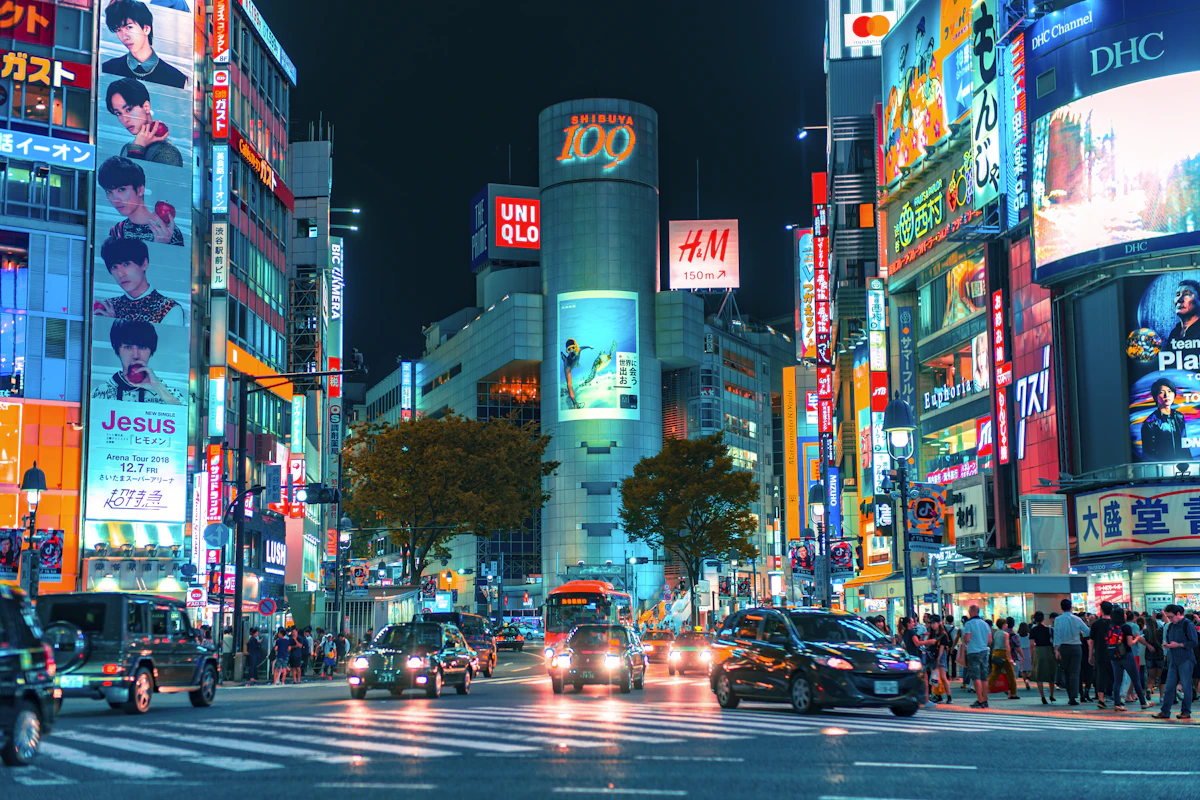
Have you tried to rent a place in Tokyo and been told, "We need a Japanese 連帯保証人 (rentai hoshounin / personal guarantor)" — only to realize you don't know anyone in Japan who could play that role? For foreigners who've just arrived, having a Japanese relative or close acquaintance step in as guarantor is almost never an option.
In practice, three routes let you start living in Tokyo without a personal guarantor: a **share house** you can move into within days of arrival, a furnished **monthly mansion** (マンスリーマンション), and a **standard rental** using a **guarantor company** (保証会社 / hosho gaisha). Each route differs in upfront cost, contract length, time-to-move-in, and whether you can register your residence card address there. Which one fits depends on your stay length and visa.
The institutional side is shifting too. The [amended Housing Safety Net Act that took effect on October 1, 2025](https://www.mlit.go.jp/jutakukentiku/house/jutakukentiku_house_tk3_000055.html) explicitly added foreigners to the list of "persons needing housing assistance" (住宅確保要配慮者 / juutaku kakuho yo hairyo sha) via ministerial ordinance. The [Japan Property Management Association (JPM)](https://www.jpm.jp/foreign/) and the Ministry of Land, Infrastructure, Transport and Tourism (MLIT) publish a multilingual housing guideline in 14 languages, nudging brokers and landlords toward accepting foreign tenants. Operators who flat-out refuse foreigners are slowly decreasing, but the guarantor barrier remains.
This article is for foreign residents in their first two years in Tokyo. It's not a guide for short tourist stays. It explains the **mechanics and feature differences** of the three routes — not a ranked comparison of operators, and not personal anecdotes. Read it as a neutral map of which route fits which situation.
---
## Three Routes at a Glance
| Route | Move-in time | Initial cost | Min. contract | Residence registration | Best for |
|---|---|---|---|---|---|
| (1) Share house | Same day – 1 week | ¥30,000–150,000 | 1 month | Property-dependent (often yes) | First week after arrival, short stays |
| (2) Monthly mansion | A few days – 1 week | ~¥150,000 (1-month use) | 1 month | Property-dependent | Short assignments, bridge to lease |
| (3) Standard rental + guarantor company | 2–4 weeks | 4–5 months' rent | 2 years (renewable) | Yes | Mid-to-long-term living |
Your choice depends on the combination of stay length and visa. Short assignments of around three months tend toward share house or monthly mansion; one year or more of work or study points to a standard rental. Many people stay in a share house or monthly mansion in their first year and migrate to a standard rental afterwards — viewing it as a "stepping-stone journey" makes the decision easier.
---
## Route 1: Share Houses You Can Move Into the Same Day
A share house (シェアハウス / sharehouse) is a building where multiple people share common areas — toilet, bathroom, kitchen, lounge — and keep a private bedroom. Rent is monthly, the room comes furnished, and most properties charge no 敷金 (shikikin / deposit), 礼金 (reikin / key money), or agent fee.
### Application to Move-In
You apply via the operator's website, confirm availability, and pay a reservation fee. Your zairyu card (在留カード / residence card) and passport often suffice as ID, and many properties don't ask for a guarantor or even an emergency contact (緊急連絡先 / kinkyuu renrakusaki). If the room is available, same-day or next-day move-in is realistic — making this the fastest route within days of landing.
[Sakura House](https://www.sakura-house.com/about/share-house) has operated furnished housing for foreigners in Tokyo, Izu, and Kyoto since 1992. Monthly rent in Tokyo starts at around ¥75,000 per the official site (running up to ¥130,000 depending on property and room type), with utilities and internet bundled in. Reservation fee is 30% of the first month (or full payment for stays of one month or less) as of May 2026.
[Oakhouse](https://www.oakhouse.jp/eng/area/tokyo) runs share houses and furnished apartments mainly in Tokyo. Pricing varies by property type: Tokyo share house average around ¥60,000, social residence around ¥64,000, and furnished apartments around ¥130,000. No key money, no guarantor, and contracts from one month are available (as of May 2026).
[BORDERLESS HOUSE](https://www.borderless-house.com/help/) is designed as an international house with both Japanese and foreign tenants, attracting residents focused on language and cultural exchange. Initial fee is ¥45,000 (¥30,000 key money + ¥15,000 cleaning fee), minimum stay is one month, and 30 days' advance notice is required to move out (as of May 2026).
### The Residence Registration Question
The biggest fork when choosing a share house is whether you can register your 住民票 (juuminhyou / certificate of residence) at the address. The Basic Resident Registration Act requires you to notify the city office within **14 days** of moving in or changing address — failing to do so [can result in a fine of up to ¥50,000](https://laws.e-gov.go.jp/law/342AC0000000081).
Share houses where the address qualifies as your "base of living" do allow registration under the law. Some operators publicly state that all of their properties are registered housing — meaning you can use the address for residence card registration, National Health Insurance, opening a bank account, and signing a mobile contract.
Other share houses, however, advertise themselves as "short-stay only" and don't allow residence registration. These don't meet the "base of living" test legally. If you're using a share house as the starting point for setting up your life in Japan, ask the operator point-blank: "Can I register my residence card address at this property?"
### Mail, Utilities, and House Rules
Mail typically arrives at a shared mailbox, a private PO box, or a slot in your bedroom door. Utilities and internet are usually included in the rent rather than billed separately. Common-area usage and quiet-hours rules are covered in your move-in orientation.
---
## Route 2: Monthly Mansions as a 1–12 Month Bridge
A monthly mansion is a short-term rental service contracted in one-month units. Furniture, appliances, bedding, and kitchenware are all set up on arrival — you live normally from day one. Utilities and internet are usually bundled into a flat "package rate," and the service is widely used as a bridge after arrival or for 1–3 month assignments. It's also a familiar option for Japanese people themselves — used for business trips, job transfers, or temporary housing during home renovations — not a special foreigner-only product.
### Contract Length and Pricing
Minimum is one month; maximum typically twelve. In Tokyo's 23 wards, a smaller 1R/1K runs about ¥80,000–130,000/month, and a 1K–1DK runs about ¥140,000–180,000/month as a general industry range. First-month upfront cost lands around ¥150,000.
Cost breakdown: rent + common-area fee + utilities + first cleaning fee + contract fee + internet, presented as a single package rate. Contracts of three months or more often unlock 5–10% monthly discounts and waived cleaning fees.
As a foreigner, the contract flow is essentially the same as for a Japanese person — passport may be required as ID, but that's the main difference. Note that some management companies require contracts to be signed in Japanese, so English-speaking operators become a deciding factor.
### Foreigner-Friendly Monthly Mansion Operators in Tokyo
Tokyo has operators that publish English content or dedicated foreigner-friendly property searches. They split into **portal sites** that let you search across multiple operators and **specialized services** with in-house English-speaking staff. Below are four operators (in no particular order) reflecting public information as of May 2026.
Portal sites:
- [MAN3'S](https://man3s.jp/tokyo/foreigner/rooms) — search portal with a dedicated foreigner-friendly category for Tokyo
- [Good Monthly](https://www.good-monthly.com/type/tokyo/search/index_add.html?type=foreign) — foreigner-friendly category, searchable across all 23 wards and surrounding municipalities by line and district. Operated by Good Communication Inc.
Specialized services with English support:
- [PLAZA HOMES](https://www.realestate-tokyo.com/rent/monthly-apartments/) — geared for expats and business travelers, English-speaking staff and English contracts. Minimum 1 month, rent starts around ¥110,000/month (with many properties in upscale areas like Minami-Aoyama, Hiroo, Denenchofu)
- [WPO (World Potential Co., Ltd.)](https://wpo.co.jp/monthly-mansion/listings/) — properties near Tokyo train stations and embassies, with staff in English, French, and Spanish
Conditions, pricing, and language coverage vary by operator. The pragmatic move is to query several operators against your target area and budget.
### Mid-Contract Cancellation and Penalties
Because monthly contracts unit at one month, plans can shift — you may need to leave earlier than intended. Mid-contract cancellation triggers either a **penalty fee or remaining-day rent**, depending on the contract. Cancellation policy varies by operator: cancellations close to or right after the contract start date sometimes forfeit the full payment, and contracts under long-term discount can be re-priced at the original (undiscounted) rate. Check the cancellation policy before signing.
### Residence Registration Is Also Property-Dependent
Monthly mansions can legally allow residence registration, but it varies by property. Those labeled "short-stay only" can't be registered. If you plan to use the monthly mansion as your hub for opening a bank account or completing city-office paperwork, confirm with the operator before signing.
---
## Route 3: Standard Rentals via a Guarantor Company
For standard rentals, you can sign without a personal guarantor by using a guarantor company instead. Most Tokyo properties now require this anyway, so it's a primary route for foreign tenants too.
### How Guarantor Companies Work
[Guarantor companies](https://www.plazahomes.co.jp/news/chintai-hoshogaisha/) cover unpaid rent on your behalf if you fall behind — they pay the landlord, then collect the amount from you. Think of it as a corporation playing the role of a personal guarantor.
Fees: initial guarantee payment of 50–100% of monthly rent (charged at contract signing), plus an annual renewal fee around ¥10,000 or 10–30% of monthly rent. For an ¥80,000 apartment, expect ¥40,000–80,000 initial and roughly ¥10,000/year renewal.
### Required Documents
What guarantor companies ask for depends on your visa and employment status. Common to all: residence card and passport, plus documents proving income and employment.
| Document | Japanese term | Working Holiday | Work visa | Student |
|---|---|---|---|---|
| Residence card | zairyu card | Required | Required | Required |
| Passport | passport | Required | Required | Required |
| Employment contract / offer letter | koyou keiyaku-sho | If working part-time | Required | If working part-time |
| Certificate of employment | zaiseki shoumei-sho | — | Required | — |
| Pay slips (3 months) | kyuyo meisai | If working part-time | Required | If working part-time |
| Bank balance certificate | yokin zandaka shoumei-sho | Recommended | — | Recommended |
| Certificate of enrollment | zaigaku shoumei-sho | — | — | Required |
| Off-campus work permit | shikaku-gai katsudou kyoka-sho | — | — | If working part-time |
| Emergency contact | kinkyuu renrakusaki | Required | Required | Required |
Documents follow templates that [MLIT and JPM publish in 14 languages](https://www.mlit.go.jp/jutakukentiku/house/jutakukentiku_house_tk3_000017.html) (Heisei 30 / 2018 March edition). Preparing them in advance makes interactions with the real estate office much smoother.
### What Gets You Rejected
[Guarantor company screening](https://wagaya-japan.com/jp/journal_detail.php?id=1001) reviews income, employment type, visa status, remaining residence period, and document completeness collectively. A common benchmark: monthly income should be at least 3× rent (rent ÷ income ≤ 1/3).
Patterns that make screening tougher include: student visa with part-time income only, less than one year of tenure or just changed jobs, less than one year remaining on your residence card, or freelance work without solid income proof. Stacking these increases the chance of rejection at a standard guarantor company.
The fallback if you're rejected is switching to a **foreigner-specialized guarantor company**. Operators like [ielove Partners](https://ielove-partners.co.jp/media/1565/) have more flexible screening and multilingual support in English, Chinese, Korean, Vietnamese, Thai, Nepali, Indonesian, Portuguese, Spanish, French, and Russian. Fees: 0.5–1 month's rent.
### The "Foreigner Clause" Reality
Some standard rental contracts include a "foreigner clause" — a rent surcharge or additional terms applied to foreign tenants. Japan's Land and Building Lease Act applies regardless of nationality, so [rent increases require legitimate cause](https://www.juutakuseisaku.metro.tokyo.lg.jp/fudosan/chinryouneage) and a landlord's own discretion alone isn't grounds. Renewal fees are valid if written into the contract and agreed by both parties. When something in the contract feels off, [Tokyo's foreigner housing support page](https://www.juutakuseisaku.metro.tokyo.lg.jp/fudosan/torihiki/gaikoku_nyuukyo) and [MLIT's private rental consultation case collection](https://www.mlit.go.jp/jutakukentiku/house/content/001399558.pdf) are good reference points.
---
## What You Can and Can't Do on Each Route
The feature differences across routes shape your post-arrival life. Whether you can register your residence card address determines how fast you can set up the rest of your infrastructure.
| Feature | Share house | Monthly mansion | Standard rental |
|---|---|---|---|
| Residence card address registration | Property-dependent | Property-dependent | Allowed |
| Resident certificate (住民票) registration | Property-dependent | Property-dependent | Allowed |
| Mail receipt | Shared mailbox / PO box | Individual mailbox | Individual mailbox |
| Bank account opening address | If registration allowed | If registration allowed | Allowed |
| Family co-habitation | Mostly not allowed | Allowed | Allowed |
| Pets | Mostly not allowed | Property-dependent | Property-dependent |
| Furniture and appliances | Provided | Provided | You provide |
| Utilities | Usually bundled | Usually bundled | Separate contract |
Opening a bank account in Tokyo typically requires a registered address. Whether your share house or monthly mansion allows residence registration directly affects how quickly you can line up a bank account, mobile contract, and health insurance after arrival.
---
## Visa × Timeline Matrix
Your visa shapes which routes are realistic.
| Visa | Share house | Monthly mansion | Standard rental |
|---|---|---|---|
| Working Holiday (max 1 year) | Strong first choice | Workable bridge | Hard to clear if residence period is short |
| Work (Engineer/Specialist in Humanities/International Services, etc.) | Bridge right after arrival | Bridge until standard rental | Safer after 1 year of tenure |
| Student | Strong first choice (school-tied options exist) | Bridge | Possible with school sponsorship or parental backing |
| Business Manager | Usually not chosen | Workable as a base | Strong first choice |
| Permanent Resident / Spouse of Japanese | Optional | Short-term bridge | Strong first choice (sometimes no guarantor needed) |
Typical journeys:
- **Working Holiday**: arrive → share house for the year → return home, or switch to a work visa and move into a monthly mansion or rental.
- **Work visa**: arrive → share house or monthly mansion for the first month → standard rental once employment proof is in hand.
- **Student**: school-tied share house or dorm → standard rental after graduation when employed.
---
## Cost Simulation: 3, 6, and 12 Months
Total cost for each route across two model rents (¥80,000 and ¥100,000). Treat these as ballpark estimates — your actual numbers depend on property, contract terms, and taxes.
**Calculation**: share house = monthly rent × months (assumes negligible initial cost); monthly mansion = ¥150,000 initial + monthly rent × (months − 1); standard rental = 4 months of rent upfront + monthly rent × months.
**Model A: rent of ¥80,000**
| Duration | Share house | Monthly mansion | Standard rental |
|---|---|---|---|
| 3 months | ~¥240,000 | ~¥310,000 | ~¥560,000 |
| 6 months | ~¥480,000 | ~¥550,000 | ~¥800,000 |
| 12 months | ~¥960,000 | ~¥1,030,000 | ~¥1,280,000 |
**Model B: rent of ¥100,000**
| Duration | Share house | Monthly mansion | Standard rental |
|---|---|---|---|
| 3 months | ~¥300,000 | ~¥350,000 | ~¥700,000 |
| 6 months | ~¥600,000 | ~¥650,000 | ~¥1,000,000 |
| 12 months | ~¥1,200,000 | ~¥1,250,000 | ~¥1,600,000 |
In the short term (3 months or less), the share house is the most economical because standard rental burns 4–5 months of rent on initial costs alone. At six months the share house and monthly mansion converge. At twelve months and beyond, the standard rental still runs about 30% above the share house, and renewal fees come due every two years.
Share houses and monthly mansions both come furnished, which removes the cost of buying furniture and appliances. Standard rentals fit better when you're going long-term and want to bring your own setup.
---
## What to Do If You Don't Have an Emergency Contact in Japan
Share houses and monthly mansions sometimes skip the emergency contact requirement; standard rentals and guarantor companies almost always require one. If you've just arrived and don't have relatives or close contacts here, the alternatives are:
Emergency contact requirements vary by property, management company, and guarantor company. [It doesn't have to be a relative](https://www.techtopia.jp/blog/27368/) — a friend, partner, manager at work, or coworker can fill the role.
If you don't have relatives in Japan, you can register a trusted friend or a manager / coworker from work. Working visa holders often use a workplace contact; foreign-resident applicants sometimes register the "host company contact" (the HR person handling their employment) — operators recognize this in practice. You'll list the name, phone number, address, and relationship on the application.
Asking your university's international office or your academic supervisor is a route for students, but university policies differ. [Kyoto University's housing basic-knowledge page](https://kuiso.oc.kyoto-u.ac.jp/housing/basic_knowledge/) states that "Kyoto University does not serve as a guarantor" — they assume you'll use a guarantor company plus two emergency contacts (one in your home country and one in Japan). Check with your own school's international office for their specific policy.
Paid emergency-contact services are another option. According to [Saison Card's explainer](https://life.saisoncard.co.jp/post/c2907/), prices typically run ¥10,000–20,000 for a 1-year contract or ¥10,000–30,000 for a 2-year contract, with some operators varying the fee by applicant attributes. For foreigners, "must be a Japanese-speaker" is a common condition — the service often doubles as an interpreter.
Foreigner-friendly guarantor companies sometimes offer an all-in-one package where the guarantor company itself acts as your emergency contact. ielove Partners and other specialists in this space typically charge 0.5–1 month's rent with multilingual support included.
---
## Wrap-up
Three routes let you live in Tokyo without a Japanese guarantor: a share house, a monthly mansion, and a standard rental backed by a guarantor company. A practical mapping: share house right after arrival, monthly mansion as a 3-month bridge, and standard rental for mid-to-long-term once you're settled with furniture.
For the full process of standard rental — finding a property, viewing, signing, moving in — [Renting an Apartment in Tokyo as a Foreigner](/guides/how-to-find-apartment-tokyo) covers upfront cost breakdowns and how to use listing sites. After move-in, [My First Solo Move in Tokyo](/guides/first-time-moving-out-tokyo), the [Ward Office Moving Guide](/guides/tokyo-ward-office-moving-guide), and [Credit Cards for Foreigners in Japan](/guides/credit-card-japan-foreigners) for rent autopay are the natural next reads.
How you secure housing in those first weeks shapes how the rest of your setup unfolds. Knowing the three routes lets you map your visa, stay length, and budget to a workable choice.
---
**References:**
- Basic Resident Registration Act (e-Gov) https://laws.e-gov.go.jp/law/342AC0000000081 (accessed: 2026-05-20)
- MLIT "Facilitating private rental housing for foreigners" https://www.mlit.go.jp/jutakukentiku/house/jutakukentiku_house_tk3_000017.html (accessed: 2026-05-20)
- MLIT "Amended Housing Safety Net Act" https://www.mlit.go.jp/jutakukentiku/house/jutakukentiku_house_tk3_000055.html (accessed: 2026-05-20)
- MLIT "Private rental consultation case collection" https://www.mlit.go.jp/jutakukentiku/house/content/001399558.pdf (accessed: 2026-05-20)
- Japan Property Management Association (JPM) "Facilitating foreign tenant move-in" https://www.jpm.jp/foreign/ (accessed: 2026-05-20)
- Tokyo Metropolitan Government "Foreigner housing support" https://www.juutakuseisaku.metro.tokyo.lg.jp/fudosan/torihiki/gaikoku_nyuukyo (accessed: 2026-05-20)
- Tokyo Metropolitan Government "Rent increase trouble" https://www.juutakuseisaku.metro.tokyo.lg.jp/fudosan/chinryouneage (accessed: 2026-05-20)
- Sakura House https://www.sakura-house.com/about/share-house (accessed: 2026-05-20)
- Oakhouse https://www.oakhouse.jp/eng/area/tokyo (accessed: 2026-05-20)
- BORDERLESS HOUSE https://www.borderless-house.com/help/ (accessed: 2026-05-20)
- MAN3'S Tokyo foreigner-friendly properties https://man3s.jp/tokyo/foreigner/rooms (accessed: 2026-05-20)
- Good Monthly Tokyo foreigner-friendly search https://www.good-monthly.com/type/tokyo/search/index_add.html?type=foreign (accessed: 2026-05-20)
- PLAZA HOMES Monthly Apartments https://www.realestate-tokyo.com/rent/monthly-apartments/ (accessed: 2026-05-20)
- WPO (World Potential) Tokyo monthly https://wpo.co.jp/monthly-mansion/listings/ (accessed: 2026-05-20)
- PLAZA HOMES "Foreigner-friendly rent guarantor companies" https://www.plazahomes.co.jp/news/chintai-hoshogaisha/ (accessed: 2026-05-20)
- ielove Partners "Renting without a guarantor as a foreigner" https://ielove-partners.co.jp/media/1565/ (accessed: 2026-05-20)
- wagaya Journal "Why foreigners need a guarantor company" https://wagaya-japan.com/jp/journal_detail.php?id=1001 (accessed: 2026-05-20)
- Saison Lifestyle Lab "When you need an emergency contact but have no relatives nearby" https://life.saisoncard.co.jp/post/c2907/ (accessed: 2026-05-20)
- Kyoto University International Support Center "Housing basics" https://kuiso.oc.kyoto-u.ac.jp/housing/basic_knowledge/ (accessed: 2026-05-20)
- Techtopia "Can you sign a lease without an emergency contact?" https://www.techtopia.jp/blog/27368/ (accessed: 2026-05-20)
---
# Tokyo Onsen & Sento Guide — Prices, Etiquette & Tattoo Policies
> Tokyo sento cost ¥550 flat. This guide covers bathing steps, tattoo policies by venue, and beginner-friendly bathhouses and day-trip onsen — all based on official sources.
- **URL**: https://tokyo.how/guides/onsen-sento-guide-tokyo
- **Category**: Explore
- **Audience**: both
- **Published**: 2026-03-25
- **Updated**: 2026-05-13
- **Tags**: onsen, sento, super sento, bathing etiquette, tattoo
## Picking Your First Bathhouse
"Going to a bath" in Tokyo can mean very different things depending on whether you walk into a neighborhood sento, a city-style spa complex, or a day-trip onsen with a garden. Here's a side-by-side comparison using four beginner-friendly examples: Daikokuyu and Kosugiyu for neighborhood sento, RAKU SPA 1010 Kanda for the urban spa category, and Maenohara Onsen Sayanoyudokoro for a day-trip onsen.
| | Neighborhood sento | Urban spa complex | Day-trip onsen |
|---|---|---|---|
| **Examples** | [Daikokuyu](https://www.daikokuyu.com/services.html), [Kosugiyu](https://kosugiyu.co.jp/) | [RAKU SPA 1010 Kanda](https://rakuspa.com/kanda/access/) | [Maenohara Onsen Sayanoyudokoro](https://www.sayanoyudokoro.co.jp/guide-2/) |
| **Price range** | [¥550 for adults](https://www.1010.or.jp/guide/%E5%85%A5%E6%B5%B4%E6%96%99%E9%87%91%E3%81%AE%E3%81%8A%E7%9F%A5%E3%82%89%E3%81%9B/) | [¥550 / 3 hrs – ¥2,050–2,370 / 10 hrs](https://rakuspa.com/kanda/access/) | [¥970 weekdays / ¥1,300 weekends](https://www.sayanoyudokoro.co.jp/guide-2/) |
| **Amenities** | [Often sold at the counter](https://www.1010.or.jp/guide/howto/) | [10-hr plan includes towels and loungewear](https://rakuspa.com/kanda/access/) | [Towel rental available](https://www.sayanoyudokoro.co.jp/guide-2/) |
| **Tattoos** | Varies by venue | [Not allowed at RAKU SPA 1010 Kanda](https://rakuspa.com/kanda/access/) | [Allowed at Sayanoyudokoro if fully covered by up to 2 designated stickers](https://www.sayanoyudokoro.co.jp/faq/) |
| **Best for** | Trying it once at the lowest cost | Spending time beyond the bath (lounge, sauna) | Prioritizing water quality and atmosphere |
If you want the cheapest way to experience Tokyo's bathing culture, a neighborhood sento is the obvious choice. If you'd rather spend half a day relaxing, a place like RAKU SPA works better. And if you care most about the onsen experience itself, a day-trip onsen like Sayanoyudokoro is more satisfying.

*The experience starts at the entrance. At traditional sento with a bandai (front desk), the men's and women's sides may split right from the door.*
---
## How Bathing Works
The parts that trip people up the first time: where to take off your shoes, when to wash, and what counts as a faux pas. This order covers it.
1. Take off your shoes at the entrance and put them in a shoe locker. At bandai-style sento, the entrance may split into men's and women's sides right away — [the Tokyo Sento Association guide](https://www.1010.or.jp/guide/howto/) recommends checking the noren curtain or door signs.
2. Pay at the counter. [Tokyo sento charge a flat rate: ¥550 for adults, ¥200 for children 6–11, ¥100 for children under 6](https://www.1010.or.jp/guide/%E5%85%A5%E6%B5%B4%E6%96%99%E9%87%91%E3%81%AE%E3%81%8A%E7%9F%A5%E3%82%89%E3%81%9B/). Two phrases are enough: 「大人一人です」 (otona hitori desu / "One adult") and 「タオルはありますか」 (taoru wa arimasu ka / "Do you have towels?").
3. In the changing room, undress completely. Both the [Tokyo Sento Association](https://www.1010.or.jp/guide/howto/) and [JNTO](https://www.japan.travel/en/guide/how-to-best-enjoy-onsen/) confirm that swimsuits are not worn.
4. In the bathing area, pour water over yourself (kakeyu) first, then wash at a washing station. [JNTO lists washing thoroughly with soap and shampoo before entering the tub](https://www.japan.travel/en/guide/how-to-best-enjoy-onsen/) as the basic rule.
5. When you get in the tub, [keep your towel and long hair out of the water](https://www.japan.travel/en/guide/how-to-best-enjoy-onsen/) and [don't bring your phone into the bathing area](https://www.japan.travel/en/guide/how-to-best-enjoy-onsen/). Tokyo sento tend to run hot, so keep your first soak short.
6. Before heading back to the changing room, dry off. [The Tokyo Sento Association guide](https://www.1010.or.jp/guide/howto/) asks you not to return to the changing room dripping wet. Grab some water and you're done.
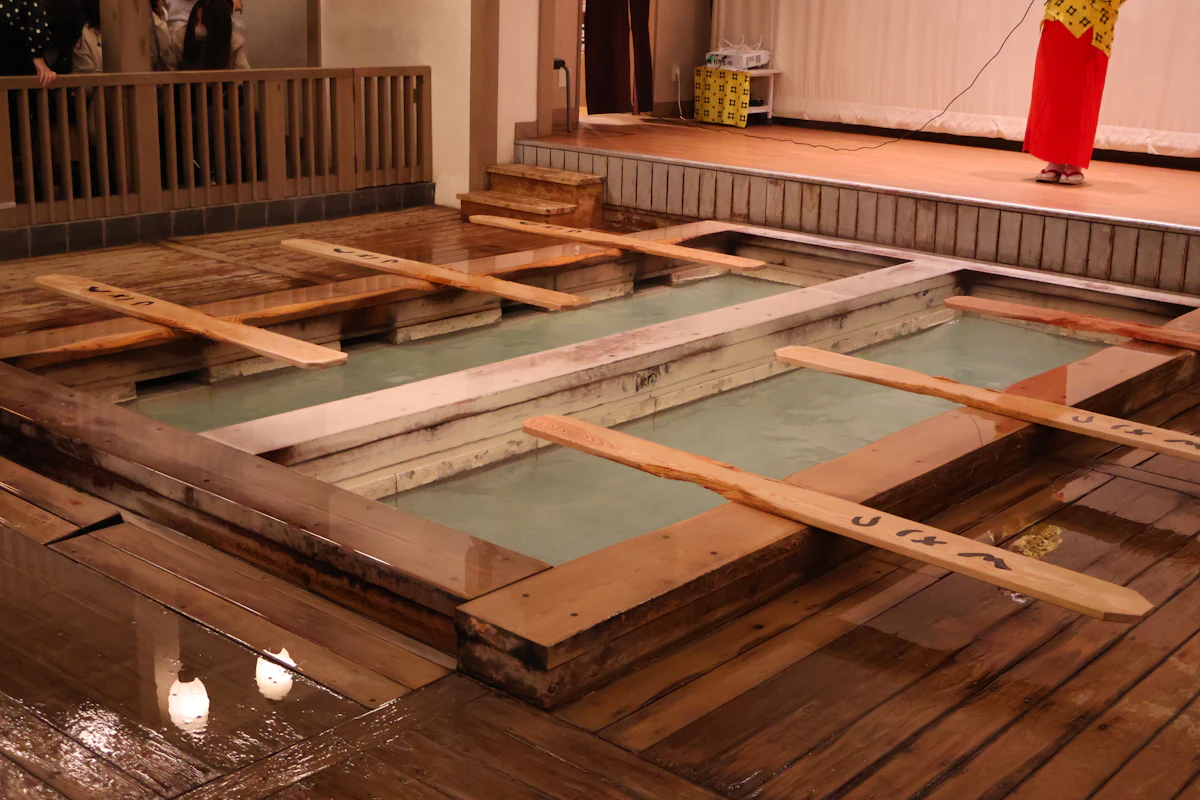
*Wash first, soak second. People notice this one basic step more than any elaborate routine.*
---
## Tattoos and What to Bring
There's no single tattoo rule for Tokyo bathhouses. [JNTO also recommends checking with each venue in advance](https://www.japan.travel/en/guide/how-to-best-enjoy-onsen/). A quick look at three official websites shows just how much the policies differ:
| Venue | Official policy |
|---|---|
| [Daikokuyu](https://www.daikokuyu.com/services.html) | [Tattoos OK](https://www.daikokuyu.com/services.html) |
| [Maenohara Onsen Sayanoyudokoro](https://www.sayanoyudokoro.co.jp/faq/) | [Allowed if fully covered by up to 2 designated cover stickers](https://www.sayanoyudokoro.co.jp/faq/) |
| [RAKU SPA 1010 Kanda](https://rakuspa.com/kanda/access/) | [Tattoos not allowed](https://rakuspa.com/kanda/access/) |
Even among these three, you can't generalize by type — it's not "sento = OK" or "onsen = no." If you have a large tattoo or want to avoid being turned away at the door, check the official FAQ beforehand or ask at the counter: 「タトゥーは大丈夫ですか」 (tattoo wa daijoubu desu ka / "Are tattoos OK?").
You can get by with very little at a neighborhood sento. The [Tokyo Sento Association guide](https://www.1010.or.jp/guide/howto/) says bringing your own towel and soap is standard, but most places sell them on-site. For specifics: [Daikokuyu offers a towel rental set for ¥130](https://www.daikokuyu.com/services.html), [RAKU SPA 1010 Kanda's 10-hour plan includes face towel, bath towel, and loungewear](https://rakuspa.com/kanda/access/), and [Sayanoyudokoro rents bath and face towels for ¥380](https://www.sayanoyudokoro.co.jp/guide-2/).
Payment options also vary. [Daikokuyu is cash only](https://www.daikokuyu.com/english/index.html), while [Sayanoyudokoro accepts credit cards, transit IC cards, and some QR payments](https://www.sayanoyudokoro.co.jp/faq/). A safe assumption while traveling: neighborhood sento usually mean cash, day-trip onsen are more likely to take cards.
---
## Four Beginner-Friendly Picks
These four venues have clear pricing and rules on their official websites, making them easy to research before your first visit. All information is current as of April 2, 2026.
### Daikokuyu
[Daikokuyu](https://www.daikokuyu.com/services.html) is a short walk from Oshiage Station, and its deal is straightforward: [¥550, tattoos allowed](https://www.daikokuyu.com/services.html). A [towel rental set costs ¥130](https://www.daikokuyu.com/services.html), and shampoo and body soap are provided free. If you just want to try a sento once while in Tokyo, this is one of the easiest places to start.
### Kosugiyu
[Kosugiyu](https://kosugiyu.co.jp/) has been running [since 1933, with the standard ¥550 admission](https://kosugiyu.co.jp/). It's a good pick if you want to soak up the Koenji neighborhood vibe along with the bath. Tattoo and payment policies aren't prominently listed on the website, so check directly before visiting.
### RAKU SPA 1010 Kanda
[RAKU SPA 1010 Kanda](https://rakuspa.com/kanda/access/) offers a [sento plan at ¥550 and a 10-hour plan at ¥2,050 weekdays / ¥2,370 weekends](https://rakuspa.com/kanda/access/). The 10-hour plan [includes towels and loungewear](https://rakuspa.com/kanda/access/), with access to lounge areas and sauna. The tradeoff: [tattoos are not allowed](https://rakuspa.com/kanda/access/). Good for days when you want more than just a bath.
### Maenohara Onsen Sayanoyudokoro
[Maenohara Onsen Sayanoyudokoro](https://www.sayanoyudokoro.co.jp/guide-2/) is a day-trip onsen at [¥970 weekdays / ¥1,300 weekends](https://www.sayanoyudokoro.co.jp/guide-2/). It's a match for anyone who wants garden views and a longer stay. [Tattoos are allowed if covered by up to 2 designated stickers](https://www.sayanoyudokoro.co.jp/faq/), and the venue accepts credit cards, transit IC cards, and some QR payments — convenient for travelers.
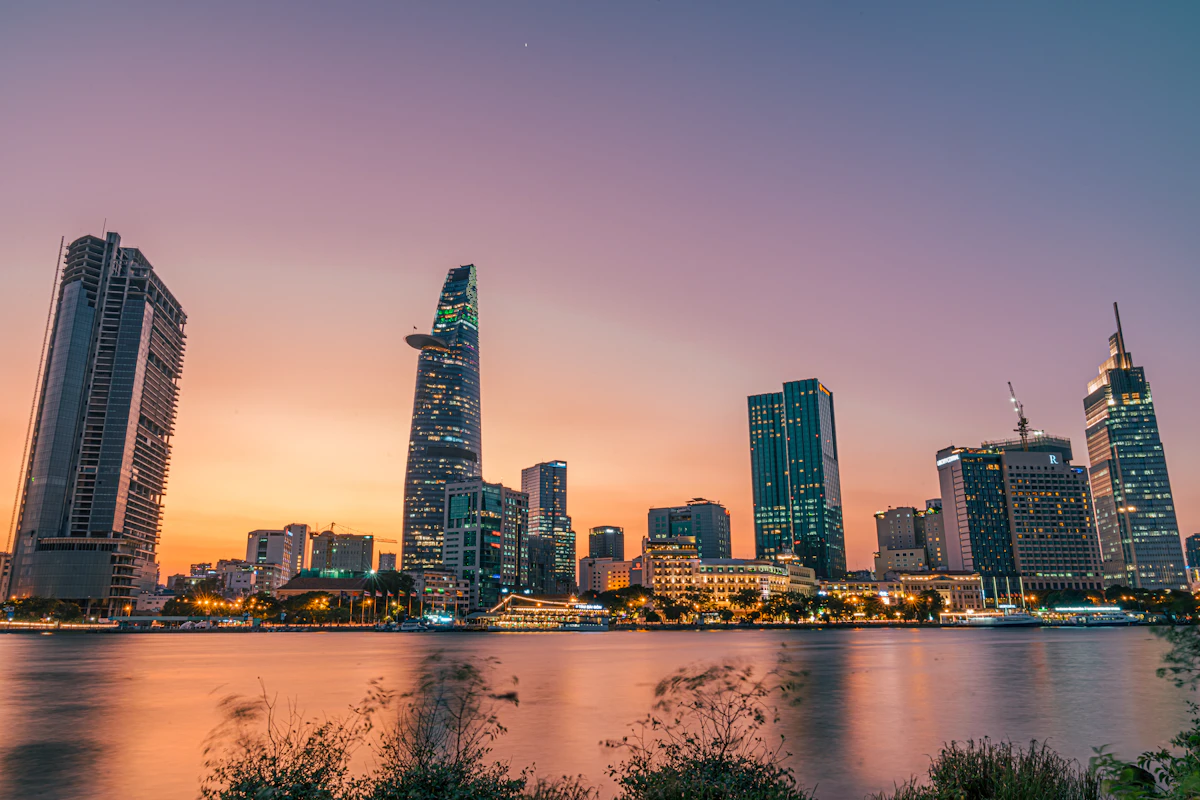
*Beyond neighborhood sento, Tokyo has day-trip onsen where you can stay longer and enjoy the setting. Choose based on what matters most to you.*
---
## Spa & Day-Trip Onsen Tickets on Klook
If you'd rather book an English-language e-ticket from your phone — instead of paying cash at a small sento counter — a few popular Tokyo and Hakone hot spring facilities sell tickets through [Klook](https://www.klook.com/en-US/). Mobile vouchers, no Japanese phone number required.
**Spa LaQua (Tokyo Dome City)** — A 1,700-meter-deep natural hot spring spa attached to Tokyo Dome City, with open-air baths, carbonated baths, and several types of saunas. Convenient if you're already visiting Tokyo Dome or LaQua.
[♨ Get Spa LaQua Tickets on Klook](https://www.klook.com/en-US/activity/71618-spa-laqua-admission-tokyo/)
**Thermae-Yu (Shinjuku)** — Tokyo's largest hot spring complex, a 5-minute walk from Shinjuku Station, next to Kabukicho. Open 24 hours. A discounted admission ticket through Klook tends to be cheaper than the counter rate.
[♨ Get Thermae-Yu Tickets on Klook](https://www.klook.com/en-US/activity/38615-thermae-yu-hotspring-15-ticket-tokyo/)
**Hakone Yuryo (day trip from Tokyo)** — A peaceful day-trip onsen in Hakone with private and outdoor baths, about 90 minutes from Shinjuku. Free shuttle from Hakone-Yumoto Station. Worth combining with a Hakone Freepass for the round trip.
[♨ Get Hakone Yuryo Onsen Tickets on Klook](https://www.klook.com/en-US/activity/20504-hakone-yuryo-onsen-ticket-tokyo/)
**Hakone Kowakien Yunessun (day trip from Tokyo)** — A hot spring theme park with wine baths, green tea baths, coffee baths, and outdoor pools. Swimsuits are worn here, so it's a comfortable option for travelers uncomfortable with full nudity, families, or anyone with tattoos.
[♨ Get Hakone Kowakien Yunessun Tickets on Klook](https://www.klook.com/en-US/activity/13954-hakone-kowaki-en-yunessun-hot-spring-theme-park-one-day-ticket-tokyo/)
For the neighborhood sento experience (Daikokuyu, Kosugiyu), you'll still need to pay cash at the counter — these aren't sold on Klook.
---
## When Things Go Wrong
**Turned away for a tattoo:** Don't push it — switch to another venue. [JNTO suggests private baths (kashikiri buro)](https://www.japan.travel/en/guide/how-to-best-enjoy-onsen/) as an alternative. For large tattoos, booking a private bath or a ryokan room with its own open-air bath is more realistic from the start.
**Forgot your towel or soap:** [Most Tokyo sento sell them at the counter](https://www.1010.or.jp/guide/howto/). No need to rush back to your hotel — just ask 「タオルはありますか」 (taoru wa arimasu ka / "Do you have towels?") and you'll be fine.
**Water is too hot:** Pour kakeyu over yourself first to warm up gradually, and keep your first soak short. The [Tokyo Sento Association guide](https://www.1010.or.jp/guide/howto/) warns against turning on cold water without asking — it can cause trouble with other bathers. If it's unbearable, move to a different tub or get out.
**Uncomfortable being naked around others:** [JNTO lists private baths and rooms with in-room open-air baths as alternatives](https://www.japan.travel/en/guide/how-to-best-enjoy-onsen/). You don't have to start with a public bath if it doesn't feel right.
---
## Related Guides
- [Tokyo Etiquette](/guides/etiquette-tokyo) — General manners that apply across daily life in Japan
- [Payment Methods in Japan](/guides/payment-methods) — Useful when you need to know where cash is required
---
**Sources:**
- Tokyo Sento Association, "Bathing Fee Information" https://www.1010.or.jp/guide/%E5%85%A5%E6%B5%B4%E6%96%99%E9%87%91%E3%81%AE%E3%81%8A%E7%9F%A5%E3%82%89%E3%81%9B/ (accessed: 2026-04-02)
- Tokyo Sento Association, "Common Bath Ticket Pricing Update" https://www.1010.or.jp/mag-topic-250602/ (accessed: 2026-04-02)
- Tokyo Sento Association, "How to Use a Sento" https://www.1010.or.jp/guide/howto/ (accessed: 2026-04-02)
- Tokyo Sento Association, "Sento Q&A" https://www.1010.or.jp/guide/qa/ (accessed: 2026-04-02)
- Tokyo Sento Association, "Tokyo Sento Map" https://www.1010.or.jp/map/ (accessed: 2026-04-02)
- Japan National Tourism Organization, "How to Best Enjoy Japan's Onsen" https://www.japan.travel/en/guide/how-to-best-enjoy-onsen/ (accessed: 2026-04-02)
- Oshiage Onsen Daikokuyu, "Hours, Prices & Services" https://www.daikokuyu.com/services.html (accessed: 2026-04-02)
- Oshiage Onsen Daikokuyu, "English" https://www.daikokuyu.com/english/index.html (accessed: 2026-04-02)
- Kosugiyu https://kosugiyu.co.jp/ (accessed: 2026-04-02)
- RAKU SPA 1010 Kanda, "Prices & Access" https://rakuspa.com/kanda/access/ (accessed: 2026-04-02)
- Maenohara Onsen Sayanoyudokoro, "Prices & Hours" https://www.sayanoyudokoro.co.jp/guide-2/ (accessed: 2026-04-02)
- Maenohara Onsen Sayanoyudokoro, "FAQ" https://www.sayanoyudokoro.co.jp/faq/ (accessed: 2026-04-02)
---
# How to Receive Packages and Request Redelivery in Tokyo
> Scan the QR code on your missed delivery slip to request redelivery in 3 minutes. Compare Japan Post, Yamato, and Sagawa procedures and English support. Yamato's refrigerated packages are returned after just 3 days. Includes okihai, delivery boxes, and convenience store pickup tips.
- **URL**: https://tokyo.how/guides/package-delivery-tokyo-foreigner-guide
- **Category**: Living
- **Audience**: resident
- **Published**: 2026-04-08
- **Updated**: 2026-04-08
- **Tags**: package delivery, redelivery, missed delivery, fuzaihyo, expat life
When you start living in Tokyo, missed deliveries from Amazon or online shopping become a regular part of life. If you come home to find a slip of paper in your mailbox covered in Japanese, look for the QR code first. That alone will get your redelivery sorted in about 3 minutes.
## Put Your Name on the Mailbox First
Before we get into redelivery steps, there's something even more basic. If your name isn't on the mailbox, the delivery driver can't confirm the recipient and will take the package back. In the worst case, it gets returned to the sender.
In monthly mansions (マンスリーマンション) and share houses, there may already be other residents' names on the mailbox. Ask the management company whether you can add yours. If they say yes, just write your name on a piece of tape and stick it on. Your name in Roman letters is fine.
When [looking for an apartment](/guides/how-to-find-apartment-tokyo), check whether the building has a delivery box (宅配ボックス, *takuhai box*) at the same time — it saves a lot of hassle after moving in.
## What to Do When You Get a Missed Delivery Slip
You come home and find a missed delivery slip (不在連絡票, *fuzai renraku-hyō*) in your mailbox. It's written in Japanese, but there are only a few things you actually need to look at.
### 3 Steps to Request Redelivery
1. **Find the QR code** — There's a QR code printed somewhere on the slip. Scan it with your phone and it takes you straight to that carrier's redelivery page
2. **Choose a date and time** — Pick your preferred delivery date and time slot. If you submit the request by early evening, you may even get same-day redelivery
3. **Submit and wait** — Once you send the form, you're done. Just be home during the time slot you selected
### No QR Code or Can't Read It?
Some older slips or certain carriers may not have a QR code. In that case, look for the tracking number (お問い合わせ番号, *otoiawase bangō*) — it's a number with roughly 12 digits. With that number, you can request redelivery directly from the carrier's website.
If you're not sure which carrier it is, check the logo and colors on the slip. Red text means Japan Post, a black cat logo means Yamato Transport (ヤマト運輸), and a blue logo means Sagawa Express (佐川急便).
## Redelivery by Carrier: Procedures and English Support
Japan Post, Yamato Transport, and Sagawa Express all support redelivery requests in English via both web and phone. Packages delivered directly by Amazon can be handled entirely through the Amazon app, so you don't need to read the slip at all.
### Japan Post (Yu-Pack and Registered Mail)
The [redelivery web form](https://www.post.japanpost.jp/receive/redelivery_form/) supports English, Chinese, Korean, and Portuguese. If you access it via the QR code, the tracking number is automatically filled in.
The [web form only handles redelivery to your home address](https://www.post.japanpost.jp/receive/redelivery_form/). If you want to pick up the package at a post office counter instead, you'll need to call the [call center (0570-046-111, 8:00–21:00, toll charges apply)](https://www.post.japanpost.jp/int/question/tel_en.html). The voice guidance starts in Japanese, but an English option number will be announced — just press it.
You also have plenty of pickup options: [convenience store pickup at Lawson, Ministop, and FamilyMart](https://www.post.japanpost.jp/service/e_assist/receive_convenience.html), and [PUDO lockers (はこぽす, *Hakoposu*)](https://www.post.japanpost.jp/service/hakopost/) located at train stations and supermarkets. Installing the [Japan Post app](https://www.post.japanpost.jp/apps/postofficeapp/index.html) lets you check delivery status and request redelivery from your phone.
### Yamato Transport (Kuroneko Yamato)
Yamato offers the most redelivery channels: [web](https://www.kuronekoyamato.co.jp/ytc/customer/redelivery/redelivery/), app (Kuroneko Members), [LINE](https://www.kuronekoyamato.co.jp/ytc/campaign/renkei/LINE/), and phone. There's also an [English redelivery guide page](https://www.kuronekoyamato.co.jp/ytc/en/redelivery/notice.html), and you can call the English-speaking toll-free number (0120-17-9625) to request redelivery by phone.
[Kuroneko Members](https://www.kuronekoyamato.co.jp/ytc/files/redirect/members_register.html) is free — all you need is an email address and a Japanese phone number. Once registered, you get email and LINE notifications before delivery, so you can change the delivery time in advance. You can also redirect packages to a [convenience store (Seven-Eleven, FamilyMart)](https://faq.kuronekoyamato.co.jp/app/answers/detail/a_id/1854) or a [PUDO locker](https://www.kuronekoyamato.co.jp/ytc/customer/redelivery/members/). Even if you're only staying for a few months, it's worth signing up.
### Sagawa Express
Sagawa has an [English tracking and redelivery page](https://www.sagawa-exp.co.jp/english/) where you can enter your tracking number and request redelivery in English. You don't need to register for Smart Club — the tracking number from your delivery slip is enough to submit a request online. For phone inquiries, there's an English-speaking support line ([03-4221-4290, 8:00–18:00](https://www.sagawa-exp.co.jp/english/contact/)).
If you prefer the [Japanese redelivery page](https://www.sagawa-exp.co.jp/redeliver/), there are only 4 fields to fill in:
- **お問い合わせ送り状No.** (*Otoiawase okurijō No.*) — The large 12-digit number on your delivery slip
- **お届け先電話番号** (*Otodokesaki denwa bangō*) — Your phone number (no hyphens)
- **ご希望日** (*Go-kibō bi*) — Select a date from the calendar
- **ご希望時間帯** (*Go-kibō jikantai*) — Select a time slot
If you get an error saying the phone number doesn't match, the sender may have registered a different number. In that case, it's faster to go directly to the [nearest Sagawa office](https://www.sagawa-exp.co.jp/send/branch_search/) listed on your slip.
For convenience store pickup, [Lawson and Ministop are available when the sender's system supports it](https://www.sagawa-exp.co.jp/business/send/service/option/conveni/). PUDO locker pickup is available for redelivery requests.
### Amazon Direct Delivery
Packages delivered directly by Amazon can be managed entirely through the Amazon app — checking delivery status, changing delivery times, and requesting redelivery. No need to read the delivery slip at all. [Convenience store pickup (Lawson, Ministop, FamilyMart)](https://www.amazon.co.jp/-/en/gp/help/customer/display.html?nodeId=GE485BVDCQTHAN32) and [Amazon Locker](https://www.amazon.co.jp/-/en/gp/help/customer/display.html?nodeId=GRQMENKQV9RQ6BWF) are also available.
In eligible areas, [okihai (置き配, unattended delivery) is enabled by default](https://www.aboutamazon.jp/news/guide/amazon-okihai-drop-at-the-door-delivery-service-introduction). A photo of the package at your door is sent to the app, and you just pick it up when you get home.
## Packages Are Returned After the Storage Deadline
If you ignore a missed delivery slip, the package will eventually be returned to the sender. Storage periods differ by carrier, and refrigerated packages (クール便, *kūru-bin*) have especially short windows.
| Carrier | Regular packages | Refrigerated (kūru-bin) |
|---------|-----------------|------------------------|
| [Japan Post](https://www.post.japanpost.jp/question/534.html) | 7 days | 7 days (sender may set shorter) |
| [Yamato Transport](https://faq.kuronekoyamato.co.jp/app/answers/detail/a_id/3409) | 7 days | 3 days |
| [Sagawa Express](https://www.sagawa-exp.co.jp/ouketori/) | 8 days | 4 days |
### Refrigerated Packages Need Quick Action
Yamato's refrigerated packages are [stored for only 3 days](https://faq.kuronekoyamato.co.jp/app/answers/detail/a_id/8989). If a package arrives on Friday and you're not home, the storage deadline expires on Sunday.
Because refrigerated packages require temperature control, [convenience store pickup, PUDO lockers, and okihai are all unavailable](https://faq.kuronekoyamato.co.jp/app/answers/detail/a_id/7949). Your only options are redelivery or picking up directly at the carrier's office. If you know when a refrigerated package is arriving, scheduling a time slot when you'll be home is the most reliable approach.
### The Furusato Nōzei and Online Grocery Trap
Popular furusato nōzei (ふるさと納税, hometown tax) return gifts like meat and seafood arrive via refrigerated shipping. The problem is that many municipalities don't let you specify a delivery date. If you happen to be away, the package exceeds the storage deadline and gets returned — and some municipalities won't resend it. Among my acquaintances, stories of "my frozen meat from furusato nōzei got sent back" are surprisingly common. Some municipalities will resend, but shipping costs may be charged to you.
Food delivery services like [AEON Net Super](https://shop.aeon.com/netsuper/) require you to specify a time slot, and packages are taken back if you're not home. Make sure to order food only when you're certain you can receive it.
Furusato nōzei tax deductions require that you're paying residence tax (住民税, *jūmin-zei*). Since [residence tax is based on the previous year's income](https://www.soumu.go.jp/main_sosiki/jichi_zeisei/czaisei/czaisei_seido/150790_06.html), the deduction may not apply in your first year in Japan. Check with your local ward office or a tax advisor for details.
## How to Avoid Missed Deliveries
### Time Slot Selection and Okihai
When ordering online, you can specify a delivery time slot. Multiple slots are available — morning, afternoon, evening — so choose one when you'll be home.
Amazon's okihai lets you choose from [6 delivery locations](https://www.aboutamazon.jp/news/guide/amazon-okihai-drop-at-the-door-delivery-service-introduction) including your front door, delivery box, gas meter box, and more. In a building with security cameras by your door, it feels somewhat safer, but expensive items still make you a little uneasy. For high-value purchases, stick with time slot delivery.
### Delivery Boxes and PUDO Lockers
If your apartment has a delivery box (宅配ボックス, *takuhai box*) in the common area, you can receive packages even when you're out. The driver places the package in the locker and a PIN code is issued, which you use to open it when you get home. Checking for a delivery box during your [apartment search](/guides/how-to-find-apartment-tokyo) dramatically reduces redelivery hassle.
If your building doesn't have a delivery box, PUDO lockers are a good alternative. These shared lockers are installed at train stations and supermarkets. Through Kuroneko Members, you can redirect your delivery to a PUDO locker near you. It's worth checking in advance whether there's one on your commute.
### Office Stop (Have It Sent Directly to the Carrier's Office)
You can skip home delivery entirely and have your package held at the carrier's office from the start. With Yamato, Kuroneko Members lets you change the delivery destination to an [office pickup](https://www.kuronekoyamato.co.jp/ytc/customer/redelivery/members/). Sagawa also supports [office pickup service](https://www.sagawa-exp.co.jp/service/eiuke/). If there's an office you can stop by on your way home from work, you'll never have to worry about missed deliveries. Office hours vary by location, so check the [Yamato office finder](https://locations.kuronekoyamato.co.jp/p/yamato01/) or [Sagawa office finder](https://www.sagawa-exp.co.jp/send/branch_search/) in advance.
### Convenience Store Pickup and Amazon Locker
Yamato packages can be picked up at Seven-Eleven and FamilyMart. Storage at convenience stores is [3–4 days from the arrival date](https://faq.kuronekoyamato.co.jp/app/answers/detail/a_id/3172), depending on the method and store. [Amazon](https://www.amazon.co.jp/-/en/gp/help/customer/display.html?nodeId=GE485BVDCQTHAN32) offers convenience store pickup at Lawson, Ministop, and FamilyMart. Convenience stores in Japan offer a surprising range of services beyond package pickup — see our [Tokyo convenience store guide](/guides/convenience-store-guide-tokyo) for the full picture. [Amazon Locker](https://www.amazon.co.jp/-/en/gp/help/customer/display.html?nodeId=GRQMENKQV9RQ6BWF) and FamiLocker let you open the locker with a QR code — no interaction with store staff needed.
## What to Do When Redelivery Doesn't Work
### Lost Your Delivery Slip
Ask the sender for the tracking number. For Amazon orders, check the tracking number in your order history. As long as you have the tracking number, you can request redelivery from the carrier's website.
### Storage Deadline Is Approaching
Going to the carrier's office in person is the surest option. I've done this myself, and it went smoothly — just bring your tracking number and an ID (driver's license or residence card).
**What to bring to the office:**
- Delivery slip (or a screenshot/memo of the tracking number)
- Residence card or driver's license (for ID verification)
- Cash if it's a cash-on-delivery package (see our [payment methods guide](/guides/payment-methods))
Office hours differ by location, so check the [Yamato office finder](https://locations.kuronekoyamato.co.jp/p/yamato01/) or [Sagawa office finder](https://www.sagawa-exp.co.jp/send/branch_search/) beforehand. At the counter, hand over your slip and say:
**Japanese:** 「これを受け取りに来ました。」(*Kore o uketori ni kimashita.* / "I came to pick this up.")
Or in English: "I'm here to pick up a package." — they'll take it from there.
### Keep Missing Deliveries
Register for Kuroneko Members and get into the habit of changing the delivery time before the package arrives. Delivery notifications come via LINE or email, so you can reschedule the moment you know you won't be home. If you've already set up your [phone number and SIM](/guides/japan-travel-sim-esim-guide), app registration is quick.
## Move-In Checklist for Package Delivery
To avoid package delivery problems from day one, take care of these items as soon as you move in. The whole list takes about 30 minutes.
1. **Put your name on the mailbox** (5 min) — Roman letters are fine. Check with the management company, then write your name on tape and stick it on
2. **Learn how to use the delivery box** (10 min) — If there is one, ask the management company how PIN codes are issued
3. **[Register for Kuroneko Members](https://www.kuronekoyamato.co.jp/ytc/files/redirect/members_register.html)** (5 min) — Free. You'll need an email address and a Japanese phone number. Set up LINE notifications afterward to virtually eliminate redelivery
4. **Install the Kuroneko Yamato app** (2 min) — Delivery notifications and pickup location changes, all from your phone
5. **Check your Amazon okihai settings** (3 min) — If your building doesn't have auto-lock, consider disabling okihai for security
---
**References:**
- Japan Post "[Redelivery Request](https://www.post.japanpost.jp/receive/redelivery_form/)" (accessed: 2026-04-08)
- Japan Post "[Chilled Yu-Pack Storage Period](https://www.post.japanpost.jp/question/534.html)" (accessed: 2026-04-08)
- Yamato Transport "[Redelivery Request](https://www.kuronekoyamato.co.jp/ytc/customer/redelivery/redelivery/)" (accessed: 2026-04-08)
- Yamato Transport "[Cool Takkyubin Storage Period](https://faq.kuronekoyamato.co.jp/app/answers/detail/a_id/8989)" (accessed: 2026-04-08)
- Sagawa Express "[Redelivery Request](https://www.sagawa-exp.co.jp/redeliver/)" (accessed: 2026-04-08)
- Ministry of Internal Affairs "[Individual Residence Tax](https://www.soumu.go.jp/main_sosiki/jichi_zeisei/czaisei/czaisei_seido/150790_06.html)" (accessed: 2026-04-08)
---
# PASMO: Buying, Commuting and Nationwide Use
> Compare regular, mobile and TOURIST PASMO. Learn where to buy, top up and get refunds, plus commuter passes and use in Tokyo, Osaka and Kyoto.
- **URL**: https://tokyo.how/guides/pasmo-card
- **Category**: Money
- **Audience**: both
- **Published**: 2026-09-17
- **Updated**: 2026-09-17
- **Tags**: PASMO, Transit IC cards, TOURIST PASMO, Commuter passes, Suica
PASMO is a transit IC card that you can still [buy at station ticket machines and counters](https://www.pasmo.co.jp/buy/adults/). [One card works on participating JR, private railway and subway lines, as well as in shared IC card areas across Japan, including Osaka and Kyoto](https://www.pasmo.co.jp/about/sharing/), for trains, buses and shopping. Adding money to the card does not make it an unlimited travel pass.
If you already have a working Suica or ICOCA, [you can use participating lines without buying another card](https://www.pasmo.co.jp/about/sharing/). If you need a card, choose based on these differences.
- For refunds or reuse on a later trip, buy a [regular PASMO](#buy-pasmo) with cash.
- With a compatible device and payment card, consider [PASMO on your phone](#mobile-pasmo).
- To buy at the airport and use up the balance within 28 days, consider [TOURIST PASMO](#tourist-pasmo).
For stays longer than 28 days, a regular card or mobile version is an option. Check device and payment requirements before departure, then [create and top up a mobile PASMO after arriving in Japan](https://www.pasmo.co.jp/mp/condition/agreement/). Bringing some yen in cash also gives you the option of buying a physical card locally.
1. On arrival, get a [regular card](#buy-pasmo) or use a [compatible phone](#mobile-pasmo), and travel using the stored balance.
2. Once you know where you will live, check your commute and your employer's travel reimbursement rules.
3. Compare the [selling operator, duration and payment methods for commuter passes](#commuter-pass). If you expect to move, this helps avoid buying a long pass too early.
| Type | Best suited to | Deposit and unused balance |
|---|---|---|
| Regular card | Cash purchase, longer stays and repeat visits | [¥500 deposit](https://www.pasmo.co.jp/buy/adults/). A [fee of up to ¥220](https://www.pasmo.co.jp/condition/) is deducted from the balance on return |
| Mobile | Everyday travel or commuting on a compatible device | [No deposit. Balance refunds require membership registration, a Japanese bank account and other conditions](https://www.pasmo.co.jp/mp/condition/agreement/) |
| TOURIST PASMO | Airport purchase for a trip using up the balance within 28 days | [No deposit. Valid for 28 days from purchase; no ordinary balance refund](https://www.pasmo.co.jp/tourist-pasmo/) |
## Buy a regular PASMO at a station ticket machine
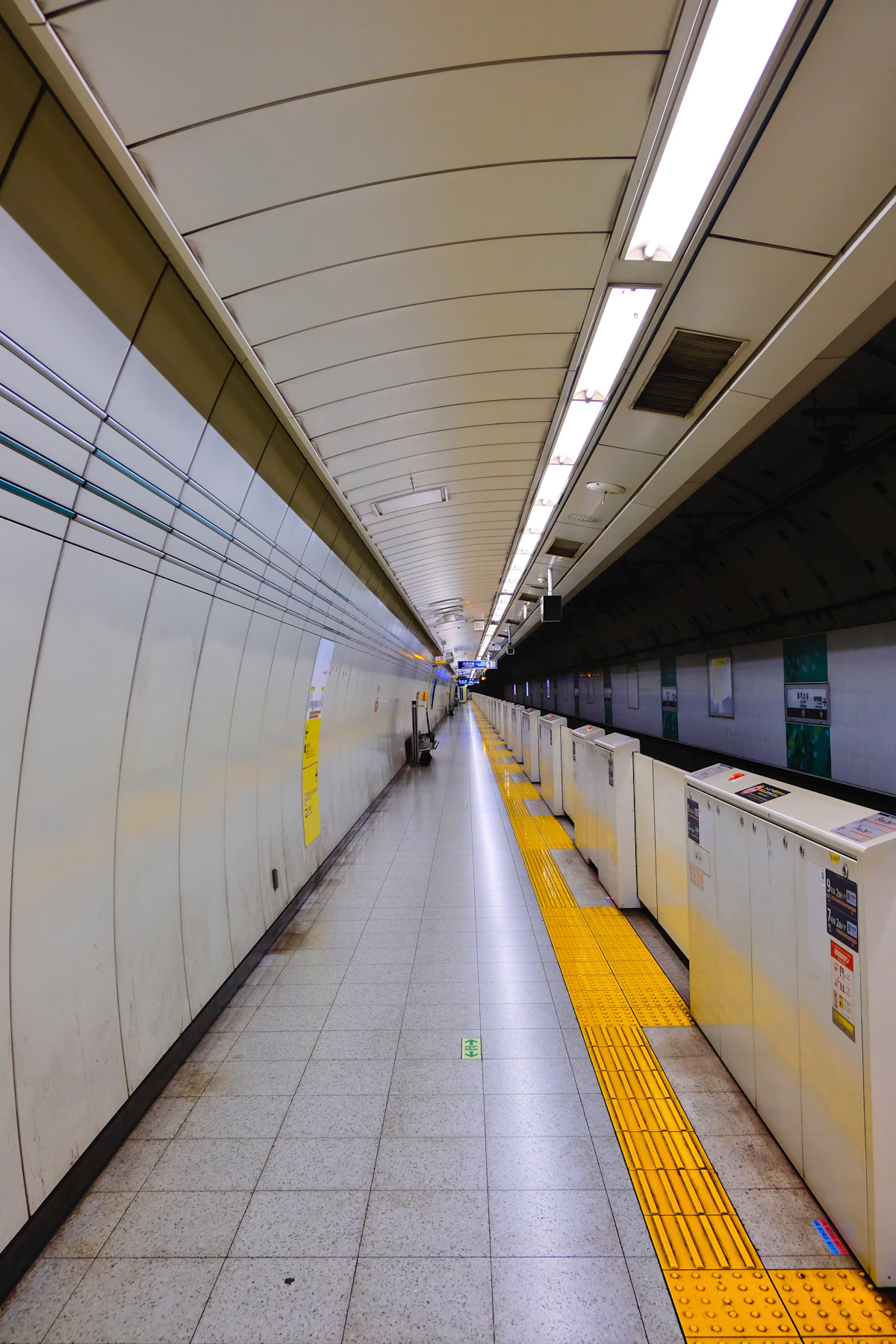
### Choosing an unregistered or registered PASMO
Visitors can buy regular cards too. [An unregistered PASMO cannot be replaced if lost; a registered PASMO is for its named owner and is eligible for loss replacement](https://www.pasmo.co.jp/about/type/). Registration requires your [name, gender, date of birth and phone number](https://www.pasmo.co.jp/about/type/). If you are unsure whether a non-Japanese phone number can be entered, ask the seller. You can also start with an unregistered card and [register it later](https://www.pasmo.co.jp/about/type/).
Not all of the purchase amount is available for fares. [Tokyo Metro's ¥2,000 purchase price includes a ¥500 deposit](https://www.tokyometro.jp/lang_en/ticket/types/pasmo/index.html), leaving ¥1,500 in stored value. The [deposit is money returned when you surrender the card](https://www.pasmo.co.jp/buy/adults/).
### Before buying a child's card
[Apply for a child PASMO at a station or bus counter with a document proving the child's age, such as a passport](https://www.pasmo.co.jp/buy/kids/). [A child who already has a child PASMO or child My Suica cannot buy another](https://www.pasmo.co.jp/buy/kids/). A child card is valid until [March 31 of the Japanese fiscal year in which the child turns 12](https://www.pasmo.co.jp/buy/kids/); it must be changed to an adult card for use from April 1.
On Tokyo Metro, [up to two accompanying young children travel free for each adult or child-fare passenger](https://www.tokyometro.jp/ticket/guide/age/index.html). For example, a family of two adults and children aged eight and five making an ordinary journey can use two adult cards and one child card; the accompanying five-year-old meets the free-travel conditions. [A six-year-old who has not yet started elementary school is in the younger category, while an elementary-school pupil under 13 pays the child fare](https://www.tokyometro.jp/ticket/guide/age/index.html). Other operators' buses and reserved or paid seating can have different rules, so check the service you will use.
### Buying at a ticket machine
These steps follow [PASMO's official cash-purchase instructions](https://www.pasmo.co.jp/buy/adults/).
1. Find a machine that sells PASMO at a participating operator's station.
2. Select “PASMO” on the screen.
3. Select “PASMO新規購入” (PASMO shinki kōnyū, “Buy a new PASMO”).
4. Choose unregistered or registered, and enter personal details if required.
5. Choose an amount and insert cash.
6. Collect the card and change, then check the balance.
Screen labels vary by machine. [PASMO's official screen examples](https://www.pasmo.co.jp/buy/adults/) show the process. If you cannot find the option, tell a staff member 「PASMOを買いたいです」— *PASMO o kaitai desu* (“I'd like to buy a PASMO”). After purchase, see [how to use it at ticket gates](#use-pasmo).
## TOURIST PASMO is valid for 28 days
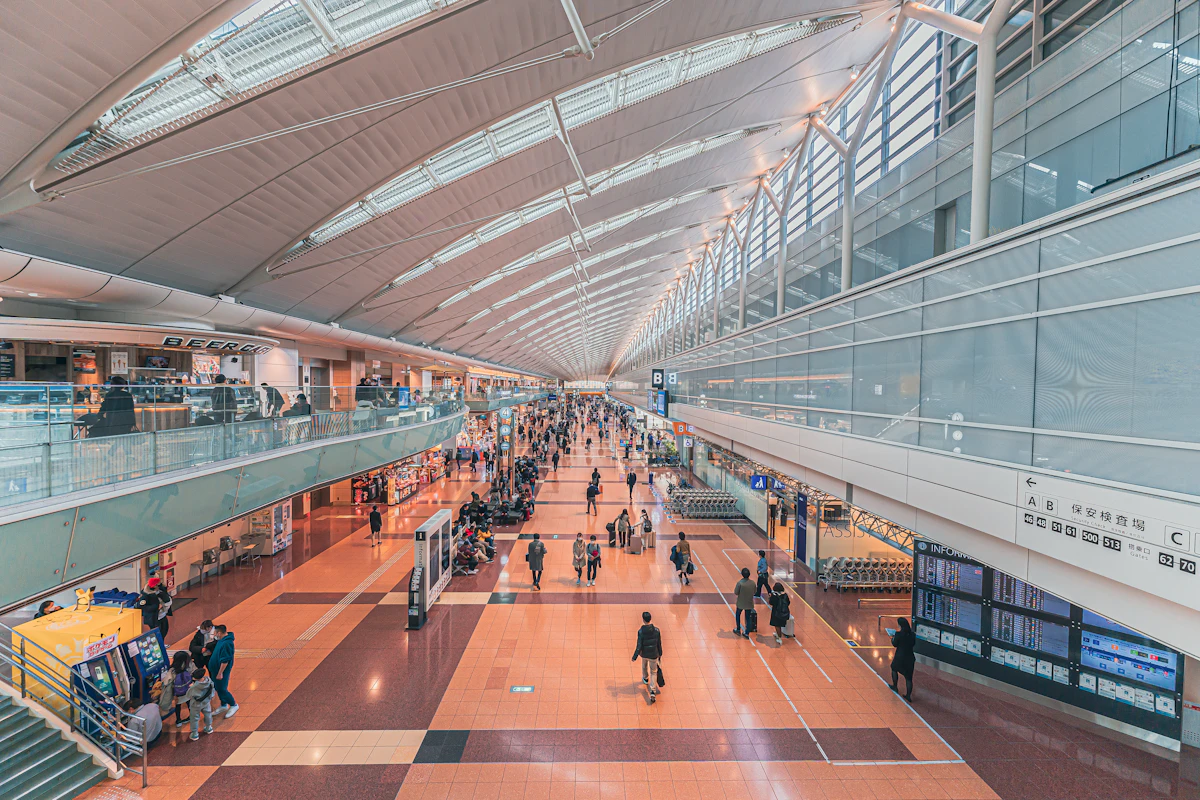
### Where to buy at Haneda and Narita
TOURIST PASMO is a visitor card [loaded with a balance equal to its purchase price](https://www.kotsu.metro.tokyo.jp/pickup_information/news/subway/2026/sub_p_2026041712638_h.html). Unlike a regular card, [it has no deposit](https://www.pasmo.co.jp/tourist-pasmo/).
The [officially listed sales locations](https://www.pasmo.co.jp/tourist-pasmo/) and counter opening hours are below.
| Airport | Designated sales location | Purchase amounts and counter hours |
|---|---|---|
| Haneda | Keikyu visitor ticket machines at Haneda Airport Terminal 1·2 Station. At Terminal 3 Station: Keikyu TIC and the dedicated machines next to it | [¥1,000, ¥2,000, ¥3,000, ¥4,000, ¥5,000 or ¥10,000](https://www.pasmo.co.jp/tourist-pasmo/). The [Terminal 3 Keikyu TIC opens 8:00–22:00](https://www.haneda-tokyo-access.com/en/tic.html) |
| Narita | SKYLINER & KEISEI INFORMATION CENTER at the Terminal 1 station and the station serving Terminals 2 and 3 | [¥2,000](https://www.pasmo.co.jp/tourist-pasmo/). [Counters open 7:00–21:00](https://www.keisei.co.jp/keisei/tetudou/skyliner/us/findus/index.php) |
[Designated Haneda sales locations accept credit cards for purchase](https://www.pasmo.co.jp/tourist-pasmo/). At Narita, check payment methods with the counter before buying. Locations and hours can change, so checking your arrival terminal's sales point before departure makes it easier to find.
### Unused balances and late arrivals
The card is valid for [28 days from purchase](https://www.pasmo.co.jp/visitors/en/condition/touristpasmo/), not from your first journey. Carry the [“Reference Paper” showing the expiry date and other details](https://www.pasmo.co.jp/visitors/en/condition/touristpasmo/) when using it. [Ordinary unused balances are not refundable](https://www.pasmo.co.jp/tourist-pasmo/), so adding small amounts as needed reduces what is left over. A child card expires by [March 31 of the fiscal year in which the child turns 12](https://www.pasmo.co.jp/visitors/en/condition/touristpasmo/), even if fewer than 28 days have passed.
On departure day, set aside enough balance for your airport journey before spending the rest at participating shops. Stores differ on whether you can combine the balance with cash, so check before paying.
If the counter is closed and you cannot buy a card, you can travel with an ordinary ticket that day and get a regular PASMO later. Do not assume Haneda's dedicated machines operate 24 hours. Planning your [journey from the airport into Tokyo](/guides/airport-to-tokyo-guide) also gives you a fallback if you cannot buy the card.
The old PASMO PASSPORT is a [discontinued product](https://www.pasmo.co.jp/corporate/history/), separate from today's TOURIST PASMO.
## Use PASMO on your phone
You can check device and payment requirements before departure, but [create and top up the card after arriving in Japan](https://www.pasmo.co.jp/mp/condition/agreement/).
### Start in Wallet on an iPhone
[Check the supported device and OS, and set the device region to Japan](https://www.pasmo.co.jp/mp/app/start/device/). In Wallet, [tap the add button, select Transit Card and PASMO, then choose an amount and payment method](https://www.pasmo.co.jp/mp/app/start/wallet/). Not every card issued outside Japan works; [a card may be declined even if it supports Apple Pay](https://www.pasmo.co.jp/mp/app/start/device/).
If you transfer an existing physical card, [the original card can no longer be used after the transfer](https://www.pasmo.co.jp/mp/app/start/transfer/).
### Android compatibility needs a separate check
[NFC alone is not enough: your Android device must be a supported model and meet Osaifu-Keitai requirements](https://www.pasmo.co.jp/mp/and/start/new/). Check the [supported Mobile PASMO models](https://support.mobile.pasmo.jp/faq/show/367?site_domain=default) and Osaifu-Keitai requirements, then [create the card in the Mobile PASMO app](https://www.pasmo.co.jp/mp/and/start/new/). If your device or payment method is unsuitable, you can buy a regular card with cash.
### Before tapping your phone at a gate
On iPhone, [setting PASMO as your Express Transit card lets you hold the top of the phone to the reader without unlocking it or opening Wallet](https://www.pasmo.co.jp/mp/app/use/train/). On Android, [you do not need to open the app, but the phone and Osaifu-Keitai function must be switched on; tap with your model's reader area](https://support.mobile.pasmo.jp/faq/show/190?site_domain=default). The same instructions explain how to check for settings that disable NFC while the screen is locked.
| Task | Requirements to distinguish |
|---|---|
| Create and top up a card | Check device and payment support. On iPhone, [using Wallet and registering as a PASMO member](https://www.pasmo.co.jp/mp/app/start/register/) are separate steps |
| Buy a new commuter pass | On iPhone, [the PASMO app and membership registration are required](https://www.pasmo.co.jp/mp/app/start/register/). On Android, follow the app's [commuter-pass purchase steps](https://www.pasmo.co.jp/mp/and/use/pass/train/) |
| Refund a balance | [Membership registration, identity verification and a Japanese bank account, among other conditions](https://www.pasmo.co.jp/mp/condition/agreement/), are required. These are refund conditions, not a requirement to have a bank account when creating the card |
## Top up PASMO for transport and shopping
### Add cash at stations or shops
For a regular card, [insert it into a compatible station ticket or top-up machine, choose “Charge” and an amount, then insert cash](https://www.pasmo.co.jp/charge/train/). The [maximum balance is ¥20,000; available top-up amounts vary by operator](https://www.pasmo.co.jp/charge/train/). If you buy a card for ¥2,000 and start with a ¥1,500 balance, you can add more as needed. If the balance runs short when you exit, use the fare-adjustment steps below.
At a shop, say 「PASMOに2,000円チャージしてください」— *PASMO ni nisen-en chāji shite kudasai* (“Please add ¥2,000 to my PASMO”), then [pay the amount in cash and tap the reader](https://www.pasmo.co.jp/charge/shop/). Follow any instructions to use the screen, and check the new balance. You can also top up a mobile PASMO with cash at [compatible ticket machines and shops](https://www.pasmo.co.jp/mp/app/charge/cash/).
Being able to buy TOURIST PASMO with a credit card does not mean you can top up the physical card the same way. [TOURIST PASMO top-ups at stations are paid in cash](https://www.pasmo.co.jp/tourist-pasmo/). See [payment methods in Tokyo](/guides/payment-methods) for planning cash and card use during your trip.
### Using trains, buses and shop checkouts
On trains, [hold the card flat against the IC reader at the ticket gate](https://www.pasmo.co.jp/use/train/). A successful read produces a sound; check the displayed message too. [Use the same card to enter and exit, and do not use one card for several people at the same time](https://www.pasmo.co.jp/use/train/).
If the gate does not open, read the message. For an [insufficient balance when exiting, top up or settle the fare at a fare-adjustment machine or other supported point](https://www.pasmo.co.jp/use/train/). If that does not resolve it, tell staff 「PASMOが読み取れません」— *PASMO ga yomitoremasen* (“My PASMO isn't being read”). See [navigating Tokyo stations](/guides/station-navigation-tokyo) for finding gates and transfer routes.
How often you tap on a bus depends on the route. For example, on [Kyoto city buses, tap when getting off a flat-fare bus, and when boarding and getting off a numbered-ticket bus](https://www.city.kyoto.lg.jp/kotsu/page/0000324695.html). Follow the signs inside the bus.
For shopping, [check for the acceptance mark, say 「PASMOで」— *PASMO de* (“By PASMO”)—check the amount and tap](https://www.pasmo.co.jp/use/shopping/). Some shops [restrict certain purchases or combining the balance with cash](https://www.pasmo.co.jp/use/shopping/).
## PASMO also works in Osaka and Kyoto
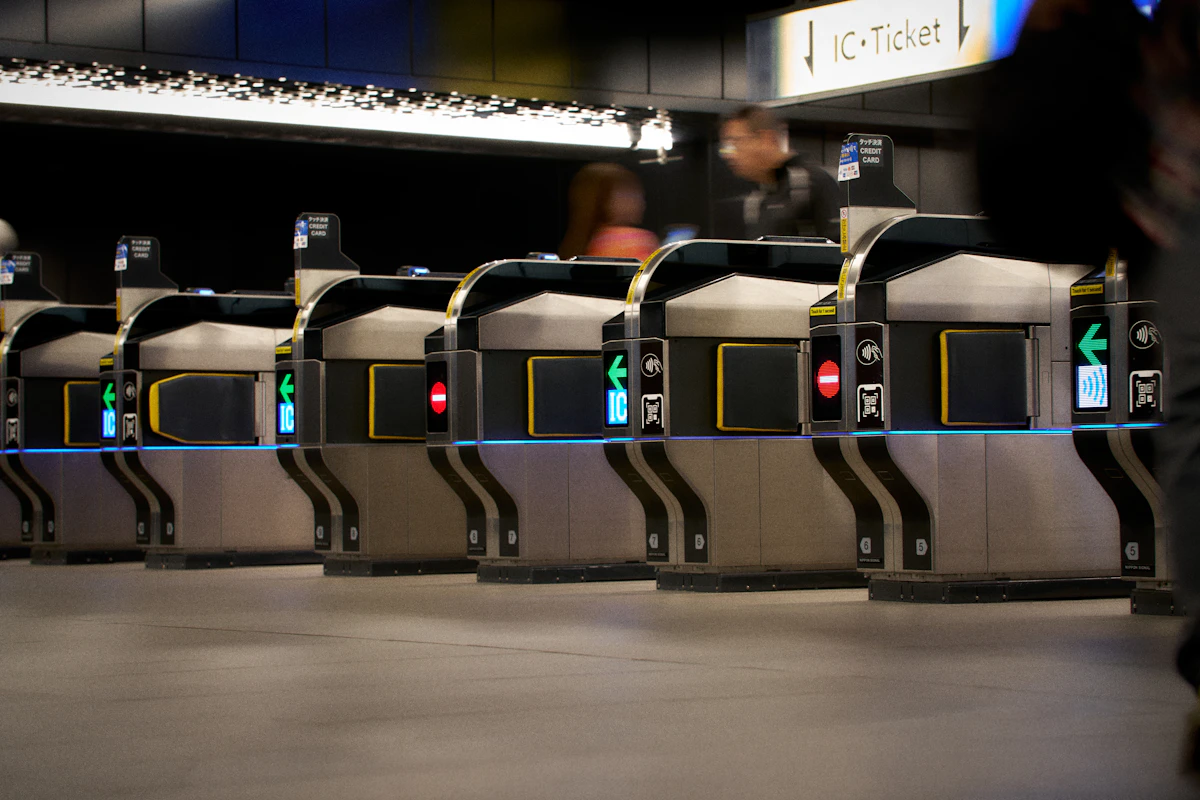
### Use it in participating IC card areas across Japan
A PASMO obtained in Tokyo can be used in participating areas nationwide—[including TOURIST PASMO, not just regular cards](https://www.pasmo.co.jp/tourist-pasmo/). Examples include [Osaka Metro subway and bus services](https://om-faq-zd.osakametro.co.jp/hc/ja/articles/32385370360217-ICOCA-Suica-PASMO%E3%81%AA%E3%81%A9%E3%81%AF-%E5%9C%B0%E4%B8%8B%E9%89%84-%E3%83%90%E3%82%B9%E3%81%A7%E4%BD%BF%E3%81%88%E3%81%BE%E3%81%99%E3%81%8B) and [Kyoto city buses and municipal subways](https://www.city.kyoto.lg.jp/kotsu/page/0000204851.html).
“Nationwide” does not mean every line in Japan. [Some services, including Osaka's on-demand buses, are excluded](https://om-faq-zd.osakametro.co.jp/hc/ja/articles/32385370360217-ICOCA-Suica-PASMO%E3%81%AA%E3%81%A9%E3%81%AF-%E5%9C%B0%E4%B8%8B%E9%89%84-%E3%83%90%E3%82%B9%E3%81%A7%E4%BD%BF%E3%81%88%E3%81%BE%E3%81%99%E3%81%8B). Look for PASMO or nationwide IC interoperability marks in the local operator's information. For shopping, [PiTaPa is excluded from nationwide electronic-money interoperability](https://www.pasmo.co.jp/about/sharing/), so check each store's marks even where your card works on public transport.
### You cannot ride from Tokyo to Kansai on the stored balance alone
[Stored-value journeys cannot cross between separate IC card areas, such as the Tokyo region and Kansai](https://www.pasmo.co.jp/faq/). You cannot enter a gate in Tokyo and tap out in Osaka with the whole fare deducted from the balance.
For long-distance travel such as the Shinkansen, arrange the relevant reservation and ticket separately. For example, [Smart EX charges your credit card when booking; it does not deduct the fare from your registered IC card balance](https://smart-ex.jp/entraining/iccard/). After reaching Osaka or Kyoto, you can use the same PASMO on participating local transport.
## Choose a commuter pass for your route and length of stay
[You can load a commuter pass onto PASMO](https://www.pasmo.co.jp/about/pass/). Tap the same card for trips within the pass's route; [fares outside that route are settled from the stored balance](https://www.pasmo.co.jp/about/type/). The pass price is separate from the balance used for shopping and other fares.
### Check which railway company sells your pass
Commuter passes can be worth comparing for residents and for visitors staying one to three months who repeatedly use the same route. If you will move from a hotel into a home, decide on your station and route after the move first. If an employer reimburses commuting costs, check its application rules before buying to avoid having to replace the pass.
Next, use the official route search of a [pass-selling operator](https://www.pasmo.co.jp/mp/proprietor/) to check the route and where to buy. For an IC commuter pass bought at a station, [buying from JR East gives you Suica, while buying from Tokyo Metro gives you PASMO](https://jreastfaq.jreast.co.jp/faq/show/1130?category_id=28&site_domain=default).
For example, if both operators sell passes for your Tokyo Metro–JR route, either can sell you [a connecting commuter pass covering both sections on one card](https://ssl.tokyometro.jp/support/faq_answer?faqno=OpenFAQ-000052&lang=ja). You do not need to visit separate counters to buy the Tokyo Metro and JR portions. One Suica or PASMO covers the journey.
However, eligible sections and routes are restricted, and [physical-card and mobile availability can differ](https://www.jreast.co.jp/renrakuteiki/). Renew at an operator that handles the relevant IC card; [some PASMO passes can only be renewed with the operator that originally sold them](https://www.pasmo.co.jp/buy/train/).
### You cannot buy a commuter pass with the stored balance
[The PASMO balance cannot be used to buy a commuter pass](https://www.pasmo.co.jp/faq/). On mobile, [buy the pass with a supported payment card](https://www.pasmo.co.jp/mp/app/charge/another/). If you cannot use a payment card, choose a physical commuter pass; one option is to [reserve through Tokyo Metro's website and pay cash at a ticket machine](https://www.tokyometro.jp/ticket/app/pass/reservation_service/purchase/index.html). Some [debit and prepaid cards are supported](https://www.pasmo.co.jp/mp/app/charge/another/), so check the compatibility table for your card and registration method.
After reserving through Tokyo Metro's website, follow these [ticket-machine purchase steps](https://www.tokyometro.jp/ticket/app/pass/reservation_service/purchase/index.html).
1. Have your reservation number, registered phone number and cash or a supported payment card ready. Bring your existing PASMO if you plan to use it.
2. On a pink machine, select “定期券を買う” (teikiken o kau, “Buy a commuter pass”), then “定期券Web予約サービス” (teikiken Web yoyaku sābisu, “Commuter Pass Web Reservation Service”), and enter the numbers.
3. Choose the card type, such as “お手持ちのPASMO” (otemochi no PASMO, “Your existing PASMO”), check the reservation, pay and collect the pass.
Compare costs by dividing the pass price by your usual round-trip fare. For example, a ¥10,000 pass and a ¥500 round trip break even at 20 round trips. When choosing one or three months, consider the official price, start date, days away and any planned move to see whether you will use the full period.
## Refunds before departure and reusing an old PASMO
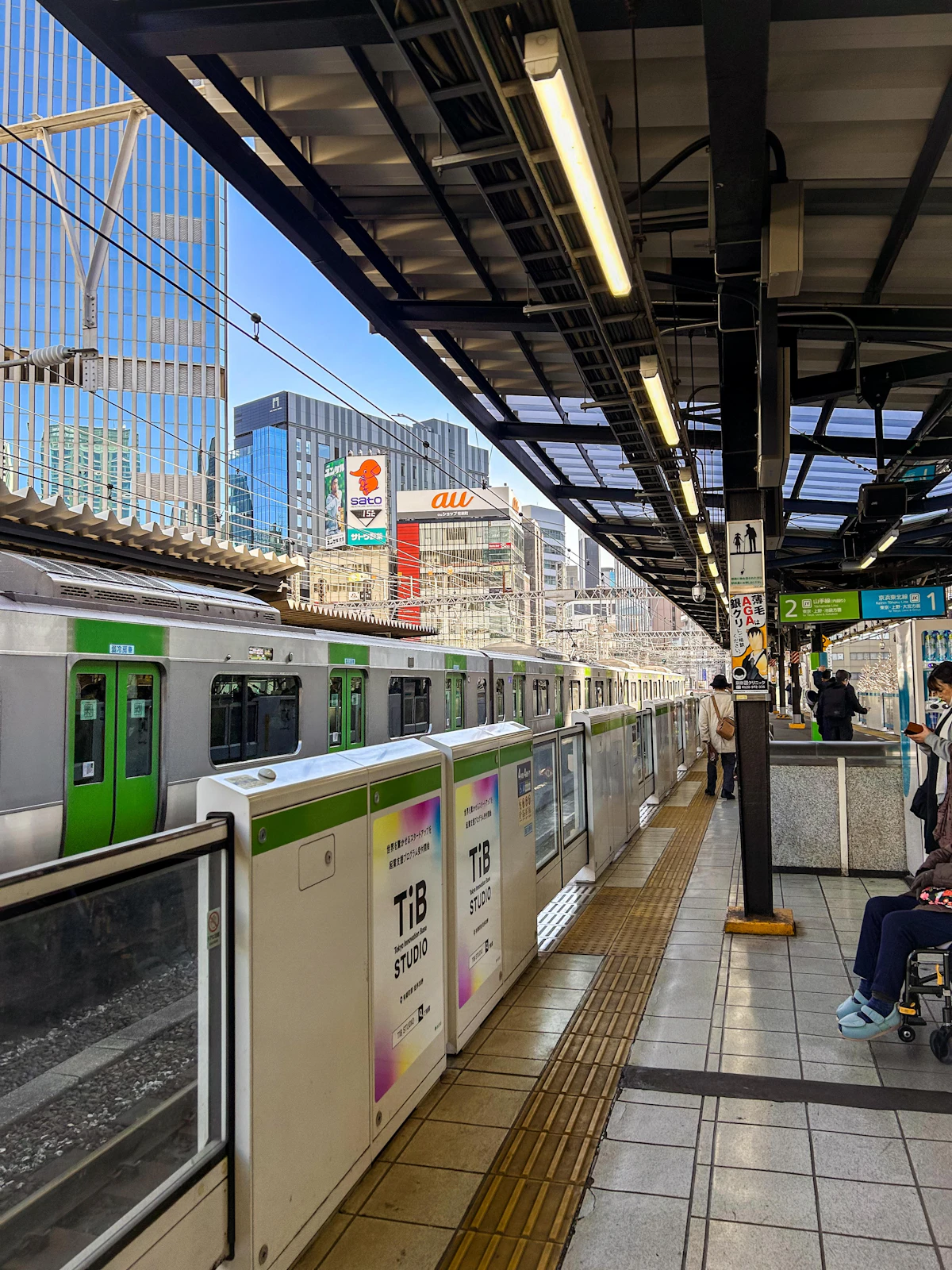
[Return a regular card at a PASMO service counter](https://www.pasmo.co.jp/procedure/repayment/). [A registered card also requires identification](https://www.pasmo.co.jp/procedure/repayment/), and [counters in other IC card areas cannot issue the refund](https://www.pasmo.co.jp/about/sharing/). If you fly home from Osaka or Kyoto, decide before leaving Tokyo whether to return the card or keep it for your next visit.
For a regular card without a commuter pass, the refund is [the remaining balance minus a fee of up to ¥220, plus the ¥500 deposit](https://www.pasmo.co.jp/condition/). Here is how a regular card and TOURIST PASMO compare with the same balance at departure.
| Balance at departure | Return a regular card | TOURIST PASMO |
|---|---|---|
| ¥0 | The ¥500 deposit is returned | No refund; no balance to lose |
| ¥500 | ¥280 balance + ¥500 deposit = ¥780 returned; ¥220 fee | No refund; ¥500 remains unused |
TOURIST PASMO has no deposit to begin with, so the ¥500 returned on a regular card is not a discount or profit. [Commuter-pass refunds are handled by the selling operator, and fees vary by operator](https://www.pasmo.co.jp/procedure/repayment/).
Even with the same ¥500 balance, [TOURIST PASMO's ordinary unused balance is not refundable](https://www.pasmo.co.jp/tourist-pasmo/). A short trip that uses up the balance needs no refund procedure; if you plan to return, keeping a regular card is another option. It [expires after 10 years without replacement, use or a top-up, counted from the day after the last such transaction](https://www.pasmo.co.jp/condition/), so the purchase date alone does not determine expiry.
[A mobile balance refund is not a cash payment at a station; it requires conditions such as a Japanese bank account for the transfer](https://www.pasmo.co.jp/mp/condition/agreement/). Refunding only the stored balance, called SF, incurs [a fee of up to ¥210](https://www.pasmo.co.jp/mp/refund/). For Apple Pay PASMO, [the transfer normally takes two to four weeks after completing the procedure](https://www.pasmo.co.jp/mp/app/procedure/secession/). Do not count on it as cash for departure day.
## What to check when PASMO does not work
### Insufficient balance and reading errors
If several IC cards are stacked in your wallet, [take out just the card you want to use and tap again](https://www.pasmo.co.jp/faq/). [Top up or settle an insufficient exit balance at a fare-adjustment machine or another supported point](https://www.pasmo.co.jp/use/train/). Ask gate staff about unsettled fares or a faulty card. Useful phrases are 「残高が足りません」— *Zandaka ga tarimasen* (“My balance is too low”)—and 「PASMOが読み取れません」— *PASMO ga yomitoremasen* (“My PASMO isn't being read”).
[If a card unused for a long time does not respond at a gate](https://www.pasmo.co.jp/use/train/), staff can check it. That does not automatically mean it has expired or lost its balance.
### Lost cards and phone problems
For a lost registered card, [report the loss and request replacement with identification](https://www.pasmo.co.jp/procedure/lose/). [Collect it from the day after registration and within 14 days, paying a ¥520 fee and a ¥500 deposit for the new card](https://www.pasmo.co.jp/procedure/lose/)—¥1,020 in total. [Unregistered cards cannot be replaced if lost](https://www.pasmo.co.jp/procedure/lose/). [TOURIST PASMO is also excluded from loss replacement](https://www.pasmo.co.jp/tourist-pasmo/).
For mobile PASMO, [registered members can request replacement through the member menu; stations cannot handle it](https://www.pasmo.co.jp/mp/app/procedure/reissue/). [Non-members cannot use PASMO's replacement or account-closure procedures to stop the card](https://www.pasmo.co.jp/mp/and/procedure/reissue/), which is another factor when deciding whether to register. On iPhone, protections such as Find My may be available if set up beforehand. Before changing phones, check the [Apple Pay instructions](https://www.pasmo.co.jp/mp/app/procedure/chg-model/) or [Android instructions](https://www.pasmo.co.jp/mp/and/procedure/chg-model/).
## PASMO, Suica and other options
PASMO and Suica can each be used [on participating transport and at shops in the shared network](https://www.pasmo.co.jp/about/sharing/). [You do not need separate cards for JR and the subway](https://www.pasmo.co.jp/about/sharing/). Choose based on where you can buy one, phone compatibility and the route you want on a commuter pass.
[Welcome Suica is another visitor option](https://www.jreast.co.jp/en/multi/suica/). See [how to buy and use Suica](/guides/suica-card) for purchase and setup. On days with several subway trips, you can also compare the total pay-as-you-go PASMO fares against a one-day ticket covering your route.
## Related guides
Plan your arrival with the [airport transport guide](/guides/airport-to-tokyo-guide), and everyday spending with [payment methods in Tokyo](/guides/payment-methods).
## References
- [Buying PASMO and the deposit](https://www.pasmo.co.jp/buy/adults/)
- [TOURIST PASMO sales locations and use](https://www.pasmo.co.jp/tourist-pasmo/)
- [PASMO terms and refund conditions](https://www.pasmo.co.jp/condition/)
- [Mobile PASMO and Apple Pay PASMO refund fees](https://www.pasmo.co.jp/mp/refund/)
---
# Japan Payment Guide: PayPay, Suica & Cards — What Should You Carry?
> PayPay, credit cards, Suica, Apple Pay — what works where, what doesn't, and what foreigners should carry in Tokyo. Cash-only spots and contactless tips.
- **URL**: https://tokyo.how/guides/payment-methods
- **Category**: Money
- **Audience**: both
- **Published**: 2026-02-16
- **Updated**: 2026-02-16
- **Tags**: payments, PayPay, credit card, Suica, Apple Pay
- **Best setup**: **Credit card** (Visa/Mastercard) + **Suica on your phone** + **¥10,000–¥20,000 in cash**.
- Skip PayPay — you can't register without a Japanese phone number.
- At the register, don't say "Apple Pay" — say **「クレジットのタッチで」** or **「Visaタッチで」** for contactless, or **「Suicaで」** for Suica.
- **Always carry a physical credit card.** Hotel deposits, rental cars, and some ticket machines require a physical card.
- Cash-only spots still exist. No single payment method covers everything.
- **Ideal setup**: Credit card + **PayPay** + Suica + Apple Pay. This covers virtually every shop in Tokyo.
- Small shops often accept **PayPay but not credit cards** (lower merchant fees). PayPay is worth having.
- At the register, don't say "Apple Pay" — say **「クレジットのタッチで」** or **「Visaタッチで」** for contactless, or **「Suicaで」** for Suica.
- **Always carry a physical credit card.** Hotel deposits, rental cars, and some ticket machines require a physical card.
- Cash-only spots still exist. Keep around ¥10,000 on hand.
## The Payment Landscape in Japan

Japan was long known as a cash-only country, but cashless payments have been accelerating. According to [METI (Ministry of Economy, Trade and Industry)](https://www.meti.go.jp/press/2023/03/20240329006/20240329006.html), the cashless payment ratio reached 39.3% in 2023 and continues to climb year over year.
That said, the on-the-ground reality is messy. You'll encounter shops that accept credit cards but not QR payments, shops that accept PayPay but not credit cards, and shops that are still cash-only. There is no single payment method that works everywhere.
The major payment methods in Japan are:
- **Cash**
- **Credit cards** (Visa / Mastercard / JCB)
- **QR code payments** (PayPay, Rakuten Pay, d-barai)
- **Transit IC cards** (Suica, PASMO)
- **Mobile wallets** (Apple Pay / Google Pay)
Large chain stores and department stores almost always accept credit cards. Small independent restaurants and shops, however, may skip credit cards due to processing fees — and instead only accept PayPay (which has lower merchant fees). This is a pattern you'll see all over Tokyo, especially when [booking restaurants](/guides/restaurant-booking-tokyo) in local neighborhoods.
## What Is PayPay? Can Foreigners Use It?
**PayPay** is Japan's leading QR code payment service, with [over 70 million registered users as of July 2025](https://about.paypay.ne.jp/en/pr/20250715/01/). You scan a QR code displayed at the shop (or show your own QR code) using the PayPay smartphone app. It's accepted at a huge number of merchants — including small shops, street food vendors, and even some market stalls that don't take cards.
Key features of PayPay:
- Massive merchant network — often the only cashless option at small shops
- Frequent cashback campaigns and point promotions
- Identity verification accepts residence cards (在留カード) in addition to driver's licenses and My Number cards
**Can foreigners use PayPay?** Yes — if you're a *resident*. You need:
- A Japanese phone number (SMS verification required)
- Identity document (residence card works)
- A Japanese bank account or credit card for funding
For **short-term tourists**, PayPay is essentially not an option. You won't have a Japanese phone number or bank account — and getting those set up involves its own challenges (see our guide on the [phone and bank account catch-22](/guides/phone-bank-circular-dependency)). Don't worry about it — credit cards and Suica will cover you.
## Credit Cards in Japan
International credit cards (Visa, Mastercard, JCB, Amex) are widely accepted across Japan. For tourists, credit cards are generally the most practical payment method. If you're a resident looking to get a Japanese credit card, see our [credit card guide for foreigners](/guides/credit-card-japan-foreigners). They work reliably at:
- Hotels
- Department stores
- Large shopping malls
- Convenience stores (7-Eleven, Lawson, FamilyMart)
- Tourist attractions and museums
However, small independent restaurants, izakaya, ramen shops, and market vendors may not accept cards. Some of these accept only PayPay or cash. If you see a small shop with no card terminal, ask before ordering — or just carry some cash.
One important caveat: **not all stores that accept "contactless" also accept international contactless cards.** The terminal might be set up for FeliCa-based payments (iD, QUICPay) rather than EMV contactless (Visa/Mastercard tap-to-pay). This catches many visitors off guard.
## Apple Pay in Japan: The FeliCa Trap

Apple Pay works in Japan, but it behaves differently from most other countries. Understanding this will save you frustration at the register.
**Overseas:** Apple Pay means EMV contactless — you hold your phone to the terminal and your Visa/Mastercard processes via NFC. Simple.
**In Japan:** Apple Pay also supports **FeliCa-based payments** — iD, QUICPay, and Suica. These are Japan-specific contactless systems that have been around longer than EMV contactless. Many Japanese store terminals are configured for FeliCa first.
**The trap:** When you say "Apple Pay" at a Japanese register, the cashier often interprets this as "iD or QUICPay" and selects that mode on the terminal. If your Apple Pay only has a foreign-issued card (which doesn't support iD/QUICPay), the transaction fails. The same card might work fine if the cashier selects "credit card contactless" instead.
**What to say at the register:**
- For EMV contactless: say **「クレジットのタッチで」** or **「Visaタッチで」**
- For FeliCa (Japan-issued cards with iD/QUICPay): say **「iDで」** or **「QUICPayで」**
- For Suica: say **「Suicaで」**
Don't say "Apple Pay" — it's ambiguous in Japan. Be specific about the payment network.
## Transit IC Cards: Widely Accepted Everywhere
Suica, PASMO, and ICOCA are transit IC cards — originally for trains and buses, but now accepted at convenience stores, vending machines, restaurants, and countless shops. They're among the most widely accepted cashless payment methods in Japan.
You can add a Suica to Apple Wallet on iPhone or Google Pay on Android. Once set up, your phone becomes both a train pass and a payment card. No PIN, no signature — just tap.
For tourists, this is the single most practical cashless option after credit cards. A Suica handles your train rides, convenience store purchases, vending machines, and many restaurant payments with one tap.
See our [Suica guide](/guides/suica-card) for setup details.
## What Should Foreigners Actually Carry?

**For tourists:** the winning combination is:
- **Credit card** (Visa or Mastercard) — works at most medium-to-large shops
- **Suica** (on your phone) — trains + small purchases everywhere
- **Cash** (¥10,000–¥20,000) — for cash-only spots and emergencies
PayPay is not necessary for tourists. Don't stress about it.
**For residents:** once you have a Japanese phone number and bank account, add PayPay to the mix. The ideal resident setup is: Credit card + PayPay + Suica + Apple Pay. This covers most shops in Tokyo.
**One final warning: always carry a physical credit card.** Japan's payment infrastructure is not fully unified. You'll encounter situations where only a physical card works:
- Hotel check-in requiring a physical card for deposit
- Some department store tenants requiring card presentation for returns or high-value purchases
- Rental car agencies requiring a physical IC-chip card
- Ticket machines and self-checkout kiosks that don't support contactless
- PIN entry on physical terminals
Contactless payments cover most of daily life, but "phone only" will fail you at least once. Carry a physical card as backup — redundancy is peace of mind in Japan.
---
## Related Articles
- [Suica Card Guide](/guides/suica-card) — How to get and set up a Suica for trains and everyday payments
- [Getting a Credit Card in Japan](/guides/credit-card-japan-foreigners) — How to build credit and get your first Japanese card
- [Phone & Bank Account Catch-22](/guides/phone-bank-circular-dependency) — How to break the deadlock when you have neither
- [Japan Travel Internet Guide](/guides/japan-travel-sim-esim-guide) — eSIM, SIM, and pocket WiFi options compared
---
**Sources:**
- METI "Cashless Payment Ratio 2023" https://www.meti.go.jp/press/2023/03/20240329006/20240329006.html (accessed: 2026-02-16)
- PayPay Corp. "PayPay Reaches 70 Million Registered Users" https://about.paypay.ne.jp/en/pr/20250715/01/ (accessed: 2026-02-16)
---
# No Phone, No Bank Account? How to Break Japan's Catch-22
> You need a bank account to get a phone, and a phone number to open a bank account. Here's how foreigners in Japan solve this catch-22, step by step.
- **URL**: https://tokyo.how/guides/phone-bank-circular-dependency
- **Category**: Money
- **Audience**: resident
- **Published**: 2026-02-17
- **Updated**: 2026-03-26
- **Tags**: mobile phone, bank account, SIM card, foreigners, MVNO
---
## The Catch-22 That Hits Every New Arrival
You walk into a docomo shop to get a phone contract. They ask for payment: bank account or credit card. You don't have a Japanese bank account yet. So you go to a bank to open one. The online application requires SMS verification — a Japanese phone number. At the branch counter, the form asks for a phone number as your contact. You don't have one.
Each system assumes you already have the other.

Here's what's important to understand: this deadlock is **not a legal requirement**. Japan's [Act on Prevention of Improper Use of Mobile Phones](https://www.soumu.go.jp/main_sosiki/joho_tsusin/d_syohi/050526_1.files/pdf/070213_1_bt2.pdf) requires identity verification (residence card, passport) to get a phone number. It does not require a bank account. The bank account requirement is a business policy set by each carrier — which means carriers with different policies can break the cycle.
---
## Why Major Carriers Are a Dead End (at First)
docomo, au, and SoftBank share the same basic requirements for foreign nationals:
**Identity:** Residence card (在留カード / zairyū kādo) + passport. Permanent residents can skip the passport in some cases.
**Payment:** Credit card or bank account auto-debit (口座振替 / kōza furikae). No cash, no convenience store payment.
There are additional restrictions tied to your visa. [docomo restricts payment to credit card only if your residence card has fewer than 3 months remaining](https://www.docomo.ne.jp/support/identification/). [au's online shop requires at least 90 days of remaining residency](https://www.au.com/support/service/mobile/procedure/preparation/). Device installment plans get rejected if your visa is shorter than the installment period.
The online-only sub-brands aren't much better. [povo 2.0 (au) accepts credit cards only](https://www.au.com/support/service/mobile/procedure/preparation/). [LINEMO (SoftBank) accepts credit cards or bank transfer](https://www.linemo.jp/process/necessary/) — still requiring one or the other.
If you don't have a Japanese credit card (and most new arrivals don't), the major carriers are effectively locked.
---
## Bank Account Requirements — Where the Phone Number Matters
The three mega-banks — [MUFG](https://www.bk.mufg.jp/kouza/order/shorui.html), [SMBC](https://qa.smbc.co.jp/faq/show/2835?site_domain=default), and [Mizuho](https://www.mizuhobank.co.jp/account/residence_card.html) — generally require **6 months of residency** before they'll open a full account. Under the Foreign Exchange and Foreign Trade Act, anyone with fewer than 6 months in Japan is classified as a "non-resident," which limits available banking services.
[Japan Post Bank (ゆうちょ銀行 / Yūcho Ginkō)](https://www.jp-bank.japanpost.jp/kaisetu/kat_gaikokujin.html) is more lenient: **3 months after arrival** is enough. "Student" and "Technical Intern" visa holders need to bring a student ID or employee ID as well.
**The phone number question:** Online and app-based account opening universally requires SMS verification — no phone number, no account. At the branch counter, a phone number isn't always strictly mandatory, but you'll be asked to fill one in on the application form. Going in without a phone number makes the process unpredictable.
This is the other half of the deadlock.
---
## Breaking the Cycle: Get a Phone Number With Cash
The solution is straightforward: use a carrier that doesn't require a bank account or credit card. For example, the following services are available.
### GTN Mobile
[GTN Mobile](https://www.gtn-mobile.com/s/?language=en_US) is built for foreign residents in Japan. Their key advantage: [payment via convenience store](https://www.gtn-mobile.com/s/support/paying-bills?language=en_US). Walk into any konbini, pay your bill in cash. No bank account, no credit card. Identity verification uses your residence card and passport. Multilingual support is available.
### Mobal
[Mobal](https://www.mobal.com/japan-sim-card/) also targets foreign residents. Payment options include credit card, PayPal, and — critically — [cash at convenience stores via MobalPay prepaid card](https://www.mobalpay.com/). Accepted identity documents include residence cards, Japanese driver's licenses, and My Number cards.
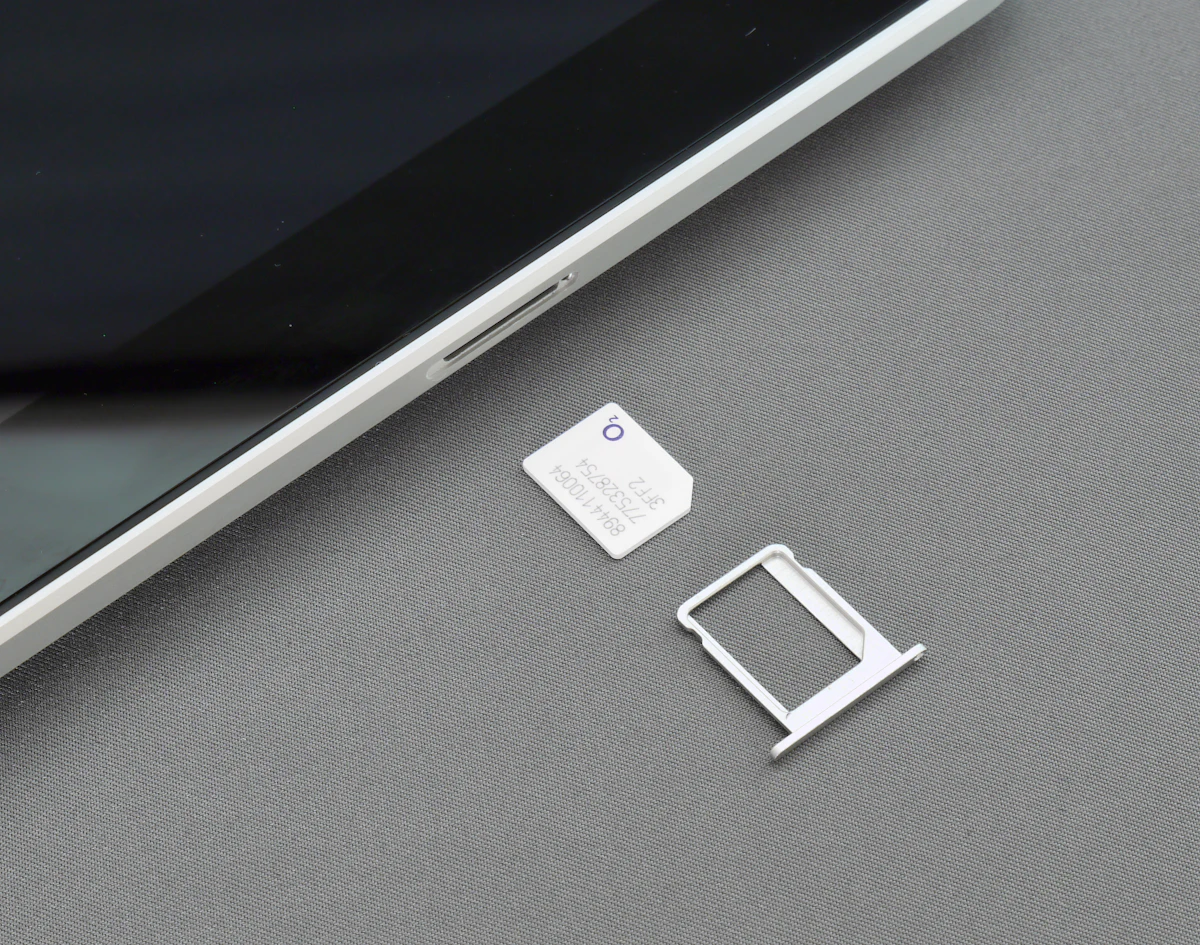
Both services provide voice + data SIMs, meaning you get a real Japanese phone number. This is crucial. The data-only prepaid SIMs sold at airports and convenience stores **do not come with a phone number** — they can't be used for bank SMS verification.
---
## The Recommended Sequence After Arrival
**Step 1: Get a phone number (immediately after arrival)**
Sign up with GTN Mobile or Mobal. Bring your residence card, passport, and cash for convenience store payment. You'll walk out with a working Japanese phone number.
**Step 2: Open a bank account (3+ months after arrival)**
With your phone number in hand, visit a [Japan Post Bank](https://www.jp-bank.japanpost.jp/kaisetu/kat_gaikokujin.html) branch. Bring your residence card, passport, and personal seal (印鑑 / inkan). You can now fill in a phone number on the application and complete SMS verification if needed.
After 6 months, [MUFG](https://faq01.bk.mufg.jp/faq/show/948?site_domain=default), [SMBC](https://www.smbc.co.jp/kojin/open-account/), and [Mizuho](https://www.faq.mizuhobank.co.jp/faq/show/386?site_domain=default) become available too.
**Step 3: Switch carriers if you want (optional)**
Once you have both a bank account and a phone number, every carrier in Japan is open to you — docomo, au, SoftBank, and all MVNOs. This is also the point where you can start [building credit toward a Japanese credit card](/guides/credit-card-japan-foreigners). Compare plans and switch when it makes sense. Staying with GTN Mobile or Mobal long-term is also perfectly fine.
---
## When Things Don't Go as Planned
**"The address on your residence card doesn't match":**
If you've moved since getting your residence card and haven't updated the address, carriers and banks will flag the mismatch. Visit your local ward office (区役所 / kuyakusho) or city hall (市役所 / shiyakusho) first to [update your address](/guides/tokyo-ward-office-moving-guide).
**You need a bank account before the 3-month mark:**
This is tough. If you have an employer, ask them — many companies help new hires open accounts as part of onboarding for payroll setup. Students should check with their university's international student office.
**Your foreign credit card got rejected by a carrier:**
This happens. Acceptance of international cards is inconsistent. If your Visa or Mastercard gets declined, don't keep trying different carriers — go with GTN Mobile or Mobal instead.
**You only have a data-only SIM:**
Data-only SIMs don't include a phone number. You won't be able to use them for SMS verification at banks. You'll need to switch to a voice + data plan.
---
## Alternative Approaches
**Rakuten Mobile:** [Accepts residence cards for identity verification](https://network.mobile.rakuten.co.jp/guide/verify/). Payment options include credit card, debit card, and bank transfer. If you happen to have a Rakuten Bank debit card, you can sign up without a standard credit card. For tourists who just need temporary data, a [travel SIM or eSIM](/guides/japan-travel-sim-esim-guide) is a simpler option. However, bank transfer still requires a Japanese bank account — so this doesn't fully break the cycle unless you have an international credit card that gets accepted.
**Try a foreign credit card at a major carrier first:** Some Visa and Mastercard cards issued abroad are accepted by Japanese carriers. If you already have one, it's worth trying. Just have GTN Mobile or Mobal as your backup plan if the card gets declined.
---
## Cost Comparison: Breaking the Cycle
Here's what you can expect to pay when using each path to get a phone number.
| Service | Monthly cost | Setup cost | Payment method | Phone number included? |
|---------|-------------|------------|----------------|----------------------|
| GTN Mobile (voice + data) | ~¥1,980/month (3GB) | ¥3,300 SIM fee | Convenience store cash, credit card | Yes |
| Mobal (voice + data) | ~¥1,980/month | Free SIM | Convenience store (MobalPay), credit card, PayPal | Yes |
| Airport data-only SIM | ¥3,000–5,000 (prepaid) | Included | Cash or credit card | No |
| docomo / au / SoftBank | ~¥3,000–7,000/month | Varies | Credit card or bank auto-debit only | Yes |
The key takeaway: GTN Mobile and Mobal cost roughly the same as budget carriers, but they remove the credit card and bank account barrier entirely. Airport SIMs are tempting but useless for breaking the phone-bank deadlock because they don't include a phone number.
---
## Your Complete Timeline: From Landing to Full Access
Here's a realistic timeline for a new arrival in Japan.
**Day 1–3: Get a phone number.** Visit a GTN Mobile or Mobal store, or order online. Bring your residence card and passport. Pay the first month in cash at a convenience store.
**Month 1–2: Settle in.** Use your phone number for apartment applications, ward office paperwork, and daily life. Start building the residency clock for bank account eligibility.
**Month 3: Open Japan Post Bank account.** Bring your residence card, passport, phone, and inkan (personal seal) to a Yucho branch. Fill in your phone number on the application. Complete SMS verification if required for online banking setup.
**Month 6+: Open a mega-bank account (optional).** MUFG, SMBC, and Mizuho become available. Having a Yucho account with salary deposits already shows financial stability. Apply for a debit card first — this builds your banking relationship.
**Month 6–12: Apply for a credit card.** With a bank account and phone number, you now meet the basic requirements. [Rakuten Card](https://www.rakuten-card.co.jp/) has one of the highest approval rates for foreigners. See our [credit card guide](/guides/credit-card-japan-foreigners) for the full strategy.
**Month 12+: Full carrier access.** With a credit card or bank account, every carrier in Japan is open to you. Compare plans and switch if GTN Mobile or Mobal no longer fits your needs.
---
## FAQ
### Can I open a Japanese bank account without a phone number?
It's difficult. Online and app-based account opening requires SMS verification. At a branch counter, a phone number isn't always strictly mandatory, but you'll be asked to provide one on the application form. Get a phone number first through GTN Mobile or Mobal, which accept cash payment at convenience stores.
### How long do I have to wait before opening a bank account in Japan?
Japan Post Bank accepts applications after 3 months of residency. The three mega-banks (MUFG, SMBC, Mizuho) generally require 6 months. If your employer helps with payroll setup, you may be able to open an account sooner.
### What is the cheapest way to get a Japanese phone number?
GTN Mobile and Mobal both offer voice + data SIM plans payable in cash at convenience stores. Monthly costs start around ¥1,000–2,000. Data-only SIMs from airports are cheaper but do NOT include a phone number, so they can't be used for bank SMS verification.
### Can I use a foreign credit card to sign up with a Japanese carrier?
Some international Visa and Mastercard cards are accepted by Japanese carriers, but acceptance is inconsistent. If your card gets declined, use GTN Mobile or Mobal instead — they don't require a credit card.
### Do I need a personal seal (inkan) to open a bank account?
Japan Post Bank accepts signatures instead of personal seals for foreign nationals. MUFG, SMBC, and Mizuho vary by branch — some accept signatures, others require an inkan. Bringing one is safer. You can buy a basic inkan at any hanko shop or 100-yen store for ¥100–500.
---
## Related Articles
- [Getting a Credit Card in Japan](/guides/credit-card-japan-foreigners) — Build credit history once you have a phone and bank account
- [Ward Office Procedures After Moving](/guides/tokyo-ward-office-moving-guide) — Update your address before applying for phone contracts or bank accounts
- [How Payments Work in Japan](/guides/payment-methods) — PayPay, credit cards, and Suica explained
- [How to Find an Apartment in Tokyo](/guides/how-to-find-apartment-tokyo) — Documents and process for renting
---
**References:**
- Ministry of Internal Affairs and Communications, "Act on Prevention of Improper Use of Mobile Phones" https://www.soumu.go.jp/main_sosiki/joho_tsusin/d_syohi/050526_1.files/pdf/070213_1_bt2.pdf (accessed 2026-02-17)
- NTT docomo, "Identity Verification Documents" https://www.docomo.ne.jp/support/identification/ (accessed 2026-02-17)
- au, "Required Items for Application" https://www.au.com/support/service/mobile/procedure/preparation/ (accessed 2026-02-17)
- SoftBank, "Identity Verification Documents" https://www.softbank.jp/shop/support/necessary/id/ (accessed 2026-02-17)
- LINEMO, "Required Items for Application" https://www.linemo.jp/process/necessary/ (accessed 2026-02-17)
- MUFG Bank, "Documents for Account Opening" https://www.bk.mufg.jp/kouza/order/shorui.html (accessed 2026-02-17)
- SMBC, "Account Opening for Foreign Nationals" https://qa.smbc.co.jp/faq/show/2835?site_domain=default (accessed 2026-02-17)
- Mizuho Bank, "Customers with Residence Cards" https://www.mizuhobank.co.jp/account/residence_card.html (accessed 2026-02-17)
- Japan Post Bank, "Account Opening for Foreign Customers" https://www.jp-bank.japanpost.jp/kaisetu/kat_gaikokujin.html (accessed 2026-02-17)
- GTN Mobile, "Payment Methods" https://www.gtn-mobile.com/s/support/paying-bills?language=en_US (accessed 2026-02-17)
- Mobal, "Japan SIM Card" https://www.mobal.com/japan-sim-card/ (accessed 2026-02-17)
- Rakuten Mobile, "Identity Verification" https://network.mobile.rakuten.co.jp/guide/verify/ (accessed 2026-02-17)
- Ministry of Internal Affairs and Communications, "Quarterly Telecommunications Data" https://www.soumu.go.jp/menu_news/s-news/01kiban04_02000255.html (accessed 2026-02-17)
---
# Tokyo Rainy Season Guide: When It Hits, What to Pack, What to Do
> Tokyo tsuyu 2026: early June to mid-July, rain falls on ~half the days. Hotels are cheapest of the year. Rainy-day routes, hydrangea spots & seasonal food.
- **URL**: https://tokyo.how/guides/rainy-season-tokyo-guide
- **Category**: Explore
- **Audience**: tourist
- **Published**: 2026-05-07
- **Updated**: 2026-05-16
- **Tags**: rainy season, tsuyu, june, hydrangea, budget travel
You booked a trip to Tokyo and realized it overlaps with the rainy season. Before you panic, here's the reality: rain falls on roughly half the days in June. The rest are cloudy or plain sunny. Hotel prices drop well below cherry blossom season, and tourist crowds thin out noticeably.
## Does It Really Rain Every Day?
"Tsuyu means nonstop rain" doesn't apply to Tokyo.
[JMA climate normals](https://www.data.jma.go.jp/stats/etrn/view/nml_sfc_ym.php?prec_no=44&block_no=47662) (30-year average, 1991–2020) show Tokyo gets 167.8 mm of rain in June with 124.2 hours of sunshine. That's over four hours of sun per day on average — all-day rain is the exception, not the rule.
The typical pattern isn't a steady drizzle from morning to night. It's more like overcast skies in the morning, a few hours of heavy rain in the afternoon, then clearing up by evening. That's what a normal tsuyu day looks like.
### When Does Tsuyu Start and End?
Here's the [official JMA record](https://www.data.jma.go.jp/cpd/baiu/kako_baiu09.html) for the Kanto-Koshin region over the past 10 years:
| Year | Tsuyu Start | Tsuyu End | Duration |
|------|------------|-----------|----------|
| 2016 | ~Jun 5 | ~Jul 29 | ~54 days |
| 2017 | ~Jun 7 | ~Jul 6 | ~29 days |
| 2018 | ~Jun 6 | ~Jun 29 | ~23 days |
| 2019 | ~Jun 7 | ~Jul 24 | ~47 days |
| 2020 | ~Jun 11 | ~Aug 1 | ~51 days |
| 2021 | ~Jun 14 | ~Jul 16 | ~32 days |
| 2022 | ~Jun 6 | ~Jul 23 | ~47 days |
| 2023 | ~Jun 8 | ~Jul 22 | ~44 days |
| 2024 | ~Jun 21 | ~Jul 18 | ~27 days |
| 2025 | ~May 22 | ~Jun 28 | ~37 days |
The averages are around June 7 for the start and July 19 for the end. But the swing is huge — 2025 started as early as May 22, while 2024 didn't begin until June 21. Check the [JMA tsuyu bulletin page](https://www.data.jma.go.jp/cpd/baiu/sokuhou_baiu.html) before your trip for the latest status. For overall trip planning, our [Tokyo itinerary planning guide](/guides/tokyo-itinerary-planning-guide) is also helpful.
## What June in Tokyo Actually Feels Like
JMA normals put June at [an average of 21.9°C (71°F), highs of 26.1°C (79°F), and lows of 18.5°C (65°F)](https://www.data.jma.go.jp/stats/etrn/view/nml_sfc_ym.php?prec_no=44&block_no=47662). Those numbers look comfortable, but the real issue is humidity.
At [75% average humidity](https://www.data.jma.go.jp/stats/etrn/view/nml_sfc_ym.php?prec_no=44&block_no=47662), even 25°C feels significantly muggier than the number suggests. Step out of an air-conditioned subway car and your glasses fog up instantly. Five minutes of walking and your back is damp. Your hair won't cooperate, and things inside your bag start to feel clammy — that's what tsuyu in Tokyo actually feels like.
The key is to fight the humidity, not just the rain. Sweat wipes cost ¥200–400 at any convenience store, and a quick-dry towel is ¥110 at Daiso. These two items alone make a noticeable difference.
Note that recent years have been running 1–2°C above the 30-year average due to climate trends. Plan for slightly warmer conditions than the numbers suggest.
## The Budget Case for June
Tsuyu is Tokyo's off-season, and hotel prices reflect it. These are rough estimates based on major booking sites as of May 2026:
| Season | Business Hotel (est.) | Dormitory (est.) |
|--------|----------------------|------------------|
| Cherry Blossom (late Mar–Apr) | ¥15,000–20,000 | ¥5,000–8,000 |
| Golden Week (late Apr–early May) | ¥13,000–18,000 | ¥5,000–8,000 |
| Tsuyu (June) | ¥8,000–12,000 | ¥2,500–4,500 |
| Summer (late Jul–Aug) | ¥12,000–16,000 | ¥4,000–7,000 |
Compared to cherry blossom season, business hotels can be ¥5,000–8,000 cheaper per night. Over 10 nights, that's ¥50,000+ in savings. Flights also tend to be cheaper in June — some routes drop 20–30% below cherry blossom and Golden Week fares.
Beyond pricing, popular attractions are easier to book. Tickets for Shibuya Sky and teamLab that sell out weeks ahead during [cherry blossom season](/guides/sakura-spots-tokyo) are often [available just days before](/guides/book-tickets-advance-tokyo) in June.
## What to Wear and Pack
The most important thing for tsuyu in Tokyo is choosing clothes that dry quickly. A 100% cotton t-shirt will soak up rain and sweat, staying heavy and uncomfortable all day. Go with linen or polyester blends — they dry within 30 minutes after getting caught in a shower.
For footwear, all-weather sneakers or sandals work best. Leather and suede develop mold easily in the humidity and aren't suited for tsuyu.
Three essentials: a compact umbrella, a quick-dry towel, and a plastic bag for storing wet items. Sunscreen is also important — UV rays are surprisingly strong even on cloudy days. If your luggage is heavy, [coin lockers and baggage storage services](/guides/luggage-storage-tokyo) let you explore hands-free.
One note on umbrella etiquette: when entering trains or shops, close your umbrella, secure the strap, and hold it pointing down. Use umbrella stands at shop entrances when available. Some department stores provide plastic sleeve dispensers at the door. See our [Tokyo etiquette guide](/guides/etiquette-tokyo) for more.
### Buy It in Tokyo
If you'd rather travel light, everything you need is available at Daiso and convenience stores after you arrive.
| Item | Store | Price Range |
|------|-------|------------|
| Rain poncho | [Daiso](https://jp.daisonet.com/collections/travel0210) | ¥110–330 |
| Compact umbrella | Daiso | ¥330+ |
| Shoe covers | Daiso | ¥330 |
| Vinyl umbrella | Convenience stores | ¥550–750 |
| Sweat wipes | Convenience stores | ¥200–400 |
Daiso stores are near almost every major station, often inside the station building itself. For payment options at these stores, see our [payment methods guide](/guides/payment-methods) and [Suica card guide](/guides/suica-card).

## Three Rainy Day Routes
Wake up to rain? Open this section and pick one.
- Into art and history → **Route 1 (Ueno)**
- Want food and shopping → **Route 2 (Underground)**
- Want immersive experiences → **Route 3 (Odaiba)**
### Ueno Museum Walk
Ueno Park packs several major museums within walking distance — one of the most efficient areas to cover on a rainy day.
**Route:** [Tokyo National Museum](https://www.tnm.jp/modules/r_free_page/index.php?id=113) ([adults ¥1,000](https://www.tnm.jp/modules/r_free_page/index.php?id=113)) → [National Museum of Western Art](https://www.nmwa.go.jp/jp/visit/index.html) ([adults ¥500](https://www.nmwa.go.jp/jp/visit/index.html)) → [National Museum of Nature and Science](https://www.kahaku.go.jp/riyou/nyukan-annai/index.html) ([adults ¥630](https://www.kahaku.go.jp/riyou/nyukan-annai/index.html)) → Dinner at Ameyoko (アメ横)
**Duration:** 6–7 hours (1.5–2 hours per museum + meals)
**Total cost:** ¥2,130 (combined admission) + food + transport (JR to Ueno Station, ~¥160–250 one way)
**Payment:** All museums accept cards and transit IC cards
All three museums are closed on Mondays (or the following weekday if Monday is a holiday). On Fridays and Saturdays, Tokyo National Museum and the National Museum of Western Art stay open until 20:00 (Tokyo National Museum also extends on Sundays before a Monday holiday), so you can start late and still take your time. Check our [station navigation guide](/guides/station-navigation-tokyo) for getting around Ueno.
Traveling with kids? The National Museum of Nature and Science has excellent hands-on exhibits for children — grade schoolers can easily spend 2 hours. Admission is free for all three museums for anyone under 18.
### Underground Food Walk
The best thing about this route: you barely need an umbrella.
**Route:** Shinjuku Station east side underground mall (Subnade) → Isetan Shinjuku basement floors (B1–B2) → Subway to Ginza → Ginza–Yurakucho underground passage → Tokyo Station First Avenue / Tokyo Ramen Street
**Duration:** 6–7 hours
**Total cost:** No admission fees. Food + transport only (1–2 subway rides, ~¥350–500)
**Payment:** All locations accept cards and transit IC cards
From Shinjuku Station, you can reach Isetan via Subnade and Metro Promenade through connected buildings. The Ginza-to-Yurakucho stretch is also connected underground, so the only time you need an umbrella is the short walk from Isetan to the nearest subway entrance — maybe a few dozen meters.
Isetan's basement food hall is worth exploring even just for the free samples. Tokyo Ramen Street has bowls for ¥900–1,300. Knowing how [cover charges and service fees work at restaurants](/guides/tokyo-restaurant-charges-explained) beforehand helps avoid surprises. For more budget-friendly options, see our [Tokyo budget eating guide](/guides/tokyo-budget-eating-guide).
If you know Tokyo already, a detour to Kuramae (蔵前) is worth it. The area around Kuramae Station on the Toei Asakusa Line is dotted with leather workshops, notebook makers, roaster cafés, and hand-blown glass shops. On rainy days, these shops are quiet. Exit A7 of Oedo Line Kuramae Station and walk south along Kokusai-dori — most of these spots are within 2–3 blocks.
With kids, Tokyo Station First Avenue has "Tokyo Character Street," a row of character goods shops that keeps children entertained.
### Off-the-Beaten-Path Rainy Day Areas
If you've done the standard routes, these neighborhoods are well suited for rainy days.
**Kiyosumi-Shirakawa** (Tokyo Metro Hanzomon Line / Toei Oedo Line) — A neighborhood of converted warehouses turned into galleries and cafés. The [Museum of Contemporary Art Tokyo](https://www.mot-art-museum.jp/guide/) is large enough to spend hours in on a rainy day, and you can hop between roastery cafés nearby. About 9 minutes on foot from the station to the museum.
**Nezu & Yanaka** (Tokyo Metro Chiyoda Line, Nezu Station) — An old-town neighborhood with wooden houses still standing. [Yanaka Ginza shopping street](https://www.gotokyo.org/jp/spot/170/index.html) doesn't have an arcade roof, but the small shops have overhanging eaves, and you can snack on street food as you go. Secondhand bookshops and handmade craft shops are scattered throughout — easy to duck into whenever the rain picks up.
**Nishi-Ogikubo** (JR Chuo Line) — A hidden concentration of [antique and vintage shops](https://nishiogi.in/category/guide/shopguide/antiqueshop/). Both sides of the station have antique dealers, vintage clothing shops, and independent curry restaurants. You can spend a full day browsing, umbrella in hand. Almost no tourists come here, making it one of the best ways to experience everyday Tokyo.
### Odaiba Experience Day
teamLab, an indoor amusement park, and an onsen — all in one day. The Odaiba area is connected by decks and indoor walkways, so you stay mostly dry moving between venues.
**Route:** [teamLab Planets](https://www.teamlab.art/e/planets/) (Toyosu, [adults ¥3,600+](https://www.teamlab.art/e/planets/)) → Yurikamome to Odaiba → [Tokyo Joypolis](https://tokyo-joypolis.com/ticket/) ([entry only ¥1,500 / unlimited ride passport ¥5,800](https://tokyo-joypolis.com/ticket/)) → Onsen
**Duration:** 7–8 hours
**Total cost:** ¥5,100+ (teamLab + Joypolis entry only). With the ride passport: ¥9,400+. Plus onsen, food, and transport (Yurikamome ~¥320 one way)
**Payment:** teamLab is online payment only; Joypolis accepts cards and IC cards
teamLab Planets requires advance online booking — no walk-in tickets are available. It's open through [the end of 2027](https://www.teamlab.art/e/planets/). Tsuyu season is relatively easy for reservations, but book weekends early. See our [advance booking guide](/guides/book-tickets-advance-tokyo) for more venues that need reservations.
With kids, teamLab has installations where you walk barefoot through water — fun for ages 4 and up (free for children 3 and under). Joypolis has height restrictions on some rides, so younger children may want entry-only tickets and can pick individual rides. For [onsen and sento basics](/guides/onsen-sento-guide-tokyo), see our separate guide.
## Hydrangea Season
Hydrangeas (ajisai / あじさい) look their best when wet — the colors deepen in the rain. Peak bloom is typically the second and third weeks of June, shifting by about a week depending on the year. Check each spot's website for current blooming status before you go.
### In Tokyo
**Hakusan Shrine** (Bunkyo) — 3,000+ plants. 2-minute walk from Hakusan Station (Toei Mita Line), Exit A3. Free admission. The [2026 Ajisai Matsuri runs June 6–14](https://www.gotokyo.org/en/spot/ev031/index.html), and the "Fujizuka" hill behind the shrine opens only during the festival — the view of hydrangeas cascading down the slope is unique to this spot. A few resident cats are a known bonus among locals. Weekday mornings are quietest.
**Takahata Fudoson Kongoji Temple** (Hino) — [5-minute walk from Takahatafudo Station](https://www.takahatafudoson.or.jp/) (Keio Line). Over 7,800 plants across 250 varieties — the collection of wild mountain hydrangeas (yama-ajisai) is especially rare. The ajisai festival typically runs early June through early July (check the official site for 2026 dates). Free admission. Weekdays between 9–11 AM are least crowded. Mountain hydrangeas peak late May to mid-June; lacecap hydrangeas peak mid-June to early July.
**Asukayama Park** (Kita) — 1-minute walk from JR Oji Station. About 1,300 plants line the slope along the JR tracks — the "Hydrangea Road" is a local favorite for photographing trains passing through the flowers. Free, open 24 hours. Early morning around 6 AM, it's just local joggers. Peak bloom is mid-June.
**Fuchu Kyodo no Mori Museum** (Fuchu) — 20-minute walk from JR Fuchu-Hommachi Station (Nambu/Musashino Lines). About 10,000 plants — one of the largest collections in the Tokyo area, yet barely known to tourists. Relaxed even on weekends. Peak bloom is mid to late June.
**Kodaira Ajisai Park** (Kodaira) — 5-minute walk from Kodaira Station (Seibu Shinjuku Line). About 1,500 plants. Established in 1973 as a local hydrangea garden — practically zero tourists. A genuinely quiet spot where only neighborhood residents come. Free. Peak bloom is mid to late June.

### Day Trip: Meigetsuin Temple, Kamakura
If you can venture outside Tokyo, Meigetsuin in Kamakura is a must. Known as the "hydrangea temple," nearly every plant in the grounds is a blue Hime-ajisai variety, creating a landscape unlike anywhere else.
10-minute walk from JR Kita-Kamakura Station. Admission is around ¥500 (during hydrangea season: 8:30–17:00).
Crowds are real — on peak weekends, lines start forming around 7:30 and waits can exceed an hour. The sweet spot is weekday afternoons after 16:00, when visitors drop off and you can enjoy the blue flowers in soft evening light.
The best time to visit Meigetsuin is actually on a rainy day. Raindrops on the blue-purple petals bring out deeper colors, and there are noticeably fewer visitors. It's the kind of experience you can only have because you came during tsuyu. See our [JR guide](/guides/jr-pass-japan) for getting to Kamakura.
## Seasonal Food in the Rainy Season
Tsuyu brings its own food culture — dishes and sweets you'll only encounter in June.
**Minazuki (水無月)** — A traditional wagashi [eaten on June 30 for the Nagoshi no Harae purification ritual](https://www.tsuruyayoshinobu.jp/special/ds/nagoshi). It's a triangle of uiro (rice flour cake) topped with sweet red beans. Look for it at wagashi shops and department store basement floors starting in early June.
**Ume-shigoto (梅仕事)** — June is green plum season. Supermarkets display green plums alongside rock sugar and white liquor for making umeshu (plum wine) at home. Travelers can't easily do this, but many izakaya and bars serve house-made umeshu or ume syrup soda during this season — look for 梅 (ume) on the menu.
**Seasonal fish** — [Sweetfish (ayu / 鮎) season opens in June](https://akigawagyokyo.or.jp/lp/ayu-2025/), and salt-grilled ayu appears on izakaya and restaurant menus. [Conger eel (anago / 穴子) is also in season during tsuyu](https://www.yokohama-maruuo.co.jp/food/%e7%a9%b4%e5%ad%90%e3%81%ab%e3%82%82%e6%a2%85%e9%9b%a8%e7%a9%b4%e5%ad%90%e3%80%81%e4%bb%8a%e3%81%8c%e6%97%ac%e3%81%a7%e3%81%99%e3%82%88%ef%bc%81/20230610.html) — try it as tempura or simmered (ni-anago) at sushi restaurants.
**Hydrangea-themed wagashi** — In June, wagashi shops display [nerikiri and kingyokukan (錦玉羹)](https://www.tsuruyayoshinobu.jp/special/ds/nagoshi) shaped like hydrangeas. These translucent jelly sweets with purple and blue hues capture the feeling of the rainy season. Department store basement wagashi counters are the easiest place to find them.
## June vs July vs August
Deciding when to go? Here's how the three summer months compare:
| Factor | June | July | August |
|--------|------|------|--------|
| Weather | Tsuyu (168 mm rain) | Post-tsuyu → heat | Hot (highs 31–33°C) |
| Humidity | 75% | 76% | 74% |
| Avg. temp | 21.9°C | 25.7°C | 26.9°C |
| Crowds | Low (off-season) | Medium (summer break starts) | High (peak) |
| Hotel prices | Lowest | Moderate | Peak |
| Highlights | Hydrangeas | Fireworks (Sumida River, etc.) | Festivals, fireworks |
June is the cheapest month for hotels and flights. If you want fireworks and festivals, aim for late July onward. August brings peak heat — highs regularly exceed 33°C in recent years, so you'll need heat tolerance. On sunny days, [Tokyo's free observation decks](/guides/free-observation-decks-tokyo) offer great views.
Late June into July also carries a small chance of typhoons. If one approaches, JR and subway lines may suspend service. Bookmark [JR East's service status page](https://traininfo.jreast.co.jp/) just in case. And if you feel unwell, our [English-speaking doctors list](/guides/english-speaking-doctor-tokyo) is worth reviewing before your trip.
---
**References:**
- Japan Meteorological Agency, "Past Tsuyu Onset and End Dates (Kanto-Koshin)" https://www.data.jma.go.jp/cpd/baiu/kako_baiu09.html (accessed 2026-05-07)
- Japan Meteorological Agency, "Tokyo Climate Normals (Monthly)" https://www.data.jma.go.jp/stats/etrn/view/nml_sfc_ym.php?prec_no=44&block_no=47662 (accessed 2026-05-07)
- Japan Meteorological Agency, "2026 Tsuyu Bulletin (Preliminary)" https://www.data.jma.go.jp/cpd/baiu/sokuhou_baiu.html (accessed 2026-05-07)
- GO TOKYO, "Bunkyo Ajisai Matsuri" https://www.gotokyo.org/en/spot/ev031/index.html (accessed 2026-05-07)
- Tokyo National Museum, "Visitor Information" https://www.tnm.jp/modules/r_free_page/index.php?id=113 (accessed 2026-05-07)
- National Museum of Western Art, "Visitor Information" https://www.nmwa.go.jp/jp/visit/index.html (accessed 2026-05-07)
- National Museum of Nature and Science, "Admission" https://www.kahaku.go.jp/riyou/nyukan-annai/index.html (accessed 2026-05-07)
- teamLab Planets TOKYO DMM https://www.teamlab.art/e/planets/ (accessed 2026-05-07)
- Tokyo Joypolis, "Tickets" https://tokyo-joypolis.com/ticket/ (accessed 2026-05-07)
---
# Tokyo Restaurant Booking: TableCheck vs Tabelog vs OMAKASE
> Compare Tokyo's reservation platforms by fees, English support, and card payment. Plus how to book phone-only spots like Den, and no-show rules.
- **URL**: https://tokyo.how/guides/restaurant-booking-tokyo
- **Category**: Explore
- **Audience**: tourist
- **Published**: 2026-02-28
- **Updated**: 2026-04-14
- **Tags**: restaurant reservations, Tokyo dining, TableCheck, Tabelog, OMAKASE
For booking Tokyo restaurants in English, online services like TableCheck, Tabelog, and OMAKASE are the easiest options. Michelin-starred restaurants should be booked 2-3 months ahead; popular sushi counters need about 1 month. For phone-only restaurants, your hotel concierge or a paid booking agent can handle everything in Japanese on your behalf.
---
## Which Restaurants Need Reservations
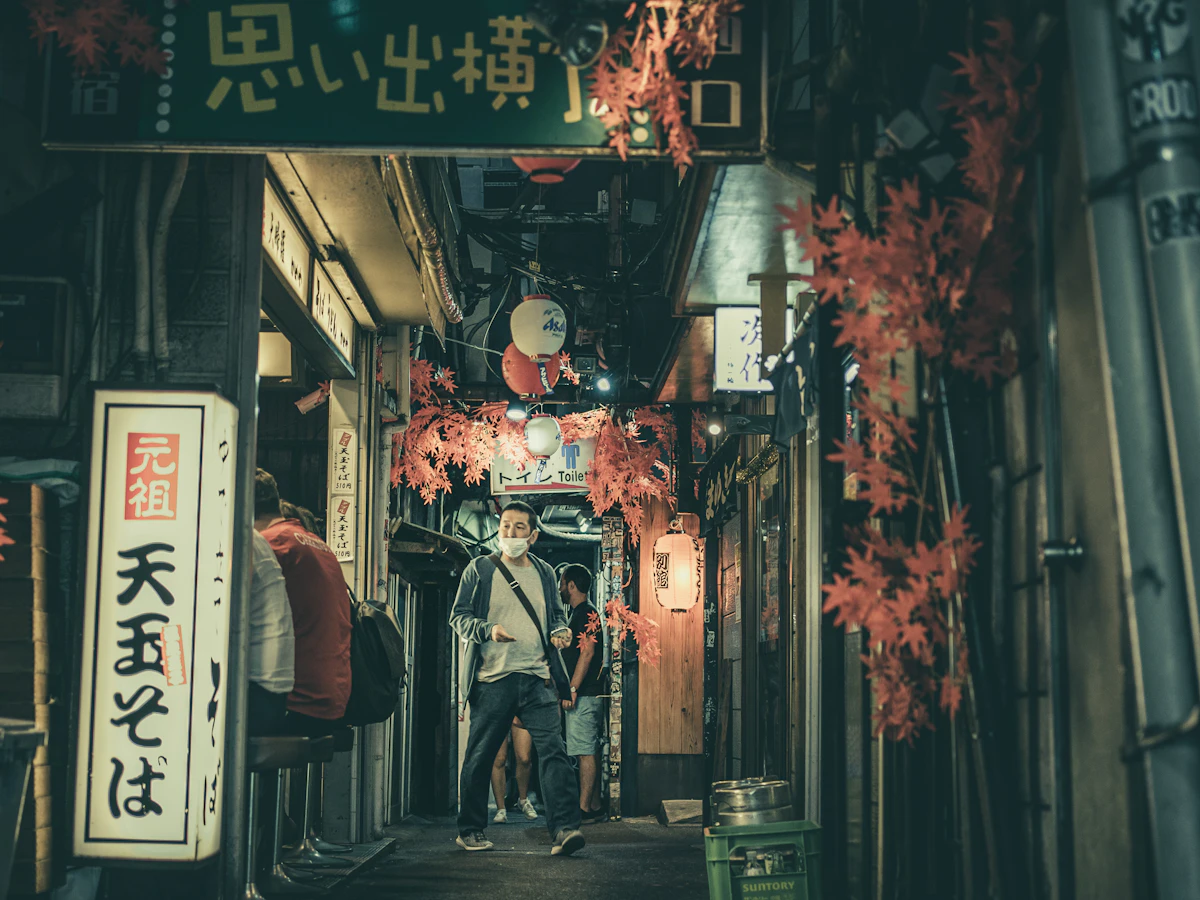
Not every restaurant in Tokyo requires a reservation. There's a clear divide between everyday dining and special-occasion meals.
**Reservations strongly recommended:**
- Sushi counters (many have very limited seating)
- Kaiseki (懐石) and kappo (割烹) — traditional Japanese multi-course dining
- French and Italian course meals
- Teppanyaki (鉄板焼き)
- Michelin-starred restaurants in general
- Popular izakaya on Friday and Saturday nights (groups of 5+)
**No reservation needed:**
- Ramen shops (they don't accept reservations at all)
- Conveyor-belt sushi chains — Sushiro (スシロー), Kura Sushi (くら寿司), Hama Sushi (はま寿司)
- Teishoku (定食) restaurants and shokudo (食堂) — set-meal diners
- Gyudon chains — Matsuya (松屋), Sukiya (すき家), Yoshinoya (吉野家)
- Family restaurants — Denny's, Saizeriya (サイゼリヤ), Gusto (ガスト)
- Tachinomi (立ち飲み屋) — standing bars
A useful rule of thumb: if a restaurant is mainly counter seating or serves course meals, book ahead. Lunch can often be walked into same-day, but dinner is best reserved early.
Location matters too. Ginza (銀座) is packed with high-end sushi and French restaurants — finding a walk-in spot there is tough. Roppongi (六本木) and Azabu-Juban (麻布十番) are similarly competitive.
On the other hand, the busy entertainment districts of Shinjuku (新宿), Shibuya (渋谷), and Ikebukuro (池袋) have casual restaurants packed so closely together that if one is full, you can often try the place next door. Understanding which [Tokyo wards and neighborhoods](/guides/tokyo-special-wards-guide) specialize in dining can help you narrow your search.
### How Far in Advance to Book
Timing varies significantly by restaurant tier.
- **Michelin-starred restaurants:** 2–3 months ahead. Some have fixed dates when they open reservations — check the restaurant's website or their OMAKASE page
- **Popular sushi counters and kaiseki:** 1 month ahead
- **Mid-range restaurants and izakaya:** 1–2 weeks ahead
- **Casual restaurants:** The day before or even same-day is often fine
Friday and Saturday dinners fill up fastest. If you're planning a weekend meal, book earlier than you would for a weekday.
### Budget Estimates
Tokyo restaurants span a wide price range. Here are rough per-person costs for dinner:
- **High-end sushi counters and kaiseki:** 20,000–50,000 yen/person
- **Mid-range restaurants (French bistros, yakiniku, izakaya courses, etc.):** 3,000–8,000 yen/person
- **Casual dining (ramen, teishoku set meals, gyudon, etc.):** 800–1,500 yen/person
---
## English-Friendly Reservation Services
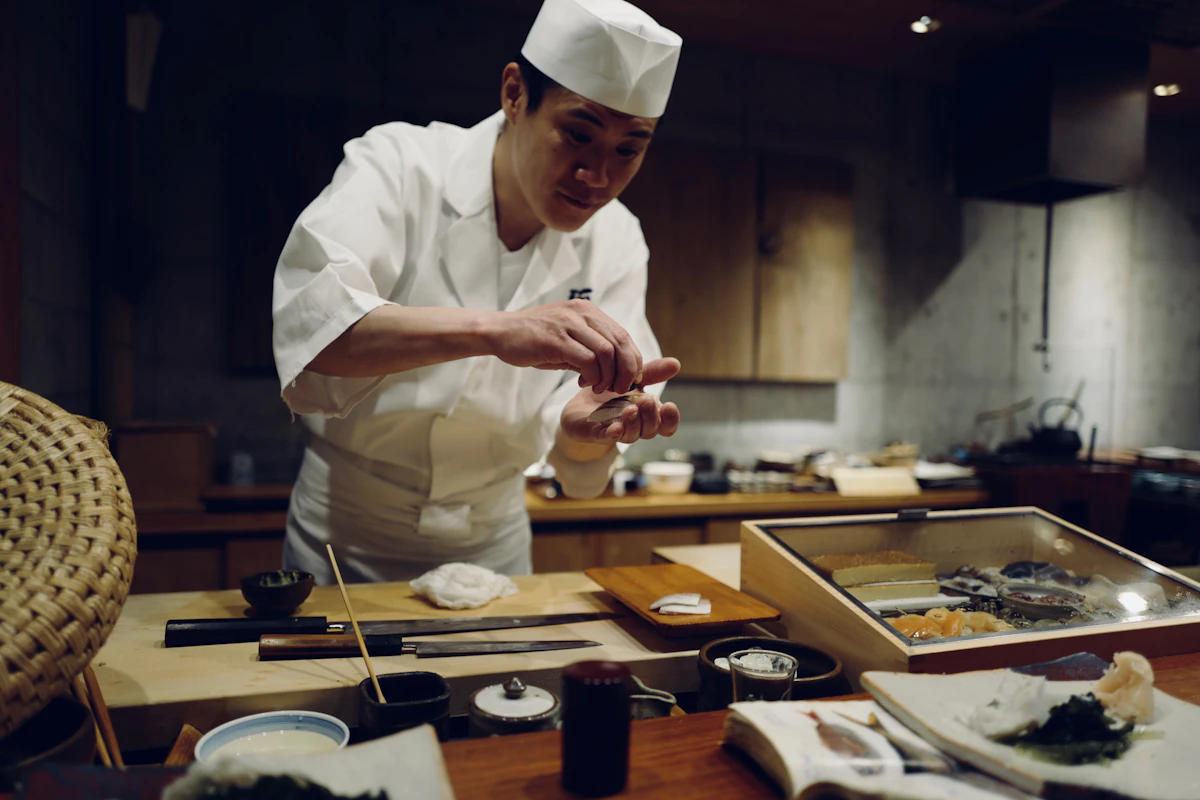
Here are five major services you can use without knowing Japanese.
| Service | Languages | Booking Fee | Restaurant Tier | Key Feature |
|---|---|---|---|---|
| [TableCheck](https://www.tablecheck.com/en/japan) | [18 languages](https://www.tablecheck.com/en/join/about-us/press/waitlist-and-queue-management-316/) | Free | All tiers (including high-end) | Google Maps integration |
| [Tabelog](https://tabelog.com/en/) | EN, ZH (Simplified & Traditional), KO | [¥440/person](https://support.tabelog.com/hc/en-us/articles/33980891564185-I-want-to-know-the-costs-involved-when-booking) | All tiers ([~890,000 listings](https://www.businesswire.com/news/home/20251221963753/en/)) | Japanese user reviews reveal local favorites |
| [GURUNAVI](https://gurunavi.com/en/) | EN, ZH, KO | Free | Casual to mid-range | [English-speaking staff filter](https://gurunavi.com/en/site/reservation) |
| [OMAKASE](https://omakase.in/en/) | EN, JA | Paid (shown at booking) | High-end only | Full course prepayment |
| [Pocket Concierge](https://www.pocket-concierge.jp/en) | EN, JA | Included in course price | High-end | Full course prepayment |
*Fees and features as of February 2026. Check each service's official site for the latest information.*
For fee-free browsing across a wide range of restaurants, try TableCheck. To pick restaurants based on Japanese diner reviews, use Tabelog. To secure a seat at a high-end restaurant, OMAKASE is your best bet.
**Note:** Hot Pepper Gourmet's English service was discontinued in January 2026 (the notice page is no longer accessible). The Japanese version can be used with your browser's translation feature, but confirmation emails will also be in Japanese only.
### TableCheck — No Booking Fee, Wide Coverage
[TableCheck](https://www.tablecheck.com/en/japan) is a fee-free, [18-language](https://www.tablecheck.com/en/join/about-us/press/waitlist-and-queue-management-316/) online restaurant reservation service. You can complete the entire booking process — from search to confirmation — without Japanese. [Over 10,000 restaurants are listed](https://www.tablecheck.com/en/blog/tablecheck-revolutionizes-dining-10000-clients/), covering everything from casual izakaya to high-end dining.
When searching for Tokyo restaurants on Google Search or Google Maps, you may see a "Reserve a table" button. This is powered by TableCheck's [Reserve with Google integration](https://www.tablecheck.com/en/blog/increase-restaurant-reservations-reserve-with-google/), letting you book directly from the Google interface.
You may be asked to register a credit card when booking. This is not a charge — it's a [credit hold to prevent no-shows](https://support-diners.tablecheck.com/hc/en-us/articles/900000873083-What-does-Credit-Card-Required-to-Reserve-Mean). You pay for your meal at the restaurant. For details on which cards work best in Japan, see our [payment methods guide](/guides/payment-methods).
For hard-to-book restaurants, TableCheck offers a paid option called [TableCheck FastPass](https://www.tablecheck.com/en/blog/tablecheck-fastpass-dinner-reservations-japan/). Pricing varies by restaurant. It gives you access to FastPass-exclusive reservation slots, separate from the regular availability — worth considering if there's a specific restaurant you really want to try.
### Tabelog — Japan's Largest Review Database
[Tabelog](https://tabelog.com/en/) is Japan's largest restaurant search and reservation site, with [approximately 890,000 listings](https://www.businesswire.com/news/home/20251221963753/en/). Its biggest strength is Japanese user reviews. Instead of tourist-oriented rankings, you'll find restaurants where locals actually eat.
A [multilingual app](https://tabelog.com/en/tabelog-multilingual-app/) has made smartphone booking in English much easier. The map-based search also lets you find nearby restaurants while walking around.
Booking costs [¥440 per person as a system fee](https://support.tabelog.com/hc/en-us/articles/33980891564185-I-want-to-know-the-costs-involved-when-booking), charged to your credit card immediately. This fee is non-refundable if you cancel for personal reasons (cancellations initiated by the restaurant are exempt). The meal itself is paid separately at the restaurant.
Tabelog ratings are on a 5-point scale. As a general guideline, a score of 3.5 or above indicates a highly popular restaurant. Japanese users tend to grade harshly, so even restaurants around 3.0 can be excellent.
### OMAKASE — High-End Focused, Full Prepayment
[OMAKASE](https://omakase.in/en/) is a prepayment-based reservation service specializing in Tokyo's top-tier sushi, kaiseki, tempura, and more. You pay a booking fee plus the full course price at the time of reservation. No payment is needed at the restaurant.
Cancellation policies vary by restaurant. Always check the cancellation terms on each restaurant's page before booking. Some restaurants automatically cancel your reservation if you arrive late, so be careful not to run behind schedule.
A major advantage is that OMAKASE lets you book online at high-end restaurants that otherwise only accept phone reservations in Japanese. However, reservation slots are limited. Each restaurant's page shows when new slots open (e.g., "the 5th of each month for the following two months"), so check in advance.
### GURUNAVI — Free, With English-Speaking Staff Filter
[GURUNAVI (Rakuten GURUNAVI)](https://gurunavi.com/en/) is a free, English-friendly restaurant search and reservation site. Its standout feature is the ability to filter for [restaurants with English-speaking staff](https://gurunavi.com/en/site/reservation) or English menus — helpful if you're uneasy about the language barrier. It has fewer high-end listings, but covers izakaya, yakiniku, and mid-range restaurants well.
### Pocket Concierge — Prepay the Course, Skip the Bill
[Pocket Concierge](https://www.pocket-concierge.jp/en) is an English-friendly service for prepaying and reserving course meals at high-end restaurants. You select a specific course menu and prepay in full when booking, so there's no payment or conversation needed at the restaurant. Any additional orders are charged to the same credit card. It covers upscale French, sushi, and kaiseki restaurants mainly in Tokyo, Kyoto, and Osaka.
---
## When the Restaurant Only Takes Phone Reservations
Many restaurants in Tokyo don't offer online booking and only accept reservations by phone — in Japanese. This is common at owner-operated sushi bars, small kappo restaurants, and long-established traditional dining spots. Here's how to handle it if you don't speak Japanese.
### Ask Your Hotel Concierge (Free)
If you're staying at a 4-star or higher hotel, asking the concierge is one of the most reliable options. Most hotels offer this as a complimentary service for guests. When a hotel concierge makes the reservation, the hotel effectively guarantees against no-shows, which makes restaurants more willing to accept the booking.
**Tips for requesting:**
- Email the concierge as soon as your hotel booking is confirmed — don't wait until check-in
- Request Michelin-starred restaurants **1–2 months** in advance
- Provide **2–3 preferred date/time options**
- Mention any allergies or dietary restrictions upfront
### Paid Booking Agent Services
If you're staying at a hostel or Airbnb without concierge access, paid booking agents are available.
| Service | Fee | Details |
|---|---|---|
| [TABLEALL](https://www.tableall.com/) | [¥8,000/seat](https://www.tableall.com/faq) | Pre-secured seats at popular restaurants. Fully in English |
| [JPNEAZY](https://jpneazy.com/) | [10–15% of course price](https://help.jpneazy.com/article/64-reservation-handling-fee) | Concierge books on your behalf in Japanese |
| [byFood](https://www.byfood.com/restaurants) | Varies | Restaurant booking and concierge service |
TABLEALL doesn't make reservations on your behalf — it pre-purchases seats at popular restaurants. Since slots are pre-secured, availability is generally better than regular bookings, but the ¥8,000 per-seat fee reflects that.
### Walk In and Book in Person
If neither phone nor online booking works, you can visit the restaurant in person. Go a few days before your preferred date, and use a translation app to communicate the date, time, and party size. Face-to-face communication is easier than phone calls — gestures and showing your screen go a long way. Visiting between lunch and dinner service (around 2–5 PM) is ideal, as staff will have more time to help.
Prepare the following in your translation app beforehand:
- Your preferred date and time
- Number of guests
- Any allergies or dietary restrictions
- A contact number (your hotel's phone number works)
### Dietary Restrictions
If you have allergies or dietary restrictions (vegetarian, halal, gluten-free, etc.), always note them in the comments field when booking. Not all restaurants can accommodate, so confirm beforehand. Shojin ryori (精進料理) — traditional Buddhist temple cuisine made entirely from plant-based ingredients — is a good option for vegetarians.
---
## When You Arrive at the Restaurant
When you arrive, tell the host "予約した〇〇です" (yoyaku shita [your name] desu / "I have a reservation under [name]"). In case the staff doesn't speak English, having your booking confirmation email ready to show on your phone helps.
If you don't have a confirmation email, open the app or website of the booking service you used and show the reservation details screen. It will display the reservation number, date/time, and party size — that's all the staff needs.
At high-end restaurants, you may encounter tatami seating where you remove your shoes, or a coat check for your belongings. If you're carrying a coat or suitcase, staff will guide you at the entrance.
---
## Cancellation Rules
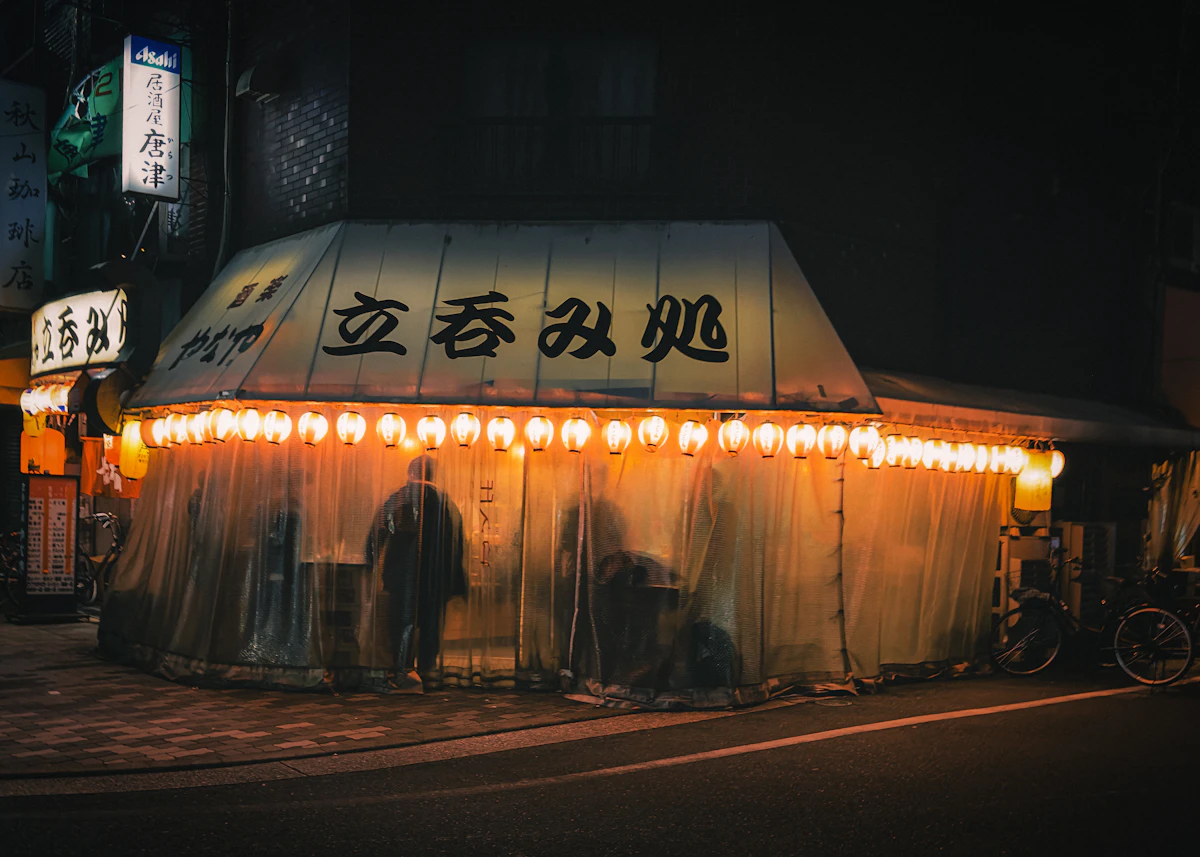
Tokyo restaurants have been cracking down on no-shows in recent years. Due to increasing no-shows by international tourists, some restaurants have stopped accepting direct reservations from overseas and now only take bookings through hotel concierges.
The principle is simple: if you've reserved, show up. If you can't make it, cancel as early as possible.
### Typical Cancellation Fee Ranges
Cancellation fees vary by restaurant, but the following tiers are typical:
| Timing | Typical Fee |
|---|---|
| 3+ days before | Free or minimal |
| 2 days before | ~30% of course price |
| Day before | ~50% of course price |
| Same-day / no-show | 100% of course price |
*Policies vary by restaurant. Always check the cancellation terms when booking.*
Even for seat-only reservations (no course), some restaurants charge several thousand yen per person for same-day cancellations. When using a booking service (TableCheck, Tabelog, OMAKASE, etc.), cancellation fees are charged to the credit card you registered at booking.
### Arriving Late
Some restaurants automatically cancel your reservation if you're more than 10–15 minutes late (this varies by restaurant), and you'll still be charged a cancellation fee. Be mindful of [last train times](/guides/last-train-tokyo-guide) when booking late dinner reservations. If you're running late, call the restaurant. The phone number is in your confirmation email — save it beforehand. Arriving late without notice may be treated the same as a no-show.
### Time Limits
Some restaurants enforce a 2-hour time limit (二時間制 / nijikan-sei) during peak hours. If your confirmation email mentions "2時間制," you'll need to finish your meal within that window. Last orders are typically taken 15 minutes before the time limit.
---
## Troubleshooting
| Problem | Likely Cause | Solution |
|---|---|---|
| Booking site shows "no availability" | Online slots are full | Try different dates/times. Phone reservation slots are sometimes managed separately — ask your hotel concierge |
| No confirmation email received | Typo in email address, or caught by spam filter | Check your spam folder. If not there, check the "My Reservations" section on the booking site |
| Credit card won't register | Some non-Japanese cards aren't accepted | Try a Visa or Mastercard. If that doesn't work, switch to a different booking service |
| Restaurant can't find your reservation | Name spelling mismatch or wrong date | Show the confirmation email to staff. If you have a reservation number, present that |
| Dietary restrictions not accommodated | Not communicated at booking | Always include restrictions in the notes field when booking. Whether a restaurant can accommodate depends on the place, so confirm in advance |
---
## Finding Restaurants Without a Reservation
There are ways to find restaurants without using a booking service.
**"Reserve a table" on Google Maps** — Some restaurants show a "Reserve a table" button in Google Maps. This is powered by TableCheck's [Reserve with Google integration](https://www.tablecheck.com/en/blog/increase-restaurant-reservations-reserve-with-google/), but coverage is limited. It's best used alongside dedicated booking services.
**Walk in without a reservation** — During lunch or off-peak hours (weekday evenings around 5 PM), many restaurants have open seats. High-end places in Ginza or Roppongi are tough, but casual izakaya and restaurants in Shinjuku and Shibuya are worth trying on the spot. If one place is full, Tokyo's entertainment districts usually have similar restaurants within walking distance. The "gado-shita" (ガード下) — restaurant alleys under railway overpasses in areas like Yurakucho (有楽町) and Shimbashi (新橋) — are full of no-reservation-needed spots with a uniquely atmospheric vibe.
**Depachika (デパ地下) — department store basement food halls** — The basement floors of department stores like Mitsukoshi (三越), Isetan (伊勢丹), and Takashimaya (高島屋) offer not just takeaway bento and deli items, but also eat-in counters where you can sit down for sushi, tempura, yoshoku (Western-style Japanese food), and more. No reservations needed, and the variety is excellent.
---
## Frequently Asked Questions
**Can I book Tokyo restaurants in English?**
Yes. Several services — TableCheck, Tabelog, and OMAKASE among them — support English for the entire booking process, from search to confirmation.
**Are there booking fees?**
TableCheck and GURUNAVI are free. Tabelog charges ¥440 per person, and OMAKASE charges a booking fee (shown at reservation). Fees vary by service.
**What if the restaurant only takes phone reservations?**
Ask your hotel concierge — it's the easiest option. Paid booking agents like TABLEALL and JPNEAZY are also available.
**How far ahead should I book a Michelin-starred restaurant?**
2–3 months is a good guideline. Some restaurants have fixed dates when they open reservations, so check in advance.
**Will I be charged for cancelling?**
Most restaurants charge 100% for same-day or no-show cancellations and around 50% for the day before. If you booked through a service, the fee is charged to the card on file.
**Can I eat out without a reservation?**
Absolutely. Ramen shops, conveyor-belt sushi, teishoku diners, and gyudon chains all operate without reservations. Casual izakaya often have open seats on weekdays too.
---
## Related Articles
- [Common Mistakes When Visiting Tokyo](/guides/tokyo-travel-pitfalls) — Pitfalls beyond restaurant reservations that every traveler should know
- [Payment Methods in Tokyo](/guides/payment-methods) — Credit cards, e-money, and cash — what's accepted where
- [How to Get and Use a Suica Card](/guides/suica-card) — The transit IC card that also works for restaurant payments
- [Tokyo Etiquette Guide](/guides/etiquette-tokyo) — Manners for dining out, tipping, and social customs
- [Budget Eating Guide for Tokyo](/guides/tokyo-budget-eating-guide) — How to find great food in Tokyo without breaking the bank
- [Tokyo Restaurant Charges Explained](/guides/tokyo-restaurant-charges-explained) — Otoshi, service charges, seating fees, and other hidden costs
---
**Sources:**
- TableCheck "TableCheck revolutionizes dining, reaches 10,000 clients globally" https://www.tablecheck.com/en/blog/tablecheck-revolutionizes-dining-10000-clients/ (accessed: 2026-02-27)
- TableCheck "What does 'Credit Card Required to Reserve' Mean?" https://support-diners.tablecheck.com/hc/en-us/articles/900000873083-What-does-Credit-Card-Required-to-Reserve-Mean (accessed: 2026-02-27)
- TableCheck "Reserve with Google: Increase Your Restaurant Reservations" https://www.tablecheck.com/en/blog/increase-restaurant-reservations-reserve-with-google/ (accessed: 2026-02-27)
- TableCheck "TableCheck FastPass: Skip the Wait at Top Restaurants in Japan" https://www.tablecheck.com/en/blog/tablecheck-fastpass-dinner-reservations-japan/ (accessed: 2026-02-27)
- JPNEAZY "Reservation Handling Fee" https://help.jpneazy.com/article/64-reservation-handling-fee (accessed: 2026-02-27)
- Tabelog "I want to know the costs involved when booking" https://support.tabelog.com/hc/en-us/articles/33980891564185-I-want-to-know-the-costs-involved-when-booking (accessed: 2026-02-27)
- Tabelog "Tabelog Multilingual App" https://tabelog.com/en/tabelog-multilingual-app/ (accessed: 2026-02-27)
- BusinessWire "Tabelog Launches Multilingual App for International Visitors" https://www.businesswire.com/news/home/20251221963753/en/ (accessed: 2026-02-27)
- GURUNAVI "About Reservation Service" https://gurunavi.com/en/site/reservation (accessed: 2026-02-27)
- Hot Pepper Gourmet "Service Termination Notice" https://global.hotpepper.jp/notice/en/index.html (link no longer accessible)
- TABLEALL "FAQ" https://www.tableall.com/faq (accessed: 2026-02-27)
---
# 8 Cherry Blossom Walks in Tokyo — Routes, Crowds & Picnic Tips (2026)
> Tested walking routes through Meguro River, Shinjuku Gyoen, Ueno Park, and 5 more spots. Crowd levels by time of day, best picnic areas, and which spots peak early or late. Based on visits across three sakura seasons.
- **URL**: https://tokyo.how/guides/sakura-spots-tokyo
- **Category**: Explore
- **Audience**: both
- **Published**: 2026-02-26
- **Updated**: 2026-02-26
- **Tags**: cherry blossoms, hanami, walking, picnic
- **Best first pick:** Meguro River (目黒川). Walk the 1.7 km stretch from Gonnosuke-zaka (権之助坂) to Nakameguro (中目黒) — Somei Yoshino trees arch over the river from both banks.
- **Best photo:** Shiba Park (芝公園) lets you frame Tokyo Tower and cherry blossoms in one shot.
- **For picnics:** [Shinjuku Gyoen (新宿御苑, ¥500 admission)](https://www.env.go.jp/garden/shinjukugyoen/2_guide/guide.html). Spread a picnic blanket on the lawn and enjoy hanami the traditional way.
- **What to bring:** A picnic sheet (available at any 100-yen shop) and wet wipes are essentials.
- [Tokyo's 2026 cherry blossom forecast: bloom on March 22, full bloom on March 29.](https://weathernews.jp/news/202602/250076/)
- **Hidden gem:** The Osaki (大崎) section of the Meguro River near Gate City Ohsaki is far less crowded than the Nakameguro stretch, and you can enjoy the blossoms at your own pace.
- **Walking route:** In Roppongi (六本木), walk from Tokyo Midtown (東京ミッドタウン) to the National Art Center (国立新美術館) and then down to Spain-zaka (スペイン坂) — cherry trees pop up everywhere along the way.
- **Nerima (練馬) area:** The Shakujii River (石神井川) has benches along the banks where you can sit and watch the blossoms. Also known as a filming location for the anime *Your Lie in April* (四月は君の嘘).
- **Night blossoms:** Tokyo Midtown's [MIDTOWN BLOSSOM features illuminated cherry trees (17:00–23:00)](https://www.tokyo-midtown.com/jp/event/7367/).
- Cherry trees line many streets across Tokyo, so even a walk around your own neighborhood can be rewarding during the season.
---
## Cherry Blossoms Are Everywhere in Tokyo
Tokyo has cherry trees planted along many streets, so during the season, you'll spot them just walking around. It's not unusual to run into a canopy of blossoms on the way home from the station.
That said, if you want a proper hanami (花見, "flower viewing") experience — sitting down for a picnic, taking photos, or strolling through a tunnel of blossoms — choosing the right spot matters. Here are places the author walked through and can personally recommend.
---
## Roppongi — Cherry Blossoms Tucked Into the City
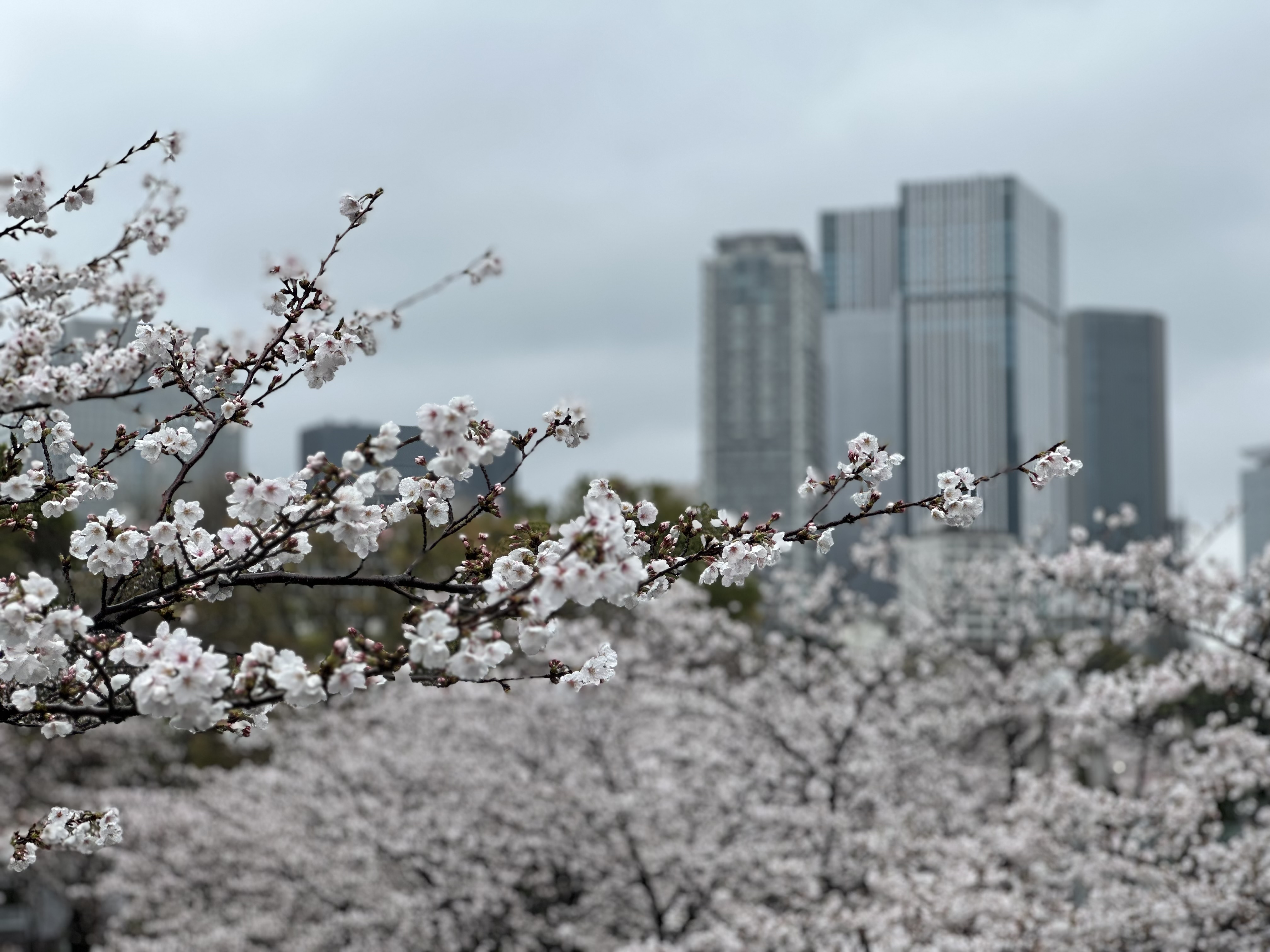
*The path from Tokyo Midtown to the National Art Center. The trees form a cherry blossom tunnel.*
Roppongi (六本木) doesn't get much press as a cherry blossom destination, but walk around and you'll find them in unexpected corners.
### Tokyo Midtown to the National Art Center
[Tokyo Midtown](https://www.tokyo-midtown.com/jp/) has [around 100 cherry trees](https://www.tokyo-midtown.com/jp/facilities/green/sakura-gallery/) in its Midtown Garden, some dating back to the site's former life as a Japan Defense Agency facility. The [Sakura-dōri promenade stretches about 200 m](https://www.tokyo-midtown.com/jp/facilities/green/sakura-gallery/), and the blossoms continue along the road toward the National Art Center (国立新美術館).
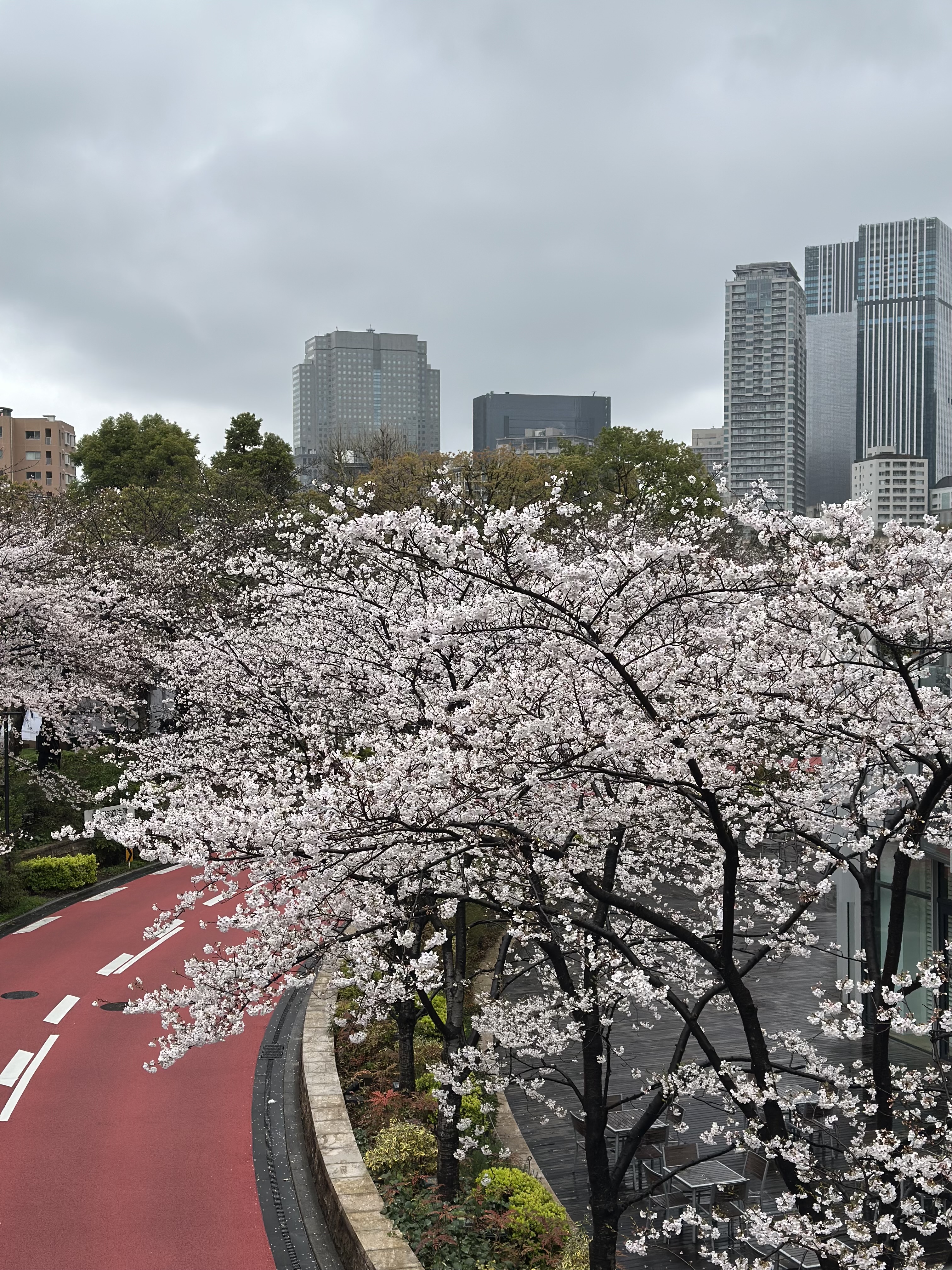
At night, the trees are [lit up in pink as part of MIDTOWN BLOSSOM (17:00–23:00)](https://www.tokyo-midtown.com/jp/event/7367/). In 2025, the event ran from March 14 to April 13. The atmosphere shifts completely — the quiet daytime promenade turns into a lively hanami spot after dark. The author drives through this area every year, and even from the car, the illuminated blossoms are impressive.
### Spain-zaka
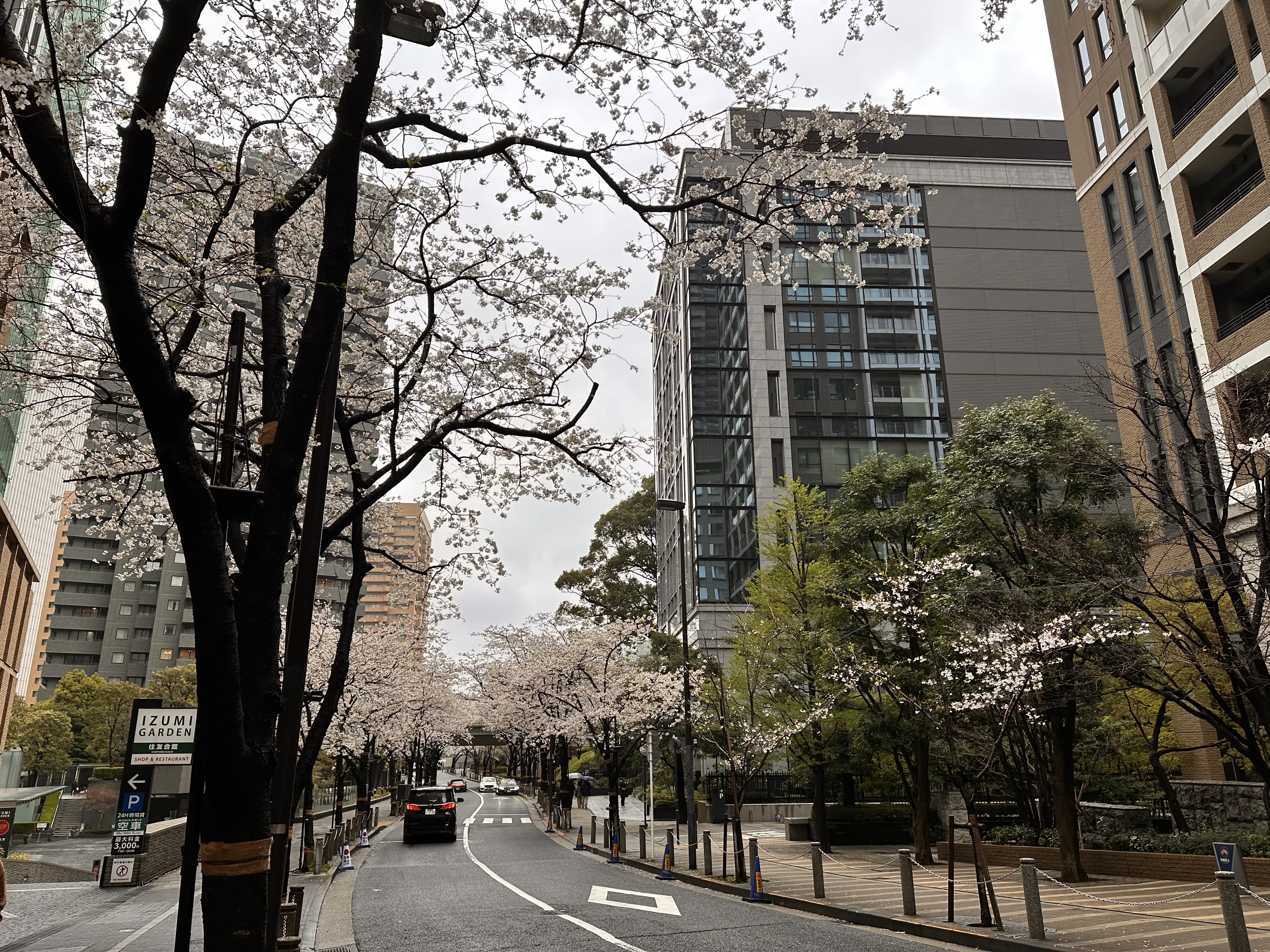
*From Roppongi Hills toward Spain-zaka (スペイン坂). Blossoms tucked into residential streets.*
The streets around Spain-zaka (スペイン坂) near Roppongi Hills also have lovely cherry trees. Fewer tourists come here, so it's a relaxed place to stroll.
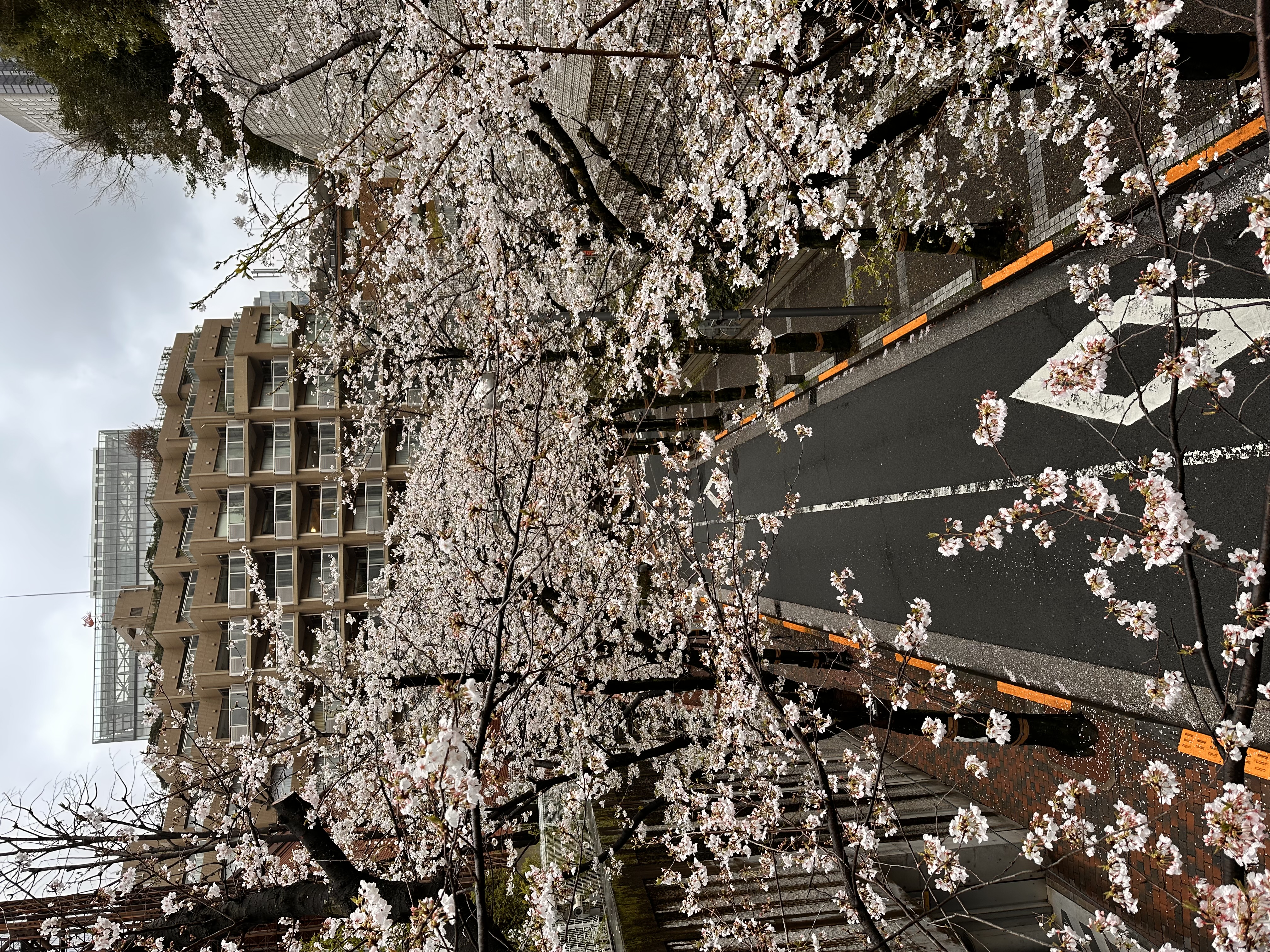
### Suggested Roppongi Walking Route
Midtown → National Art Center → Spain-zaka takes about 30–40 minutes total. Stop at a café along the way and take your time.
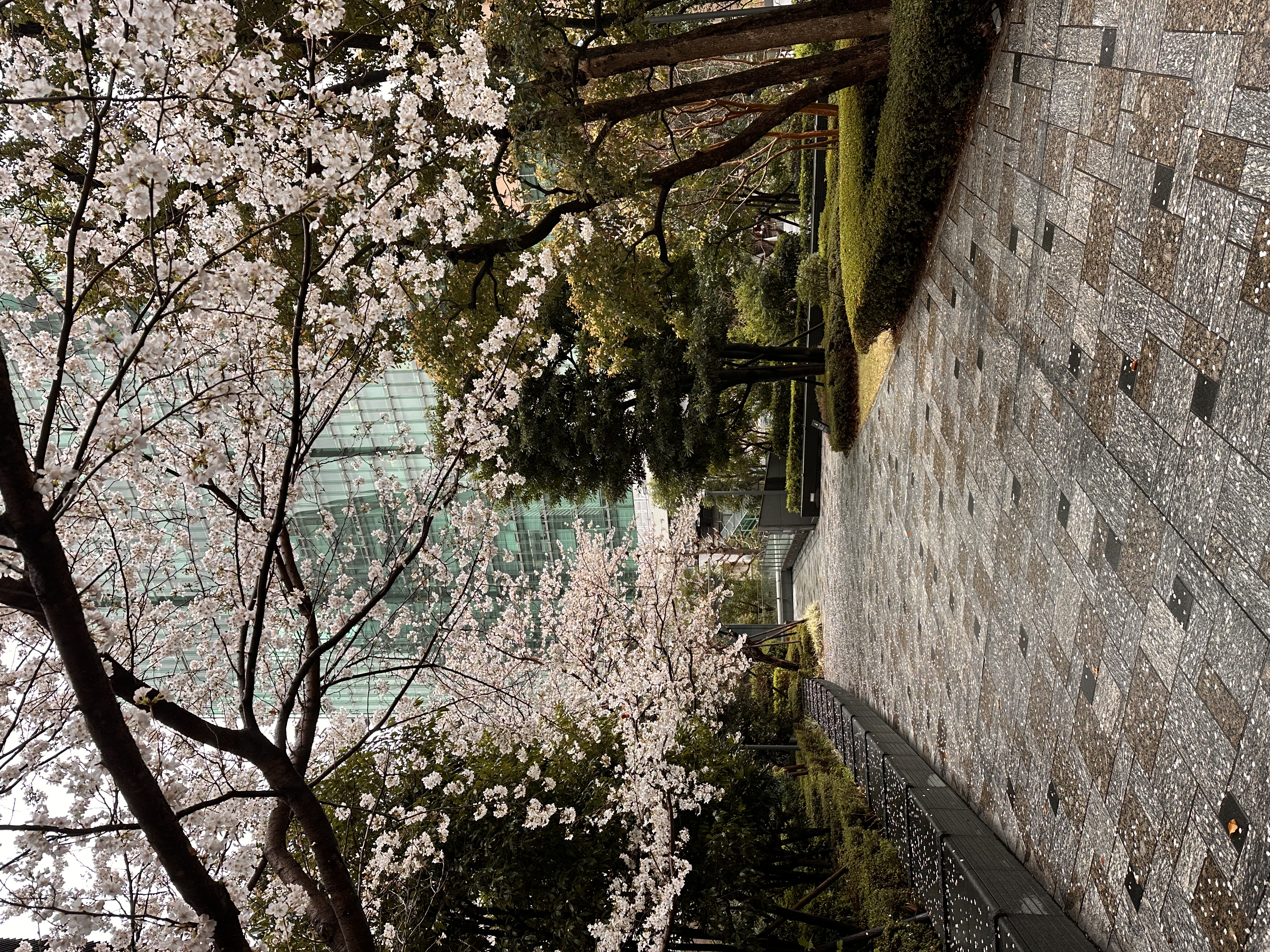
---
## Meguro River — Walking Under a Canopy of Blossoms
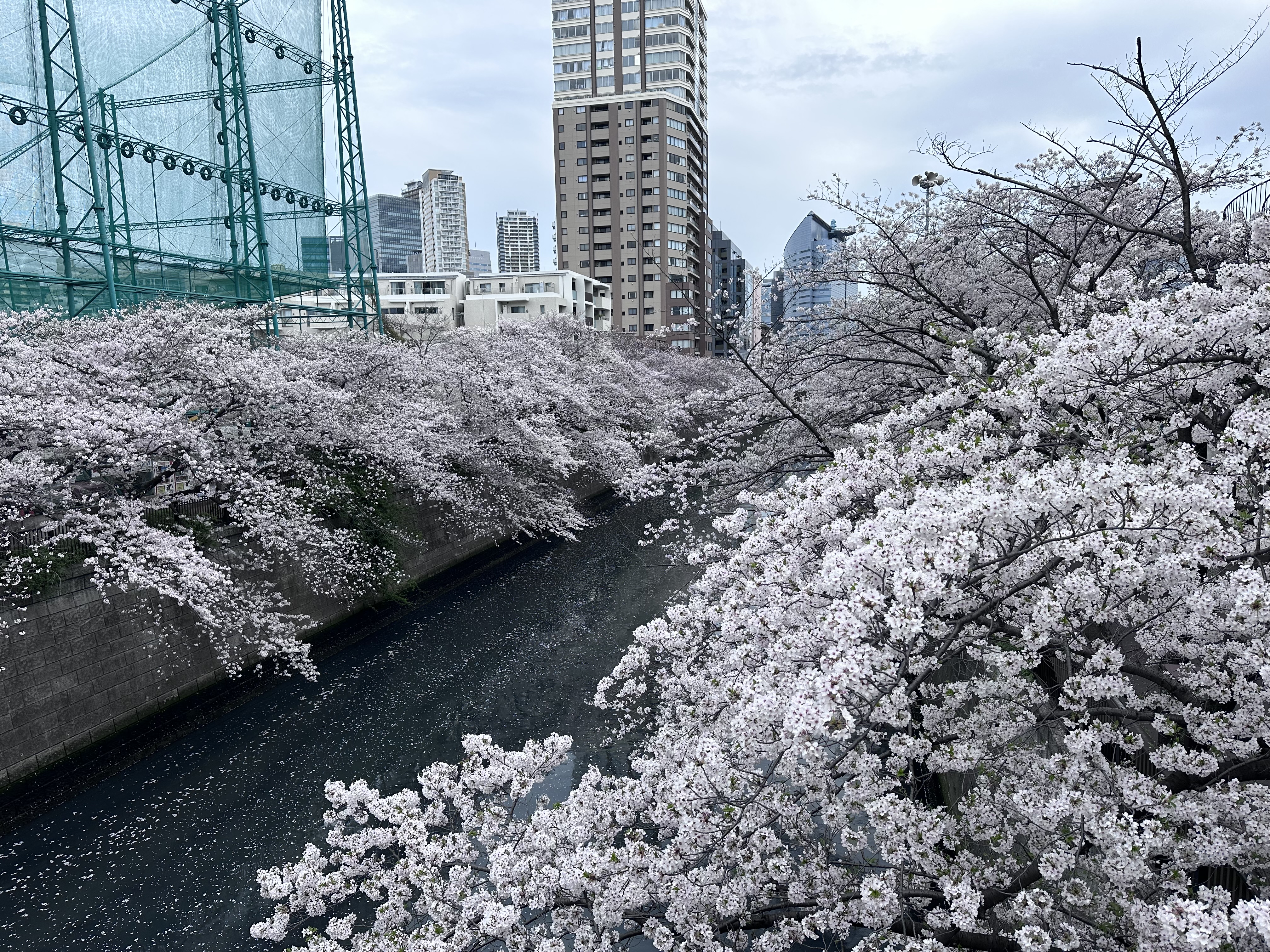
One of Tokyo's most well-known hanami spots. [Cherry trees line the Meguro River (目黒川)](https://www.city.meguro.tokyo.jp/kouhou/kusei/keikaku/megurogawa_sakura_ansin.html), with branches reaching out from both banks and meeting over the water — it feels like walking through a tunnel of blossoms.
### Gonnosuke-zaka to Nakameguro Route (approx. 1.7 km / 30-min walk)
The author walked from the Gonnosuke-zaka (権之助坂) side near Meguro Station toward Nakameguro (中目黒). The bridge near Gonnosuke-zaka is a popular photo spot, with people constantly lining up for shots.
It's crowded even on weekdays. Bridges especially get packed with people stopping to take photos, so weekday mornings are your best bet if you want breathing room.
### Meguro River at Night
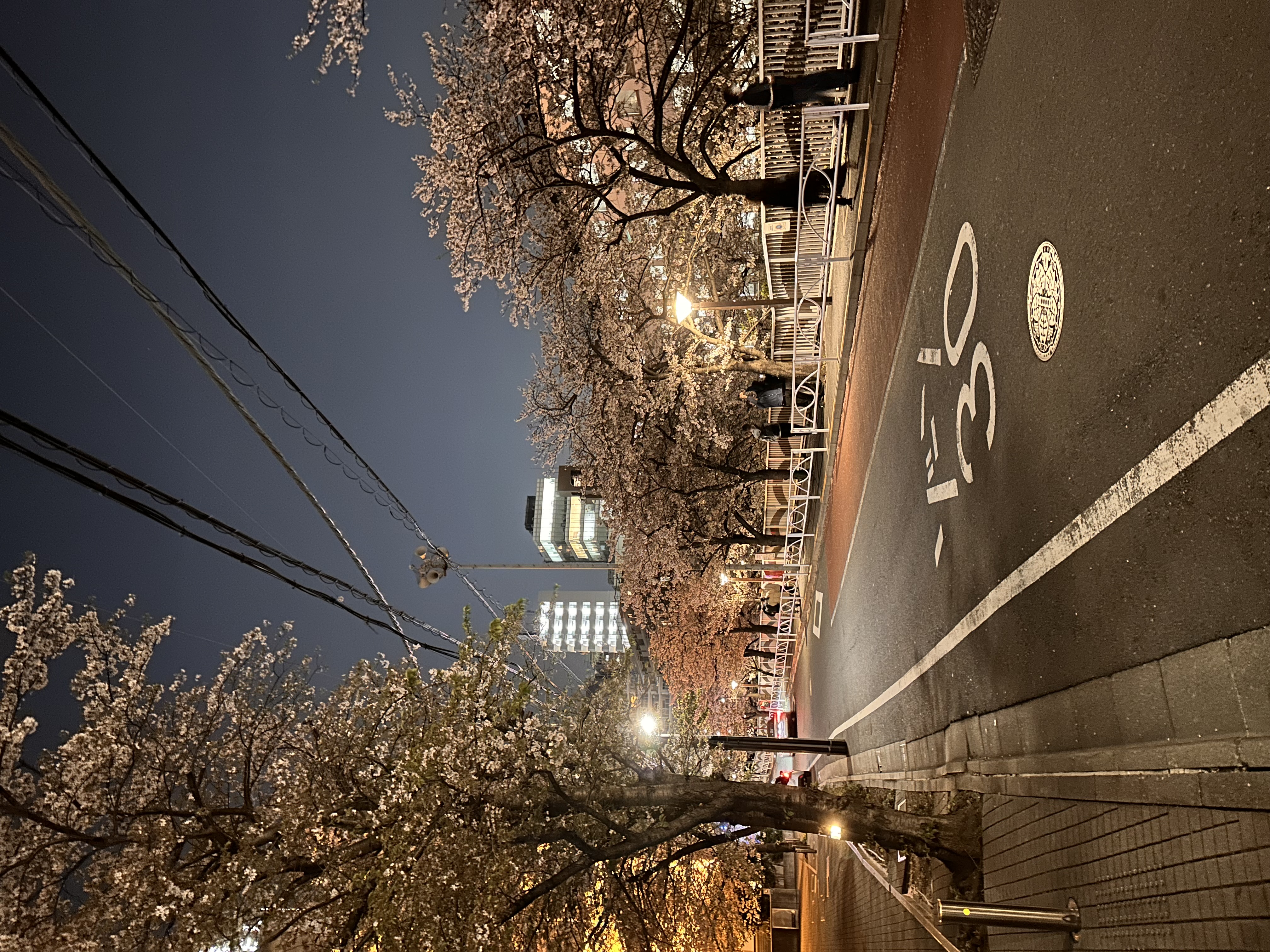
*Even without a formal light-up event, streetlights and shop fronts illuminate the blossoms nicely.*
During cherry blossom season, the [Nakameguro Station Area Shopping Association](https://nakamegu.com/) and other groups set up paper lanterns (ぼんぼり, bonbori) along the river for an evening light-up (typically late March to early April, 17:00–20:00). The atmosphere is completely different from the daytime — the lantern-lit blossoms look otherworldly. The "Nakameguro Sakura Festival" is usually held in late March as well. [Specific dates are announced on the Meguro City website around mid-March.](https://www.city.meguro.tokyo.jp/kouhou/kusei/keikaku/megurogawa_sakura_ansin.html)
Even outside the light-up period, streetlights and shop fronts provide enough light to enjoy the blossoms at night.
### Hidden Gem: Osaki Area
The Meguro River extends down to the Osaki (大崎) area near Gate City Ohsaki (ゲートシティ大崎). The density of trees isn't quite the same as between Gonnosuke-zaka and Nakameguro, but there's plenty of cherry blossom coverage and far fewer people, so you can take your time.
---
## Nerima — Cherry Blossom Stroll Through the *Your Lie in April* Setting
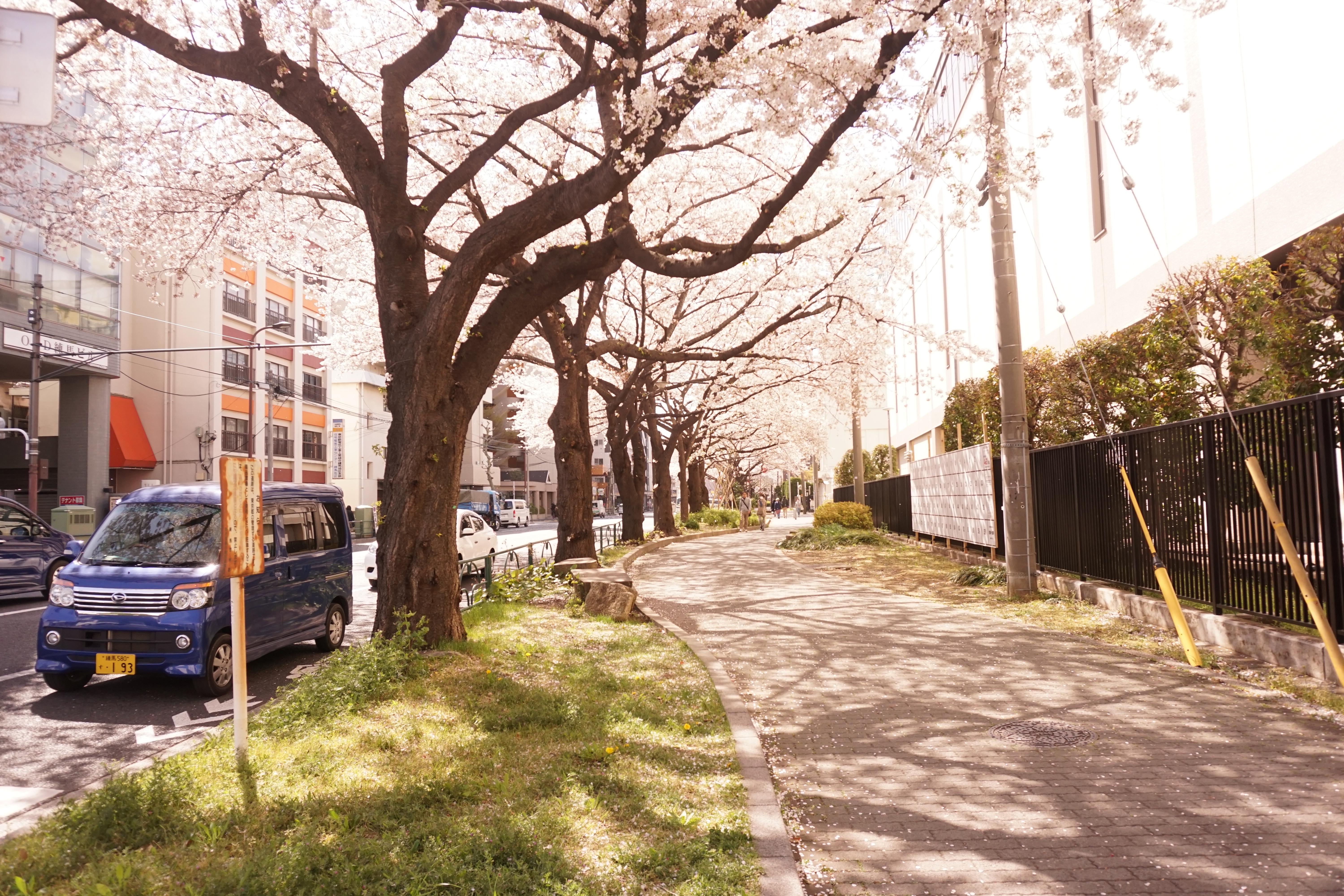
*Street trees near Nerima Station (練馬駅). The trunks have grown massive and the canopy arches over the sidewalk.*
Nerima (練馬) is known as the setting for the anime *Your Lie in April* (四月は君の嘘, Shigatsu wa Kimi no Uso). The area has two main cherry blossom zones: around the station and along the Shakujii River. The author visits every year and loves the quiet, residential feel.
### Around Nerima Station
The street trees along the roads leading from the station are striking. The trunks have grown thick with age, and the sidewalks are wide enough to walk comfortably. It doesn't have the "famous spot" energy of Meguro River, but it's a well-loved local landmark. After peak bloom, petals fill the air and blanket the sidewalks.
### Shakujii River
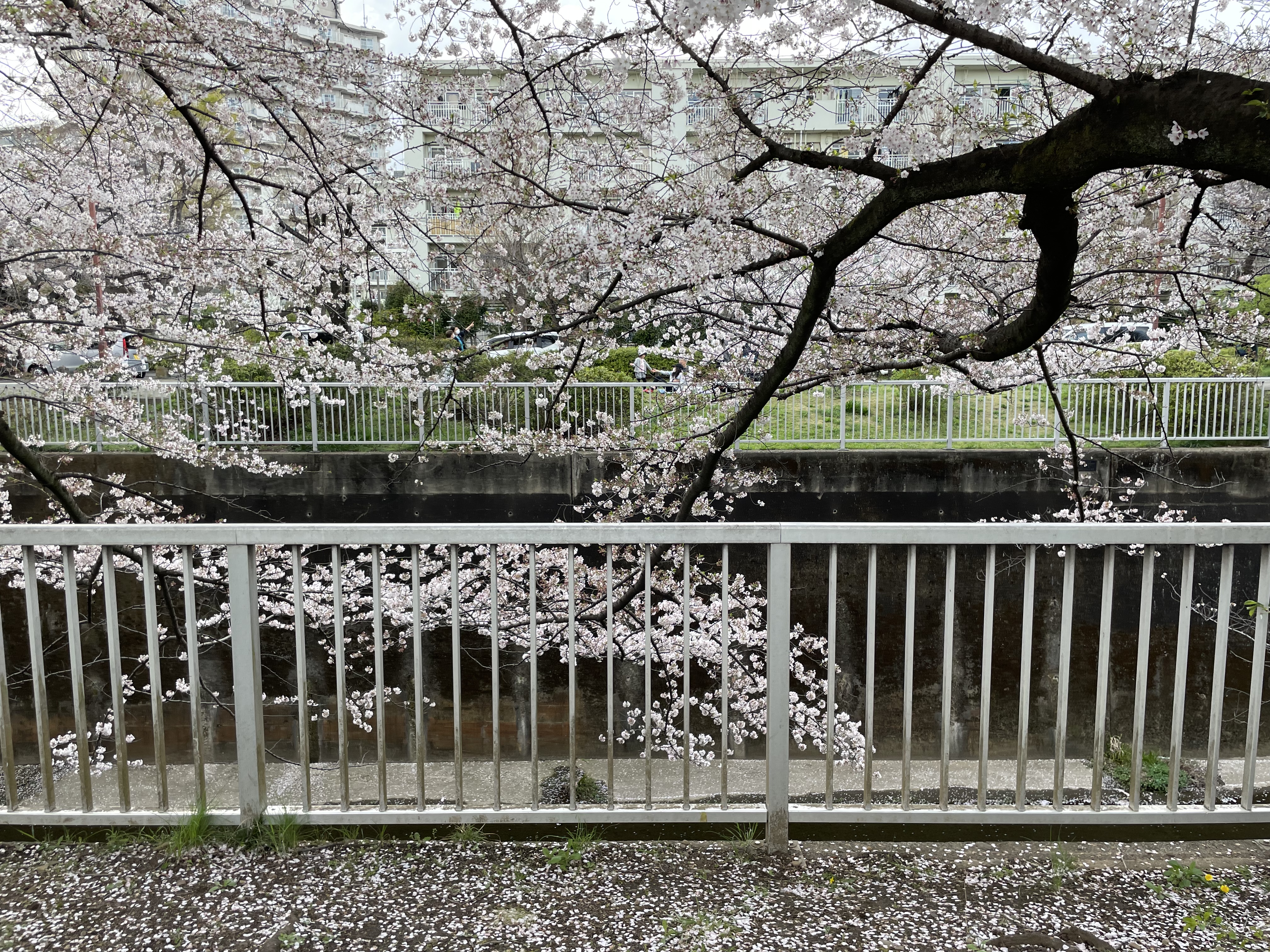
Cherry trees continue along the Shakujii River (石神井川). The river runs through a residential area, so the surroundings feel calm. The paths along the banks are fairly wide, with places to sit and rest here and there — a good spot for just sitting and watching the blossoms.
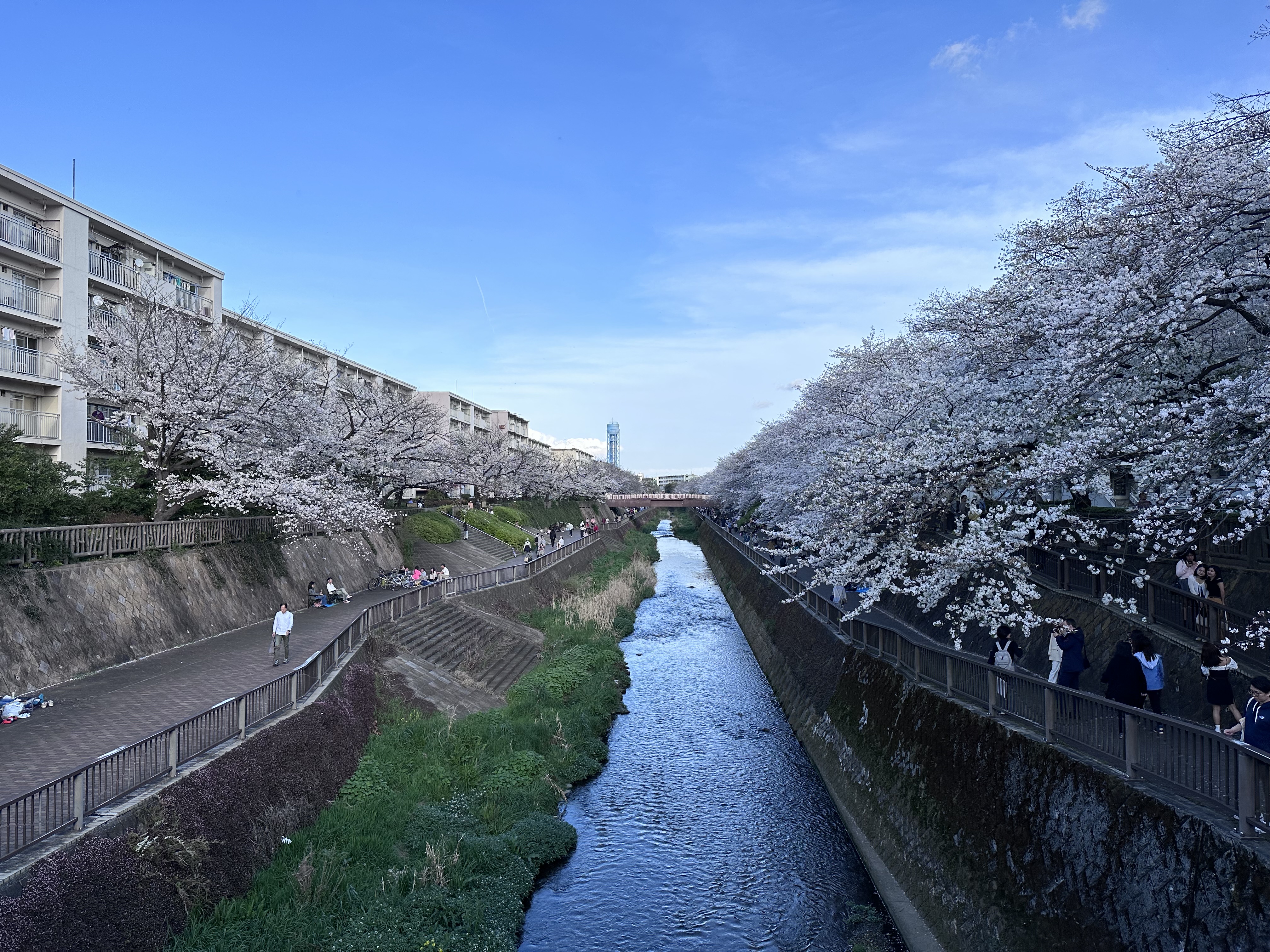
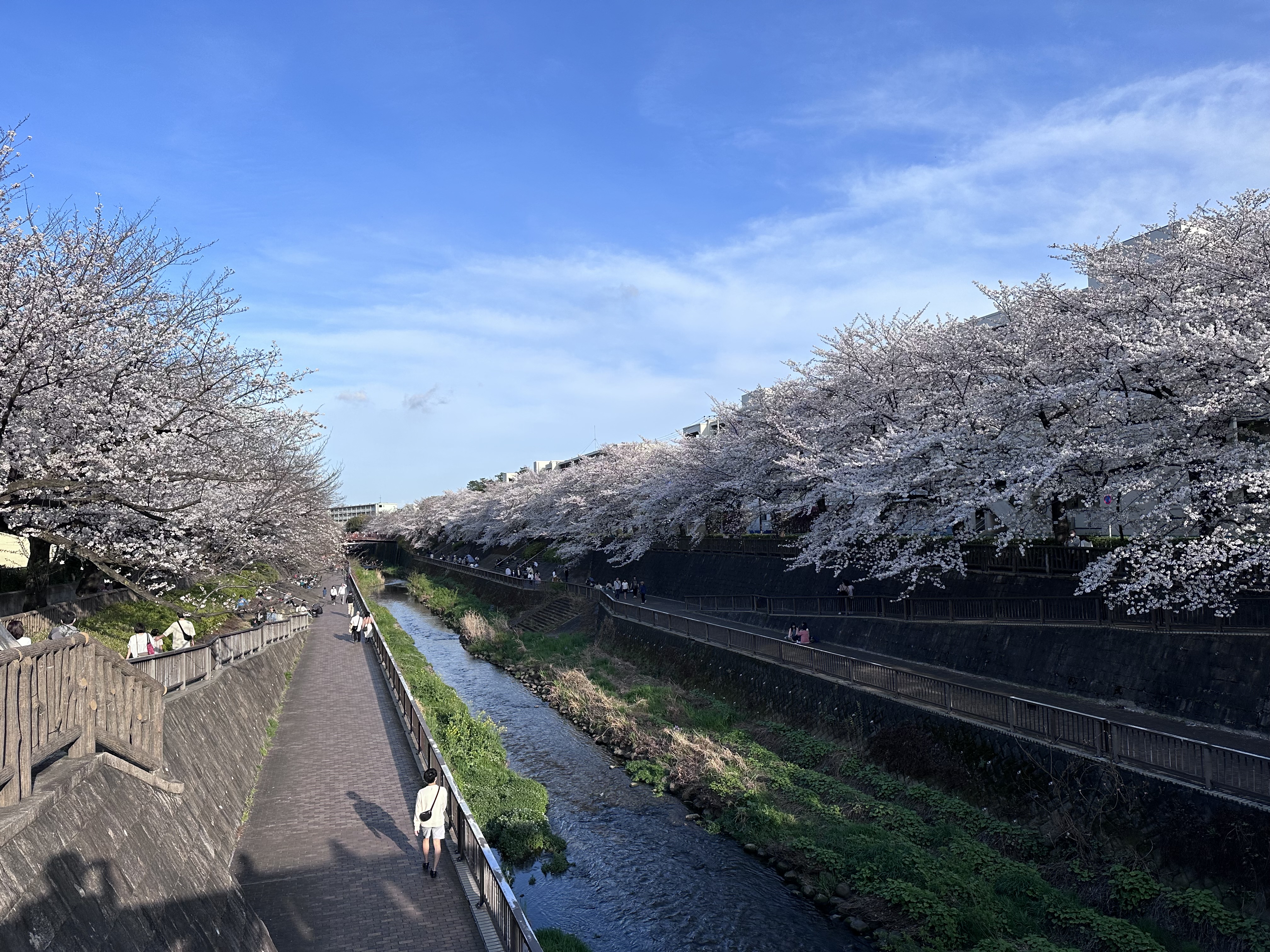
As the blossoms start to fall, petals drift along the water's surface. You can see it in the photos — it's genuinely beautiful.
There are people around, but nowhere near the crowds at Meguro River or Ueno Park. If you're combining an anime pilgrimage with a relaxed hanami walk, this is the place.
---
## Shiba Park — Tokyo Tower Meets Cherry Blossoms
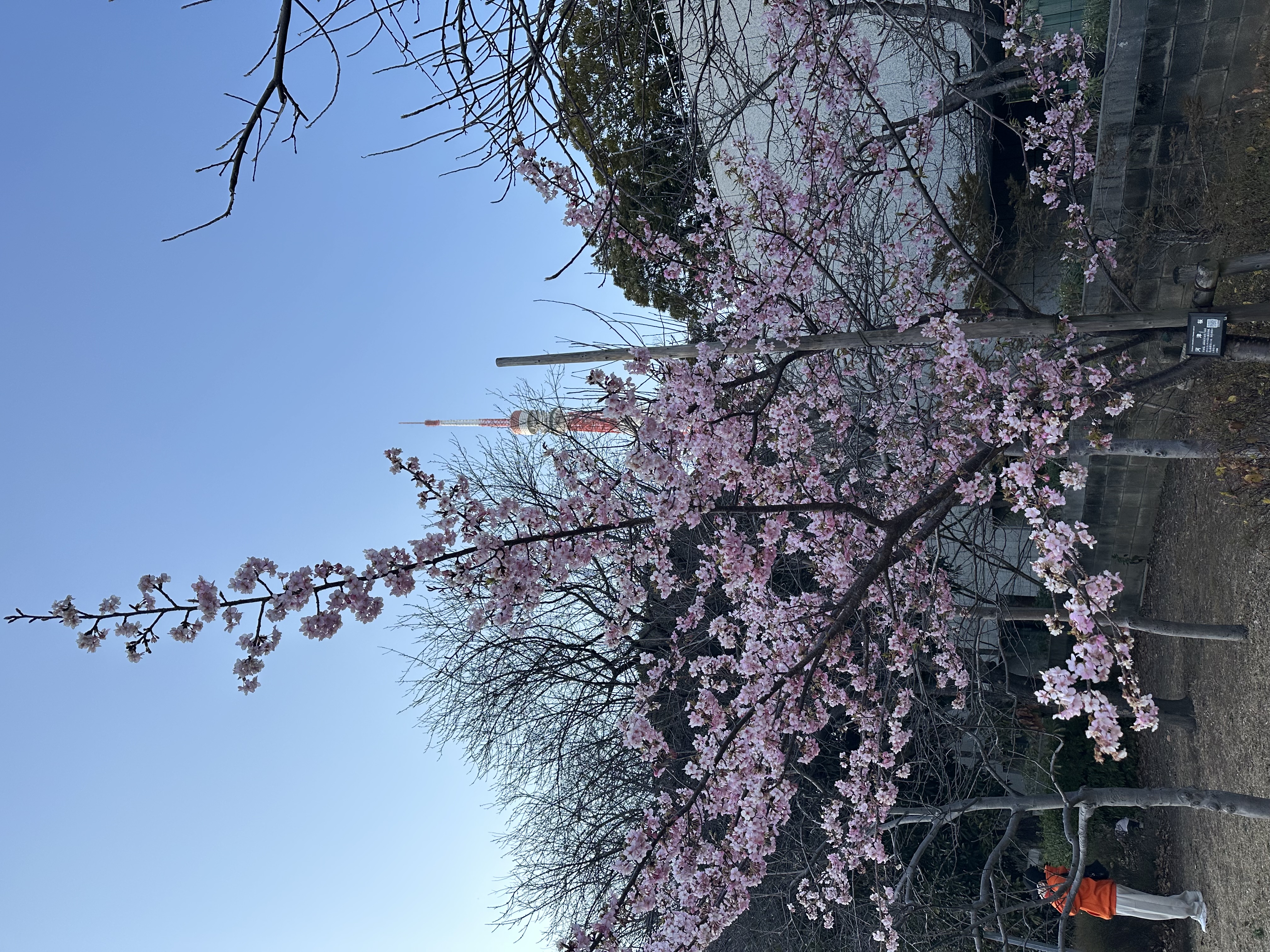
Shiba Park (芝公園) sits right at the base of Tokyo Tower, making it one of the few spots where you can photograph [cherry blossoms and Tokyo Tower in the same frame](https://www.tokyo-park.or.jp/park/siba/). The park fills with hanami visitors every spring.
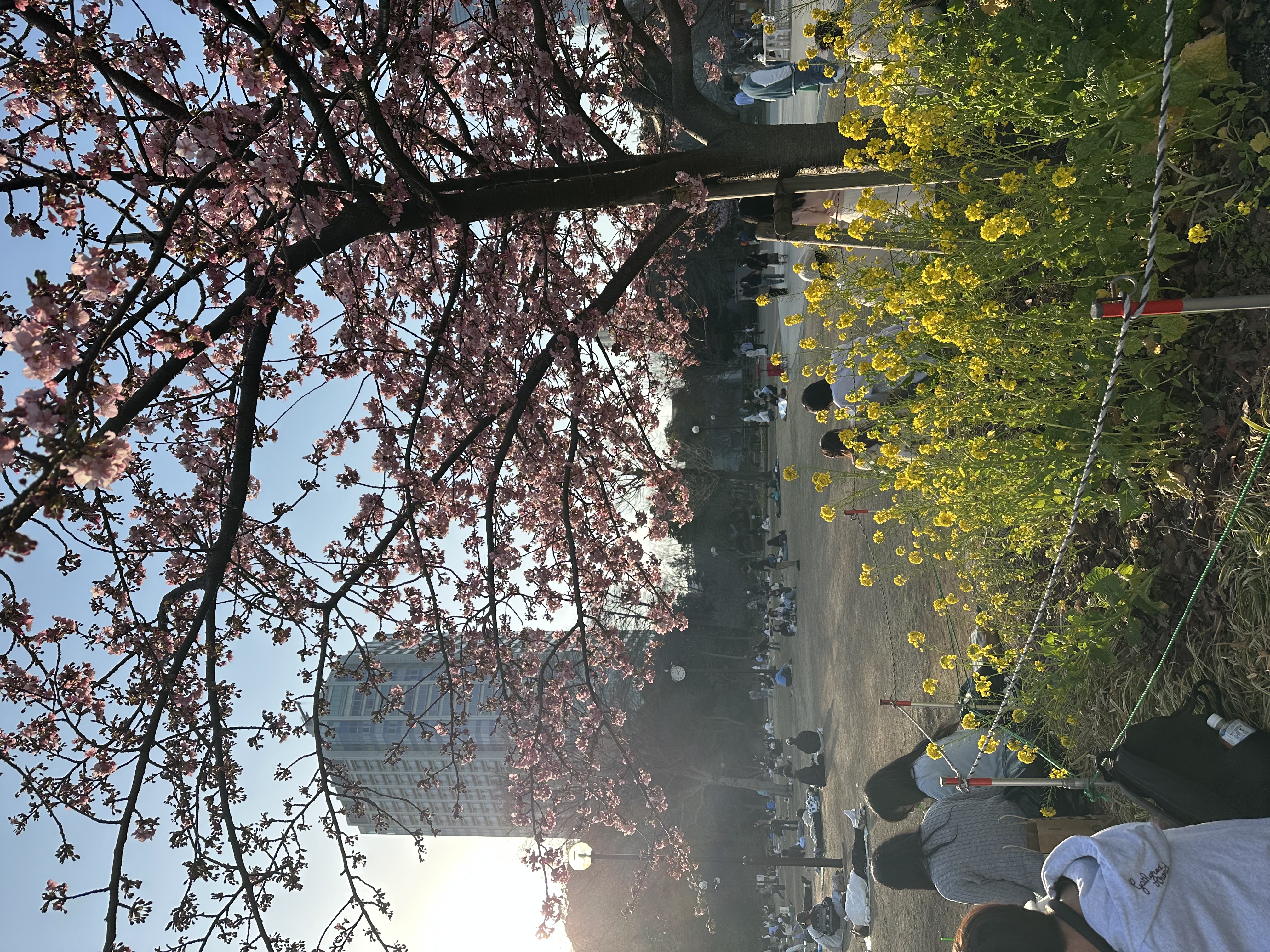
### Great for Picnics
People spread out picnic sheets across the park lawn. There are several bakeries and bagel shops near Shiba Park, so grabbing food on the way is easy. The nearest Starbucks is a bit of a walk, so bring your drinks ahead of time.
---
## Ueno Park — A Hanami Tradition Since the Edo Period
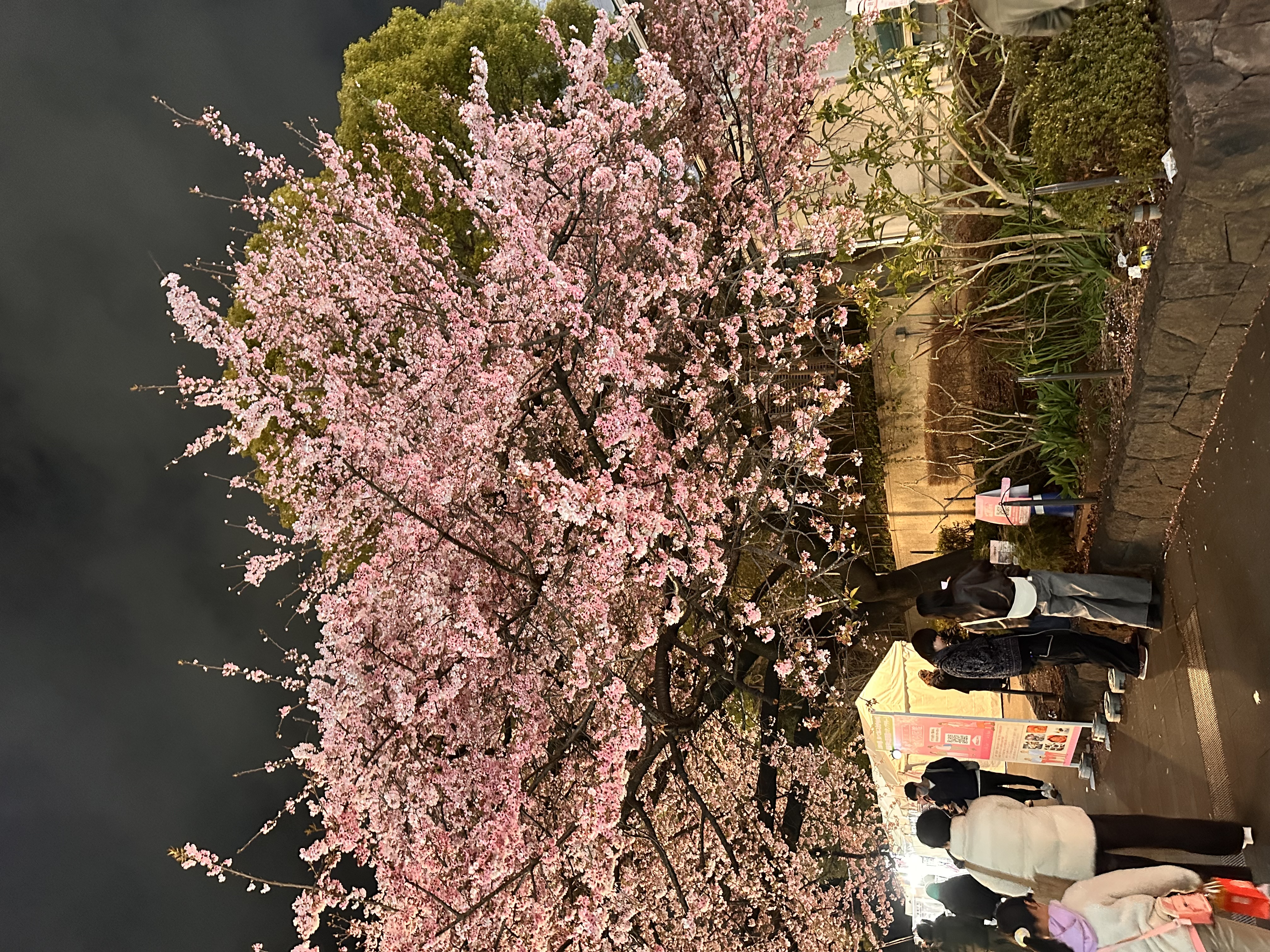
[Ueno Park (上野恩賜公園) has around 1,200 cherry trees](https://www.city.taito.lg.jp/event/kanko/uenosakuramatsuri.html). The tradition dates back to the Edo period, when the monk Tenkai transplanted yamazakura (mountain cherry) trees from Yoshino. It has been a famous hanami destination for centuries.
A massive cherry tree greets you right at the park entrance. From there, blossoms line both sides of the walkway deep into the grounds.
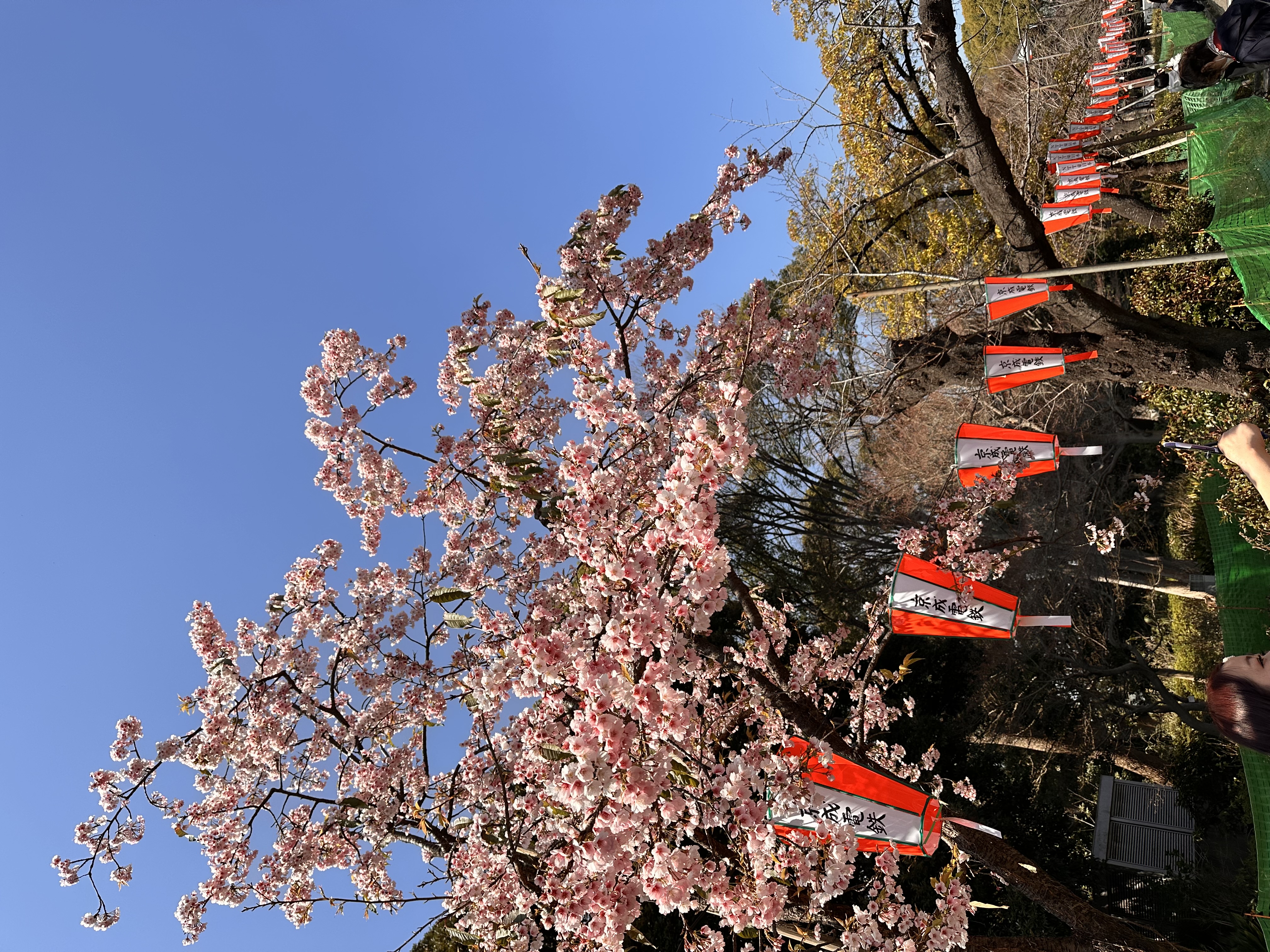
### Expect Serious Crowds
Ueno Park gets packed. At peak bloom, barriers are set up along the main path to create one-way foot traffic — that's how crowded it gets. Be mindful of [hanami etiquette](/guides/etiquette-tokyo) while you enjoy the blossoms. If you want a calmer experience, go early in the morning.
---
## Shinjuku Gyoen — Picnic Hanami on the Lawn
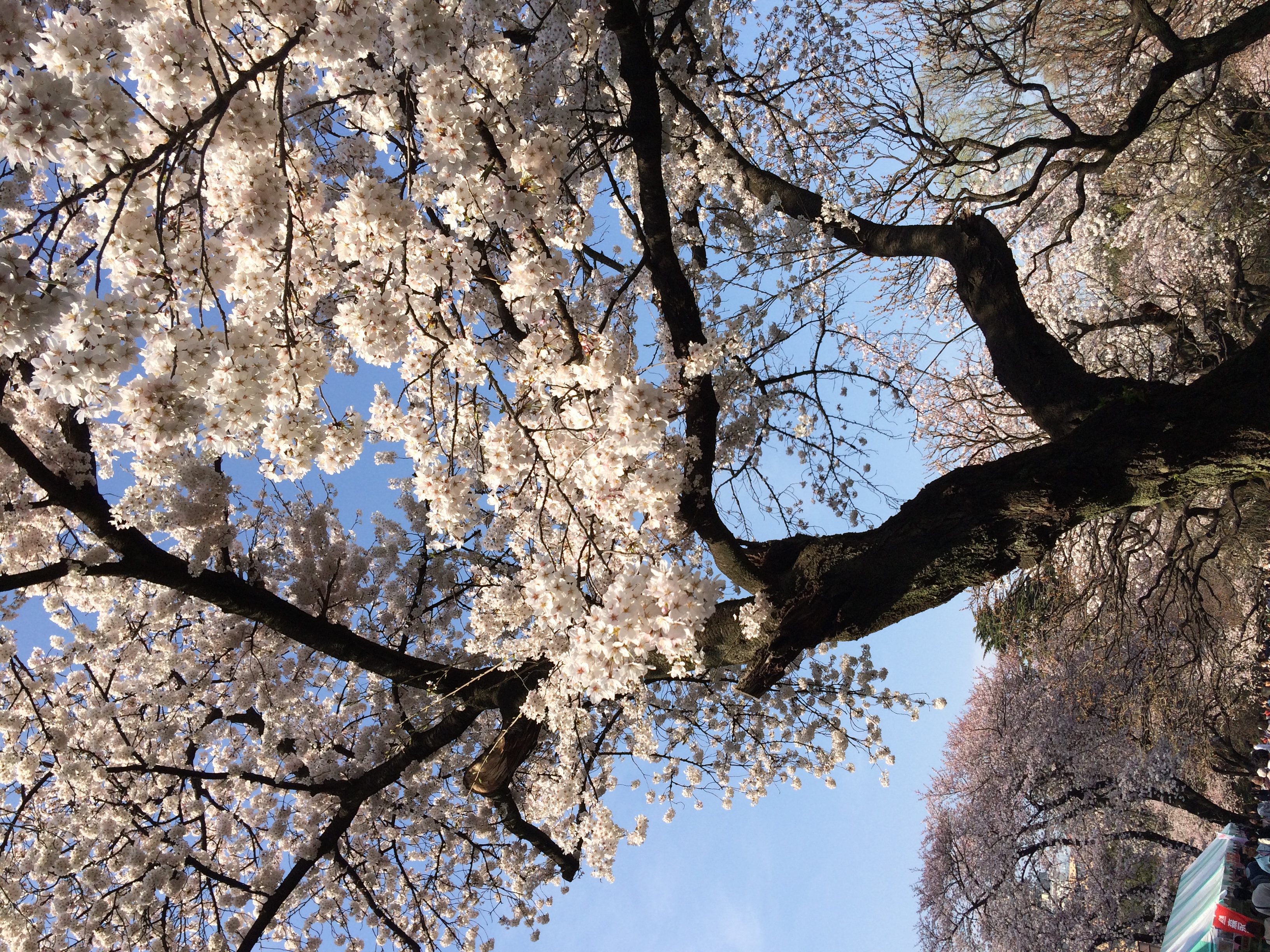
[Shinjuku Gyoen (新宿御苑)](https://fng.or.jp/shinjuku/) charges admission ([¥500 for adults, ¥250 for seniors and students, free for children under 15](https://www.env.go.jp/garden/shinjukugyoen/2_guide/guide.html)), but the trade-off is a spacious lawn where you can spread a picnic sheet and enjoy hanami the classic way — a rarity in central Tokyo.
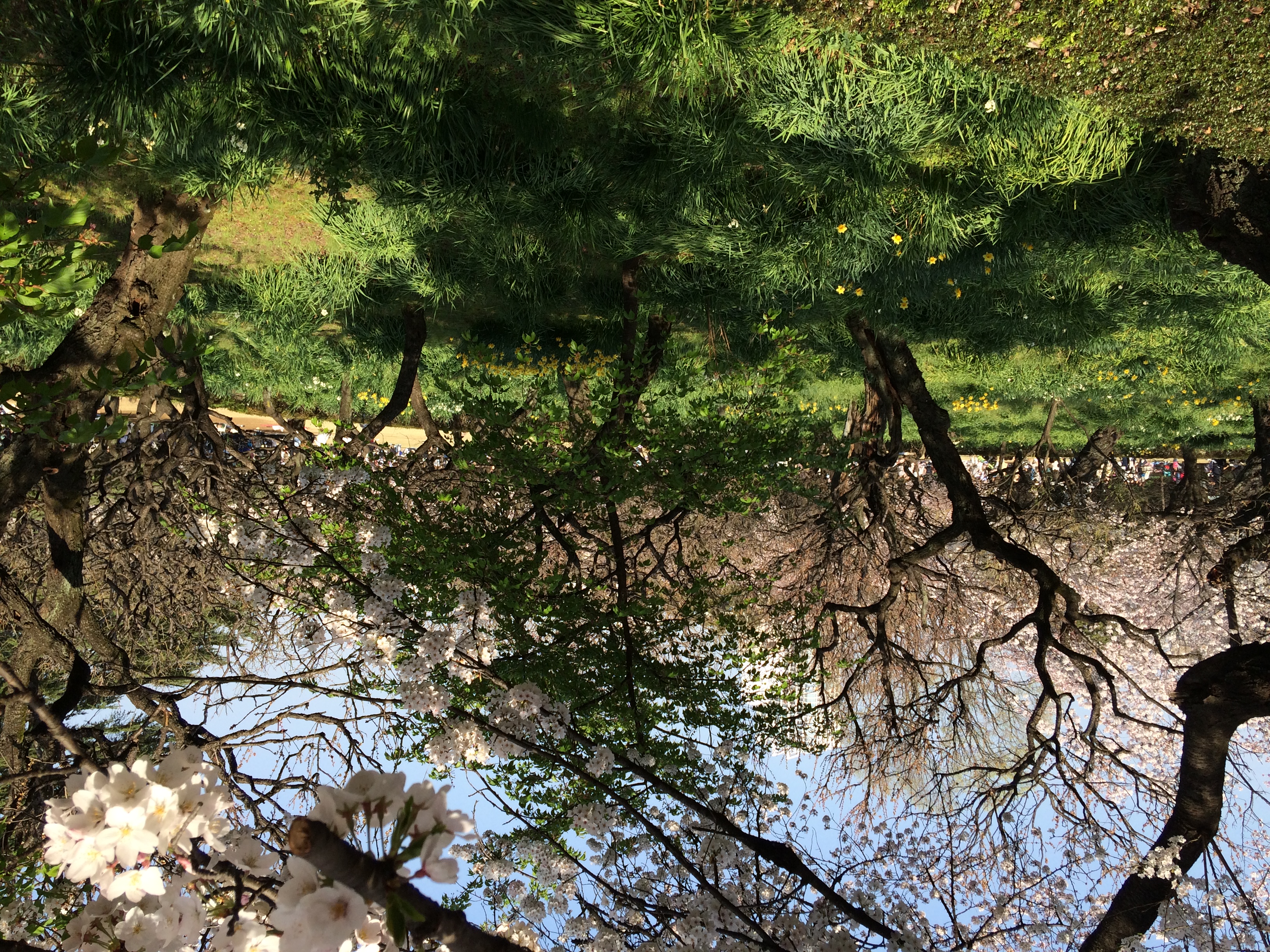
Most visitors come specifically for picnics. As long as you find a spot to settle, you can relax for hours. Shinjuku has no shortage of convenience stores and restaurants nearby, so stocking up on food and drinks is easy.
### Things to Know
[Cherry blossom season sometimes triggers an advance reservation system.](https://fng.or.jp/shinjuku/2025/03/04/20250304-01/) In 2025, reservations were required on March 22, 23, 29, 30 and April 5, 6 between 10:00 and 16:00 (no reservation needed for 9:00–10:00 or 16:00–17:30). The dates change each year, so check the official website before visiting.
Like Ueno Park, it gets very crowded. But the grounds are large enough that walking a bit further in usually turns up open space.
**Hours:** [March 15 – September 30: 9:00–18:00 (last entry 17:30). Closed Mondays (or the following weekday if Monday is a holiday), except during cherry blossom season (March 25 – April 24), when it stays open every day.](https://www.env.go.jp/garden/shinjukugyoen/2_guide/guide.html)
---
## Yokohama — Cherry Blossoms as a Bonus
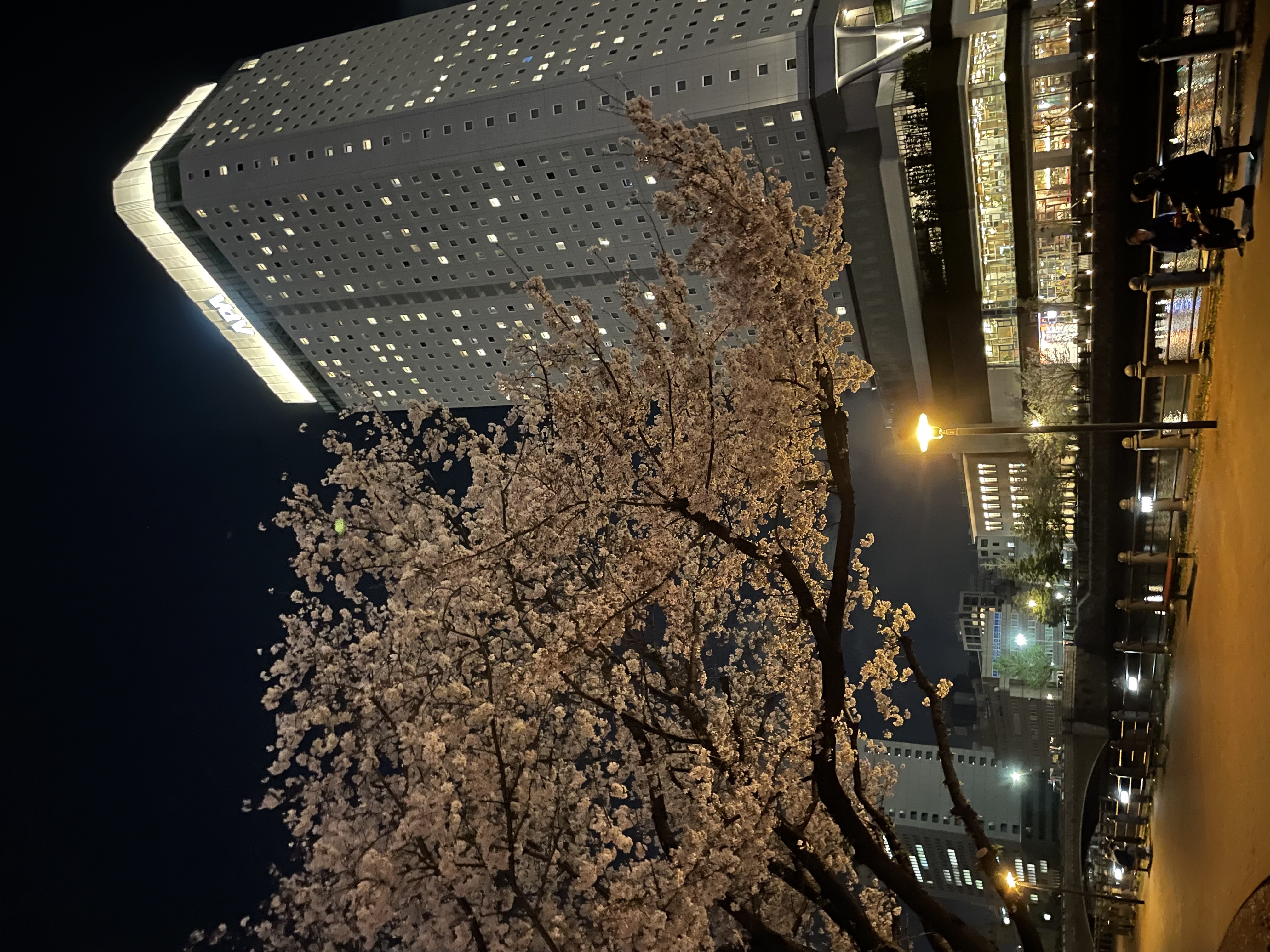
Yokohama (横浜) isn't a cherry blossom destination in itself — it's more that you happen to enjoy them while exploring. Walking through the Minato Mirai (みなとみらい) area, you'll spot cherry trees tucked around building plazas and park corners.
The volume of blossoms can't match dedicated hanami spots, but where else can you see cherry blossoms and the ocean together? That's a combination you won't find within central Tokyo.
---
## Odaiba — A Pleasant Surprise
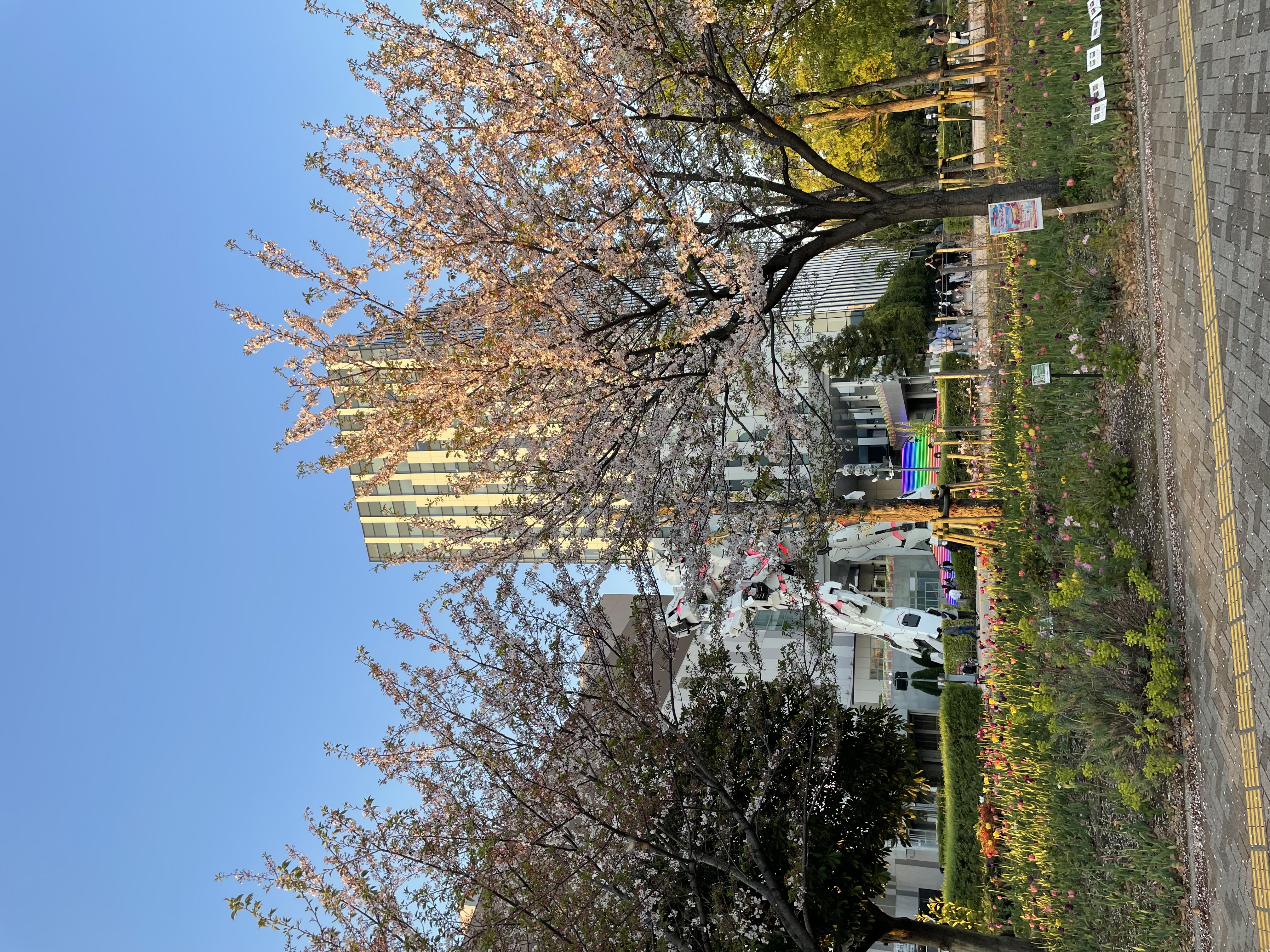
Odaiba (お台場) has pockets of cherry blossoms around the Gundam statue and near the Toyota Arena Tokyo (トヨタアリーナ東京, the former Palette Town site).
It's less "going to see cherry blossoms" and more "oh, look — cherry blossoms!" while exploring. But stumbling onto them feels like a nice little bonus.
---
## Planning a Multi-Spot Day
All of these spots are reachable by train — a [Suica card](/guides/suica-card) makes hopping between them seamless. Here are two routes for combining multiple in one day.
**Daytime picnic → Night blossoms:** Have a picnic at Shiba Park during the day, then head to Meguro River for the evening. A single bus connects Shiba Park to the Meguro River area, so the transfer is easy. The lantern-lit river at night feels completely different from the daytime scenery.
**Shinjuku Gyoen → Roppongi:** Spend the afternoon picnicking at Shinjuku Gyoen, then move to Roppongi for the MIDTOWN BLOSSOM illumination in the evening.
---
## Timing Your Visit
Cherry blossoms go from bloom to petal-fall quickly, so the key is to go as soon as full bloom hits.
### 2026 Tokyo Forecast
According to [WeatherNews' 4th cherry blossom forecast](https://weathernews.jp/news/202602/250076/), Tokyo's Somei Yoshino cherry trees are expected to **bloom on March 22 and reach full bloom on March 29** in 2026. Timing varies year to year, so check the latest forecasts close to the date.
### Checking Real-Time Bloom Status
- **[WeatherNews Sakura Info](https://weathernews.jp/sakura/)** — Shows bloom status by spot
- **X (formerly Twitter)** — Search for a spot name and you'll find people posting photos from the ground. Great for real-time conditions
### Different Varieties Bloom at Different Times
Cherry blossoms vary by species. The most common Somei Yoshino (ソメイヨシノ) peaks in late March to early April, but early-blooming Kawazu-zakura (河津桜) flowers from late February to mid-March, and late-blooming yae-zakura (八重桜, double-petal cherry) lasts into mid-April. Shinjuku Gyoen has [about 65 varieties and around 1,000 trees](https://www.env.go.jp/press/106649.html), making it an ideal spot to appreciate the range. If you're visiting at the tail end of the sakura season, Golden Week begins in late April — a major holiday period when Tokyo gets very busy. See our [Golden Week Tokyo guide](/guides/golden-week-tokyo-guide) to plan ahead.
---
## What to Bring for Hanami
If you're planning a picnic-style hanami, these items make a difference.
- **Picnic sheet** — Available at Daiso, Seria, and other 100-yen shops for ¥100–300. Easy to pick up even if you're visiting from abroad
- **Wet wipes** — Essential when eating outdoors
- **Drinks** — Vending machines and convenience stores near popular spots can get busy. Grab your drinks in advance. You can pay with [Suica](/guides/suica-card) at most vending machines
- **Japanese sweets** — Pick up dorayaki (どら焼き, red bean pancake) or daifuku (大福, mochi with filling) from a convenience store for a touch of hanami tradition. If there's a wagashi (和菓子) shop nearby, even better
---
## Related Articles
- [7 Free Observation Decks in Tokyo](/guides/free-observation-decks-tokyo) — Views above 200 m for ¥0
- [Last Train Times in Tokyo](/guides/last-train-tokyo-guide) — Plan your evening so you don't miss the last train home
- [Common Pitfalls When Visiting Tokyo](/guides/tokyo-travel-pitfalls) — Mistakes to avoid on your first trip
---
**References:**
- Tokyo Midtown "Sakura Map" https://www.tokyo-midtown.com/jp/facilities/green/sakura-gallery/ (accessed: 2026-02-26)
- Tokyo Midtown "MIDTOWN BLOSSOM 2025" https://www.tokyo-midtown.com/jp/event/7367/ (accessed: 2026-02-26)
- Meguro City "Cherry Blossom Season Measures Along the Meguro River" https://www.city.meguro.tokyo.jp/kouhou/kusei/keikaku/megurogawa_sakura_ansin.html (accessed: 2026-02-26)
- Shiba Park https://www.tokyo-park.or.jp/park/siba/ (accessed: 2026-02-26)
- Ministry of the Environment "Shinjuku Gyoen Hours & Admission" https://www.env.go.jp/garden/shinjukugyoen/2_guide/guide.html (accessed: 2026-02-26)
- Ministry of the Environment "Cherry Blossom Light-Up at Shinjuku Gyoen" https://www.env.go.jp/press/106649.html (accessed: 2026-02-26)
- Shinjuku Gyoen "Advance Reservation System During Cherry Blossom Season" https://fng.or.jp/shinjuku/2025/03/04/20250304-01/ (accessed: 2026-02-26)
- Taito City "Ueno Cherry Blossom Festival" https://www.city.taito.lg.jp/event/kanko/uenosakuramatsuri.html (accessed: 2026-02-26)
- WeatherNews "2026 4th Cherry Blossom Forecast" https://weathernews.jp/news/202602/250076/ (accessed: 2026-02-26)
---
# Shinkansen Guide: Booking, Fares & How to Ride
> How to book the shinkansen with SmartEX: fares and fastest times (Tokyo–Shin-Osaka ¥14,720), reserved vs. unreserved seats, JR Pass rules, and oversized-baggage tips.
- **URL**: https://tokyo.how/guides/shinkansen-booking-guide
- **Category**: Explore
- **Audience**: tourist
- **Published**: 2026-03-29
- **Updated**: 2026-06-08
- **Tags**: Shinkansen, SmartEX, JR Pass, Reserved Seat, Oversized Baggage
Which booking service you use depends on where you're headed. Once you've sorted that out, it's just a matter of choosing your fare and seat. Even without reading Japanese, you can complete the whole process — from booking to boarding — on your phone.
> **First time? Here's the short version:** ① Choose a booking service based on your destination (SmartEX for Osaka, Kyoto, Nagoya) → ② Reserve on SmartEX and get a QR code → ③ Pick a reserved seat → ④ Tap your phone's QR code at the fare gate. Four steps and you're on.
## Choosing a Booking Service
Pick the right service for your destination.
| Destination | Line | Booking Service |
|---|---|---|
| Osaka, Kyoto, Nagoya, Hiroshima, Hakata | Tokaido / Sanyo / Kyushu Shinkansen | SmartEX |
| Sendai, Shin-Aomori, Kanazawa, Niigata, Nagano | Tohoku / Hokuriku / Joetsu Shinkansen | Eki-net |
| Complex itineraries, JR Pass seat reservations | All lines | Midori-no-madoguchi (JR ticket office) |
### SmartEX
[SmartEX](https://smart-ex.jp/en/beginner/) is the online booking service for the Tokaido, Sanyo, and Kyushu Shinkansen lines (Tokyo–Shin-Osaka–Hakata–Kagoshima-Chuo). There's no annual fee, the interface is in English, and you can pay with a credit card issued outside Japan (Visa, Mastercard, JCB, Amex, Diners).
Reservations open one month before departure. The biggest advantage is that [you board by holding your phone's QR code up to the gate — no paper ticket needed](https://smart-ex.jp/en/entraining/). (You'll receive a booking confirmation to check your seat number.) For first-time riders, this is the simplest option by far.
### Eki-net
[Eki-net](https://www.eki-net.com/en/) is JR East's reservation site, covering the Tohoku, Akita, Yamagata, Hokkaido, Joetsu, and Hokuriku Shinkansen lines. Basic booking is available in English, but discounted tickets (Tokuda-ne fares) are only accessible via the Japanese-language interface and require a Japanese address and phone number.
### Midori-no-madoguchi (JR Ticket Office)
This is the staffed ticket counter at major stations. It's the most reliable option for complex itineraries or [JR Pass](/en/guides/jr-pass-japan) seat reservations — most large stations have staff who speak English. Writing down your destination, date, time, and seat preference on a piece of paper before you arrive makes things go smoothly.
One thing to watch: JR companies run their counters separately. "Midori-no-madoguchi" is JR East's counter, while JR Central — which operates the Tokaido Shinkansen — calls its windows "kippu-uriba" (JR ticket office). A paper ticket booked through SmartEX for the Tokaido, Sanyo, or Kyushu Shinkansen [cannot be collected at a JR East counter (Midori-no-madoguchi)](https://smart-ex.jp/en/entraining/ticket/place/). For counter help, go to a JR Central kippu-uriba instead — at Tokyo Station these are on the [Yaesu side](https://railway.jr-central.co.jp/station-guide/shinkansen/tokyo/index.html) by the Tokaido Shinkansen gates, and Shinagawa Station has one too. Within the JR East area you can still collect a SmartEX ticket at reserved-seat ticket machines (in central Tokyo, Yokohama, Kawasaki, Odawara, and Atami), but not at the staffed counters. Better yet, link an IC card to your SmartEX booking and ride ticketless — then you never need to pick up a paper ticket at all.
## How to Book on SmartEX
The online booking process moves step by step.
1. **Create an account** — Register your email address and credit card on [SmartEX's sign-up page](https://smart-ex.jp/en/beginner/). No annual fee required.
2. **Enter your route and date** — Select departure station, destination, and travel date and time.
3. **Choose your train and seat** — Pick a train from the list and select your seat. You'll choose your car class (standard or Green Car) and window or aisle preference here.
4. **Pay** — Complete payment with the credit card you registered.
5. **Select your boarding method** — You can [board via QR code, a registered IC card, or a paper ticket exchanged at the station](https://smart-ex.jp/en/entraining/). The QR code option just requires holding your phone screen up to the gate.
You can change your reservation as many times as you like before departure (discounted tickets excluded).
## Fares and Travel Times by Route
The table below shows approximate standard-season fares for reserved seats in standard cars. Prices vary by season (off-peak, standard, peak, busiest peak) and purchase method, so [confirm the final amount at the booking screen](https://railway.jr-central.co.jp/ticket-rule/rule30.html). Travel times reflect the fastest available service.
### Tokaido Shinkansen (book via SmartEX)
| Route | Nozomi reserved seat, standard season | Fastest travel time |
|---|---|---|
| Tokyo → Nagoya | approx. ¥11,300 | approx. 1h 34m |
| Tokyo → Kyoto | approx. ¥14,170 | approx. 2h 10m |
| Tokyo → Shin-Osaka | approx. ¥14,720 | fastest 2h 21m |
The fares above are standard-season estimates — see the [SmartEX fare table](https://smart-ex.jp/topics/pdf/%E3%82%B9%E3%83%9E%E3%83%BC%E3%83%88EX%E4%BE%A1%E6%A0%BC%E8%A1%A8.pdf) for route-by-route prices and [JR Central](https://global.jr-central.co.jp/en/goldenroute/shinkansen/) for travel times. The fastest Tokyo–Shin-Osaka Nozomi takes 2h 21m, but services with more stops take around 2h 30m.
**Using the EX Hayatoku 21 advance discount:** If you book at least 21 days before departure (by 11:30 PM), the [Tokyo–Shin-Osaka fare drops to ¥12,980](https://expy.jp/product/hayatoku21/pdf/hayatoku21_fares.pdf) — roughly ¥1,700 less than the standard ¥14,720. However, [changes are not allowed after booking, and the ticket is only valid for the specific train you reserved](https://expy.jp/product/hayatoku21/). If you miss your train, the ticket becomes void, and you'll need to refund and rebook.
### Tohoku and Hokuriku Shinkansen (book via Eki-net)
| Route | Train | Reserved seat, standard season | Fastest travel time |
|---|---|---|---|
| Tokyo → Sendai | Hayabusa | approx. ¥11,630 | approx. 1h 30m |
| Tokyo → Kanazawa | Kagayaki | approx. ¥14,380 | fastest 2h 24m |
The fares above are standard-season estimates — check [current exact fares with JR East's fare search tool](https://unchinkensaku.jre-maas.com/). The Tokyo–Kanazawa Kagayaki [reached its fastest time of 2h 24m with the March 14, 2026 timetable revision](https://www.westjr.co.jp/press/article/items/251212_00_press_daiyakaisei_hokurikuarea.pdf). Note that JR East [revised the base fare portion of Tohoku and Hokuriku Shinkansen tickets on March 14, 2026](https://www.jreast.co.jp/en/2026unchin-kaitei/) (limited express surcharges remain unchanged).
## Train Types and Seat Selection
Even on the same route, the train type affects your travel time and whether your JR Pass is valid.
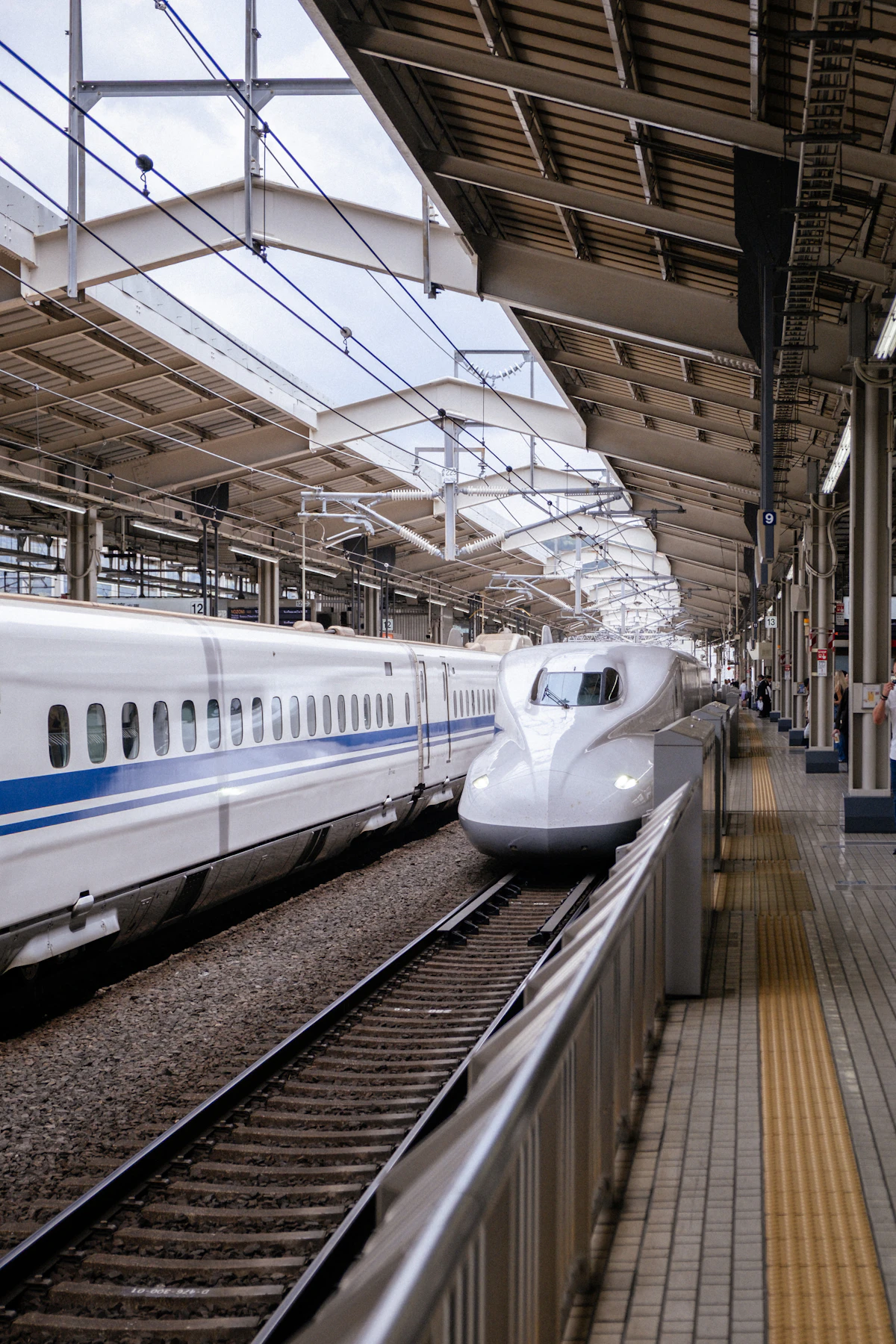
| | Nozomi | Hikari | Kodama |
|---|---|---|---|
| Speed | Fastest | Medium | Local (all stops) |
| Tokyo → Shin-Osaka | fastest approx. 2h 21m | approx. 2h 50m | approx. 4h |
| Frequency | 3–6 per hour | 2 per hour | 1–2 per hour |
| JR Pass | Not accepted | Accepted | Accepted |
Nozomi and Mizuho are [not covered by the JR Pass](https://japanrailpass.net/en/about_jrp/route/) ([JR Central states this as well](https://global.jr-central.co.jp/en/nozomi/)), while Hikari, Sakura, and Kodama can be used at no extra charge.
On the Tohoku and Hokuriku Shinkansen, the fastest trains — **Hayabusa and Kagayaki — [run fully reserved with no unreserved cars](https://www.jreast.co.jp/train/shinkan/e5.html)**. The slower **Yamabiko has unreserved cars in cars 1–5, and Hakutaka has [unreserved seating in cars 1–4](https://www.jreast.co.jp/train/shinkan/e7.html)**. If you want an unreserved seat, these are your options.
## Seat Classes and How Pricing Works
There are three seat classes: unreserved (jiyuseki), reserved (shiteiseki), and Green Car.
| Class | Seat layout | Notes |
|---|---|---|
| Unreserved | 3+2 | Cheapest option. Seats are first-come, first-served — standing is possible during busy periods |
| Reserved | 3+2 | Guaranteed seat. Price varies by season |
| Green Car | 2+2 | More spacious and quieter. Roughly ¥5,000–¥6,000 more than a standard reserved seat |
The unreserved limited express surcharge is [¥530 cheaper than a standard-season reserved seat](https://railway.jr-central.co.jp/ticket-rule/rule31.html). However, Nozomi reserved seats carry an additional surcharge, so the actual gap between unreserved and reserved on a Nozomi from Tokyo to Shin-Osaka works out to about ¥850 (versus ¥530 on Hikari or Kodama). The cheapest option is an unreserved seat — around ¥13,870 for Tokyo–Shin-Osaka on any service — versus roughly ¥14,720 for a Nozomi reserved seat. For longer trips, the ¥850 premium for a guaranteed seat is generally worth it. Tokyo is the first stop on the Tokaido Shinkansen, so arriving early gives you a good chance of getting an unreserved seat, but if you're boarding at an intermediate station, a reserved seat is much more reliable.
Reserved limited express surcharges [shift by season: ¥200 less in off-peak periods, ¥200 more in peak periods, and ¥400 more during the busiest periods](https://railway.jr-central.co.jp/ticket-rule/rule30.html).
### Seats with a View of Mt. Fuji
On westbound Tokaido Shinkansen services from Tokyo toward Shin-Osaka, Mt. Fuji appears on the right side of the train. **In standard cars, seat E is the window seat on the Mt. Fuji side; in the Green Car, it's seat D.** The mountain is visible roughly between Shin-Fuji and Shizuoka — about 40–45 minutes out of Tokyo. Clear winter days offer the best views.
Standard cars have a [3+2 seat layout labeled A through E](https://global.jr-central.co.jp/en/tickets/type/types.html), with the Mt. Fuji-side window at seat E on the right.
```
3-seat side 2-seat side
Window A B C │aisle│ D E Window ← Mt. Fuji (right side, direction of travel)
```
## Using a JR Pass
[JR Pass](/en/guides/jr-pass-japan) holders [cannot board Nozomi or Mizuho services](https://global.jr-central.co.jp/en/nozomi/). That said, [Hikari, Sakura, and Kodama are fully covered at no extra cost](https://japanrailpass.net/en/about_jrp/route/), so getting between cities is still straightforward. If you specifically want to ride Nozomi or Mizuho, you can purchase a [Nozomi/Mizuho Special Ticket separately — ¥4,960 for Tokyo to Kyoto or Shin-Osaka, ¥4,180 for Tokyo to Nagoya](https://japanrailpass.net/en/use/special-ticket/).
If you're deciding whether a JR Pass makes financial sense, the calculation is straightforward. A [7-day ordinary pass costs ¥50,000](https://japanrailpass.net/en/purchase/price/). A round-trip Tokyo–Shin-Osaka on Nozomi reserved seats comes to roughly ¥29,440, so **a single round trip doesn't justify the pass — booking directly through SmartEX will cost less**. You'll generally need to visit three or more cities by shinkansen to break even on the pass.
## Oversized Baggage Rules
On the [Tokaido, Sanyo, and Kyushu Shinkansen](https://global.jr-central.co.jp/en/info/oversized-baggage/), large suitcases require an advance reservation.
| Size (total of three dimensions) | Rule |
|---|---|
| 160 cm or under | No reservation needed. Can be stored in the overhead rack or at your feet |
| Over 160 cm up to 250 cm | [Advance reservation required for the oversized baggage seat](https://railway.jr-central.co.jp/oversized-baggage/) (free of charge) |
| Over 250 cm | Cannot be brought into the cabin |
[Bringing an oversized bag without a reservation incurs a ¥1,000 (tax included) surcharge](https://railway.jr-central.co.jp/oversized-baggage/). Strollers, wheelchairs, and covered sports equipment are exempt from the reservation requirement.
From July 2025, [unreserved luggage areas are being trialled in vestibule spaces](https://jr-central.co.jp/news/release/_pdf/000044215.pdf), but bags with total dimensions exceeding 160 cm are not permitted there — the oversized baggage seat reservation is still required. This rule does not apply to the Tohoku, Hokuriku, or Joetsu Shinkansen.
## Getting on the Train: Day-of Flow
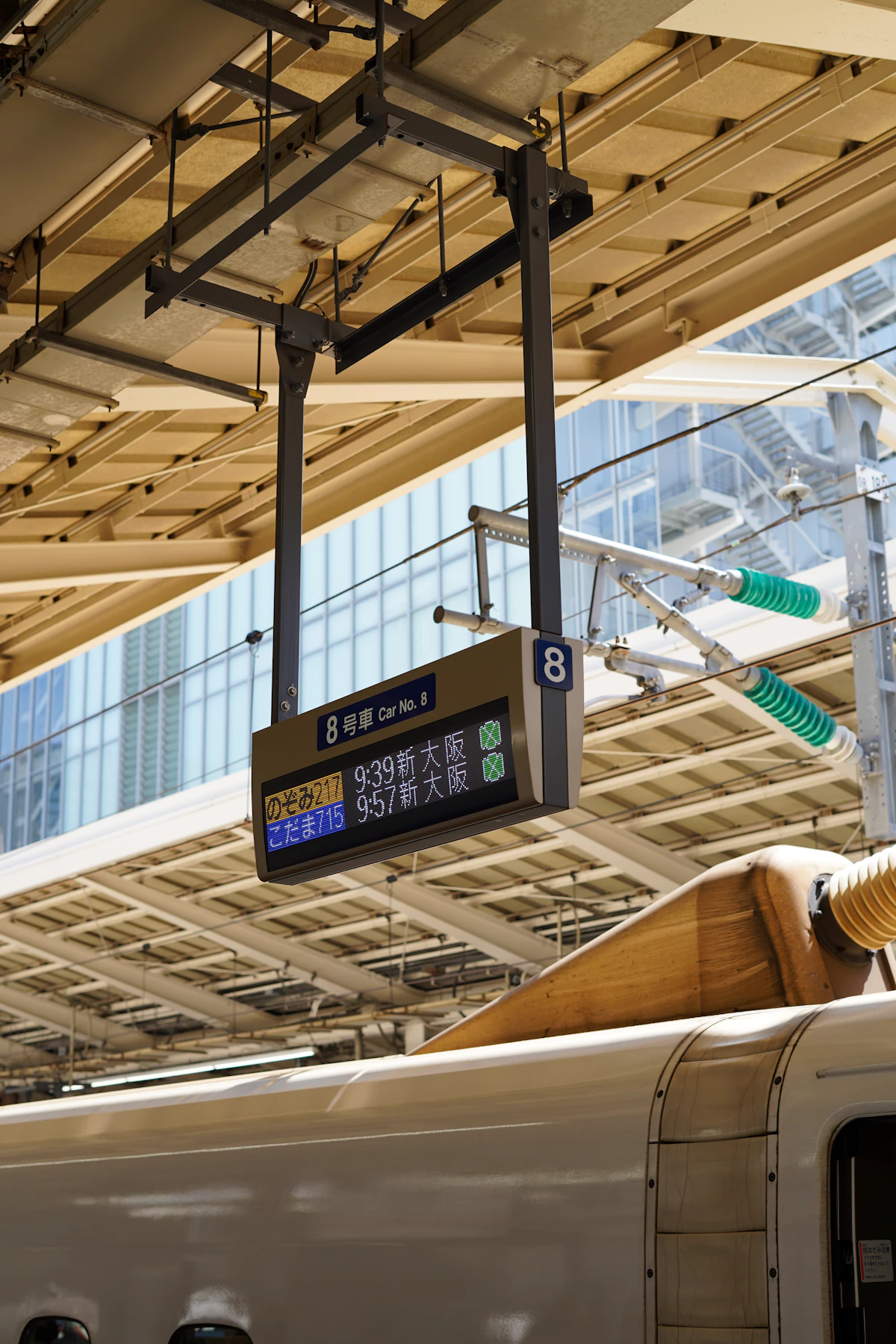
1. **Pass through the fare gate** — Hold your SmartEX QR code or registered IC card up to the reader. If you booked via QR code, there's no need to exchange for a paper ticket. If you have paper tickets, feed both the base fare ticket and the limited express ticket together into the slot (the base fare ticket covers the distance; the limited express ticket covers the shinkansen surcharge).
2. **Find your car on the platform** — Car numbers are marked on the platform floor. Stand in the queue for your car number.
3. **Take your seat** — Seat numbers are a number plus a letter, e.g. 5A.
4. **Settle in for the ride** — Food and drinks are allowed on board. For ekiben (boxed station meals / 駅弁), Tokyo Station's [Ekiben-ya Matsuri](https://www.gransta.jp/mall/gransta_tokyo/ekibenyamatsuri/) in the Gransta Tokyo concourse (B1F, inside the fare gates) stocks over 150 varieties and is open daily from 5:30 AM to 10:00 PM. Make phone calls in the vestibule between cars. [Free Wi-Fi](https://global.jr-central.co.jp/en/info/wireless/) is available throughout the journey.
## Shinkansen vs. Overnight Bus vs. Local Train
The Tokyo–Osaka corridor has more transport options than almost anywhere else in Japan. The right choice depends on whether you're prioritizing time or money.
| Option | Approximate one-way fare | Travel time | Notes |
|---|---|---|---|
| Shinkansen (Nozomi reserved) | approx. ¥14,720 | fastest 2h 21m | Fast, frequent |
| [Overnight / highway bus](https://timetable.nishinihonjrbus.co.jp/faretable/1-2-N.html) | 4-seat row from approx. ¥3,300 / 3-seat row from approx. ¥5,000 | approx. 8–9h | Inexpensive; you save on a night's accommodation. Prices vary by date and when you book |
| Seishun 18 Kippu (local trains) | 5-day pass ¥12,050 (approx. ¥2,410/day) | approx. 9h | Local and rapid trains only — no shinkansen or limited express. Available only in spring, summer, and winter windows |
Overnight buses cover the distance while you sleep and eliminate a night's hotel cost, though seats are tighter than a shinkansen. Booking is available online with credit card payment. The [Seishun 18 Kippu](https://www.jreast.co.jp/press/2025/20260205_ho02.pdf) is the low-cost option, but requires multiple transfers and is only available during specific periods. These are worth considering if the schedule allows and you want to keep costs down.
## Weekend Trips by Shinkansen from Tokyo
Several destinations within one to two hours of Tokyo make for easy weekend escapes. Travel times below are for the fastest available service.
- **Atami** — [Fastest approx. 40 minutes by Hikari](https://www.ataminews.gr.jp/) (Kodama takes approx. 45–50 minutes). A seaside hot spring town with a retro shopping street and cafés near the station. Works well as a day trip. Plum blossoms in late winter and early spring, beaches and fireworks in summer.
- **Karuizawa** — [Approx. 1 hour by Hakutaka or Asama](https://karuizawa-kankokyokai.jp/en/). A forested highland resort — walking along the old Karuizawa Ginza street or around Kumobaike Pond is enough to feel the cooler air. Popular for summer escapes and autumn foliage.
- **Nasu (Nasushiobara / Nasu Kogen)** — [Approx. 1h 04m by Nasuno](https://www.nasukogen.org/). A highland resort scattered with farms, art museums, and hot springs, with day-trip onsen facilities available. Pleasantly cool in summer.
- **Kanazawa** — Fastest 2h 24m by Kagayaki. Home to [Kenrokuen](https://kenrokuen.or.jp/), [Omicho Market](https://www.kanazawa-kankoukyoukai.or.jp/), and well-preserved samurai districts — it's a city that rewards an overnight stay. In winter, Kenrokuen under snow is a draw in its own right.
## If Things Don't Go as Planned
**No unreserved seats available:** During busy periods you may end up standing in the aisle. Tokyo is the first stop on the Tokaido Shinkansen, so arriving early gives you a reasonable chance of getting an unreserved seat — but if you want to be sure, book reserved.
**Card declined on SmartEX:** Some cards get rejected. Contact your card issuer in advance to notify them of international use, or switch to purchasing with cash at the Midori-no-madoguchi (JR ticket office).
**Missed your train:** With a standard ticket or reserved seat, you can board the unreserved car of any later train on the same day and the same route. Discounted advance tickets like EX Hayatoku 21 are tied to a specific train — if you miss it, the ticket is void, and you'll need to refund and rebook.
## Related Articles
- [JR Pass Guide](/en/guides/jr-pass-japan) — Whether the JR Pass makes financial sense
- [Navigating Tokyo's Stations](/en/guides/station-navigation-tokyo) — Getting to the shinkansen platforms at Tokyo Station
- [Suica Card Guide](/en/guides/suica-card) — Transferring to local trains after your shinkansen journey
---
**Sources:**
- SmartEX "Getting Started" https://smart-ex.jp/en/beginner/ (accessed: 2026-06-08)
- SmartEX "How to Board" https://smart-ex.jp/en/entraining/ (accessed: 2026-06-08)
- SmartEX "Where to Pick Up Tickets" https://smart-ex.jp/en/entraining/ticket/place/ (accessed: 2026-06-08)
- JR Central "Tokyo Station Ticket Office Guide" https://railway.jr-central.co.jp/station-guide/shinkansen/tokyo/index.html (accessed: 2026-06-08)
- SmartEX Fare Table https://smart-ex.jp/topics/pdf/%E3%82%B9%E3%83%9E%E3%83%BC%E3%83%88EX%E4%BE%A1%E6%A0%BC%E8%A1%A8.pdf (accessed: 2026-06-08)
- EX Hayatoku 21 Fare Table https://expy.jp/product/hayatoku21/pdf/hayatoku21_fares.pdf (accessed: 2026-06-08)
- EX Hayatoku 21 Product Information https://expy.jp/product/hayatoku21/ (accessed: 2026-06-08)
- JR Central "Tokyo–Shin-Osaka Travel Time" (EN) https://global.jr-central.co.jp/en/goldenroute/shinkansen/ (accessed: 2026-06-08)
- JR Central "Seasonal Reserved Seat Surcharges" https://railway.jr-central.co.jp/ticket-rule/rule30.html (accessed: 2026-06-08)
- JR Central "Unreserved Seat Surcharges" https://railway.jr-central.co.jp/ticket-rule/rule31.html (accessed: 2026-06-08)
- JR Central "Oversized Baggage" https://railway.jr-central.co.jp/oversized-baggage/ (accessed: 2026-06-08)
- JR Central "Oversized Baggage" (EN) https://global.jr-central.co.jp/en/info/oversized-baggage/ (accessed: 2026-06-08)
- JR Central "Trial Unreserved Luggage Area Announcement" https://jr-central.co.jp/news/release/_pdf/000044215.pdf (accessed: 2026-06-08)
- JR Central "All Nozomi Seats Reserved" (EN) https://global.jr-central.co.jp/en/nozomi/ (accessed: 2026-06-08)
- JR Central "Seat Types" (EN) https://global.jr-central.co.jp/en/tickets/type/types.html (accessed: 2026-06-08)
- JR Central "Free Wi-Fi" (EN) https://global.jr-central.co.jp/en/info/wireless/ (accessed: 2026-06-08)
- JR East "E5 Series (Hayabusa/Yamabiko)" https://www.jreast.co.jp/train/shinkan/e5.html (accessed: 2026-06-08)
- JR East "E7 Series (Kagayaki/Hakutaka)" https://www.jreast.co.jp/train/shinkan/e7.html (accessed: 2026-06-08)
- JR East "2026 Fare Revision" https://www.jreast.co.jp/en/2026unchin-kaitei/ (accessed: 2026-06-08)
- JR East "Revised Fare Search" https://unchinkensaku.jre-maas.com/ (accessed: 2026-06-08)
- JR West "Hokuriku Area Timetable Revision" https://www.westjr.co.jp/press/article/items/251212_00_press_daiyakaisei_hokurikuarea.pdf (accessed: 2026-06-08)
- Eki-net https://www.eki-net.com/en/ (accessed: 2026-06-08)
- Japan Rail Pass "Nozomi/Mizuho Special Ticket" https://japanrailpass.net/en/use/special-ticket/ (accessed: 2026-06-08)
- Japan Rail Pass "Covered Routes" https://japanrailpass.net/en/about_jrp/route/ (accessed: 2026-06-08)
- Japan Rail Pass "Prices" https://japanrailpass.net/en/purchase/price/ (accessed: 2026-06-08)
- Nishi-Nippon JR Bus "Tokyo–Osaka Fare Table" https://timetable.nishinihonjrbus.co.jp/faretable/1-2-N.html (accessed: 2026-06-08)
- JR Group "Seishun 18 Kippu" https://www.jreast.co.jp/press/2025/20260205_ho02.pdf (accessed: 2026-06-08)
- Gransta Tokyo "Ekiben-ya Matsuri" https://www.gransta.jp/mall/gransta_tokyo/ekibenyamatsuri/ (accessed: 2026-06-08)
- Atami Tourism Association https://www.ataminews.gr.jp/ (accessed: 2026-06-08)
- Karuizawa Tourism Association https://karuizawa-kankokyokai.jp/en/ (accessed: 2026-06-08)
- Nasu Tourism Association https://www.nasukogen.org/ (accessed: 2026-06-08)
- Kenrokuen https://kenrokuen.or.jp/ (accessed: 2026-06-08)
- Kanazawa Tourism Association https://www.kanazawa-kankoukyoukai.or.jp/ (accessed: 2026-06-08)
---
# How to Navigate Tokyo's 4 Biggest Stations — Shinjuku, Shibuya, Tokyo & Ikebukuro
> Platform maps, gate locations, and transfer walk times for Tokyo's most confusing stations. Exit guides, rush-hour survival tips, and which IC card works where.
- **URL**: https://tokyo.how/guides/station-navigation-tokyo
- **Category**: Explore
- **Audience**: tourist
- **Published**: 2026-02-28
- **Updated**: 2026-02-28
- **Tags**: transfers, trains, Shinjuku Station, Shibuya Station, Tokyo Station, Ikebukuro Station, Tokyo Metro
---
## Why Tokyo's Terminal Stations Are So Confusing
The reason Tokyo's big stations are so disorienting is that **multiple railway companies share the same station name**. Take "Shinjuku Station" — it's actually five separate stations operated by [JR East](https://www.jreast.co.jp/), [Tokyo Metro](https://www.tokyometro.jp/), [Toei Subway](https://www.kotsu.metro.tokyo.jp/), [Odakyu](https://www.odakyu.jp/), and [Keio](https://www.keio.co.jp/), all connected by underground passages into one enormous complex.
Each company has its own ticket gates. Walk through the wrong one and you'll end up far from your intended platform.
| Station | Operators | Lines | Defining feature |
|---------|-----------|-------|-----------------|
| Shinjuku (新宿) | 5 | 11 | Overwhelming number of gates and exits |
| Shibuya (渋谷) | 4 | 9 | Platforms spread across 3F down to B5F |
| Tokyo (東京) | 3 | 7 conventional + 6 Shinkansen + 1 Metro | Long north-south structure |
| Ikebukuro (池袋) | 4 | 8 | East and west exits feel reversed |
---
## Transfers at Shinjuku Station

*[JR East's FY2024 data](https://www.jreast.co.jp/press/2025/20250912_ho03.pdf) puts daily boardings at roughly 667,000 — the busiest station on the entire JR network.*
Shinjuku Station holds [a Guinness World Record as the world's busiest station with approximately 2.7 million daily users](https://www.guinnessworldrecords.jp/world-records/busiest-station). Five operators serve it: JR, Tokyo Metro, Toei Subway, Odakyu, and Keio.
### Choosing the Wrong Gate Means a Long Detour
JR's ticket gates at Shinjuku include the East Exit (東口 / Higashi-guchi), West Exit (西口 / Nishi-guchi), South Exit (南口 / Minami-guchi), and New South Exit (新南口 / Shin-Minami-guchi). Which one is closest depends on which platform you arrived on. Look up the right exit for your connecting line before you leave the platform.
| Transfer to | Gate / Route | Approx. time |
|-------------|-------------|--------------|
| [Marunouchi Line](https://www.tokyometro.jp/station/shinjuku/index.html) (M08) | JR West Exit → underground passage | ~3–4 min |
| [Odakyu Line](https://www.odakyu.jp/station/shinjuku/) | JR South Exit → direct connection | ~3 min |
| [Keio Line](https://www.keio.co.jp/train/station/ko01_shinjuku/) | JR West Exit → toward Keio Department Store | ~5 min |
| [Toei Ōedo Line](https://www.kotsu.metro.tokyo.jp/subway/stations/shinjuku.html) (E27) | JR West Exit → underground toward Tokyo Metropolitan Government | ~7–8 min |
| [Toei Shinjuku Line](https://www.kotsu.metro.tokyo.jp/subway/stations/shinjuku.html) (S01) | From the Marunouchi Line gates via underground passage | ~5 min |
The Marunouchi Line is the only Tokyo Metro line at Shinjuku. Head out the JR West Exit and into the underground passage — it's a straightforward route worth remembering.
If you'll be hopping between subway lines all day — say, Shinjuku → Asakusa → Ginza → Roppongi — the **Tokyo Subway Ticket** sold via [Klook](https://www.klook.com/en-US/) covers unlimited rides on all Tokyo Metro and Toei Subway lines for 24, 48, or 72 hours. Tourist-only fare, redeemable at the airport or in Shinjuku.
[🚇 Get Tokyo Subway 24/48/72-Hour Pass on Klook](https://www.klook.com/en-US/activity/1552-subway-ticket-tokyo/)
### Seibu-Shinjuku Station Is Not "Shinjuku Station"
[Seibu Railway](https://www.seiburailway.jp/)'s Seibu-Shinjuku Station (西武新宿駅) is a separate building roughly 400 meters north of JR Shinjuku. There's no direct underground connection — you need to walk above ground. First-timers should allow about 10 minutes for the walk.
---
## Transfers at Shibuya Station

*Shibuya Station is in the middle of a [massive redevelopment project targeting completion around FY2034](https://www.jreast.co.jp/press/2025/20250509_ho01.pdf). Corridors and gate positions shift as construction progresses, so follow the latest signage inside the station.*
The biggest challenge at Shibuya is the **vertical spread**.
| Floor | Line |
|-------|------|
| 3F | Ginza Line (G01) |
| 2F | JR Yamanote Line, Saikyō Line, Keio Inokashira Line |
| B3F | Den-en-toshi Line / Hanzōmon Line (Z01) |
| B5F | Tōyoko Line / Fukutoshin Line (F16) |
*Floor layout can be confirmed on [Tokyu Railway's Shibuya Station Map](https://www.tokyu.co.jp/area/shibuya/station/).*
The Ginza Line has its platform on the 3rd floor — a "subway" that sits above ground. Shibuya sits in a valley, which is why the subway runs elevated here. If you head down expecting to find it underground, you're going the wrong way.
Transferring from the Ginza Line (3F) to the Tōyoko Line (B5F) means moving 8 floors vertically. That's several escalator rides and 5–7 minutes. Without a time buffer, it gets stressful.
### Main Transfer Routes
| From | To | Approx. time |
|------|-----|-------------|
| JR | Ginza Line | ~3–4 min (from Hachikō Exit / ハチ公改札, go up to 3F) |
| JR | Tōyoko Line / Fukutoshin Line | ~5–6 min (go down to B5F) |
| JR | Den-en-toshi Line / Hanzōmon Line | ~4–5 min (from Hachikō Exit to B3F) |
| Ginza Line | Tōyoko Line | ~5–7 min (from 3F down to B5F) |
| Tōyoko Line | Inokashira Line | ~6–8 min |
A [new JR station building (6 stories above ground) is expected to open around FY2026](https://www.jreast.co.jp/press/2024/tokyo/20240423_to03.pdf), and the [Shibuya Scramble Square Phase II (Central and West towers) is scheduled for completion around FY2031](https://www.tokyu.co.jp/company/news/detail/56376.html). During construction, temporary signage is your best guide.
---
## Transfers at Tokyo Station

*Tokyo Station is Japan's central hub where conventional lines, Shinkansen, and subway converge. The iconic red brick building faces the Marunouchi (west) side.*
Tokyo Station is split between the Marunouchi side (west) and the Yaesu side (east), and the two halves feel like different buildings. The Tokyo Metro [Marunouchi Line](https://www.tokyometro.jp/station/tokyo/index.html) (M17) gates are on the Marunouchi side near the red brick building. The [Tōkaidō Shinkansen](https://railway.jr-central.co.jp/station-guide/shinkansen/tokyo/) and Tōhoku/Hokuriku Shinkansen gates are concentrated on the Yaesu side. [The red brick building stretches about 335 meters north to south](https://bunka.nii.ac.jp/heritages/detail/187936), and the [east-west free passage alone is about 290 meters](https://www.jreast.co.jp/press/2021/20220310_ho01.pdf) — go the wrong direction and you'll lose over 5 minutes.
### Use the 「のりかえ口」 (Norikae-guchi / Transfer Gate)
When transferring from conventional lines to the Shinkansen, use the 「のりかえ口」 (norikae-guchi / "transfer gate") inside the paid area. This lets you switch without exiting through the main gates. IC cards (Suica, PASMO, etc.) handle the fare calculation automatically.
If you accidentally exit through the 「出口」 (deguchi / "exit") gates, you'll be outside the paid area — with a paper ticket, you may need to buy a new one. Follow signs that say 「のりかえ」 (norikae / "transfer").
| From | To | Approx. time | Key point |
|------|-----|-------------|-----------|
| JR conventional lines | Tōkaidō Shinkansen | ~5–7 min | [Central Transfer Gate or South Transfer Gate (新幹線中央のりかえ口 / 南のりかえ口)](https://railway.jr-central.co.jp/station-guide/shinkansen/tokyo/map.html) |
| JR conventional lines | Tōhoku/Hokuriku Shinkansen | ~5–7 min | [North Transfer Gate or South Transfer Gate (北のりかえ口 / 南のりかえ口)](https://www.jreast.co.jp/estation/stations/1039.html) |
| JR conventional lines | Marunouchi Line (M17) | ~4–5 min | Via [Marunouchi Underground Central Exit (丸の内地下中央口)](https://www.tokyometro.jp/station/tokyo/yardmap/index.html) |
| Marunouchi Line | Tōkaidō Shinkansen | ~5–6 min | Cross from the Marunouchi side to the Yaesu side |
| JR conventional lines | **Keiyō Line** | **~15–20 min** | Deep underground at the southern end |
### Treat the Keiyō Line Platform as a Separate Station
The Keiyō Line (京葉線 / Keiyō-sen) platform sits deep underground at Tokyo Station's southern end. First-timers should expect **15–20 minutes** for the walk. Even JR's own timetables set the standard Shinkansen-to-Keiyō transfer time at 20 minutes.
If you're heading to Tokyo Disney Resort (Maihama Station / 舞浜駅), you'll use the Keiyō Line — leave plenty of extra time.
---
## Transfers at Ikebukuro Station
*Ikebukuro has 4 operators and 8 lines, but its layout is the simplest of the four stations.*
Ikebukuro has a famous trap: **the East Exit leads to [Seibu Department Store](https://www.sogo-seibu.jp/ikebukuro/), and the West Exit leads to [Tobu Department Store](https://www.tobu-dept.jp/ikebukuro/)**. You'd expect "Seibu" (literally "west-military") on the west side and "Tobu" (literally "east-military") on the east, but it's the opposite. Locals remember it as "東が西武で西が東武" (Higashi ga Seibu de, Nishi ga Tōbu / "Seibu is on the east, Tobu is on the west").
| From | To | Approx. time |
|------|-----|-------------|
| JR | [Seibu Ikebukuro Line](https://www.seiburailway.jp/) (SI01) | ~3 min (from South Gate to 1F) |
| JR | [Tobu Tōjō Line](https://www.tobu.co.jp/) (TJ01) | ~3 min (from North Gate, straight ahead) |
| JR | Marunouchi Line (M25) | ~3–4 min (from Central Gate to B1F) |
| JR | Yūrakuchō Line (Y09) / Fukutoshin Line (F09) | ~4–5 min (from Central Passage to B2F) |
| Seibu Ikebukuro Line | Tobu Tōjō Line | ~5–6 min (south end to north end) |
Using JR's Central Gate as your reference point: go south for Seibu, go north for Tobu. Remember this north-south relationship and you'll rarely get lost at Ikebukuro.
---
## Rush Hour Congestion
According to the [Ministry of Land, Infrastructure, Transport and Tourism's FY2024 survey](https://www.mlit.go.jp/report/press/tetsudo04_hh_000138.html), the average morning rush congestion rate in the Tokyo area is 139%. The [congestion rate scale](https://www.mintetsu.or.jp/knowledge/term/16370.html) defines 150% as "shoulders touching" — 139% is slightly below that threshold.
Some lines, however, far exceed the average.
| Line | Most crowded section | Congestion rate |
|------|---------------------|----------------|
| Tokyo Metro Hibiya Line | Minowa → Iriya (三ノ輪 → 入谷) | 163% |
| JR Saikyō Line | Itabashi → Ikebukuro (板橋 → 池袋) | 163% |
| JR Chūō Line Rapid | Nakano → Shinjuku (中野 → 新宿) | 161% |
If you need to transfer between 7:30 and 9:00 AM, the flow of people on the platforms slows to a crawl. Review our [Tokyo etiquette guide](/guides/etiquette-tokyo) for train manners during rush hour. Expect **1.5–2x the normal transfer time**. After 10:00 AM, congestion drops significantly. If your schedule allows, simply avoiding the morning peak makes a noticeable difference. Check [last train times](/guides/last-train-tokyo-guide) too, so you're not caught off guard at the other end of the day.
---
## When Things Go Wrong
| Situation | What to do |
|-----------|-----------|
| Exited through the wrong gate | With an IC card (Suica, etc.), re-enter normally. With a paper ticket, explain the situation at the staffed gate window (有人窓口 / yūjin madoguchi) |
| Can't find the right platform | Look for line colors and station numbers (M08, G01, etc.) on overhead signs (案内板 / annai-ban) |
| Missed your transfer connection | Yamanote Line and Metro trains run every 3–5 minutes. Wait for the next one |
| Construction rerouted the corridor | Follow the temporary signs (仮設の案内表示 / kasetsu no annai hyōji). Asking a station attendant is the surest option |
| Can't read Japanese | Show the station name or line name on your phone screen. Say 「すみません」 (sumimasen / "excuse me") and people will help |
Station signage is displayed in four languages: Japanese, English, Chinese, and Korean. But regardless of your language, **line colors and station numbering** are universal. Following the colors and numbers is the most reliable way to navigate.
| Line | Color | Symbol |
|------|-------|--------|
| Marunouchi Line (丸ノ内線) | Red | M |
| Ginza Line (銀座線) | Orange | G |
| Hanzōmon Line (半蔵門線) | Purple | Z |
| Fukutoshin Line (副都心線) | Brown | F |
| Yūrakuchō Line (有楽町線) | Gold | Y |
| Hibiya Line (日比谷線) | Silver | H |
| JR Yamanote Line (山手線) | Yellow-green | — |
---
## Alternatives to Complex Transfers
If you'd rather skip the in-station maze, other options exist.
- **Taxi:** For station-to-station hops like Shinjuku to Shibuya or Shibuya to Ikebukuro, a taxi is the easy choice when you have luggage. [Base fare is ¥500, with ¥100 added every 255 meters](https://taxi-tokyo.or.jp/call/pricelist.html). Shibuya to Shinjuku (~4.7 km) runs about ¥2,000 during daytime, standard conditions.
- **Toei Bus:** Accepts [Suica](/guides/suica-card). [Flat fare of ¥210](https://www.kotsu.metro.tokyo.jp/bus/fare/). No station corridors to navigate, and you get to see the city from street level.
- **Walking:** Shibuya to Harajuku is just one station apart (~1.1 km), about 15–20 minutes on foot. On a nice day, walking can actually be less confusing than finding the right platform.
- **Airport Limousine Bus:** Skip the train-and-transfer maze when arriving from Narita or Haneda. Direct service to Shinjuku, Ikebukuro, Tokyo Disney Resort, and other major hubs, with luggage assistance and reserved seating. Mobile QR boarding via [Klook](https://www.klook.com/en-US/) saves time at the counter.
[🚌 Get Narita Airport Limousine Bus Ticket on Klook](https://www.klook.com/en-US/activity/2274-narita-airport-limousine-bus-tokyo/)
Start with your departure date and available luggage space, then choose a workshop whose collection and curing times fit. Adding travel and check-in time to the class itself helps you fit it into your [Tokyo itinerary](/guides/tokyo-itinerary-planning-guide) without packing the day too tightly.
If you can collect your work later, you have options beyond same-day take-home classes. Even for a stay of a few months, your departure date and ability to return are useful starting points. If your weekend plans often change, compare the discount with the rules for changing dates.
## Compare Tokyo workshops by price, language and collection
These are basic-plan prices. Colored materials, certain time slots and shipping may cost extra. You can also check the [rules for children](#family-workshops) before making a shortlist.
| Craft workshop | Price, duration and booking size | Instruction language | Taking your work home |
|---|---|---|---|
| Cut glass at Sokichi (創吉) | [Adults ¥3,630; 90 minutes](https://www.sokichi-workshop.com/90min); [one person or more](https://www.sokichi-workshop.com/) | [Arrange English support in advance](https://www.sokichi-workshop.com/q-a) | [Same day, with a box and bag](https://www.sokichi-workshop.com/flow) |
| Indigo dyeing at Wanariya (和なり屋) | [Handkerchief ¥2,500; about one hour](https://wanariya.co.jp/aizome/); [two people or more](https://wanariya.co.jp/contact/) | [English-speaking staff](https://wanariya.co.jp/english/faq/) | [Same day](https://wanariya.co.jp/aizome/) |
| Traditional kintsugi at Tsugutsugu (つぐつぐ) | [¥22,000; about 90 minutes; normally ages 12 and up](https://kintsugi-girl.com/workshop/). [One-person booking option shown](https://widgets.bokun.io/online-sales/62de5672-1568-46af-ad58-2f513d30dbd0/experience/1131126) | [Request English when booking](https://kintsugi-girl.com/workshop/) | [Same day in a curing box; later collection and shipping also available](https://kintsugi-girl.com/workshop/) |
| Sweet-making class | Price, duration and booking size | Instruction language | Taking it home |
|---|---|---|---|
| Kaminari okoshi at Kaminari 5656 Kaikan (雷5656会館) | [¥2,420; 30–60 minutes](https://tokiwado.tokyo/reservation/). Check whether solo bookings are accepted | [Japanese only; bring an interpreter if needed](https://tokiwado.tokyo/reservation/) | [Souvenir included](https://tokiwado.tokyo/reservation/) |
| Candy sculpting at Ameshin (アメシン) | [Adults ¥3,100; 90–120 minutes](http://www.ame-shin.com/workshop/). Check whether solo bookings are accepted | [Japanese with English subtitles and materials](http://www.ame-shin.com/workshop-en/) | [Wrapped in protective material and a paper bag](http://www.ame-shin.com/workshop-en/) |
The kintsugi price is the amount shown on the official booking page; the other prices include tax. Durations are approximate, so leave some room in your schedule before and after the class.
For example, a solo visitor with a budget of ¥4,000 could choose a clear glass at a regular cut-glass session. If you want to ask questions in English, check that an English-speaking staff member will be there. [Sokichi takes cash](https://www.sokichi-workshop.com/), so preparing your [payment options](/guides/payment-methods) helps you avoid arriving with only a card.
For one adult, the cut-glass class costs [¥3,630, with an extra ¥550 for the 17:00 session and colored glass starting at an extra ¥1,100](https://www.sokichi-workshop.com/90min). A clear glass costs ¥3,630 at a regular session or ¥4,180 at 17:00. Choosing a glass with a ¥1,100 colored-glass supplement at a regular session brings the total to ¥4,730.
For two people dyeing handkerchiefs, the [regular price is ¥2,500 each](https://wanariya.co.jp/aizome/), or ¥5,000 total without an extra design. [Ameshin's Japanese booking instructions specify a 100% cancellation fee once the booking is confirmed](http://www.ame-shin.com/workshop/), so compare the [booking and cancellation rules](#booking-and-cancellation) alongside the price.
If you want to choose your own pattern, consider [selecting and cutting a design into glass](https://www.sokichi-workshop.com/flow) or [planning how to tie your fabric for indigo dyeing](https://wanariya.co.jp/aizome/ashibori_howto/). [The candy class teaches you to make a rabbit](http://www.ame-shin.com/workshop/), while [kintsugi covers an assigned intermediate step and the finishing of a different piece](https://widgets.bokun.io/online-sales/62de5672-1568-46af-ad58-2f513d30dbd0/experience/1131126).
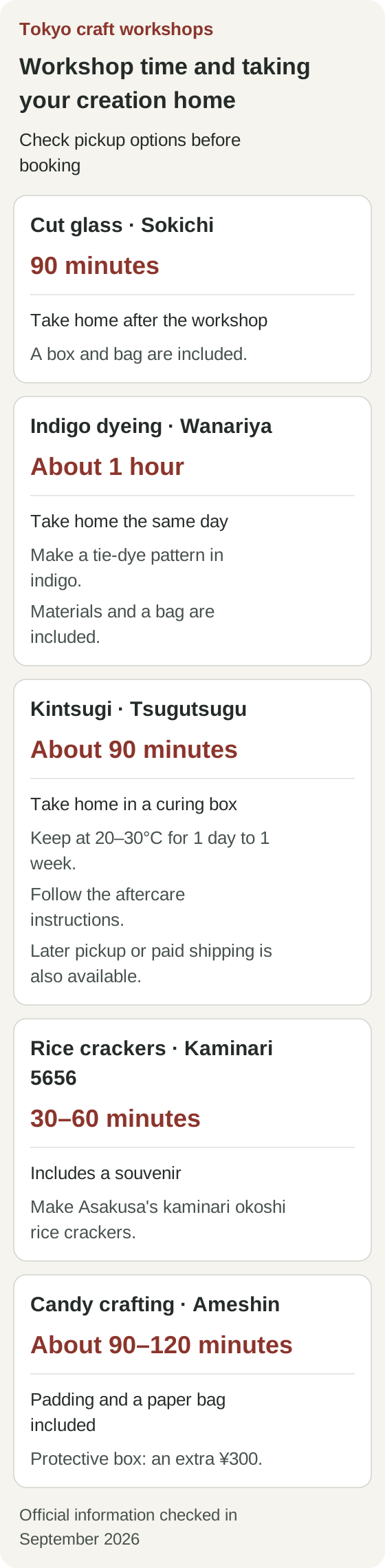
## Craft workshops for glass, pottery and fabric
### Cut patterns into a clear glass at Sokichi
Kiriko is [a technique for cutting patterns into the surface of glass](https://www.sokichi-workshop.com/). You [get used to the machine on a practice glass, then choose and cut patterns on the base or sides](https://www.sokichi-workshop.com/flow).
The basic fee includes [one of six clear glasses](https://www.sokichi-workshop.com/90min). You can compare their shapes in the [glass selection](https://www.sokichi-workshop.com/about-glass). [Colored glass costs an extra ¥1,100–¥4,510](https://www.sokichi-workshop.com/90min). The [17:00 session has a ¥550 supplement, and the basic price for under-18s is ¥2,860](https://www.sokichi-workshop.com/90min).
[English- and Chinese-speaking staff are not always available](https://www.sokichi-workshop.com/q-a), so [select your preferred language on the booking form](https://www.sokichi-workshop.com/90min) and ask which sessions can accommodate it. The workshop is [very close to Exit 4 of Asakusa Station (浅草駅) on the Ginza Line](https://www.sokichi-workshop.com/access). You [check in on the first floor, with entry from five minutes before the class](https://www.sokichi-workshop.com/flow). [Your glass comes with a box and bag; paid shipping is also available](https://www.sokichi-workshop.com/flow).
### Dye a handkerchief indigo at Wanariya
Decide which parts of the cloth you want to leave white, then [use rubber bands and other ties to make a pattern before dipping it into indigo dye](https://wanariya.co.jp/aizome/ashibori_howto/). The [handkerchief measures 45 × 45 cm](https://wanariya.co.jp/aizome/), and the official page shows example patterns. [You don't need to bring an item to dye: the item, dyeing and a bag to take it home are included](https://wanariya.co.jp/english/aizome/).
[Advance payment costs ¥2,400 instead of the usual ¥2,500](https://wanariya.co.jp/aizome/), but [date changes are not allowed and cancellation fees apply](https://wanariya.co.jp/cancel-policy/). Whether your plans are settled matters as well as the ¥100 saving. The Aibana (藍華) design costs [an extra ¥600](https://wanariya.co.jp/english/aizome/).
[Bookings are for two people or more](https://wanariya.co.jp/contact/), and [English-speaking staff guide the session](https://wanariya.co.jp/english/faq/). The shop is [about a 10-minute walk from either Iriya Station (入谷駅) or the Tsukuba Express Asakusa Station](https://wanariya.co.jp/access/). You can [take your dyed handkerchief home the same day](https://wanariya.co.jp/aizome/).
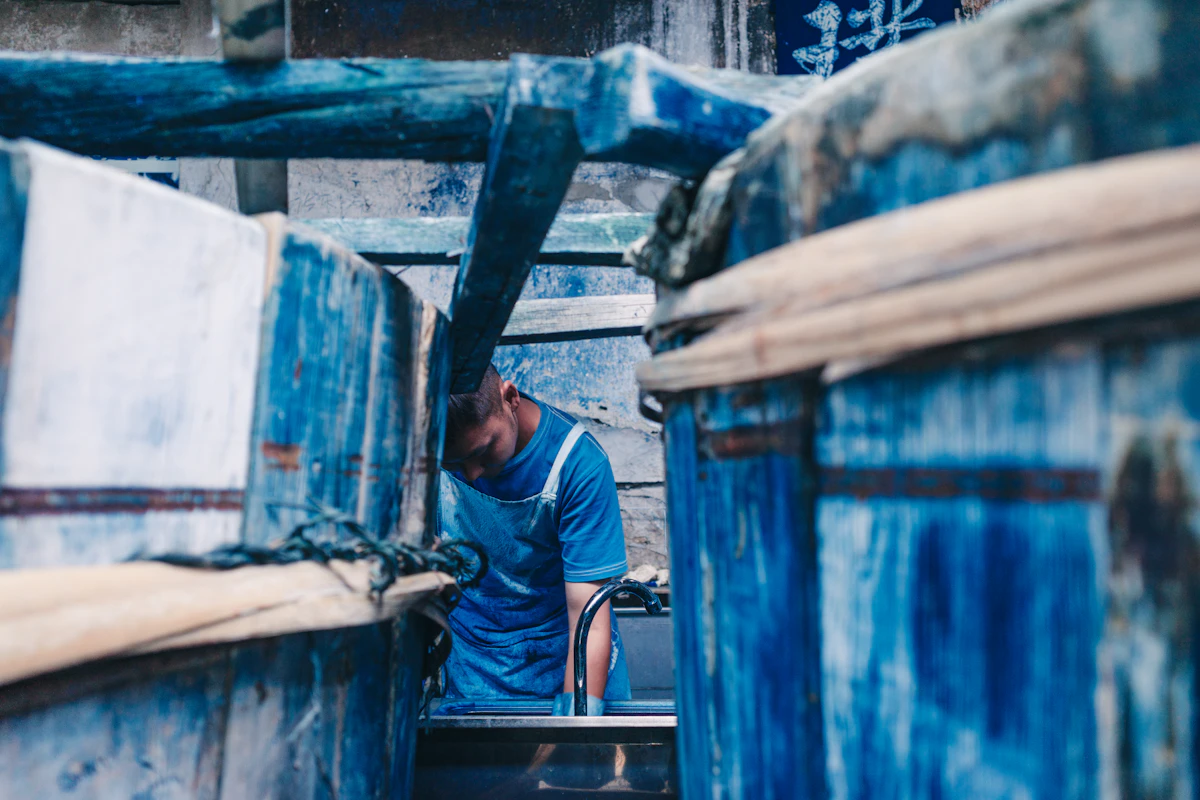
*This reference photo shows a dyeing studio, not Wanariya or its workshop. [Photo: C Cai / Unsplash](https://unsplash.com/photos/yMg8G-s7TfM)*
### Try kintsugi repair steps and gold finishing at Tsugutsugu
This [traditional kintsugi workshop uses natural urushi lacquer and gold powder and takes about 90 minutes](https://kintsugi-girl.com/workshop/). [In the first half, you try an assigned step such as joining pieces or filling a chip. In the second half, you finish a different, prepared piece with gold and take that second piece home](https://widgets.bokun.io/online-sales/62de5672-1568-46af-ad58-2f513d30dbd0/experience/1131126). [It is not a course for bringing your own broken pottery and repairing it from scratch](https://widgets.bokun.io/online-sales/62de5672-1568-46af-ad58-2f513d30dbd0/experience/1131126).
The [official examples and process guide](https://kintsugi-kit.com/pages/kintsugi-workshops-in-tokyo) show which parts you will try. [Pottery, tools and materials are provided, and the price is ¥22,000 per person](https://widgets.bokun.io/online-sales/62de5672-1568-46af-ad58-2f513d30dbd0/experience/1131126).
[All tools are provided, so you don't need to bring any equipment. Samue workwear is available, but wear clothes you don't mind getting dirty and tie back long hair](https://widgets.bokun.io/online-sales/62de5672-1568-46af-ad58-2f513d30dbd0/experience/1131126). [You'll wear gloves during the class because urushi can cause a skin rash](https://widgets.bokun.io/online-sales/62de5672-1568-46af-ad58-2f513d30dbd0/experience/1131126).
[You can take your piece home in a curing box the same day](https://kintsugi-girl.com/workshop/), but [it needs to stay in the closed box at 20–30°C for one day to one week, followed by aftercare according to the instructions](https://widgets.bokun.io/online-sales/5e34a53b-30a3-4277-84e4-a62a8912bc20/experience/1125788). You can also [leave it to cure at the studio for later collection, or arrange paid shipping within Japan or internationally](https://kintsugi-girl.com/workshop/).
[Request English when you book](https://kintsugi-girl.com/workshop/). The [Asakusa studio is about a three-minute walk from Tawaramachi Station (田原町駅); there is also a separate Ebisu (恵比寿) studio](https://kintsugi-girl.com/company/access/). Check the directions for the studio you booked.
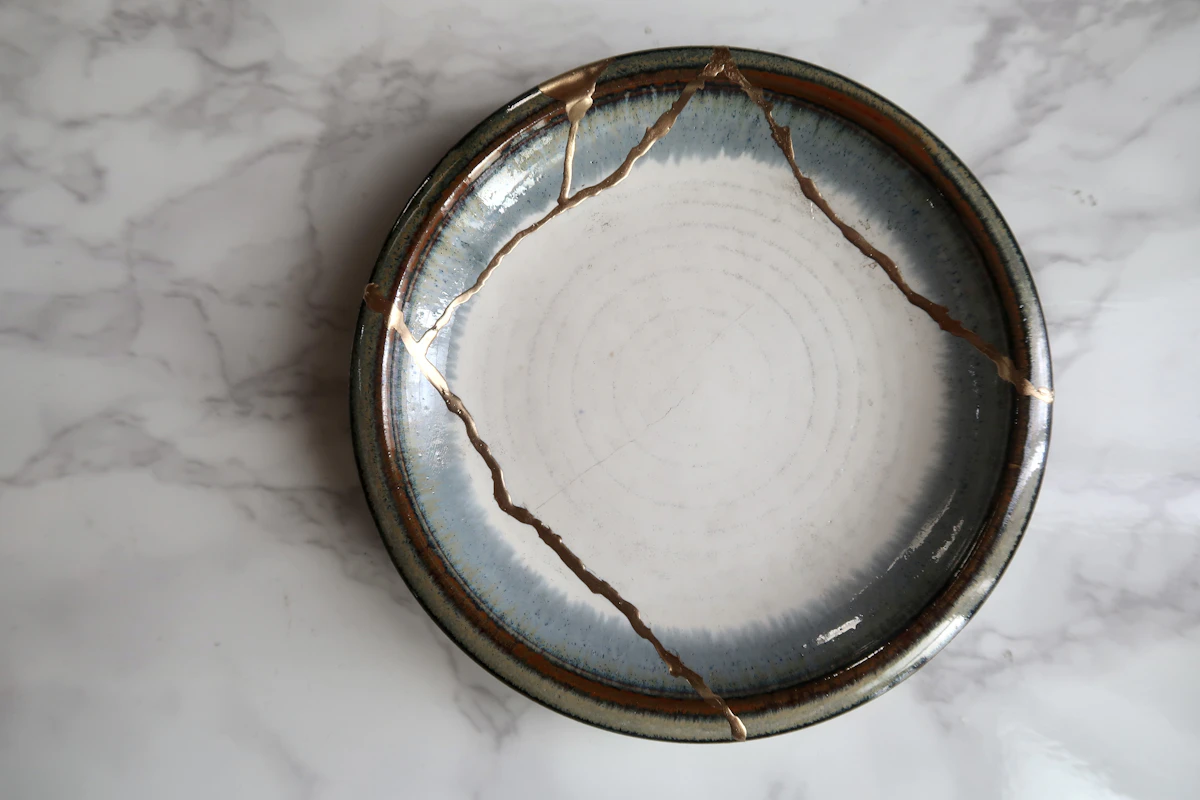
*This is a reference photo of kintsugi, not a participant's work from the featured class. [Photo: Riho Kitagawa / Unsplash](https://unsplash.com/photos/JuDPjcutors)*
## Sweet-making classes in Asakusa
### Make kaminari okoshi at Kaminari 5656 Kaikan
Making this Asakusa specialty costs [¥2,420 including the class and a souvenir, and takes 30–60 minutes](https://tokiwado.tokyo/reservation/). Photos on the official page show what the activity looks like.
[Instruction is in Japanese only. If you need interpretation, contact the shop in advance and attend with someone who can interpret](https://tokiwado.tokyo/reservation/).
The class takes place on the [second floor of Kaminari 5656 Kaikan](https://tokiwado.tokyo/store/5656/), a separate location from the Kaminarimon Honten (雷門本店) shop. It is [about a 10-minute walk from Tobu Asakusa Station](https://t-navi.city.taito.lg.jp/spot/1053). [Booking requires email registration, check-in opens 10 minutes before the class, and entry is not allowed after it starts](https://tokiwado.tokyo/reservation/). The [production-viewing areas on the third and fourth floors are separate from the hands-on class on the second floor](https://tokiwado.tokyo/store/5656/).
### Sculpt a candy rabbit at Ameshin
In this class, you [shape warm candy with scissors](http://www.ame-shin.com/workshop/). [An English-subtitled video, two practice attempts and a demonstration by the craftsperson lead up to your final piece, which you finish with food coloring](http://www.ame-shin.com/workshop-en/). The [official process guide, examples and explanation of the English materials](http://www.ame-shin.com/workshop-en/) help you picture what you will make. [The class is run in Japanese, supported by English materials](http://www.ame-shin.com/workshop-en/).
Prices are [¥3,100 for adults and ¥2,500 for high-school-age children and younger, for 90–120 minutes](http://www.ame-shin.com/workshop/). Your work is [wrapped in protective material and a paper bag; a protective box costs an extra ¥300](http://www.ame-shin.com/workshop-en/). Thinking about where that box will fit can help you decide whether to [store your luggage while you attend](/guides/luggage-storage-tokyo).
Classes take place at the [Hanakawado (花川戸) shop, about a seven-minute walk from Asakusa Station](http://www.ame-shin.com/shop/hanakawado/). The Japanese booking instructions say that [individual bookings open two weeks ahead, and dates within the next three days must be booked by phone](http://www.ame-shin.com/workshop/). Contact details are on the official booking page.
[For bookings in English, use the email contact listed in the official English instructions](http://www.ame-shin.com/workshop-en/).
### Fit one workshop into a half-day in Asakusa
For example, you could eat near Asakusa Station, head to Sokichi for its [90-minute cut-glass workshop](https://www.sokichi-workshop.com/90min), then explore the surrounding streets. Setting aside about two hours for the class, travel and check-in gives you some room when planning the day.
## Age requirements and family prices
For a family with children aged five and eight, it matters whether the adults will make something or only accompany the children. Sokichi requires [an adult to accompany children under nine](https://www.sokichi-workshop.com/), with [no more than one non-participating companion per group](https://www.sokichi-workshop.com/q-a). At Wanariya, [parents and children generally participate together](https://wanariya.co.jp/faq/); discuss young children's ages before booking.
For candy sculpting, [children of elementary-school age and younger attend with a parent or guardian](http://www.ame-shin.com/workshop/). If everyone makes their own piece, a [family discount gives one parent or guardian the ¥2,500 price for each child of high-school age or younger](http://www.ame-shin.com/workshop/). Alternatively, [a preschool child can share a project with a parent or guardian paying ¥3,100](http://www.ame-shin.com/workshop/). [Non-participants generally cannot enter](http://www.ame-shin.com/workshop/). Ask the kaminari okoshi shop about age and accompanying-adult rules before booking.
At Ameshin, two adults and two children of high-school age or younger making one piece each would pay ¥10,000 if the family discount above applies. If one preschool child shares with a parent or guardian, while the other parent and child each make their own piece with the family discount, the total is ¥3,100 + ¥2,500 × 2 = ¥8,100. Those arrangements involve four separate projects and three projects respectively. These examples exclude protective boxes, so confirm the children's ages, how everyone will participate, discount eligibility and the number of boxes with the shop.
Traditional kintsugi is [normally for ages 12 and up; children under 12 need an accompanying parent or guardian](https://kintsugi-girl.com/workshop/), so give the child's age and ask whether an exception is possible. A separate [kintsugi-style accessory class uses materials such as resin and is for ages six and up, lasting 60 minutes and costing ¥6,600](https://kintsugi-kit.com/pages/kintsugi-workshops-in-tokyo). Its materials and finished item differ from pottery repair with natural lacquer.
## Check the total price and booking confirmation
**Submitting a request and receiving confirmation are separate steps**.
| Workshop and booking method | Payment and confirmation |
|---|---|
| Sokichi | [Cash payment](https://www.sokichi-workshop.com/). [Staff contact you after form submission to say whether they can accept the booking](https://www.sokichi-workshop.com/90min) |
| Wanariya advance payment | [Card only](https://wanariya.co.jp/jizen/). [The booking is confirmed and payment taken after the shop approves it](https://wanariya.co.jp/advance-payment-booking/) |
| Tsugutsugu | Choose a date and time on the [official booking page](https://widgets.bokun.io/online-sales/62de5672-1568-46af-ad58-2f513d30dbd0/experience/1131126) and use one of the payment methods shown |
| Kaminari okoshi | [Register your email to proceed with booking](https://tokiwado.tokyo/reservation/) |
| Ameshin | [Japanese-form bookings are confirmed by a return phone call](http://www.ame-shin.com/workshop/). [English bookings go through the email contact](http://www.ame-shin.com/workshop-en/) |
Check the booking provider's instructions for payment and confirmation. If you prefer to avoid a phone call, you can ask before applying: "Can the booking be confirmed entirely by email?"
The booking steps are:
1. Choose the class, location and date, and give the group size, children's ages and preferred language.
2. Check the total including materials, time-slot supplements, boxes and shipping, along with the payment method.
3. Read the cancellation conditions for the booking method you will use. Conditions from another booking site may be different.
4. Follow the provider's instructions and save the booking confirmation message or screen, date and time.
5. Check the shop's address, official directions and check-in time before setting out.
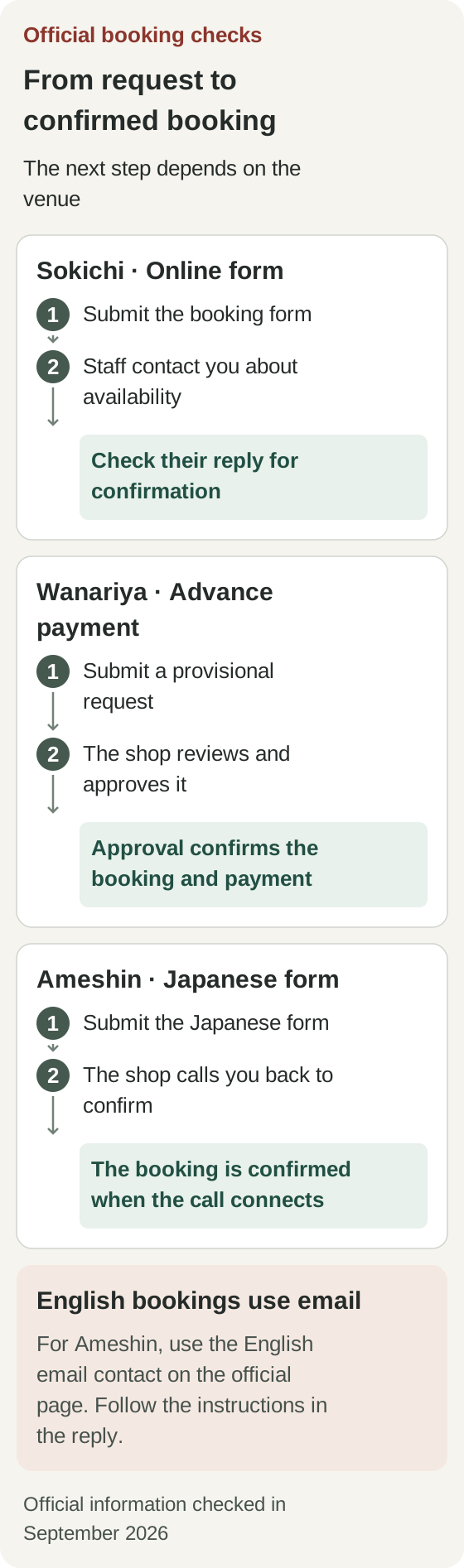
Cancellation conditions also depend on how you book.
| Official booking method | When cancellation fees apply |
|---|---|
| Sokichi cut-glass class | [100% after 18:00 the previous day for groups of up to five, or after the two-week deadline for groups of six or more](https://www.sokichi-workshop.com/q-a) |
| Wanariya advance payment | [50% from 30 to 11 days before; 80% from 10 days before through the previous day; 100% on the day. No date changes](https://wanariya.co.jp/cancel-policy/) |
| Ameshin Japanese booking instructions | [100% once the booking is confirmed](http://www.ame-shin.com/workshop/) |
| Tsugutsugu official booking | [100% from one day before the scheduled start](https://widgets.bokun.io/online-sales/62de5672-1568-46af-ad58-2f513d30dbd0/experience/1131126) |
Before confirming, also check the kaminari okoshi cancellation fee and the conditions for other booking methods, such as English email bookings. Include your preferred date, group size, instruction language, total price and confirmation method in your inquiry.
- For a solo visit: "Can one person join on [date] or [alternative date]? Please let me know which sessions offer English instruction, the total price and how the booking is confirmed."
- For a family: "Can two adults and children aged five and eight join the same session on [date]? We would like English instruction. Please let me know the total price for everyone and how the booking is confirmed."
If you have a shape or pattern in mind, ask how much choice the class offers. If you prefer a quiet pace, you can ask about class size and how the instruction is organized. When a form asks for a phone number, check whether it accepts a number from outside Japan and how the shop will contact you on the day.
## When classes are full or your work will not fit in your luggage
If a class is full, you can try another date or time, or keep [free indoor places that do not need reservations](/guides/free-rainy-day-activities-tokyo) as an alternative. Check the cancellation terms of any confirmed bookings before changing your plans.
If you try kintsugi just before leaving Japan, [curing at the studio followed by shipping](https://kintsugi-girl.com/workshop/) is another option. Ask the shop about destination countries, shipping costs and expected arrival. Candy sculptures are [sensitive to humidity and breakage](http://www.ame-shin.com/faq/), so ask for the protective box's dimensions and check whether it will fit in your hand luggage.
If you are traveling light, you can also ask about the packed size and shipping options.
If you get lost on the day, check the shop name, address and contact details in your booking and contact the shop. The kaminari okoshi class [does not allow entry after it starts](https://tokiwado.tokyo/reservation/), while Sokichi [treats arrivals more than 15 minutes late without notice as cancellations](https://www.sokichi-workshop.com/q-a). Once you know what you want to make, add the meeting place and collection date to your itinerary too.
## Related guides
- [How to plan a Tokyo itinerary](/guides/tokyo-itinerary-planning-guide)
- [Payment methods in Tokyo](/guides/payment-methods)
- [Luggage storage in Tokyo](/guides/luggage-storage-tokyo)
## References
- [Tokiwado's kaminari okoshi workshop](https://tokiwado.tokyo/reservation/)
- [Sokichi's 90-minute cut-glass class](https://www.sokichi-workshop.com/90min) and [participation and cancellation FAQ](https://www.sokichi-workshop.com/q-a)
- [Wanariya's indigo dyeing workshop](https://wanariya.co.jp/aizome/) and [cancellation conditions](https://wanariya.co.jp/cancel-policy/)
- [Tsugutsugu's kintsugi workshops](https://kintsugi-girl.com/workshop/)
- [Ameshin's candy sculpting class](http://www.ame-shin.com/workshop/) and [English participation guide](http://www.ame-shin.com/workshop-en/)
---
# Tokyo Fireworks Festivals 2026 Complete Guide | Sumida River Tickets & Exit Crowds
> Compare Tokyo's major 2026 fireworks festivals — Sumida River (7/25), Katsushika (7/28), Edogawa (8/1), and more — by date, shell count, and crowd level. Covers the paid-seat booking flow (TicketPay, Lawson, Klook) through to 3 exit strategies for beating the crowds.
- **URL**: https://tokyo.how/guides/tokyo-fireworks-festivals
- **Category**: Explore
- **Audience**: tourist
- **Published**: 2026-06-02
- **Updated**: 2026-07-03
- **Tags**: Fireworks Festivals, Fireworks, Summer, Asakusa, Events
> **Disclosure:** This article contains affiliate links. If you make a purchase through one of these links, tokyo.how may receive a referral fee. This does not affect the content or recommendations in this article.
Search for Tokyo fireworks guides and you'll find plenty — but most stop at "X thousand shells" and "take the train to Y station." What you actually run into on the day is a different story: tickets only available in Japanese, an hour stuck in the exit crowd, card readers nowhere to be found at food stalls, and no mobile signal.
This guide is written to solve those problems before you face them. Centered on the Sumida River festival, it covers the full paid-seat purchase flow, exit survival tactics, eSIM prep, cash strategy for food stalls, and how to book a yukata rental — all practical and step-by-step.
**First-timers:** Just reading the Sumida River Fireworks (7/25) section is enough to get through the day. The other festivals can be browsed later as alternatives.
---
## Day-of Timeline (Sumida River — Free Viewing Area)
Use this as a reference if it's your first time.
| Time | What to do |
|------|-----------|
| By the day before | Buy paid seats (before they sell out) · Book yukata rental · Install eSIM · Check official site for cancellations |
| Morning of event | Final cancellation check on official site · Download Google Maps offline area (Asakusa area) · Screenshot your route home |
| 13:00~ | Yukata rental in Asakusa (early afternoon recommended) · Eat near Senso-ji Temple |
| 15:00–16:00 | Withdraw cash at a 7-Eleven ATM (¥5,000–¥10,000) |
| 16:00–17:00 | Arrive at venue. Claim your spot (prime riverside positions fill from around 13:00, so 17:00 is the absolute latest) |
| 19:00 | Launch begins |
| 20:30 | End of show. Choose Plan A (leave 10 min early) / Plan B (wait 90+ min) / Plan C (walk to another station) |
| 22:00~ | Head home (if Plan B, spend time at Asakusa restaurants) |
---
## 2026 Major Fireworks Festival Calendar
### Free Viewing vs. Paid Seats
Free viewing areas mean sitting on the ground at a riverbank or park. Paid seats are fixed tatami-style box seats or chairs with organized entry and exit routes. The bigger difference isn't the view — it's the experience: zero stress about finding a spot, and a much faster exit.
### 2026 Major Fireworks Festivals at a Glance
| Festival | Date | Shells | Free | Paid seats (est.) | Crowd | Best for |
|---------|------|------|------|------------|--------|---------|
| [Sumida River Fireworks](https://www.sumidagawa-hanabi.com/) | [7/25 (Sat)](https://www.metro.tokyo.lg.jp/information/press/2026/04/2026040710) | [approx. 20,000](https://www.metro.tokyo.lg.jp/information/press/2026/04/2026040710) | ○ | [from ¥8,000 (2026, single seat)](https://www.ticketpay.jp/booking/?event_id=61275) | ★★★★★ | First-timers / Classic |
| [Katsushika Summer Fireworks](https://www.city.katsushika.lg.jp/tourism/1000064/1000065/1031830.html) | [7/28 (Tue)](https://www.city.katsushika.lg.jp/tourism/1000064/1000065/1031830.html) | approx. 20,000 | —※2 | [from ¥5,000 (masu/chair seats)](https://www.city.katsushika.lg.jp/tourism/1000064/1000065/1038851.html) | ★★★★ | Drone show |
| [Edogawa Ward Fireworks](https://www.city.edogawa.tokyo.jp/hanabi/) | [8/1 (Sat)](https://www.city.edogawa.tokyo.jp/e004/kuseijoho/kohokocho/press/2026/04/0408.html) | [approx. 14,000](https://www.city.edogawa.tokyo.jp/e004/kuseijoho/kohokocho/press/2026/04/0408.html) | ○ | [from ¥2,000 (general) / from ¥5,000 (reserved)](https://www.city.edogawa.tokyo.jp/hanabi/p_seat/index.html) | ★★★★ | Music × Fireworks |
| [Jingu Gaien Fireworks](https://www.jinguhanabi.com/) | [8/8 (Sat) (rain date: 8/9)](https://www.jinguhanabi.com/)※1 | approx. 10,000 | ✕ | [from ¥7,000 (Ticket Pia)](https://www.jinguhanabi.com/ticket.html) | ★★★ | All-paid seating |
| [Itabashi Fireworks](https://itabashihanabi.jp/) | [8/1 (Sat)](https://itabashihanabi.jp/overview/) | approx. 15,000 (both banks combined) | ○ | [from ¥2,000 (general/reserved)](https://itabashihanabi.jp/seat/) | ★★★ | Free area relocated |
| [Setagaya Tamagawa Fireworks](https://tamagawa-hanabi.com/) | [10/3 (Sat)](https://tamagawa-hanabi.com/about/) | [approx. 6,000](https://tamagawa-hanabi.com/about/) | ○ | [from ¥6,500 (Rakuten Ticket)](https://tamagawa-hanabi.com/seat/) | ★★ | Autumn · Comfortable |
| [Tokyo Bay Grand Fireworks Festival](https://www.city.chuo.lg.jp/a0013/r8tokyohanabifestival.html) | [10/24 (Sat)](https://www.city.chuo.lg.jp/a0013/r8tokyohanabifestival.html) | Details TBA | ✕ | [general ¥5,000–¥10,000 (fully ticketed, Ticket Pia)](https://tokyo-hanabi-festival.com/venue/) | ★★★ | Autumn large-scale |
※1 Jingu Gaien ticket information is updated continuously on the [official site (jinguhanabi.com/ticket.html)](https://www.jinguhanabi.com/ticket.html). The official site has the most current sale dates and channels.
※2 Katsushika's official guidance covers only paid reserved seating (masu box seats and pipe chair seats) — there is no free viewing area. The embankment walkway (cycling road) on the Matsudo side of the river (opposite bank) is closed to the public all day.
**Reference: Festivals already concluded in early 2026**
| Festival | Date | Shells | Notes |
|---------|------|------|------|
| [STAR ISLAND](https://hanabi.walkerplus.com/detail/ar0313e183851/) | [5/23 (Sat) (concluded)](https://hanabi.walkerplus.com/detail/ar0313e183851/) | approx. 12,000 | Paid only · Accessible |
| [Adachi Fireworks](https://www.adachikanko.net/) | [5/30 (Sat) (concluded)](https://www.adachikanko.net/) | approx. 13,000 | Spring event · Free viewing available |
### Itabashi Fireworks (2026 Changes)
From 2026, the free viewing area moves to the upstream baseball field. The former downstream area (hard- and soft-pitch baseball fields, areas 14–17) has become paid general seating (¥2,000), while the upstream baseball field, lawn plaza, and areas 1–4 remain free. For the free area, the official guidance is to use Takashimadaira Station on the Toei Mita Line — it specifically advises against using Nishidai, Renkon, or Ukima-Funado stations. Details on the area changes are in the [official notice](https://itabashihanabi.jp/news_20260424.html) and [seating guide](https://itabashihanabi.jp/seat/). The figure of approximately 15,000 shells is the combined total for both banks, including the Toda-bashi Fireworks Festival (Toda City, Saitama) on the opposite bank (Itabashi's standalone count is not officially published). Older guides that say there is no free area contain outdated information.
### About the Sumida River Fireworks
[Dating back to 1733](https://www.sumidagawa-hanabi.com/about/), this is one of Japan's oldest fireworks festivals. In 2026 it takes place on [Saturday, July 25, 19:00–20:30](https://www.metro.tokyo.lg.jp/information/press/2026/04/2026040710). The two launch sites combined fire approximately 20,000 shells, and attendance reaches around 930,000 people (2025 figure: [Sumida Keizai Shimbun](https://sumida.keizai.biz/headline/1206/)).
### Katsushika Celebrates Its 60th Anniversary in 2026
Approximately 20,000 shells are paired with a drone show for the milestone year. The viewing method described on the official site is [paid reserved seating (pipe chair seats from ¥5,000; 2-person masu box seats from ¥10,000; sold via Ticket Pia and 7-Eleven through 19:00 on the day, 7/28)](https://www.city.katsushika.lg.jp/tourism/1000064/1000065/1038851.html). There is no official free viewing area, and the embankment walkway (cycling road) on the opposite (Matsudo) bank is closed to the public all day — so booking a seat is the reliable way to see the show. The nearest stations are [Shibamata Station (Keisei), about 10 minutes on foot; Shin-Shibamata Station (Hokuso), about 15 minutes; and Kanamachi Station (JR), about 20 minutes](https://www.city.katsushika.lg.jp/tourism/1000064/1000065/1031830.html). Shin-Shibamata Station is officially described as "relatively uncrowded," making it a good option if you want to avoid the crowds.
---
## How Foreigners Can Buy Paid Seats
The three main options available to foreigners are: ① Klook (full English support, no Japanese required) ② Lawson Ticket (English, Korean, and Chinese) ③ TicketPay (Japanese only but straightforward to navigate). If you are a short-term visitor uncomfortable with Japanese-only services, Klook is one reliable option. Note that overseas-issued credit cards may be rejected on TicketPay and Ticket Pia — if payment fails there, switch to Klook or Lawson Ticket's multilingual flow. The [Advance Ticket Booking Guide for Tokyo](/guides/book-tickets-advance-tokyo) covers general tips for booking tickets ahead of time.
**Bottom line for short-term visitors:** If you want guaranteed seating without dealing with Japanese, consider Jingu Gaien (via Ticket Pia — all seats assigned, no spot-hunting needed) or Klook's English-language fireworks packages. Sumida River sajiki-seki box seats (TicketPay, from ¥8,000) are priced similarly, but come with real uncertainties: a Japanese-only interface and possible rejections with overseas-issued cards. If cost matters more than certainty, look at the cheaper options in the table above, such as Edogawa's general seating (from ¥2,000). It comes down to which you'd rather optimize for — budget or certainty.
### Buying Sumida River Seats (sajiki-seki: reserved seating) on TicketPay
[TicketPay (ticketpay.jp)](https://ticketpay.jp/) is Japanese-only, but the steps are straightforward.
1. Search for "Sumidagawa Hanabi Taikai" from the top page
2. Choose your seat type (2026: single seat from ¥8,000; 5-person sheet seat ¥25,000; system fee ¥275/ticket)
3. Pay by credit card or PayPay
4. Collect your ticket at a FamilyMart or 7-Eleven terminal
General sales for 2026 have already started. Check remaining availability directly on [TicketPay (ticketpay.jp)](https://ticketpay.jp/).
### Lawson Ticket (Multilingual)
[Lawson Ticket (l-tike.com)](https://l-tike.com/) supports English, Chinese (Simplified and Traditional), and Korean.
1. Select and reserve your seat on the site
2. Scan the barcode at a Loppi terminal inside any Lawson convenience store
3. Collect your printed ticket
Note that some pre-sale allocations are restricted to Japan residents. Certain ticket tiers may not be purchasable by short-term visitors, so check eligibility conditions before you try. If purchase is restricted, consider the Klook yakatabune cruise package or Jingu Gaien (all seats assigned, easy to plan) as alternatives.
### The Klook Yakatabune (Houseboat) Cruise Option
[Klook](https://www.klook.com/) (affiliate link) offers yakatabune (houseboat) cruise packages for the Sumida River Fireworks in English. Packages including food and drinks tend to run ¥30,000 or more per person (see Klook's official site for current pricing). The advantage is that you can buy without going through any Japanese-language lottery process, and customer support is available in English.
[Amitatsu (amitatsu.jp/english)](https://www.amitatsu.jp/english/), which has a dedicated English booking page, lets you reserve yakatabune cruises for fireworks season in English (check their official site for pricing, course details, and cancellation policy). Popular plans can sell out immediately after they go on sale.
### Tokyo Skytree and Jingu Gaien
In 2025, special fireworks-viewing tickets for the Tokyo Skytree observation deck were sold by online lottery from June 4–25 ([¥12,000 incl. tax · Tokyo Skytree official](https://www.tokyo-skytree.jp/news/info/260/)). Check the [Tokyo Skytree official site](https://www.tokyo-skytree.jp/lp/fireworks/) for 2026 dates and pricing. If you miss the lottery, tour operators may offer packages.
Jingu Gaien (8/8, rain date 8/9) is fully reserved-seating with no lottery or spot-hunting required, making it the easiest festival to plan for. Prices range from ¥7,000 at Chichibunomiya Rugby Stadium to ¥15,000 for Arena SS at Jingu Baseball Stadium, sold through Ticket Pia (general sales start 7/4). Ticket Pia is primarily in Japanese, so confirm your payment method in advance. Check the [official site (jinguhanabi.com/ticket.html)](https://www.jinguhanabi.com/ticket.html) for the latest information.
---
## Where to Watch for Free, When to Arrive, and What to Bring
### Free Viewing Spots Along the Sumida River
The Sumida River Fireworks has no officially designated free viewing area set by the organizers. The spots below are public spaces — public roads and parks along the river — from which you can watch. Note that parts of Sumida Park (such as Soyokaze Hiroba) are cordoned off as paid sponsor-seat areas. Crowds are extremely dense, so consider paid seats if you want a guaranteed view.
**Launch site 1 (Sakura-bashi area):** Riverfront between Kototoibashi and Sakura-bashi. Nearest station: Asakusa Station (Tokyo Metro Ginza Line / Tobu Skytree Line), about 15 minutes on foot.
**Launch site 2 (Komagatabashi area):** Riverfront between Komagatabashi and Umayabashi. Nearest station: Kuramae Station (Toei Asakusa Line), about 5 minutes on foot.
Prime spots fill up from around 13:00. If you want a good position along the river, arriving by 16:00 is the bare minimum. Buildings block views in many places along the riverbank, so check your sightline on the spot before committing to a location. The area near Honjo-Azumabashi Station is comparatively less crowded than the Asakusa Station side and works well as a hidden-gem viewing spot.
### Spot-Claiming Rules and Etiquette
Rules for claiming spots vary significantly by festival. Assuming "I can just lay down a sheet" can lead to trouble — always check each festival's official site.
**The Sumida River Fireworks prohibits advance spot-claiming.** The [official viewing guide](https://www.sumidagawa-hanabi.com/manner/) bans marking roads or parks with tape, chalk, or spray, and any advance reservation of space — anything found will be removed. Seating space is limited and standing/walking while watching is the norm. When we say "arrive early to claim your spot," we mean arriving early to find a good standing position (see the timeline table above) — not laying out a sheet in advance. If you want to sit, paid seats or a different festival with riverside sheet-sitting (like Edogawa or Itabashi) are the realistic options.
**Common rules for sheet-sitting at riverside festivals (Edogawa, Itabashi, etc.):**
- **No overnight or prior-day spot-claiming.** Most festivals only allow sheets from "the day of the event, from sunrise onward." Sheets left overnight will be removed (e.g., Itabashi Fireworks).
- **Leaving a sheet unattended for long periods is poor etiquette,** and an unattended sheet may be removed. Someone from your group should always stay with it.
- **Claim only your group's size plus a small margin.** Claiming space on pathways, emergency routes, or bridges is prohibited, since it blocks evacuation routes.
- **Clean up all rubbish and tape when you leave,** including any adhesive tape residue on the ground.
Bins may be provided at the venue but are few, so bring a bag to take rubbish home. Sorting into burnable waste, PET bottles, and cans may be required.
### Packing Checklist
You'll be outdoors for at least 1–2 hours under the summer sun. Late July through August in Tokyo, highs regularly climb past 30°C, and days above 35°C ("extreme heat days") are not unusual. At a minimum, bring:
- Picnic sheet (available at 100-yen stores for ¥100–200)
- Paper fan or handheld electric fan
- Sports drink (Pocari Sweat, Aquarius) + salt tablets (available at convenience stores)
- Neck cooling ring
- Insect repellent
- Rain poncho (events continue in light rain)
- Portable battery pack
- Offline-downloaded map
- Cash ¥5,000–¥10,000 (in ¥1,000 notes and coins)
If you or someone near you shows signs of confusion, seizures, or inability to drink on their own, call 119 (ambulance) immediately — do not wait. For mild symptoms, you can use #7119 (Tokyo Fire Department Emergency Medical Consultation, available online in English; phone line may be Japanese only).
---
## Viewing Etiquette: Rules to Follow at the Venue
At a crowded fireworks festival, consideration for those around you is essential — for foreign visitors and Japanese spectators alike. Based on the [official viewing guide](https://www.sumidagawa-hanabi.com/manner/) for the Sumida River Fireworks, here are the three things visitors most often get wrong.
- **Photography etiquette:** Avoid using selfie sticks in crowded areas. If you use a tripod, set it up toward the back and keep it no higher than eye level so you don't block the view of people behind you. Turn off your flash — it has no effect on fireworks photography and is a nuisance to those around you.
- **Take your rubbish home:** Do not litter. That includes rubbish from food stalls — bag it all up and take it with you.
- **One-way pedestrian flow:** Large festivals enforce one-way pedestrian routes. Follow staff directions, and do not stop on pathways or bridges. Using your phone while walking risks a collision.
Beyond this, smoking outside designated areas, climbing over barriers, flying drones, and bringing handheld sparklers are also prohibited. Traffic restrictions are in effect around venues and there is no parking, so come by train.
---
## 3 Plans to Beat the Exit Crowd
After a fireworks festival, it's not unusual for crowds at the nearest station to take around an hour to clear. Right at the end of the show is the worst time to try to leave.
### Plan A: Leave 10 Minutes Before the Finale
You sacrifice the very end of the show but can board a train almost immediately. This is the option for nights when you have an early start the next morning.
### Plan B: Stay 90 Minutes or More After the Show Ends
Have a meal or rest at a restaurant along the river or nearby. Crowds ease dramatically about two hours after the show. Think of it as extending the evening to enjoy Asakusa by night — you'll make good use of the time.
### Plan C: Walk to a Different Station
From the Asakusa area, Ueno is about 1.7 km away (25 minutes on foot); Kinshicho and Akihabara are around 2.5–2.7 km (35–40 minutes). Wait time is virtually zero. Honjo-Azumabashi Station is far less crowded than Asakusa Station — a short walk makes a significant difference. If leaving the Edogawa venue, walking to Mizue Station (about 45 minutes) gets you on a train with room to spare.
Avoid coming by car. Traffic restrictions are in place from before the fireworks start until well after they end. Always have an IC card (Suica or Pasmo) ready. During the exit rush, the coin-operated ticket machines form long queues.
---
## Mobile Signal: eSIM and Offline Maps
When a million people converge on a single riverbank, domestic carrier networks become saturated from about 30 minutes before the launch until some time after the show ends. Being unable to load a map is the standard fireworks-day experience.
Some eSIM plans experience speed drops during congestion. SIM cards contracted with Japanese domestic MNOs tend to be more stable under congestion, though conditions vary. Check each service's official site for the latest coverage information. See the [Tokyo eSIM & SIM Card Guide](/guides/japan-travel-sim-esim-guide) for tips on choosing the right plan.
Complete the following before you arrive at the venue:
1. **Install and activate your eSIM** (installation requires an internet connection, so don't leave this for the venue)
2. **Download Google Maps offline** for the Asakusa area on the morning of the event
3. **Screenshot your route home** so you can read it without a signal
4. **Check the official site for cancellation notices** before leaving your accommodation
[Airalo's Japan plans](https://www.airalo.com/japan-esim) (affiliate link) start at around ¥1,950 for an unlimited 3-day plan (varies by plan). For a short trip, look for a plan that covers the days of your stay.
---
## Cash, Food Stalls, and Yukata
### Cash Strategy for Food Stalls
Food stalls at Tokyo fireworks festivals are almost exclusively cash-only. The classics are yakitori (skewered chicken), takoyaki (octopus balls), kakigori (shaved ice), taiyaki (fish-shaped cake), and grilled corn. Having ¥3,000–¥5,000 in ¥1,000 notes and coins lets you pay quickly even while standing in line. If you want to keep food costs down, buy drinks and snacks at a convenience store beforehand.
**Rough cost estimate for a free-area visit to Sumida River:** Transport ¥300–¥500 + food stalls ¥3,000–¥5,000 + eSIM ¥700+ = approximately ¥4,000–¥6,200 in total (excluding paid seats and yukata rental).
The safest approach is to withdraw from a [7-Eleven (Seven Bank ATM)](https://www.sevenbank.co.jp/intlcard/index2.html) before you enter the area around the venue. The ATMs have multilingual interfaces and accept overseas-issued cards. There are over 28,000 Seven Bank ATMs across Japan. Withdrawals with foreign cards may incur a fee, so it is worth taking out a larger sum in one go. On major event days, ATMs inside and around venues can have long queues — or run out of cash entirely.
### How to Rent a Yukata
Yukata and kimono rental shops in Asakusa are concentrated within walking distance of the Sumida River Fireworks venue. On festival day, they tend to be fully booked by early afternoon, so book 1–2 weeks in advance through [Klook (e.g., Kimono Miyabi)](https://www.klook.com/) (affiliate link) or the shop's own website to guarantee availability. Check each shop for pricing, return times, and what is included.
Wearing a yukata to a fireworks festival is a quintessential summer tradition, enjoyed by Japanese and international visitors alike. You absolutely do not need to worry about whether it is appropriate for foreigners to wear one.
---
## Accessibility, Families, and Less-Crowded Alternatives
The Sumida River Fireworks has no official wheelchair-accessible viewing area. Fixed-seating events (STAR ISLAND and Jingu Gaien) are more likely to have accessible facilities — we recommend contacting the event organizer directly, or the Tokyo Tourist Information Center (+81-3-5321-3077).
For families with young children, there are several less-crowded alternatives. The Setagaya Tamagawa Fireworks (October 3, autumn) fires around 6,000 shells — smaller in scale but an easy-going environment that avoids summer's extreme heat. Adachi Fireworks (May 30) is a spring event with a dramatically lower heat-stroke risk; [it moved to May in 2025 specifically to address summer heat concerns](https://www.city.adachi.tokyo.jp/hisho/ku/kucho/20241211-mainichi.html). **Note that the 2026 Adachi Fireworks has already ended. Any past guide listing it as a summer event contains outdated information.**
---
## When Things Go Wrong
**Couldn't buy a ticket:** Popular seats for the Sumida River sell out within hours of going on sale. Consider yakatabune cruises (Klook or Amitatsu), Jingu Gaien (check the official site for ticket info), or Katsushika (7/28, paid seats sold through 19:00 on the day) as alternatives.
**Cancellation notice on the day:** The Sumida River festival has no rain date — bad weather means cancellation. Adachi, Katsushika, and Setagaya have no rain dates either. Cancellation decisions are announced on each festival's official site on the morning of the event, so check before you leave your accommodation. Since official sites are primarily in Japanese, for an English-language overview use the [GO TOKYO Fireworks Guide (English)](https://www.gotokyo.org/en/story/guide/fireworks-guide/index.html) and each festival's official social media accounts.
**Station completely jammed on the way out:** Plan C (walk to a different station) is the most immediately effective option. If you have a screenshot of your route saved, you can navigate without a signal.
**Suspected heat stroke:** If you feel unwell, move to shade and take a sports drink and salt. For serious symptoms such as loss of consciousness or seizures, call 119 (ambulance) without hesitation. For mild symptoms, use #7119 (Tokyo Fire Department Emergency Medical Consultation).
---
## Alternatives
If the crowds and intense heat of summer fireworks are a concern, consider these options:
- **Setagaya Tamagawa Fireworks (10/3):** An autumn event with both paid seating and a general viewing area. The [official site](https://tamagawa-hanabi.com/venue/) gives access routes from Yoga Station and Seijogakuen-mae Station. If you want to watch fireworks in cooler weather, this or Tokyo Bay (10/24) is a good option.
- **[Tokyo Bay Grand Fireworks Festival (10/24)](https://tokyo-hanabi-festival.com/):** In 2026, this is a fully ticketed event — standing to watch from the pavement is not permitted. General venue tickets are [¥5,000–¥10,000 (varies by venue, via Ticket Pia)](https://tokyo-hanabi-festival.com/venue/); no tickets sold on the day. Chuo Ward resident priority tickets are cheaper but not available to the general public. Note that the Chuo Ward official page lists venue, shell count, and pricing as "to be determined" — the organizer's (executive committee) official site has the most current details.
- **[Okutama Fireworks (8/8)](https://www.town.okutama.tokyo.jp/1/kankosangyoka/kankojoho/1/2758.html):** Sound echoes off the surrounding mountain valley, creating a uniquely powerful acoustic experience. All seats are pre-reserved paid masu-seki (box seats: ¥2,000–¥4,500, via Ticket Pia; no tickets sold on the day). There is no official guidance on free viewing areas. A chance to enjoy fireworks surrounded by nature, unlike anything in central Tokyo.
Whichever festival you choose, the checklist is the same: confirm it's still on, get your eSIM ready, and have cash on hand before you leave your accommodation, and you'll have covered nearly every problem you might hit on the day. After that, all that's left is waiting for the first launch. Have a great summer.
---
## Related Articles
- [Tokyo eSIM & SIM Card Guide](/guides/japan-travel-sim-esim-guide)
- [Advance Ticket Booking Guide for Tokyo](/guides/book-tickets-advance-tokyo)
- [Tokyo Restaurant Booking Guide](/guides/restaurant-booking-tokyo)
- [Tokyo Sento & Onsen Guide](/guides/onsen-sento-guide-tokyo)
---
# How to Plan Your Tokyo Itinerary Without Burning Out
> 2-3 spots per day is the right pace. Group nearby areas, add 15-minute buffers, and halve your plans on jet-lag day one. A practical framework to avoid over-scheduling.
- **URL**: https://tokyo.how/guides/tokyo-itinerary-planning-guide
- **Category**: Explore
- **Audience**: tourist
- **Published**: 2026-03-17
- **Updated**: 2026-03-17
- **Tags**: itinerary, planning, travel tips, burnout, schedule
---
## Most Travelers Make the Same Mistake

[Japan welcomed over 42.68 million foreign visitors in 2025](https://www.jnto.go.jp/news/press/20260121_monthly.html), a record high. The number-one regret among Tokyo travelers? Cramming too much in. This complaint appears again and again in Reddit travel communities.
The pattern is almost always the same: plan 5+ spots per day, walk 20,000+ steps daily, and burn out by day three. For a 10-day trip, that can mean spending the last seven days too exhausted to enjoy anything.
Three things cause this: underestimating travel time, underestimating how spread out Tokyo is, and FOMO — the fear of missing out because "I came all this way." For more on what catches people off guard, see our [11 Tokyo travel mistakes](/guides/tokyo-travel-pitfalls) guide.
---
## Understand Your Daily Time Budget
When you actually map out a day, this is where the hours go:
| Activity | Time needed |
|----------|-----------|
| Sightseeing (2-3 spots) | 4-6 hours |
| Travel (transfers + walking) | 2-3 hours |
| Lunch | 1 hour |
| Dinner | 1.5 hours |
| Breaks, cafes, shopping | 1-2 hours |
If you leave the hotel at 9 AM and return at 9 PM, you have 12 hours. Travel and meals consume 4-5 of those hours, leaving 5-6 hours for actual sightseeing. At 1.5-2 hours per spot, 2-3 spots is the physical limit.
You might think four spots is doable. Technically it is, but you'll lose the freedom to duck into a cafe or wander down an interesting side street. Those unplanned discoveries often end up being the highlight of a trip.
---
## Group Nearby Areas Together

The single most effective scheduling strategy in Tokyo is grouping spots within the same area.
### Area Combinations
| Area | Key spots | Travel time within area |
|------|-----------|------------------------|
| Asakusa (浅草) / Ueno (上野) | Senso-ji (浅草寺), Ueno Park (上野公園), Ameyoko (アメ横), Tokyo Skytree (東京スカイツリー) | 5-15 min each |
| Shibuya (渋谷) / Harajuku (原宿) | Shibuya Scramble Crossing, Takeshita Street (竹下通り), Meiji Shrine (明治神宮), Omotesando (表参道) | 2-7 min each |
| Shinjuku (新宿) | Kabukicho (歌舞伎町), Shinjuku Gyoen (新宿御苑), Tokyo Metropolitan Government Building (都庁展望台) | All walkable |
| Akihabara (秋葉原) / Tokyo Station (東京駅) | Akihabara Electric Town (秋葉原電気街), Imperial Palace (皇居), Tokyo Station Marunouchi (東京駅丸の内) | 3-10 min each |
| Ginza (銀座) / Tsukiji (築地) | Ginza Chuo-dori (銀座中央通り), Tsukiji Outer Market (築地場外市場) | 15 min walk |
| Toyosu (豊洲) / Odaiba (お台場) | teamLab Planets (チームラボプラネッツ), Toyosu Market (豊洲市場) | 10-15 min each |
Staying within one area keeps travel time to a minimum. Asakusa to Ueno is [5 minutes on the Ginza Line](https://www.tokyometro.jp/station/ueno/index.html). Shibuya to Harajuku is [2 minutes on the JR Yamanote Line](https://www.jreast.co.jp/estation/stations/1577.html). Dedicate each day to a single area and you'll dramatically cut transit time.
On the flip side, Shibuya to Asakusa is [34 minutes on the Ginza Line](https://www.tokyometro.jp/station/shibuya/index.html). Add transfers and walking inside stations, and it's closer to 45 minutes. A morning in Shibuya, afternoon in Asakusa, and evening in Odaiba — that kind of zigzag route burns through hours in transit.
If you're moving between several areas in a single day, a Tokyo Subway Pass (24 / 48 / 72 hours) often works out cheaper than buying single tickets. Available through [Klook](https://www.klook.com/en-US/) with English-language support and mobile vouchers.
[🎫 Get Tokyo Subway Pass on Klook](https://www.klook.com/en-US/activity/1552-subway-ticket-tokyo/)
---
## How Long to Spend at Major Spots
Without time estimates, it's hard to build a realistic schedule.
| Spot | Quick visit | Deep visit | Notes |
|------|-----------|-----------|-------|
| [Senso-ji](https://www.senso-ji.jp/) (浅草寺, incl. Nakamise-dori) | 1 hour | 2-3 hours | Half a day if exploring the wider Asakusa area |
| [Meiji Shrine](https://www.meijijingu.or.jp/) (明治神宮) | 1 hour | 2 hours | The forested approach path is long; allow extra time |
| [teamLab Planets](https://www.teamlab.art/e/planets/) (チームラボプラネッツ) | 2 hours | 3-4 hours | Expect entry queues at peak times |
| [Tokyo Skytree](https://www.tokyo-skytree.jp/) (東京スカイツリー) | 1 hour | 3 hours | Includes shopping at Tokyo Solamachi |
| Tsukiji Outer Market (築地場外市場) | 1 hour | 2 hours | Allow 2 hours if you plan to eat your way through |
| Akihabara (秋葉原) | 2 hours | Half a day | Depends heavily on your level of interest |
| Harajuku / Takeshita Street (原宿・竹下通り) | 30 min | 2 hours | Add 1 hour if you continue to Omotesando (表参道) |
Even for a "quick visit," budget at least 1 hour. If you assume 30 minutes will be enough, entry queues and in-area walking will push you behind schedule, creating a chain of delays for the rest of the day.
[🎟 Get teamLab Planets Tickets on Klook](https://www.klook.com/en-US/activity/25300-teamlab-planets-toyosu-tokyo-ticket/)
---
## Sample Itineraries by Trip Length

### 3 Nights / 4 Days (Fast-Paced)
With limited time, the key is choosing which areas to prioritize.
| Day | Area | Sample spots |
|-----|------|-------------|
| Day 1 (arrival) | Shinjuku area | Check in → Shinjuku Gyoen (新宿御苑) → Evening stroll through Kabukicho (歌舞伎町) |
| Day 2 | Asakusa / Ueno | Senso-ji (浅草寺) → Nakamise-dori (仲見世通り) → Ueno Park (上野公園) → Ameyoko (アメ横) |
| Day 3 | Shibuya / Harajuku | Meiji Shrine (明治神宮) → Harajuku (原宿) → Shibuya (渋谷) → Free evening |
| Day 4 (departure) | Tokyo Station area | Walk around the Imperial Palace (皇居) → Souvenir shopping at Tokyo Station → Head to airport |
Keep arrival day light since jet lag hits hard. On your departure day, work backward from your airport transfer time and leave generous buffers.
### 5 Nights / 6 Days (Standard)
The big advantage over 3 nights: you can fit in a rest day.
| Day | Area | Sample spots |
|-----|------|-------------|
| Day 1 | Shinjuku | Arrive → Shinjuku Gyoen (新宿御苑) → TMG observation deck ([free entry](https://www.zaimu.metro.tokyo.lg.jp/tochousha/goannai/tenbou)) |
| Day 2 | Asakusa / Ueno | Senso-ji (浅草寺) → Tokyo Skytree (東京スカイツリー) → Ueno Park (上野公園) |
| Day 3 | Shibuya / Harajuku | Meiji Shrine (明治神宮) → Harajuku (原宿) → Omotesando (表参道) → Shibuya (渋谷) |
| Day 4 | **Rest day** | Neighborhood cafe → Revisit a favorite spot or try an onsen facility |
| Day 5 | Akihabara / Ginza / Tsukiji | Tsukiji Outer Market (築地場外市場) → Ginza (銀座) stroll → Akihabara (秋葉原) |
| Day 6 | Tokyo Station | Souvenirs → Head to airport |
Day 4 is the key. It lets you recover from three days of walking and leaves room to revisit places that caught your eye. Sometimes a small izakaya or a park you stumbled past becomes the trip's highlight.
### 7 Nights / 8+ Days (Relaxed)
You can add day trips to nearby areas or spend a full "slow day" exploring a single neighborhood in depth. [Kamakura](https://www.jreast.co.jp/estation/stations/524.html) (鎌倉, ~1 hour from Tokyo Station via JR Yokosuka Line), [Nikko](https://www.tobu.co.jp/odekake/nikko/) (日光, ~1 hour 50 minutes via Tobu limited express), and [Hakone](https://www.odakyu.jp/romancecar/) (箱根, ~85 minutes via Odakyu Romancecar) are all within day-trip range. With 7+ nights, you can keep a pace of 1-2 spots per day and explore the kinds of places locals go.
---
## Halve Your Plans on Jet-Lag Day One
The time difference from North America to Tokyo is 13-17 hours; from Europe it's 7-9 hours. [According to Cleveland Clinic](https://my.clevelandclinic.org/health/diseases/12781-jet-lag), jet lag recovery can take several days to a week, and eastbound flights are especially taxing on the body.
Even if you've planned Asakusa, Harajuku, and Odaiba for arrival day, if you're in a daze by 2 PM, the second half of the day is wasted.
The best approach for day one: stick to areas you can walk to from your hotel. If you're staying in Shinjuku, go to Shinjuku Gyoen (新宿御苑). If you're in Shibuya, try Yoyogi Park (代々木公園). Save long train rides for day two onward, and your overall trip satisfaction will be noticeably better.
---
## Seasons Affect Your Stamina

[Tokyo in July-August reaches 30-32°C with 70-80% humidity](https://www.timeanddate.com/weather/japan/tokyo/climate). The feels-like temperature is even higher. Walking 20,000 steps outdoors in summer drains nearly twice the energy it would in spring or autumn.
| Season | Temperature range | Impact on scheduling |
|--------|------------------|---------------------|
| Spring (Mar-May) | 14-23°C | Ideal for sightseeing. [Cherry blossom season](/guides/sakura-spots-tokyo) (late Mar-early Apr) brings crowds. Late April through early May is Golden Week — book everything well in advance ([Golden Week guide](/guides/golden-week-tokyo-guide)) |
| Summer (Jun-Aug) | 26-32°C | Prioritize indoor spots. Take a 2-3 hour afternoon break |
| Autumn (Sep-Nov) | 17-28°C | Comfortable from late October onward. Autumn foliage season draws crowds to popular spots |
| Winter (Dec-Feb) | 10-12°C | Cold but dry, good for walking. Days are short, so plan indoor activities for the evening |
If you're visiting in summer, slot air-conditioned places — museums, department store basement food halls (depachika / デパ地下), shopping malls, or [free observation decks](/guides/free-observation-decks-tokyo) — into your afternoon to conserve energy.
---
## When Things Don't Go to Plan
**You can't fit everything in:**
Prioritize your spots in advance using three tiers: "must-see," "nice-to-have," and "if there's time." When your energy or the weather doesn't cooperate, you'll know exactly what to cut.
**You hit a wall on day three:**
Don't force yourself to follow the schedule. Spending the day close to your hotel is often the smartest move. Grab a drink from a konbini (コンビニ / convenience store), rest at the hotel, visit a local sento (銭湯 / public bath) — check our [etiquette guide](/guides/etiquette-tokyo) for bathhouse rules — or sit in a cafe and re-plan the next day. Adding a recovery day lets you actually enjoy the rest of the trip.
**Rain wrecks your outdoor plans:**
Tokyo has no shortage of indoor options. [Tokyo National Museum](https://www.tnm.jp/), [teamLab Planets](https://www.teamlab.art/e/planets/), depachika (デパ地下) food-hall grazing, or just wandering a shopping mall — there's plenty to do when it's wet outside.
---
## Alternative Approaches
**Join a guided tour:** If planning the schedule itself feels like a chore, a local guided tour handles the routing for you. [Tokyo's volunteer tourist guides](https://www.gotokyo.org/jp/plan/machinaka-community-tourist-information/index.html) offer free walking tours in some programs.
**Ask your hotel concierge:** Tell them how many days you have and what interests you, and they can suggest routes optimized for travel efficiency.
**Go deep in one area per day:** Instead of hopping between different parts of the city, dedicate an entire day to one neighborhood. In Shinjuku alone, you can fill a full day with Shinjuku Gyoen (新宿御苑) → Golden Gai (ゴールデン街) → Omoide Yokocho (思い出横丁) → TMG observation deck (都庁展望台), all on foot.
---
## Related Guides
- [Station Navigation Guide](/guides/station-navigation-tokyo) — How to navigate Shinjuku, Shibuya, and Tokyo Station
- [11 Tokyo Travel Mistakes](/guides/tokyo-travel-pitfalls) — Common pitfalls for first-time visitors
- [Luggage Storage Guide](/guides/luggage-storage-tokyo) — Coin lockers and luggage delivery services
- [How to Buy and Use a Suica Card](/guides/suica-card) — IC card basics for getting around
- [Booking Tickets in Advance](/guides/book-tickets-advance-tokyo) — How to avoid sold-out attractions
---
**References:**
- Japan National Tourism Organization (JNTO), "Visitor Arrivals (December 2025 estimate)" https://www.jnto.go.jp/news/press/20260121_monthly.html (accessed: 2026-03-17)
- Cleveland Clinic, "Jet Lag" https://my.clevelandclinic.org/health/diseases/12781-jet-lag (accessed: 2026-03-17)
- timeanddate.com, "Climate & Weather Averages in Tokyo" https://www.timeanddate.com/weather/japan/tokyo/climate (accessed: 2026-03-17)
- Tokyo Metro, "Station Information (Shibuya)" https://www.tokyometro.jp/station/shibuya/index.html (accessed: 2026-03-17)
- JR East, "Station Information (Harajuku)" https://www.jreast.co.jp/estation/stations/1577.html (accessed: 2026-03-17)
- Tokyo Metropolitan Government, "Observation Deck Information" https://www.zaimu.metro.tokyo.lg.jp/tochousha/goannai/tenbou (accessed: 2026-03-17)
- Tokyo National Museum https://www.tnm.jp/ (accessed: 2026-03-17)
- GO TOKYO, "Tokyo Volunteer Tourist Guides" https://www.gotokyo.org/jp/plan/machinaka-community-tourist-information/index.html (accessed: 2026-03-17)
---
# Tokyo Restaurant Extra Charges Explained
> A small dish you didn't order. A service fee on your bill. This guide breaks down the four extra charges at Tokyo restaurants — otoshi, table charge, service fee, and consumption tax — with typical prices and cultural context.
- **URL**: https://tokyo.how/guides/tokyo-restaurant-charges-explained
- **Category**: Explore
- **Audience**: both
- **Published**: 2026-04-07
- **Updated**: 2026-04-07
- **Tags**: izakaya, otoshi, restaurant, dining, charges
---
## What Is Otoshi?
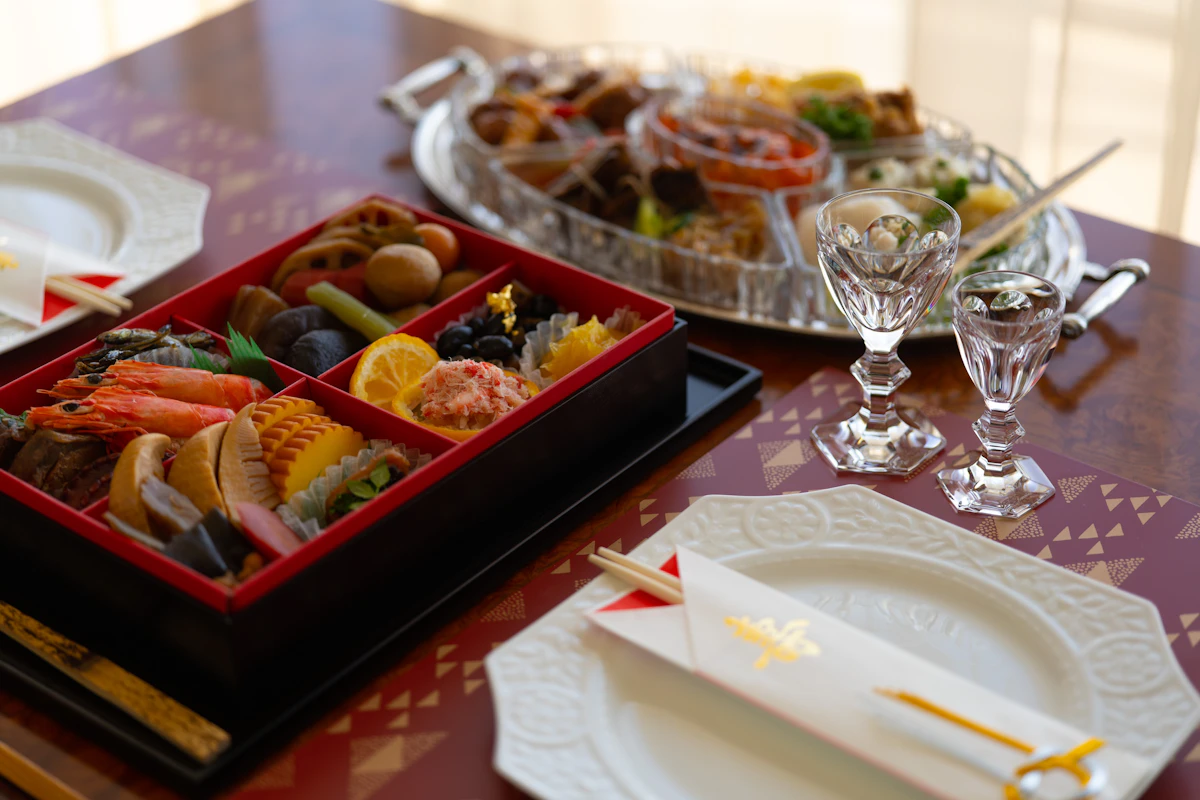
Walk into a Tokyo izakaya, take a seat, and a small dish will appear before you order anything. Edamame, potato salad, simmered vegetables, pickles — the contents vary from place to place. This is *otoshi* (お通し).
The word comes from *tōsu* (通す), meaning "to show a guest to their seat." Otoshi is a starter meant to fill the gap between sitting down and your first order arriving. In the Kansai region around Osaka, some restaurants call it *tsukidashi* (突き出し) instead.
Japan has no tipping culture. Otoshi partly serves as the price of table service — receiving a hot towel, being shown to your seat, having your order taken. In a country where tipping doesn't exist, this custom took its place.
Otoshi also gives a restaurant a chance to show its personality. A traditional *kappo* (割烹) might serve a carefully prepared seasonal simmered dish, while a neighborhood izakaya might set itself apart with house-smoked meat or homemade pickles. Some regulars pick their favorite spots specifically because they look forward to the otoshi.
Not every izakaya charges otoshi. [A 2023 survey by inshokuten.com](https://prtimes.jp/main/html/rd/p/000000563.000001049.html) found that fewer than 40% of responding restaurants still charge for it — down from over half in earlier years.
### How Much Does It Cost?
The price depends on the type of restaurant.
| Restaurant type | Typical otoshi price |
|----------------|---------------------|
| Chain izakaya (e.g. Uoshin) | ¥300–400 per person |
| Independent izakaya | ¥300–500 per person |
| Upscale restaurants / kappo | ¥500–¥1,000+ per person |
At a typical izakaya, expect around ¥300. Prices have crept up slightly with inflation, but it's still in the range of a few hundred yen per person.
Otoshi is charged once per person. Ordering a second round of drinks won't bring a second dish. If you're dining with children who aren't ordering alcohol, most places won't serve them otoshi — though policies vary, so it's worth asking when you sit down.
### Some Places Don't Charge Otoshi
Otoshi is not a universal rule. [Torikizoku (鳥貴族) states on its website](https://torikizoku.co.jp/about/) that it charges no otoshi, table fee, or late-night surcharge. At some other chains, you can decline by saying you don't want it.
More restaurants are waiving otoshi for foreign visitors, or letting customers opt out if they ask. Some multilingual menus list it as "cover charge" in English, so you can check the menu or signage at the entrance before sitting down.
If you want to ask about otoshi, these phrases work:
> To a staff member: *"Otoshi wa arimasu ka?"* (お通しはありますか?) — "Is there an otoshi?"
>
> To decline: *"Otoshi nashi de onegai shimasu"* (お通しなしでお願いします) — "No otoshi, please"
---
## Four Types of Extra Charges at Tokyo Restaurants
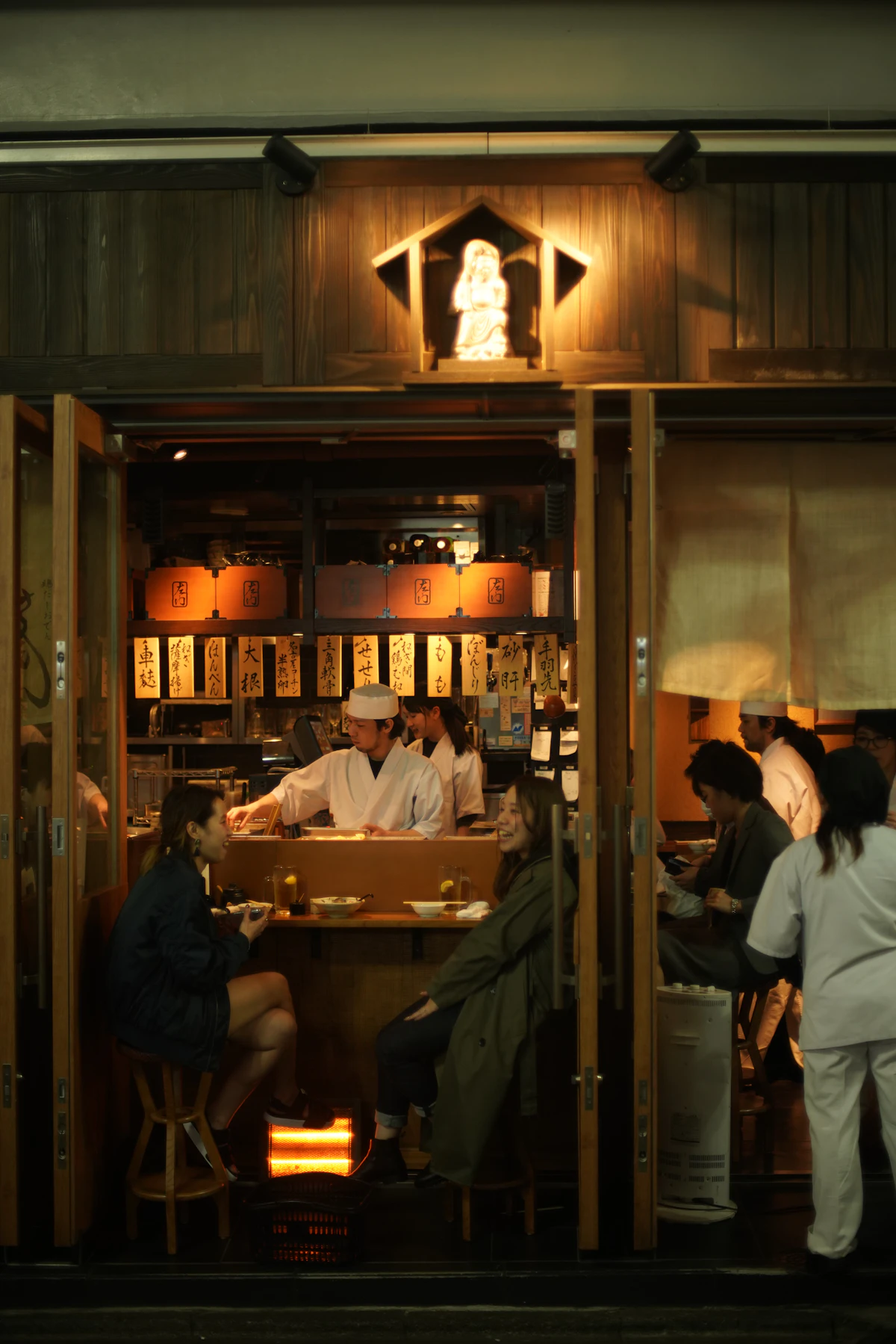
Beyond otoshi, there are other charges that may appear on your bill in Tokyo. Here are the four types.
| Charge | What it is | Typical amount | Where you'll see it |
|--------|-----------|----------------|-------------------|
| Otoshi (お通し) | A small dish served before you order | ¥300–500/person | Izakaya |
| Table charge (席料) | Fee for using the seat | ¥300–1,000/person | Bars, private-room izakaya |
| Service charge (サービス料) | Fee for table service | 10–15% of food & drink total | High-end restaurants, hotels |
| Consumption tax (消費税) | National tax | 10% dine-in / 8% takeout | All restaurants |
### Table Charge Is Separate from Otoshi
A table charge — *sekiryō* (席料) — is a fee just for sitting at the table. No food comes with it. At a bar, you'll typically pay ¥500–1,000 when you take a seat at the counter. In Ginza or at hotel bars, it can run ¥1,500 or more.
At izakaya with private rooms, you may be charged both otoshi and a private-room fee. If otoshi is ¥300 and the room fee is ¥500, that's ¥800 per person on top of your food and drinks. In Japan, private rooms are commonly booked for workplace welcome and farewell parties, and it's not unusual for the organizer to get a surprise at the bill when they've overlooked these charges.
### Service Charges at High-End Restaurants
Hotel restaurants and formal Japanese dining establishments add a service charge of 10–15% on top of your food and drink total. Consumption tax is [calculated on the subtotal including the service charge](https://www.nta.go.jp/law/shitsugi/shohi/20/12.htm), so the math works like this:
- Food & drink: ¥20,000 + Service charge at 10%: ¥2,000 = Subtotal: ¥22,000
- Consumption tax at 10%: ¥2,200
- Total: ¥24,200
Chain izakaya almost never charge a service fee. If a restaurant charges one, it will be noted on the menu or at the entrance — if you don't see it mentioned, there isn't one. When in doubt, ask when you arrive.
### Consumption Tax
Japan's consumption tax is [10% for dine-in and 8% for takeout](https://www.nta.go.jp/taxes/shiraberu/zeimokubetsu/shohi/keigenzeiritsu/01.htm). Buy the same onigiri at a convenience store, and the tax rate changes depending on whether you eat it in the store's seating area (10%) or take it home (8%).
Since April 2021, [tax-inclusive pricing has been mandatory](https://www.nta.go.jp/taxes/shiraberu/taxanswer/shohi/6902.htm), so prices on menus already include consumption tax. A few restaurants still show pre-tax prices — look for 税込 (*zeikomi*, tax included) or 税抜 (*zeinuki*, before tax) next to the price.
One important note: [tax-free shopping does not apply to restaurant meals](https://www.nta.go.jp/taxes/shiraberu/taxanswer/shohi/6559.htm). The tax-free system covers goods you take out of Japan, not food eaten on the premises.
---
## What It Actually Costs — Three Scenarios
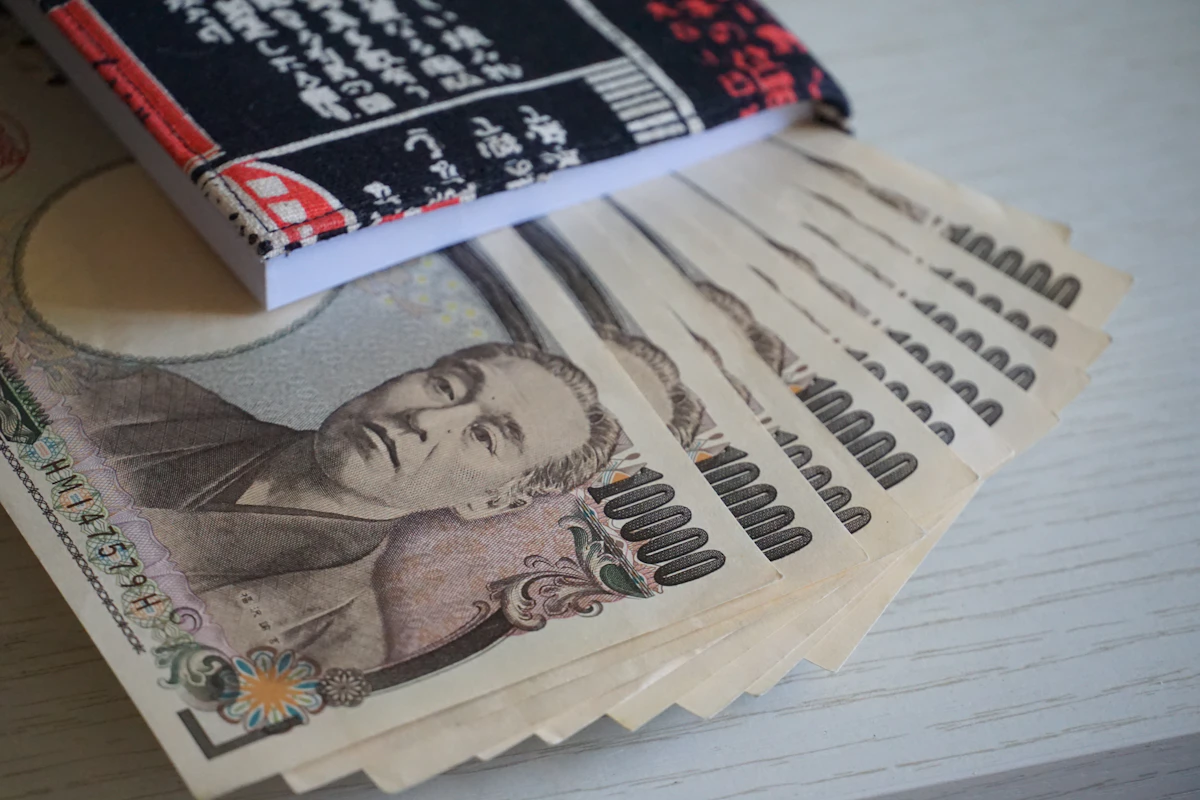
Here's what the extra charges look like in practice.
**Two people at a chain izakaya**
Otoshi: ¥350 × 2 = ¥700. If food and drinks come to ¥3,000 per person, the total is ¥6,700 (tax included). The extra charges add about 12% to the food bill.
**Four people at a private-room izakaya (welcome party)**
Otoshi: ¥400 × 4 + Private room: ¥500 × 4 = ¥3,600. At ¥4,000 per person in food and drinks, the total is ¥19,600 (tax included) — ¥4,900 per person. If the organizer budgeted ¥4,000 per head, they're ¥900 short. Better to estimate ¥5,000 per person to account for the extras.
**Dinner for two at a hotel restaurant**
Food & drink: ¥20,000 × 2 + Service charge at 10% (¥4,000) + Tax at 10% (¥4,400) = ¥48,400 total. If you were expecting a ¥40,000 evening, that's an ¥8,400 surprise.
### How to Check Before You Go
Otoshi and table charges are increasingly posted on menus and signage at the entrance. On reservation sites like Tabelog and Hot Pepper Gourmet, look at the "Course details" or "Notes" section at the bottom of a course page — many restaurants list otoshi, table charges, and service fees there. If it's not listed, the quickest way to find out is to ask in the reservation form's comment field or via message.
> When booking: *"Otoshi ya sekiryō wa kakarimasu ka?"* (お通しや席料はかかりますか?) — "Are there otoshi or table charges?"
---
## What to Do If Your Bill Seems High
If the total feels higher than expected, check the receipt. Otoshi, table charges, and service fees are usually listed as separate line items, so you can see exactly where each charge came from.
If the receipt is hard to read, it's perfectly fine to ask a staff member.
> To a staff member: *"Okaikei wo kakunin shite mo ii desu ka?"* (お会計を確認してもいいですか?) — "Can I check the bill?"
Asking about your bill isn't rude in Japan.
If you believe you've been charged unfairly, the [Japan National Consumer Affairs Center's Visitor Hotline](https://www.cht.kokusen.go.jp/en/index.html) offers support in multiple languages including English.
---
## Related Articles
- [Restaurant Booking Guide](/guides/restaurant-booking-tokyo) — Compare English-friendly reservation services
- [Payment Methods in Tokyo](/guides/payment-methods) — Cash, cards, and PayPay
- [Tokyo Etiquette Guide](/guides/etiquette-tokyo) — Manners for trains, onsen, and shrines
---
**References:**
- National Tax Agency, "Reduced Tax Rate System for Consumption Tax" https://www.nta.go.jp/taxes/shiraberu/zeimokubetsu/shohi/keigenzeiritsu/01.htm (accessed 2026-04-07)
- National Tax Agency, "Tax-Inclusive Pricing Obligation" https://www.nta.go.jp/taxes/shiraberu/taxanswer/shohi/6902.htm (accessed 2026-04-07)
- National Tax Agency, "Consumption Tax Treatment of Service Charges" https://www.nta.go.jp/law/shitsugi/shohi/20/12.htm (accessed 2026-04-07)
- National Tax Agency, "Scope of Export Tax Exemption" https://www.nta.go.jp/taxes/shiraberu/taxanswer/shohi/6559.htm (accessed 2026-04-07)
- Japan National Consumer Affairs Center, "Visitor Hotline" https://www.cht.kokusen.go.jp/en/index.html (accessed 2026-04-08)
- JNTO, "Drinking the Japanese Way" https://www.japan.travel/en/us/blog/drinking-the-japanese-way/ (accessed 2026-04-07)
---
# Where to Live in Tokyo as a Foreigner — 23 Wards Area Guide (2026)
> Rent from ¥70K to ¥150K, commute times to Shinjuku/Shibuya, foreign resident communities, English-friendly services — all 23 wards compared with official data so you can pick the right neighborhood.
- **URL**: https://tokyo.how/guides/tokyo-special-wards-guide
- **Category**: Living
- **Audience**: both
- **Published**: 2026-02-16
- **Updated**: 2026-05-26
- **Tags**: where to live in Tokyo, best ward Tokyo, foreigner, rent comparison, moving
---
## Special Wards Are Basically Cities
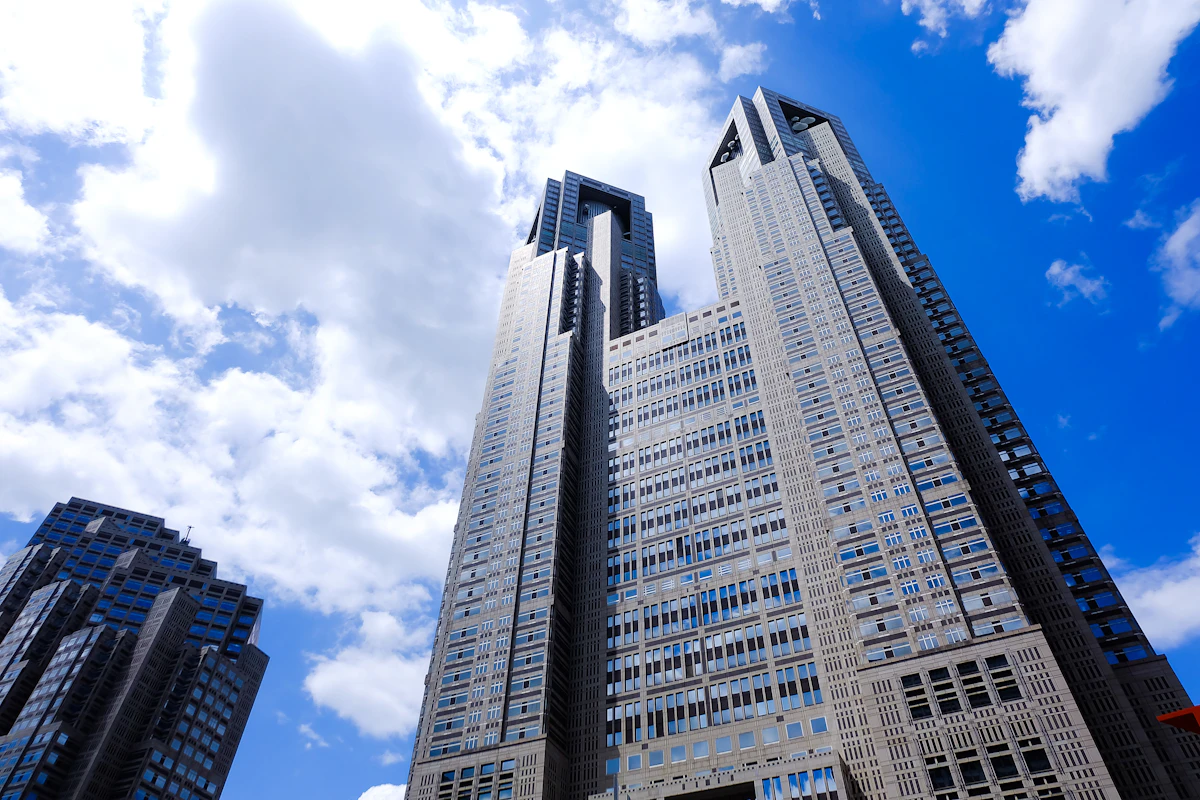
Tokyo's 23 wards are officially called 特別区 (*tokubetsu-ku*) — "special wards." Since a [2000 revision to Japan's Local Autonomy Act](https://www.soumu.go.jp/main_sosiki/jichi_gyousei/bunken/chihou-koukyoudantai_kubun.html), they've been classified as "basic local public entities," the same legal status as cities, towns, and villages elsewhere in Japan.
Each ward has its own elected mayor (区長 / *kuchō*) and ward assembly (区議会 / *kugikai*), with the power to enact local ordinances. This is fundamentally different from the "wards" in cities like Yokohama or Osaka — those are administrative divisions with no independent authority. Tokyo's special wards are self-governing municipalities, as [the Special Ward Council explains](https://www.tokyo-23city.or.jp/chosa/tokubetsuku/whats.html).
Resident registration, national health insurance, long-term care insurance, trash collection, and childcare support — services that directly affect daily life are run independently by each ward. For the full list of procedures after moving, see our [ward office procedures guide](/guides/tokyo-ward-office-moving-guide). Meanwhile, water supply, sewerage, and fire services are [managed centrally by the Tokyo Metropolitan Government](https://www.tokyo-23city.or.jp/chosa/tokubetsuku/whats.html). Water bills and fire response are the same no matter which ward you live in, so those aren't factors when choosing where to move.
[The total population of the 23 wards is approximately 9.73 million (as of January 2025)](https://www.toukei.metro.tokyo.lg.jp/juukiy/2025/jy25000001.htm), accounting for about 70% of [Tokyo's total population of 14 million](https://www.toukei.metro.tokyo.lg.jp/juukiy/2025/jy25000001.htm). Setagaya Ward (世田谷区) has a population comparable to a mid-sized city.
---
## What Changes When You Change Wards?
It's easy to think of the 23 wards as one big "Tokyo," but the practical differences in daily life are significant.
### Rent Varies Widely Across the 23 Wards
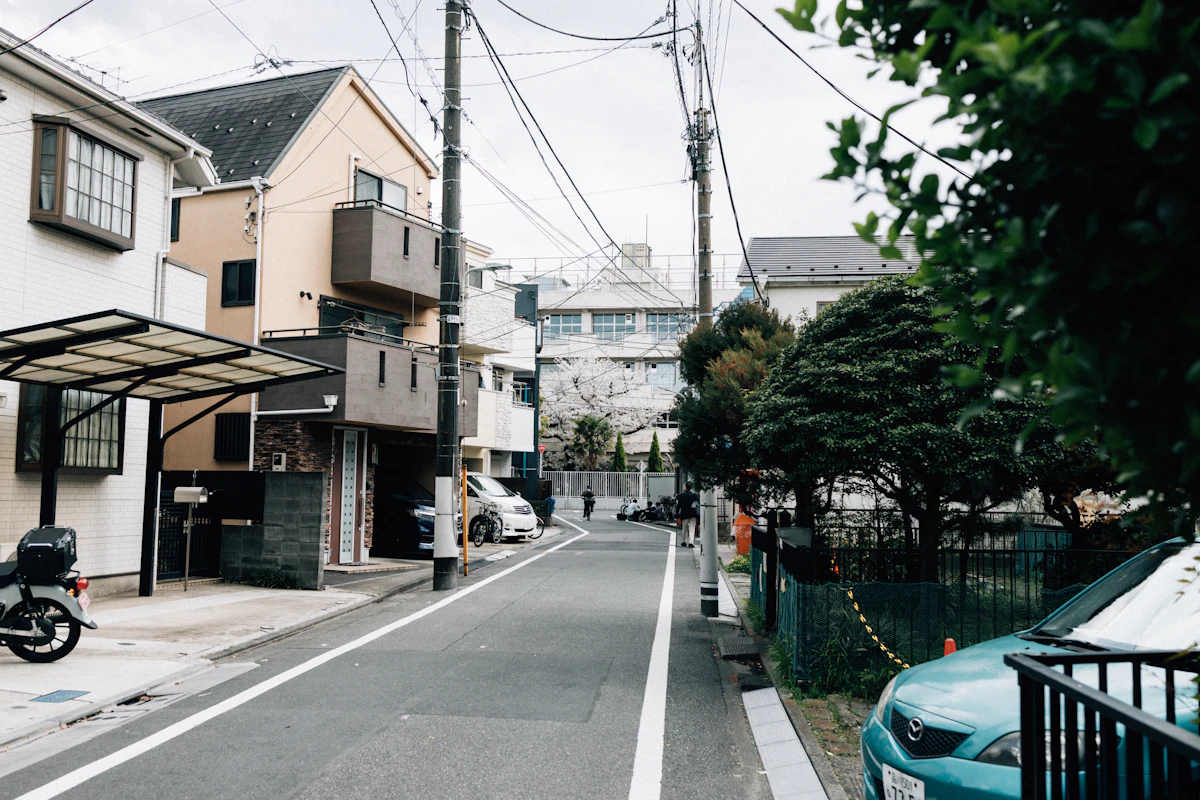
1R/1K (studio/one-room) rents differ considerably by area:
| Area | Approx. 1R/1K Rent |
|------|-------------------|
| Central (Minato, Chiyoda, Shibuya) | ¥100,000–120,000 |
| Sub-center (Shinjuku, Toshima, Nakano) | ¥80,000–110,000 |
| South (Setagaya, Meguro, Shinagawa) | ¥80,000–120,000 |
| East (Katsushika, Adachi, Edogawa) | ¥70,000–75,000 |
| North (Itabashi, Nerima, Kita) | ¥70,000–80,000 |
*Rent figures are approximate averages from [SUUMO](https://suumo.jp/chintai/soba/tokyo/) listings (as of January 2026).*
Even with the same floor plan, the difference between wards can be ¥30,000–50,000 per month — ¥360,000–600,000 per year. Whether that trade-off is worth it depends on your commute and lifestyle.
One thing worth noting: rent varies significantly even *within* the same ward depending on the nearest station and distance from it. Comparing by station is often more useful than comparing by ward.
### Childcare: Universal Baseline Plus Ward-Specific Extras
Since April 2023, children's medical care has been free for ages 0–18 across all 23 wards, with no income restrictions. The Tokyo Metropolitan Government's [018 Support program](https://018support.metro.tokyo.lg.jp/) also pays ¥5,000/month (¥60,000/year) per child up to age 18 — this too applies to all wards.
The differences emerge in ward-specific programs that go beyond the baseline.
[Chiyoda Ward pays a ¥15,000/month allowance for junior high and high school students](https://www.city.chiyoda.lg.jp/koho/kosodate/teate/chukosei-oenteate.html) and offers [up to ¥310,000 in birth expense subsidies](https://www.city.chiyoda.lg.jp/koho/kosodate/teate/shussanhiyojosei.html). [Edogawa Ward pays ¥13,000/month to families raising a child under 1 at home](https://www.city.edogawa.tokyo.jp/e049/kosodate/kosodate/teateshien/youiku.html) and leads in long-term childcare leave support. [Shinagawa Ward gives birthday gift points](https://www.city.shinagawa.tokyo.jp/PC/kodomo/kodomo-kateisoudan/20231114155458.html) (¥60,000 worth for the first child) when a child turns 1.
These ward-specific programs change every fiscal year, so check the childcare pages on your candidate ward's official website before committing to a move. For a detailed look at the enrollment process and what to expect, see our guide on [daycare and kindergarten in Tokyo for foreigners](/guides/daycare-kindergarten-tokyo-foreigner).
### Commuting Depends on the Train Line, Not the Ward
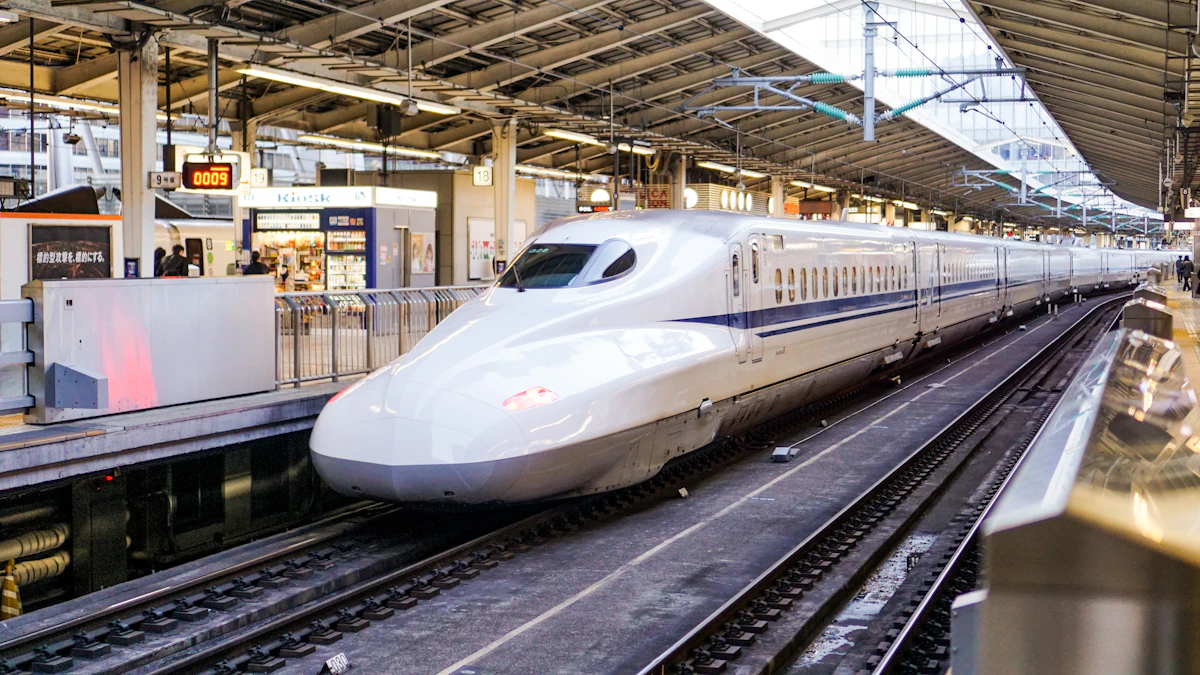
Your commuting experience in Tokyo depends less on which ward you live in and more on which train line and station you're near. Within the same ward, living near an express-stop station versus a bus-dependent area can mean a 30+ minute difference in commute time. For shorter distances, cycling is a practical alternative in many residential areas — see our [cycling in Tokyo guide](/guides/cycling-in-tokyo) for rules, routes, and bike parking tips.
If your workplace is fixed, the practical approach is to look up commute times on a route-search app (Navitime, Yahoo! Transit) first, then narrow down candidate areas. "Inside the 23 wards" doesn't automatically mean "convenient." [The western edge of Nerima Ward is about 50 minutes from central Tokyo](https://www.navitime.co.jp/transfer/searchlist?orvStationName=%E5%A4%A7%E6%B3%89%E5%AD%A6%E5%9C%92&dnvStationName=%E6%9D%B1%E4%BA%AC), while Kichijōji (吉祥寺) in Musashino City — technically *outside* the 23 wards — is [about 13 minutes to Shinjuku on the Chūō Line Rapid](https://www.navitime.co.jp/transfer/searchlist?orvStationName=%E5%90%89%E7%A5%A5%E5%AF%BA&dnvStationName=%E6%96%B0%E5%AE%BF). Our [station navigation guide](/guides/station-navigation-tokyo) covers how to use these apps effectively.
Rush-hour congestion also varies dramatically by line. In our experience, east-west lines like the Chūō, Sōbu, and Tōzai lines tend to be the most crowded, while north-south lines like the Fukutoshin and Namboku lines are comparatively manageable. If you're seriously considering an area, try riding the candidate line during weekday morning rush at least once.
### Foreign Resident Communities
[Tokyo had approximately 720,000 foreign residents as of January 2025](https://www.toukei.metro.tokyo.lg.jp/juukiy/2025/jy25000001.htm), with about 540,000 living in the 23 wards. The wards with the highest concentrations of foreign residents are Shinjuku (新宿区), Toshima (豊島区), and Arakawa (荒川区). These wards tend to have multilingual service windows and foreign resident support programs, making administrative procedures easier even if your Japanese is limited.
Specific national communities cluster in certain areas. An Indian community has formed around Nishi-Kasai (西葛西) in Edogawa Ward ([approximately 8,100 people, per Edogawa Ward's official data](https://www.city.edogawa.tokyo.jp/e083/kurashi/kyosei/tabunka/zinkou.html)), with Indian grocery stores and international schools nearby. Around Ikebukuro (池袋) in Toshima Ward, you'll find a stretch of Myanmar restaurants.
Having access to a community that shares your language makes a real difference in daily comfort. Note that some landlords reject foreign applicants, so wards with larger foreign populations tend to have more foreigner-friendly rental options. For the full apartment-hunting process, see [how to find an apartment in Tokyo](/guides/how-to-find-apartment-tokyo). For building connections, see our guide on [making friends in Tokyo as an expat](/guides/making-friends-tokyo-expat).
---
## Same Tax Rate, Different Budgets
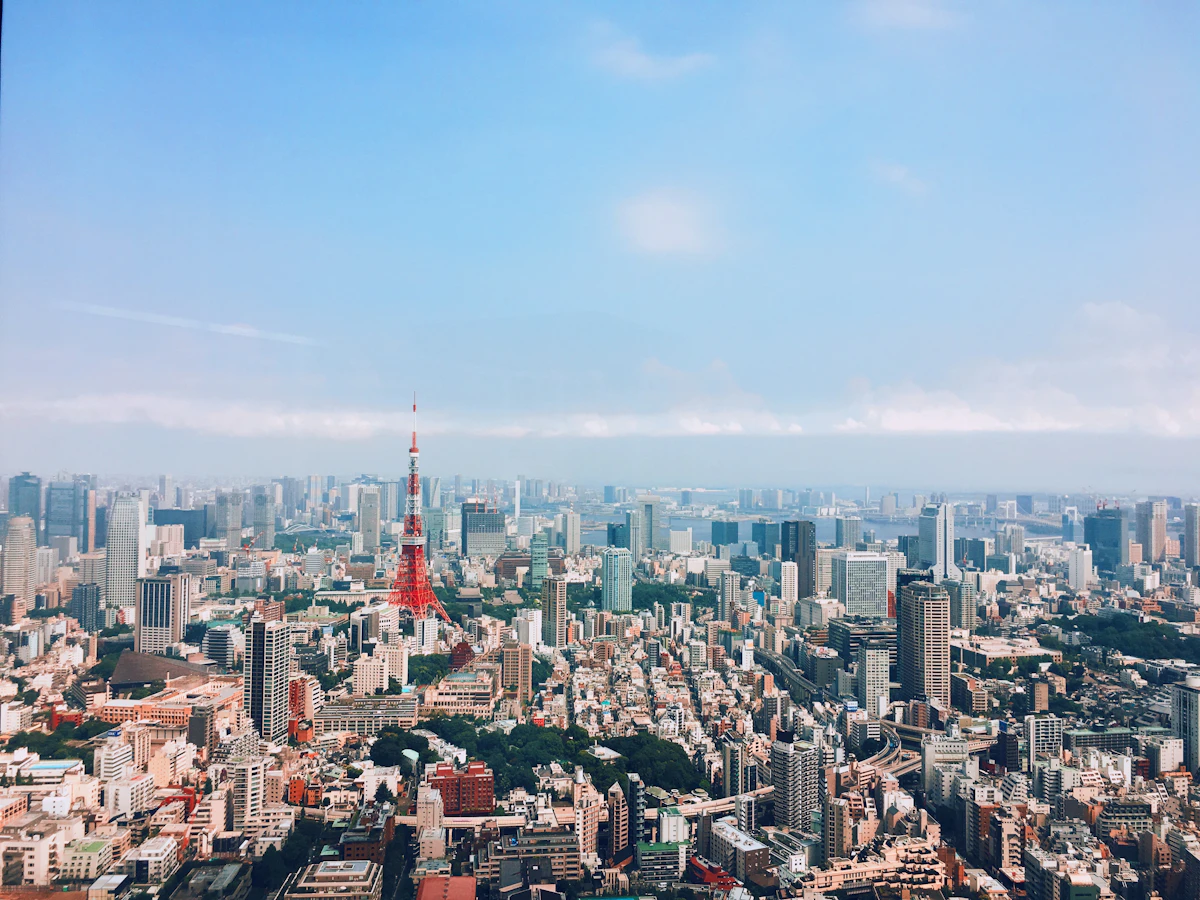
A persistent myth: "Minato Ward has higher taxes" or "Adachi Ward is cheaper." This is false. [Individual resident tax rates are identical across all 23 wards](https://www.tax.metro.tokyo.lg.jp/kazei/life/kojin_ju): ward tax at 6% (income-based) + ¥3,000 (flat), plus metropolitan tax at 4% + ¥1,000. Since FY2024, a national [Forest Environment Tax (¥1,000/year)](https://www.soumu.go.jp/main_sosiki/jichi_zeisei/czaisei/czaisei_seido/150790_18.html) is also collected alongside resident tax, but this too is uniform. Your tax bill doesn't change based on which ward you choose.
So why do wards offer different levels of service? Because of the [Metropolitan-Ward Financial Adjustment System](https://www.tokyo23city-kuchokai.jp/seido/gaiyo_1.html) (都区財政調整制度).
In normal Japanese municipalities, the city collects property tax and corporate resident tax. In the 23-ward area, the Tokyo Metropolitan Government collects these instead and [redistributes 56% (as of FY2025) back to the wards](https://www.tokyo23city-kuchokai.jp/seido/gaiyo_1.html) based on each ward's calculated fiscal needs. The remaining 44% becomes metropolitan revenue.
[The total redistribution for FY2025 is approximately ¥1.3 trillion](https://www.metro.tokyo.lg.jp/information/press/2025/02/2025020306). This system ensures that even wards with less independent revenue can maintain baseline services.
The tax rate is the same everywhere, but each ward's financial situation differs. That difference shows up in the generosity of ward-specific childcare programs and infrastructure investment.
---
## The 23 Wards by Area
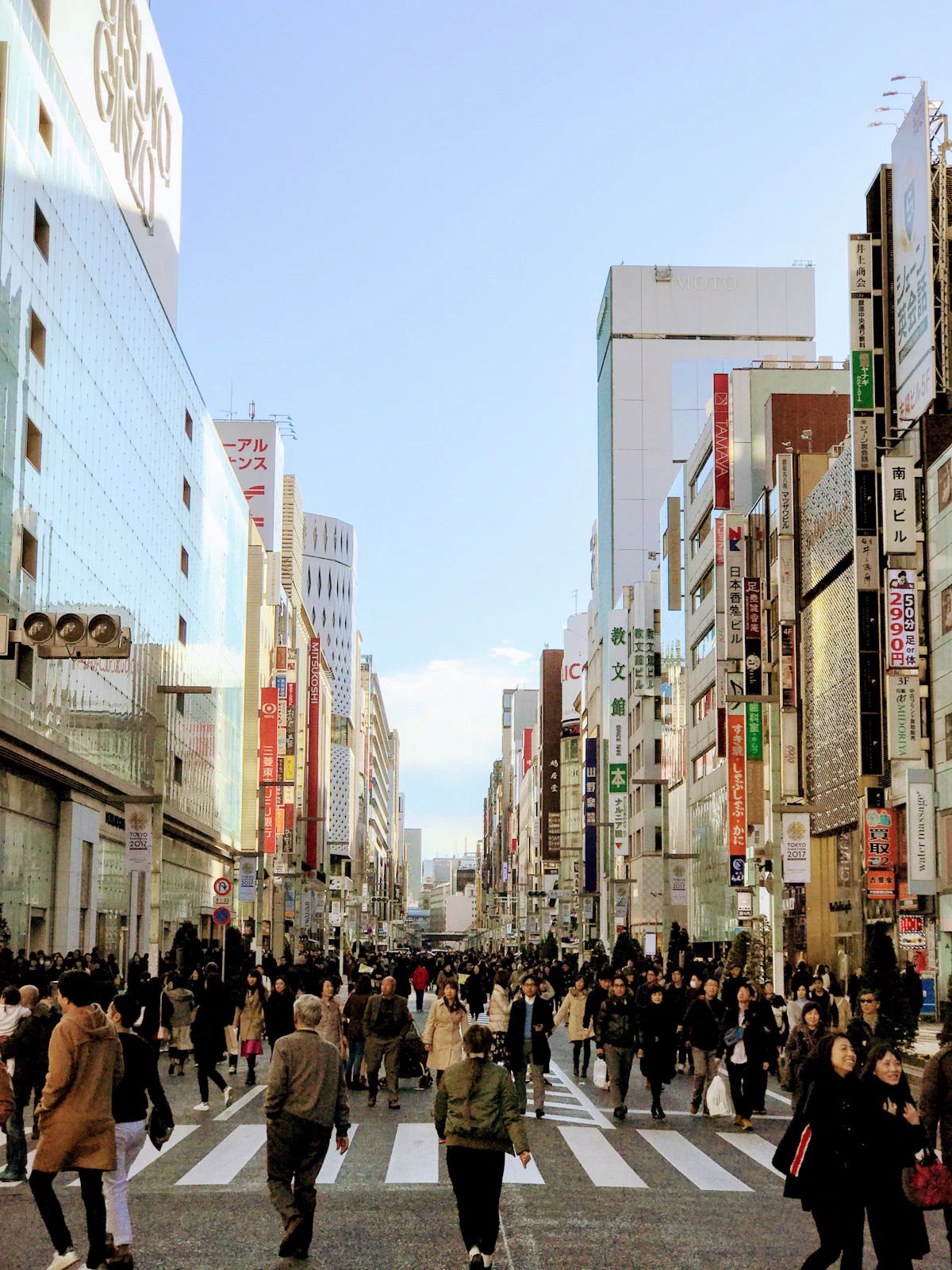
Grouping the 23 wards into five areas makes the landscape easier to navigate.
**Central (Chiyoda, Chūō, Minato)**
The business and commercial core, with [the highest rents in the 23 wards](https://suumo.jp/chintai/soba/tokyo/). Chosen by people who prioritize a short commute or have employer housing subsidies. Daytime population dwarfs nighttime population — the Marunouchi (丸の内) office district is surprisingly quiet on weekends.
**Sub-center (Shinjuku, Shibuya, Toshima, Bunkyō)**
Major terminal stations with excellent transit access, but also busy entertainment districts. Bunkyō (文京区) stands apart — home to the University of Tokyo and Tokyo Medical and Dental University, it's a quiet residential area popular with families focused on education. Shinjuku and Toshima have high foreign resident populations and a multicultural feel.
**South (Shinagawa, Meguro, Ōta, Setagaya)**
Established residential areas. Setagaya (世田谷区) is the most populous ward in the 23 wards. Jiyūgaoka (自由が丘) in Meguro and Okusawa (奥沢) in Setagaya have a calm atmosphere where even a walk reveals the neighborhood's character. The Kamata (蒲田) area in Ōta Ward is relatively affordable and close to Haneda Airport.
**East (Taitō, Sumida, Kōtō, Katsushika, Adachi, Edogawa, Arakawa)**
The most affordable area, where the same budget gets you a larger apartment — a major advantage. Around Yanaka (谷中) and Asakusa (浅草), traditional downtown shopping streets remain, with lines forming at local deli shops in the evenings. Meanwhile, the Toyosu (豊洲) and Ariake (有明) waterfront in Kōtō Ward has seen rapid tower-apartment development and a surge of young families. The character varies widely even within this "eastern" group.
**North (Nakano, Suginami, Nerima, Itabashi, Kita)**
A practical balance between commute times and rent. Nakano (中野) and Suginami (杉並) sit along the Chūō Line with quick access to Shinjuku, attracting younger residents. Nerima (練馬) and Itabashi (板橋) have large green spaces like Hikarigaoka Park (光が丘公園) and Shakujii Park (石神井公園), for those who want open skies on weekends.
---
## Candidate Wards by Lifestyle
Knowing each area's character is one thing — deciding where to actually live is another. Filtering by your top priority makes the choice more manageable.
### Keeping Rent as Low as Possible
**Top picks:** Adachi, Katsushika, Edogawa, Itabashi, Nerima
[1R/1K rents run ¥70,000–80,000](https://suumo.jp/chintai/soba/tokyo/). The same budget gets you a noticeably larger apartment than in central Tokyo. Expect a [30–50 minute commute](https://www.navitime.co.jp/transfer/searchlist?orvStationName=%E7%AB%B9%E3%83%8E%E5%A1%9A&dnvStationName=%E6%9D%B1%E4%BA%AC) to the city center. Areas along the Nippori-Toneri Liner (Adachi) and Tsukuba Express (near Adachi/Katsushika) are seeing redevelopment, so newer buildings at reasonable rents are easier to find.
### Minimizing Your Commute
**Top picks:** Chiyoda, Chūō, Minato, Bunkyō, Shibuya
Living two or three stations from your office can bring a door-to-door commute under 30 minutes. Rent is high, but once you factor in savings on commuter passes and reclaimed time, the total cost sometimes tips in favor of living closer. If your employer offers a housing allowance, these wards are worth serious consideration.
### Prioritizing a Family-Friendly Environment
**Top picks:** Edogawa, Chiyoda, Shinagawa, Bunkyō, Setagaya
[Edogawa leads with its ¥13,000/month at-home childcare allowance](https://www.city.edogawa.tokyo.jp/e049/kosodate/kosodate/teateshien/youiku.html) (for children under 1) and long-term childcare leave support. [Chiyoda offers a ¥15,000/month allowance for junior high and high school students](https://www.city.chiyoda.lg.jp/koho/kosodate/teate/chukosei-oenteate.html) plus generous birth subsidies. Bunkyō is valued for its proximity to university hospitals and strong educational reputation. Setagaya has plenty of parks, making everyday life with young children easier.
### Living Near a Foreign Community
**Top picks:** Shinjuku, Toshima, Arakawa, Edogawa
Shinjuku and Toshima are broadly multinational. Around Nishi-Kasai in Edogawa, there's an [Indian community](https://www.city.edogawa.tokyo.jp/e083/kurashi/kyosei/tabunka/zinkou.html), while around Ikebukuro in Toshima, a Myanmar community has formed. Choosing a ward with multilingual services at the ward office makes administrative procedures much smoother when your Japanese is still a work in progress.
### Finding Peace and Quiet Away from Entertainment Districts
**Top picks:** Bunkyō, Setagaya (Okusawa/Yoga area), Meguro (Jiyūgaoka/Toritsudaigaku area), Suginami (Hamadayama/Kugayama area)
These neighborhoods offer a calm residential atmosphere without sacrificing access to central Tokyo. Bunkyō has virtually no entertainment district — it's mostly universities and housing. Parts of Setagaya, Meguro, and Suginami feature quiet residential streets just a few stations away from major hubs.
---
## Common Mistakes When Choosing a Ward
### Optimizing Only for Rent and Regretting the Commute
Saving ¥30,000/month on rent sounds great — until your commute is 20 minutes longer each way. That's roughly 160 hours per year (about 7 full days) spent in transit. Commuting stress is a cost that doesn't show up on a spreadsheet.
Rather than comparing rent alone, try weighing the total picture: commute time, number of transfers, crowding level, and proximity to daily necessities.
### Taking "10 Minutes from Station" at Face Value
Japanese real estate ads calculate walking time at 80 meters per minute, as defined by [fair competition rules](https://www.rftc.jp/koseikyosokiyaku/). Hills, traffic lights, and railroad crossings are not factored in. A listed "10-minute walk" can easily take 15 minutes or more in practice.
If you find a promising listing, walk the route from the station yourself — ideally during morning commute hours.
### Not Researching Ward Services Before Moving
Childcare programs, medical subsidies, and community resources differ between wards. It's not uncommon for families to move and then realize their previous ward had better support.
If you have children or are planning to, check the childcare pages on candidate ward websites *before* you start searching for apartments. The order matters. For the full apartment-hunting process, see [how to find an apartment in Tokyo](/guides/how-to-find-apartment-tokyo).
---
## Beyond the 23 Wards
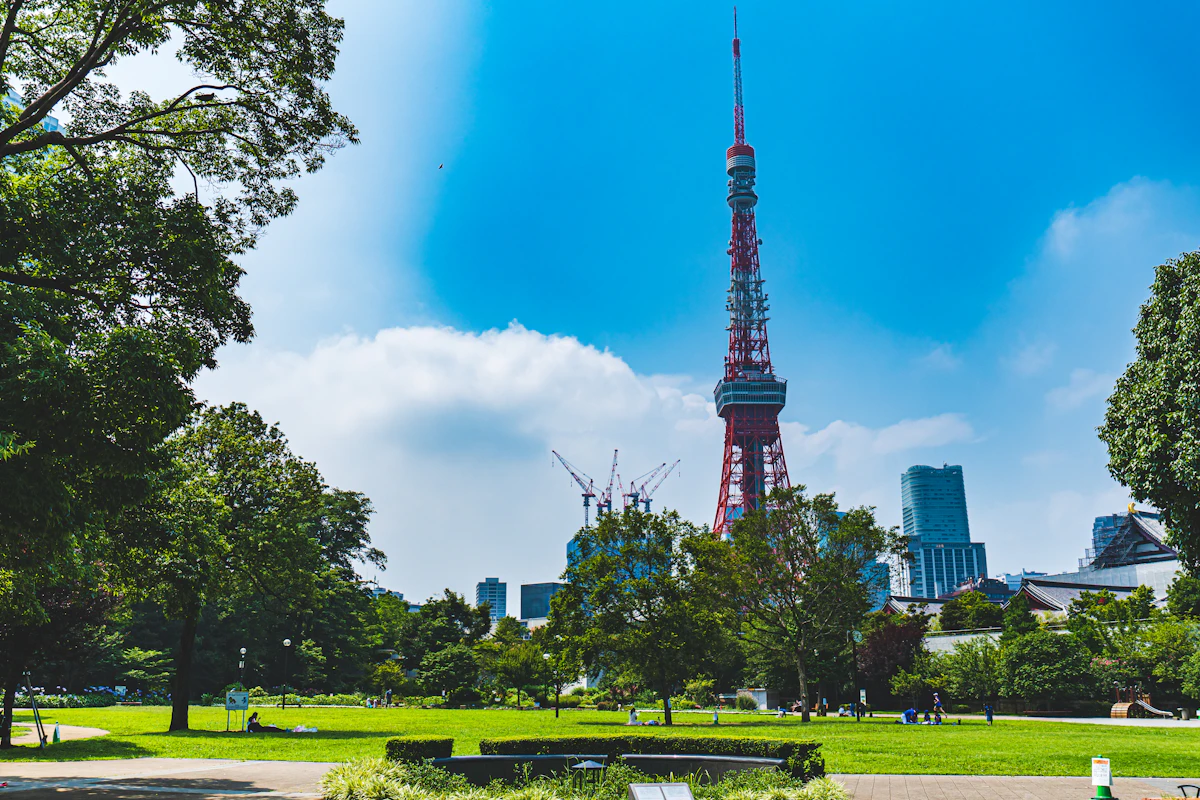
"Living in Tokyo" doesn't have to mean "living in the 23 wards." The Tama region (western Tokyo) and neighboring prefectures are viable alternatives.
Musashino City (Kichijōji Station / 吉祥寺駅) and Mitaka City are [13–20 minutes from Shinjuku on the Chūō Line](https://www.navitime.co.jp/transfer/searchlist?orvStationName=%E5%90%89%E7%A5%A5%E5%AF%BA&dnvStationName=%E6%96%B0%E5%AE%BF). Rents are comparable to the eastern 23 wards, with well-developed parks and commercial areas. Chōfu and Fuchū along the Keiō Line offer even lower rents with good Shinjuku access.
Kawasaki (Kanagawa Prefecture) and Urayasu (Chiba Prefecture) are also within commuting distance of central Tokyo, generally at lower rents. If having a "Tokyo" address isn't important to you, the best balance of commute time and rent may be outside the ward boundaries.
---
## What to Do After Choosing a Ward
Once you've narrowed down your candidate wards, these steps will help you move efficiently:
1. **Search for apartments** — Our guide on [how to find an apartment in Tokyo](/guides/how-to-find-apartment-tokyo) covers everything from listing sites to contract signing
2. **Check your candidate ward's official website for childcare and medical programs** — Ward-specific programs change every fiscal year, so the ward's own site is the most reliable source
3. **Test your commute route** — Ride the candidate train line during weekday morning rush to feel the crowding and actual travel time
4. **Understand post-move procedures** — Our [ward office procedures guide](/guides/tokyo-ward-office-moving-guide) walks you through resident registration, insurance, and pension enrollment
---
## Related Articles
- [Living in Tokyo's Tama Region](/guides/tokyo-tama-cities-guide) — The 26 cities west of the 23 wards, with lower rent and more space
- [How to Find an Apartment in Tokyo](/guides/how-to-find-apartment-tokyo) — Full process from apartment hunting to contract signing
- [How Payments Work in Japan](/guides/payment-methods) — The payment methods you'll use in daily life after moving
---
**References:**
- Special Ward Council, "What Are Special Wards?" https://www.tokyo-23city.or.jp/chosa/tokubetsuku/whats.html (Accessed: 2026-02-16)
- Tokyo Bureau of Statistics, "Population by Resident Registration, January 2025" https://www.toukei.metro.tokyo.lg.jp/juukiy/2025/jy25000001.htm (Accessed: 2026-02-16)
- Ministry of Internal Affairs and Communications, "Classification of Local Public Entities" https://www.soumu.go.jp/main_sosiki/jichi_gyousei/bunken/chihou-koukyoudantai_kubun.html (Accessed: 2026-02-16)
- Special Ward Mayors' Association, "Overview of the Metropolitan-Ward Financial Adjustment System" https://www.tokyo23city-kuchokai.jp/seido/gaiyo_1.html (Accessed: 2026-02-16)
- Tokyo Bureau of Taxation, "Individual Resident Tax" https://www.tax.metro.tokyo.lg.jp/kazei/life/kojin_ju (Accessed: 2026-02-16)
- Ministry of Internal Affairs and Communications, "Forest Environment Tax" https://www.soumu.go.jp/main_sosiki/jichi_zeisei/czaisei/czaisei_seido/150790_18.html (Accessed: 2026-04-08)
- Tokyo Bureau of Statistics, "Foreign Population 2024" https://www.toukei.metro.tokyo.lg.jp/gaikoku/2024/ga24010000.htm (Accessed: 2026-02-16)
- Tokyo Metropolitan Government, "FY2025 Metropolitan-Ward Financial Adjustment" https://www.metro.tokyo.lg.jp/information/press/2025/02/2025020306 (Accessed: 2026-02-16)
---
# Anime & Subculture DJ Events in Tokyo — Venues, Costs & Beginner Guide
> Anime, Vocaloid, and game music DJ events every weekend in Tokyo. Venues like Akihabara MOGRA, entry costs, and tips for first-timers.
- **URL**: https://tokyo.how/guides/tokyo-subculture-dj-events
- **Category**: Explore
- **Audience**: both
- **Published**: 2026-02-22
- **Updated**: 2026-02-22
- **Tags**: AniClub, DJ events, subculture, nightlife
- **Start here:** [MOGRA](https://club-mogra.jp/) in Akihabara (秋葉原 / Akihabara). It's the spiritual home of anime-song DJ events and runs something almost every weekend.
- **Budget:** Entry ¥1,500–3,000 + drinks ¥500–700 each. ¥3,000–6,000 covers a full night.
- **No Japanese required.** These events are all about the music, so the language barrier barely exists.
- **Bring your passport.** All-night events restrict entry to ages 20+ (venue policy) and you'll be asked for photo ID at the door.
- Carry cash — some venues accept cash only for entry and drinks.
- **Go-to venues:** [MOGRA](https://club-mogra.jp/) (Akihabara) and [nagomix Shibuya](https://x.com/nagomix0824) (渋谷 / Shibuya) run subculture DJ events frequently.
- **Finding events:** Search **#アニクラ** (#AniClub) on X (formerly Twitter) — it's the most reliable source. RSVPing on [TwiPla](https://twipla.jp/) can sometimes get you a discount.
- **Daytime events are growing.** Events running 12:00–19:00 are an option if all-nighters aren't your thing.
- Unlike mainstream clubs, you can pick events tailored to the exact genre you love.
- **Walk-in DJ sets aren't a thing.** If you want to perform, contact the organizer in advance.
---
## What Is AniClub?
"AniClub" (アニクラ / Anikura) is short for "anime-song club event" (アニソンクラブイベント / anison kurabu ibento). It's a catch-all term for events at clubs and DJ bars where DJs play anime songs, Vocaloid tracks, Touhou arrangements, game music, and other subculture genres.

Two things set AniClub events apart from regular club nights.
The first is **VJs (Visual Jockeys)**. When a DJ drops a track, a VJ syncs the matching anime opening or ending sequence on a big screen in real time. Watching a familiar animation play in perfect sync with the music is a uniquely AniClub experience — and VJs need to identify each song instantly and pull up the right visuals. Get it wrong, and the crowd will let you know.
The second is the **atmosphere**. You don't need "club experience" to feel comfortable here. People show up wearing merch from their favorite series; some come in cosplay. The audience is there because they love anime and games, and that shared enthusiasm makes it easy to blend in.
Since [MOGRA](https://club-mogra.jp/) [opened in Akihabara in 2009](https://club-mogra.jp/about/), the scene has grown steadily, and there's now at least one AniClub event somewhere in Tokyo every weekend.
---
## Genres
"AniClub" is often used as a blanket term, but events are actually broken down by genre.
| Genre | Nickname | What gets played |
|-------|----------|-----------------|
| Anime songs | AniClub (アニクラ) | Anime openings, endings, and insert songs. The most popular category |
| Vocaloid | VocaClub (ボカクラ) | Hatsune Miku and other Vocaloid tracks |
| Touhou | Touhou Club (東方クラブ) | Touhou Project arrangements. Often held during the daytime |
| Game music | — | Game BGM and rhythm-game tracks |
| VTuber | VClub (Vクラ) | VTuber original songs and covers |
There are also niche events for anime-idol franchises (Love Live!, THE iDOLM@STER, etc.) and voice-actor music.
Each event sets its own **"regulation"** (レギュレーション / regyurēshon) — rules about which genres DJs can play. Some events are anime-only, some are Vocaloid-only, and others are all-genre. Checking the event listing beforehand helps you find something that matches your taste.
---
## Key Venues
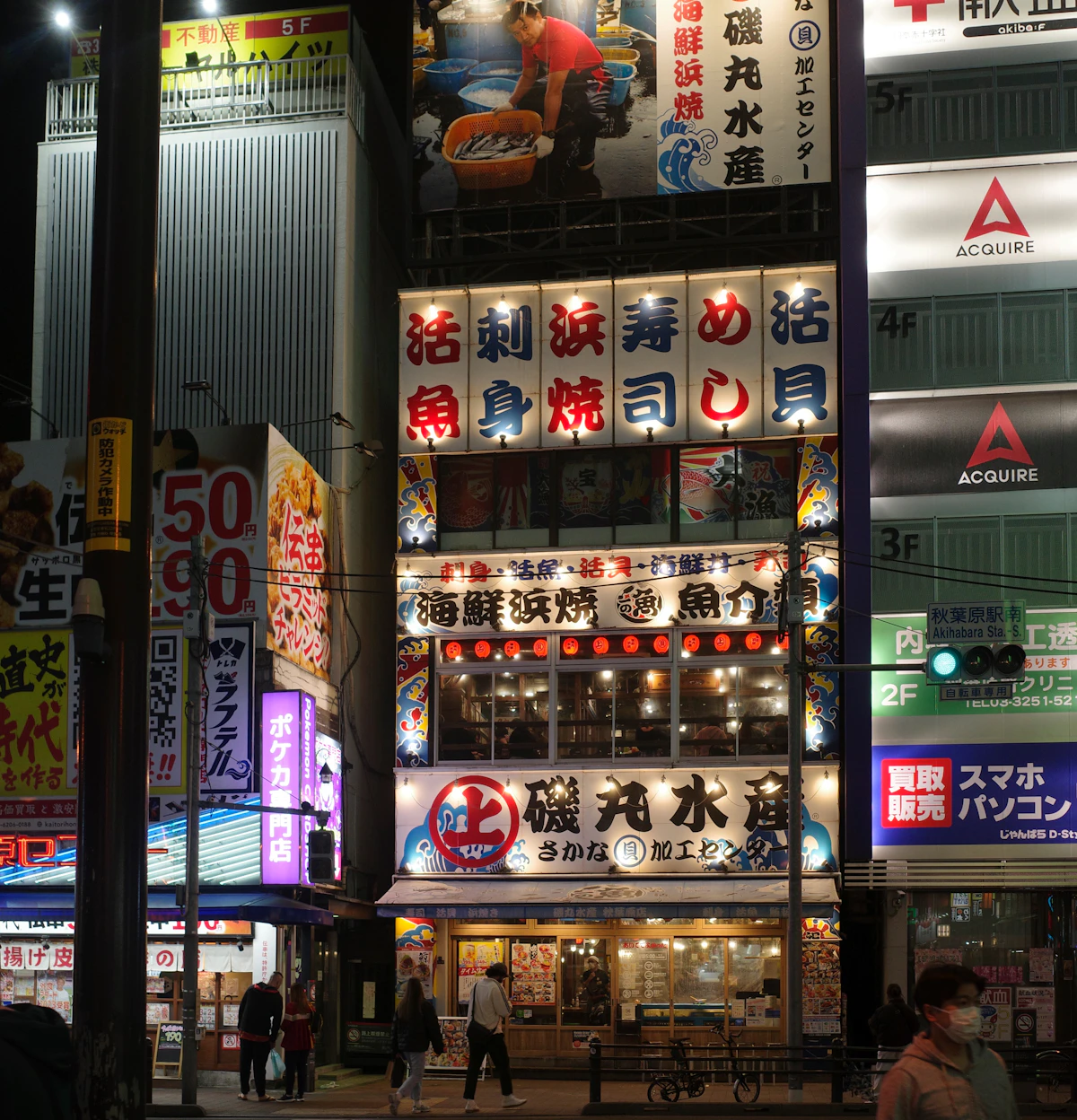
### MOGRA (Akihabara)
[MOGRA](https://club-mogra.jp/) is an anime-song DJ club that [opened in 2009](https://club-mogra.jp/about/), [5 minutes on foot from the Chūō (Central) Exit of Akihabara Station](https://club-mogra.jp/access/). [Capacity is roughly 150 people](https://club-mogra.jp/about/). Each night has a different theme — one might focus on original anime tracks, another on game music. The VJ visuals on the big screen are a highlight.
Events are [streamed free on Twitch](https://www.twitch.tv/mogra), so you can get a feel for the vibe before going in person — a great way to ease first-timer nerves.
There's a cloakroom on site. [The venue is fully non-smoking](https://club-mogra.jp/about/). All-night events require photo ID (ages 20+ only).
### nagomix Shibuya
[nagomix Shibuya](https://x.com/nagomix0824) is a club in Shibuya known for its [180-inch screen and roughly 200-person capacity](http://nagomix.co.jp/). It hosts a wide range of AniClub and Touhou events.
### Other Venues Worth Knowing
Akihabara is also home to **IV AKIHABARA**, a DJ & creators' bar that [opened in December 2024](https://prtimes.jp/main/html/rd/p/000000001.000147880.html). In Ikebukuro (池袋), **Banana Bongo** is an otaku bar and rental space that hosts small, genre-specific events. The staff are happy to show newcomers the ropes, making it a low-pressure way to start.
For large-scale events, venues like **WOMB** in Shibuya and **ZEROTOKYO** in Shinjuku (inside Tokyu Kabukicho Tower / 東急歌舞伎町タワー) are sometimes used.
---
## How to Find Events
### X (Formerly Twitter)
Nearly all AniClub events are announced on X. Search **#アニクラ** to see what's coming up. For Vocaloid, try **#ボカクラ**; for VTuber, **#Vクラ**. Following venue accounts (e.g. [MOGRA: @MOGRAstaff](https://x.com/MOGRAstaff)) is a good way to stay on top of schedules.
### TwiPla
[TwiPla](https://twipla.jp/) is an event-management platform that uses your X account for login. Many AniClub events have a TwiPla page — search the "アニクラ" tag to browse upcoming listings. Some events offer a discount if you RSVP in advance.
### LivePocket
[LivePocket](https://t.livepocket.jp/) is an electronic-ticketing platform used by MOGRA and many other venues. Tickets can be purchased with a credit card or at convenience stores, and entry is via QR code. Pre-buying makes entry faster and is especially recommended for popular events.
---
## What to Know Before Your First Time
### Typical Costs
Small to mid-size events generally charge **¥1,500–2,500 for entry plus ¥500–700 for one drink**. Bigger or special events can run ¥3,000–5,000. If you go easy on alcohol, you can have a full night out for around ¥3,000.
Entry is cash-only at many venues — see [how payments work in Japan](/guides/payment-methods) if you're not sure what to carry. Some events sell electronic tickets through [LivePocket](https://t.livepocket.jp/), but drinks are almost always cash-only.
### Age Restrictions
All-night events (22:00–5:00) are almost universally **restricted to ages 20+** by venue policy (since alcohol is served and Japan's legal drinking age is 20). You'll be asked for photo ID at the door — a driver's license, passport, or My Number Card (マイナンバーカード). Health insurance cards and photocopies won't be accepted.
Daytime events (known as "day events" / デイイベ / dei-ibe) often have no age restriction, and minors can attend as long as they don't order alcohol.
### What to Wear and Bring
There's no dress code. Wearing a T-shirt of your favorite character is common and can actually be a conversation starter. Heels and sandals risk getting stepped on, so sneakers are a safer choice.
Stash your bags in the venue's cloakroom or a coin locker and keep valuables in a small crossbody bag or waist pouch. Venue lockers fill up fast, so leaving luggage in a coin locker at the nearest station beforehand is a good backup plan. Since many venues only take cash for drinks, having ¥3,000–5,000 in cash on you will keep things smooth.
### Going Alone Is Totally Normal
Solo attendance — "bocchi sanka" (ぼっち参加) in Japanese — is completely normal at AniClub events. In fact, attending events alone is one of the best ways of [making friends in Tokyo](/guides/making-friends-tokyo-expat). Plenty of people come alone. There's no obligation to dance; you can hang near the DJ booth and react to your favorite songs, or chill in the lounge with a drink. Enjoy it at your own pace.
---
## Walk-In DJ Sets Are (Almost) Never Allowed

After a few events, you might start thinking, "I want to try DJing." Just know that **showing up on the day and getting behind the decks is almost never an option.**
Nearly every AniClub event has its DJ lineup set in advance. The organizer builds a timetable beforehand, and walk-ins aren't part of the plan. Events that explicitly welcome drop-in DJs do exist, but they're the exception.
If you want to DJ at an event, here are the usual routes:
- **Hit up an open-DJ night.** [MOGRA](https://club-mogra.jp/) runs an open DJ booth on Wednesdays where anyone can get behind the decks — no track record needed.
- **Reach out to the organizer.** Contact them via X or the event page and ask about performing. Having a demo mix ready will help move the conversation along.
- **Organize your own event.** Renting a small venue or DJ bar and hosting your own event is more common than you might think.
---
## Troubleshooting
| Problem | What to do |
|---------|-----------|
| Turned away at the door for ID | You can't enter without photo ID. Bring your passport or driver's license |
| Can't find the venue | Small venues are often in building basements with tiny signs. Pin the location on Google Maps beforehand |
| Don't recognize any of the songs | Check the event's "regulation" (target genre) in advance. Genre-specific events may play tracks you're not familiar with |
| Missed the last train | If it's an all-night event, you can stay at the venue until around 5:00 AM. Check the [last train schedule](/guides/last-train-tokyo-guide) before heading out — first trains start running at 5:00–5:30 |
---
## Alternatives
If going to a club feels like a big step, there are other ways to enjoy the scene.
- **MOGRA's Twitch stream:** [twitch.tv/mogra](https://www.twitch.tv/mogra) broadcasts events for free. You can soak up the atmosphere from home.
- **DJ bars:** Banana Bongo (Ikebukuro) and BECK AKIBA (Akihabara) are DJ bars that play anime music during regular hours. The energy is lower than at events, but you can drop in casually.
- **Anime music live shows:** Live concerts featuring the original artists are held regularly. The vibe is different from a DJ event, but the appeal of hearing anime songs at full volume is the same.
---
## Related Articles
- [Last Train Times in Tokyo](/guides/last-train-tokyo-guide) — Know when the last train leaves so you don't get stranded
- [Payment Methods in Tokyo](/guides/payment-methods) — Know your options before heading to a venue
- [Tokyo Travel Mistakes](/guides/tokyo-travel-pitfalls) — Tips on nightlife, trains, and more for visitors
---
**Sources:**
- MOGRA official website https://club-mogra.jp/ (accessed: 2026-02-22)
- MOGRA About https://club-mogra.jp/about/ (accessed: 2026-02-23)
- MOGRA Access https://club-mogra.jp/access/ (accessed: 2026-02-23)
- MOGRA Twitch https://www.twitch.tv/mogra (accessed: 2026-02-22)
- nagomix Shibuya official http://nagomix.co.jp/ (accessed: 2026-02-23)
- nagomix Shibuya X https://x.com/nagomix0824 (accessed: 2026-02-22)
- IV AKIHABARA press release https://prtimes.jp/main/html/rd/p/000000001.000147880.html (accessed: 2026-02-23)
- TwiPla https://twipla.jp/ (accessed: 2026-02-22)
- LivePocket https://t.livepocket.jp/ (accessed: 2026-02-22)
---
# Living in Tokyo's Tama Region — 26 Cities with Lower Rent and More Space
> 26 cities west of the 23 wards with lower rent and more nature. Rent, childcare, and commute data compared city by city.
- **URL**: https://tokyo.how/guides/tokyo-tama-cities-guide
- **Category**: Living
- **Audience**: both
- **Published**: 2026-02-16
- **Updated**: 2026-02-16
- **Tags**: Tama region, Tokyo, moving, housing
---
## What Is the Tama Region?
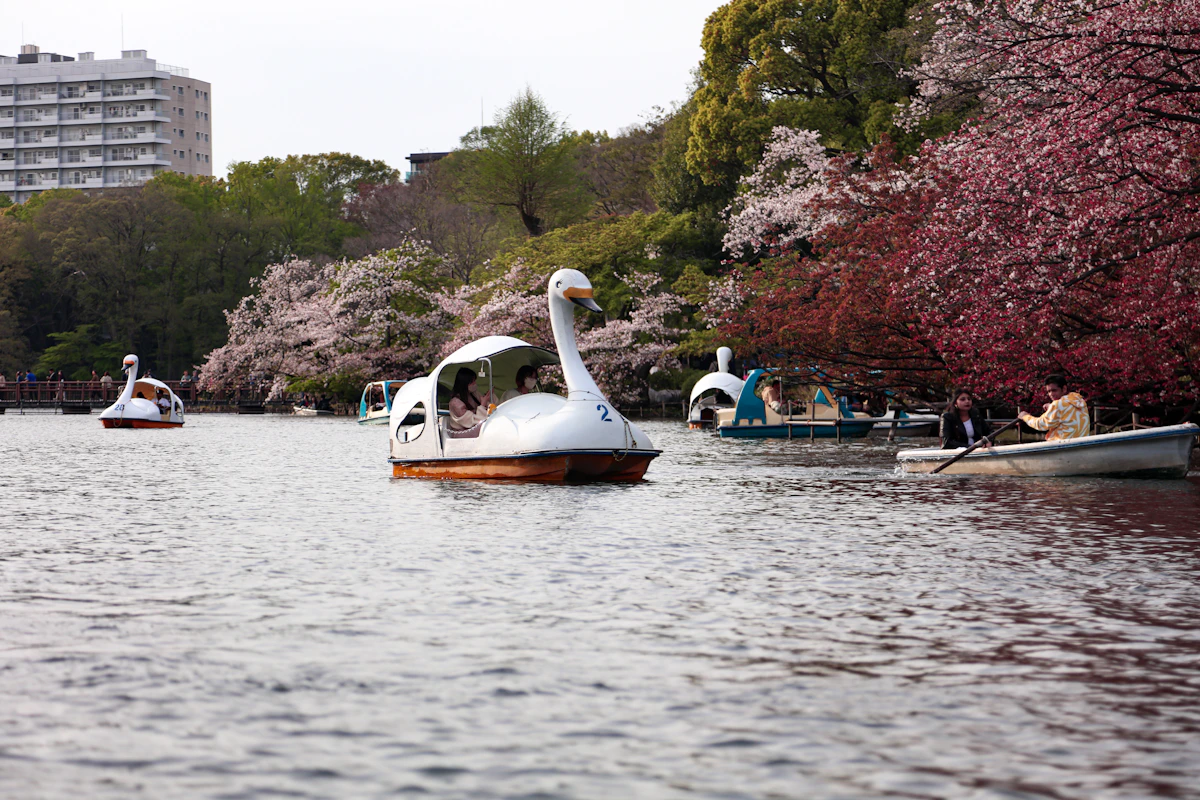
Tokyo is not just the 23 wards. West of the ward area lies the Tama region: 26 cities, 3 towns, and 1 village, home to roughly [4.2 million of Tokyo's 14 million residents](https://www.toukei.metro.tokyo.lg.jp/juukiy/2025/jy25000001.htm). By land area, Tama covers more than half of Tokyo Prefecture.
While the 23 wards are "special wards" (特別区 / tokubetsu-ku) — a unique form of municipality that shares certain responsibilities with the Tokyo Metropolitan Government — Tama's cities are standard municipalities, the same legal status as cities anywhere else in Japan. In principle, they can run their own fire and water services independently (though most delegate fire services to the Tokyo Fire Department in practice).
Hachioji is the largest city by population at roughly 570,000 — one of the biggest non-designated cities in Japan. Machida follows at about 430,000, then Fuchu at 260,000. On the other end, Hamura has around 20,000 residents. The range is wide, and each city has a distinct character.
---
## What Changes When You Change Cities
### Rent — More Space for Less
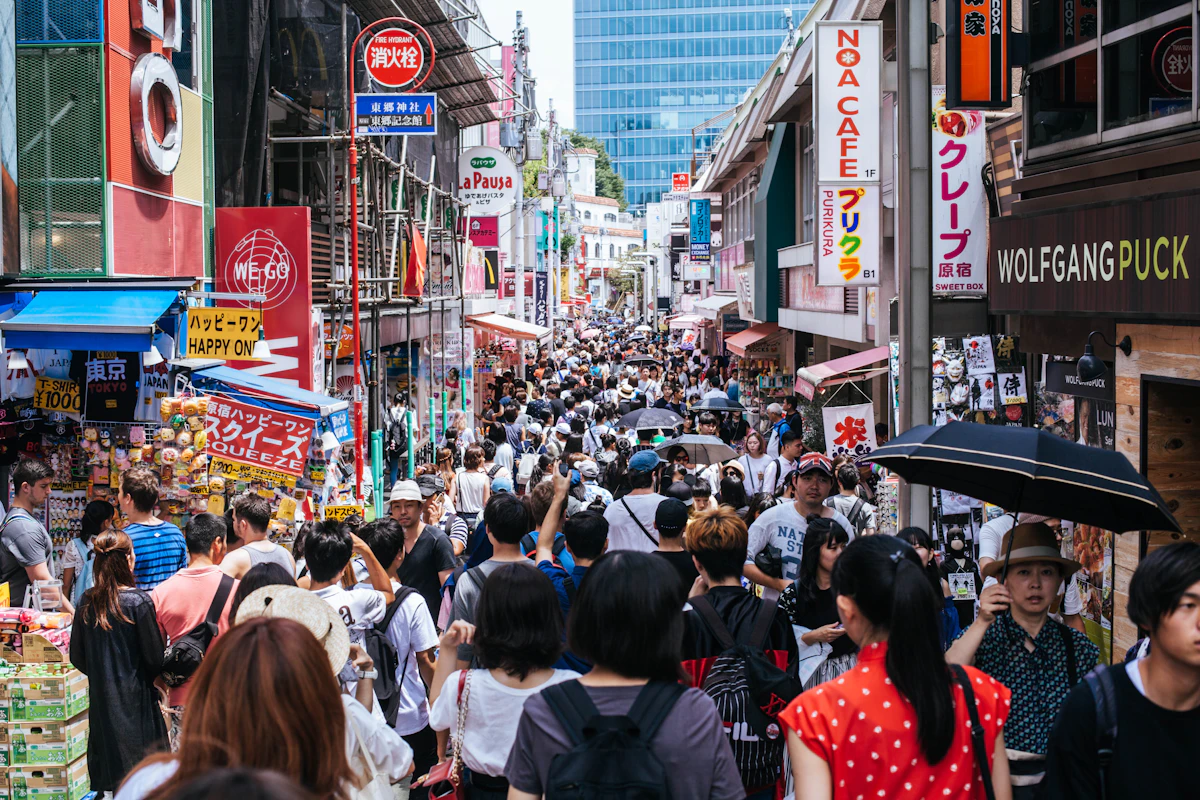
Tama rents are generally lower than the 23 wards for equivalent floor plans. Here's a rough guide for 1R/1K/1DK units:
| Area | 1R/1K Rent (approx.) | Commute to Shinjuku |
|------|---------------------|---------------------|
| Musashino (Kichijoji / Musashi-Sakai) | ¥65,000–¥75,000 | 15 min |
| Mitaka | ¥60,000–¥75,000 | 18 min |
| Chofu / Fuchu | ¥50,000–¥65,000 | 20–25 min |
| Tachikawa | ¥50,000–¥60,000 | 25 min |
| Hachioji | ¥40,000–¥50,000 | 40–50 min |
| Machida | ¥45,000–¥60,000 | 35 min |
Source: SUUMO Tokyo rent data / HOMES Tokyo rent data (accessed: 2026-02-16)
For context, the eastern 23-ward area (Koto, Sumida, Adachi) averages ¥55,000–¥70,000 for the same unit types. In Tama, the same budget often gets you an extra room. A 1K budget in the wards can become a 1LDK in Tachikawa or Hachioji. Apartments also tend to have larger balconies, more storage, and parking — features that are rare and expensive in the wards. Pet-friendly listings are easier to find, too. If you work from home and need a dedicated office space, Tama has options the wards can't easily match. For a detailed look at the apartment search process, see [how to find an apartment in Tokyo](/guides/how-to-find-apartment-tokyo).
### Childcare — Space and Nature vs. Institutional Coverage
Tama has childcare advantages that the 23 wards don't. Nursery schools (保育園 / hoikuen) in Tama are more likely to have their own gardens and outdoor play areas. In the wards, nurseries are often set up inside commercial buildings with limited outdoor space. In Tama, you'll find nurseries with dedicated gardens, vegetable plots, and room for children to run.
Waitlist pressure for nursery spots is generally lower than in the 23 wards. Cities with strong finances offer their own childcare programs — Fuchu, backed by tax revenue from the Tokyo Racecourse and major corporations, is known for generous municipal services. Musashino has [one of the highest fiscal strength indices among all municipalities in the Kanto region](https://www.soumu.go.jp/iken/shihyo_ichiran.html).
On the other hand, the [Maru-Ao program (高校生等医療費助成)](https://www.fukushi.metro.tokyo.lg.jp/seikatsu/josei/maruao) — which makes medical fees free for children up to age 18 — was implemented across all 23 wards in April 2023 with no income restrictions and zero copayment. The wards fund the gap using revenue from the Metropolitan-Ward Financial Adjustment System (都区財政調整制度). Tama cities, which lack this fiscal mechanism, have been slower to match. The Tokyo Metropolitan Government is working toward removing income restrictions across all of Tokyo, but timelines vary by city.
If you're moving to Tama with children, check the latest medical fee subsidy details on the city's official website before deciding. Policies can change mid-year.
### Commuting — Your Train Line Defines Your Life
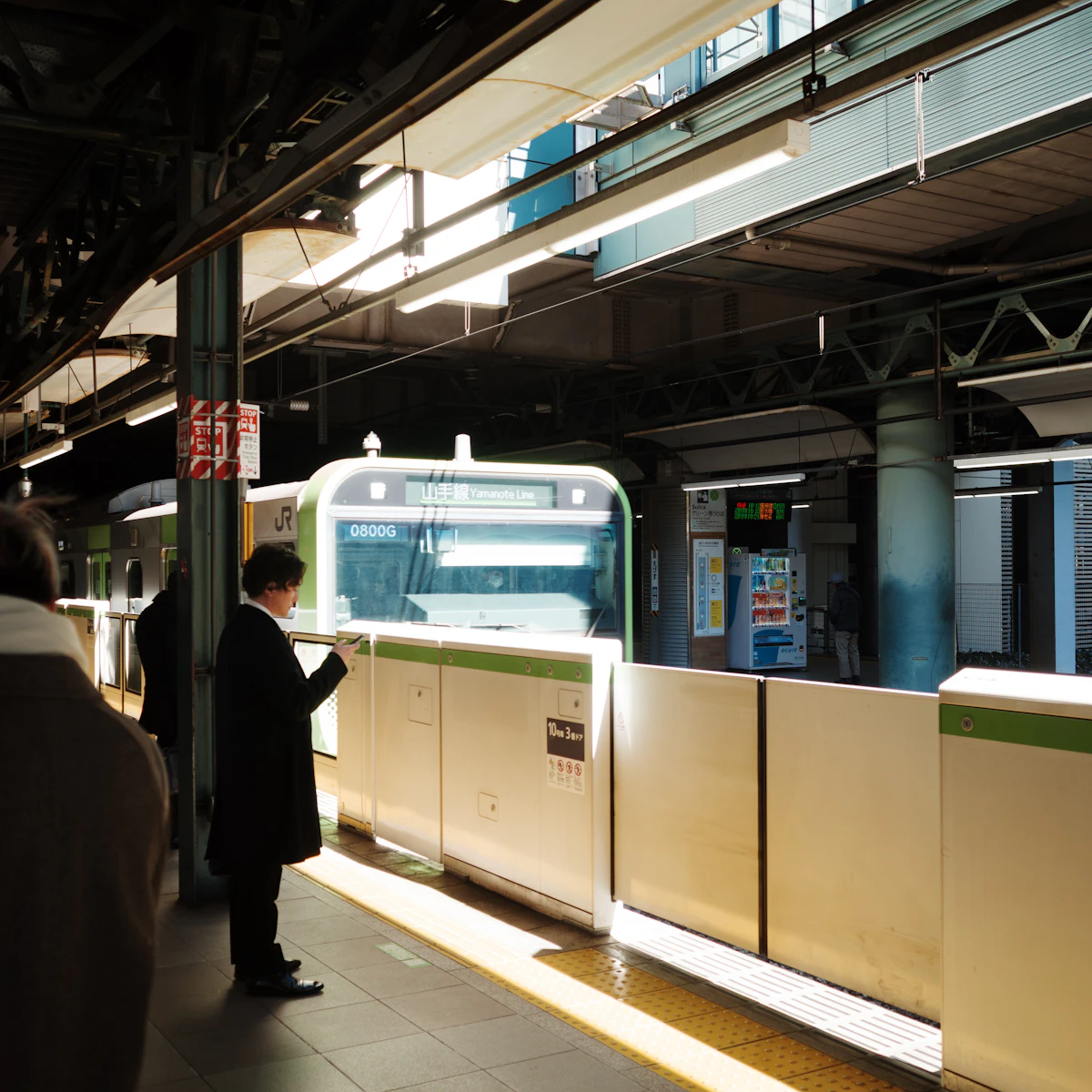
In Tama, your train line determines your daily life more than your city address. Two people in the same city on different lines may commute in completely different directions, shop at different stores, and visit different hospitals.
**JR Chuo Line Rapid** — Tama's main artery, running directly to Tokyo and Shinjuku stations. Kichijoji → Shinjuku: 15 min. Tachikawa → Shinjuku: 25 min. Hachioji → Shinjuku: 40 min. Morning rush can be intense on certain segments.
**Keio Line** — Direct to Shinjuku. Chofu → Shinjuku: 15 min. Fuchu → Shinjuku: 25 min. Fares are lower than the JR Chuo Line, which saves money on commuter passes.
**Odakyu Line** — Machida → Shinjuku: 35 min. Machida Station connects to the JR Yokohama Line, giving dual access to both Tokyo and Yokohama.
**Seibu Line** — Serves Ikebukuro and Shinjuku directions, covering northern Tama: Nishi-Tokyo, Higashi-Murayama, Kodaira.
Knowing the [last train times](/guides/last-train-tokyo-guide) is especially important for Tama commuters, since missing it means a long and expensive taxi ride home. A major commuting perk in Tama: **originating stations** (始発駅 / shihatsu-eki). Stations like Tama-Center (Keio/Odakyu) offer trains that start their journey there, meaning you can line up and get a guaranteed seat during rush hour. Premium reserved-seat services like the Keio Liner and S-TRAIN (Seibu Line) are another option — pay a small extra fare for a guaranteed seat. These aren't available to commuters boarding at mid-route stations inside the 23 wards.
Car usage is higher in Tama than in the wards. Large supermarkets and home centers with parking lots line the Chuo Expressway and Route 20 (Koshu-Kaido) — a distinctly Tama lifestyle.
### Nature — Potentially the Biggest Reason to Choose Tama
Tama's definitive advantage is green space. The 23 wards have Yoyogi Park and Shinjuku Gyoen, but Tama operates on a different scale.
Mt. Takao in Hachioji — a Michelin Green Guide three-star mountain — is about an hour from central Tokyo by train. A day-trip mountain within commuting distance of a global capital is a rare thing. Inokashira Park (Musashino/Mitaka), Showa Kinen Park (Tachikawa/Akishima), and cycling roads along the Tama River offer everyday access to nature that the wards simply can't replicate.
If letting your children play in wide-open parks, weekend hiking, or riverside activities rank high on your priority list, Tama provides options the 23 wards don't.
---
## Institutional Differences from the 23 Wards
A few structural differences between the special wards and Tama cities are worth knowing when comparing locations.
**Fire services:** The 23 wards are directly served by the Tokyo Fire Department (東京消防庁). In Tama, [all municipalities except Inagi delegate fire services to the Tokyo Fire Department as well](https://www.tfd.metro.tokyo.lg.jp/fs/index.html). Inagi maintains the only independent municipal fire department in mainland Tokyo, citing tighter local integration. In practice, fire service quality is comparable across all cities.
**Water:** The 23 wards are served by the Tokyo Metropolitan Bureau of Waterworks. [Most Tama municipalities have been integrated into the metropolitan system too](https://www.waterworks.metro.tokyo.lg.jp/suidojigyo/gaiyou/tama), but Musashino, Akishima, Hamura, and Hinohara Village run independent water systems. Akishima uses 100% groundwater; Musashino sources about 80% from wells. This can mean slight differences in water quality and pricing.
**Fiscal structure:** The 23 wards benefit from the Metropolitan-Ward Financial Adjustment System (都区財政調整制度), which redistributes 56% of certain metropolitan taxes back to the wards. Tama cities have no equivalent mechanism — they collect property tax directly. Cities like Fuchu, with the Tokyo Racecourse and major corporate facilities, have [fiscal strength indices among the highest in Japan](https://www.soumu.go.jp/iken/shihyo_ichiran.html). Others are more constrained. This fiscal gap is one reason ward-level services can differ from city-level ones.
---
## Tama Cities by Train Line
Tama is better understood by train line than by geography. Each line creates its own living sphere.
**Chuo Line corridor (Musashino, Mitaka, Koganei, Kokubunji, Kunitachi, Tachikawa, Hachioji)**
The most popular corridor in Tama. Kichijoji consistently ranks among the top stations in [SUUMO's annual "Most Desired Place to Live" survey](https://suumo.jp/edit/sumi_machi/2025/syutoken/) (3rd in 2025) — its mix of cafes, boutiques, and Inokashira Park creates a unique atmosphere. Tachikawa is Tama's commercial hub, with large-scale retail concentrated around the station. Kokubunji and Kunitachi have a quieter, academic-district feel.
**Keio Line corridor (Chofu, Fuchu, Tama, Inagi)**
A strong commuter line parallel to the Chuo. Lower fares are a key differentiator. Fuchu's fiscal strength translates into well-maintained facilities and services. Chofu has good Shinjuku access and is known as a "film city" for its concentration of movie and animation studios.
**Odakyu Line corridor (Machida, Komae)**
Machida Station is Tama's southern hub — the surrounding commercial district rivals major ward stations. Dual access to Shinjuku (Odakyu) and Yokohama (JR Yokohama Line) gives it a unique position. Komae is Tama's smallest city by area but borders the 23 wards, keeping convenience high.
**Seibu Line corridor (Nishi-Tokyo, Higashi-Murayama, Kodaira, Higashi-Yamato, Kiyose, Higashi-Kurume)**
Good Ikebukuro access. Rent is more affordable than the Chuo Line corridor. Mostly quiet residential areas. Nishi-Tokyo has Tanashi and Hibarigaoka stations and borders Nerima Ward.
**Western area (Ome, Akiruno, Hamura, Fussa)**
The most affordable part of Tama. Most commuters transfer at Tachikawa to the Chuo Line, making the total trip to central Tokyo over an hour. Nature is exceptional — Okutama and Akikawa Valley are part of daily life. An excellent choice if you work primarily from home.
---
## Common Mistakes When Choosing a City
### Fixating on Kichijoji
Kichijoji is popular for good reason, but its rent is unusually high for Tama — comparable to Nakano or Suginami in the 23 wards. Neighboring Chuo Line stations (Musashi-Sakai, Mitaka) and bus-accessible areas nearby offer the same living sphere at lower rent.
### Expecting 23-Ward-Level Services
Medical fee income restrictions, nursery fee structures, and other services that were "standard" in the 23 wards may differ in Tama cities. If you're moving from the wards to Tama, check the target city's current policies before committing. The gap can be a surprise.
### Choosing a Cheap Apartment Far from the Station Because You Have a Car
Tama has a car-culture side, but train commuting to central Tokyo is the reality for most workers. A cheaper apartment far from the station means a daily bus or bicycle ride just to reach the train. Consider rainy days and bad-health days when evaluating station distance. Our [station navigation guide](/guides/station-navigation-tokyo) can help you plan routes efficiently.
---
## Alternative: Neighboring Prefectures
If you're looking at Tama, the adjacent parts of Kanagawa and Saitama are natural comparisons.
Kawasaki (Kanagawa) sits across the Tama River from Tama and connects to Tachikawa via the Nambu Line. The Tokyu Den-en-toshi Line corridor in Yokohama offers a similar suburban feel with direct Shibuya access.
Tokorozawa and Iruma (Saitama) are on the Seibu Line, sharing essentially the same living sphere as Tama's Seibu corridor. Crossing a prefectural border changes medical fee subsidies and education policies, so compare administrative services alongside commute times.
---
## Related Articles
- [What Are Tokyo's 23 Special Wards?](/guides/tokyo-special-wards-guide) — How the ward system works and how life differs by ward. Useful context when comparing wards vs. Tama cities
- [How to Find an Apartment in Tokyo](/guides/how-to-find-apartment-tokyo) — Full apartment hunting process, upfront costs, and required documents
- [Last Train Times in Tokyo](/guides/last-train-tokyo-guide) — Know the last train schedule — especially important for suburban commuters
- [How Payments Work in Tokyo](/guides/payment-methods) — The payment methods you'll use in daily life after moving
---
**References:**
- Tokyo Metropolitan Government Bureau of Statistics, "Population and Households Based on Resident Registry, January 2025," https://www.toukei.metro.tokyo.lg.jp/juukiy/2025/jy25000001.htm (accessed: 2026-02-16)
- Tokyo Metropolitan Government Bureau of Social Welfare, "Medical Fee Subsidies for High School Students (Maru-Ao)," https://www.fukushi.metro.tokyo.lg.jp/seikatsu/josei/maruao (accessed: 2026-02-16)
- Tokyo Metropolitan Bureau of Waterworks, "Tama Water Supply," https://www.waterworks.metro.tokyo.lg.jp/suidojigyo/gaiyou/tama (accessed: 2026-02-16)
- Tokyo Fire Department, "Find a Fire Station," https://www.tfd.metro.tokyo.lg.jp/fs/index.html (accessed: 2026-02-16)
- Tokyo Metropolitan Government Bureau of General Affairs, "Future Vision for Tama," https://www.soumu.metro.tokyo.lg.jp/05gyousei/06sinkoutamashourai.html (accessed: 2026-02-16)
- Tokyo Metropolitan Government Bureau of Statistics, "Foreign Population 2025," https://www.toukei.metro.tokyo.lg.jp/gaikoku/2025/ga25010000.htm (accessed: 2026-02-16)
- Ministry of Internal Affairs and Communications, "Key Fiscal Indicators of Local Governments," https://www.soumu.go.jp/iken/shihyo_ichiran.html (accessed: 2026-02-16)
- SUUMO, "Most Desired Place to Live Ranking 2025 (Kanto)," https://suumo.jp/edit/sumi_machi/2025/syutoken/ (accessed: 2026-02-16)
---
# 11 Tokyo Travel Mistakes First-Timers Make — And How to Avoid Them (2026)
> Wrong trains, cash shortage, no SIM, overloaded suitcase — the 11 most common Tokyo travel mistakes and exactly what to do before you leave home.
- **URL**: https://tokyo.how/guides/tokyo-travel-pitfalls
- **Category**: Explore
- **Audience**: tourist
- **Published**: 2026-02-19
- **Updated**: 2026-05-13
- **Tags**: travel tips, first time, mistakes, preparation, tourist
---
## Getting Lost on Trains and in Stations

Tokyo's trains are run by over 10 different companies — JR East, Tokyo Metro, Toei Subway, Tokyu, Odakyu, Keio, and more. Shinjuku Station alone is served by 5 operators and holds the [Guinness World Record for busiest station with roughly 2.7 million daily passengers](https://www.guinnessworldrecords.com/world-records/busiest-station).
Google Maps can find routes, but it won't tell you which exit to use. Walking out the wrong side of Shinjuku Station can easily add 10+ minutes to your trip.
**Before you leave home:** Set up an IC card ([Suica](/guides/suica-card) or PASMO) on your phone so you can skip ticket machines entirely. Also note that many lines have "local" (各駅停車 / kakueki-teisha) and "express" (急行 / kyūkō) services that stop at different stations — always board the train type Google Maps specifies.
→ See our [Station Navigation Guide](/guides/station-navigation-tokyo) for exit maps, transfer tips, and how to read platform signs.
---
## Popular Spots That Require Reservations
Some of Tokyo's biggest attractions won't let you in without an advance ticket.
| Spot | How booking works |
|------|------------------|
| [Ghibli Museum](https://www.ghibli-museum.jp/en/tickets/) | Tickets go on sale the 10th of each month for the following month. Some dates sell out in minutes |
| [teamLab (Toyosu / Azabudai)](https://www.teamlab.art/e/planets/) | Advance purchase strongly recommended. Weekends and holidays often sell out |
| Popular ramen shops | Numbered tickets or 2–3 hour waits are common |
For restaurants, high-end sushi and kaiseki spots can be fully booked 1–2 months out. Services like [TableAll](https://www.tableall.com/) and [Omakase](https://omakase.in/en) let you book in English. Asking your hotel concierge to call on your behalf also works well.
*Note: tokyo.how has no commercial relationship with the services mentioned in this article.*
→ See our [Tokyo Attraction Ticket Booking Guide](/guides/book-tickets-advance-tokyo) for step-by-step booking instructions for Ghibli Museum, teamLab, and more.
---
## Dragging Luggage Around All Day

If you want to sightsee before hotel check-in, a large suitcase becomes a real problem. Many Tokyo subway stations have limited elevator access, and hauling bags up and down stairs gets exhausting fast.
Coin lockers cost around ¥300–800 per day, but large sizes at major stations fill up by late morning.
**Alternatives:**
- [Yamato Transport same-day delivery (Haneda Airport)](https://www.kuronekoyamato.co.jp/ytc/promotion/haneda_sameday_delivery/en/index.html): Drop off your bags at the Haneda Airport counter by 11:00 and pick them up at your hotel after 18:00 the same day (23-ward area, from ¥2,450)
- [ecbo cloak](https://cloak.ecbo.io/en): An app that lets you find nearby partner shops to store luggage (¥400–700/day)
- **Skip the subway transfer entirely with the Airport Limousine Bus** — a one-seat ride from Narita straight to major Tokyo hotels and stations, so you never have to lug a suitcase up subway stairs.
[🚌 Get Airport Limousine Bus on Klook](https://www.klook.com/en-US/activity/2274-narita-airport-limousine-bus-tokyo/)
→ See our [Luggage Storage Guide](/guides/luggage-storage-tokyo) for locker sizes, pricing, and alternative storage options at every major station.
---
## The Language Barrier at Restaurants
Some popular restaurants only accept reservations by phone — in Japanese. If you can't make the call, you may have to give up on the restaurant entirely.
**What you can do:**
- [TableAll](https://www.tableall.com/) pre-secures seats at popular restaurants and handles the entire booking in English
- Ask your hotel concierge to call for you — most hotels offer this as a service for guests
→ See our [Restaurant Booking Guide](/guides/restaurant-booking-tokyo) for how to reserve seats at popular Tokyo restaurants in English.
---
## Running Out of Cash
[Japan's cashless payment ratio reached 42.8% in 2024](https://www.meti.go.jp/english/press/2025/0331_001.html) (METI). Credit cards work at major chains and convenience stores, but small independent restaurants, street food stalls, and city buses may only accept cash.
Buses in particular can be tricky. Some don't give change for bills over ¥1,000, so without coins you can't pay the fare. A Suica or PASMO card works on buses too, which makes IC cards the most practical workaround.
Carry ¥5,000–10,000 in cash as a baseline. If you need more, 7-Eleven ATMs accept international cards.
→ For a full breakdown, see [How Payments Work in Tokyo](/guides/payment-methods).
---
## Forgetting to Get a SIM Card
Without internet access, Google Maps, IC card apps, and translation tools are all useless. You can buy a SIM at the arrival floor of Narita or Haneda, but lines can be long when multiple flights land at the same time.
**The most straightforward option: buy an eSIM before you leave home.** Purchase online, scan a QR code, and you're set the moment you land.
One thing to check: phones purchased from certain carriers may be carrier-locked and won't accept an eSIM. Confirm your phone supports eSIM at least two weeks before departure.
[Klook's Japan eSIM](https://www.klook.com/en-US/activity/109393-japan-esim-high-speed-internet-qr-code-voucher/) runs on the DOCOMO network with unlimited data and is activated by scanning a QR code from your phone — no shipping or pickup required.
[📶 Get Klook Japan eSIM on Klook](https://www.klook.com/en-US/activity/109393-japan-esim-high-speed-internet-qr-code-voucher/)
→ See our [SIM & eSIM Guide](/guides/japan-travel-sim-esim-guide) for carrier comparisons, pricing, and setup instructions.
---
## Buying a JR Pass That Doesn't Pay Off

A [7-day JR Pass (Ordinary Car) costs ¥50,000](https://japanrailpass.net/en/purchase/price/). It covers all JR lines including the Shinkansen, but **it does NOT cover Tokyo Metro, Toei Subway, Tokyu, Odakyu, Keio, or any other private railway.**
Most trips within Tokyo use the subway and private lines. If your itinerary stays in Tokyo, you'll only use JR for the Yamanote Line and a few other routes — not nearly enough to justify ¥50,000.
A JR Pass starts to make sense on itineraries like Tokyo → Kyoto → Osaka, where Shinkansen tickets add up fast. Calculate your total transport costs for the full trip before deciding.
**For Tokyo-only trips, the [Tokyo Subway Pass](https://www.klook.com/en-US/activity/1552-subway-ticket-tokyo/) (24/48/72-hour unlimited rides on Tokyo Metro and Toei Subway) is far more cost-effective.** It covers the network most travelers actually use, and at a fraction of the JR Pass price.
[🚇 Get Tokyo Subway Pass on Klook](https://www.klook.com/en-US/activity/1552-subway-ticket-tokyo/)
→ See our [JR Pass Guide](/guides/jr-pass-japan) for a cost breakdown and how to decide if the pass is worth it for your itinerary.
---
## Tourist Spots Are Overcrowded
In 2024, Japan welcomed a record [36.9 million international visitors](https://statistics.jnto.go.jp/en/graph/). Classic spots like Asakusa, Shibuya, and Harajuku can be shoulder-to-shoulder at peak hours.
**How to beat the crowds:**
- Visit Senso-ji or Meiji Shrine **early in the morning (7–8 AM)** — far fewer people. Brush up on [shrine and temple etiquette](/guides/etiquette-tokyo) before you go
- Swap Shibuya and Harajuku for Shimokitazawa or Daikanyama for a similar vibe without the crush
- Weekdays and weekends feel like different cities at many spots
→ For quieter alternatives, explore [Tama area cities west of central Tokyo](/guides/tokyo-tama-cities-guide) — places like Kichijoji, Mitaka, and Koenji offer local charm without the tourist crowds.
---
## Not Knowing Onsen and Shrine Etiquette
Onsen (hot spring baths, including public bathhouses) and Shinto shrines have rules that catch visitors off guard.
**Onsen:**
- No swimsuits allowed. Keep your towel out of the bath water
- Many facilities turn away guests with tattoos. Check [JNTO's official onsen guide](https://www.japan.travel/en/uk/inspiration/onsen-hot-springs-on-tattoos-and-etiquette/) for tattoo-friendly options
- Tattoo cover stickers (available at Don Quijote) or private baths (貸切風呂 / kashikiri-buro) are alternatives
**Shrines:**
- Bow lightly before passing through the torii gate
- Rinse your hands and mouth at the temizu-sha (手水舎) — the water basin near the entrance
- Walk along the sides of the path, not the center — the middle is considered the gods' path
→ See our full [Etiquette Guide](/guides/etiquette-tokyo) for details.
---
## Can't Read a Japanese-Only Menu
At many independent restaurants, the menu is entirely in Japanese. Ramen shop ticket machines with nothing but kanji are a common source of confusion.
**What to do:**
- **Google Translate camera mode**: Point your phone camera at the menu for real-time translation. Download the Japanese language pack in advance so it works offline too
- **Plastic food displays** (食品サンプル / shokuhin sanpuru): Many restaurants have realistic food models in front. Take a photo and point — that's enough to order
- **Ticket machines** (券売機 / kenbaiki): If buttons have photos, tap the one you want. If there are no photos, the top-left button is usually the house specialty
→ Need help booking? See our [Restaurant Booking Guide](/guides/restaurant-booking-tokyo) for English-friendly reservation services and tips for navigating Japanese-only restaurants.
---
## Packing Too Much into One Day
The most common regret after a Tokyo trip: trying to do too much.
Tokyo's sightseeing areas are spread out. Shibuya to Asakusa is about 40 minutes by train. Harajuku to Akihabara takes around 30 minutes. Add transfers and walking, and just getting around can eat up an entire morning.
**Three areas per day is a realistic pace.** More than that, and you'll spend more time on trains than at the places you came to see. For help building a realistic schedule, see our [itinerary planning guide](/guides/tokyo-itinerary-planning-guide).
→ To plan your route efficiently, see our [Station Navigation Guide](/guides/station-navigation-tokyo) for transfer tips, and check [Last Train Times](/guides/last-train-tokyo-guide) so you don't get stranded.
---
## Before You Leave Home — Checklist
Missing any of these before departure makes your trip harder than it needs to be.
| Task | When to do it | Why it matters |
|------|--------------|----------------|
| Buy an eSIM or pocket WiFi | 1–2 weeks before | You need internet the moment you land for maps, translation, and IC card setup |
| Set up Suica/PASMO on your phone | Before departure | Skip ticket machine lines at the airport |
| Book attraction tickets | 1–2 months before | Ghibli Museum and teamLab sell out weeks ahead |
| Reserve restaurants | 2–4 weeks before | High-end sushi and kaiseki book up fast |
| Download Google Translate offline pack | Before departure | Camera mode works without internet for menu translation |
| Check your phone's SIM lock status | 2 weeks before | Carrier-locked phones won't accept a Japanese eSIM |
| Notify your bank of travel | 1 week before | Some banks block overseas ATM withdrawals by default |
| Withdraw ¥10,000–20,000 at the airport | On arrival | ATMs at 7-Eleven work, but having cash immediately is useful |
---
## FAQ
### Is Tokyo safe for solo travelers?
Yes. Tokyo consistently ranks among the safest major cities in the world. Violent crime is rare, and petty theft is uncommon. Trains run until midnight, well-lit convenience stores are open 24/7, and you can walk most neighborhoods at night without concern. The main risks are losing your belongings (lost items are often turned in to station lost-and-found) and overdrinking in nightlife areas like Kabukicho.
### How much cash should I carry in Tokyo?
Carry ¥5,000–10,000 as a baseline. While major chains and convenience stores accept credit cards, small restaurants, street food stalls, and city buses often only take cash. 7-Eleven ATMs accept most international cards for withdrawals.
### Do I need to speak Japanese to visit Tokyo?
No. Major train stations, airports, and tourist areas have English signage. Google Translate's camera mode handles menus and signs. Hotel staff and convenience store workers can usually manage basic English. That said, learning a few phrases like すみません (sumimasen / excuse me) and ありがとうございます (arigatou gozaimasu / thank you) goes a long way.
### Is the JR Pass worth it for a Tokyo-only trip?
Usually not. A 7-day JR Pass costs ¥50,000 and only covers JR lines. Most trips within Tokyo use subway and private railways, which aren't included. The pass pays off for multi-city itineraries involving Shinkansen travel (e.g., Tokyo → Kyoto → Osaka).
### What is the best time to visit Tokyo?
March–April (cherry blossom season) and October–November (autumn foliage) have the best weather but the biggest crowds. June is rainy season. July–August is hot and humid. December–February is cold but clear, with fewer tourists and lower hotel prices.
---
## Related Articles
- [How Payments Work in Tokyo](/guides/payment-methods) — Suica, credit cards, PayPay, and cash
- [Free Observation Decks in Tokyo](/guides/free-observation-decks-tokyo) — Paid vs. free viewing spots compared
- [8 Cherry Blossom Spots in Tokyo](/guides/sakura-spots-tokyo) — Seasonal must-see — walking routes and crowd tips for cherry blossom season
---
**Sources:**
- METI "Cashless Payment Ratio 2024" https://www.meti.go.jp/english/press/2025/0331_001.html (accessed: 2026-02-19)
- Japan National Tourism Organization "Visitor Statistics" https://statistics.jnto.go.jp/en/graph/ (accessed: 2026-02-19)
- JR Pass Official "Types and prices" https://japanrailpass.net/en/purchase/price/ (accessed: 2026-02-19)
- Ghibli Museum Official "Tickets" https://www.ghibli-museum.jp/en/tickets/ (accessed: 2026-02-19)
- teamLab Official "teamLab Planets TOKYO" https://www.teamlab.art/e/planets/ (accessed: 2026-02-19)
- Yamato Transport "Haneda Airport Same-Day Delivery" https://www.kuronekoyamato.co.jp/ytc/promotion/haneda_sameday_delivery/en/index.html (accessed: 2026-02-19)
- ecbo cloak Official https://cloak.ecbo.io/en (accessed: 2026-02-19)
- JNTO "Onsen Hot Springs: On Tattoos and Etiquette" https://www.japan.travel/en/uk/inspiration/onsen-hot-springs-on-tattoos-and-etiquette/ (accessed: 2026-02-19)
- Guinness World Records "Busiest station" https://www.guinnessworldrecords.com/world-records/busiest-station (accessed: 2026-02-19)
---
# Moving to Tokyo as a Foreigner — Ward Office Checklist (14-Day Deadline)
> Residence registration, address change, health insurance, My Number — the full ward office checklist for foreigners with required documents.
- **URL**: https://tokyo.how/guides/tokyo-ward-office-moving-guide
- **Category**: Admin
- **Audience**: resident
- **Published**: 2026-02-17
- **Updated**: 2026-03-26
- **Tags**: moving, ward office, residence card, procedures, bureaucracy
---
## The Full Process

When you move between Tokyo's 23 special wards, the ward office procedures break into two stages. You tell your old ward "I'm leaving" and your new ward "I've arrived." That's the core of it — but health insurance, My Number Card, and a few other items tag along.
**At your old ward office (before moving):**
| Procedure | What it is |
|-----------|------------|
| 転出届 (tenshutsu-todoke) | Moving-out notification. You receive a Moving-Out Certificate (転出証明書) |
| National Health Insurance deregistration | Return your insurance card |
**At your new ward office (within 14 days of moving):**
| Procedure | What it is |
|-----------|------------|
| 転入届 (tennyu-todoke) | Moving-in notification |
| Residence card address change | New address written on the back of your card |
| National Health Insurance enrollment | New insurance card issued |
| My Number Card continuation | Requires your 4-digit PIN |
National Pension (国民年金) updates automatically via My Number linkage when you file the moving-in notification, [according to the Japan Pension Service](https://www.nenkin.go.jp/service/kokunen/kanyu/20120406.html). No separate filing needed. For details on how premiums and coverage work, see [health insurance and pension in Japan](/guides/health-insurance-pension-japan).
**Outside the ward office:**
| Procedure | Where | Deadline |
|-----------|-------|----------|
| Driver's license address change | Police station or license center | As soon as possible |
If you have a Japanese driver's license, you'll need a [separate visit to a police station](#drivers-license-address-change).
If you're moving **within the same ward** (e.g., from one address in Shibuya to another in Shibuya), you only need to file a change-of-address notification (転居届 / tenkyo-todoke) — one form at one office.
---
## Old Ward Office — Get the Moving-Out Certificate

Two things to do at your old ward office: file the moving-out notification and return your National Health Insurance card (if enrolled). Takes about 30 minutes when it's not busy.
**What to bring** (based on [Minato Ward](https://www.city.minato.tokyo.jp/shibamadosa/kurashi/todokede/hikkoshi/tenshutsu.html) and [Edogawa Ward](https://www.city.edogawa.tokyo.jp/e038/kurashi/todoke/ido_todoke/tensyutsu.html) official pages)**:**
- Residence card (在留カード / zairyu card)
- Photo ID (My Number Card or passport)
- National Health Insurance card (if enrolled)
Pick up the form at the counter, fill in your new address and planned move date, and submit. You'll receive a **Moving-Out Certificate** (転出証明書 / tenshutsu shomeisho). Without this document, your new ward office cannot process your moving-in notification. Keep it safe.
**What to say at the counter:**
**You:** "転出届を出したいのですが" (Tenshutsu-todoke wo dashitai no desu ga / "I'd like to file a moving-out notification")
**Staff:** "こちらの用紙にご記入ください" (Kochira no youshi ni gokinyuu kudasai / "Please fill in this form")
The form asks for your name, date of birth, current address, new address, and planned moving date. It's in Japanese, but if you can write your address and name, you'll get through it.
**Online option:** If you have a My Number Card, you can [file the moving-out notification online via Myna Portal](https://www.city.setagaya.lg.jp/02233/online_tetsuzuki/94.html). This eliminates the need to visit your old ward office. However, [you still need to visit your new ward office in person](https://www.soumu.go.jp/main_sosiki/jichi_gyousei/c-gyousei/zairyu/move-in_move-out.html) for the moving-in notification.
---
## New Ward Office — The Main Event
At your new ward office, the moving-in notification triggers a chain of related procedures. You'll move between a few different counters, but if you bring all the right documents, everything gets done in a single visit.
### Document Checklist
Based on [Ota Ward (foreign nationals)](https://www.city.ota.tokyo.jp/seikatsu/koseki_j/gaikoku/jusho_tetsuduki/gaikokujintennnyu.html) and [Edogawa Ward](https://www.city.edogawa.tokyo.jp/e038/kurashi/todoke/ido_todoke/tennyu.html) official pages.
| Document | Purpose |
|----------|---------|
| **Moving-Out Certificate** (転出証明書) | Required for moving-in notification |
| **Residence card** (在留カード) | Required for address update |
| **Passport** | ID verification — sometimes requested alongside residence card |
| **My Number Card** (if you have one) | Continuation procedure |
| **NHI deregistration proof** (if received from old ward) | For new enrollment |
| **Bank account info** (passbook or card) | If setting up auto-pay for insurance premiums |
| **Relationship proof** (if joining a foreign national's household) | Marriage certificate, birth certificate, etc. with Japanese translation (translator name + date required) |
### Step by Step at the Counter
When you arrive, go to the **general information desk** (総合案内 / sougou annai) and say:
"転入届を出したいです" (Tennyu-todoke wo dashitai desu / "I'd like to file a moving-in notification")
They'll direct you to the residents' section (住民課 / juumin-ka — the name varies by ward).
**Step 1: Moving-in notification (転入届)**
Fill in the form, hand it over with your Moving-Out Certificate and residence card. The staff registers you in the resident registry.
**Step 2: Residence card address update**
Handled at the same counter as Step 1. The staff writes your new address on the **back of your residence card** by hand. Under [Immigration Services Agency regulations](https://www.moj.go.jp/isa/applications/procedures/nyuukokukanri10_00023.html), this address change is processed at the ward office — you do **not** need to visit immigration.
**Step 3: My Number Card continuation**
If you have a My Number Card, you'll be asked to [enter your 4-digit PIN to continue using the card](https://www.city.toshima.lg.jp/096/tetsuzuki/mynumber/1706271428.html). The Signature Digital Certificate (the one with a 6-digit PIN, used for e-Tax) is automatically invalidated by the address change. If you need it, request reissuance on the spot.
**Step 4: National Health Insurance enrollment**
Move to the insurance/pension section. Present your residence card, My Number, and Moving-Out Certificate. Most wards mail the new insurance card later; some issue it on the spot. If you're enrolled in employer-provided insurance (社会保険 / shakai hoken), show your insurance card and this step is unnecessary.
**Total time:** 1–2 hours when not busy. During peak moving season (late March through early April), waiting alone can exceed an hour. Going on a weekday morning outside peak season helps.
Once you've completed your moving-in procedures, one of the first practical things to sort out is garbage collection — the rules vary by ward and are strictly enforced. Our [Tokyo garbage sorting guide](/guides/garbage-sorting-tokyo-guide) explains how to read collection schedules, separate your waste correctly, and avoid common mistakes new residents make.
---
## The 14-Day Rule — What Happens If You're Late

The 14-day deadline is enforced by two separate laws, each with its own penalty.
**Basic Resident Registration Act (for the moving-in notification):** Failing to file without justifiable reason can result in a [fine of up to ¥50,000](https://www.soumu.go.jp/main_sosiki/jichi_gyousei/c-gyousei/zairyu/move-in_move-out.html), imposed by a Summary Court. In practice, fines for delays of a few weeks are uncommon, but the legal risk exists.
**Immigration Control Act (for the residence card address change):** This one carries more weight. Failure to report can result in a [fine of up to ¥200,000](https://www.moj.go.jp/isa/applications/procedures/nyuukokukanri10_00023.html). If you fail to register your address within 90 days of entering Japan, it can even be grounds for revocation of your residence status.
Being too busy to visit the ward office is understandable. But because the residence card address change is directly tied to your visa status, it's worth treating this as a high priority. An up-to-date residence card is also needed when [getting a phone number and bank account](/guides/phone-bank-circular-dependency).
---
## Language Support
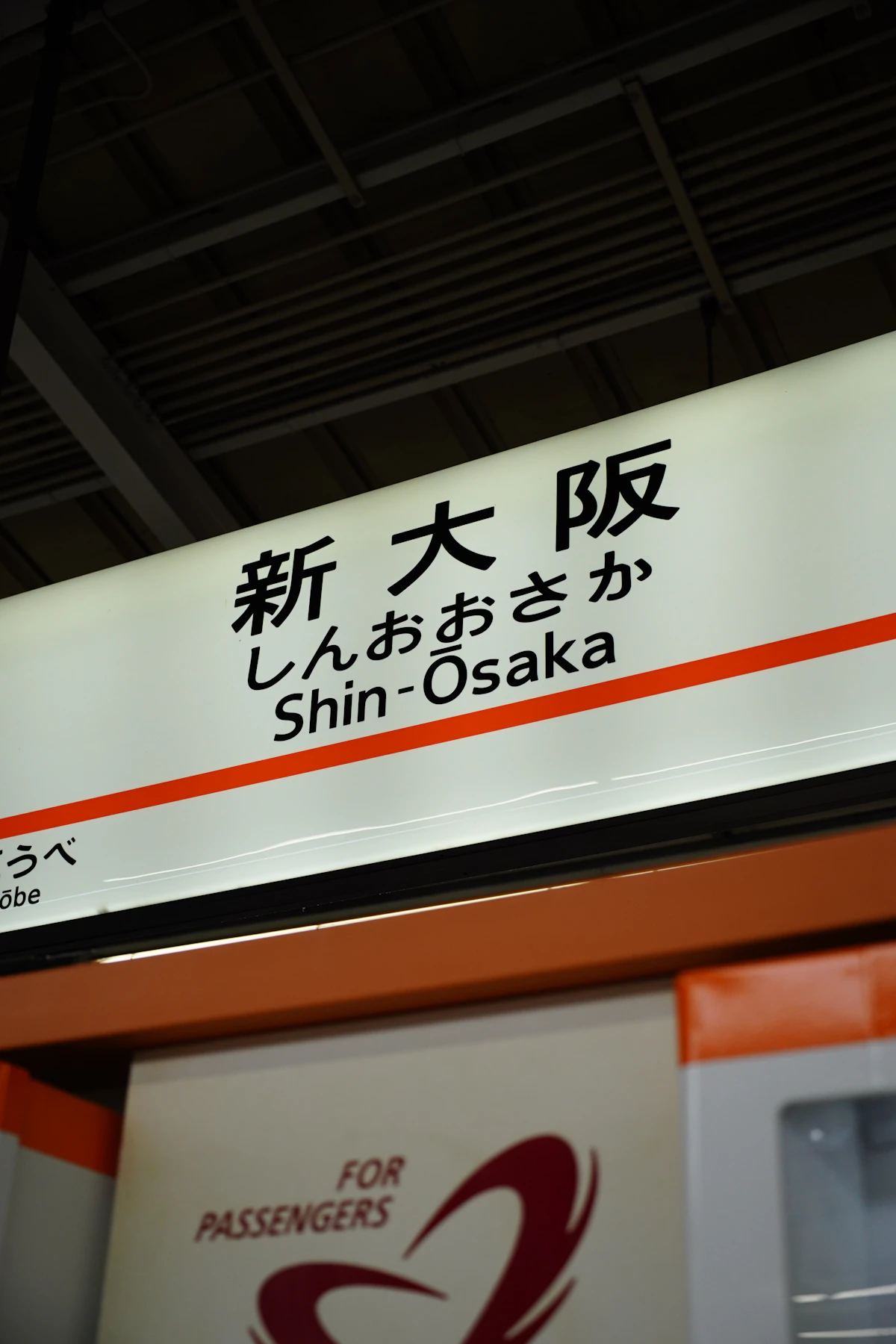
Ward office forms are almost entirely in Japanese, and staff generally operate in Japanese. However, multilingual support across Tokyo's 23 wards has been steadily improving.
### Before Your Visit: TMC Navi
The [Tokyo Multilingual Consultation Navi](https://tabunka.tokyo-tsunagari.or.jp/soudan/navi.html) is a free phone service operated by the Tokyo Metropolitan Government. You can ask about ward office procedures in advance and confirm what documents you need.
- **Phone:** 0120-142-142 (toll-free)
- **Hours:** Weekdays 10:00–16:00
- **Languages (14):** English, Chinese, Korean, Vietnamese, Nepali, Indonesian, Tagalog, Thai, Portuguese, Spanish, French, Russian, Hindi, Easy Japanese
### At the Ward Office Counter
Wards with large foreign populations — Shinjuku, Minato, Shibuya — have installed [tablet-based video interpretation](https://www.city.shinjuku.lg.jp/tabunka/tabunka01_002088.html) at their counters. You connect with an interpreter via video call who translates the conversation with the staff in real time. Typically 12–13 languages are available.
[Minato Ward offers a three-way phone call service](https://www.city.minato.tokyo.jp/kokusaika/sansyatsuwa.html) in 13 languages. You can use it directly from your smartphone.
The level of multilingual support varies between wards. Check your new ward's website before visiting.
### FRESC (Foreign Residents Support Center)
A national support center for residence-related questions. [Available in 21 languages](https://www.moj.go.jp/isa/support/fresc/fresc01.html), covering everything from ward office procedures to legal and employment consultations.
- **Location:** CO・MO・RE YOTSUYA 13F, in front of JR Yotsuya Station
- **Phone:** 0570-011-000 (weekdays 9:00–17:00)
### Key Phrases for the Counter
Even with limited Japanese, these phrases will get your point across:
**At the reception desk:**
"引っ越しの手続きをしたいです" (Hikkoshi no tetsuzuki wo shitai desu / "I'd like to do moving procedures")
**If you can't communicate:**
"通訳サービスはありますか" (Tsuuyaku saabisu wa arimasu ka / "Is there an interpretation service?")
**If you don't know how to fill in a form:**
"書き方を教えてください" (Kakikata wo oshiete kudasai / "Please show me how to fill this in")
---
## Common Pitfalls
### Showing Up Without the Moving-Out Certificate
The Moving-Out Certificate (転出証明書) is issued when you file the moving-out notification at your old ward. Without it, your new ward office cannot process the moving-in notification.
If you filed your moving-out notification online via Myna Portal, you can present your My Number Card instead. Otherwise, you'll have to go back to your old ward office or request reissuance by mail. Filing the moving-out notification before your move prevents this entirely.
### Forgetting Your My Number Card PIN
The My Number Card continuation procedure requires your 4-digit PIN. If you've forgotten it, a PIN reset at the counter takes extra time and requires additional ID verification.
There's a second risk here: [if you don't complete the continuation procedure within 90 days of filing the moving-in notification, the My Number Card becomes invalid](https://www.city.chuo.lg.jp/a0012/kurashi/touroku/mynumber/card/sonota/keizoku.html). Reissuance takes time and costs money. Best to handle it the same day as your moving-in notification.
### Foreign Documents Without Japanese Translation
If you're joining a household headed by another foreign national (e.g., moving in with your spouse), you may be asked to present documents proving the relationship — such as a marriage or birth certificate from your home country. These must be accompanied by a **Japanese translation** that includes the translator's name and the date of translation. You can translate the documents yourself, but arriving without the translation means you can't complete the process that day.
### Your Name Doesn't Fit in the Katakana Box
Ward office forms include a field for writing your name in katakana (the Japanese script used for foreign words). The boxes are often small — physically too small for many foreign names. If this happens, the staff can help with alternatives like writing in the margin or on a separate sheet.
---
## When Things Go Wrong
| Situation | What to do |
|-----------|------------|
| Missed the 14-day deadline | File as soon as possible. Be prepared to explain the reason for the delay. The longer you wait, the higher the risk |
| Lost your Moving-Out Certificate | Contact your old ward office and request reissuance. Some wards handle this by mail |
| Residence card back is full (no space for new address) | The ward office will guide you on applying for a new card through immigration |
| Can't communicate at the counter | Call TMC Navi (0120-142-142) and hand the phone to the staff member |
| Can't go on weekdays | Some wards hold Saturday openings once or twice a month. Search for "休日開庁" (kyuujitsu kaichou) on your ward's website |
---
## Driver's License Address Change
Separate from the ward office, if you hold a Japanese driver's license, you need to [update the address at a police station or license center](https://www.keishicho.metro.tokyo.lg.jp/menkyo/koshin/kisai00.html).
**Where (within Tokyo):**
- Any Tokyo police station (weekdays 8:30–16:30)
- Driver's License Renewal Centers in Kanda / Shinjuku (weekdays 8:30–16:30)
- Driver's License Testing Centers in Fuchu / Samezu / Koto (weekdays 8:30–16:30, **Sundays 8:30–12:00 / 13:00–16:30**)
If you can't go on a weekday, the testing centers accept applications on Sundays.
**What to bring:**
- Your driver's license
- A document confirming your new address (copy of residence record, My Number Card, or residence card)
The procedure is free. Picking up a copy of your residence record (住民票 / juuminhyo) when you file your moving-in notification at the ward office makes this step easier. You'll also need the updated address when applying for a [credit card in Japan](/guides/credit-card-japan-foreigners).
---
## Alternative Methods
### Online Moving-Out via Myna Portal
If you have a My Number Card, you can [submit the moving-out notification online through Myna Portal](https://myna.go.jp/html/moving_oss_procedure_list.html). This eliminates the visit to your old ward office. The moving-in notification at your new ward still requires an in-person visit.
### Moving-Out by Mail
If you can't visit your old ward office, you can file the moving-out notification by mail. Download the form from your ward's website, enclose a copy of your ID and a return envelope. The Moving-Out Certificate will be mailed back, which can take several days to a week.
### Filing Through a Proxy
A family member in the same household can file on your behalf. If the proxy is from a different household, a **power of attorney** (委任状 / inin-jou) is required. The form is available on each ward's website. The proxy should also bring their own ID.
---
## FAQ
### What happens if I miss the 14-day deadline to register my new address?
Late registration of your residence card address can result in a fine up to ¥200,000 under the Immigration Control Act. In practice, fines are rare for short delays, but the ward office may question you about the reason. File as soon as possible — don't let it slide.
### Can I do ward office procedures in English?
Most Tokyo ward offices do not have English-speaking staff at every counter, but many offer multilingual support. Shinjuku Ward provides TV interpretation in 12 languages. Minato Ward offers a three-way phone call service. You can also bring a friend to interpret, or contact the Tokyo Multilingual Consultation Navi (TMC Navi) beforehand.
### Do I need to visit both the old and new ward office when moving within Tokyo?
Yes. First, file a Moving-Out Notification (転出届) at your old ward office and receive a Moving-Out Certificate (転出証明書). Then, file a Moving-In Notification (転入届) at your new ward office within 14 days of moving, bringing the certificate. If you move within the same ward, you only need to file a Change of Address (転居届) at that ward office.
### What documents do I need to bring to the ward office?
Bring your residence card (在留カード), passport, Moving-Out Certificate from your old ward, My Number card (if you have one), health insurance card, and pension booklet. If you have children, bring their documents too. Having everything ready lets you complete all procedures in a single visit.
---
## Related Articles
- [How to Find an Apartment in Tokyo](/guides/how-to-find-apartment-tokyo) — Full process from apartment hunting to contract signing
- [Health Insurance & Pension in Japan](/guides/health-insurance-pension-japan) — NHI enrollment, premiums, and what happens at the ward office
- [Phone & Bank Account Catch-22](/guides/phone-bank-circular-dependency) — Getting a phone number and bank account after moving
- [Understanding Tokyo's 23 Special Wards](/guides/tokyo-special-wards-guide) — What each ward is like and which might suit you
---
**Sources:**
- Ministry of Internal Affairs and Communications, "Basic Resident Registration System for Foreign Residents (Moving-in / Moving-out)" https://www.soumu.go.jp/main_sosiki/jichi_gyousei/c-gyousei/zairyu/move-in_move-out.html (accessed 2026-02-17)
- Immigration Services Agency, "Notification of Change of Address (Mid-to-Long-Term Residents)" https://www.moj.go.jp/isa/applications/procedures/nyuukokukanri10_00023.html (accessed 2026-02-17)
- Ota Ward, "Moving-in Notification (Foreign Nationals)" https://www.city.ota.tokyo.jp/seikatsu/koseki_j/gaikoku/jusho_tetsuduki/gaikokujintennnyu.html (accessed 2026-02-17)
- Edogawa Ward, "Moving-in Notification" https://www.city.edogawa.tokyo.jp/e038/kurashi/todoke/ido_todoke/tennyu.html (accessed 2026-02-17)
- Toshima Ward, "Continuation of My Number Card" https://www.city.toshima.lg.jp/096/tetsuzuki/mynumber/1706271428.html (accessed 2026-02-17)
- Chuo Ward, "Continuation of My Number Card" https://www.city.chuo.lg.jp/a0012/kurashi/touroku/mynumber/card/sonota/keizoku.html (accessed 2026-02-17)
- Japan Pension Service, "National Pension Enrollment Procedures" https://www.nenkin.go.jp/service/kokunen/kanyu/20120406.html (accessed 2026-02-17)
- Shinjuku Ward, "TV Interpretation Multilingual Service" https://www.city.shinjuku.lg.jp/tabunka/tabunka01_002088.html (accessed 2026-02-17)
- Minato Ward, "Multilingual Three-Way Call Service" https://www.city.minato.tokyo.jp/kokusaika/sansyatsuwa.html (accessed 2026-02-17)
- Tokyo Tsunagari Foundation, "Tokyo Multilingual Consultation Navi (TMC Navi)" https://tabunka.tokyo-tsunagari.or.jp/soudan/navi.html (accessed 2026-02-17)
- Immigration Services Agency, "FRESC (Foreign Residents Support Center)" https://www.moj.go.jp/isa/support/fresc/fresc01.html (accessed 2026-02-17)
- Setagaya Ward, "Online Moving-Out Notification via Myna Portal" https://www.city.setagaya.lg.jp/02233/online_tetsuzuki/94.html (accessed 2026-02-17)
- Digital Agency, "Moving Procedures Online Service" https://myna.go.jp/html/moving_oss_procedure_list.html (accessed 2026-02-17)
- Metropolitan Police Department, "Change of Registered Information (Address, Name, Registered Domicile)" https://www.keishicho.metro.tokyo.lg.jp/menkyo/koshin/kisai00.html (accessed 2026-02-17)