M O N E Y
Credit Card in Japan for Foreigners: Step-by-Step From Zero Credit History (2026)
Mercari, PayPay, Mobile Suica all reject foreign cards. Here's exactly how to get approved for a Japanese credit card — even with zero credit history.
What Breaks Without a Japanese Card

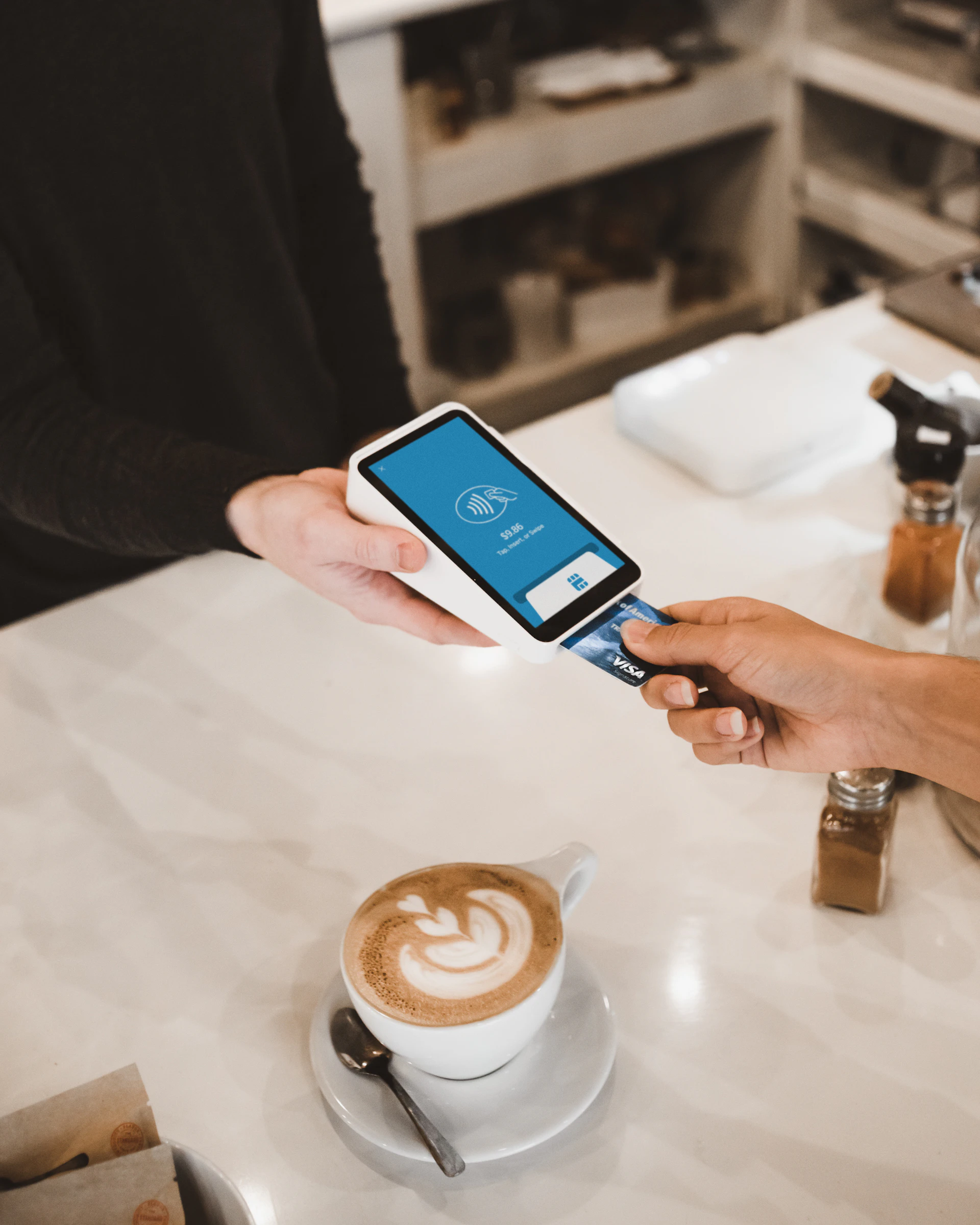
Your foreign Visa or Mastercard works fine at convenience store registers and restaurants. The problems start online — your card gets accepted in person but rejected on Japanese platforms.
Mercari
Mercari is Japan’s largest secondhand marketplace — think of it as the local equivalent of eBay or Facebook Marketplace. The platform explicitly does not accept foreign-issued credit cards. Even Visa or Mastercard gets rejected if it was issued outside Japan. When you’ve just moved and want cheap used furniture or appliances for your new apartment, this is a real obstacle.
PayPay
PayPay is Japan’s leading QR code payment app (70 million+ registered users). Its official help page states that foreign-issued cards may not be registrable. Many small restaurants and shops accept only PayPay and no credit cards — the merchant fees are lower for QR payments, so small businesses prefer it. Without PayPay, your dining and shopping options narrow.
Mobile Suica
Suica is a transit IC card used for trains, buses, convenience stores, and vending machines. The Suica app’s official FAQ states that foreign-issued cards generally cannot be registered. Charging via Apple Pay with a foreign card has also become increasingly restricted. You can still load cash at station ticket machines, but auto-charge and in-app top-ups won’t work — an everyday inconvenience.
iD and QUICPay
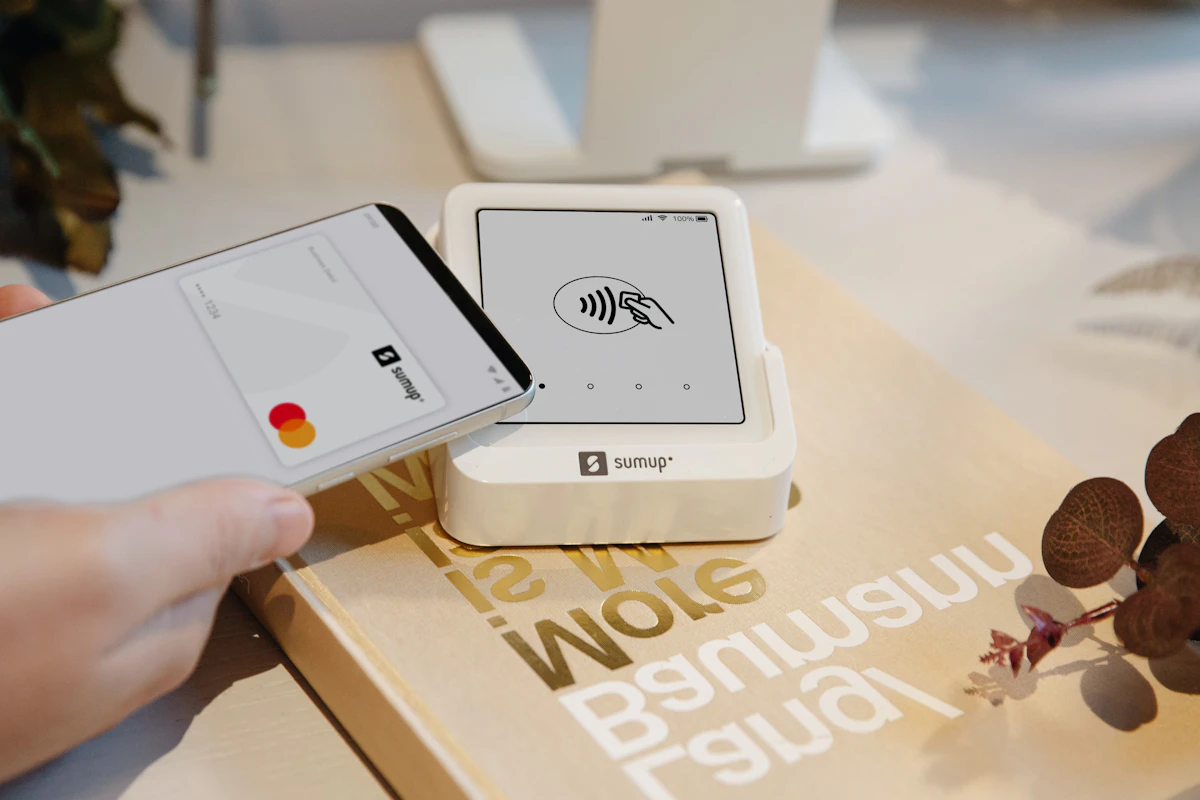
Even with your foreign card added to Apple Pay or Google Pay, Japan’s FeliCa-based contactless payments — iD and QUICPay — won’t work. Your card can still process EMV contactless (tap-to-pay), but terminals set to iD/QUICPay only will decline it. For more on why this happens, see the Apple Pay section in How Payments Work in Japan.
ETC Cards
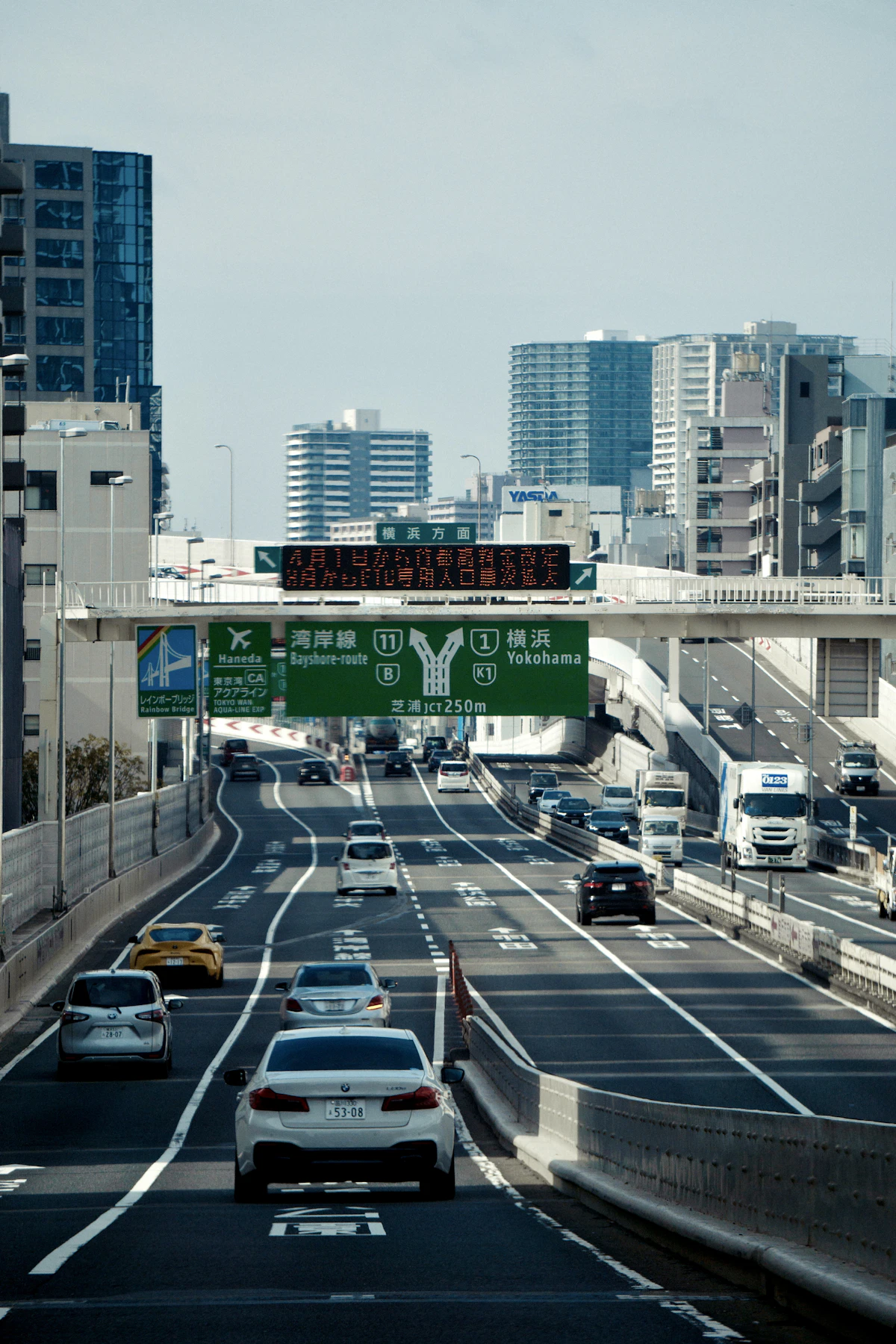
Japan’s highway toll system (ETC) uses a dedicated card issued as an add-on to a Japanese credit card. There’s no way to get one from a foreign card. The alternative is an ETC Personal Card — ¥1,257/year plus a deposit — which foreign residents can apply for with a residence card (在留カード / zairyū kādo). The catch: the entire application process is in Japanese only.
Utilities and Streaming Services
Setting up automatic credit card billing for electricity, gas, and water with a foreign card is difficult. The practical workaround is 口座振替 (kōza furikae) — automatic debit from a Japanese bank account — which needs no credit card at all. NTT Docomo-affiliated streaming services like Hulu Japan and d Anime Store also reject foreign cards. Global services like Netflix and Spotify work fine with foreign cards.
”Super White” — Why You Keep Getting Rejected
When a Japanese credit card company reviews your application, they check CIC (Credit Information Center) — Japan’s primary credit bureau. CIC stores your credit and loan history, recording each month’s payment status with symbols.
As a newly arrived foreigner, your CIC file is completely empty. This state is called スーパーホワイト (sūpā howaito / “super white”).
Here’s the problem: a blank file looks identical to someone who went bankrupt and had their negative records expire. CIC automatically deletes default records after 5–10 years. So an applicant over 30 with zero credit history raises a red flag — the card company can’t tell whether you’re genuinely new to Japan or recovering from financial trouble.
Your credit history from home doesn’t carry over. Japan has three credit bureaus — CIC, JICC, and KSC — that share data among themselves via networks called CRIN and FINE, but this sharing is domestic only. A perfect FICO score in the US or a spotless record in Europe means nothing here. You start from zero.
Visa duration also matters. If your remaining residence period is short, card companies see a risk of unpaid balances after departure. Having at least one year left on your visa is a common baseline for approval.
How to Get a Card
Building credit from a blank CIC file requires a stepping-stone approach.
Step 1: Buy a phone on installments
Purchase a smartphone on an installment plan (割賦契約 / kappu keiyaku) from docomo, au, SoftBank, or another carrier. Each monthly payment gets recorded in CIC. Note: it’s the device installment that builds credit, not the monthly service fee.
The approval threshold for phone installments is lower than for credit cards, making this the most realistic first step.
One critical rule: never miss a payment. A single late payment marks your CIC record with “A” (unpaid). Instead of building credit, this actively damages your chances on future applications.
Step 2: Pay on time for 6–12 months
CIC tracks each monthly payment with symbols: ”$” means paid on time, “A” means unpaid. Six or more consecutive ”$” marks is the rough threshold where card companies start viewing your record favorably. The ideal state is 24 consecutive ”$” marks.
Step 3: Update the address on your ID documents
Credit card applications require identity documents. If the address on your documents doesn’t match your application address, the process stalls before screening even begins. People often forget to update after moving — check before you apply.
Residence card (在留カード / zairyū kādo): Updated at your ward or city office (区役所 / 市役所) when you file a move-in notification. Your new address is printed on the back. This must be done within 14 days of moving, as required by immigration law.
My Number card (マイナンバーカード): Can be updated at the same time as your move-in notification at the ward or city office. The new address is added to the back of the card. You’ll need to enter your PIN — if you’ve forgotten it, a reset procedure is required first.
Driver’s license (運転免許証 / unten menkyoshō): Updated at a police station (警察署 / keisatsusho) or driver’s license center (運転免許センター). Bring a residence certificate (住民票 / jūminhyō) issued within the past 6 months, without your My Number printed on it. The new address is written on the back of the license.
Step 4: Apply for a retail credit card
Once you have a payment track record, apply for a retail-affiliated card with relatively flexible screening. Rakuten Card and Epos Card are among the retail cards with a track record of approving foreign applicants.
When applying, set the cash advance (キャッシング / kyasshingu) limit to ¥0 — this lowers the screening hurdle. Make sure you already have a Japanese bank account and phone number.
When Things Go Wrong
Rejected for a credit card: Don’t immediately reapply. CIC retains application records for 6 months from the inquiry date. Applying to multiple companies in a short period leaves a trail of inquiries, which card companies read as desperation. Wait at least 6 months before trying again.
Rejected for phone installments too: You can still buy the phone outright with cash and sign up for the service plan only. CIC won’t get any installment records this way, but you’ll have a working phone. Shopping credit at electronics stores (分割払い / bunkatsu barai) is another route — these installment contracts also get recorded in CIC, giving you a different path to building credit.
Want to check your own credit record: CIC’s disclosure service lets you view your credit file online for ¥500. You can verify whether your ”$” marks are lining up and whether any “A” marks have appeared.
Surviving Without a Card
While you work toward getting a Japanese credit card, there are ways to fill the gaps.
Debit cards: Opening a Japanese bank account — which you can do once you’ve resolved the phone-bank catch-22 — typically gives you access to a Visa Debit or JCB Debit card with no credit check. It won’t build your CIC history, but it works at many online services as a credit card substitute.
Prepaid cards: Kyash, Vandle Card (バンドルカード), and similar Visa-linked prepaid cards require no screening. Since they’re issued in Japan, they can sometimes work on Mercari where foreign credit cards cannot.
Use bank auto-debit for utilities: Instead of struggling with credit card billing, set up 口座振替 (kōza furikae) — automatic withdrawal from your Japanese bank account. This is the standard method for paying electricity, gas, and water in Japan.
Related Articles
- How Payments Work in Japan — PayPay, Suica, credit cards, and how to use each
- Phone & Bank Account Catch-22 — Getting a phone number and bank account — the first step before building credit
- How to Find an Apartment in Tokyo — Guarantor company screenings also reference your credit history
Sources:
- CIC, “What Is Credit Information” https://www.cic.co.jp/confidence/index.html (accessed 2026-02-17)
- CIC, “Information Held by CIC” https://www.cic.co.jp/confidence/posession.html (accessed 2026-02-17)
- CIC, “Credit Information Exchange (CRIN/FINE)” https://www.cic.co.jp/confidence/exchange/ (accessed 2026-02-17)
- CIC, “Information Disclosure” https://www.cic.co.jp/mydata/ (accessed 2026-02-17)
- Mercari, “Credit Card Payments” https://help.jp.mercari.com/guide/articles/23/ (accessed 2026-02-17)
- PayPay, “Registrable Credit Card Types” https://paypay.ne.jp/help/c0063/ (accessed 2026-02-17)
- Mobile Suica, “Credit Cards Registrable with the Suica App” https://apfaq.mobilesuica.com/faq/show/1483?category_id=45&site_domain=default (accessed 2026-02-17)
- Immigration Services Agency, “Change of Address Notification (Mid- to Long-term Residents)” https://www.moj.go.jp/isa/applications/procedures/nyuukokukanri10_00023.html (accessed 2026-02-17)
- ETC Personal Card https://www.etc-pasoca.jp/service/ (accessed 2026-02-17)
* This article was translated from the original Japanese with the help of machine translation. Some expressions may not read naturally.


