E X P L O R E
Jak rezervovat restaurace v Tokiu — průvodce v angličtině
Rezervujte restaurace v Tokiu bez znalosti japonštiny. Porovnejte TableCheck, Tabelog, OMAKASE a další podle poplatků a jazykové podpory. Včetně pravidel pro nepřítomnost a míst s rezervací pouze po telefonu.

This article contains affiliate links. tokyo.how may earn a commission at no extra cost to you if you make a purchase through these links. This does not influence our editorial content.
Pro rezervaci tokijských restaurací v angličtině jsou online služby jako TableCheck, Tabelog a OMAKASE nejjednodušší možností. Restaurace s michelinskými hvězdami (Michelin) by měly být rezervovány 2–3 měsíce dopředu; populární sushi (寿司) bary potřebují přibližně 1 měsíc. V případě restaurací s rezervací pouze po telefonu může vše za vás japonsky vyřídit hotelový concierge nebo placená rezervační agentura.
Které restaurace vyžadují rezervaci

Ne každá restaurace v Tokiu vyžaduje rezervaci. Existuje jasný rozdíl mezi každodenním stravováním a zvláštními příležitostmi.
Rezervace se důrazně doporučuje:
- Sushi bary (mnoho má velmi omezené sezení)
- Kaiseki (懐石) a kappo (割烹) — tradiční japonské vícekchodové menu
- Francouzská a italská degustační menu
- Teppanyaki (鉄板焼き)
- Restaurace s michelinskými hvězdami obecně
- Oblíbené izakaye (居酒屋) v pátek a sobotu v noci (skupiny 5 a více osob)
Rezervace není potřeba:
- Ramenové restaurace — rezervace vůbec nepřijímají
- Řetězce sushi na pásu — Sushiro (スシロー), Kura Sushi (くら寿司), Hama Sushi (はま寿司)
- Restaurace teishoku (定食) a shokudo (食堂) — jídelny s denním menu
- Řetězce gyudon — Matsuya (松屋), Sukiya (すき家), Yoshinoya (吉野家)
- Rodinné restaurace — Denny’s, Saizeriya (サイゼリヤ), Gusto (ガスト)
- Tachinomi (立ち飲み屋) — stojací bary
Praktické pravidlo: pokud restaurace nabízí převážně sezení u pultu nebo servíruje degustační menu, rezervujte předem. Na oběd se lze často dostavit bez rezervace tentýž den, ale na večeři je nejlepší rezervovat s předstihem.
Záleží také na poloze. Ginza (銀座) je plná prémiových sushi restaurací a francouzských restaurantů — najít místo bez rezervace je tam obtížné. Podobně je to v Roppongi (六本木) a Azabu-Juban (麻布十番).
Naproti tomu rušné zábavní čtvrti Shinjuku (新宿), Shibuya (渋谷) a Ikebukuro (池袋) mají restaurace natolik blízko u sebe, že pokud je jedna plná, lze zkusit sousední. Znalost tokijských čtvrtí a sousedství specializovaných na gastronomii vám pomůže zúžit hledání.
Jak daleko dopředu rezervovat
Načasování se výrazně liší podle kategorie restaurace.
- Restaurace s michelinskými hvězdami: 2–3 měsíce dopředu. Některé mají pevná data, kdy otevírají rezervace — ověřte web restaurace nebo jejich stránku na OMAKASE
- Populární sushi bary a kaiseki: 1 měsíc dopředu
- Restaurace střední třídy a izakaye: 1–2 týdny dopředu
- Casual restaurace: Den předem nebo i tentýž den je často v pořádku
Páteční a sobotní večeře se zaplní nejrychleji. Pokud plánujete víkendové jídlo, rezervujte dříve než ve všední den.
Odhadovaný rozpočet
Ceny v tokijských restauracích jsou velmi různorodé. Přibližné náklady na osobu při večeři:
- Prémiové sushi bary a kaiseki: 20 000–50 000 jenů/osoba
- Restaurace střední třídy (francouzské bistroty, yakiniku, izakaya menu atd.): 3 000–8 000 jenů/osoba
- Casual stravování (ramen, teishoku menu, gyudon atd.): 800–1 500 jenů/osoba
Anglicky přívětivé rezervační služby
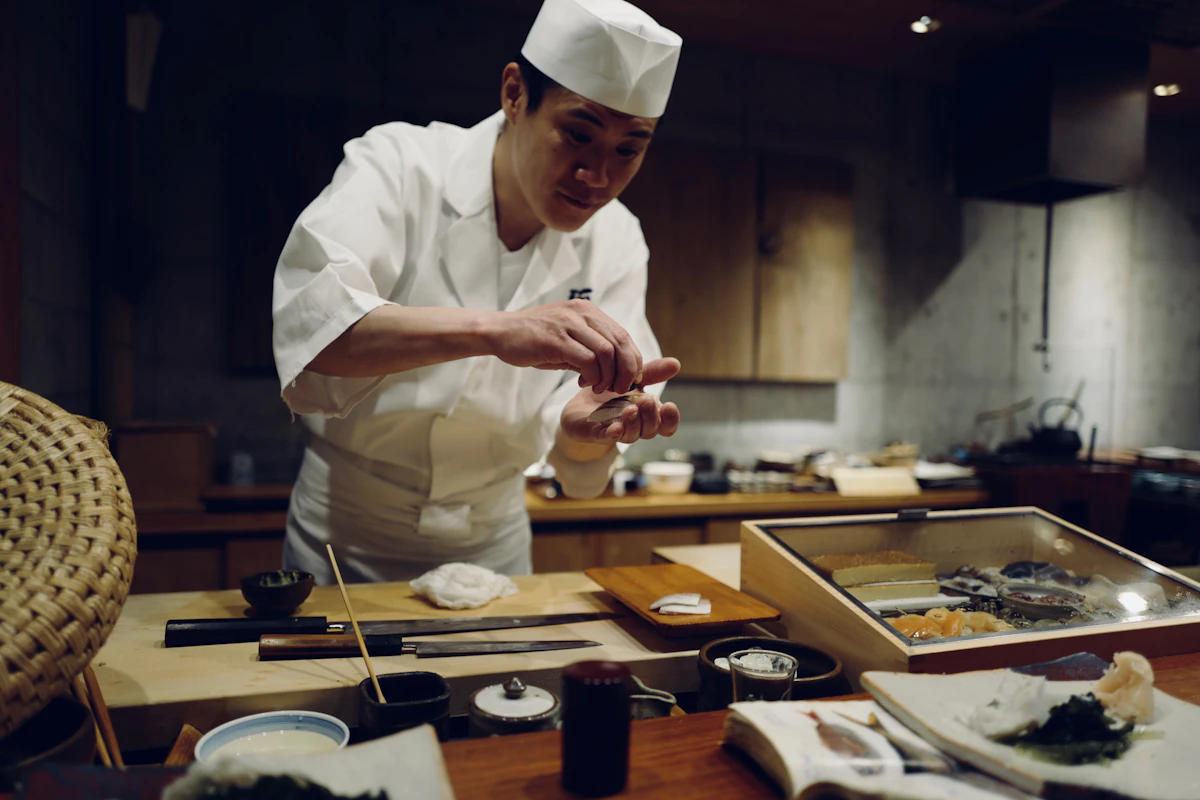
Zde je pět hlavních služeb, které můžete používat bez znalosti japonštiny.
| Služba | Jazyky | Rezervační poplatek | Kategorie restaurace | Klíčová funkce |
|---|---|---|---|---|
| TableCheck | 18 jazyků | Zdarma | Všechny kategorie (včetně prémiových) | Integrace s Google Maps |
| Tabelog | EN, ZH (zjednodušená i tradiční), KO | ¥440/osoba | Všechny kategorie (~890 000 záznamů) | Japonské uživatelské recenze odhalují místní oblíbence |
| GURUNAVI | EN, ZH, KO | Zdarma | Casual až střední třída | Filtr personálu mluvícího anglicky |
| OMAKASE | EN, JA | Placeno (zobrazí se při rezervaci) | Pouze prémiové | Plná předplatba kurzu |
| Pocket Concierge | EN, JA | Zahrnut v ceně kurzu | Prémiové | Plná předplatba kurzu |
Poplatky a funkce platné k únoru 2026. Aktuální informace najdete na oficiálních stránkách jednotlivých služeb.
Pro procházení bez poplatků přes širokou škálu restaurací zkuste TableCheck. Pro výběr restaurací na základě hodnocení japonských strávníků použijte Tabelog. Pro zajištění místa v prémiové restauraci je OMAKASE nejlepší volbou.
Poznámka: Anglická verze Hot Pepper Gourmet byla ukončena v lednu 2026 (stránka s oznámením již není dostupná). Japonskou verzi lze používat s funkcí překladu v prohlížeči, ale potvrzovací e-maily budou také pouze v japonštině.
TableCheck — Žádný rezervační poplatek, široké pokrytí
TableCheck je bezplatná online rezervační služba pro restaurace v 18 jazycích. Celý rezervační proces — od hledání po potvrzení — můžete dokončit bez japonštiny. Je zapsáno přes 10 000 restaurací, od casual izakayí po prémiové restaurace.
Při hledání tokijských restaurací ve Vyhledávání Google nebo Google Maps můžete vidět tlačítko „Reserve a table”. To je díky integraci TableCheck s Reserve with Google, která vám umožňuje rezervovat přímo z rozhraní Google.
Při rezervaci vás mohou požádat o registraci kreditní karty. Nejedná se o platbu — jde o blokaci na kartě jako prevenci nedostavení se. Jídlo platíte v restauraci. Podrobnosti o tom, které karty v Japonsku fungují nejlépe, najdete v našem průvodci platebními metodami.
Pro těžko rezervovatelné restaurace nabízí TableCheck placenou možnost TableCheck FastPass. Ceny se liší podle restaurace. Získáte přístup k výhradním FastPass rezervačním slotům, odděleně od běžné dostupnosti — stojí za zvážení, pokud máte v plánu konkrétní restauraci, do níž se opravdu chcete dostat.
Tabelog — Největší databáze recenzí v Japonsku
Tabelog je největší japonský web pro hledání a rezervaci restaurací s přibližně 890 000 záznamy. Jeho největší silnou stránkou jsou recenze japonských uživatelů. Místo na turisty zaměřených žebříčků najdete restaurace, kde místní skutečně jedí.
Vícejazyčná aplikace výrazně usnadnila anglické rezervace přes smartphone. Vyhledávání na mapě vám také umožňuje najít restaurace v okolí při procházkách.
Rezervace stojí ¥440 na osobu jako systémový poplatek, který je okamžitě strhnut z kreditní karty. Tento poplatek se nevrací při zrušení z osobních důvodů (výjimka: zrušení iniciované restaurací). Jídlo samotné se platí zvlášť v restauraci.
Hodnocení Tabelog je na stupnici 1–5. Obecně platí, že skóre 3,5 a výše označuje velmi oblíbenou restauraci. Japonští uživatelé hodnotí přísně, takže i restaurace kolem 3,0 mohou být výborné.
OMAKASE — Zaměřeno na prémiový segment, plná předplatba
OMAKASE je rezervační služba s předplatenou platbou, specializující se na nejlepší tokijská sushi, kaiseki, tempura a další. V době rezervace platíte rezervační poplatek plus plnou cenu kurzu. V restauraci pak není potřeba nic platit.
Storno podmínky se liší podle restaurace. Vždy si před rezervací přečtěte storno podmínky na stránce každé restaurace. Některé restaurace automaticky zruší rezervaci při pozdním příchodu, proto si hlídejte čas.
Velkou výhodou OMAKASE je, že umožňuje online rezervaci v prémiových restauracích, které jinak přijímají rezervace pouze telefonicky v japonštině. Rezervační sloty jsou však omezené. Na stránce každé restaurace je uvedeno, kdy se otevírají nové sloty (např. „5. každého měsíce na příští dva měsíce”), takže si to předem ověřte.
GURUNAVI — Zdarma, s filtrem personálu mluvícího anglicky
GURUNAVI (Rakuten GURUNAVI) je bezplatný anglicky přívětivý web pro hledání a rezervaci restaurací. Jeho výjimečnou funkcí je možnost filtrovat restaurace s personálem mluvícím anglicky nebo s anglickými menu — užitečné, pokud vás znepokojuje jazyková bariéra. Prémiových záznamů je méně, ale izakaye, yakiniku a restaurace střední třídy jsou zastoupeny dobře.
Pocket Concierge — Zaplaťte kurz předem, zapomeňte na účet
Pocket Concierge je anglicky přívětivá služba pro předplatbu a rezervaci degustačních menu v prémiových restauracích. Vyberete konkrétní menu a při rezervaci zaplatíte celou částku, takže v restauraci není potřeba nic platit ani komunikovat. Případné příplatky jsou účtovány na stejnou kreditní kartu. Pokrývá prémiové francouzské restaurace, sushi a kaiseki především v Tokiu, Kjótu a Ósace.
Když restaurace přijímá rezervace pouze telefonicky
Mnoho tokijských restaurací nenabízí online rezervace a přijímá rezervace pouze telefonicky — v japonštině. To je běžné v sushi barech s rodinným vedením, malých kappo restauracích a zavedených tradičních restauracích. Jak to řešit, pokud japonsky neumíte.
Požádejte hotelového concierge (zdarma)
Pokud bydlíte v hotelu se 4 hvězdičkami nebo vyšším, je požádání concierge jednou z nejspolehlivějších možností. Většina hotelů tuto službu nabízí hostům zdarma. Když hotelový concierge provede rezervaci, hotel fakticky ručí za to, že host přijde, což zvyšuje ochotu restaurace rezervaci přijmout.
Tipy pro žádost:
- Pošlete conciergeovi e-mail hned, jak je potvrzena rezervace hotelu — nečekejte do check-inu
- Restaurace s michelinskými hvězdami žádejte 1–2 měsíce předem
- Nabídněte 2–3 preferované termíny/časy
- Předem sdělte případné alergie nebo stravovací omezení
Placené rezervační agentury
Pokud bydlíte v hostelu nebo Airbnb bez přístupu k conciergeovi, jsou k dispozici placené rezervační agentury.
| Služba | Poplatek | Podrobnosti |
|---|---|---|
| TABLEALL | ¥8 000/místo | Předem zajištěná místa v populárních restauracích. Vše v angličtině |
| JPNEAZY | 10–15 % z ceny kurzu | Concierge provede rezervaci za vás v japonštině |
| byFood | Různé | Rezervace restaurací a concierge služba |
TABLEALL nerezeruje za vás — předem odkupuje místa v populárních restauracích. Protože jsou sloty předem zajištěny, je dostupnost obecně lepší než u běžných rezervací, ale poplatek ¥8 000 za místo to odráží.
Osobní návštěva restaurace
Pokud nefunguje ani telefonická, ani online rezervace, můžete restauraci navštívit osobně. Přijďte několik dní před preferovaným termínem a pomocí překladatelské aplikace sdělte datum, čas a počet osob. Osobní komunikace je jednodušší než telefonické hovory — gesta a ukázání obrazovky hodně pomohou. Návštěva mezi obědem a večeří (zhruba 14:00–17:00) je ideální, protože personál bude mít více času.
Připravte si v překladatelské aplikaci předem:
- Preferované datum a čas
- Počet hostů
- Případné alergie nebo stravovací omezení
- Kontaktní číslo (telefonní číslo vašeho hotelu postačí)
Stravovací omezení
Pokud máte alergie nebo stravovací omezení (vegetariánství, halal, bezlepkové atd.), vždy je uveďte v poznámkovém poli při rezervaci. Ne všechny restaurace je mohou zohlednit, proto si to předem potvrďte. Shojin ryori (精進料理) — tradiční buddhistická chrámová kuchyně zcela z rostlinných ingrediencí — je dobrou volbou pro vegetariány.
Po příchodu do restaurace
Při příchodu řekněte hostiteli „予約した〇〇です” (yoyaku shita [vaše jméno] desu / „Mám rezervaci na jméno [jméno]”). Pokud personál nemluví anglicky, pomozte si potvrzovacím e-mailem rezervace zobrazeným na telefonu.
Pokud nemáte potvrzovací e-mail, otevřete aplikaci nebo web rezervační služby a ukažte obrazovku s detaily rezervace. Zobrazí se číslo rezervace, datum/čas a počet osob — to je vše, co personál potřebuje.
V prémiových restauracích se můžete setkat se sezením tatami (畳), kde si zouvate boty, nebo šatnou. Pokud nesete kabát nebo kufr, personál vás při vstupu navede.
Pravidla stornování
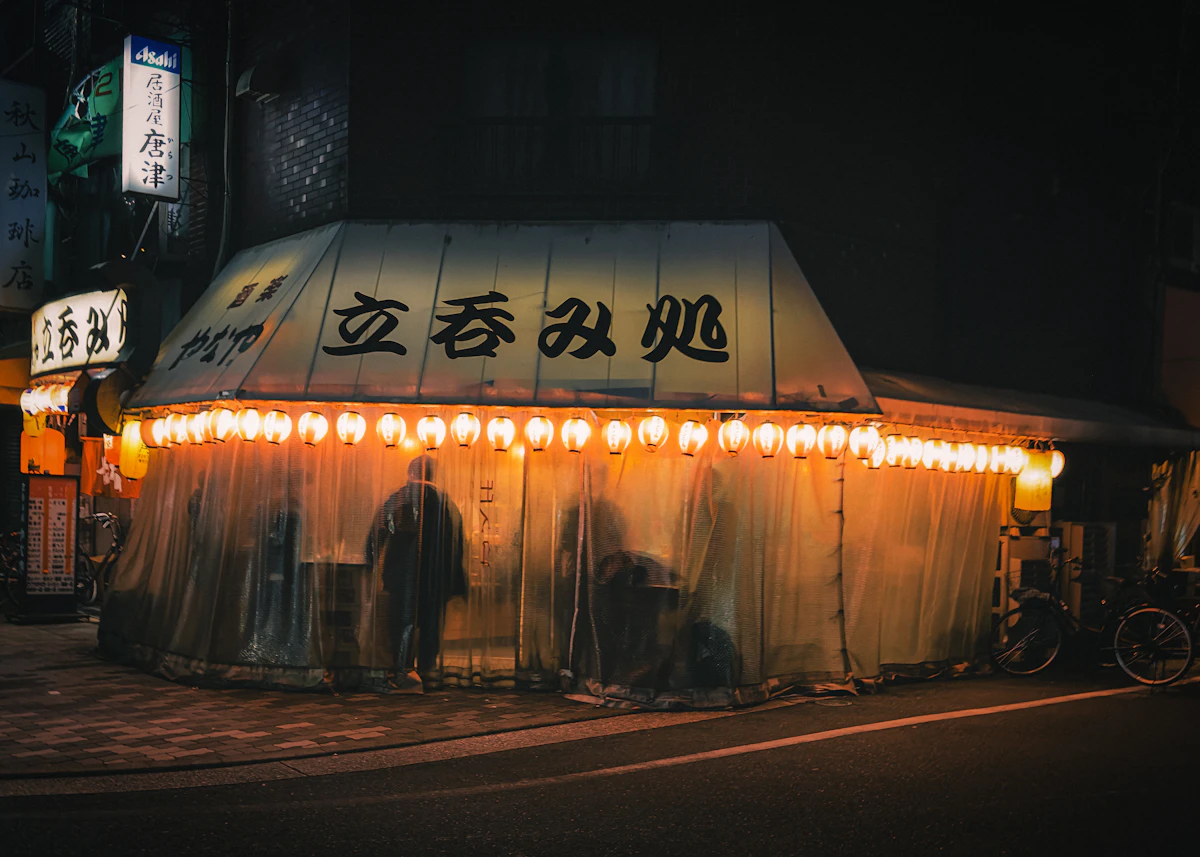
Tokijské restaurace v posledních letech zpřísňují opatření proti nedostavení se. V důsledku rostoucího počtu nedostavení mezinárodních turistů některé restaurace přestaly přijímat přímé rezervace ze zahraničí a nyní přijímají rezervace pouze prostřednictvím hotelových conciergeů.
Pravidlo je jednoduché: pokud jste rezervovali, přijďte. Pokud nemůžete, zrušte co nejdříve.
Typické rozsahy storno poplatků
Storno poplatky se liší podle restaurace, ale následující rozsahy jsou typické:
| Načasování | Typický poplatek |
|---|---|
| 3 a více dní předem | Zdarma nebo minimální |
| 2 dny předem | ~30 % ceny kurzu |
| Den předem | ~50 % ceny kurzu |
| Tentýž den / nedostavení se | 100 % ceny kurzu |
Podmínky se liší podle restaurace. Při rezervaci vždy zkontrolujte storno podmínky.
I při rezervaci pouze místa (bez kurzu) některé restaurace účtují při zrušení v den akce několik tisíc jenů na osobu. Při použití rezervační služby (TableCheck, Tabelog, OMAKASE atd.) jsou storno poplatky účtovány na kreditní kartu registrovanou při rezervaci.
Pozdní příchod
Některé restaurace automaticky zruší rezervaci při více než 10–15 minutovém zpoždění (liší se podle restaurace) a storno poplatek bude přesto účtován. Při rezervaci pozdní večeře dbejte na časy posledního vlaku. Pokud budete mít zpoždění, zavolejte do restaurace. Telefonní číslo je v potvrzovacím e-mailu — uložte si ho předem. Pozdní příchod bez oznámení může být hodnocen stejně jako nedostavení se.
Časový limit
Některé restaurace uplatňují 2hodinový časový limit (二時間制 / nijikan-sei) v době špičky. Pokud v potvrzovacím e-mailu stojí „2時間制”, musíte jídlo stihnout v tomto čase. Poslední objednávky se obvykle přijímají 15 minut před koncem časového limitu.
Řešení problémů
| Problém | Pravděpodobná příčina | Řešení |
|---|---|---|
| Rezervační web ukazuje „žádná dostupnost” | Online sloty jsou obsazeny | Zkuste jiné termíny/časy. Telefonické rezervační sloty jsou někdy spravovány odděleně — zeptejte se hotelového concierge |
| Potvrzovací e-mail nedorazil | Překlep v e-mailové adrese nebo zachycen spamovým filtrem | Zkontrolujte složku se spamem. Pokud tam není, zkontrolujte sekci „Moje rezervace” na rezervačním webu |
| Kreditní kartu nelze zaregistrovat | Některé ne-japonské karty nejsou přijímány | Zkuste Visa nebo Mastercard. Pokud nefungují, přejděte na jinou rezervační službu |
| Restaurace nenalézá vaši rezervaci | Nesoulad v hláskování jména nebo špatný termín | Ukažte personálu potvrzovací e-mail. Máte-li číslo rezervace, předložte ho |
| Stravovací omezení nebyla zohledněna | Nebyla sdělena při rezervaci | Vždy zahrňte omezení do poznámkového pole při rezervaci. Zda restaurace může vyhovět, závisí na místě — předem si to potvrďte |
Hledání restaurací bez rezervace
Existují způsoby, jak najít restauraci bez použití rezervační služby.
„Reserve a table” na Google Maps — Některé restaurace zobrazují na Google Maps tlačítko „Reserve a table”. To je díky integraci TableCheck s Reserve with Google, ale pokrytí je omezené. Nejlepší je používat souběžně se specializovanými rezervačními službami.
Přijít bez rezervace — V době oběda nebo mimo špičku (v týdnu kolem 17:00) mají mnohé restaurace volná místa. Prémiová místa v Ginze nebo Roppongi jsou náročná, ale casual izakaye a restaurace v Shinjuku a Shibuya stojí za spontánní pokus. Pokud je jedno místo plné, tokijské zábavní čtvrti obvykle nabízejí podobné restaurace v docházkové vzdálenosti. „Gado-shita” (ガード下) — restaurační uličky pod železničními viadukty v oblastech jako Yurakucho (有楽町) a Shimbashi (新橋) — jsou plné míst bez nutnosti rezervace s jedinečnou atmosférou.
Depachika (デパ地下) — potravinové haly v suterénu obchodních domů — Suterény obchodních domů jako Mitsukoshi (三越), Isetan (伊勢丹) a Takashimaya (高島屋) nabízejí nejen jídla s sebou a lahůdkářské zboží, ale také pulty s obsluhou, kde si lze sednout na sushi, tempuru, yōshoku (西洋料理 / japonská kuchyně v západním stylu) a více. Rezervace není potřeba a výběr je vynikající.
Nejčastější dotazy
Mohu rezervovat tokijské restaurace v angličtině?
Ano. Několik služeb — mezi nimi TableCheck, Tabelog a OMAKASE — podporuje angličtinu po celý rezervační proces, od hledání po potvrzení.
Jsou účtovány rezervační poplatky?
TableCheck a GURUNAVI jsou zdarma. Tabelog účtuje ¥440 na osobu a OMAKASE účtuje rezervační poplatek (zobrazený při rezervaci). Poplatky se liší podle služby.
Co když restaurace přijímá rezervace pouze telefonicky?
Požádejte hotelového concierge — je to nejjednodušší možnost. K dispozici jsou také placené rezervační agentury jako TABLEALL a JPNEAZY.
Jak daleko dopředu mám rezervovat restauraci s michelinskými hvězdami?
2–3 měsíce je dobrý orient. Některé restaurace mají pevná data otevírání rezervací, proto si to předem ověřte.
Budu účtováni za zrušení?
Většina restaurací účtuje 100 % za storno v den akce nebo nedostavení se a přibližně 50 % za den předem. Pokud jste rezervovali přes službu, poplatek je strhnut z karty v systému.
Lze se stravovat bez rezervace?
Rozhodně. Ramenové restaurace, sushi na pásu, jídelny teishoku a řetězce gyudon fungují bez rezervace. Casual izakaye mají ve všední dny také často volná místa.
Související články
- Časté chyby při návštěvě Tokia — Úskalí nad rámec rezervací restaurací, která by měl znát každý cestovatel
- Platební metody v Tokiu — Kreditní karty, elektronické peníze a hotovost — co je přijímáno kde
- Jak získat a používat kartu Suica — Tranzitní IC karta, která funguje i pro platby v restauracích
- Průvodce etikety v Tokiu — Pravidla chování při stravování venku, spropitné a společenské zvyklosti
- Průvodce levným stravováním v Tokiu — Jak najít skvělé jídlo v Tokiu bez přílišných výdajů
- Vysvětlení poplatků v tokijských restauracích — Otoshi (お通し), servisní poplatky, poplatky za sezení a další skryté náklady
Zdroje:
- TableCheck “TableCheck revolutionizes dining, reaches 10,000 clients globally” https://www.tablecheck.com/en/blog/tablecheck-revolutionizes-dining-10000-clients/ (accessed: 2026-02-27)
- TableCheck “What does ‘Credit Card Required to Reserve’ Mean?” https://support-diners.tablecheck.com/hc/en-us/articles/900000873083-What-does-Credit-Card-Required-to-Reserve-Mean (accessed: 2026-02-27)
- TableCheck “Reserve with Google: Increase Your Restaurant Reservations” https://www.tablecheck.com/en/blog/increase-restaurant-reservations-reserve-with-google/ (accessed: 2026-02-27)
- TableCheck “TableCheck FastPass: Skip the Wait at Top Restaurants in Japan” https://www.tablecheck.com/en/blog/tablecheck-fastpass-dinner-reservations-japan/ (accessed: 2026-02-27)
- JPNEAZY “Reservation Handling Fee” https://help.jpneazy.com/article/64-reservation-handling-fee (accessed: 2026-02-27)
- Tabelog “I want to know the costs involved when booking” https://support.tabelog.com/hc/en-us/articles/33980891564185-I-want-to-know-the-costs-involved-when-booking (accessed: 2026-02-27)
- Tabelog “Tabelog Multilingual App” https://tabelog.com/en/tabelog-multilingual-app/ (accessed: 2026-02-27)
- BusinessWire “Tabelog Launches Multilingual App for International Visitors” https://www.businesswire.com/news/home/20251221963753/en/ (accessed: 2026-02-27)
- GURUNAVI “About Reservation Service” https://gurunavi.com/en/site/reservation (accessed: 2026-02-27)
- Hot Pepper Gourmet “Service Termination Notice” https://global.hotpepper.jp/notice/en/index.html (link no longer accessible)
- TABLEALL “FAQ” https://www.tableall.com/faq (accessed: 2026-02-27)
FAQ
- Mohu rezervovat restaurace v Tokiu v angličtině?
- Ano. Několik služeb podporuje celý proces rezervace v angličtině, včetně TableCheck (zdarma, 18 jazyků), Tabelog (¥440 na osobu), GURUNAVI (zdarma) a OMAKASE (poplatek zobrazen při rezervaci). TableCheck je také integrován s Google Maps, takže můžete rezervovat přímo z výsledků vyhledávání.
- Jak dlouho dopředu bych měl/a rezervovat restauraci s michelinskou hvězdou v Tokiu?
- 2–3 měsíce předem je doporučená doba. Některé restaurace mají pevná data, kdy otevírají rezervace – zkontrolujte webové stránky restaurace nebo jejich stránku OMAKASE. Oblíbené sushi bary a kaiseki restaurace obvykle vyžadují přibližně 1 měsíc.
- Co dělat, když restaurace přijímá pouze telefonické rezervace v japonštině?
- Pokud pobýváte v hotelu 4 hvězdičky nebo vyšším, zeptejte se recepčního – většina hotelů tuto službu nabízí hostům zdarma a podpora hotelu způsobuje, že restaurace jsou ochotnější rezervaci přijmout. Placené služby jako TABLEALL (¥8 000/místo) a JPNEAZY (10–15 % ceny kurzu) jsou alternativami, pokud pobýváte v hostelu nebo Airbnb.
- Budu účtován/a poplatek za zrušení rezervace?
- Ano. Většina tokijských restaurací účtuje přibližně 100 % ceny kurzu za zrušení ve stejný den nebo neúčast a přibližně 50 % za zrušení den předem. Pokud jste rezervovali přes online službu, poplatek je automaticky stržen z registrované kreditní karty. Zrušte co nejdříve, pokud se vaše plány změní.
- Které restaurace v Tokiu nepotřebují rezervaci?
- Ramen obchody rezervace vůbec nepřijímají. Řetězce sushi na pásu (Sushiro, Kura Sushi), řetězce gyudon (Matsuya, Yoshinoya), rodinné restaurace (Saizeriya, Gusto) a jídelny teishoku všechny fungují na principu walk-in. Neformální izakaie mají také často volná místa večer ve všední dny.
- Co se stane, když přijdu pozdě na rezervaci?
- Některé restaurace automaticky zruší vaši rezervaci, pokud přijdete více než 10–15 minut pozdě, a stále vám může být účtován storno poplatek. Pokud se zpožďujete, zavolejte do restaurace na číslo v potvrzovacím e-mailu. Přijít pozdě bez upozornění může být bráno stejně jako neúčast.
- Existují bezplatné způsoby rezervace restaurací v Tokiu?
- Ano. TableCheck a GURUNAVI jsou oba zdarma bez rezervačního poplatku. Tabelog účtuje ¥440 na osobu. OMAKASE účtuje rezervační poplatek zobrazený v době rezervace. Jídlo samotné se vždy platí zvlášť v restauraci (pokud nepoužíváte službu s předplatbou, jako je OMAKASE nebo Pocket Concierge).
* Tento článek byl přeložen z japonského originálu s pomocí strojového překladu. Některé formulace nemusí znít přirozeně.


