Explore
Takayama and Shirakawago: A Day Trip from Tokyo?
Choose a day trip or overnight stay for Takayama's old town and Shirakawago's houses. Compare train, daytime bus, and night bus fares and schedules.
On this page
A walk through Takayama’s old town, or a visit to Shirakawago’s gassho-zukuri houses too? For a trip from Tokyo, start by comparing a day trip centered on Takayama with an overnight trip that also includes Shirakawago.
One walk leads from the front of Takayama Jinya across Nakabashi Bridge to Kamisannomachi. It makes a good route through Takayama’s old streets. If you also want to explore inside gassho-zukuri houses, an itinerary with an overnight stay is easier to arrange.
| Main interest | How long to stay |
|---|---|
| Walking around Takayama’s old town | A day trip is an option, focusing on the walk from Nakabashi Bridge to Kamisannomachi |
| Enjoying both Takayama and Shirakawago | With one night, visit Shirakawago the next day; with two, explore the town and village at a more leisurely pace |
| Visiting gassho-zukuri houses | Hida Folk Village in Takayama is another option; choose according to the buildings you want to see |
A day trip by train: focus on Takayama’s old town
The Tokyo Metropolitan Government and Tokyo Convention & Visitors Bureau guide gives about 1 hour 39 minutes for the Nozomi from Tokyo to Nagoya and about 2 hours 24 minutes for the Limited Express Hida from Nagoya to Takayama. The total of 4 hours 3 minutes is an estimate of time on the trains. It excludes the wait for your connection in Nagoya.
For a day trip, a walk through the old town and a meal give you a clear focus for enjoying Takayama. If you want to take your time inside its buildings too, compare what an overnight stay would allow.
Look up both directions for your travel date in JR Central’s timetable. Comparing your arrival in Takayama with the return limited express helps you see which places you can visit. Include travel between your accommodation and the station when choosing a return that works comfortably.
Check the train fare all the way to Takayama
If you select only Tokyo–Nagoya when buying your Shinkansen ticket, you still need the Limited Express Hida beyond Nagoya. Using JR West’s September 2026 fare information, a reference price for one adult traveling via Nagoya on the Nozomi and Hida, in ordinary-class reserved seats during a regular fare period, is ¥8,910 basic fare + ¥7,650 in limited-express charges = ¥16,560 one way. A return under the same conditions costs ¥33,120. Prices vary by season, seat type, and ticket product, so enter your travel dates to confirm the amount you will pay.
| Return trip to Takayama only | Train | Regular daytime bus to/from Shinjuku |
|---|---|---|
| Example adult transport cost | ¥33,120 | ¥16,000 |
| One-way journey | About 4 hours 3 minutes on trains, plus the transfer wait in Nagoya | Scheduled 5 hours 45 minutes |
The total train journey depends on connections on your travel date; the bus comparison uses the timetable below. The difference in return fares is ¥17,120. Alongside cost, consider how much of Takayama you want to explore.
For booking instructions, see how to book and ride the Shinkansen, or the Japan Rail Pass guide if you hold a pass.
Regular daytime buses allow a scheduled 2 hours 10 minutes in Takayama
The official Shinjuku–Takayama timetable offers the following combination of regular daytime services, checked on September 17, 2026. At that time, a detour and delay notice was in effect due to the closure of National Route 158. The table calculates time from the published schedule; it does not guarantee a stay of 2 hours 10 minutes.
| Leg | Departure and arrival | Duration |
|---|---|---|
| Shinjuku → Takayama | 7:05 → 12:50 | 5 hours 45 minutes |
| Stay in Takayama | 12:50–15:00 | 2 hours 10 minutes |
| Takayama → Shinjuku | 15:00 → 20:45 | 5 hours 45 minutes |
The fare is ¥8,000 per adult each way, or ¥16,000 for both legs. This excludes meals and travel between your accommodation and Shinjuku. A Japanese-language booking site lists a web discount with conditions, but the amounts above are the published fares without that discount.
This combination suits a short walk around the old town. If you follow the route from Takayama Jinya to Nakabashi Bridge and Kamisannomachi, focus on the streets rather than adding a visit inside Jinya. Those 2 hours 10 minutes also include eating and returning to the bus center. If your arrival is delayed, keep the walk close enough to catch your return bus.
The later return runs only on specified dates
The official timetable also lists a 17:10 departure from Takayama, arriving in Shinjuku at 22:55. On days when it runs, a 12:50 arrival gives you a scheduled 4 hours 20 minutes in Takayama, with more choice for walking and eating. However, this is an additional service running during specified periods in 2026, not a year-round last bus.
The listed operating dates are April 14–15, April 25–May 6, and July 11–October 11. Check the timetable symbol for your date when booking. With a 22:55 arrival in Shinjuku, include the train back to your accommodation in your plans.
If you also want to see Shirakawago’s houses
Takayama–Shirakawago takes about 50 minutes and costs ¥2,800 one way. A return adds about 1 hour 40 minutes on buses and ¥5,600 in fares. Services via intermediate stops take longer.
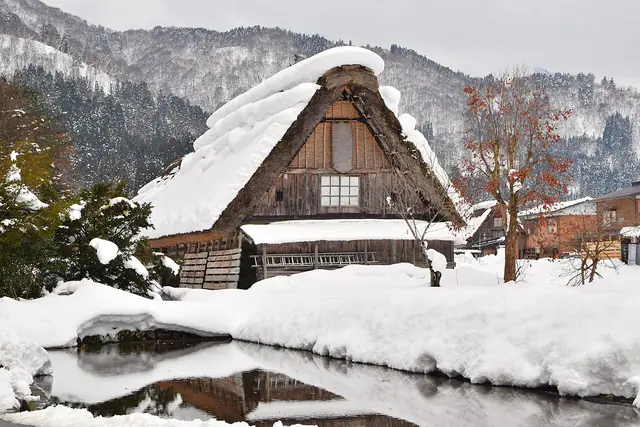
Walking around Takayama, then exploring the gassho-zukuri houses in Shirakawago, means allowing for both the bus journeys and the wait between connections. Whether a day trip works depends on your actual outward and return services. Start by deciding which place you would like to spend longer in.
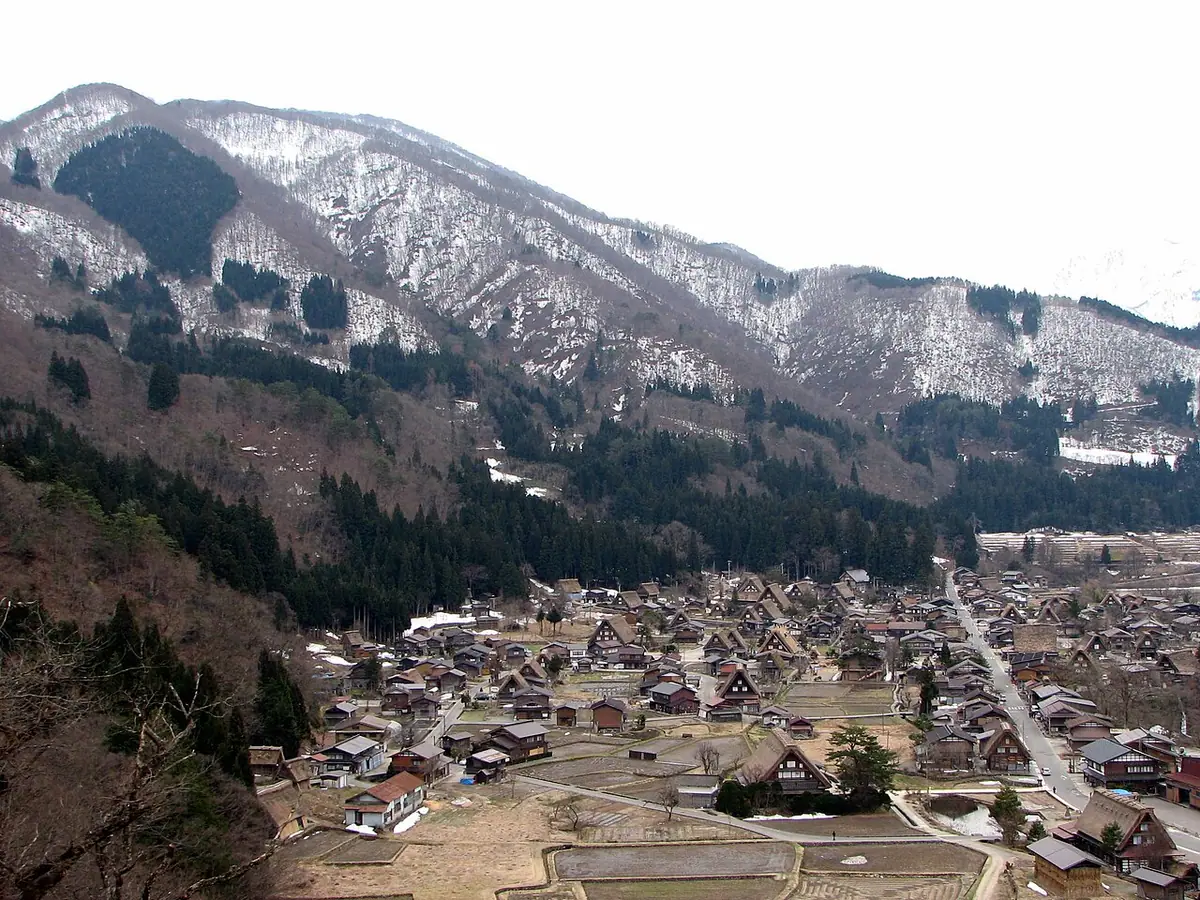
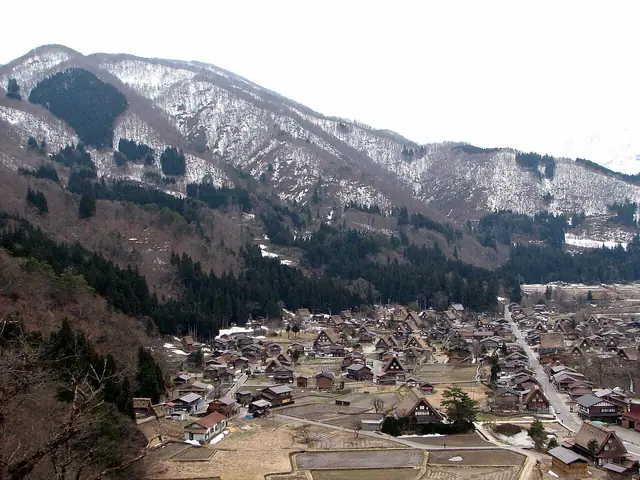
Ogimachi village in Shirakawago. Photo credits appear at the end.
Return daytime bus fares from Shinjuku plus return buses to Shirakawago total ¥16,000 + ¥5,600 = ¥21,600. However, this total does not establish that the services connect on the same day. The scheduled 2 hours 10 minutes in Takayama with the regular daytime buses makes a return journey to Shirakawago plus sightseeing difficult.
If Shirakawago is your only destination, you can also search for routes from the Hokuriku side instead of assuming a transfer in Takayama. The guide to choosing your overall route compares returning to Tokyo with continuing to Kyoto.
Stay overnight to enjoy both Takayama and Shirakawago
With one night and two days, walk around Takayama on the first day and visit Shirakawago the next. Each place gets its own day. If you continue to Tokyo or Kyoto on day two, the bus out of Shirakawago and the onward train connection determine how the day fits together.
With two nights and three days, you do not need to travel all the way to Tokyo or Kyoto on the day you visit Shirakawago. You can walk around the village, look inside the buildings that interest you, and return to Takayama. If you would also like an evening in an onsen, compare staying in Takayama, Gero, or Shirakawago.
If the interiors of gassho-zukuri houses are your main interest, Hida Folk Village in Takayama is another option. The Hida Folk Village and Shirakawago comparison can help you choose where to visit.
Arriving in Takayama in the morning by night bus
The official timetable’s night bus leaving Shinjuku at 22:55 and reaching Takayama at 5:00 the next morning runs only during specified periods in 2026. It arrives earlier than the daytime bus, but means spending the night on board. The night bus costs ¥9,000 per adult one way, so an overnight outbound journey and daytime return total ¥17,000. That is ¥1,000 more than daytime buses both ways; add any morning rest or luggage-storage costs when comparing.
Before booking, check where you can rest after arrival, when you can leave your luggage, and your accommodation’s check-in time. A bus arriving at 5:00 does not mean shops or accommodation are available then. The listed 2026 operating dates are April 13–14, April 24–May 5, and July 10–October 10. Do not assume the same bus will run the following winter.
Leave room for delays on the return journey
The operator warns that Shirakawago buses can be delayed by more than two hours by traffic, snow, or road closures. If you have a flight home or a train you cannot change, consider returning to a city the previous day. The Shirakawago bus booking guide covers reservations and what to do when services are full.
For a taste of Gifu during your Tokyo stay, there are also craft shops and hands-on workshops. You might walk through Takayama’s old town this time, then return for an overnight trip to Shirakawago. Think about where you would like to linger, and the right trip length becomes clearer.
Photo credits
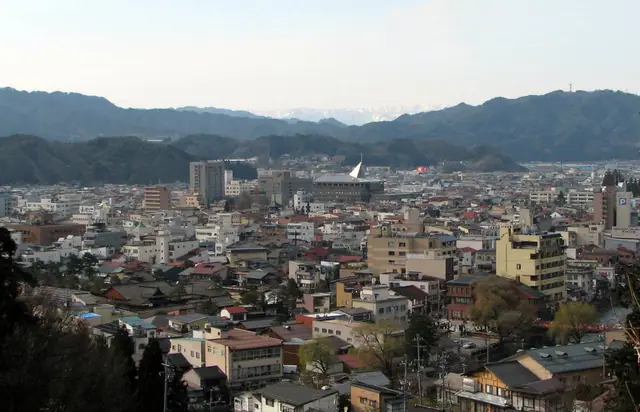
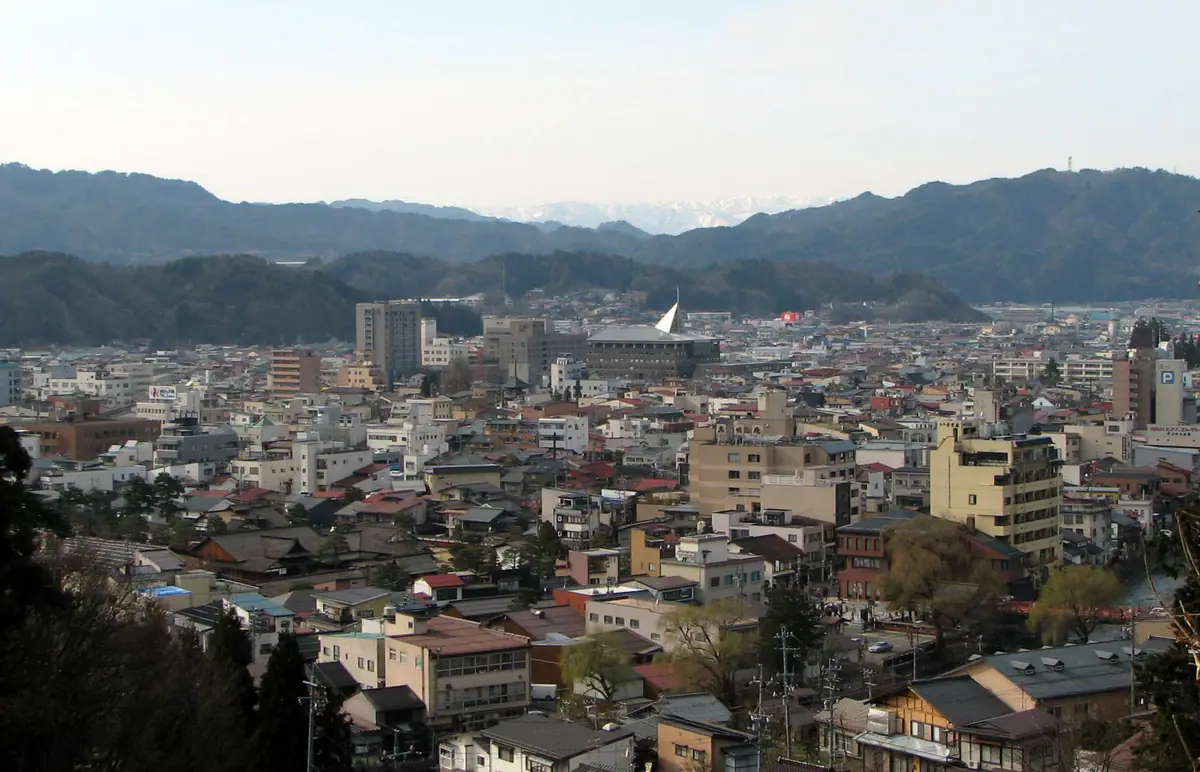
- Takayama city view: Bernard Gagnon, Takayama-01, April 5, 2008, CC BY-SA 3.0.
- Shirakawago: Bernard Gagnon, Ogimachi Village-01, April 7, 2008, CC BY-SA 3.0. Uses a reduced-size version served by Wikimedia Commons.
FAQ
- Can I make a day trip to Takayama by daytime bus from Shinjuku?
- The regular timetable checked on September 17, 2026, offers a 7:05 departure from Shinjuku arriving in Takayama at 12:50, with a return at 15:00 arriving in Shinjuku at 20:45. That leaves a scheduled 2 hours 10 minutes in Takayama, enough for a short walk around the old town. Bus delays may shorten your stay.
- Can I visit both Takayama and Shirakawago on a day trip from Tokyo?
- Traveling via Takayama adds return buses to Shirakawago and time waiting for connections. To enjoy both Takayama's old town and Shirakawago's gassho-zukuri houses, consider staying overnight. With one night, you can visit Shirakawago the next day; with two, you can separate your village visit from the journey between cities.
- Does the night bus from Tokyo to Takayama run every day?
- Nohi Bus's official timetable specifies operating periods. Do not plan on a daily, year-round service: check operation and seat availability for your travel date.
* This article was translated from the original Japanese with the help of machine translation. Some expressions may not read naturally.