Explore
Gifu from Tokyo: Takayama and Shirakawago Travel Guide
Plan a Gifu trip from Tokyo with Takayama's old streets, Shirakawago's thatched houses and hot springs. Compare routes, fares and places to stay.
On this page
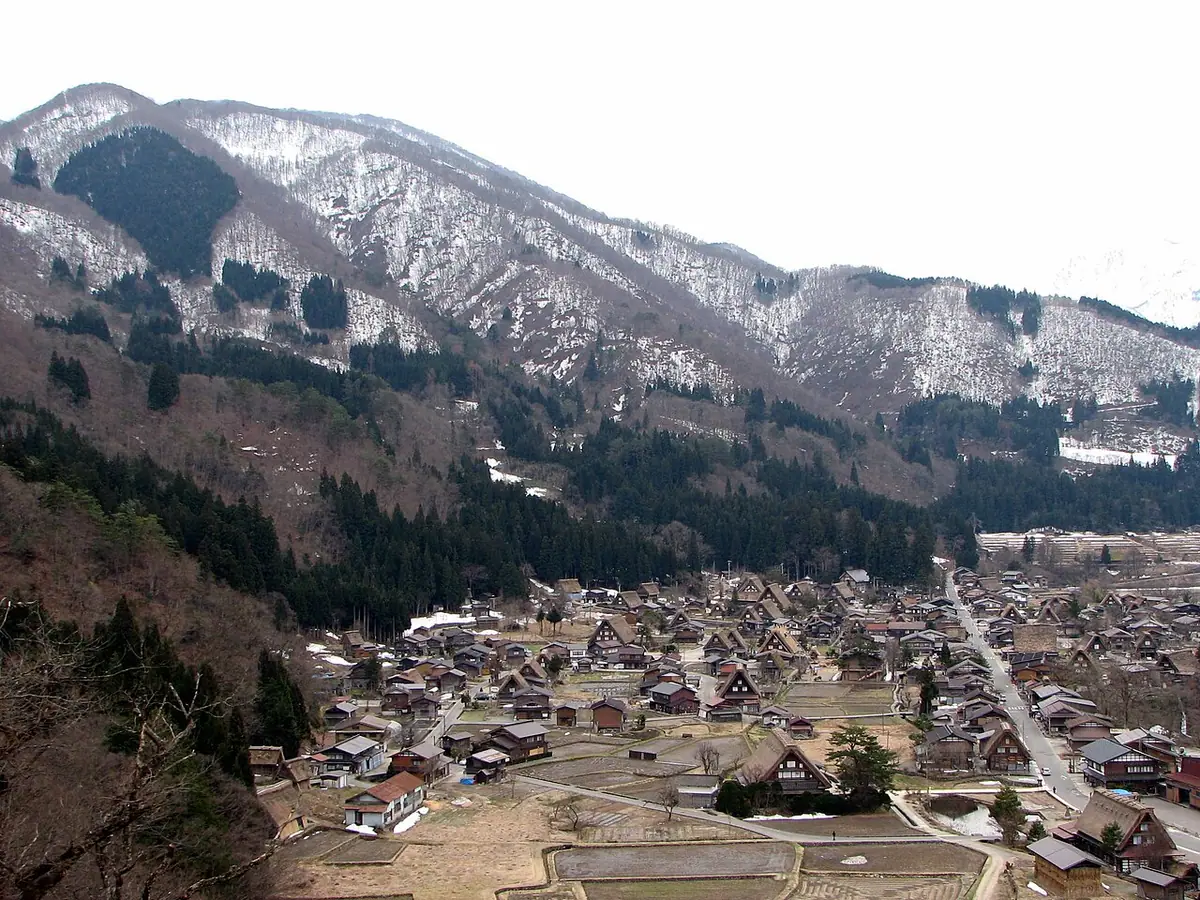
Walk past lattice-fronted townhouses in Takayama, then look up at the great thatched roofs of Shirakawago. Stay for a hot-spring bath, or follow an old mountain road on foot. If you want to venture beyond Tokyo, Gifu offers all of these possibilities.
To enjoy both Takayama and Shirakawago, one option is a three-day trip with two nights in Takayama, combining walks through the old town with visits to gassho-zukuri houses. From Tokyo, change from the Shinkansen to the Limited Express Hida at Nagoya for Takayama. Shirakawago is about 50 minutes from Takayama by bus. Compare day trips and overnight stays, then build your trip around the places you want to see.
Choose a destination around what you enjoy
Gifu is the name of both a prefecture and a city. If Takayama’s old town or Shirakawago is your destination, using those names in hotel and transport searches will narrow the results.
| What you want to see or do | Where to start |
|---|---|
| Walk through Takayama and visit Shirakawago | The itinerary below and where to stay |
| Follow a mountain trail from a stone-paved post town | Magome and Tsumago on the Nakasendo |
| Stay somewhere with hot springs | Compare Takayama, Gero and Shirakawago |
| Visit the Hida Furukawa scenery that caught your eye in a film | Your Name in Tokyo and Hida Furukawa |
| See gassho-zukuri houses in the snow | Winter trips and the Shirakawago light-up |
| Shop for Gifu-made tools or try a craft in Tokyo | Gifu crafts in Tokyo |
Takayama and Shirakawago suit an interest in old streets and buildings; Magome-juku and Tsumago-juku offer a walk between historic post towns. A film or a craft can be just as good a reason to choose a destination. Give the Magome–Tsumago walk and the Shirakawago excursion from Takayama separate days, so each has room in your trip.
Stay in Takayama for old streets and thatched houses
Spend your first day in Takayama’s old town and the next in Shirakawago. Staying two nights in Takayama lets you return to the same town for the evening after your village visit. If you continue to Kyoto on day three, your trip could look like this.
| Day | One way to spend it | Transport and accommodation to arrange |
|---|---|---|
| Day 1 | Tokyo → Nagoya → Takayama. Walk around Nakabashi Bridge and Kamisannomachi | Your arrival in Takayama and accommodation check-in time |
| Day 2 | Takayama → Shirakawago → Takayama | Outward and return buses, with time to explore between them |
| Day 3 | Take a morning walk in Takayama, then travel to Kyoto via Nagoya | Work backward from the time you want to arrive in Kyoto |
In Shirakawago, walk through the village, look at the shapes of the roofs and step inside houses open to visitors. If you become curious about their interiors and the lives once lived in them, compare Shirakawago with Hida Folk Village (Hida no Sato).
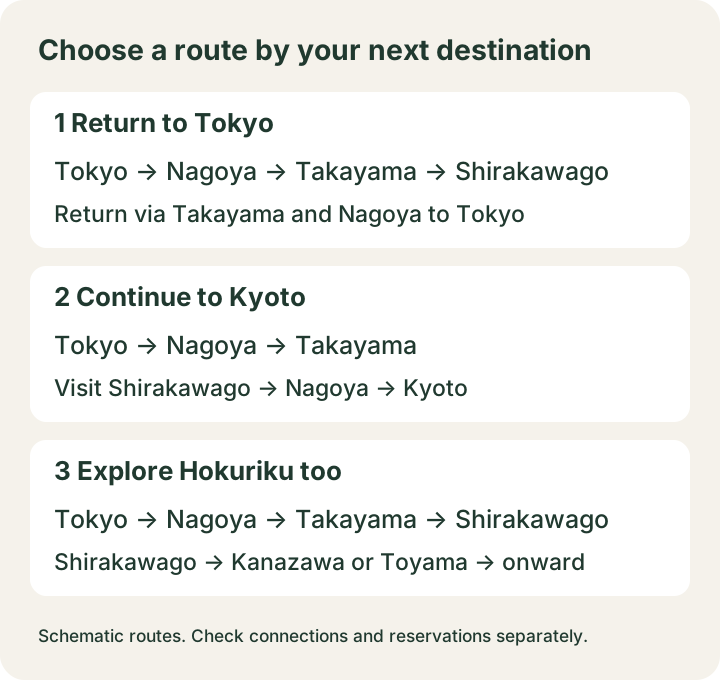
This diagram shows transport connections. It does not show scale, compass directions or actual connecting departure times.
In Takayama, walk from Takayama Station to the front of Takayama Jinya, cross the red Nakabashi Bridge and continue into Kamisannomachi. The walk from the station to Jinya takes about 15 minutes; the bridge and old town are close by. Follow streets lined with lattice-fronted townhouses and stop at shopfronts that catch your eye. It is a pleasant route for your arrival-day walk. For a trip back to Tokyo, replace day three with Takayama → Nagoya → Tokyo.
If you also want to visit Hokuriku
If you plan to stay in Kanazawa or Toyama, another option is Tokyo → Hokuriku → Shirakawago → Takayama → Nagoya → Kyoto. The Shirakawago bus route connects cities on the Hokuriku side with Takayama. To stop and explore Shirakawago along the way, choose both your arriving bus and the bus onward to the next city.
Add your nights in Hokuriku to the two-night plan above. On the day you stop in Shirakawago, decide where to leave your luggage so you can walk around with a lighter bag.
Add up transport costs by section
For a trip from Tokyo, include the Shirakawago round trip and travel to your next city, as well as the Tokyo–Takayama journey.
The daytime bus between Shinjuku and Takayama costs ¥8,000 one way per adult, while Takayama–Shirakawago costs ¥2,800 one way. With daytime buses in both directions between Shinjuku and Takayama, an example transport total is ¥8,000 × 2 + ¥2,800 × 2 = ¥21,600. Accommodation, meals, admission fees and travel to Shinjuku are extra. If you continue to Kyoto, replace the ¥8,000 return fare with the amount you pay for Takayama → Kyoto.
The overnight bus from Shinjuku to Takayama costs ¥9,000 one way per adult and runs only during specified periods in 2026. Taking the overnight bus out and a daytime bus back brings the transport total, including the Takayama–Shirakawago round trip, to ¥22,600. Both calculations use published fares without discounts. Check operating dates and the price when booking.
For trains, JR West’s September 2026 fare guide lists an adult ordinary-class reserved seat from Tokyo to Takayama via Nagoya, using Nozomi and Hida in the regular fare season, at ¥8,910 basic fare + ¥7,650 in limited express supplements = ¥16,560 one way. A ¥33,120 train round trip plus ¥5,600 for the Shirakawago buses comes to ¥38,720. The date, seat type and ticket product can change the price, so use your booking total for your own budget.
Add your chosen accommodation, meals, sightseeing and shopping to these transport costs. Compare daytime buses if keeping costs down matters most, and trains if you want to reduce travel time. If dinner at a hot-spring ryokan is part of the appeal, the guide to choosing a place to stay compares accommodation with meals and room-only stays.
The Takayama-Hokuriku Area Tourist Pass costs ¥19,800 per adult for five consecutive days. It is for foreign nationals entering Japan with Temporary Visitor status. It does not cover the trains from Tokyo or the Tokaido Shinkansen. Compare it with the cost of buying only the journeys you will take. Using the pass on a reservation-required bus also involves a phone reservation and a counter procedure before boarding.
For train booking steps, see the Shinkansen booking guide. When searching for Takayama, include the limited express journey beyond Nagoya in the total.
Once you choose a town, arrange accommodation and buses
Your choice of base may depend on whether you picture an evening hot-spring bath or a morning walk through town. After narrowing the options with the Takayama, Gero and Shirakawago accommodation comparison, check room change and cancellation terms alongside transport availability for the same dates.
Look for the outward and return buses together for your Shirakawago day. If you book accommodation before reserved-seat buses go on sale, pay attention to the accommodation’s cancellation deadline. Terms that let you change your stay if you cannot get the bus make it easier to rearrange the trip.
The Shirakawago bus booking guide distinguishes sold-out services, tickets not yet on sale and buses that do not require reservations. Road conditions can cause delays of more than two hours. If your itinerary leads straight to an international flight, compare it with spending the previous night in the city near your airport.
Send your suitcase to Kyoto and travel with a smaller bag
On a Tokyo → Gifu → Kyoto route, you can send large luggage ahead to your Kyoto accommodation. For example, Yamato Transport requires the receiving hotel to agree to accept the luggage.
Its English guidance says to send luggage by the shipping cutoff at least two days before check-in, or three days ahead for some distances. Get the hotel’s agreement, then confirm the arrival date at the shipping counter.
Keep clothes for this part of the trip, essential medicine and identification in your smaller bag. If you are returning to Tokyo, you could ask whether the same hotel can store luggage between your stays, or use luggage storage in Tokyo.
Shape the trip around the season and your interests
A winter visit to see Shirakawago in daylight and a visit to its reservation-only light-up need different preparation. The winter guide covers the event year, sales dates and transport.
If a film scene is your starting point, follow the Your Name route connecting Tokyo and Hida Furukawa. For a trip built around walking, start with Magome and Tsumago on the Nakasendo.
Tokyo also has shops selling Seki knives and Mino ware, plus food-replica workshops connected to Gujo Hachiman. Finding a tool you want to use or a craft you want to try might inspire a later trip to where it is made. You can start exploring an interest in Gifu during your time in Tokyo.
Photo credits
Hero photo: Bernard Gagnon, Ogimachi Village-01, April 7, 2008, CC BY-SA 3.0. Uses the reduced-size version served by Wikimedia Commons. Route diagram by tokyo.how.
FAQ
- How many nights do I need for Takayama and Shirakawago from Tokyo?
- Three days and two nights is one starting point for exploring Takayama and visiting Shirakawago. With one night and two days, choose fewer activities and check the outward journey, return journey and bus connections first.
- Can I visit Gifu on the way from Tokyo to Kyoto?
- You could reach Takayama via Nagoya, then return to Nagoya for Kyoto. Another option runs through Hokuriku, Shirakawago and Takayama before continuing to Nagoya. Allow extra travel days and overnight stays; this is more than a brief stop at a station on the direct Shinkansen route.
- Can I enjoy Gifu crafts without staying in Gifu?
- In Tokyo, you can browse Seki kitchen knives and Mino ware, or try making food replicas with a connection to Gujo Hachiman. Choosing one shop or workshop makes it easy to fit into your Tokyo stay.
* This article was translated from the original Japanese with the help of machine translation. Some expressions may not read naturally.