Explore
Gifu Crafts in Tokyo: Knives, Pottery and Food Replicas
Shop for Seki knives and Mino ware, or make wax food replicas in Tokyo. Find example shops, workshop prices, booking steps and language rules.
On this page
A plate with a petal-shaped rim may have you imagining what to serve on it back home. Pick up a kitchen knife, and you begin to notice how its handle fits your hand. Shopping and workshops in Tokyo offer a chance to discover Gifu’s craftsmanship through objects you can use or make yourself.
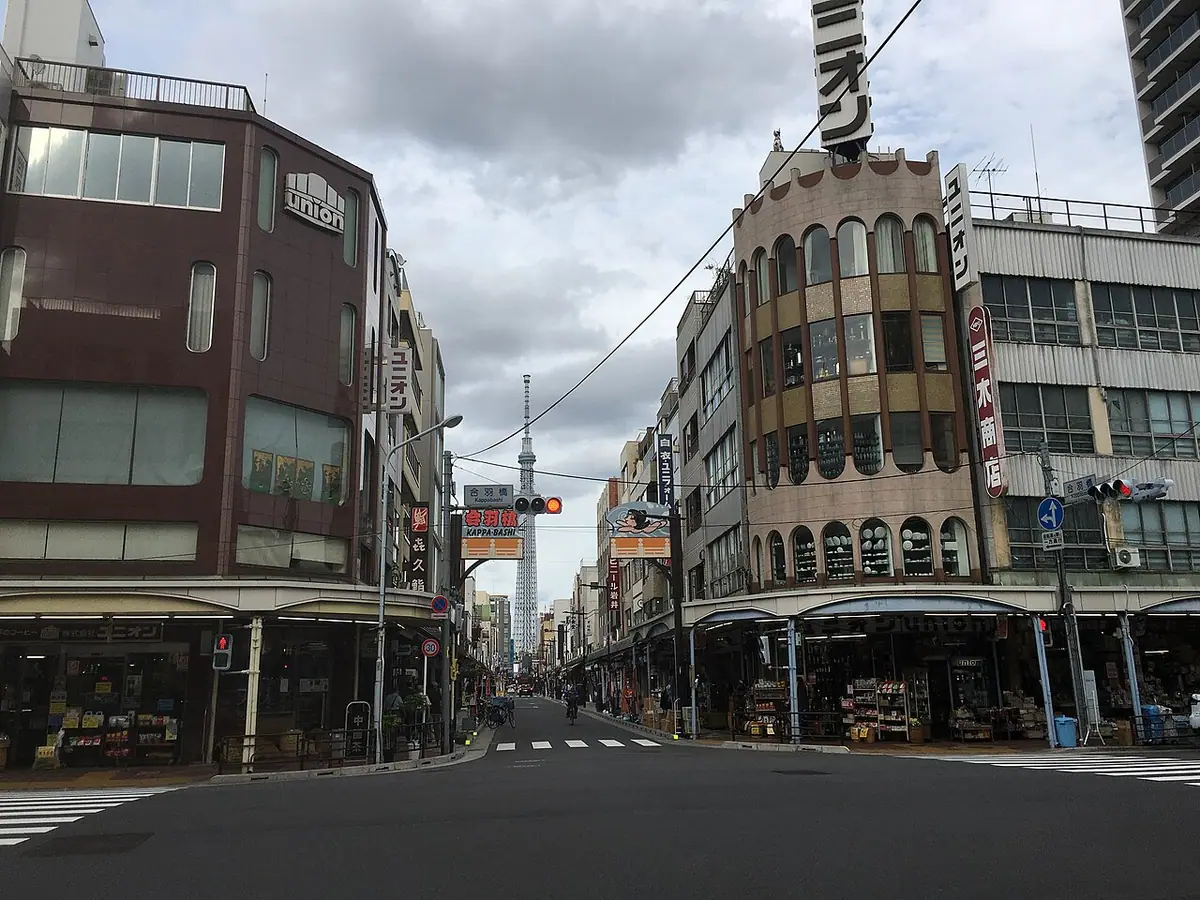
In Kappabashi, browse knives from Seki and try making food replicas with a connection to Gujo Hachiman. In Kagurazaka, look through Mino ware for a plate you would enjoy using every day. A tool or craft that catches your attention might become the starting point for a later trip to its home in Gifu.
Choose where to go by what you want to buy or make
These are examples of Tokyo shops and workshops with documented connections to Gifu’s craft-producing towns. The knife and tableware stops are for shopping; the food-replica activity is a workshop to book in advance.
| What you want to do | An example destination and its connection to Gifu |
|---|---|
| Choose a knife for everyday cooking | Koku in Kappabashi, featured as a stockist by Mitsuboshi Cutlery of Seki |
| Buy tableware for home | La Terre Kagurazaka, listed as a stockist by Kaneko Kohyo of Toki |
| Make your own food replica | Ganso Shokuhin Sample-ya’s Kappabashi shop; the founder came from Gujo Hachiman |
Pick up a Seki knife and find one that suits you
Koku (刻) in Kappabashi is one example of a shop carrying Seki knives. Mitsuboshi Cutlery, based in Seki, says the shop stocks both the Regular and Professional ranges of wa NAGOMI. The maker’s article also shows customers trying out knives to help them choose. Shop hours are 10:00–18:00.
From Tsukuba Express Asakusa Station, leave through exit A2, head toward the Kappabashi intersection, then walk south along the kitchenware street. The shop is number 66 in the Matsugaya South area (松が谷南地区) on the shopping association’s walking map (PDF).
Part of the appeal of choosing in person is feeling the weight and the way the handle sits in your hand. Ask a member of staff before handling a knife, and think about the dishes you usually cook. For example, the wa NAGOMI santoku has a 180 mm blade, weighs about 180 g and is not dishwasher-safe. Along with a comfortable grip, look for care requirements you will be happy with at home.
Choose Mino ware with your own table in mind
Rinka tableware has a thick, petal-shaped rim and a surface that looks like earthenware, even though it is porcelain. The maker describes texturing a clay model with a stone, adding brushwork along the rim and layering the glaze. When you compare plates in the same color, look at the rim tones and small variations in the surface: the color name alone does not tell the whole story. Rinka is microwave- and dishwasher-safe, so the food you want to serve and the sizes of plates you already own can help you choose.
For example, La Terre Kagurazaka (ラ テール神楽坂) is a stockist of Kaneko Kohyo’s Rinka and Giyaman ranges. It opens 12:00–17:00 on weekdays and 12:00–18:00 on weekends, with Wednesdays closed, making an after-lunch visit an option.
Use the exit diagram for Ushigome-kagurazaka Station and the tourism association’s map (PDF) to find the shop. Look for La Terre (ラ テール) in Yokoteramachi on the map.
Make tempura and lettuce from wax
The connection between Gifu and food replicas runs through Takizo Iwasaki, who was born in Gujo Hachiman. According to Iwasaki Mokei’s company history, he established the business in Osaka before opening a Gifu factory in his hometown. This is a connection through a person and an industry, rather than a claim that food replicas were invented only in Gifu.
One workshop option is “Tempura & Lettuce” at Ganso Shokuhin Sample-ya’s Kappabashi shop. You make two pieces of tempura and one head of lettuce from wax in about 40 minutes, for ¥3,300 including tax. Choose ingredients such as shrimp or vegetables, watch a staff demonstration, then work the wax by hand in warm water. The official process photos show a thin sheet of wax lettuce being lifted from the water. You work on the thinness and folds of the leaves as well as the colors of the food.
Instructions are in Japanese. If communicating in Japanese is difficult, one interpreter must accompany every four participants. Arrange an interpreter who can come with you first, and use the official inquiry channel for anything unclear about admission conditions. If you cannot arrange an interpreter, you can shop for finished replicas instead of booking the workshop.
Book through the dedicated online reservation site. Online reservations are for one to four people; groups of five or more must book by phone. The general inquiry form does not accept workshop reservations. Participants must be in the first year of elementary school or above; preschool children cannot enter the workshop space.
The Kappabashi shop is a five-minute walk from exit A2 of Tsukuba Express Asakusa Station, or 12 minutes from exit 3 of Tawaramachi Station on the Ginza Line. The shop page has a map. Tsukuba Express Asakusa Station is separate from the Tobu and subway Asakusa stations. On the day, check in at least ten minutes before the start and wear clothes with sleeves you can roll up to your elbows.
Combine shopping and a workshop in Kappabashi
To combine knife shopping with making food replicas, one option is to walk between the two Kappabashi shops featured above. Browse the kitchenware street, then arrive for your booked workshop. Find both locations on the shopping association’s map (PDF).
For example, a 14:00 workshop requires check-in by 13:50. If you do not want to hurry your shopping, do the workshop first and look at knives afterward. Leaving Kagurazaka’s tableware shops for another day gives you time to browse what interests you in each neighborhood.
If the food-replica workshop is full, look for another day or time, or browse the finished products. The official FAQ says there is no waiting list for the regular workshops. The Solamachi shop also has workshop options, but the activities differ, so do not assume a Kappabashi reservation can simply be transferred there.
Plan how to take knives, tableware and replicas home
To fly home with a kitchen knife, you will need checked baggage. Narita Airport’s guidance says kitchen knives and similar blades cannot go in cabin baggage and should be placed in checked luggage. Blade length and size can also affect restrictions, so check your airline and destination requirements before buying. Ask the shop about packaging that protects the blade.
Check how much room tableware takes up once wrapped, and buy an amount that fits your suitcase so the rest of the trip stays manageable. If you would otherwise have a long walk carrying heavy ceramics, you could return to your accommodation or include a stop at luggage storage.
For food replicas, the Kappabashi shop says it does not ship purchased items. Ask about packaging and storage, and choose a size you can carry yourself. In particular, ask whether the wax piece you make needs different handling from a finished resin replica.
Serve a meal on your new plate, cook with your knife, or display the food replica you made yourself. Trying out the uses you imagined while shopping is another part of the pleasure once you get home.
FAQ
- Can I buy crafts from Gifu in Tokyo?
- Examples include Koku in Kappabashi, which carries wa NAGOMI knives from Mitsuboshi Cutlery in Seki, and La Terre Kagurazaka, which carries tableware from Kaneko Kohyo in Toki.
- Can I join the food-replica workshop without speaking Japanese?
- Ganso Shokuhin Sample-ya's Kappabashi workshop is conducted in Japanese. If communicating in Japanese is difficult, the shop requires one accompanying interpreter per four participants. Being able to use the booking screen does not mean you will be able to follow the workshop instructions.
- Can I take a kitchen knife bought in Tokyo on the plane?
- Kitchen knives cannot be taken into the cabin. Narita Airport says to put them in checked baggage. Before buying, check any blade-length or size restrictions and the requirements at your destination.
* This article was translated from the original Japanese with the help of machine translation. Some expressions may not read naturally.