
Living in Tokyo's Tama Region — 26 Cities with Lower Rent and More Space
26 cities west of the 23 wards with lower rent and more nature. Rent, childcare, and commute data compared city by city.
tokyo.how uses affiliate links. If you buy through these links, we may earn a commission at no extra cost to you.
On this page
What Is the Tama Region?
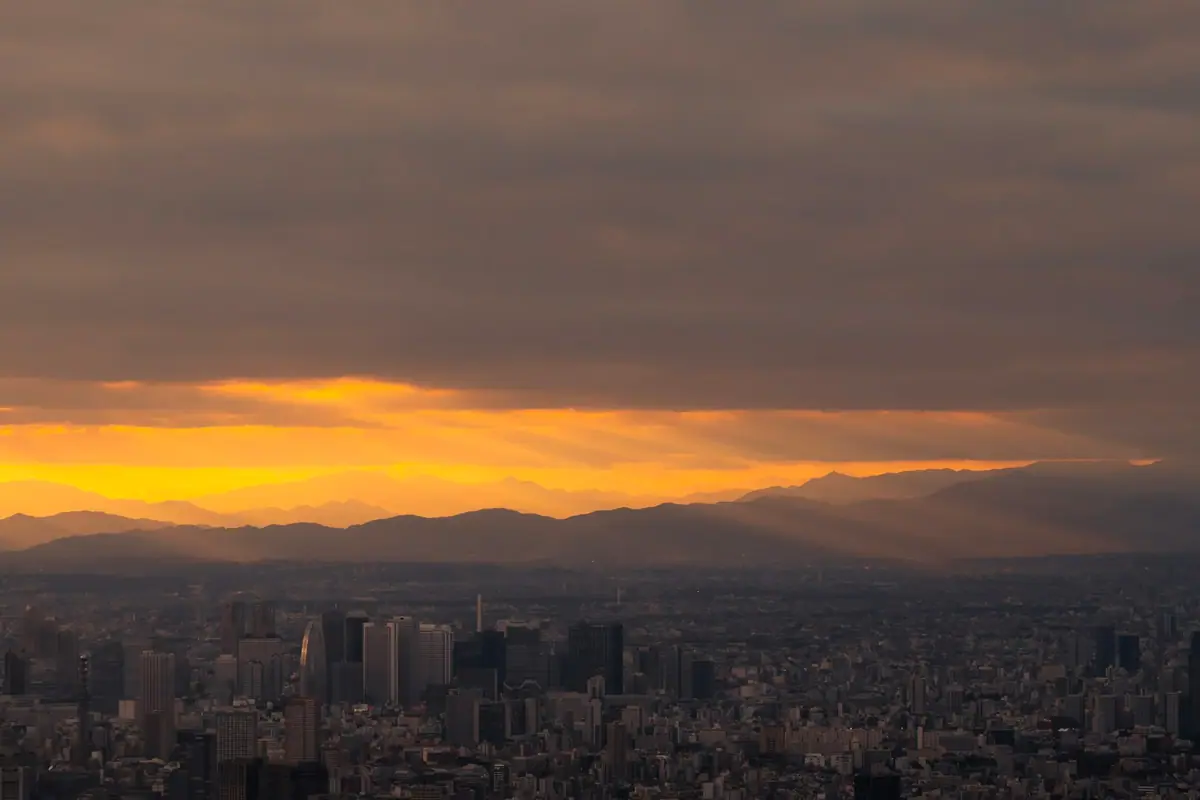
Tokyo is not just the 23 wards. West of the ward area lies the Tama region: 26 cities, 3 towns, and 1 village, home to roughly 4.2 million of Tokyo’s 14 million residents. By land area, Tama covers more than half of Tokyo Prefecture.
While the 23 wards are “special wards” (特別区 / tokubetsu-ku) — a unique form of municipality that shares certain responsibilities with the Tokyo Metropolitan Government — Tama’s cities are standard municipalities, the same legal status as cities anywhere else in Japan. In principle, they can run their own fire and water services independently (though most delegate fire services to the Tokyo Fire Department in practice).
Hachioji is the largest city by population at roughly 570,000 — one of the biggest non-designated cities in Japan. Machida follows at about 430,000, then Fuchu at 260,000. Among the smaller cities, Hamura had 54,126 registered residents on January 1, 2025. The range is wide, and each city has a distinct character.
What Changes When You Change Cities
Rent — More Space for Less
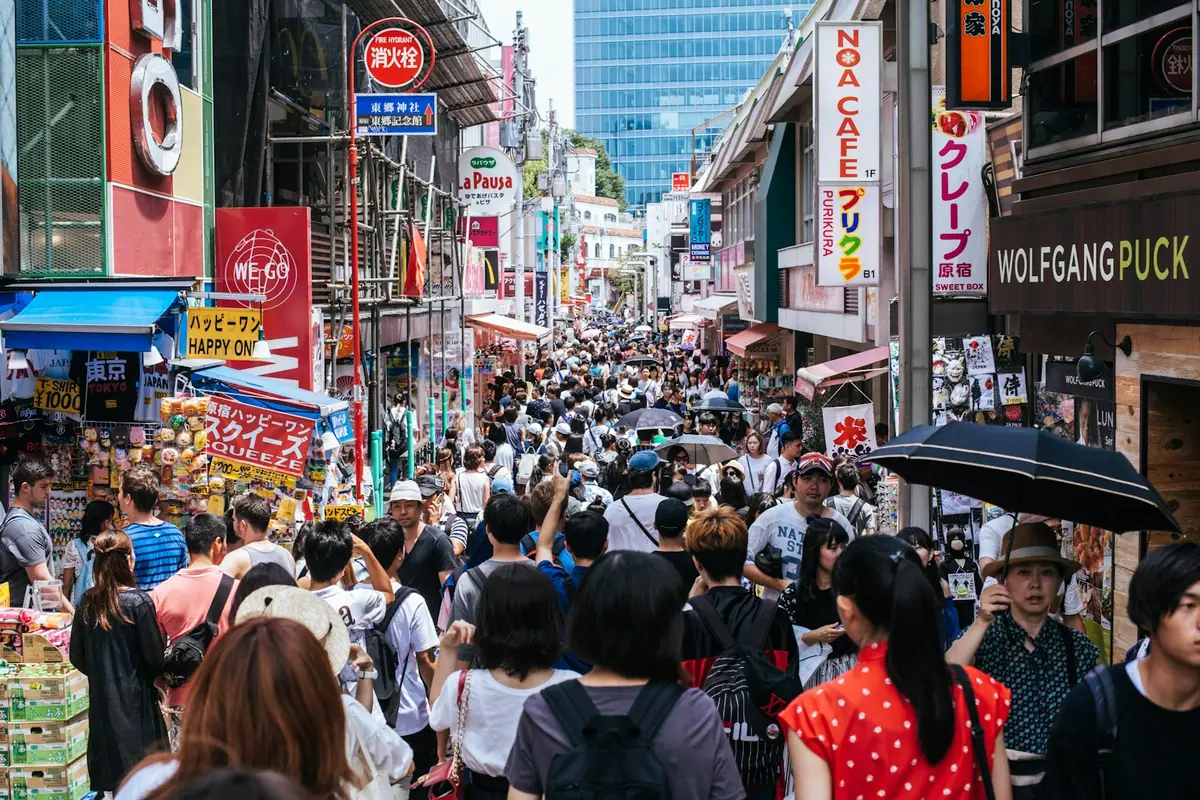
Tama rents are generally lower than the 23 wards for equivalent floor plans. Here’s a rough guide for 1R/1K/1DK units. Rail times below are indicative station-to-station examples, not city-wide or rush-hour commute guarantees; check the train, direction and departure time, and add access to the station, waiting and transfers.
| Area | 1R/1K Rent (approx.) | Indicative rail time between the named station and Shinjuku |
|---|---|---|
| Musashino (Kichijoji / Musashi-Sakai) | ¥65,000–¥75,000 | Kichijoji: about 15 min; check Musashi-Sakai separately |
| Mitaka | ¥60,000–¥75,000 | 18 min |
| Chofu / Fuchu | ¥50,000–¥65,000 | Chofu: about 17 min from Shinjuku by limited express; Fuchu: about 25 min |
| Tachikawa | ¥50,000–¥60,000 | 25 min |
| Hachioji | ¥40,000–¥50,000 | 40–50 min |
| Machida | ¥45,000–¥60,000 | 35 min |
Source: SUUMO Tokyo rent data / HOMES Tokyo rent data (accessed: 2026-02-16)
For context, the eastern 23-ward area (Koto, Sumida, Adachi) averages ¥55,000–¥70,000 for the same unit types. In Tama, the same budget often gets you an extra room. A 1K budget in the wards can become a 1LDK in Tachikawa or Hachioji. Apartments also tend to have larger balconies, more storage, and parking — features that are rare and expensive in the wards. Pet-friendly listings are easier to find, too. If you work from home and need a dedicated office space, Tama has options the wards can’t easily match. For a detailed look at the apartment search process, see how to find an apartment in Tokyo.
Childcare — Space and Nature vs. Institutional Coverage
Tama has childcare advantages that the 23 wards don’t. Nursery schools (保育園 / hoikuen) in Tama are more likely to have their own gardens and outdoor play areas. In the wards, nurseries are often set up inside commercial buildings with limited outdoor space. In Tama, you’ll find nurseries with dedicated gardens, vegetable plots, and room for children to run.
Nursery admission pressure varies by municipality, age group and individual nursery. Tokyo’s April 2025 figures show both zero and nonzero waiting lists in Tama and the wards, so they do not support a blanket claim that Tama is easier. Check current vacancies and admission criteria locally. Cities with strong finances offer their own childcare programs — Fuchu, backed by tax revenue from the Tokyo Racecourse and major corporations, is known for generous municipal services. Musashino has one of the highest fiscal strength indices among all municipalities in the Kanto region.
The Maru-Ao program (高校生等医療費助成) subsidizes eligible insured medical copayments for high-school-age children, whether or not enrolled in high school: from the first April 1 after the 15th birthday through the first March 31 on or after the 18th birthday. Tokyo’s subsidy framework removed its income limit in October 2025; this is no longer merely a future plan. Coverage and remaining copayments are municipality-specific. Residency, insurance and application requirements apply, and uninsured expenses are excluded. Do not treat the program as making every medical expense free.
If you’re moving to Tama with children, check the latest medical fee subsidy details on the city’s official website before deciding. Policies can change mid-year.
Commuting — Your Train Line Defines Your Life
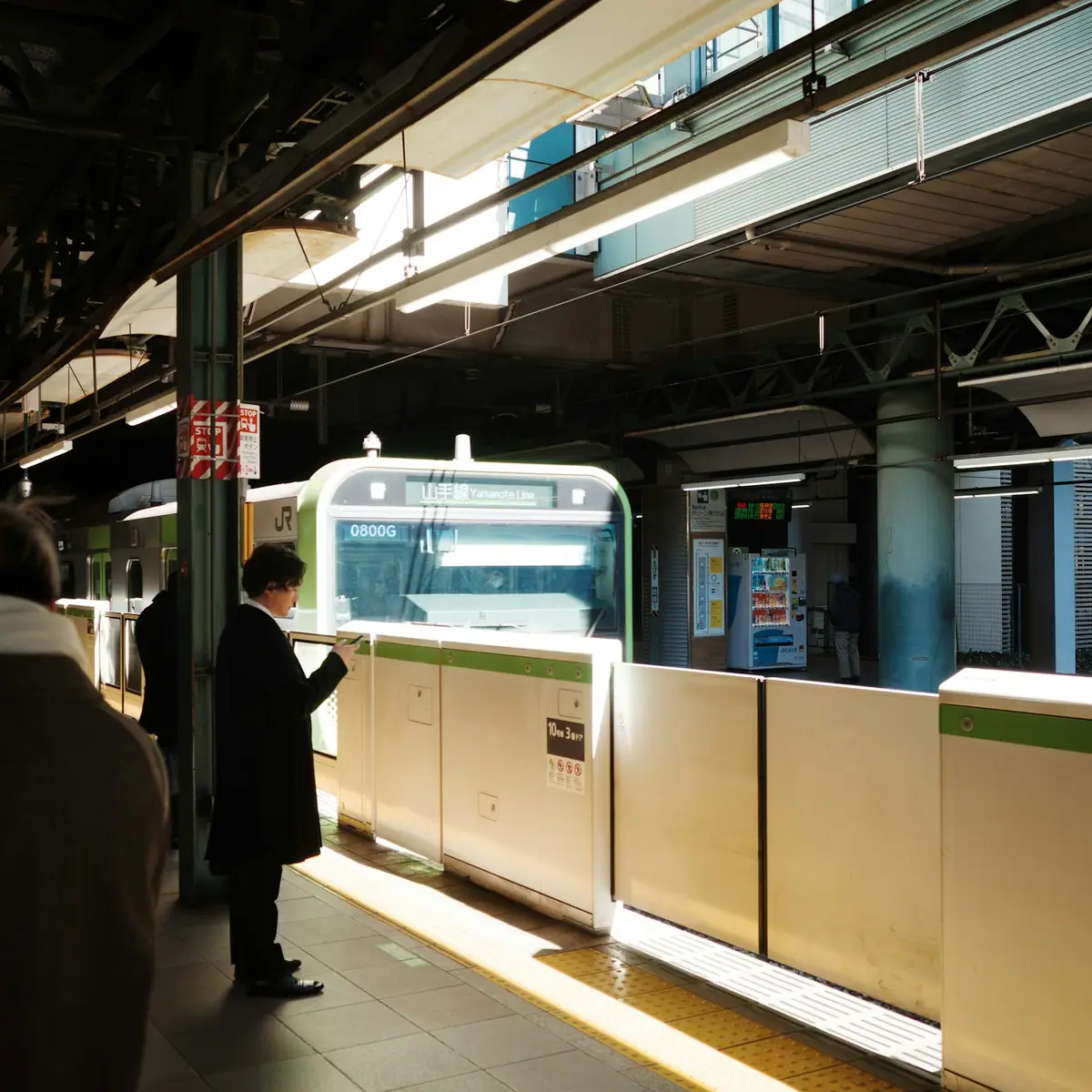
In Tama, your train line determines your daily life more than your city address. Two people in the same city on different lines may commute in completely different directions, shop at different stores, and visit different hospitals.
JR Chuo Line Rapid — Tama’s main artery, running directly to Tokyo and Shinjuku stations. Kichijoji → Shinjuku: 15 min. Tachikawa → Shinjuku: 25 min. Hachioji → Shinjuku: 40 min. Morning rush can be intense on certain segments.
Keio Line — Direct Shinjuku services. Chofu City’s access guide quotes about 17 minutes from Shinjuku to Chofu by limited express; Fuchu–Shinjuku is roughly 25 minutes as an indicative example. Check your actual direction and rush-hour departure. Compare fares and commuter-pass prices for your specific route rather than assuming every Keio journey costs less than JR.
Odakyu Line — Machida → Shinjuku: 35 min. Machida Station connects to the JR Yokohama Line, giving dual access to both Tokyo and Yokohama.
Seibu Line — Serves Ikebukuro and Shinjuku directions, covering northern Tama: Nishi-Tokyo, Higashi-Murayama, Kodaira.
Knowing the last train times is especially important for Tama commuters, since missing it means a long and expensive taxi ride home. Originating stations (始発駅 / shihatsu-eki), where a particular train starts its journey, may improve your chance of sitting, but lining up does not guarantee a seat. Check which departures actually start there. For services such as the Keio Liner and S-TRAIN, buy the appropriate seat reservation in addition to the ordinary fare, subject to availability and boarding rules. These services are not exclusive to Tama: for example, Shakujii-koen in Nerima Ward permits boarding weekday inbound S-TRAIN services.
Car usage is higher in Tama than in the wards. Large supermarkets and home centers with parking lots line the Chuo Expressway and Route 20 (Koshu-Kaido) — a distinctly Tama lifestyle.
Nature — Potentially the Biggest Reason to Choose Tama
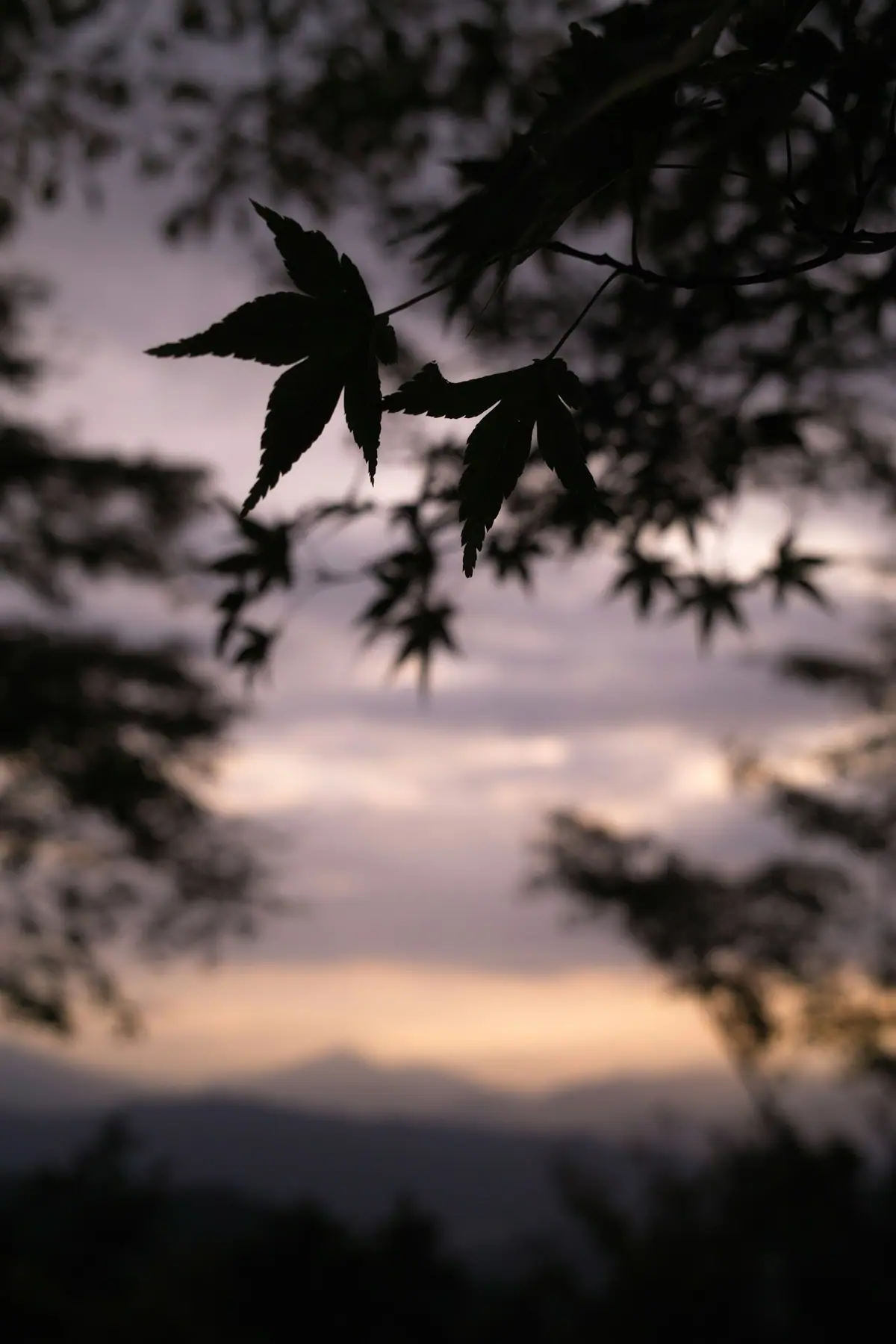
Tama’s definitive advantage is green space. The 23 wards have Yoyogi Park and Shinjuku Gyoen, but Tama operates on a different scale.
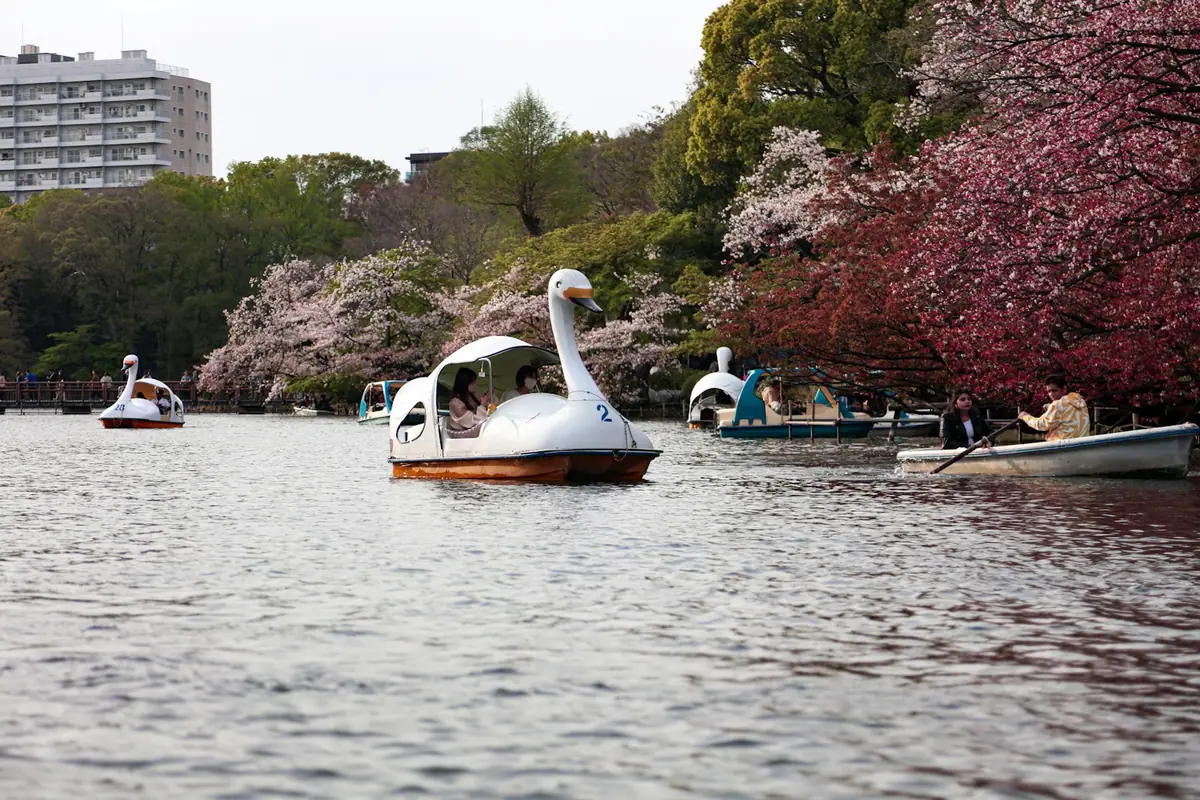
Mt. Takao in Hachioji — a Michelin Green Guide three-star mountain — is about an hour from central Tokyo by train. A day-trip mountain within commuting distance of a global capital is a rare thing. Inokashira Park (Musashino/Mitaka), Showa Kinen Park (Tachikawa/Akishima), and cycling roads along the Tama River offer everyday access to nature that the wards simply can’t replicate.
If letting your children play in wide-open parks, weekend hiking, or riverside activities rank high on your priority list, Tama provides options the 23 wards don’t.
Institutional Differences from the 23 Wards
A few structural differences between the special wards and Tama cities are worth knowing when comparing locations.
Fire services: The 23 wards are directly served by the Tokyo Fire Department (東京消防庁). In Tama, all municipalities except Inagi delegate fire services to the Tokyo Fire Department as well. Inagi maintains the only independent municipal fire department in mainland Tokyo, citing tighter local integration. The operator alone does not establish identical response times or conditions at every address.
Water: The 23 wards are served by the Tokyo Metropolitan Bureau of Waterworks. Most Tama municipalities have been integrated into the metropolitan system too, but Musashino, Akishima, Hamura, and Hinohara Village run independent water systems. Akishima uses 100% groundwater. Musashino blends well water with metropolitan water; its fiscal 2023 figures put groundwater at about 70% of the total supplied, rather than a fixed 80%. Water sources and tariffs can differ, so check the local provider.
Fiscal structure: The Metropolitan-Ward Financial Adjustment System allocates 56% of its defined pool of designated taxes and other statutory resources to the wards. Its purpose is to balance resources between Tokyo and the wards and among the wards. Tama cities use a different municipal funding structure, including collecting property tax directly; they do not simply lack all financial support. Cities like Fuchu, with the Tokyo Racecourse and major corporate facilities, have fiscal strength indices among the highest in Japan. Resources and local policy choices can affect services, but the funding system alone does not prove every ward offers more than every city.
Tama Cities by Train Line
Tama is better understood by train line than by geography. Each line creates its own living sphere.
Chuo Line corridor (Musashino, Mitaka, Koganei, Kokubunji, Kunitachi, Tachikawa, Hachioji) The most popular corridor in Tama. Kichijoji consistently ranks among the top stations in SUUMO’s annual “Most Desired Place to Live” survey (3rd in 2025) — its mix of cafes, boutiques, and Inokashira Park creates a unique atmosphere. Tachikawa is Tama’s commercial hub, with large-scale retail concentrated around the station. Kokubunji and Kunitachi have a quieter, academic-district feel.
Keio Line corridor (Chofu, Fuchu, Tama, Inagi) A strong commuter line parallel to the Chuo; compare fares and commuter passes for your particular route. Fuchu’s fiscal strength supports municipal facilities and services. Chofu has good Shinjuku access and is known as a “film city” for its concentration of movie and animation studios.
Odakyu Line corridor (Machida, Komae) Machida Station is Tama’s southern hub — the surrounding commercial district rivals major ward stations. Dual access to Shinjuku (Odakyu) and Yokohama (JR Yokohama Line) gives it a unique position. Komae is Tama’s smallest city by area but borders the 23 wards, keeping convenience high.
Seibu Line corridor (Nishi-Tokyo, Higashi-Murayama, Kodaira, Higashi-Yamato, Kiyose, Higashi-Kurume) Good Ikebukuro access. Rent is more affordable than the Chuo Line corridor. Mostly quiet residential areas. Nishi-Tokyo has Tanashi and Hibarigaoka stations and borders Nerima Ward.
Western area (Ome, Akiruno, Hamura, Fussa) The most affordable part of Tama. Most commuters transfer at Tachikawa to the Chuo Line, making the total trip to central Tokyo over an hour. Nature is exceptional — Okutama and Akikawa Valley are part of daily life. An excellent choice if you work primarily from home.
Common Mistakes When Choosing a City
Fixating on Kichijoji
Kichijoji is popular for good reason, but its rent is unusually high for Tama — comparable to Nakano or Suginami in the 23 wards. Neighboring Chuo Line stations (Musashi-Sakai, Mitaka) and bus-accessible areas nearby offer the same living sphere at lower rent.
Expecting 23-Ward-Level Services
Medical subsidy coverage and procedures, nursery-related extra costs and other local programs can differ by municipality. Do not assume Tama still has a general Maru-Ao income-limit disadvantage: Tokyo’s framework removed that limit in October 2025. Check the target city’s current rules, covered expenses and application process before committing.
Choosing a Cheap Apartment Far from the Station Because You Have a Car
Tama has a car-culture side, but train commuting to central Tokyo is the reality for most workers. A cheaper apartment far from the station means a daily bus or bicycle ride just to reach the train. Consider rainy days and bad-health days when evaluating station distance. Our station navigation guide can help you plan routes efficiently.
Alternative: Neighboring Prefectures
If you’re looking at Tama, the adjacent parts of Kanagawa and Saitama are natural comparisons.
Kawasaki (Kanagawa) sits across the Tama River from Tama and connects to Tachikawa via the Nambu Line. The Tokyu Den-en-toshi Line corridor in Yokohama offers a similar suburban feel with direct Shibuya access.
Tokorozawa and Iruma (Saitama) are on the Seibu Line, sharing essentially the same living sphere as Tama’s Seibu corridor. Crossing a prefectural border changes medical fee subsidies and education policies, so compare administrative services alongside commute times.
Related Articles
- What Are Tokyo’s 23 Special Wards? — How the ward system works and how life differs by ward. Useful context when comparing wards vs. Tama cities
- How to Find an Apartment in Tokyo — Full apartment hunting process, upfront costs, and required documents
- Last Train Times in Tokyo — Know the last train schedule — especially important for suburban commuters
- How Payments Work in Tokyo — The payment methods you’ll use in daily life after moving
References:
- Tokyo Metropolitan Government Bureau of Statistics, “Population and Households Based on Resident Registry, January 2025,” https://www.toukei.metro.tokyo.lg.jp/juukiy/2025/jy25000001.htm (accessed: 2026-02-16)
- Tokyo Metropolitan Government Bureau of Social Welfare, “Medical Fee Subsidies for High School Students (Maru-Ao),” https://www.fukushi.metro.tokyo.lg.jp/seikatsu/josei/maruao (accessed: 2026-02-16)
- Tokyo Metropolitan Bureau of Waterworks, “Tama Water Supply,” https://www.waterworks.metro.tokyo.lg.jp/suidojigyo/gaiyou/tama (accessed: 2026-02-16)
- Tokyo Fire Department, “Find a Fire Station,” https://www.tfd.metro.tokyo.lg.jp/fs/index.html (accessed: 2026-02-16)
- Tokyo Metropolitan Government Bureau of General Affairs, “Future Vision for Tama,” https://www.soumu.metro.tokyo.lg.jp/05gyousei/06sinkoutamashourai.html (accessed: 2026-02-16)
- Tokyo Metropolitan Government Bureau of Statistics, “Foreign Population 2025,” https://www.toukei.metro.tokyo.lg.jp/gaikoku/2025/ga25010000.htm (accessed: 2026-02-16)
- Ministry of Internal Affairs and Communications, “Key Fiscal Indicators of Local Governments,” https://www.soumu.go.jp/iken/shihyo_ichiran.html (accessed: 2026-02-16)
- SUUMO, “Most Desired Place to Live Ranking 2025 (Kanto),” https://suumo.jp/edit/sumi_machi/2025/syutoken/ (accessed: 2026-02-16)
- Hamura City, Fiscal 2024 accounts (January 1, 2025 registered population), https://www.city.hamura.tokyo.jp/0000020119.html (accessed: 2026-11-02)
- Tokyo Bureau of Social Welfare, Maternal and Child Health in Tokyo, March 2026, printed page 108, https://www.fukushi.metro.tokyo.lg.jp/documents/d/fukushi/r8tokyonoboshihoken-pdf (accessed: 2026-11-02)
- Tokyo Metropolitan Government, April 2025 childcare use and waiting lists by municipality, https://www.metro.tokyo.lg.jp/documents/d/tosei/20250829_17_03a (accessed: 2026-11-02)
- Chofu City, City profile and rail access, https://www.city.chofu.lg.jp/010040/p003935.html (accessed: 2026-11-02)
- Keio, Keio Liner, https://www.keio.co.jp/zasekishitei/ (accessed: 2026-11-02)
- Seibu Railway, S-TRAIN, https://www.seiburailway.jp/railway/reservedtrain/s-train/ (accessed: 2026-11-02)
- Seibu Railway, Shakujii-koen Station, https://www.seiburailway.jp/railway/station/shakujii-koen/ (accessed: 2026-11-02)
- Musashino City, Waterworks overview and fiscal 2023 volumes, https://www.city.musashino.lg.jp/kurashi_tetsuzuki/jogesuido/suido/suidojigyo/1005629.html (accessed: 2026-11-02)
- Special Wards Mayors Association, Fiscal adjustment system, https://www.tokyo23city-kuchokai.jp/seido/gaiyo_1.html (accessed: 2026-11-02)
FAQ
What is the Tama region of Tokyo?
How much cheaper is rent in Tama compared to central Tokyo?
How long is the commute from Tama cities to central Tokyo?
Is Kichijoji a good place to live in Tama?
Do Tama cities offer the same level of city services as the 23 wards?
What are the advantages of living in Tama for families with children?
Is it practical to live in Tama without a car?
What is the best area of Tama for access to nature?
* This article was translated from the original Japanese with the help of machine translation. Some expressions may not read naturally.
Related Guides
Where to Live in Tokyo as a Foreigner — 23 Wards Area Guide (2026)
Compare Tokyo’s 23 wards by indicative rent, train access, foreign resident communities, and local services, with official sources to help choose a neighborhood.
Golden Week 2026 in Tokyo: Why the City Empties Out (and How to Use It)
Golden Week 2026 runs April 29 to May 6. Tokyo's business districts can be quieter while tourist spots fill up and banks and offices close for days. Nozomi reserved-only policy, crowd patterns, and what stays open.
Tokyo’s 23 Special Wards: 2025 Population, Area & Neighborhoods
Compare all 23 Tokyo special wards (特別区) in one table using January 2025 population, area in km², and neighborhood character, with guidance on districts and rent.
Moving to Tokyo as a Foreigner — Ward Office Checklist (14-Day Deadline)
Residence registration, address change, health insurance, My Number — the full ward office checklist for foreigners with required documents.
My First Solo Move in Tokyo — From Apartment Hunt to Move-In Day
A first-hand account of moving into my first apartment in Tokyo. Full breakdown of ¥300,000 in initial costs, the entire process from apartment hunting to move-in, and utility setup — all in chronological order.