E X P L O R E
Hogyan foglalj asztalt tokiói éttermekben — angol nyelvű útmutató
Foglalj tokiói éttermet japán tudás nélkül. Hasonlítsd össze a TableCheck, Tabelog, OMAKASE és más szolgáltatásokat díjak és nyelvi támogatás szerint. Távolmaradási szabályok és csak telefonon elérhető helyek.

This article contains affiliate links. tokyo.how may earn a commission at no extra cost to you if you make a purchase through these links. This does not influence our editorial content.
Tokiói éttermek angolul való foglalásához az online szolgáltatások, mint a TableCheck, Tabelog és OMAKASE a legegyszerűbb megoldások. A Michelin-csillagos éttermeket 2–3 hónappal előre kell foglalni; a népszerű szusi (寿司) pultokhoz kb. 1 hónapra van szükség. Csak telefonos foglalást elfogadó éttermeknél a szállodai concierge vagy egy fizetős foglalási ügynökség intéz mindent japánul a nevedben.
Melyik étteremhez kell foglalás
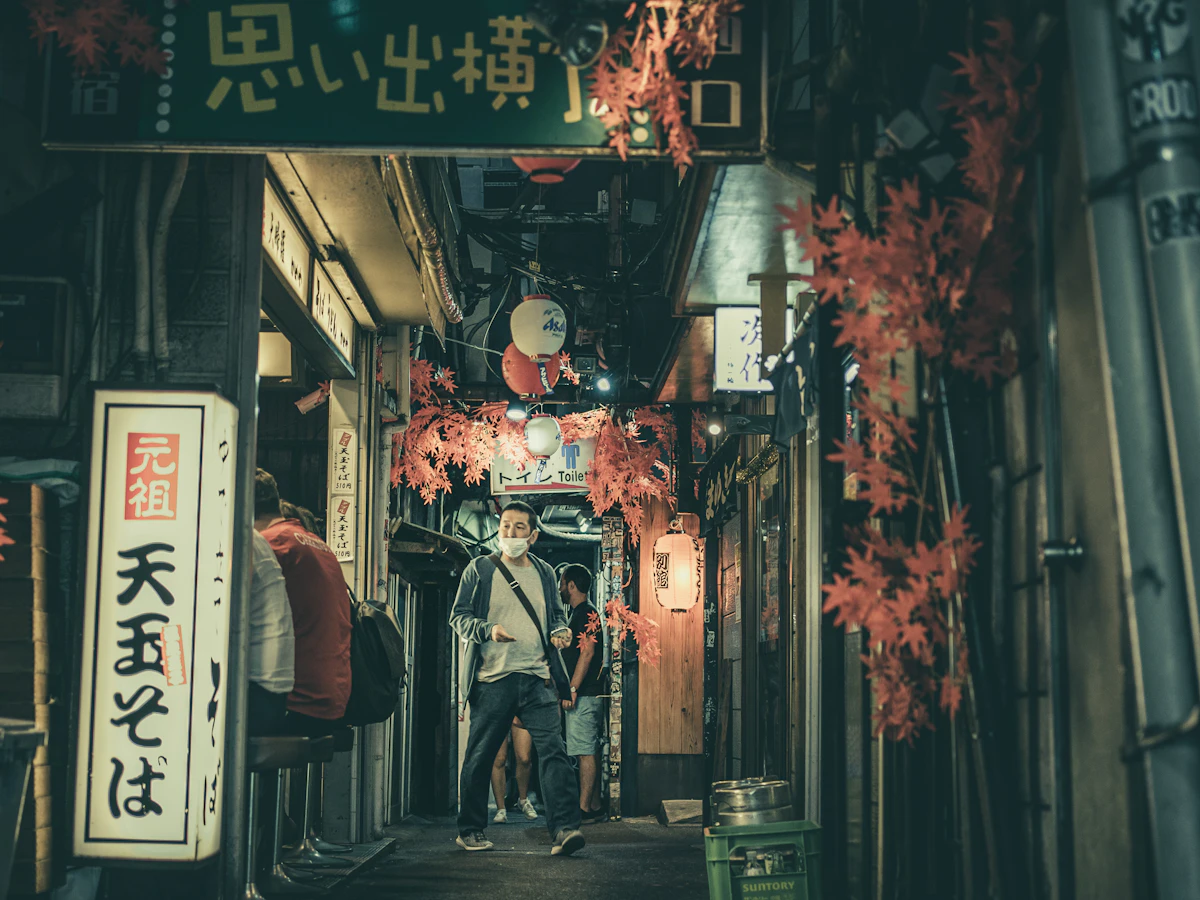
Nem minden tokiói étteremhez szükséges előzetes foglalás. Egyértelmű határvonal húzódik a hétköznapi étkezések és az ünnepi alkalmak között.
Foglalás erősen ajánlott:
- Szusi pultnál (sok helyen nagyon korlátozott az ülőhely)
- Kaiseki (懐石) és kappo (割烹) — hagyományos japán többfogásos étkezés
- Francia és olasz fogásos menük
- Teppanyaki (鉄板焼き)
- Michelin-csillagos éttermek általában
- Népszerű izakayák pénteken és szombaton este (5 fős vagy nagyobb csoportok)
Nem szükséges foglalás:
- Ramen éttermek — egyáltalán nem fogadnak el foglalást
- Futószalagos szusi láncok — Sushiro (スシロー), Kura Sushi (くら寿司), Hama Sushi (はま寿司)
- Teishoku (定食) éttermek és shokudo (食堂) — napi menüs étkezdék
- Gyudon láncok — Matsuya (松屋), Sukiya (すき家), Yoshinoya (吉野家)
- Családi éttermek — Denny’s, Saizeriya (サイゼリヤ), Gusto (ガスト)
- Tachinomi (立ち飲み屋) — állóbárok
Hasznos ökölszabály: ha az étterem főként pultszékes ülésrenddel rendelkezik vagy fogásos menüt kínál, foglalj előre. Ebédre általában be lehet ugrani aznap is, de vacsorára érdemes korán foglalni.
A helyszín is számít. A Ginza (銀座) tele van prémium szusi és francia éttermekkel — ott foglalás nélkül helyet találni nehéz. A Roppongi (六本木) és Azabu-Juban (麻布十番) hasonlóan versenyes.
Ezzel szemben a forgalmas szórakoztató negyedek, mint a Shinjuku (新宿), Shibuya (渋谷) és Ikebukuro (池袋) olyan sűrűn teli éttermekkel, hogy ha az egyik teli, a szomszédban általában van hely. Érdemes tájékozódni arról, hogy Tokió melyik kerülete és negyede specializálódott gasztronómiára.
Mennyivel előre kell foglalni
Az időzítés az étterem szintjétől függően nagymértékben változik.
- Michelin-csillagos éttermek: 2–3 hónappal előre. Néhányuk foglalásnyitásnak fix dátuma van — ellenőrizd az étterem weboldalát vagy OMAKASE oldalát
- Népszerű szusi pultok és kaiseki: 1 hónappal előre
- Középkategóriás éttermek és izakayák: 1–2 héttel előre
- Casual éttermek: Az előző nap vagy akár aznap is általában rendben van
A pénteki és szombati vacsorák telnek meg a leggyorsabban. Ha hétvégi étkezést tervezel, foglalj korábban, mint hétköznapra tennéd.
Költségbecslések
A tokiói éttermek árai széles skálán mozognak. Hozzávetőleges személyenkénti vacsoraköltségek:
- Prémium szusi pultok és kaiseki: 20 000–50 000 jen/fő
- Középkategóriás éttermek (francia bisztró, yakiniku, izakaya fogásos menük stb.): 3 000–8 000 jen/fő
- Casual étkezés (ramen, teishoku napi menü, gyudon stb.): 800–1 500 jen/fő
Angol barát foglalási szolgáltatások
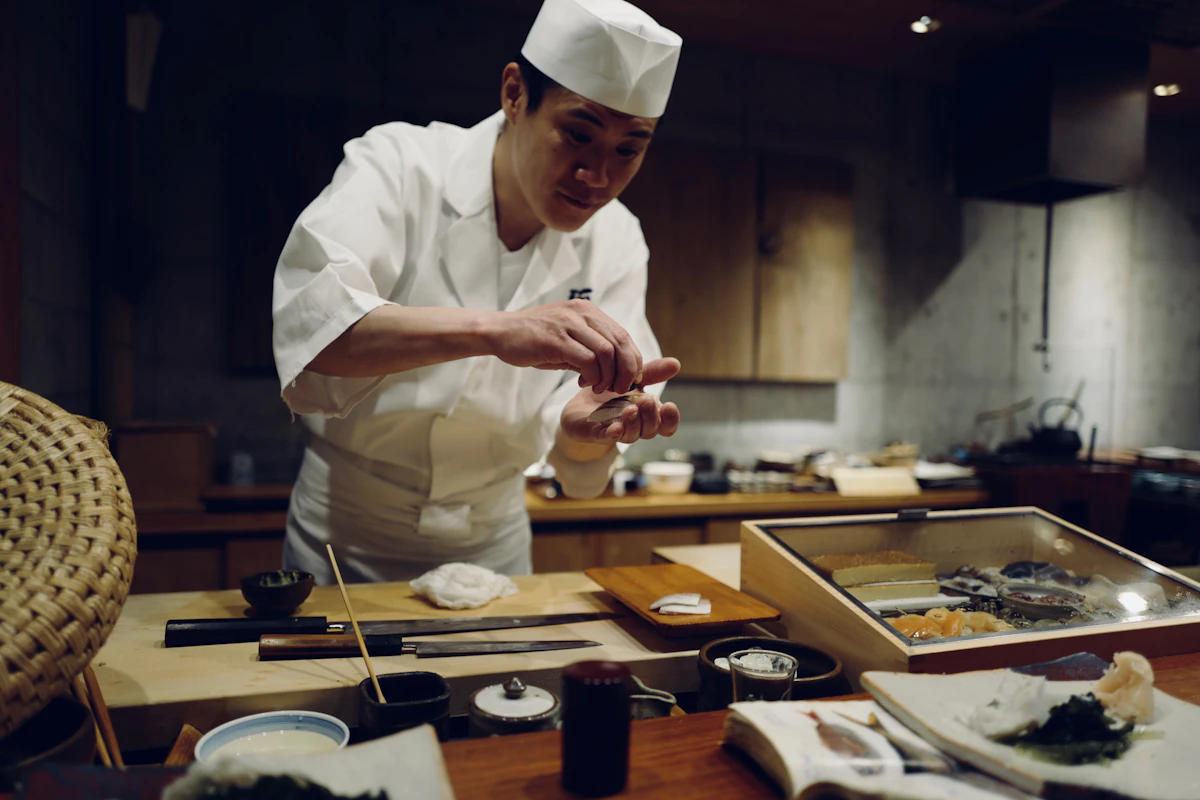
Íme öt fő szolgáltatás, amelyet japán tudás nélkül is használhatsz.
| Szolgáltatás | Nyelvek | Foglalási díj | Étterem szintje | Fő jellemző |
|---|---|---|---|---|
| TableCheck | 18 nyelv | Ingyenes | Minden szint (prémium is) | Google Maps integráció |
| Tabelog | EN, ZH (egyszerűsített és hagyományos), KO | ¥440/fő | Minden szint (~890 000 lista) | Japán felhasználói értékelések felfedik a helyi kedvenceket |
| GURUNAVI | EN, ZH, KO | Ingyenes | Casual–középkategória | Angolul beszélő személyzet szűrője |
| OMAKASE | EN, JA | Fizetős (foglaláskor látható) | Csak prémium | Teljes fogásos menü előre fizetés |
| Pocket Concierge | EN, JA | A menü árába számítva | Prémium | Teljes fogásos menü előre fizetés |
A díjak és jellemzők 2026 februárjától érvényesek. Az aktuális információkért ellenőrizd az egyes szolgáltatások hivatalos oldalát.
Ingyenes böngészéshez széles étteremválaszték mellett próbáld a TableCheck-et. Japán vendégek értékelései alapján való étteremválasztáshoz használd a Tabelog-ot. Prémium étteremben való hely biztosításához az OMAKASE a legjobb választás.
Megjegyzés: A Hot Pepper Gourmet angol szolgáltatását 2026 januárjában megszüntette (az értesítési oldal már nem elérhető). A japán verzió a böngésző fordítási funkciójával használható, de a visszaigazoló e-mailek is csak japán nyelven érkeznek.
TableCheck — Nincs foglalási díj, széles lefedettség
A TableCheck egy ingyenes, 18 nyelvű online étteremfoglaló szolgáltatás. A teljes foglalási folyamatot — a kereséstől a visszaigazolásig — japán tudás nélkül is elvégezheted. Több mint 10 000 étterem szerepel a listán, a casual izakayáktól a prémium éttermekig.
Amikor tokiói éttermeket keresel a Google-on vagy a Google Térképen, láthatsz egy „Reserve a table” gombot. Ezt a TableCheck Reserve with Google integrációja táplálja, lehetővé téve, hogy közvetlenül a Google felületéről foglalj.
Foglaláskor kérhetik a hitelkártyád regisztrálását. Ez nem fizetés — ez egy hitelblokkolás a távolmaradás megelőzésére. Az étkezést az étteremben fizeted ki. Arról, hogy Japánban melyik kártya a legjobb, olvass a fizetési módszerek útmutatójában.
A nehezen foglalható éttermekhez a TableCheck kínál egy fizetős opciót, a TableCheck FastPass-t. Az árazás éttermenként változik. Hozzáférést biztosít FastPass-exkluzív foglalási időpontokhoz, elkülönítve a rendes elérhető időpontoktól — érdemes megfontolni, ha van egy konkrét étterem, ahová mindenképpen el szeretnél jutni.
Tabelog — Japán legnagyobb értékelési adatbázisa
A Tabelog Japán legnagyobb étteremkereső és -foglaló oldala, közelítőleg 890 000 listával. Legnagyobb erőssége a japán felhasználói értékelések. Turista-orientált rangsorok helyett megtalálod azokat az éttermeket, ahol a helyiek valóban esznek.
A többnyelvű alkalmazás sokkal egyszerűbbé tette az angliai okostelefonos foglalást. A térképalapú keresés segít a közelben lévő éttermek megtalálásában sétálás közben.
A foglalás személyenként ¥440 rendszerdíjba kerül, amelyet azonnal terhelnek a hitelkártyára. Ez a díj nem visszatérítendő személyes okokból való lemondás esetén (az étterem által kezdeményezett lemondások kivételek). Az étkezés díját külön, az étteremben fizeted.
A Tabelog értékelési rendszere 5 pontos skálán működik. Általánosságban a 3,5 feletti pontszám nagyon népszerű éttermet jelöl. A japán felhasználók hajlamosak szigorúan osztályozni, így a 3,0 körüli éttermek is kiválóak lehetnek.
OMAKASE — Prémium fókusz, teljes előre fizetés
Az OMAKASE egy előre fizetéses foglalási szolgáltatás, amely Tokió legjobb szusi, kaiseki, tempura és egyéb éttermeire specializálódott. A foglaláskor foglalási díjat és a teljes menü árát is megfizeted. Az étteremben nincs szükség fizetésre.
A lemondási feltételek éttermenként változnak. Foglalás előtt mindig ellenőrizd a lemondási feltételeket az egyes éttermek oldalán. Egyes éttermek automatikusan lemondják a foglalást késői érkezés esetén, ezért ügyelj arra, hogy ne késs el.
Az OMAKASE nagy előnye, hogy lehetővé teszi az online foglalást olyan prémium éttermekben, amelyek egyébként csak japán nyelvű telefonos foglalást fogadnak el. A foglalási helyek azonban korlátozottak. Minden étterem oldalán látható, mikor nyílnak meg az új helyek (pl. „minden hónap 5-én a következő két hónapra”), ezért nézd meg előre.
GURUNAVI — Ingyenes, angolul beszélő személyzet szűrővel
A GURUNAVI (Rakuten GURUNAVI) egy ingyenes, angol barát étteremkereső és -foglaló oldal. Kiemelkedő funkciója, hogy szűrheted az angolul beszélő személyzettel rendelkező vagy angol nyelvű étlappal rendelkező éttermeket — hasznos, ha aggódsz a nyelvi akadály miatt. Prémium listái kevesebbek, de az izakayákat, yakinikut és középkategóriás éttermeket jól lefedi.
Pocket Concierge — Fizesd előre a fogásos menüt, felejts a számlára
A Pocket Concierge egy angol barát szolgáltatás prémium éttermek fogásos menüinek előre fizetéses foglalásához. Egy konkrét fogásos menüt választasz és teljes egészében előre kifizeted, így az étteremben nincs szükség fizetésre vagy kommunikációra. A további rendeléseket ugyanarra a hitelkártyára terhelik. Főként Tokió, Kiotó és Oszaka prémium francia, szusi és kaiseki éttermeit fedi le.
Ha az étterem csak telefonos foglalást fogad el
Tokió sok étterme nem kínál online foglalást, és csak telefonon — japánul — fogad el foglalásokat. Ez jellemző a tulajdonos által üzemeltetett szusi bárokra, kis kappo éttermekre és régi hagyományos éttermekre. Így kezeld a helyzetet, ha nem tudsz japánul.
Kérd a szállodai concierge segítségét (ingyenes)
Ha 4 csillagos vagy annál jobb szállodában laksz, a concierge megkérdezése az egyik legmegbízhatóbb lehetőség. A legtöbb szálloda ezt ingyenes vendégszolgáltatásként kínálja. Amikor a szállodai concierge foglalást intéz, a szálloda lényegében garantálja, hogy a vendég megjelenik, ami miatt az éttermek szívesebben fogadják el a foglalást.
Tippek a kérvényezéshez:
- E-mailezd a concierge-t, amint megerősítik a szállodai foglalást — ne várd meg a bejelentkezést
- Michelin-csillagos éttermeket 1–2 hónappal előre kérj
- Adj meg 2–3 preferált dátumot/időpontot
- Előre jelezd az allergiákat vagy étkezési korlátozásokat
Fizetős foglalási ügynökségek
Ha hosztelban vagy Airbnb-n laksz concierge elérhetőség nélkül, fizetős foglalási ügynökségek állnak rendelkezésre.
| Szolgáltatás | Díj | Részletek |
|---|---|---|
| TABLEALL | ¥8 000/hely | Előre biztosított helyek népszerű éttermekben. Teljesen angolul |
| JPNEAZY | A menü árának 10–15%-a | A concierge japánul foglal helyetted |
| byFood | Változó | Étterem foglalás és concierge szolgáltatás |
A TABLEALL nem foglal helyetted — előre vásárol helyeket népszerű éttermekben. Mivel a helyek előre biztosítottak, az elérhetőség általában jobb a szokásos foglalásoknál, de a helyenkénti ¥8 000-es díj ezt tükrözi.
Személyes látogatás a foglalásnál
Ha sem telefonos, sem online foglalás nem működik, személyesen is felkeresheted az éttermet. Menj néhány nappal a kívánt időpont előtt, és fordítóalkalmazással közöld a dátumot, időpontot és a vendégek számát. A személyes kommunikáció egyszerűbb, mint a telefonhívások — a gesztusok és a képernyő megmutatása sokat segít. A legjobb a látogatásra az ebéd és a vacsora között (kb. 14:00–17:00), amikor a személyzetnek több ideje van segíteni.
Előzetesen készítsd el a fordítóalkalmazásban:
- Kívánt dátum és időpont
- Vendégek száma
- Allergiák vagy étkezési korlátozások
- Elérhetőségi szám (a szálloda telefonszáma megfelel)
Étkezési korlátozások
Ha allergiáid vagy étkezési korlátozásaid vannak (vegetáriánus, halal, gluténmentes stb.), mindig jegyezd fel a megjegyzés mezőben foglaláskor. Nem minden étterem tud alkalmazkodni, ezért előre erősítsd meg. A shojin ryori (精進料理) — hagyományos buddhista templomi konyha, kizárólag növényi alapanyagokból — jó választás vegetáriánusok számára.
Az étterembe érkezéskor
Érkezéskor mondd a vendéglátónak: „予約した〇〇です” (yoyaku shita [a neved] desu / „[Név] nevére van foglalásam”). Ha a személyzet nem beszél angolul, segít a foglalásigazoló e-mail megmutatása a telefonon.
Ha nincs visszaigazoló e-mailed, nyisd meg a foglalási szolgáltatás alkalmazását vagy weboldalát, és mutasd meg a foglalási részletek képernyőjét. Ezen megjelenik a foglalási szám, dátum/idő és a vendégek száma — ez minden, amire a személyzetnek szüksége van.
Prémium éttermekben tatami (畳) ülésrendszerrel találkozhatsz, ahol le kell venni a cipőt, vagy ruhatárral a holminak. Ha kabátot vagy bőröndöt viszel, a személyzet az bejáratnál irányít.
Lemondási szabályok
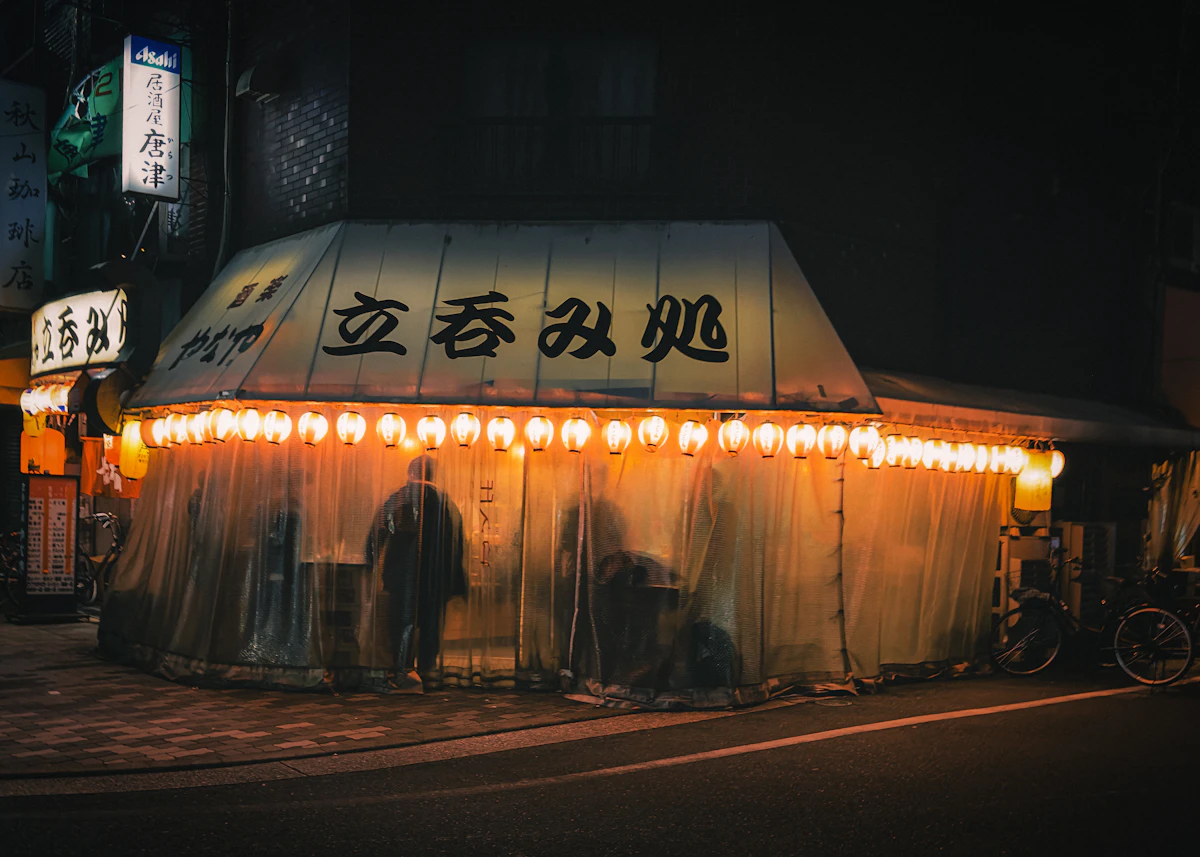
A tokiói éttermek az elmúlt években szigorítottak a távolmaradások ellen. A nemzetközi turisták növekvő számú távolmaradása miatt néhány étterem abbahagyta a közvetlen külföldi foglalások elfogadását, és most már csak szállodai concierge-eken keresztül fogad foglalásokat.
Az elv egyszerű: ha foglaltál, jelenj meg. Ha nem tudsz jönni, mondj le minél korábban.
Tipikus lemondási díjak
A lemondási díjak éttermenként változnak, de a következő kategóriák jellemzőek:
| Időzítés | Tipikus díj |
|---|---|
| 3 vagy több nappal korábban | Ingyenes vagy minimális |
| 2 nappal korábban | A menü árának ~30%-a |
| Előző nap | A menü árának ~50%-a |
| Aznap / távolmaradás | A menü árának 100%-a |
A feltételek éttermenként változnak. Foglaláskor mindig ellenőrizd a lemondási feltételeket.
Még csak asztalfoglalásnál (menü nélkül) is néhány ezer jent terhelhetnek személyenként aznapi lemondásnál. Foglalási szolgáltatás (TableCheck, Tabelog, OMAKASE stb.) használatakor a lemondási díjat a foglalásnál regisztrált hitelkártyára terhelik.
Késői érkezés
Egyes éttermek automatikusan törlik a foglalást, ha több mint 10–15 percet késel (ez éttermenként változik), és a lemondási díjat akkor is felszámítják. Figyelj az utolsó vonatok menetrendjére késő esti vacsorafoglalásoknál. Ha késni fogsz, hívd fel az éttermet. A telefonszám a visszaigazoló e-mailben van — mentsd el előre. A bejelentés nélküli késés ugyanúgy kezelhetik, mint a távolmaradást.
Időkorlát
Egyes éttermek csúcsidőszakban 2 órás időkorlátot alkalmaznak (二時間制 / nijikan-sei). Ha a visszaigazoló e-mailben szerepel a „2時間制”, az étkezést ezen az időn belül kell befejezni. Az utolsó rendeléseket általában 15 perccel az időkorlát lejárta előtt veszik fel.
Hibaelhárítás
| Probléma | Valószínű ok | Megoldás |
|---|---|---|
| A foglalási oldal „nincs szabad hely” üzenetet mutat | Az online helyek foglaltak | Próbálj más dátumokat/időpontokat. A telefonos foglalási helyek néha külön kezeltek — kérdezd meg a szállodai concierge-t |
| Nem érkezett visszaigazoló e-mail | Elírás az e-mail-címben, vagy spamszűrő fogta el | Ellenőrizd a spam mappát. Ha ott sincs, nézd meg a foglalási oldal „Foglalásaim” részét |
| A hitelkártya nem regisztrálható | Egyes nem-japán kártyák nem elfogadottak | Próbálj Visa vagy Mastercard kártyát. Ha az sem működik, váltson másik foglalási szolgáltatásra |
| Az étterem nem találja a foglalásodat | Névírás eltérés vagy rossz dátum | Mutasd a visszaigazoló e-mailt a személyzetnek. Ha van foglalási számod, mutasd meg azt |
| Az étkezési korlátozásokat nem vették figyelembe | Nem közölték foglalásnál | Mindig írd be a korlátozásokat a megjegyzés mezőbe foglaláskor. Hogy az étterem tud-e alkalmazkodni, helytől függ — előre erősítsd meg |
Éttermek keresése foglalás nélkül
Vannak módok éttermet találni foglalási szolgáltatás nélkül.
„Reserve a table” a Google Térképen — Egyes éttermek a Google Térképen „Reserve a table” gombot mutatnak. Ezt a TableCheck Reserve with Google integrációja táplálja, de a lefedettség korlátozott. Legjobb specializált foglalási szolgáltatásokkal együtt használni.
Sétáló vendégként belépni — Ebéd idején vagy a forgalmas időn kívül (hétköznap este kb. 17:00-kor) sok étteremben van szabad hely. A prémium helyek Ginzában vagy Roppongi-ban nehezek, de a casual izakayák és éttermek Shinjukuban és Shibuyában megérik a próbát. Ha valahol teli van, Tokió szórakoztató negyedeiben általában sétálótávolságon belül vannak hasonló éttermek. A „gado-shita” (ガード下) — vasúti hidak alatti éttermi sikátorok Yurakucho (有楽町) és Shimbashi (新橋) területén — tele vannak foglalás nélkül elérhető helyekkel, különleges hangulattal.
Depachika (デパ地下) — áruházi alagsor ételcsarnokai — Az olyan áruházak, mint a Mitsukoshi (三越), Isetan (伊勢丹) és Takashimaya (高島屋) alagsorai nem csak elvitelre csomagolt bento (弁当) ételeket és csemegepultos árukat kínálnak, hanem ülőpultokat is, ahol szusit, tempurát, yoshokut (西洋料理 / nyugati stílusú japán ételek) és egyebeket ehetünk. Nem kell foglalás, és a választék kiváló.
Gyakori kérdések
Tudom angolul foglalni tokiói éttermeket?
Igen. Több szolgáltatás — köztük a TableCheck, Tabelog és OMAKASE — az angolt a teljes foglalási folyamat során támogatja, a kereséstől a visszaigazolásig.
Van foglalási díj?
A TableCheck és GURUNAVI ingyenes. A Tabelog személyenként ¥440-et számít fel, az OMAKASE foglalási díjat (foglaláskor látható). A díjak szolgáltatásonként változnak.
Mi a teendő, ha az étterem csak telefonos foglalást fogad el?
Kérd a szállodai concierge segítségét — ez a legegyszerűbb lehetőség. Fizetős foglalási ügynökségek, mint a TABLEALL és JPNEAZY, szintén elérhetők.
Mennyivel előre kell foglalni Michelin-csillagos éttermet?
2–3 hónap jó irányadó. Néhány étteremnek fix foglalásnyitási dátuma van, ezért előre ellenőrizd.
Lemondásért díjat számítanak fel?
A legtöbb étterem aznapi lemondásnál vagy távolmaradásnál 100%-ot, az előző napra 50% körülit számít fel. Ha szolgáltatáson keresztül foglaltál, a díjat a fájlban lévő kártyára terhelik.
Lehet foglalás nélkül étkezni?
Természetesen. Ramen éttermek, futószalagos szusi, teishoku étkezdék és gyudon láncok foglalás nélkül működnek. A casual izakayákban hétköznap is általában van szabad hely.
Kapcsolódó cikkek
- Gyakori hibák Tokió látogatásakor — Buktatók az étteremfoglaláson túl, amelyeket minden utazónak ismernie kell
- Fizetési módszerek Tokióban — Hitelkártyák, e-pénz és készpénz — mi hol fogadható el
- Hogyan szerezz és használj Suica-kártyát — A közlekedési IC-kártya, amely éttermi fizetésnél is használható
- Tokiói etikettútmutató — Étkezési illemszabályok, borravaló és társadalmi szokások
- Tokiói budget étkezési útmutató — Hogyan találj kiváló ételt Tokióban anélkül, hogy sokat költenél
- Tokiói éttermi díjak magyarázata — Otoshi (お通し), szervizköltségek, ülőhely-díjak és egyéb rejtett költségek
Források:
- TableCheck “TableCheck revolutionizes dining, reaches 10,000 clients globally” https://www.tablecheck.com/en/blog/tablecheck-revolutionizes-dining-10000-clients/ (accessed: 2026-02-27)
- TableCheck “What does ‘Credit Card Required to Reserve’ Mean?” https://support-diners.tablecheck.com/hc/en-us/articles/900000873083-What-does-Credit-Card-Required-to-Reserve-Mean (accessed: 2026-02-27)
- TableCheck “Reserve with Google: Increase Your Restaurant Reservations” https://www.tablecheck.com/en/blog/increase-restaurant-reservations-reserve-with-google/ (accessed: 2026-02-27)
- TableCheck “TableCheck FastPass: Skip the Wait at Top Restaurants in Japan” https://www.tablecheck.com/en/blog/tablecheck-fastpass-dinner-reservations-japan/ (accessed: 2026-02-27)
- JPNEAZY “Reservation Handling Fee” https://help.jpneazy.com/article/64-reservation-handling-fee (accessed: 2026-02-27)
- Tabelog “I want to know the costs involved when booking” https://support.tabelog.com/hc/en-us/articles/33980891564185-I-want-to-know-the-costs-involved-when-booking (accessed: 2026-02-27)
- Tabelog “Tabelog Multilingual App” https://tabelog.com/en/tabelog-multilingual-app/ (accessed: 2026-02-27)
- BusinessWire “Tabelog Launches Multilingual App for International Visitors” https://www.businesswire.com/news/home/20251221963753/en/ (accessed: 2026-02-27)
- GURUNAVI “About Reservation Service” https://gurunavi.com/en/site/reservation (accessed: 2026-02-27)
- Hot Pepper Gourmet “Service Termination Notice” https://global.hotpepper.jp/notice/en/index.html (link no longer accessible)
- TABLEALL “FAQ” https://www.tableall.com/faq (accessed: 2026-02-27)
FAQ
- Foglalhatok éttermet Tokióban angolul?
- Igen. Több szolgáltatás is támogatja a teljes foglalási folyamatot angolul, köztük a TableCheck (ingyenes, 18 nyelv), a Tabelog (¥440 személyenként), a GURUNAVI (ingyenes) és az OMAKASE (díj foglaláskor látható). A TableCheck a Google Térkép-pel is integrált, így közvetlenül a keresési eredményekből foglalhat.
- Mennyivel előre kell foglalni egy Michelin-csillagos éttermet Tokióban?
- 2–3 hónappal előre javasolt az időkeret. Egyes éttermeknek rögzített dátumaik vannak a foglalások megnyitására – ellenőrizze az étterem weboldalát vagy az OMAKASE oldalukat a részletekért. A népszerű szushipultok és kaiseki éttermek általában körülbelül 1 hónapot igényelnek.
- Mit tegyek, ha az étterem csak japán nyelvű telefonos foglalást fogad el?
- Ha 4 csillagos vagy annál magasabb szintű szállodában tartózkodik, kérje a portástól – a legtöbb szálloda ezt a szolgáltatást ingyenesen nyújtja a vendégeknek, és a szálloda támogatása miatt az éttermek szívesebben fogadják el a foglalást. Fizetős szolgáltatások, mint a TABLEALL (¥8 000/hely) és a JPNEAZY (a kurzus árának 10–15%-a) alternatívák, ha hostellben vagy Airbnb-n tartózkodik.
- Felszámítanak-e díjat, ha lemondok egy foglalást?
- Igen. A legtöbb tokiói étterem az aznapi lemondásokért vagy megjelenési mulasztásért a kurzus árának kb. 100%-át, az előző napi lemondásokért pedig kb. 50%-át számítja fel. Ha online szolgáltatáson keresztül foglalt, a díjat automatikusan felszámítják a regisztrált hitelkártyára. Mondjon le a lehető leghamarabb, ha megváltoznak a tervei.
- Milyen tokiói éttermekhez nem kell foglalás?
- A ramen üzletek egyáltalán nem fogadnak el foglalást. A szalagos szushi láncok (Sushiro, Kura Sushi), a gyudon láncok (Matsuya, Yoshinoya), a családi éttermek (Saizeriya, Gusto) és a teishoku étkezdék mind sétáltatás alapján működnek. A kötetlenebb izakayákban hétköznap estéken is általában van szabad hely.
- Mi történik, ha késve érkezem a foglalásomhoz?
- Egyes éttermek automatikusan törlik a foglalást, ha több mint 10–15 percet késik, és a lemondási díjat akkor is felszámíthatják. Ha késik, hívja fel az éttermet a visszaigazoló e-mailben szereplő számmal. A bejelentés nélküli késés ugyanúgy kezelhető, mint a megjelenési mulasztás.
- Vannak ingyenes módszerek tokiói éttermek foglalására?
- Igen. A TableCheck és a GURUNAVI egyaránt ingyenes, foglalási díj nélkül. A Tabelog ¥440-et számít fel személyenként. Az OMAKASE foglalási díjat számít fel, amely a foglalás időpontjában látható. Az ételt mindig külön fizetik az étteremben (hacsak nem használ előfizetéses szolgáltatást, mint az OMAKASE vagy a Pocket Concierge).
* Ezt a cikket a japán eredetiből gépi fordítás segítségével fordítottuk. Egyes kifejezések nem feltétlenül hangzanak természetesen.


