E X P L O R E
11 Greșeli de Călătorie în Tokyo Făcute de Primi Vizitatori — Și Cum să le Eviți (2026)
Trenuri greșite, lipsă de numerar, fără SIM, valiză supraîncărcată — cele 11 cele mai frecvente greșeli de călătorie în Tokyo și exact ce să faci înainte de a pleca de acasă.

This article contains affiliate links. tokyo.how may earn a commission at no extra cost to you if you make a purchase through these links. This does not influence our editorial content.
Getting Lost on Trains and in Stations
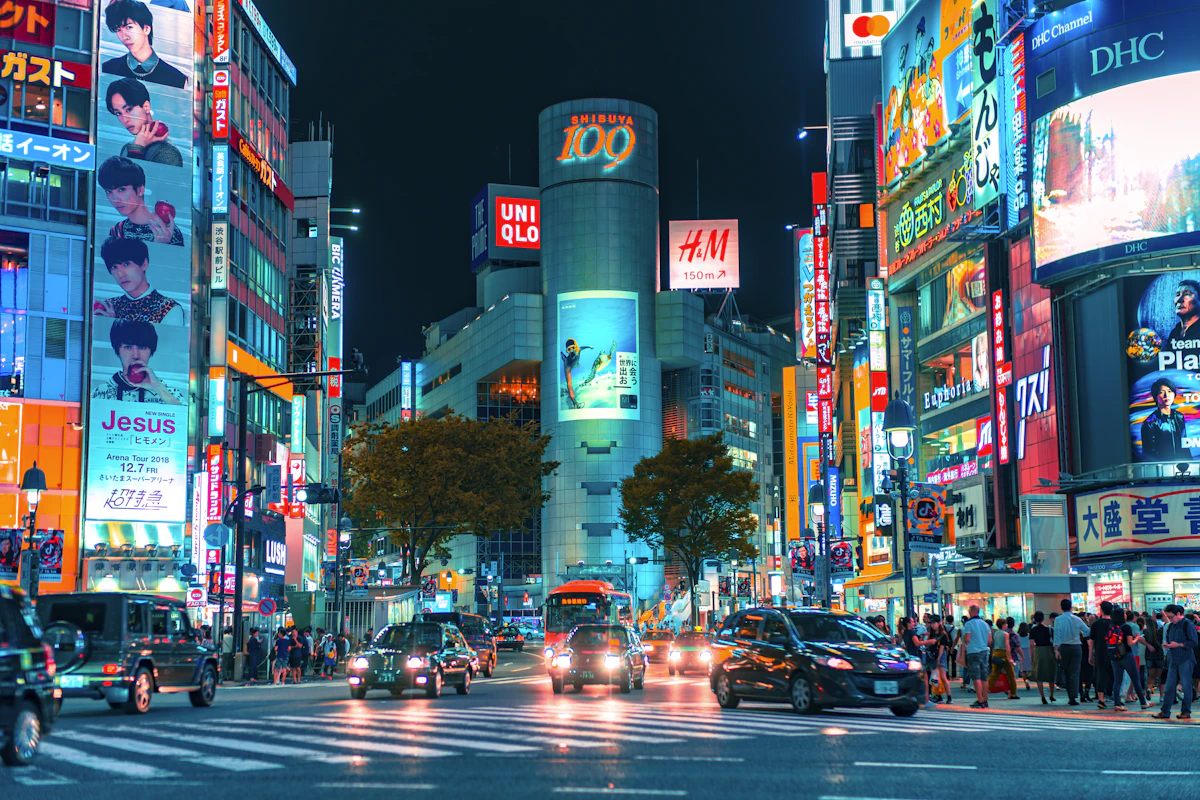
Tokyo’s trains are run by over 10 different companies — JR East, Tokyo Metro, Toei Subway, Tokyu, Odakyu, Keio, and more. Shinjuku Station alone is served by 5 operators and holds the Guinness World Record for busiest station with roughly 2.7 million daily passengers.
Google Maps can find routes, but it won’t tell you which exit to use. Walking out the wrong side of Shinjuku Station can easily add 10+ minutes to your trip.
Before you leave home: Set up an IC card (Suica or PASMO) on your phone so you can skip ticket machines entirely. Also note that many lines have “local” (各駅停車 / kakueki-teisha) and “express” (急行 / kyūkō) services that stop at different stations — always board the train type Google Maps specifies.
→ See our Station Navigation Guide for exit maps, transfer tips, and how to read platform signs.
Popular Spots That Require Reservations
Some of Tokyo’s biggest attractions won’t let you in without an advance ticket.
| Spot | How booking works |
|---|---|
| Ghibli Museum | Tickets go on sale the 10th of each month for the following month. Some dates sell out in minutes |
| teamLab (Toyosu / Azabudai) | Advance purchase strongly recommended. Weekends and holidays often sell out |
| Popular ramen shops | Numbered tickets or 2–3 hour waits are common |
For restaurants, high-end sushi and kaiseki spots can be fully booked 1–2 months out. Services like TableAll and Omakase let you book in English. Asking your hotel concierge to call on your behalf also works well.
Note: tokyo.how has no commercial relationship with the services mentioned in this article.
→ See our Tokyo Attraction Ticket Booking Guide for step-by-step booking instructions for Ghibli Museum, teamLab, and more.
Dragging Luggage Around All Day
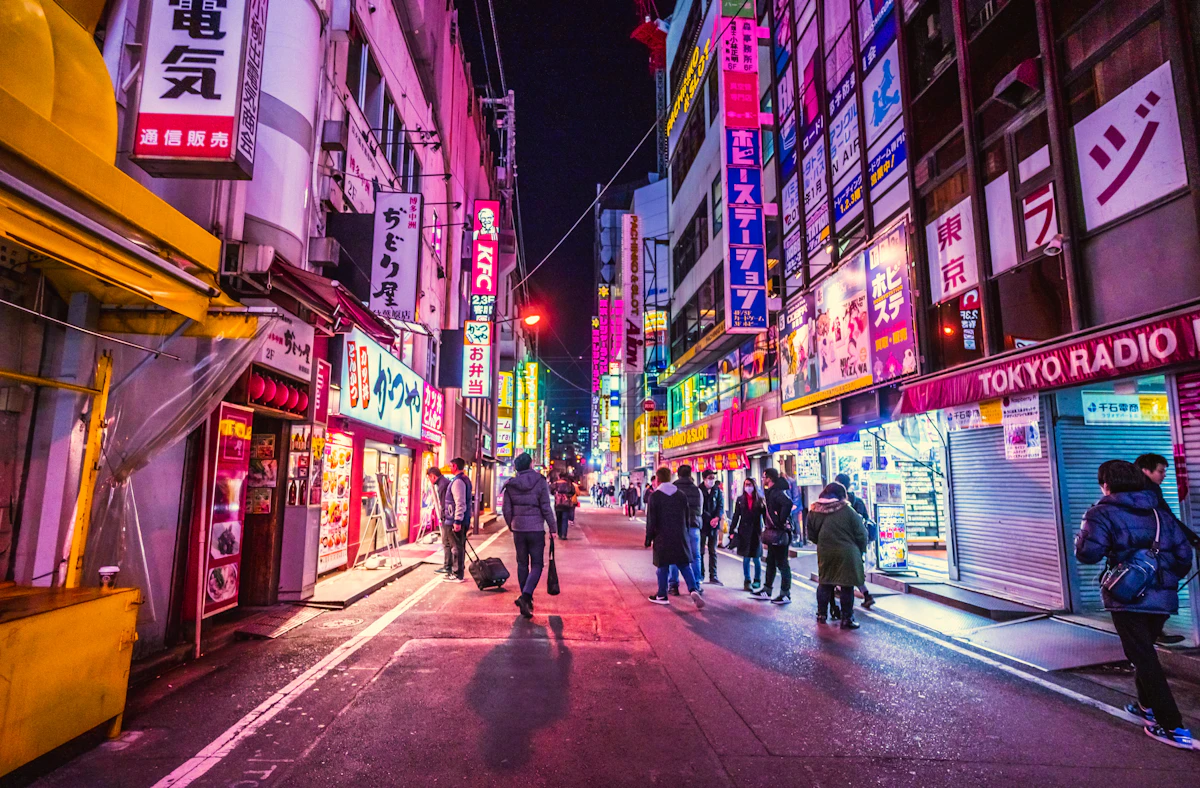
If you want to sightsee before hotel check-in, a large suitcase becomes a real problem. Many Tokyo subway stations have limited elevator access, and hauling bags up and down stairs gets exhausting fast.
Coin lockers cost around ¥300–800 per day, but large sizes at major stations fill up by late morning.
Alternatives:
- Yamato Transport same-day delivery (Haneda Airport): Drop off your bags at the Haneda Airport counter by 11:00 and pick them up at your hotel after 18:00 the same day (23-ward area, from ¥2,450)
- ecbo cloak: An app that lets you find nearby partner shops to store luggage (¥400–700/day)
- Evită complet transferul cu metroul cu Airport Limousine Bus — o călătorie directă din Narita până la hotelurile și stațiile principale din Tokyo, fără să cari valizele pe scările metroului.
→ See our Luggage Storage Guide for locker sizes, pricing, and alternative storage options at every major station.
The Language Barrier at Restaurants
Some popular restaurants only accept reservations by phone — in Japanese. If you can’t make the call, you may have to give up on the restaurant entirely.
What you can do:
- TableAll pre-secures seats at popular restaurants and handles the entire booking in English
- Ask your hotel concierge to call for you — most hotels offer this as a service for guests
→ See our Restaurant Booking Guide for how to reserve seats at popular Tokyo restaurants in English.
Running Out of Cash
Japan’s cashless payment ratio reached 42.8% in 2024 (METI). Credit cards work at major chains and convenience stores, but small independent restaurants, street food stalls, and city buses may only accept cash.
Buses in particular can be tricky. Some don’t give change for bills over ¥1,000, so without coins you can’t pay the fare. A Suica or PASMO card works on buses too, which makes IC cards the most practical workaround.
Carry ¥5,000–10,000 in cash as a baseline. If you need more, 7-Eleven ATMs accept international cards.
→ For a full breakdown, see How Payments Work in Tokyo.
Forgetting to Get a SIM Card
Without internet access, Google Maps, IC card apps, and translation tools are all useless. You can buy a SIM at the arrival floor of Narita or Haneda, but lines can be long when multiple flights land at the same time.
The most straightforward option: buy an eSIM before you leave home. Purchase online, scan a QR code, and you’re set the moment you land.
One thing to check: phones purchased from certain carriers may be carrier-locked and won’t accept an eSIM. Confirm your phone supports eSIM at least two weeks before departure.
Klook Japan eSIM funcționează pe rețeaua DOCOMO cu date nelimitate și se activează prin scanarea unui cod QR de pe telefonul tău — fără livrare sau ridicare necesară.
→ See our SIM & eSIM Guide for carrier comparisons, pricing, and setup instructions.
Buying a JR Pass That Doesn’t Pay Off
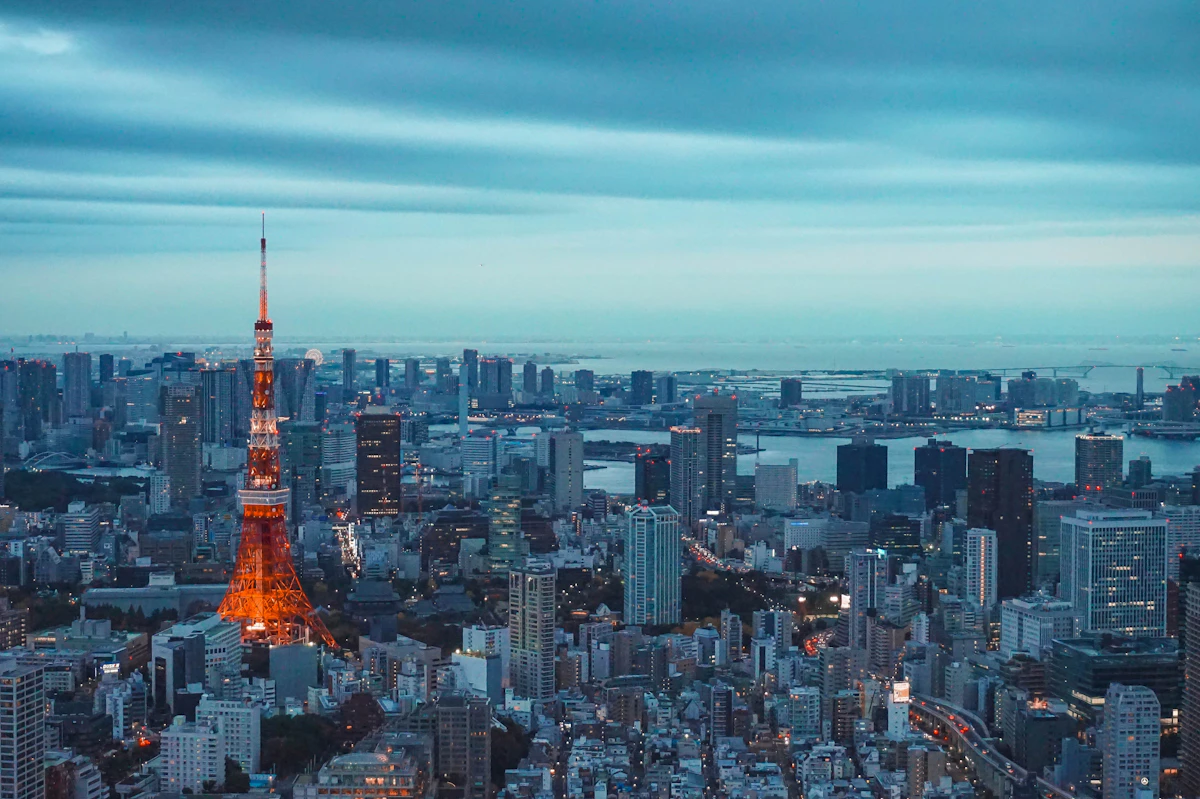
A 7-day JR Pass (Ordinary Car) costs ¥50,000. It covers all JR lines including the Shinkansen, but it does NOT cover Tokyo Metro, Toei Subway, Tokyu, Odakyu, Keio, or any other private railway.
Most trips within Tokyo use the subway and private lines. If your itinerary stays in Tokyo, you’ll only use JR for the Yamanote Line and a few other routes — not nearly enough to justify ¥50,000.
A JR Pass starts to make sense on itineraries like Tokyo → Kyoto → Osaka, where Shinkansen tickets add up fast. Calculate your total transport costs for the full trip before deciding.
Pentru călătorii doar în Tokyo, Tokyo Subway Pass (călătorii nelimitate de 24/48/72 ore pe Tokyo Metro și Toei Subway) este mult mai rentabil. Acoperă rețeaua pe care o folosesc efectiv cei mai mulți călători, la o fracțiune din prețul JR Pass.
→ See our JR Pass Guide for a cost breakdown and how to decide if the pass is worth it for your itinerary.
Tourist Spots Are Overcrowded
In 2024, Japan welcomed a record 36.9 million international visitors. Classic spots like Asakusa, Shibuya, and Harajuku can be shoulder-to-shoulder at peak hours.
How to beat the crowds:
- Visit Senso-ji or Meiji Shrine early in the morning (7–8 AM) — far fewer people. Brush up on shrine and temple etiquette before you go
- Swap Shibuya and Harajuku for Shimokitazawa or Daikanyama for a similar vibe without the crush
- Weekdays and weekends feel like different cities at many spots
→ For quieter alternatives, explore Tama area cities west of central Tokyo — places like Kichijoji, Mitaka, and Koenji offer local charm without the tourist crowds.
Not Knowing Onsen and Shrine Etiquette
Onsen (hot spring baths, including public bathhouses) and Shinto shrines have rules that catch visitors off guard.
Onsen:
- No swimsuits allowed. Keep your towel out of the bath water
- Many facilities turn away guests with tattoos. Check JNTO’s official onsen guide for tattoo-friendly options
- Tattoo cover stickers (available at Don Quijote) or private baths (貸切風呂 / kashikiri-buro) are alternatives
Shrines:
- Bow lightly before passing through the torii gate
- Rinse your hands and mouth at the temizu-sha (手水舎) — the water basin near the entrance
- Walk along the sides of the path, not the center — the middle is considered the gods’ path
→ See our full Etiquette Guide for details.
Can’t Read a Japanese-Only Menu
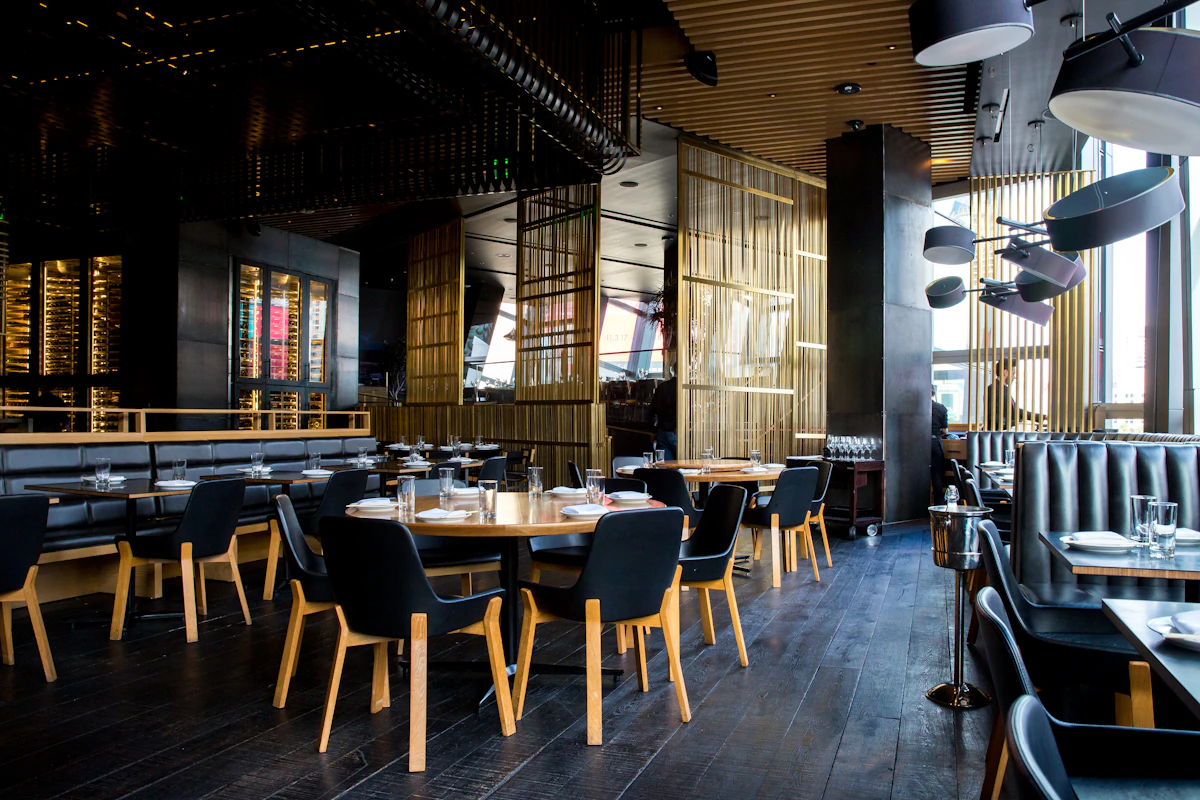
At many independent restaurants, the menu is entirely in Japanese. Ramen shop ticket machines with nothing but kanji are a common source of confusion.
What to do:
- Google Translate camera mode: Point your phone camera at the menu for real-time translation. Download the Japanese language pack in advance so it works offline too
- Plastic food displays (食品サンプル / shokuhin sanpuru): Many restaurants have realistic food models in front. Take a photo and point — that’s enough to order
- Ticket machines (券売機 / kenbaiki): If buttons have photos, tap the one you want. If there are no photos, the top-left button is usually the house specialty
→ Need help booking? See our Restaurant Booking Guide for English-friendly reservation services and tips for navigating Japanese-only restaurants.
Packing Too Much into One Day
The most common regret after a Tokyo trip: trying to do too much.
Tokyo’s sightseeing areas are spread out. Shibuya to Asakusa is about 40 minutes by train. Harajuku to Akihabara takes around 30 minutes. Add transfers and walking, and just getting around can eat up an entire morning.
Three areas per day is a realistic pace. More than that, and you’ll spend more time on trains than at the places you came to see. For help building a realistic schedule, see our itinerary planning guide.
→ To plan your route efficiently, see our Station Navigation Guide for transfer tips, and check Last Train Times so you don’t get stranded.
Before You Leave Home — Checklist
Missing any of these before departure makes your trip harder than it needs to be.
| Task | When to do it | Why it matters |
|---|---|---|
| Buy an eSIM or pocket WiFi | 1–2 weeks before | You need internet the moment you land for maps, translation, and IC card setup |
| Set up Suica/PASMO on your phone | Before departure | Skip ticket machine lines at the airport |
| Book attraction tickets | 1–2 months before | Ghibli Museum and teamLab sell out weeks ahead |
| Reserve restaurants | 2–4 weeks before | High-end sushi and kaiseki book up fast |
| Download Google Translate offline pack | Before departure | Camera mode works without internet for menu translation |
| Check your phone’s SIM lock status | 2 weeks before | Carrier-locked phones won’t accept a Japanese eSIM |
| Notify your bank of travel | 1 week before | Some banks block overseas ATM withdrawals by default |
| Withdraw ¥10,000–20,000 at the airport | On arrival | ATMs at 7-Eleven work, but having cash immediately is useful |
Întrebări frecvente
Is Tokyo safe for solo travelers?
Yes. Tokyo consistently ranks among the safest major cities in the world. Violent crime is rare, and petty theft is uncommon. Trains run until midnight, well-lit convenience stores are open 24/7, and you can walk most neighborhoods at night without concern. The main risks are losing your belongings (lost items are often turned in to station lost-and-found) and overdrinking in nightlife areas like Kabukicho.
How much cash should I carry in Tokyo?
Carry ¥5,000–10,000 as a baseline. While major chains and convenience stores accept credit cards, small restaurants, street food stalls, and city buses often only take cash. 7-Eleven ATMs accept most international cards for withdrawals.
Do I need to speak Japanese to visit Tokyo?
No. Major train stations, airports, and tourist areas have English signage. Google Translate’s camera mode handles menus and signs. Hotel staff and convenience store workers can usually manage basic English. That said, learning a few phrases like すみません (sumimasen / excuse me) and ありがとうございます (arigatou gozaimasu / thank you) goes a long way.
Is the JR Pass worth it for a Tokyo-only trip?
Usually not. A 7-day JR Pass costs ¥50,000 and only covers JR lines. Most trips within Tokyo use subway and private railways, which aren’t included. The pass pays off for multi-city itineraries involving Shinkansen travel (e.g., Tokyo → Kyoto → Osaka).
What is the best time to visit Tokyo?
March–April (cherry blossom season) and October–November (autumn foliage) have the best weather but the biggest crowds. June is rainy season. July–August is hot and humid. December–February is cold but clear, with fewer tourists and lower hotel prices.
Articole conexe
- How Payments Work in Tokyo — Suica, credit cards, PayPay, and cash
- Free Observation Decks in Tokyo — Paid vs. free viewing spots compared
- 8 Cherry Blossom Spots in Tokyo — Seasonal must-see — walking routes and crowd tips for cherry blossom season
Surse:
- METI “Cashless Payment Ratio 2024” https://www.meti.go.jp/english/press/2025/0331_001.html (accessed: 2026-02-19)
- Japan National Tourism Organization “Visitor Statistics” https://statistics.jnto.go.jp/en/graph/ (accessed: 2026-02-19)
- JR Pass Official “Types and prices” https://japanrailpass.net/en/purchase/price/ (accessed: 2026-02-19)
- Ghibli Museum Official “Tickets” https://www.ghibli-museum.jp/en/tickets/ (accessed: 2026-02-19)
- teamLab Official “teamLab Planets TOKYO” https://www.teamlab.art/e/planets/ (accessed: 2026-02-19)
- Yamato Transport “Haneda Airport Same-Day Delivery” https://www.kuronekoyamato.co.jp/ytc/promotion/haneda_sameday_delivery/en/index.html (accessed: 2026-02-19)
- ecbo cloak Official https://cloak.ecbo.io/en (accessed: 2026-02-19)
- JNTO “Onsen Hot Springs: On Tattoos and Etiquette” https://www.japan.travel/en/uk/inspiration/onsen-hot-springs-on-tattoos-and-etiquette/ (accessed: 2026-02-19)
- Guinness World Records “Busiest station” https://www.guinnessworldrecords.com/world-records/busiest-station (accessed: 2026-02-19)
* Acest articol a fost tradus din originalul japonez cu ajutorul traducerii automate. Unele expresii pot suna nenatural.


