E X P L O R E
8 прогулянок на сакуру в Токіо — маршрути, натовп і поради для пікніку (2026)
Перевірені пішохідні маршрути річкою Меґуро, Сіндзюку Ґьоен, парком Уено та 5 іншими місцями. Рівень натовпу залежно від часу доби, найкращі зони для пікніку та які місця цвітуть рано чи пізно. На основі відвідувань у три сезони сакури.
-
Best first pick: Meguro River (目黒川). Walk the 1.7 km stretch from Gonnosuke-zaka (権之助坂) to Nakameguro (中目黒) — Somei Yoshino trees arch over the river from both banks.
-
Best photo: Shiba Park (芝公園) lets you frame Tokyo Tower and cherry blossoms in one shot.
-
For picnics: Shinjuku Gyoen (新宿御苑, ¥500 admission). Spread a picnic blanket on the lawn and enjoy hanami the traditional way.
-
What to bring: A picnic sheet (available at any 100-yen shop) and wet wipes are essentials.
-
Tokyo’s 2026 cherry blossom forecast: bloom on March 22, full bloom on March 29.
-
Hidden gem: The Osaki (大崎) section of the Meguro River near Gate City Ohsaki is far less crowded than the Nakameguro stretch, and you can enjoy the blossoms at your own pace.
-
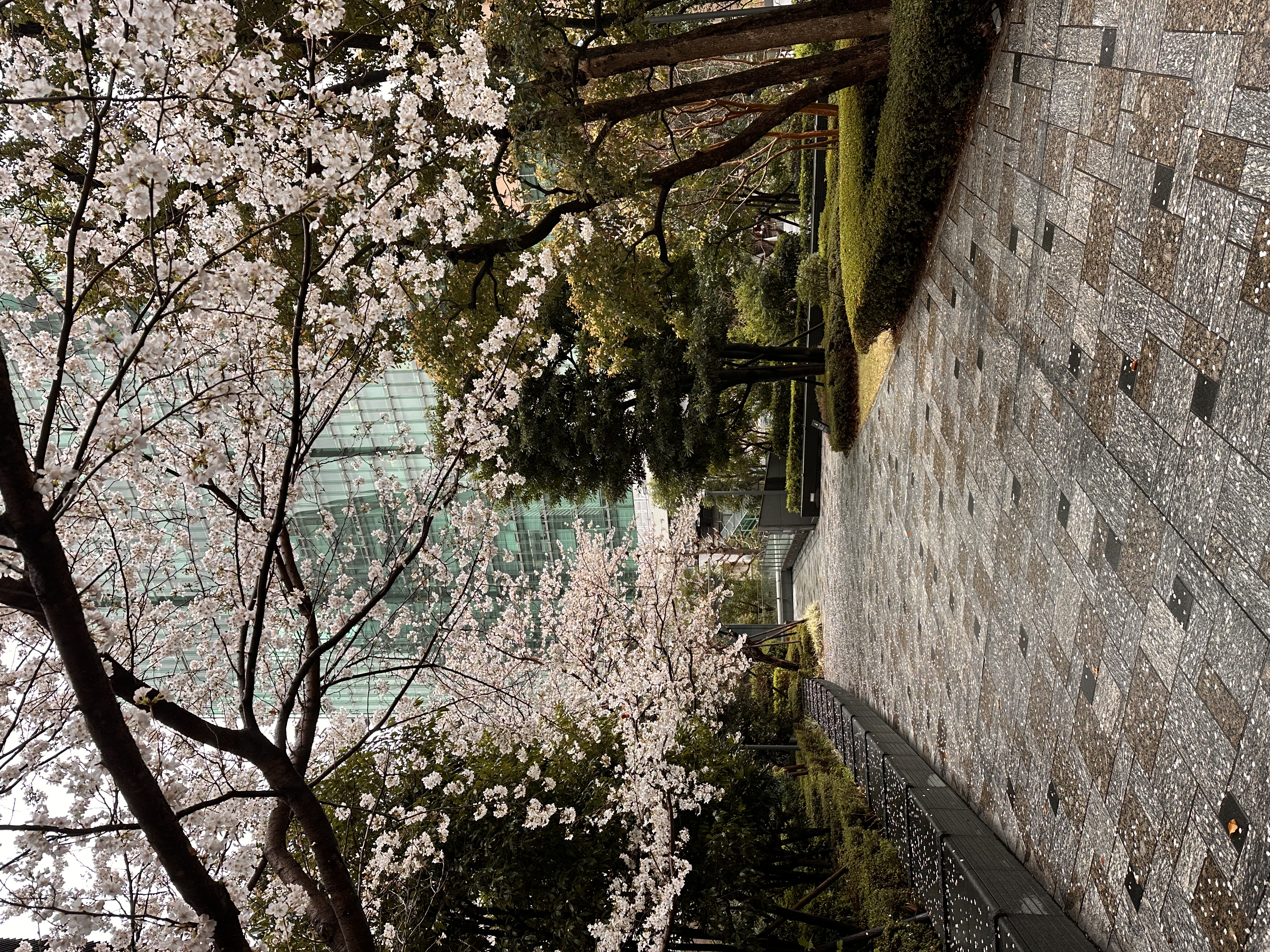
Walking route: In Roppongi (六本木), walk from Tokyo Midtown (東京ミッドタウン) to the National Art Center (国立新美術館) and then down to Spain-zaka (スペイン坂) — cherry trees pop up everywhere along the way.
-
Nerima (練馬) area: The Shakujii River (石神井川) has benches along the banks where you can sit and watch the blossoms. Also known as a filming location for the anime Your Lie in April (四月は君の嘘).
-
Night blossoms: Tokyo Midtown’s MIDTOWN BLOSSOM features illuminated cherry trees (17:00–23:00).
-
Cherry trees line many streets across Tokyo, so even a walk around your own neighborhood can be rewarding during the season.
Cherry Blossoms Are Everywhere in Tokyo
Tokyo has cherry trees planted along many streets, so during the season, you’ll spot them just walking around. It’s not unusual to run into a canopy of blossoms on the way home from the station.
That said, if you want a proper hanami (花見, “flower viewing”) experience — sitting down for a picnic, taking photos, or strolling through a tunnel of blossoms — choosing the right spot matters. Here are places the author walked through and can personally recommend.
Roppongi — Cherry Blossoms Tucked Into the City
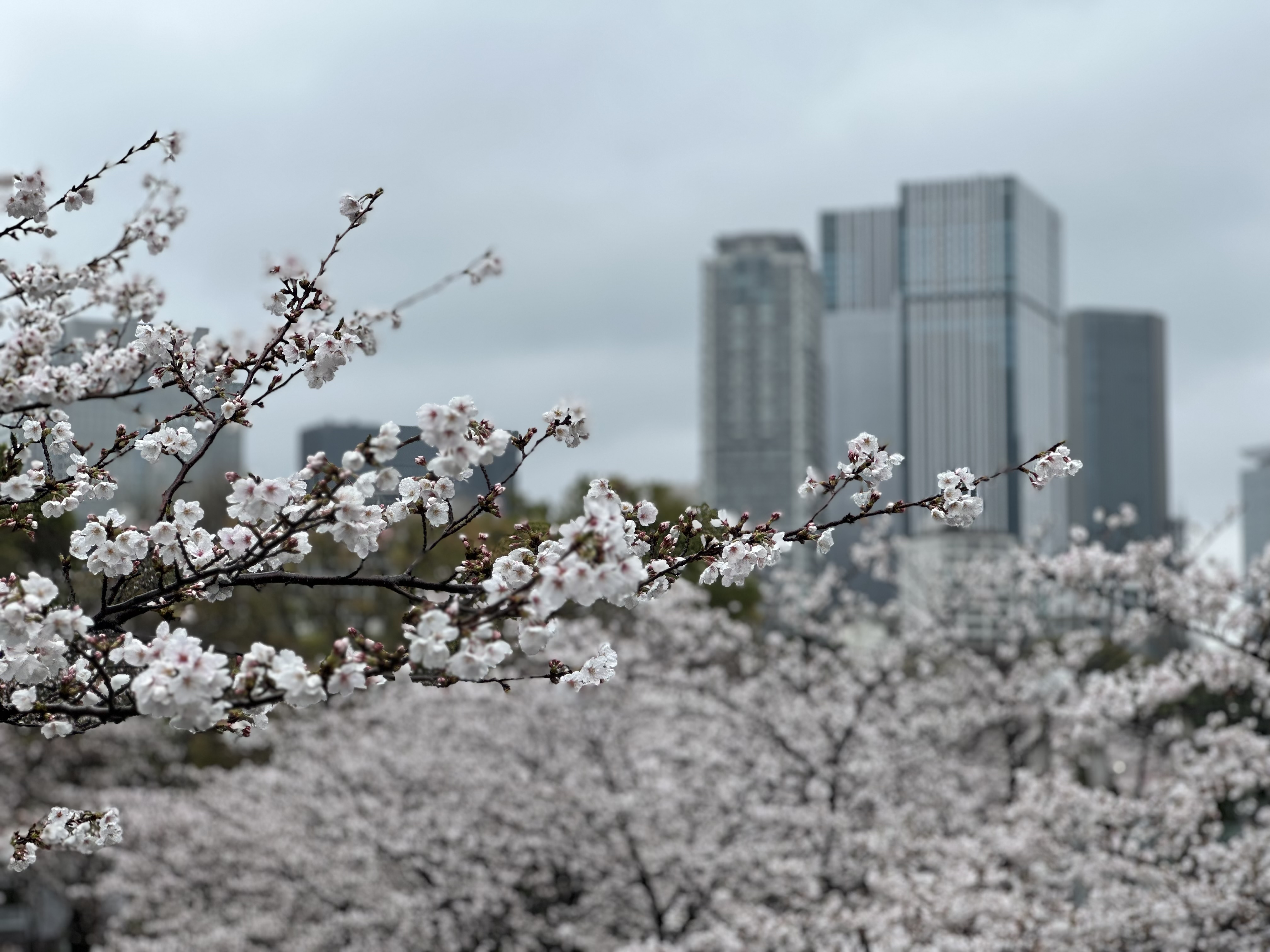
The path from Tokyo Midtown to the National Art Center. The trees form a cherry blossom tunnel.
Roppongi (六本木) doesn’t get much press as a cherry blossom destination, but walk around and you’ll find them in unexpected corners.
Tokyo Midtown to the National Art Center
Tokyo Midtown has around 100 cherry trees in its Midtown Garden, some dating back to the site’s former life as a Japan Defense Agency facility. The Sakura-dōri promenade stretches about 200 m, and the blossoms continue along the road toward the National Art Center (国立新美術館).
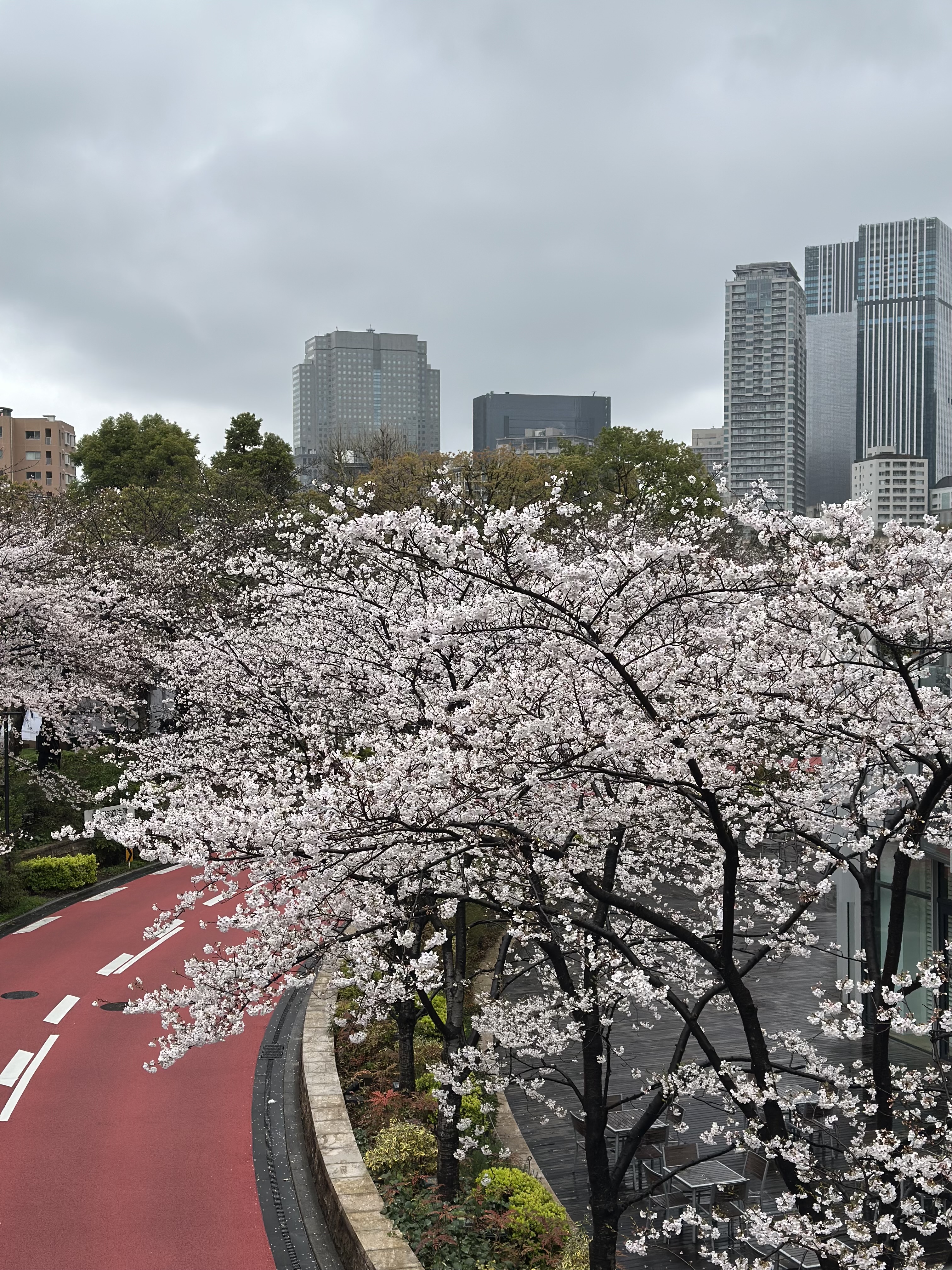
At night, the trees are lit up in pink as part of MIDTOWN BLOSSOM (17:00–23:00). In 2025, the event ran from March 14 to April 13. The atmosphere shifts completely — the quiet daytime promenade turns into a lively hanami spot after dark. The author drives through this area every year, and even from the car, the illuminated blossoms are impressive.
Spain-zaka
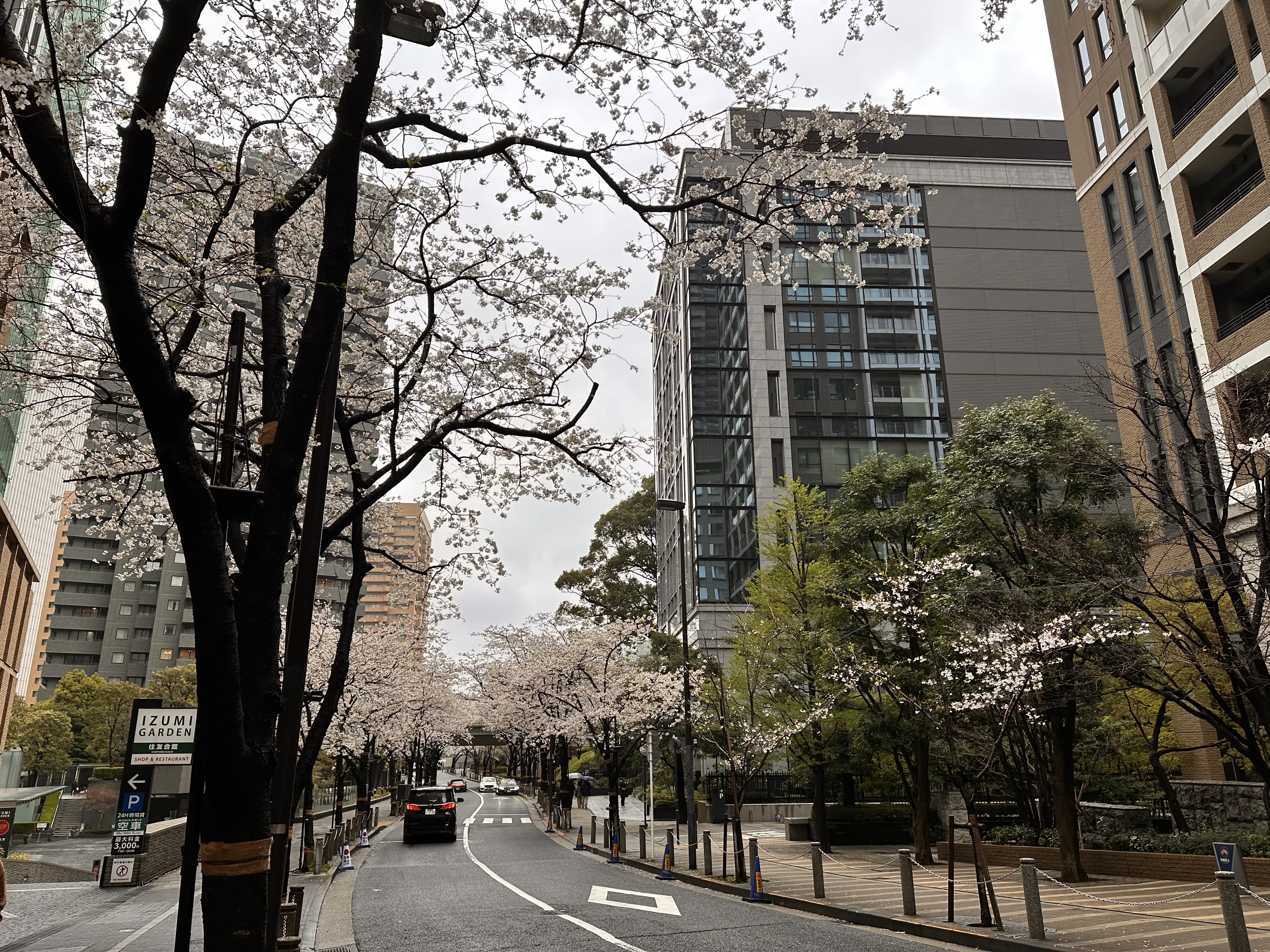
From Roppongi Hills toward Spain-zaka (スペイン坂). Blossoms tucked into residential streets.
The streets around Spain-zaka (スペイン坂) near Roppongi Hills also have lovely cherry trees. Fewer tourists come here, so it’s a relaxed place to stroll.
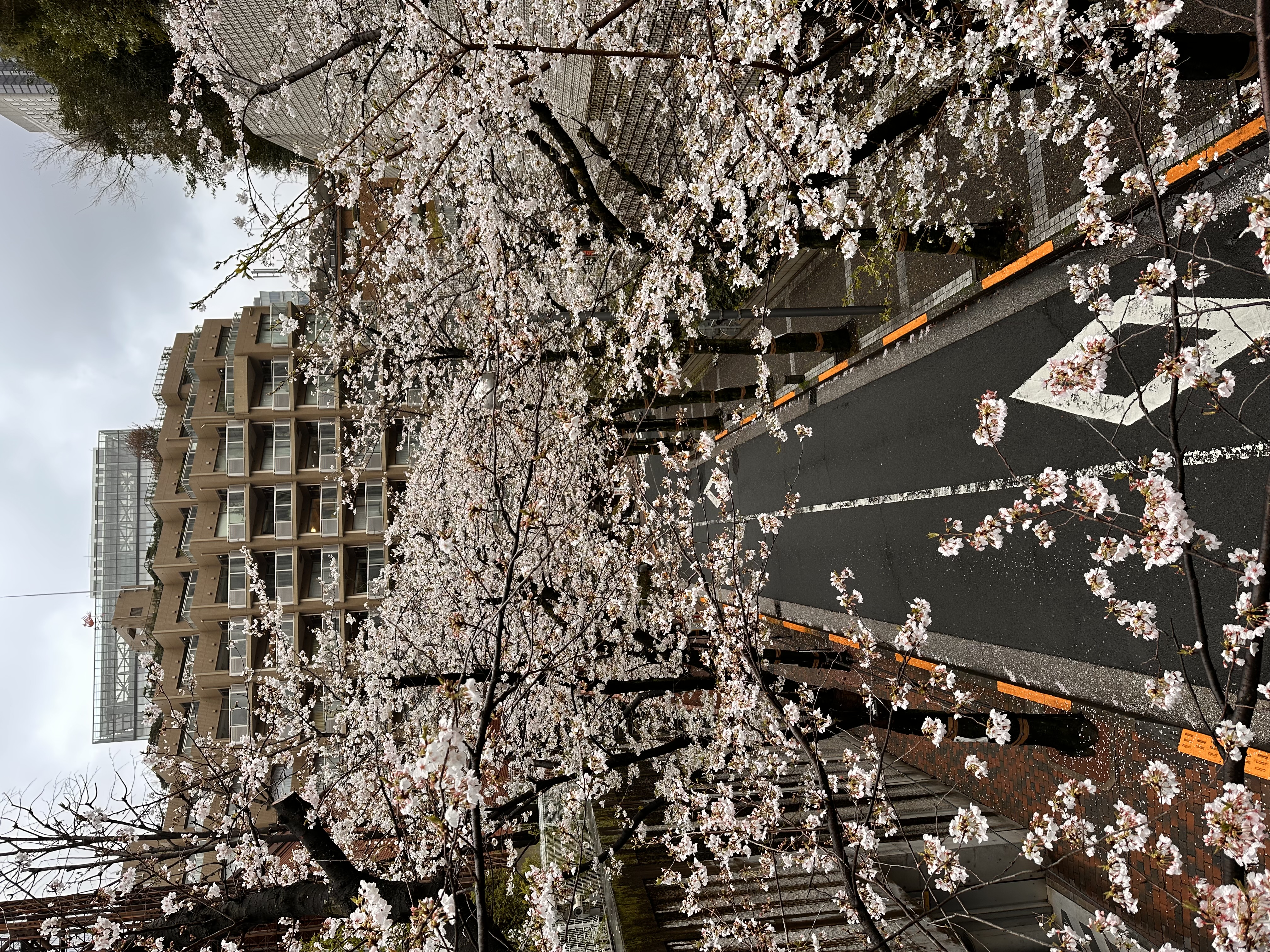
Suggested Roppongi Walking Route
Midtown → National Art Center → Spain-zaka takes about 30–40 minutes total. Stop at a café along the way and take your time.
Meguro River — Walking Under a Canopy of Blossoms
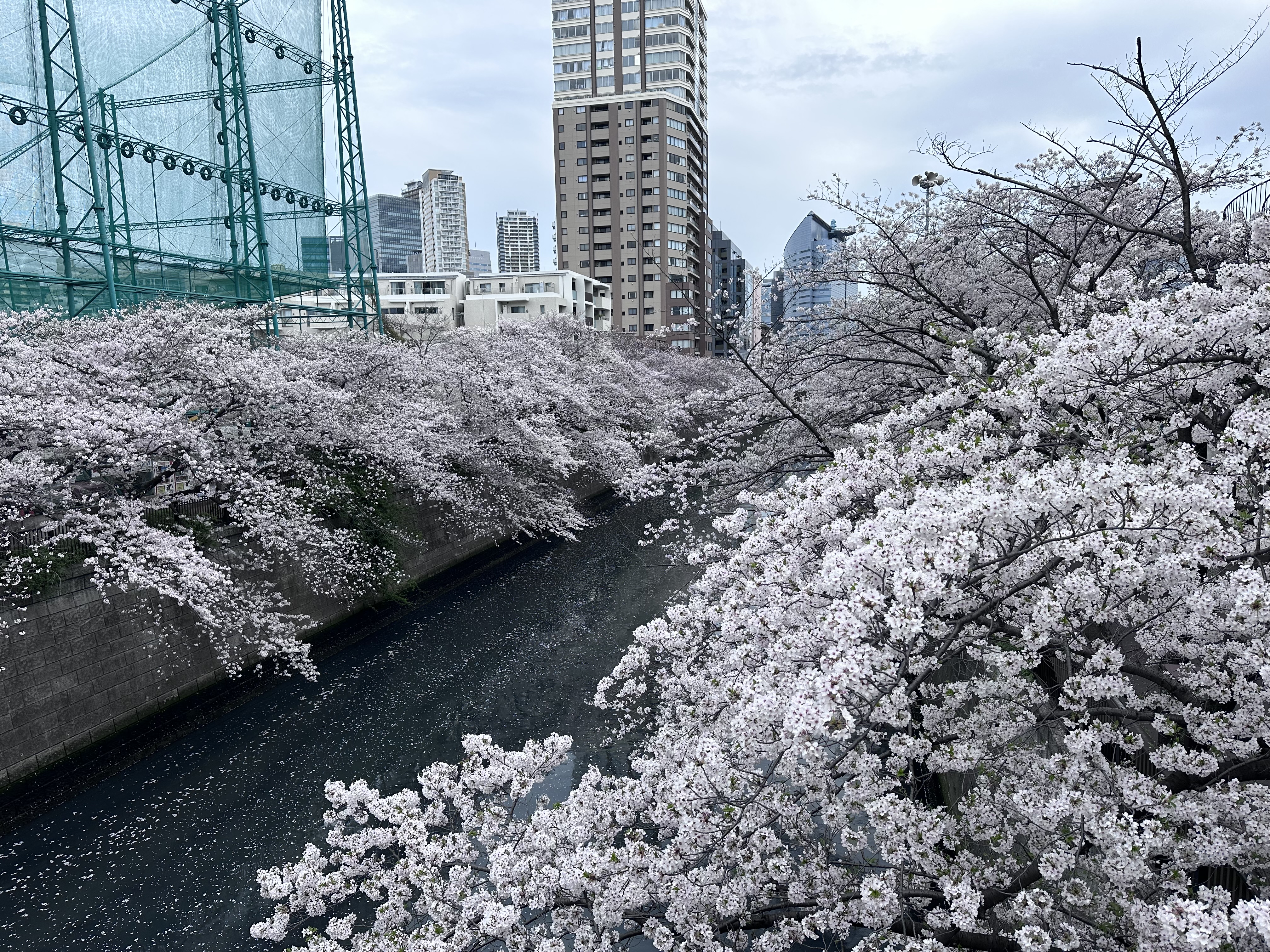
One of Tokyo’s most well-known hanami spots. Cherry trees line the Meguro River (目黒川), with branches reaching out from both banks and meeting over the water — it feels like walking through a tunnel of blossoms.
Gonnosuke-zaka to Nakameguro Route (approx. 1.7 km / 30-min walk)
The author walked from the Gonnosuke-zaka (権之助坂) side near Meguro Station toward Nakameguro (中目黒). The bridge near Gonnosuke-zaka is a popular photo spot, with people constantly lining up for shots.
It’s crowded even on weekdays. Bridges especially get packed with people stopping to take photos, so weekday mornings are your best bet if you want breathing room.
Meguro River at Night
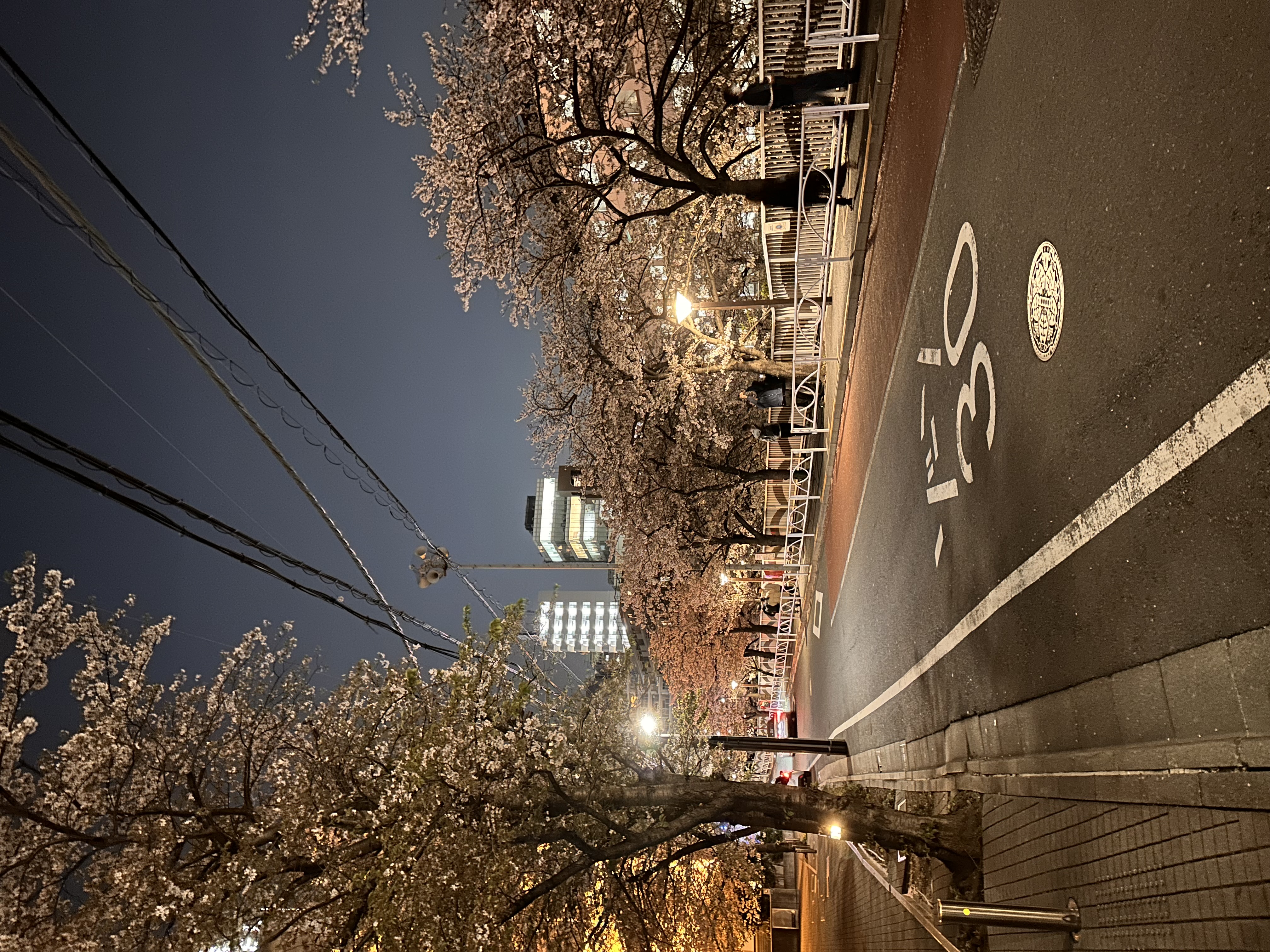
Even without a formal light-up event, streetlights and shop fronts illuminate the blossoms nicely.
During cherry blossom season, the Nakameguro Station Area Shopping Association and other groups set up paper lanterns (ぼんぼり, bonbori) along the river for an evening light-up (typically late March to early April, 17:00–20:00). The atmosphere is completely different from the daytime — the lantern-lit blossoms look otherworldly. The “Nakameguro Sakura Festival” is usually held in late March as well. Specific dates are announced on the Meguro City website around mid-March.
Even outside the light-up period, streetlights and shop fronts provide enough light to enjoy the blossoms at night.
Hidden Gem: Osaki Area
The Meguro River extends down to the Osaki (大崎) area near Gate City Ohsaki (ゲートシティ大崎). The density of trees isn’t quite the same as between Gonnosuke-zaka and Nakameguro, but there’s plenty of cherry blossom coverage and far fewer people, so you can take your time.
Nerima — Cherry Blossom Stroll Through the Your Lie in April Setting
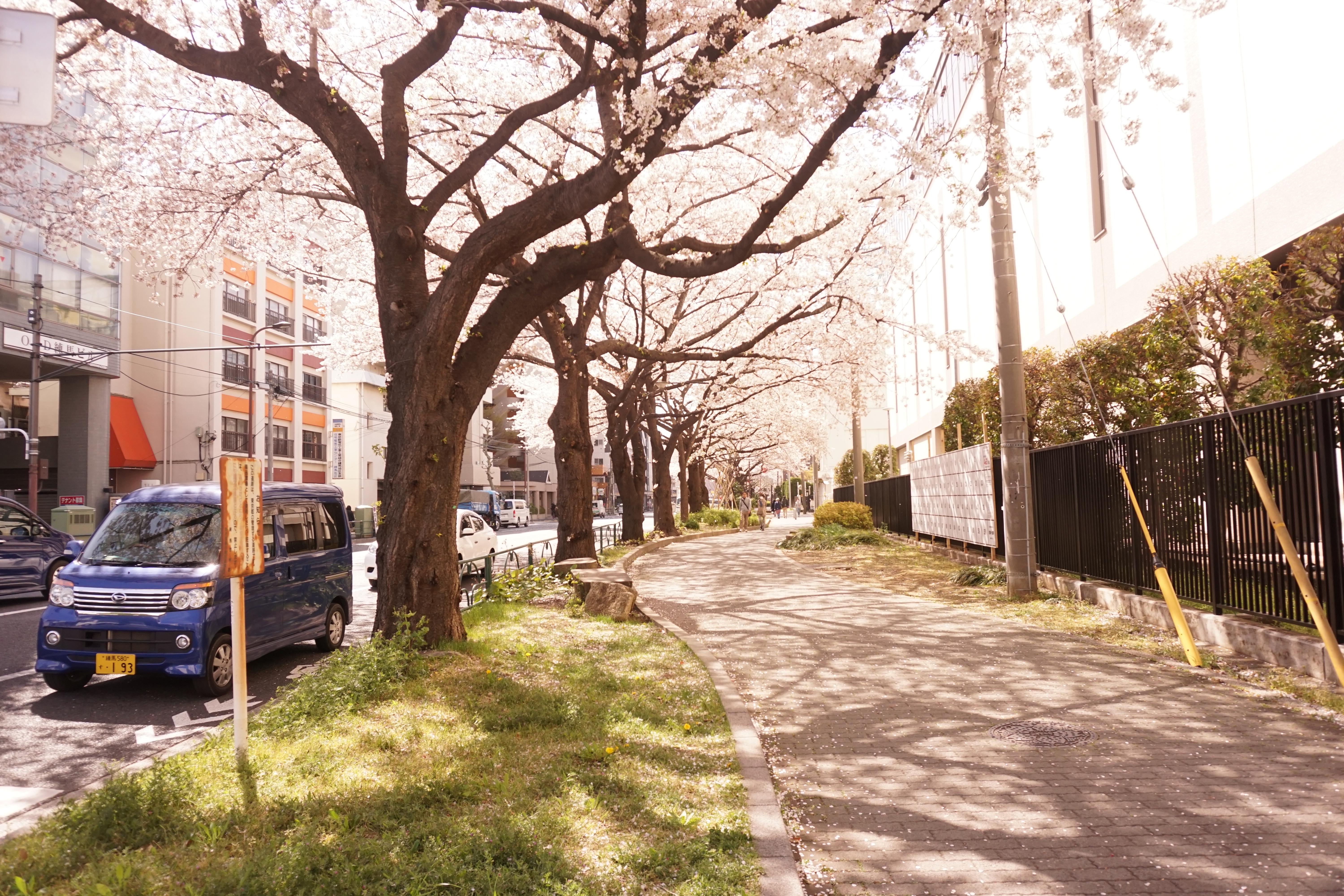
Street trees near Nerima Station (練馬駅). The trunks have grown massive and the canopy arches over the sidewalk.
Nerima (練馬) is known as the setting for the anime Your Lie in April (四月は君の嘘, Shigatsu wa Kimi no Uso). The area has two main cherry blossom zones: around the station and along the Shakujii River. The author visits every year and loves the quiet, residential feel.
Around Nerima Station
The street trees along the roads leading from the station are striking. The trunks have grown thick with age, and the sidewalks are wide enough to walk comfortably. It doesn’t have the “famous spot” energy of Meguro River, but it’s a well-loved local landmark. After peak bloom, petals fill the air and blanket the sidewalks.
Shakujii River
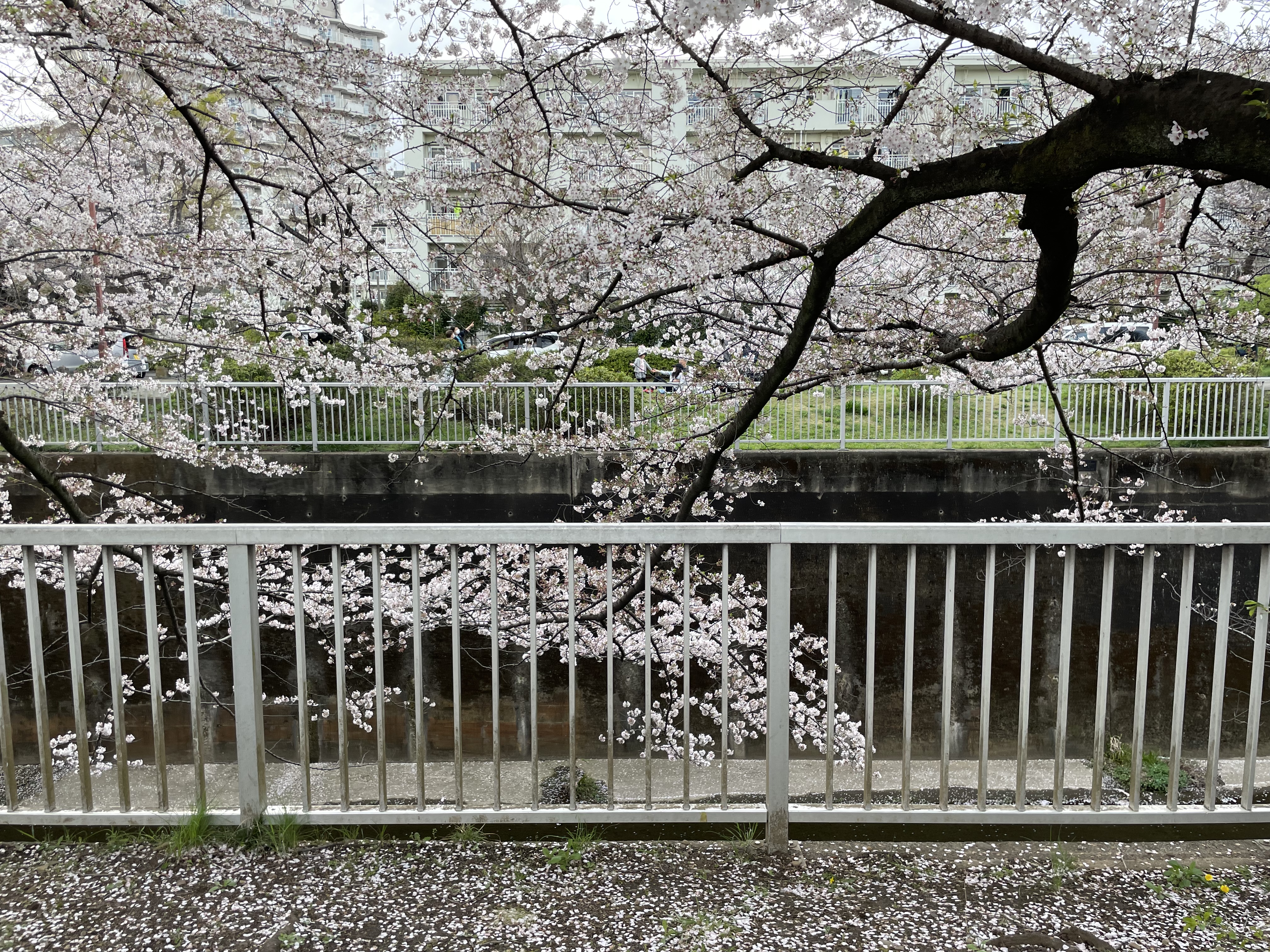
Cherry trees continue along the Shakujii River (石神井川). The river runs through a residential area, so the surroundings feel calm. The paths along the banks are fairly wide, with places to sit and rest here and there — a good spot for just sitting and watching the blossoms.
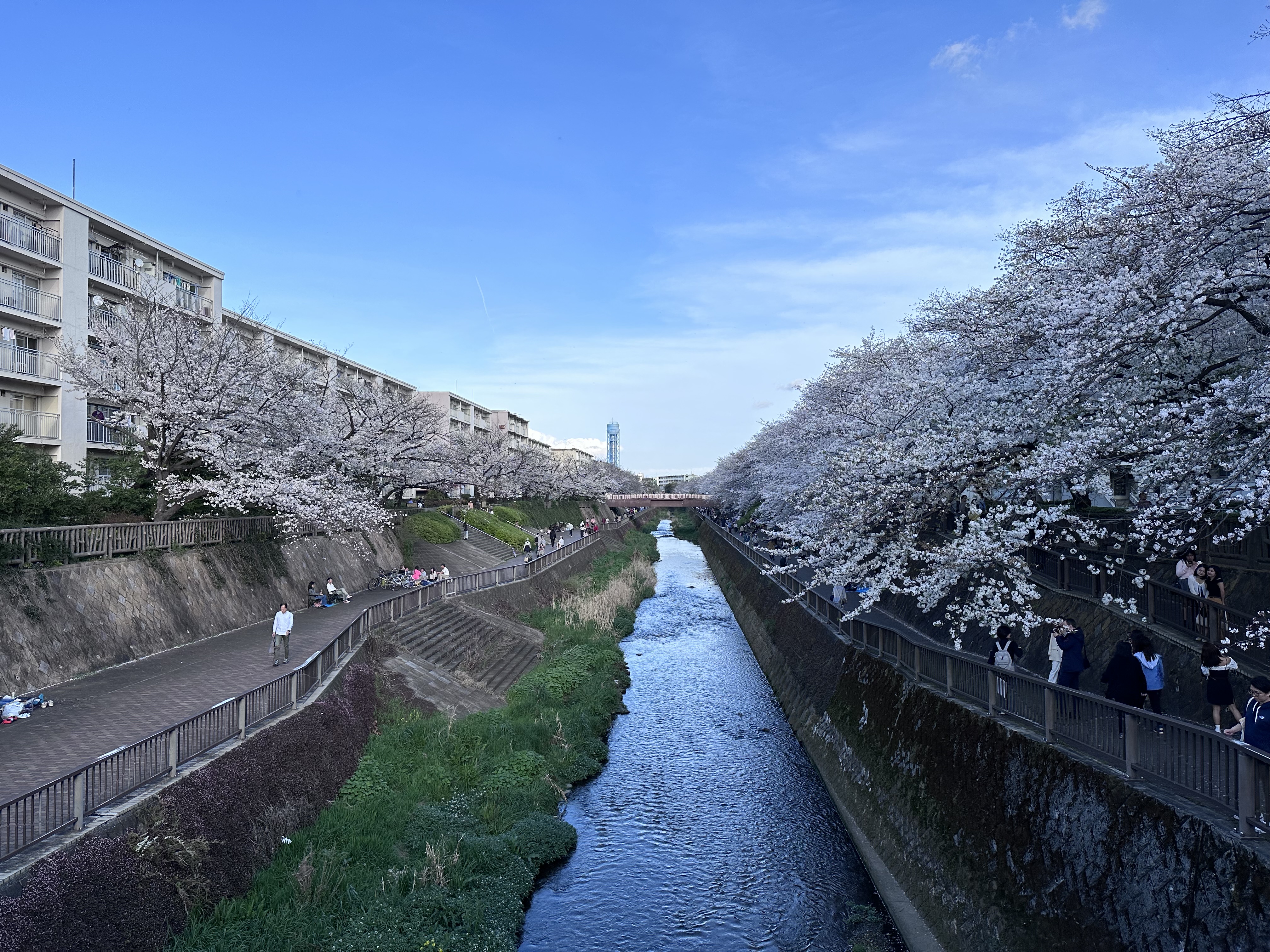
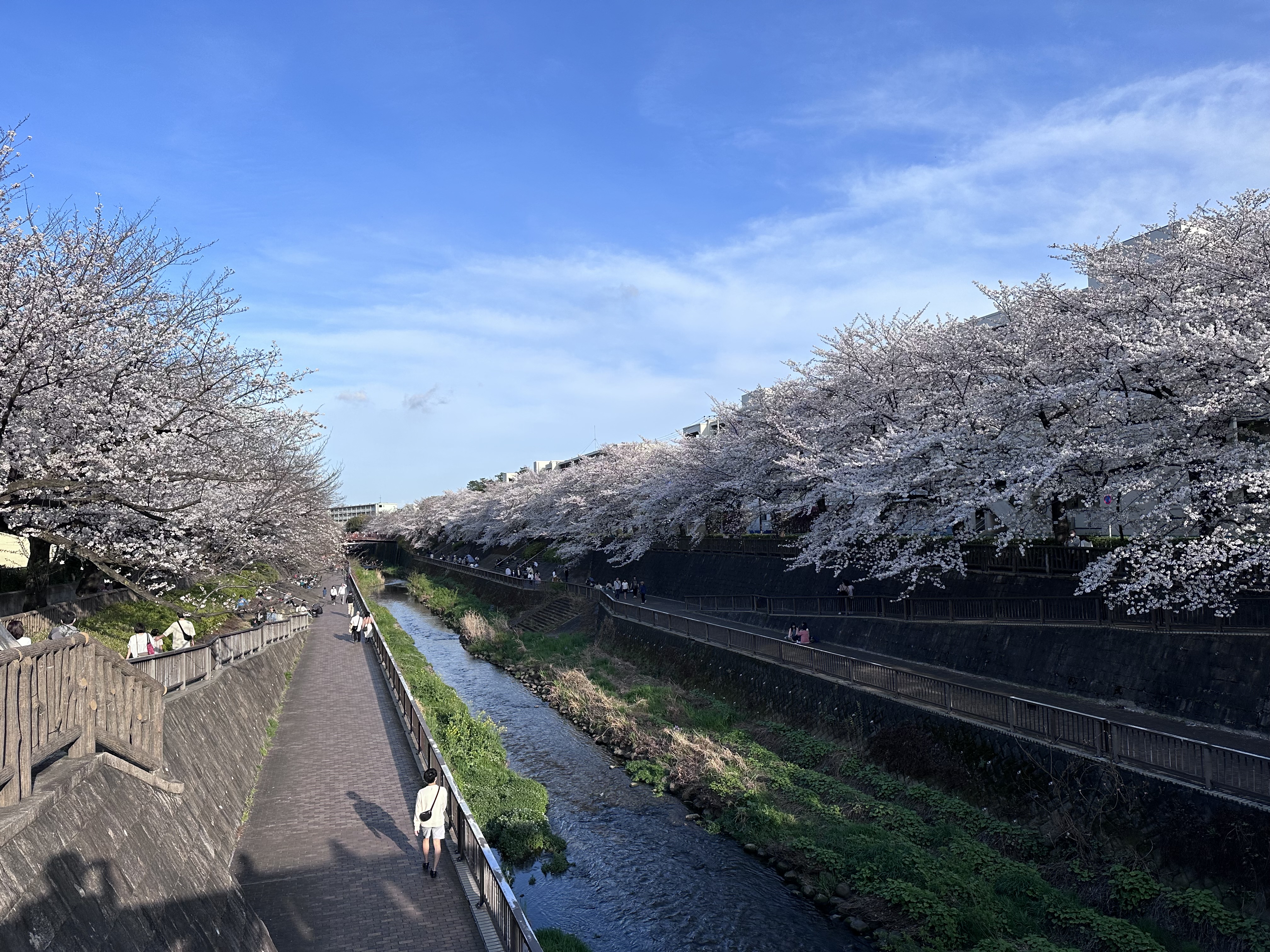
As the blossoms start to fall, petals drift along the water’s surface. You can see it in the photos — it’s genuinely beautiful.
There are people around, but nowhere near the crowds at Meguro River or Ueno Park. If you’re combining an anime pilgrimage with a relaxed hanami walk, this is the place.
Shiba Park — Tokyo Tower Meets Cherry Blossoms
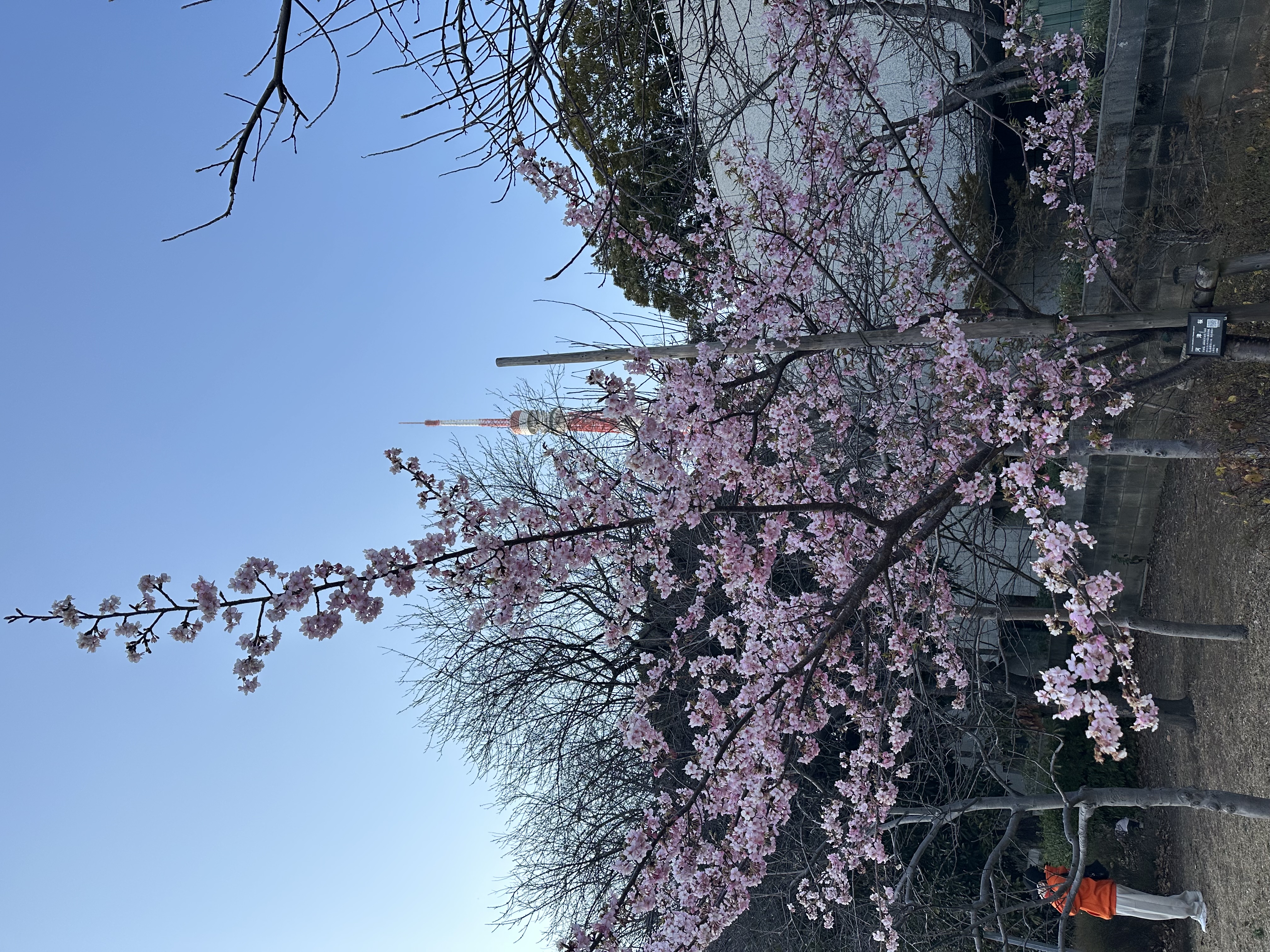
Shiba Park (芝公園) sits right at the base of Tokyo Tower, making it one of the few spots where you can photograph cherry blossoms and Tokyo Tower in the same frame. The park fills with hanami visitors every spring.
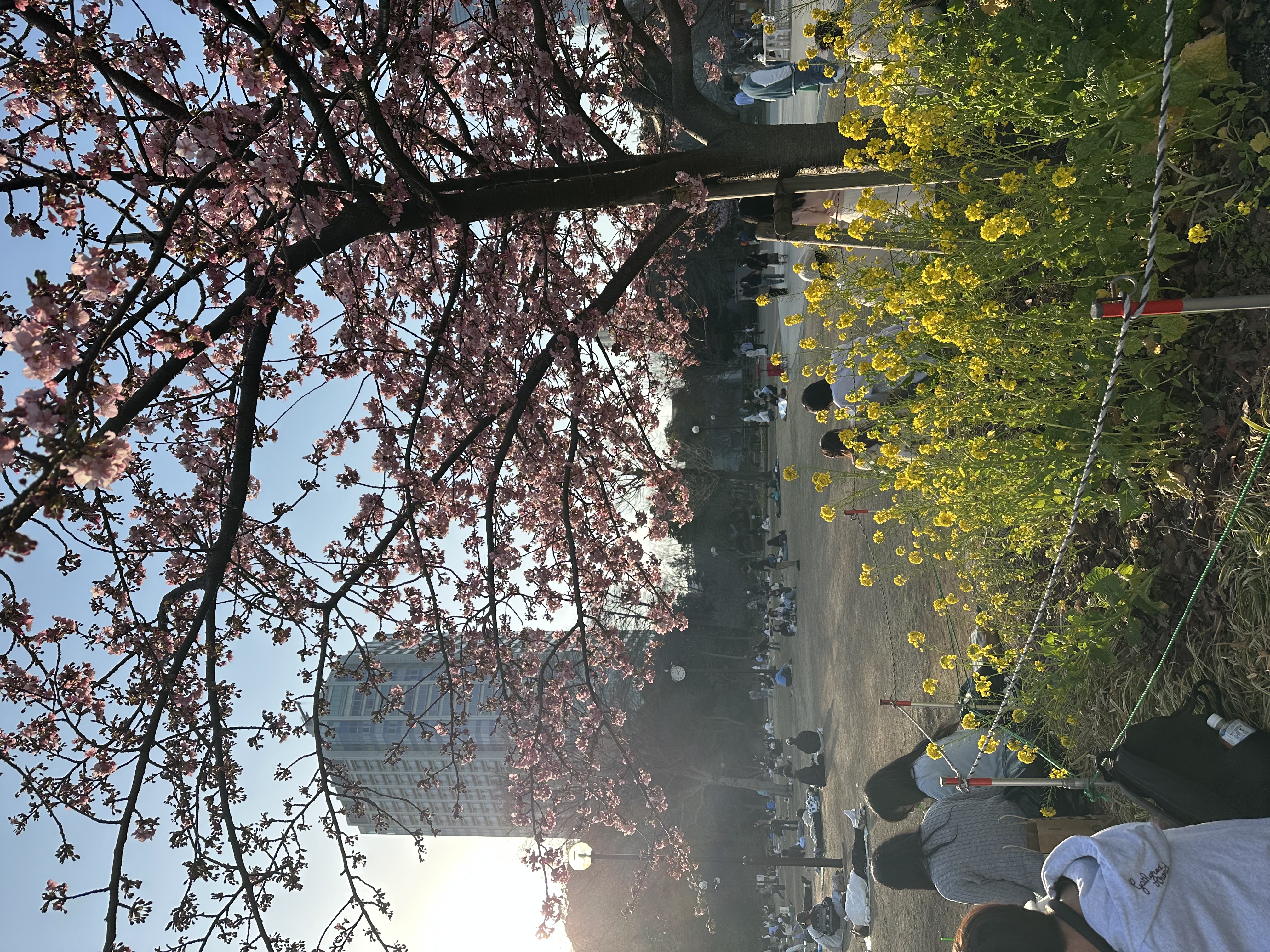
Great for Picnics
People spread out picnic sheets across the park lawn. There are several bakeries and bagel shops near Shiba Park, so grabbing food on the way is easy. The nearest Starbucks is a bit of a walk, so bring your drinks ahead of time.
Ueno Park — A Hanami Tradition Since the Edo Period
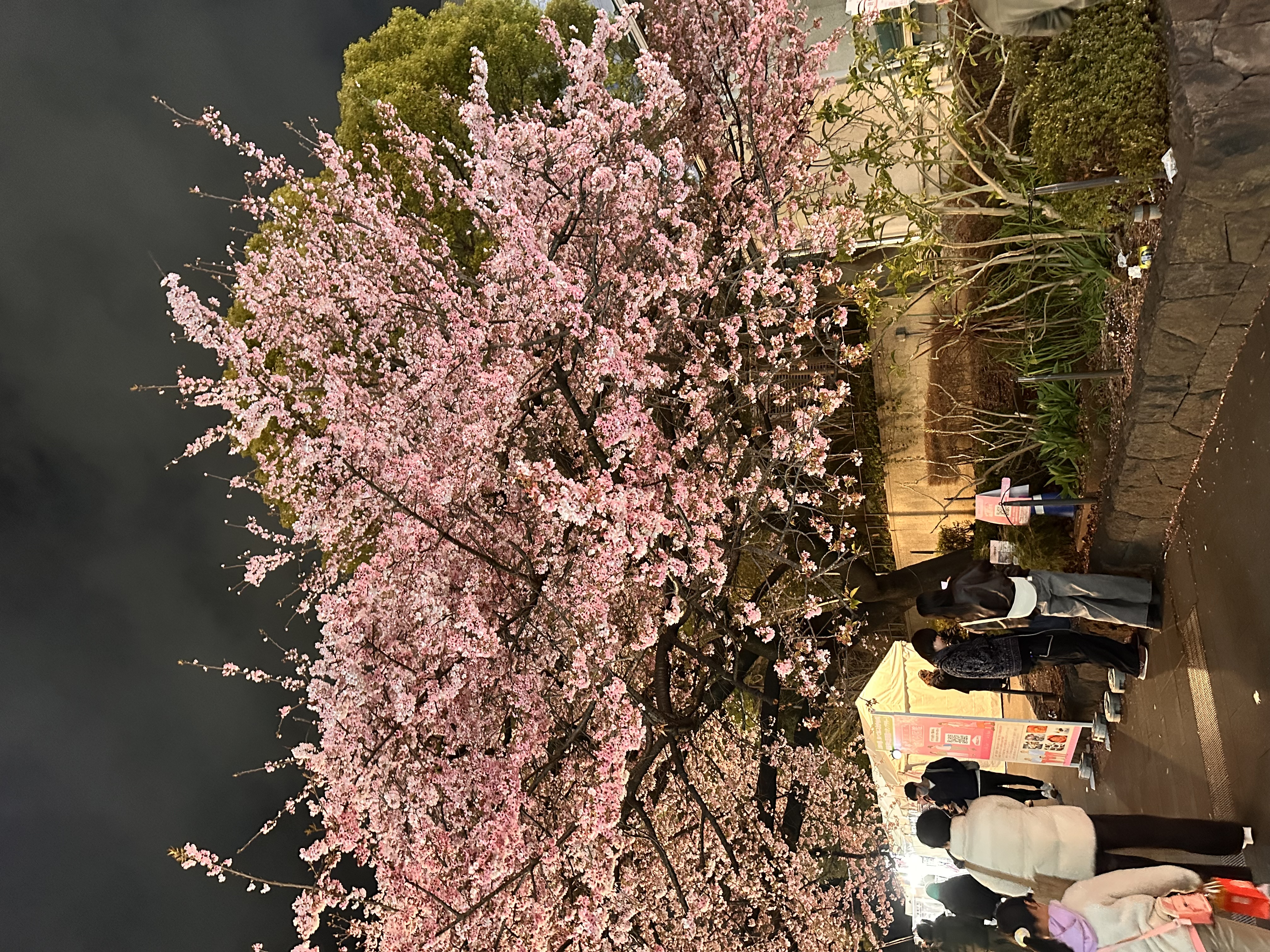
Ueno Park (上野恩賜公園) has around 1,200 cherry trees. The tradition dates back to the Edo period, when the monk Tenkai transplanted yamazakura (mountain cherry) trees from Yoshino. It has been a famous hanami destination for centuries.
A massive cherry tree greets you right at the park entrance. From there, blossoms line both sides of the walkway deep into the grounds.
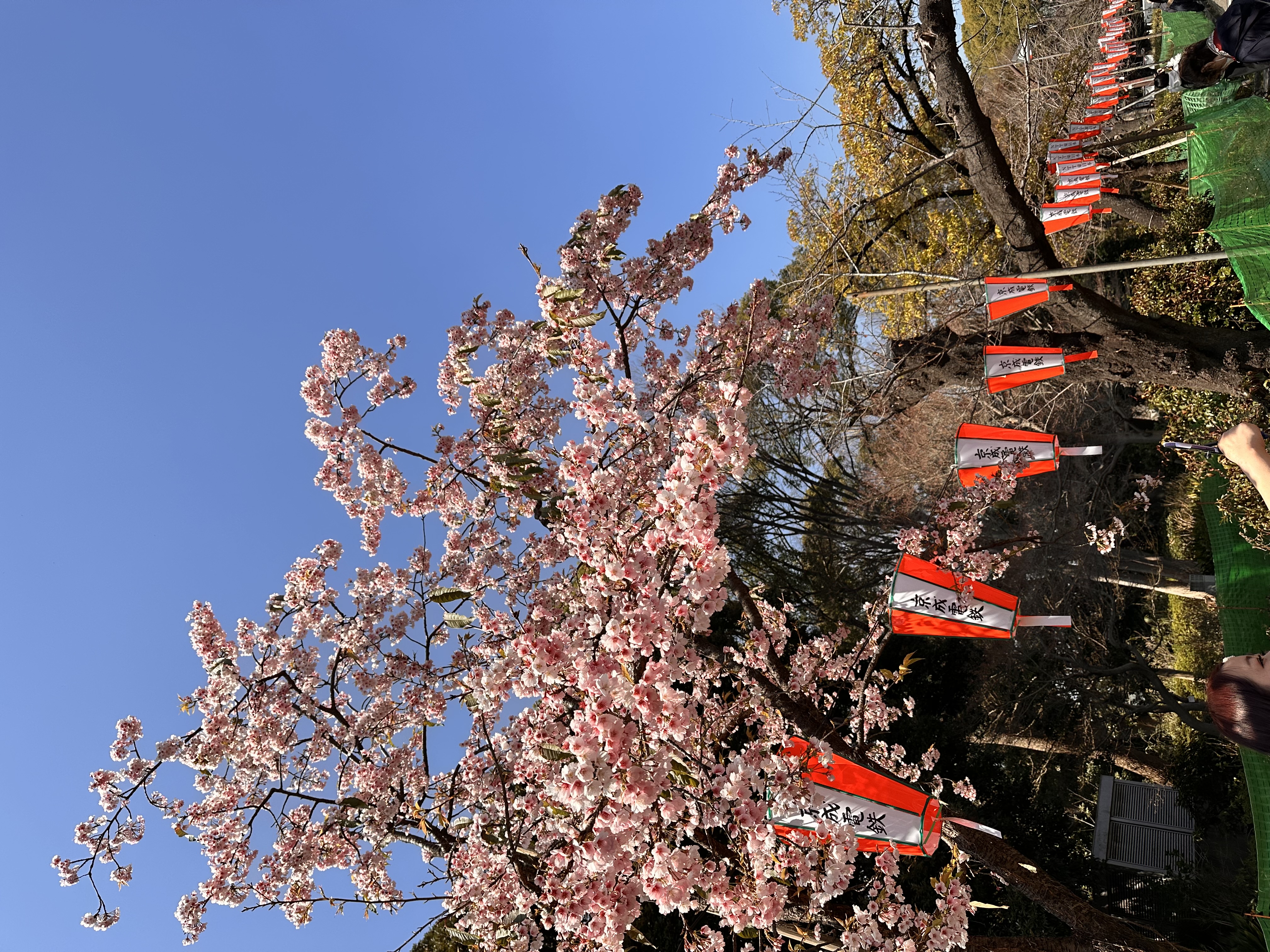
Expect Serious Crowds
Ueno Park gets packed. At peak bloom, barriers are set up along the main path to create one-way foot traffic — that’s how crowded it gets. Be mindful of hanami etiquette while you enjoy the blossoms. If you want a calmer experience, go early in the morning.
Shinjuku Gyoen — Picnic Hanami on the Lawn
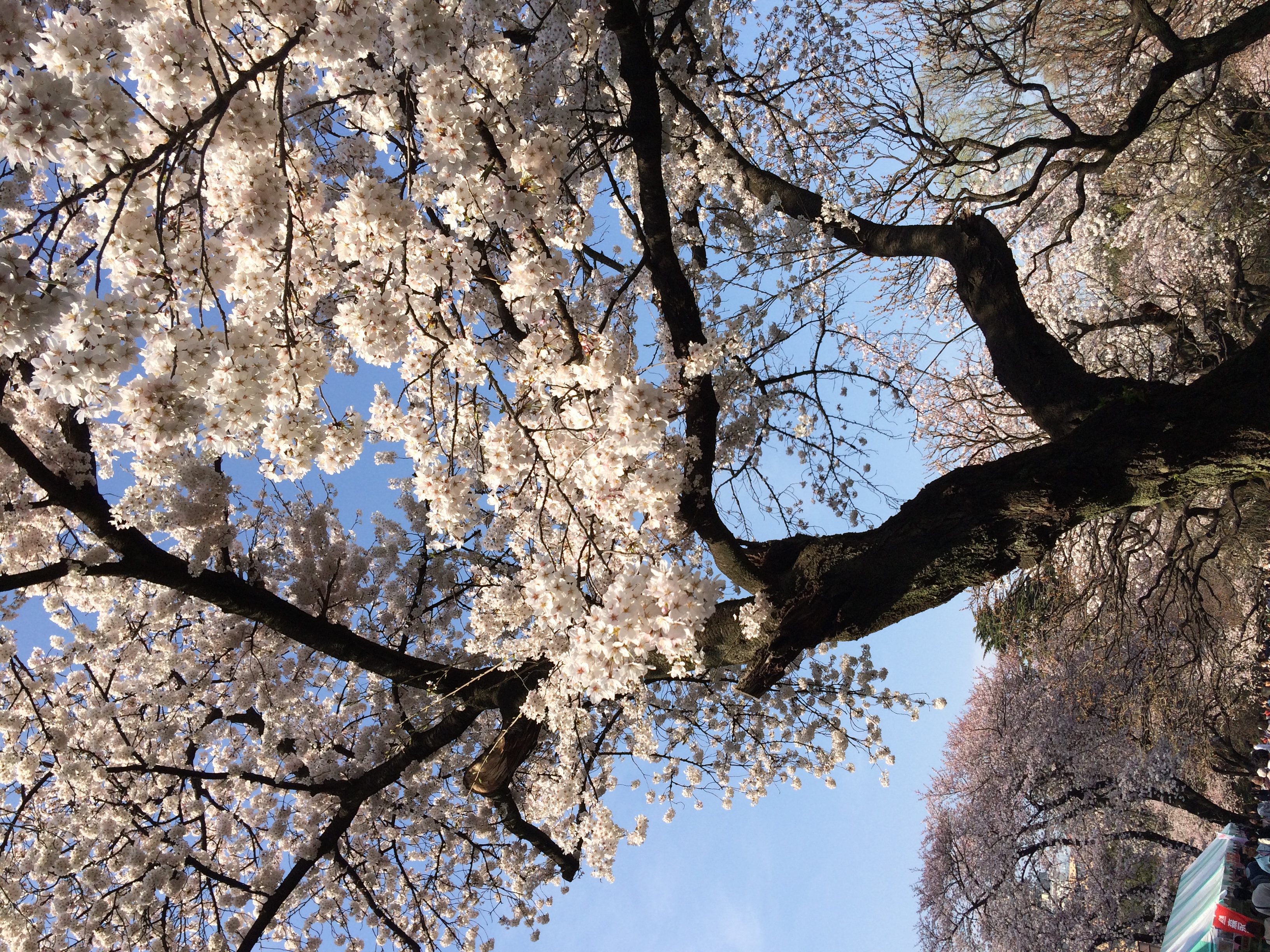
Shinjuku Gyoen (新宿御苑) charges admission (¥500 for adults, ¥250 for seniors and students, free for children under 15), but the trade-off is a spacious lawn where you can spread a picnic sheet and enjoy hanami the classic way — a rarity in central Tokyo.
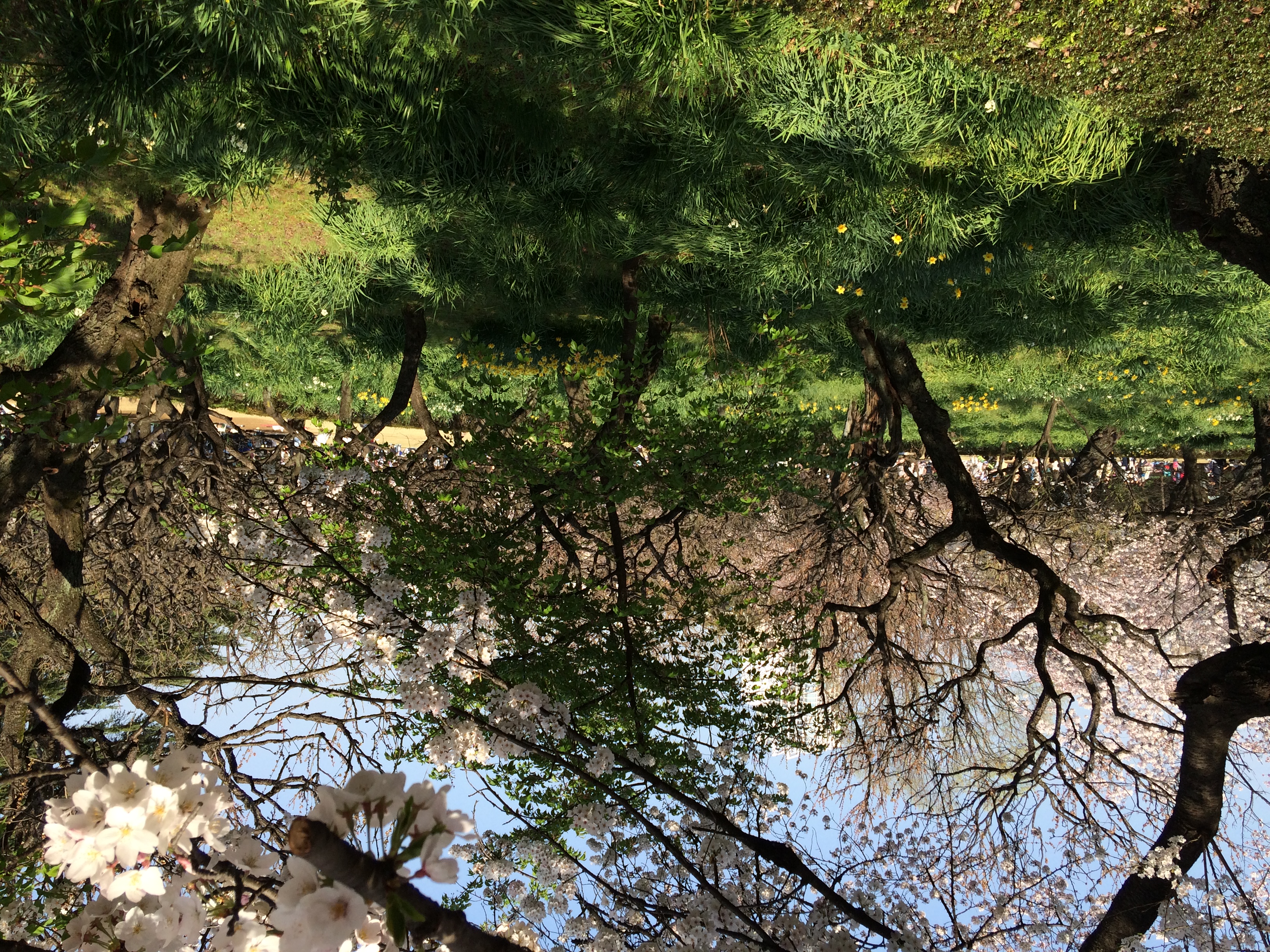
Most visitors come specifically for picnics. As long as you find a spot to settle, you can relax for hours. Shinjuku has no shortage of convenience stores and restaurants nearby, so stocking up on food and drinks is easy.
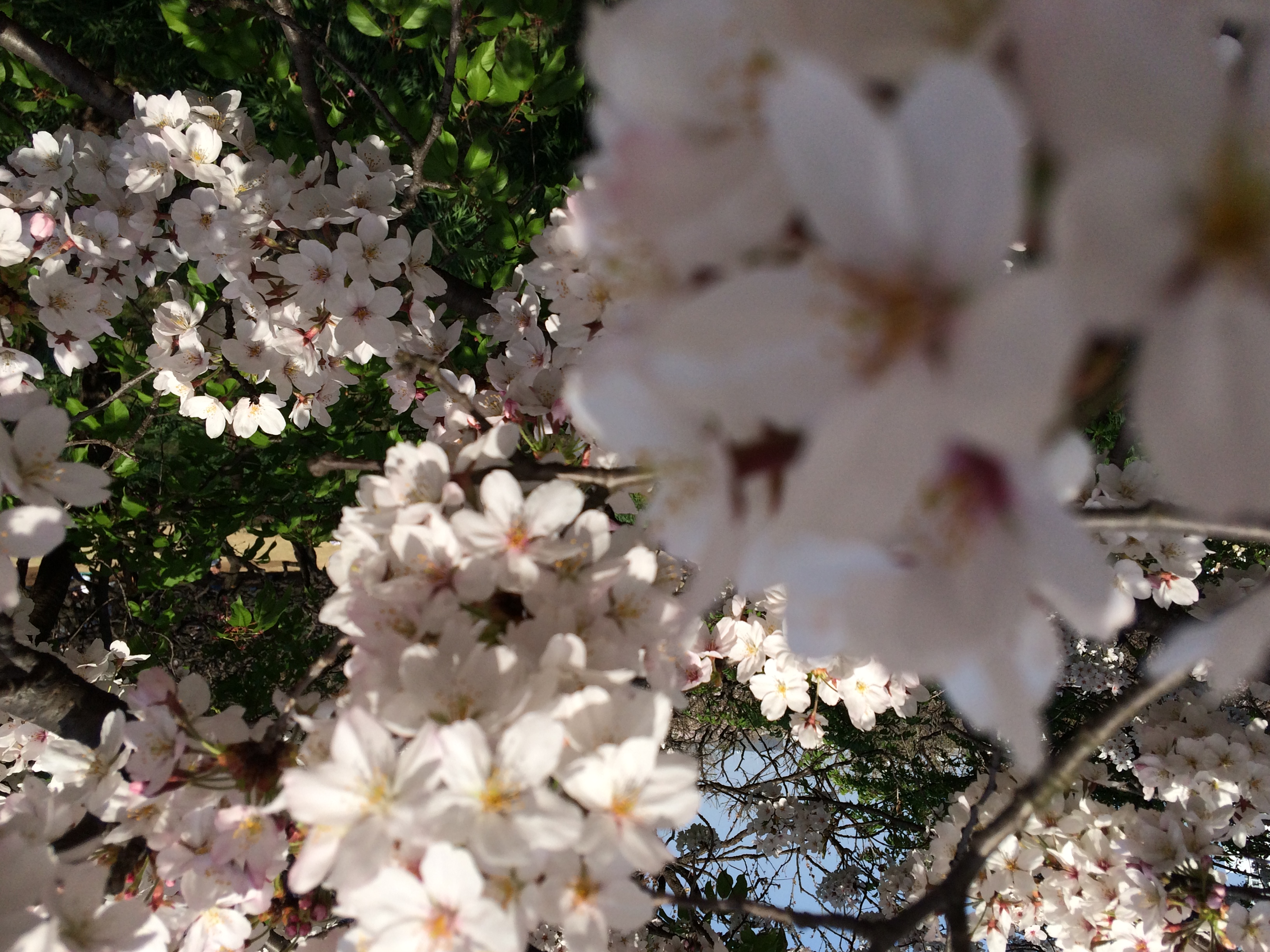
Things to Know
Cherry blossom season sometimes triggers an advance reservation system. In 2025, reservations were required on March 22, 23, 29, 30 and April 5, 6 between 10:00 and 16:00 (no reservation needed for 9:00–10:00 or 16:00–17:30). The dates change each year, so check the official website before visiting.
Like Ueno Park, it gets very crowded. But the grounds are large enough that walking a bit further in usually turns up open space.
Yokohama — Cherry Blossoms as a Bonus
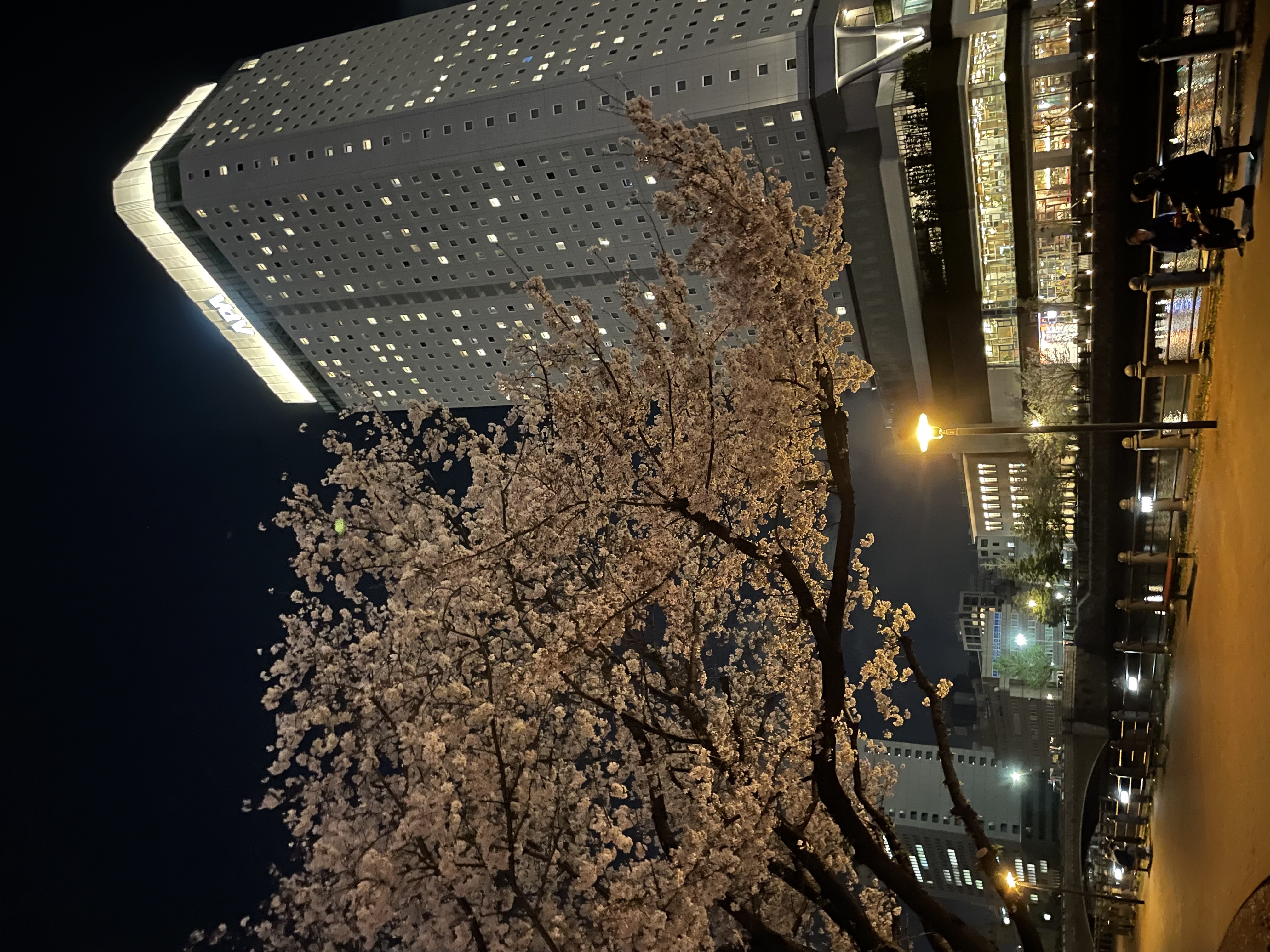
Yokohama (横浜) isn’t a cherry blossom destination in itself — it’s more that you happen to enjoy them while exploring. Walking through the Minato Mirai (みなとみらい) area, you’ll spot cherry trees tucked around building plazas and park corners.
The volume of blossoms can’t match dedicated hanami spots, but where else can you see cherry blossoms and the ocean together? That’s a combination you won’t find within central Tokyo.
Odaiba — A Pleasant Surprise
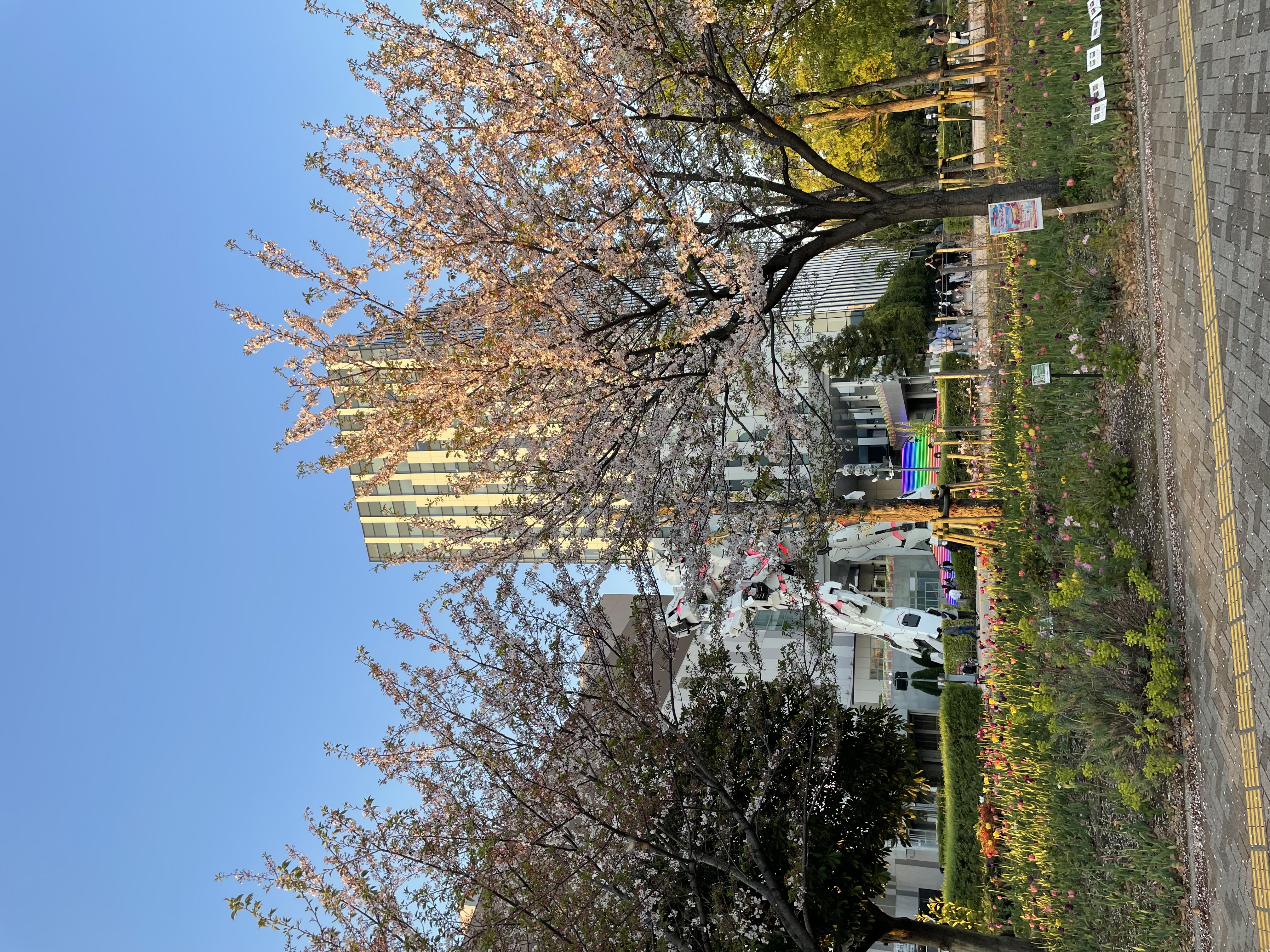
Odaiba (お台場) has pockets of cherry blossoms around the Gundam statue and near the Toyota Arena Tokyo (トヨタアリーナ東京, the former Palette Town site).
It’s less “going to see cherry blossoms” and more “oh, look — cherry blossoms!” while exploring. But stumbling onto them feels like a nice little bonus.
Planning a Multi-Spot Day
All of these spots are reachable by train — a Suica card makes hopping between them seamless. Here are two routes for combining multiple in one day.
Daytime picnic → Night blossoms: Have a picnic at Shiba Park during the day, then head to Meguro River for the evening. A single bus connects Shiba Park to the Meguro River area, so the transfer is easy. The lantern-lit river at night feels completely different from the daytime scenery.
Shinjuku Gyoen → Roppongi: Spend the afternoon picnicking at Shinjuku Gyoen, then move to Roppongi for the MIDTOWN BLOSSOM illumination in the evening.
Timing Your Visit
Cherry blossoms go from bloom to petal-fall quickly, so the key is to go as soon as full bloom hits.
2026 Tokyo Forecast
According to WeatherNews’ 4th cherry blossom forecast, Tokyo’s Somei Yoshino cherry trees are expected to bloom on March 22 and reach full bloom on March 29 in 2026. Timing varies year to year, so check the latest forecasts close to the date.
Checking Real-Time Bloom Status
- WeatherNews Sakura Info — Shows bloom status by spot
- X (formerly Twitter) — Search for a spot name and you’ll find people posting photos from the ground. Great for real-time conditions
Different Varieties Bloom at Different Times
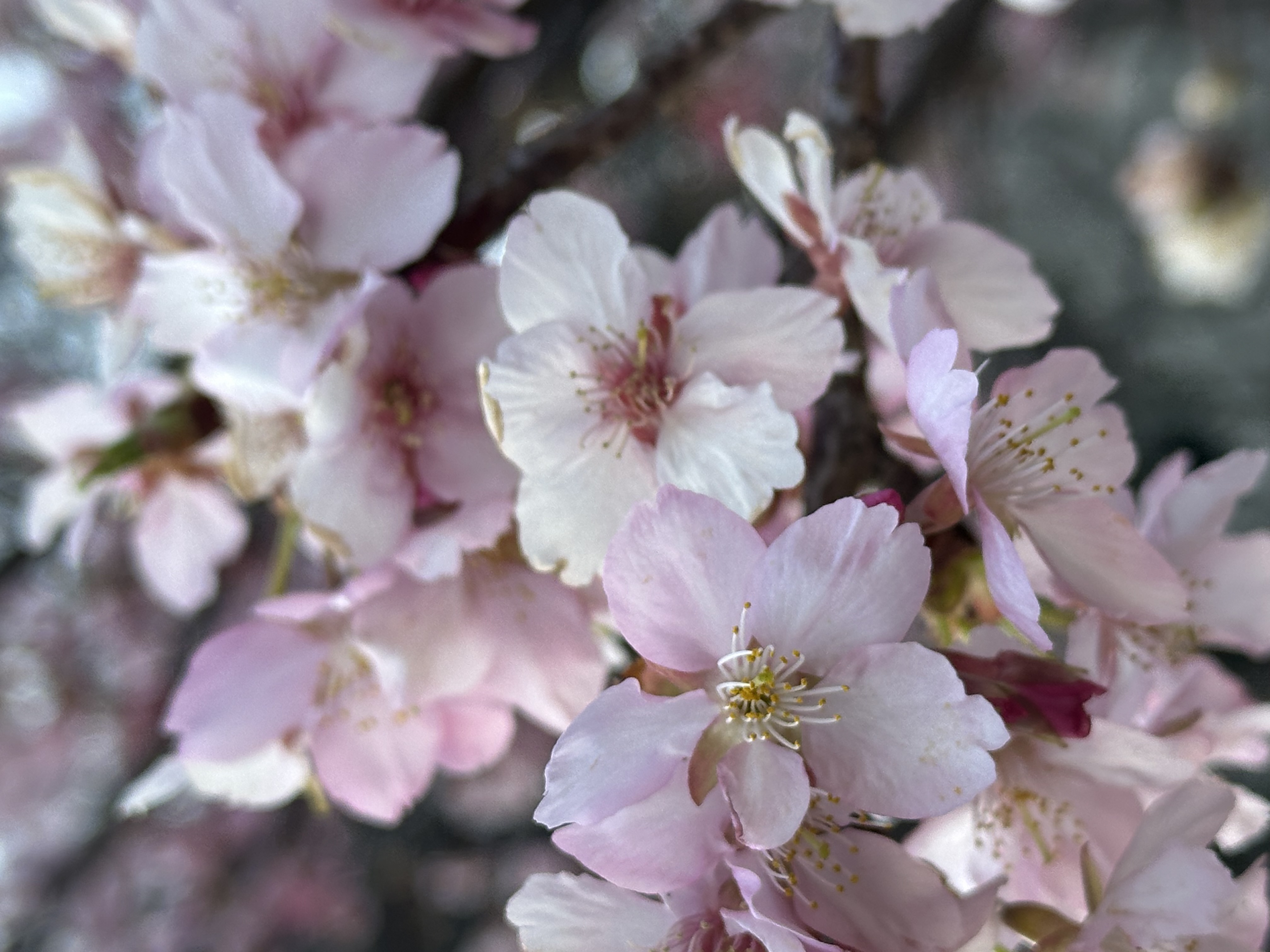
Cherry blossoms vary by species. The most common Somei Yoshino (ソメイヨシノ) peaks in late March to early April, but early-blooming Kawazu-zakura (河津桜) flowers from late February to mid-March, and late-blooming yae-zakura (八重桜, double-petal cherry) lasts into mid-April. Shinjuku Gyoen has about 65 varieties and around 1,000 trees, making it an ideal spot to appreciate the range. Якщо ваш приїзд збігається з пізнім цвітінням сакури наприкінці квітня, зверніть увагу, що це також час Золотого тижня — тижнів державних свят, коли парки особливо людні.
What to Bring for Hanami
If you’re planning a picnic-style hanami, these items make a difference.
- Picnic sheet — Available at Daiso, Seria, and other 100-yen shops for ¥100–300. Easy to pick up even if you’re visiting from abroad
- Wet wipes — Essential when eating outdoors
- Drinks — Vending machines and convenience stores near popular spots can get busy. Grab your drinks in advance. You can pay with Suica at most vending machines
- Japanese sweets — Pick up dorayaki (どら焼き, red bean pancake) or daifuku (大福, mochi with filling) from a convenience store for a touch of hanami tradition. If there’s a wagashi (和菓子) shop nearby, even better
Related Articles
- 7 Free Observation Decks in Tokyo — Views above 200 m for ¥0
- Last Train Times in Tokyo — Plan your evening so you don’t miss the last train home
- Common Pitfalls When Visiting Tokyo — Mistakes to avoid on your first trip
References:
- Tokyo Midtown “Sakura Map” https://www.tokyo-midtown.com/jp/facilities/green/sakura-gallery/ (accessed: 2026-02-26)
- Tokyo Midtown “MIDTOWN BLOSSOM 2025” https://www.tokyo-midtown.com/jp/event/7367/ (accessed: 2026-02-26)
- Meguro City “Cherry Blossom Season Measures Along the Meguro River” https://www.city.meguro.tokyo.jp/kouhou/kusei/keikaku/megurogawa_sakura_ansin.html (accessed: 2026-02-26)
- Shiba Park https://www.tokyo-park.or.jp/park/siba/ (accessed: 2026-02-26)
- Ministry of the Environment “Shinjuku Gyoen Hours & Admission” https://www.env.go.jp/garden/shinjukugyoen/2_guide/guide.html (accessed: 2026-02-26)
- Ministry of the Environment “Cherry Blossom Light-Up at Shinjuku Gyoen” https://www.env.go.jp/press/106649.html (accessed: 2026-02-26)
- Shinjuku Gyoen “Advance Reservation System During Cherry Blossom Season” https://fng.or.jp/shinjuku/2025/03/04/20250304-01/ (accessed: 2026-02-26)
- Taito City “Ueno Cherry Blossom Festival” https://www.city.taito.lg.jp/event/kanko/uenosakuramatsuri.html (accessed: 2026-02-26)
- WeatherNews “2026 4th Cherry Blossom Forecast” https://weathernews.jp/news/202602/250076/ (accessed: 2026-02-26)
FAQ
- Коли в Токіо сезон цвітіння сакури?
- Найпоширеніший сорт, Сомей-Йосіно, зазвичай цвіте наприкінці березня і досягає повного цвітіння на початку квітня. На 2026 рік прогнозували початок цвітіння 22 березня та повне цвітіння 29 березня. Терміни змінюються щороку, тому перед поїздкою перевіряйте прогноз сакури від WeatherNews.
- Яке місце в Токіо найкраще для пікніку під сакурою?
- Сінджуку Гьоен — найкращий вибір для пікніку. Вхід коштує ¥500 для дорослих. Парк Шіба біля підніжжя Токійської вежі теж хорошій варіант з відкритими газонами та пекарнями неподалік.
- Чи потрібне попереднє бронювання до Сінджуку Гьоен у сезон сакури?
- Деякі вихідні під час повного цвітіння вимагають попереднього бронювання. У 2025 році бронювання було потрібне на певні дати з 10:00 до 16:00. Система щороку змінюється, тому перевіряйте офіційний сайт Сінджуку Гьоен перед відвідуванням.
- Де найкраще фотографувати сакуру в Токіо?
- У парку Шіба можна сфотографувати Токійську вежу і сакуру в одному кадрі. Для відображень у воді та ефекту тунелю з квітів відрізок річки Мегуро від Гонноске-дзака до Накамегуро — найпопулярніше місце для фотографування.
- Де побачити сакуру з меншою кількістю туристів?
- Район Нерімa вздовж річки Шакудзі має спокійну, житлову атмосферу і значно менше туристів, ніж річка Мегуро чи парк Уено. Ранній ранок у будні — найкращий час для відвідування будь-якого популярного місця.
- Чи можна милуватися сакурою вночі в Токіо?
- Так. MIDTOWN BLOSSOM у Tokyo Midtown підсвічує сакуру з 17:00 до 23:00 протягом сезону. На річці Мегуро теж влаштовують вечірнє ліхтарне підсвічування (бонборі) під час повного цвітіння, зазвичай з 17:00 до 20:00.
- Що взяти на пікнік ханамі в Токіо?
- Пікнікова підстилка обов'язкова, є в будь-якому магазині Daiso або Seria за ¥100-300. Вологі серветки незамінні для їжі на свіжому повітрі. Запасіться напоями заздалегідь. Японські солодощі — дораякі або дайфуку — додають традиційного колориту ханамі.
* Ця стаття перекладена з японського оригіналу за допомогою машинного перекладу. Деякі вирази можуть звучати неприродно.


