
When to Visit Tokyo: Best Seasons, Monthly Weather, and What to Wear
Choose your Tokyo travel month with a temperature, rainfall, and clothing chart. Compare cherry blossoms, autumn leaves, the rainy season, summer heat, and holidays, with seasonal walks and indoor experiences. Check 2026–2027 holidays, New Year opening dates, and tax-free shopping changes from November 2026.
tokyo.how uses affiliate links. If you buy through these links, we may earn a commission at no extra cost to you.
On this page
For walking-friendly temperatures, consider May or October–November; for cherry blossoms, spring; for autumn leaves, late autumn. Even within the same month, Tokyo’s temperatures and rainy days vary, while garden conditions and hotel availability follow their own patterns. Start with one thing you want to enjoy, then compare weather, opening dates, and accommodation prices for the same dates.
Choose Your Travel Month by What You Want to Do
| What you want to enjoy | Approximate timing | What to check when making plans |
|---|---|---|
| City walks and fresh green leaves in parks | May | Holiday dates, the day’s temperature, and closing days of shops you want to visit |
| Cherry blossom walks | Consider late March to early April | The year’s blossom reports and conditions at each location |
| Hydrangeas and indoor experiences | June | Places you can swap around in wet weather and available workshop slots |
| Festivals and fireworks | Summer event dates | Organizer announcements, the heat index, and transport home |
| Autumn leaves and garden walks | Consider mid-November to early December in central Tokyo | Park and garden color updates, admission hours, and separate tickets for illuminations |
| Food, crafts, and cultural experiences | Year-round | Shop and facility opening dates and booking conditions |
Flowering and autumn colors shift with location, species, and the year’s weather. These periods are starting points for choosing dates. Find specific places in the cherry blossom guide and autumn foliage walk guide.
The late-March to early-April blossom period and mid-November to early-December autumn-leaf period follow the guidance in GO TOKYO’s cherry blossom guide and autumn foliage guide. Check the year’s conditions at your chosen places shortly before traveling.
Monthly Weather and What to Wear
These figures are the Japan Meteorological Agency’s climate normals for Tokyo. They are averages for 1991–2020, not forecasts for your trip or record highs and lows. Rainfall is rounded to whole millimeters. Clothing suggestions are preparation guidance based on the figures.
| Month | Average high / low | Rainfall | Humidity | Clothing and planning suggestions |
|---|---|---|---|---|
| January | 9.8 / 1.2°C | 60 mm | 51% | Heavy coat and gloves. Combine outdoor and indoor stops |
| February | 10.9 / 2.1°C | 57 mm | 52% | Winter coat. Add warmth for evening walks |
| March | 14.2 / 5.0°C | 116 mm | 57% | Coat or layers. Prepare for chilly mornings and evenings |
| April | 19.4 / 9.8°C | 134 mm | 62% | Light jacket. Adjust between daytime and evening |
| May | 23.6 / 14.6°C | 140 mm | 68% | An easy-to-remove layer and sun protection |
| June | 26.1 / 18.5°C | 168 mm | 75% | Umbrella, quick-drying clothes, and spare socks |
| July | 29.9 / 22.4°C | 156 mm | 76% | Cool clothing. Plan air-conditioned breaks during the day |
| August | 31.3 / 23.5°C | 155 mm | 74% | Heat precautions. Avoid long uninterrupted periods outdoors |
| September | 27.5 / 20.3°C | 225 mm | 75% | Summer clothing and rain gear. Plans that can change in severe weather |
| October | 22.0 / 14.8°C | 235 mm | 71% | An extra layer and rain gear. Prepare for cooler weather later in the month |
| November | 16.7 / 8.8°C | 96 mm | 64% | Jacket. Dress warmly for evening autumn-leaf viewing |
| December | 12.0 / 3.8°C | 58 mm | 56% | Winter coat. Check year-end opening dates |
October has the highest average monthly rainfall, followed by September. June’s rainy season also requires preparation, but autumn does not mean you can leave rain gear behind. Check the Japan Meteorological Agency forecast before departure to help decide what to pack.
To avoid crowds, check available booking slots at your chosen attractions and rooms for the same dates. You can also adjust the time of your visits, such as going to a popular garden in the morning and doing an indoor activity in the afternoon.
Ways to Enjoy Each Season
Spring Cherry Blossoms and Fresh Green Leaves
Use blossom updates to plan your dates, but leave room for other things to enjoy rather than making the entire trip depend on peak bloom. Combining garden walks with cultural experiences gives you options when the flowers are just opening or beginning to fall.
March’s average low is 5°C. Even if the daytime feels warm, you may need a coat at night, so check the temperature for your trip back after evening blossom viewing. Late April and early May include a holiday period; compare the Golden Week Tokyo guide with each attraction’s ticket sales dates when booking.
Have Indoor Options for the Rainy Season
The average start of the rainy season in Kanto-Koshin is around June 7, with an average end around July 19 (Japan Meteorological Agency’s confirmed dates and climate averages). Timing varies each year, and daily weather changes during the season too.
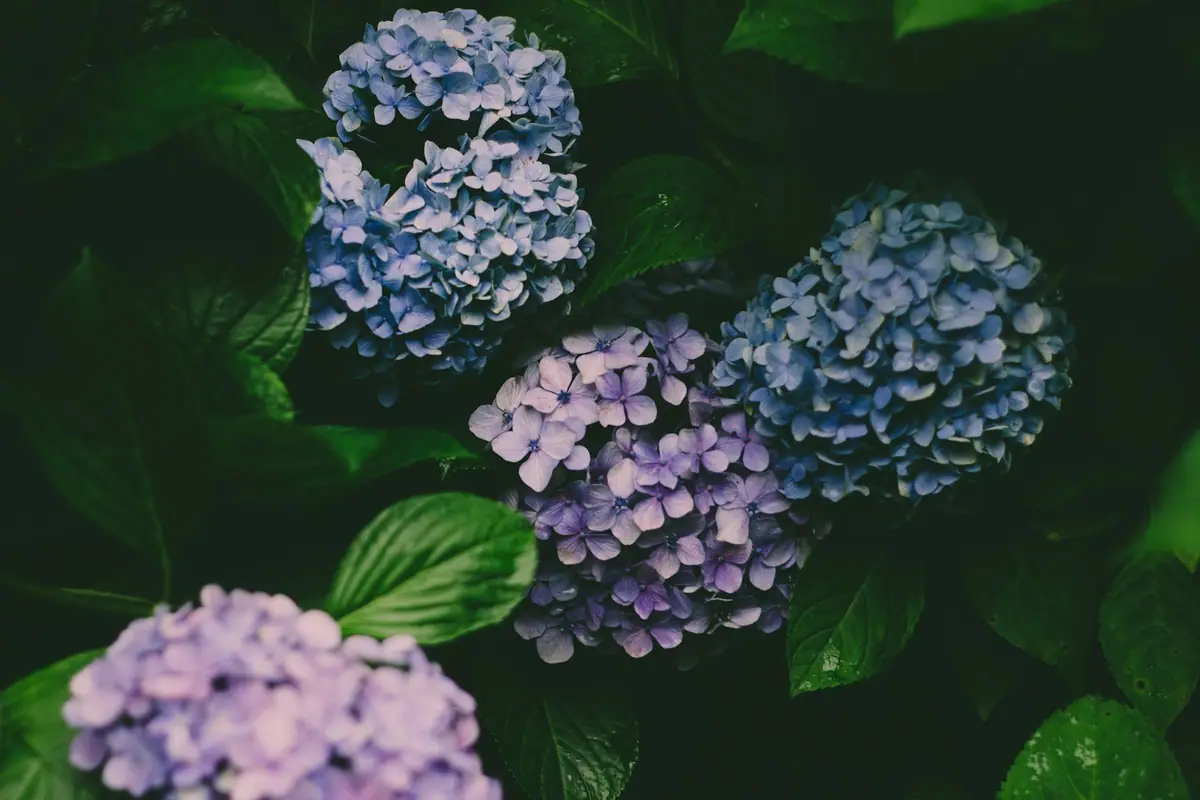
Combining hydrangea walks with an indoor plan such as a hands-on craft workshop gives you something to switch to on a heavily rainy day. Find hydrangeas in the Tokyo hydrangea spots guide, and rainy-day ideas in the Tokyo rainy season guide. If you want to move a booked experience, check its change deadline too.
Plan Summer Days Around the Heat
Average highs in July and August are around 30–31°C, but your travel days may be hotter than the climate averages. Check the Ministry of the Environment’s heat index and plan to spend the hottest hours in air-conditioned facilities. Its heat illness prevention guidance advises avoiding heat, drinking fluids regularly, and paying attention to your physical condition.
For festivals and fireworks, check how to enter the venue and which trains you can take home. At events where shade and rest areas are hard to find, choose plans that let you shorten your visit.
Prepare for Autumn Rain and Choose Where to See the Leaves
September and October are rainy months even in the long-term averages. Check Japan Meteorological Agency typhoon information and service updates from your airline and railway operators. If long-distance travel falls on the same day as an inflexible reservation, review change and cancellation conditions too.
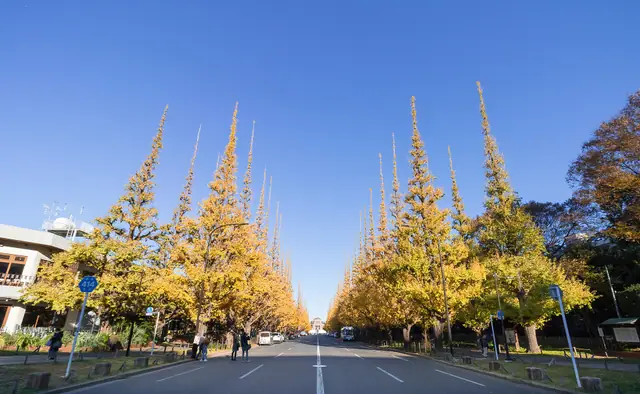
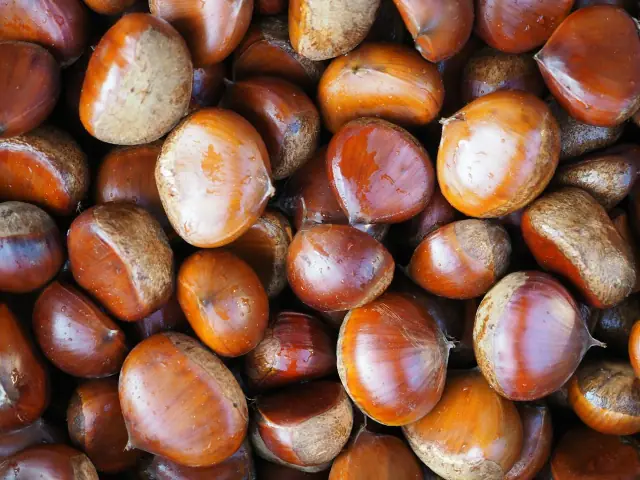
November’s average high is 16.7°C, opening up more opportunities for walks. Use the central Tokyo autumn foliage guide to choose gardens and tree-lined streets, and the autumn food guide to find places for chestnuts, sweet potatoes, and other seasonal foods. If October events are your aim, also check the Halloween event information and local rules.
Dress Warmly in Winter and Check Opening Dates
Average lows in January and February are 1–2°C. A warm coat helps at exposed places such as observation decks and riversides. Combining free observation spots with sento and onsen baths also gives you time indoors.
New Year closures vary by facility. Even if a large attraction opens on January 1, its shops or service counters may not operate as usual. Check the last opening date of the old year and the first of the new year before fixing your visit date.
Check Holiday Dates and Booking Dates Separately
For upcoming travel, start by comparing these dates with accommodation and transport availability. Public holidays are based on the Cabinet Office’s 2026 and 2027 list. The table also shows adjoining weekends.
| Travel period | Public holidays and adjoining weekends | What to check before booking |
|---|---|---|
| October–November 2026 | October 10–12 and November 21–23 are three-day periods combining a weekend and public holiday. Tuesday, November 3 is also a public holiday | Autumn-leaf and garden booking slots, plus accommodation and transport availability for the same dates |
| Year-end 2026–January 2027 | New Year’s Day is Friday, January 1. January 1–3 and January 9–11 combine public holidays and weekends | Each business or attraction’s final opening date of the year and first of the new year. Do not assume December 31 is a public holiday |
| March 2027 | March 20–22 is a three-day weekend and holiday period. The vernal equinox holiday falls on Sunday, March 21, with Monday, March 22 a substitute holiday | Check blossom conditions separately from ticket sales and change policies |
| Golden Week 2027 | Thursday, April 29 is a public holiday. May 1–5 is a five-day period combining the weekend and public holidays | Friday, April 30 is not a public holiday. Taking that day off makes April 29–May 5 a seven-day break |
This table lists days off; it does not predict crowd levels or room prices. Golden Week and the September holiday period in 2026 have already ended. For a trip the following year, use that year’s dates rather than carrying over the same schedule.
Obon breaks are also separate from national public holidays. Do not treat them as a single closure period shared by every company and shop. Check homecoming travel and the opening schedules of places you want to visit individually. Residents visiting a municipal office or bank can also avoid wasted trips by checking counter opening days and whether an appointment is needed.
The Tokyo accommodation area guide helps you choose where to stay based on airport access and the places you want to visit.
Accommodation, long-distance transport, and timed-entry attractions each have different booking opening dates. Check availability first for plans with fixed dates, and distinguish bookings you can change from those you cannot. This makes it easier to adjust for weather or how your traveling companions feel.
Departure Tax and Tax-free Shopping Changes in 2026
The International Tourist Tax generally increased to ¥3,000 for departures on or after July 1, 2026. It is normally collected as part of the price of an airline ticket or other fare. Exemptions include children under two, and a transitional rule applies the ¥1,000 rate to certain transport contracts concluded before July 1. For an already-booked flight, check the airline’s breakdown and guidance.
Tax-free shopping changes to a refund system from November 1, 2026. For eligible purchases, you pay the tax-inclusive price at the shop. When leaving Japan within 90 days of purchase, you obtain customs confirmation that the goods are being taken out of the country, then receive a refund through the method specified by the retailer or other responsible provider. This does not mean cash is always refunded immediately at the airport. Check the refund method, fees, and timing when buying, and budget for the tax-inclusive amount you initially pay. For trips around November, remember that the purchase date, not only the departure date, determines which system applies.
FAQ
When is the best time to visit Tokyo?
When is Tokyo's rainy season, and should I avoid visiting?
How hot is Tokyo in summer?
What should I book first for a Golden Week trip?
What should I check to prepare for a typhoon in Tokyo?
When are autumn leaves at their best in Tokyo?
Do Tokyo businesses close for New Year or Obon?
When is Tokyo least crowded?
* This article was translated from the original Japanese with the help of machine translation. Some expressions may not read naturally.
Related Guides
Tokyo Autumn Leaves by Date and Time Available
Compare four Tokyo autumn walks by peak season and time available, with routes, fares from Shinjuku, admission and Rikugien's 2026 evening opening.
Tokyo Autumn Food: Chestnuts, Sweet Potatoes and Sanma
Find autumn food in Tokyo, from chestnut sweets and roasted sweet potatoes to sanma, pears and persimmons, with seasons, shop examples and prices.
Tokyo Rainy Season Guide: When It Hits, What to Pack, What to Do
Tokyo tsuyu 2026: early June to mid-July, rain falls on ~half the days. Hotels are cheapest of the year. Rainy-day routes, hydrangea spots & seasonal food.
5 Tokyo Craft Workshops and How to Book
Compare five Tokyo craft workshops for glass cutting, indigo dyeing, kintsugi and sweets, with prices, English support, family rules and booking tips.
4 Tokyo Cultural Experiences and How to Book
Compare kimono walks, tea ceremonies, sushi classes and sumo experiences in Tokyo, with example prices, timing, language options and booking tips.