Explore
Tokyo Autumn Food: Chestnuts, Sweet Potatoes and Sanma
Find autumn food in Tokyo, from chestnut sweets and roasted sweet potatoes to sanma, pears and persimmons, with seasons, shop examples and prices.
On this page
For a taste of autumn in Tokyo, try a chestnut sweet or roasted sweet potato between sightseeing stops, a sanma fish set meal for lunch, or pears and persimmons to eat back at your accommodation. You can add something seasonal to an ordinary shopping trip or meal without setting aside a whole day.
Choose what you would like to eat first, then look for shops near where you are staying or visiting.
| What you want to eat | Ways to try it | Where to look |
|---|---|---|
| Chestnuts and sweet potatoes | Kurikinton chestnut sweets, roasted sweet potatoes, imo yokan | Japanese sweet shops, department-store food halls, roasted sweet potato shops |
| Sanma and mushrooms | Salt-grilled fish set meals, mushroom soup | Seasonal menus at set-meal restaurants and similar places |
| Pears and persimmons | Whole fruit or cut fruit | Supermarket produce sections and fruit shops |
The sections below explain the foods and their seasons, followed by specific examples of places to buy them.
For fruit grown within Tokyo, there are also pear farm shops in Inagi. This guide covers foods from across Japan that you can enjoy in Tokyo; not everything featured is Tokyo-grown.
If you would like to combine food with a walk among the autumn leaves, see the Tokyo autumn foliage guide.
What to look for in September, October and November
The season for a fresh ingredient and the sales period for a sweet made from it are different. Use this monthly overview as a starting point, then check the variety or product at the shop.
| Month | Foods to look for | How to choose |
|---|---|---|
| September | Pears and chestnuts | Pear varieties change through the season; chestnut sweets are another option |
| October | Chestnuts, persimmons and roasted sweet potatoes | A good time to look for fresh chestnuts and persimmons starting to arrive |
| November | Persimmons and roasted sweet potatoes | Look for prepared foods such as chestnut sweets rather than relying on fresh chestnuts or pears |
According to Japan’s Ministry of Agriculture, Forestry and Fisheries, chestnuts are mainly in season in September and October, while persimmons peak mainly in October and November. Pear timing varies by region and variety. Chiba Prefecture’s guide lists varieties including Kosui (幸水), Hosui (豊水) and Akizuki (あきづき) coming onto the market in succession from late July to early October.
Sweet potatoes are not necessarily at their best immediately after harvest. Proper storage increases their sweetness, so there is plenty of reason to enjoy roasted sweet potatoes from autumn into winter. Availability varies with the growing region and variety.
Chestnut sweets and roasted sweet potatoes
Kurikinton: a small Japanese chestnut sweet
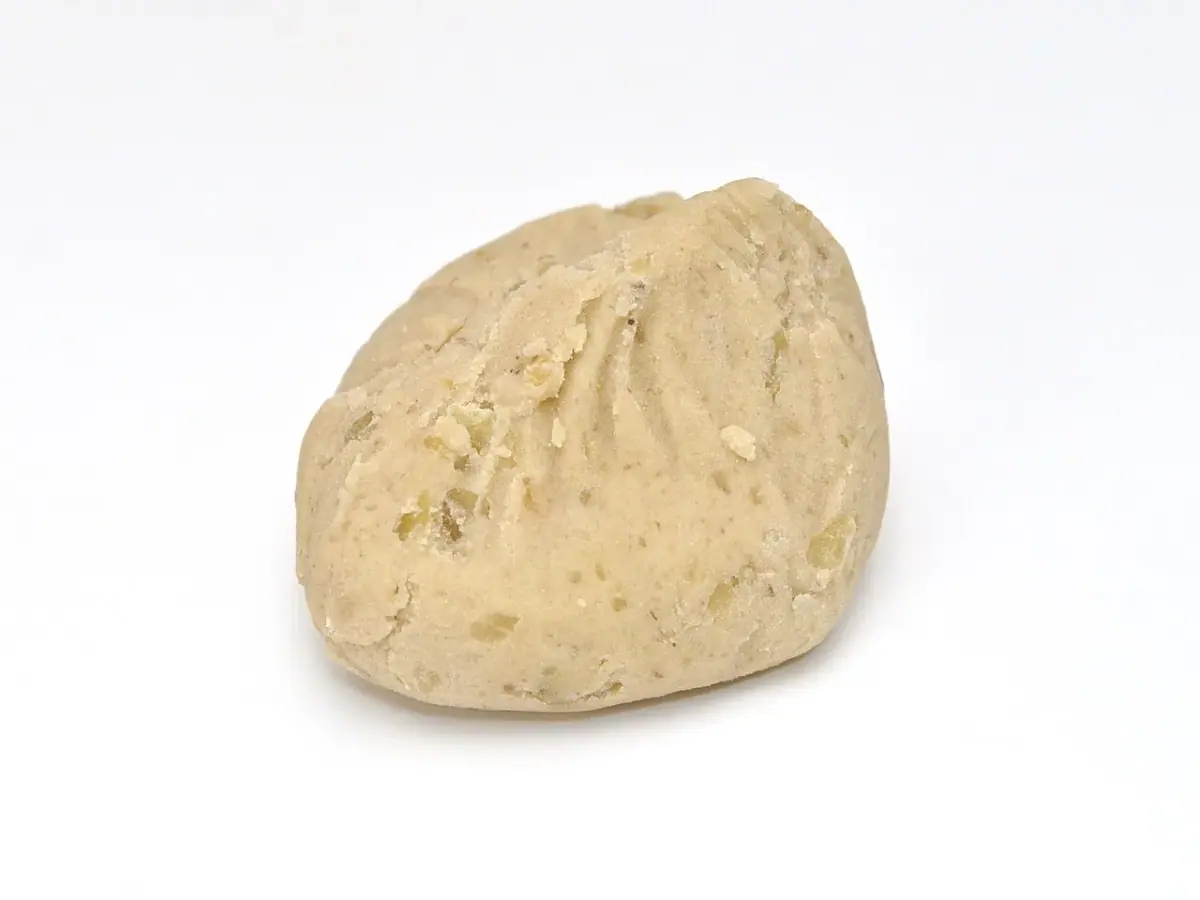
An example of kurikinton’s shape: a product from Suya, photographed in 2021. This is not a Suzukake product photo. Photo credits
Alongside the dish served in osechi, Japan’s New Year meal, kurikinton (栗きんとん) also refers to a sweet made by cooking chestnuts with sugar and shaping small portions in a cloth.
Look in Japanese sweet shops and department-store food halls. For example, Suzukake’s kurikinton uses chestnuts from Kumamoto Prefecture and has a smooth texture. Its planned in-store sales period in 2026 is September 16 to late December.
Use Suzukake’s shop directory to find a branch that fits your plans. If you are visiting Shinjuku (新宿), the Shinjuku Isetan branch is on basement level 1 of the Isetan Shinjuku main building. The department store is about a one-minute walk from the Isetan-side ticket gates at Shinjuku-sanchome Station (新宿三丁目駅) on the Marunouchi Line. Suzukake’s kurikinton must be eaten on the day of purchase, so it suits a stop before returning to your accommodation. Check prices and stock at the counter.
Roasted sweet potatoes and imo yokan
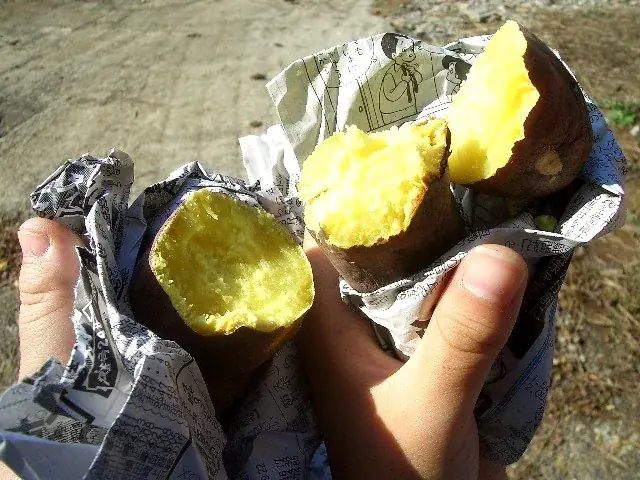
The inside of a roasted sweet potato. This photo does not show a product or portion size from the featured shop. Photo credits
Yakiimo (焼き芋) is a roasted sweet potato eaten by opening the skin and enjoying the flesh. Imo yokan (芋ようかん) is a Japanese sweet made with sweet potato. Funawa’s imo yokan contains sweet potato, sugar and salt.
Roasted sweet potato shops and Japanese sweet shops are places to try. Ginza Tsuboyakiimo (銀座つぼやきいも) roasts aged sweet potatoes over charcoal inside a pot. For a small taste of its moist sweet potatoes, choose a size from the menu: “chiisai no” (small) is ¥450, “hanbun” (half) is ¥650 and “marugoto” (whole) is ¥1,200, all takeaway prices including tax. Boxes and insulated bags cost extra.
The shop is on the ground floor at 7-6-4 Ginza, a three-minute walk from Exit B3 of Ginza Station (銀座駅). The shop’s storage guidance requires refrigeration: eat the small size that day, and the half or whole size within three days of purchase. If you plan to carry it around for a while, ask about storage when ordering. Buying it close to the time you return to your accommodation shortens the journey. Check the official website for opening days.
Find places to buy imo yokan through Funawa’s shop information. If you are visiting Asakusa (浅草), the main shop, at 1-22-10 Asakusa, sells individual pieces on the ground floor and has a cafe on the second and third floors. Choose from the cafe menu if you want to sit down to eat.
For sweet potato desserts to eat inside in Asakusa, Imoyasu’s Asakusa shop at 2-7-24 Asakusa is another option, directly in front of Hanayashiki (花やしき). Its official website lists it as having eat-in space. Asking which products you can eat inside before buying is easier than finding a seat after purchasing takeaway food.
Sanma set meals and mushroom dishes
Salt-grilled sanma with rice and soup
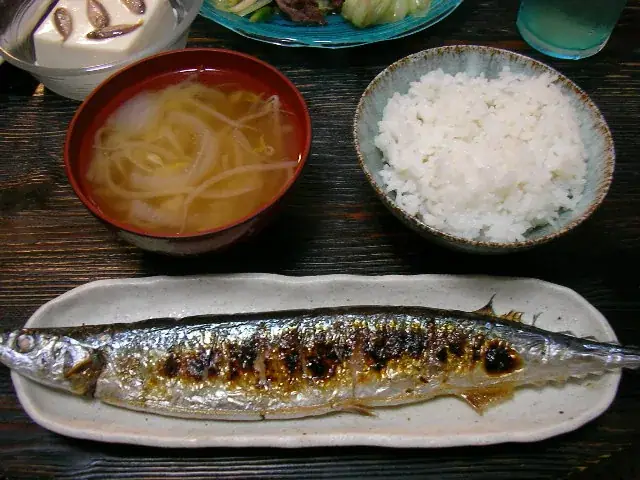
An example of a meal with salt-grilled sanma. This is not a current product photo from the chain mentioned below. Photo credits
Sanma no shioyaki (さんまの塩焼き) is salt-grilled Pacific saury, a long, slender fish. If you are new to eating a whole fish with chopsticks, allow time to work around the bones. Chestnut or sweet potato sweets and mushroom soup are alternatives if you prefer to avoid fish bones.
Look for it on seasonal menus at set-meal restaurants. In 2026, Yayoiken (やよい軒) is selling its Sanriku sanma salt-grilled set meal in limited quantities from September 16. The basic set costs ¥990 including tax. The fish is grilled in the restaurant after you order and comes with grated daikon radish and lemon. Its fragrant skin and rich flesh are served with rice, miso soup and a small side dish. Side dishes and other details may vary by location.
Use the Yayoiken store finder to find a branch near your accommodation or sightseeing stops. Quantities are limited, so contact the branch if you are visiting specifically for this meal. The Tokyo budget eating guide can help you plan the rest of the day’s food costs.
Add mushroom soup to a set meal
Mushrooms are not necessarily an autumn-only ingredient. For example, cultivated buna-shimeji mushrooms are available year-round. Look for autumn seasonal dishes as well as the harvest season of the ingredient itself.
Ootoya (大戸屋) offers Iroiro Kinoko to Nameko-jiru, a miso soup with nameko, maitake and enoki mushrooms. It adds the silky texture of nameko and the bite of maitake to a regular set meal. The planned sales period is September 1 to November 30, 2026, with limited quantities. Replacing the set’s regular miso soup costs an extra ¥230; ordering the soup on its own costs ¥300, both including tax.
Find a branch with the Ootoya store finder. In Tokyo, the Aeon Mall Hinode (イオンモール日の出) and Ario Kameari (アリオ亀有) branches are excluded. Other branches may also sell out or finish sales early. A mushroom soup is not necessarily vegetarian; check ingredients such as the stock if this matters for your diet.
Pears and persimmons in supermarket produce sections
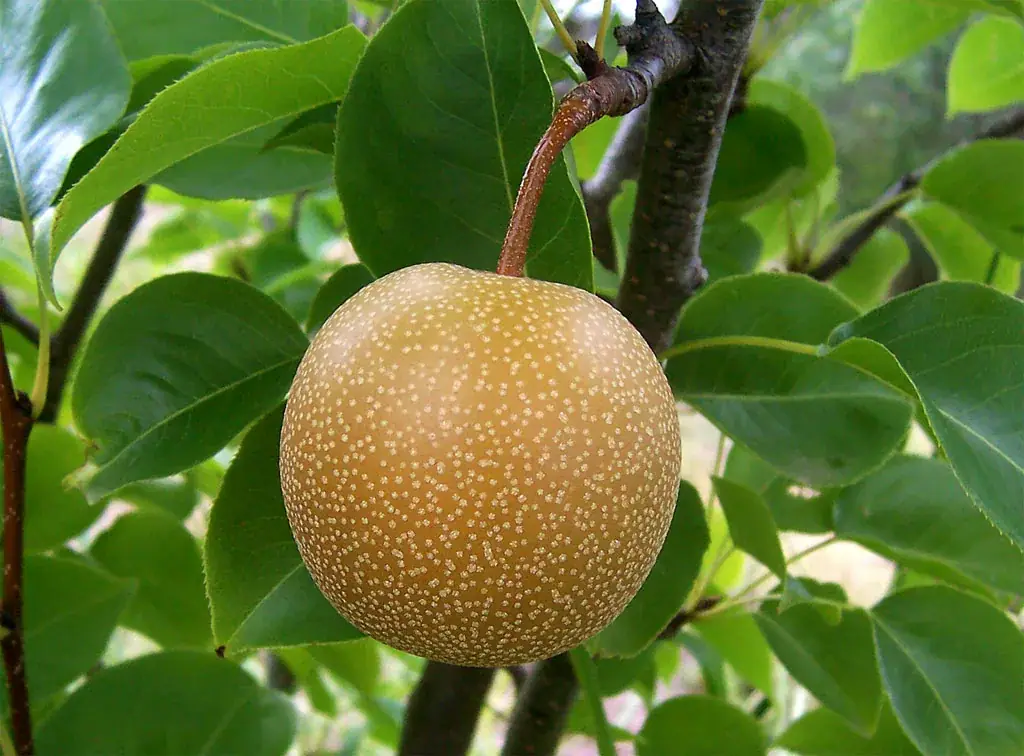
An example of nashi pears. This photo was not taken at an Inagi farm. Photo credits
Look for 梨 (nashi, Japanese pear) and 柿 (kaki, persimmon) in supermarket produce sections. Pear variety names may be printed prominently, so 幸水 (Kosui), 豊水 (Hosui) and あきづき (Akizuki) are useful clues. Check whether the price is for one fruit or a pack.
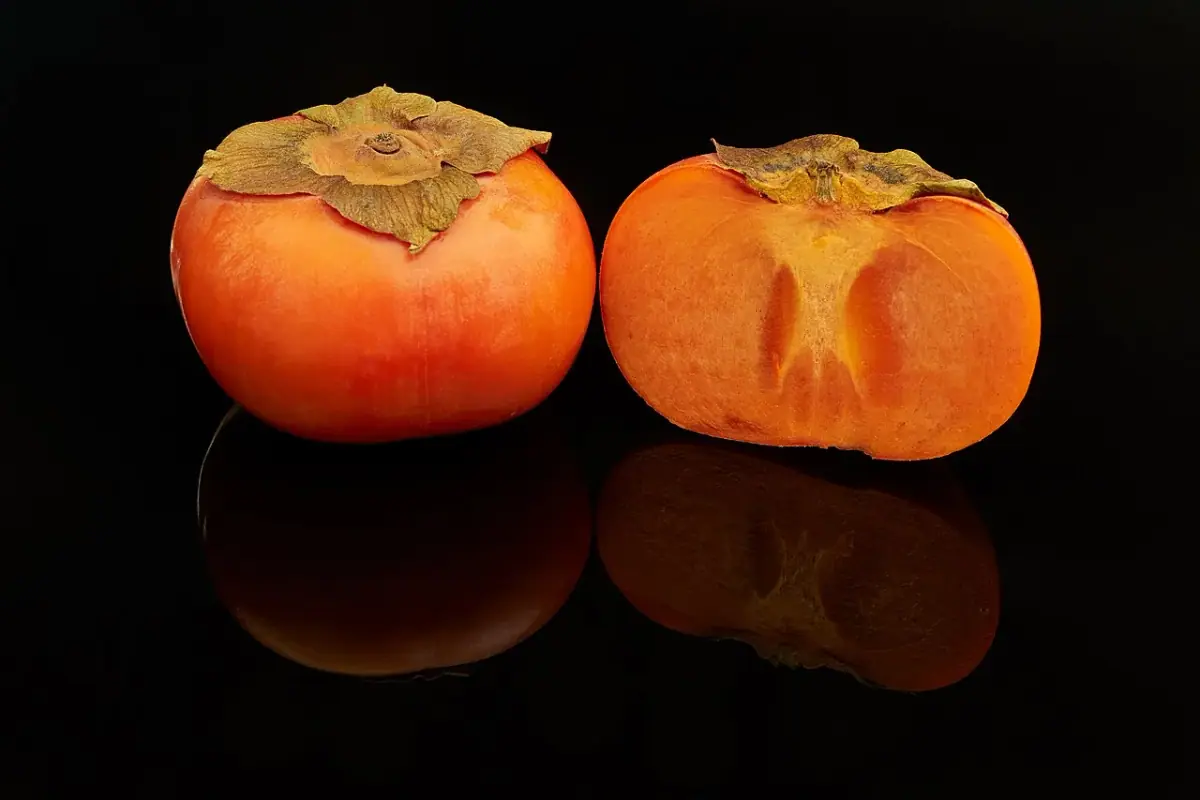
An example of whole and cut persimmons. Photo credits
If you buy whole fruit, consider whether you can wash and cut it at your accommodation. Without a knife or somewhere to eat, you could look for cut fruit or choose a sweet that is ready to eat.
Buy Tokyo-grown pears at Inagi farm shops
Inagi City (稲城市) has farm shops that open during the pear and grape harvest from August to October. This suits a dedicated trip to a farm shop rather than a quick stop while shopping in central Tokyo.
Start with the city’s farm-shop map, then check a grower’s information for varieties and selling dates. For example, Nakamichien’s 2026 schedule lists Akizuki, Kanta (甘太) and Niitaka (新高) pears for mid-September. Its farm shop is at 2926 Yanokuchi (矢野口), Inagi, and the contact number is 042-377-5877.
You can approach Nakamichien (中道園) from Keio-yomiuriland Station (京王よみうりランド駅). Yahoo! Maps gives about 11 minutes on foot from the station exit. Set your destination to the shop at 2926 Yanokuchi, not the orchard.
Harvest dates depend on growing conditions. Before a long trip, ask whether the shop is open that day and which varieties it is selling. This is information about buying fruit, not booking pear picking. The city asks visitors to use public transport. Avoid parking on the roadway to shop.
Check portions, where to eat and storage before buying
For concrete price examples, a small sweet potato at Ginza Tsuboyakiimo costs ¥450, while the Yayoiken sanma set costs ¥990. Choosing both would cost ¥1,440 including tax for the food. Transport and packaging are separate, and prices at other shops or for other products need to be checked at the counter.
Buying an amount you can eat that day keeps things easier to carry. At the counter, you can work through these steps:
- Choose the product and size. Check whether you are buying one piece, a half portion or a box.
- Check the amount to pay. Confirm takeaway or eat-in pricing and any packaging charge.
- Check ingredients that matter to you. For allergies or dietary restrictions, read the product information and ask the shop.
- Decide where to eat before ordering. You can say 「これを1つください」 (Kore o hitotsu kudasai, “One of these, please”) or ask 「店内で食べられますか」 (Tennai de taberaremasu ka, “Can I eat this inside?”).
- Ask how long it keeps and how to store it. Try 「今日中に食べる必要がありますか」 (Kyōjū ni taberu hitsuyō ga arimasu ka, “Do I need to eat this today?”), then check the label on the item you receive.
Storage times vary even among chestnut and sweet potato sweets. Suzukake’s kurikinton needs to be eaten on the day of purchase and is made on shared equipment used for products containing egg, milk, wheat and other ingredients. The food’s name or the label “Japanese sweet” does not tell you whether it meets your dietary needs.
If something is sold out, choose another product at the same counter or try a supermarket along your route back. You can also change plans this way on a rainy day or when short of time, without travelling to a distant shop. For eating-in bills, see restaurant extra charges; for payment preparation, see payment methods in Japan.
Yakiimo Fes in Nakano, if the dates fit
Yakiimo Fes TOKYO 2026 is scheduled for October 30 to November 8 in the event area of Nakano Shiki no Mori Park (中野四季の森公園), an eight-minute walk from Nakano Station (中野駅). Hours are 11:00–19:00 on weekdays and 10:00–19:00 on weekends and public holidays.
Entry is free, with food and drinks charged separately. Payments at the venue are cashless only, so check the official list of accepted payment methods before going. The event is planned to run in rain but may be cancelled in severe weather. Check the day’s announcements and use the venue’s eating areas and sorted waste bins.
Photo credits
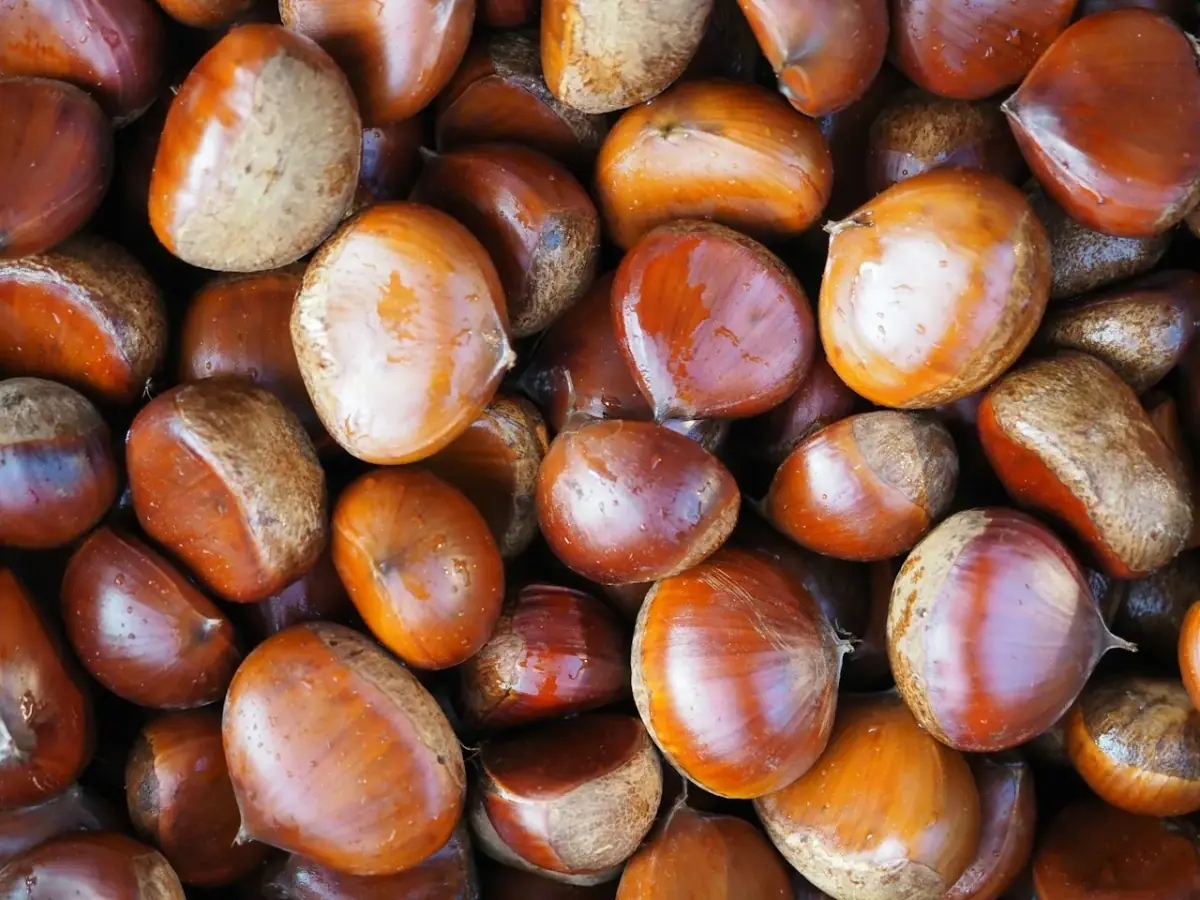
These photos illustrate the foods. They do not show the featured shops’ 2026 products or establish that the foods were grown in Tokyo. Images have been resized and converted to WebP for display.
- Hero chestnuts: natary t, Unsplash, Unsplash License.
- Kurikinton: Ocdp, Kurikinton 001.jpg / Wikimedia Commons, CC0 1.0.
- Roasted sweet potato: Kanko*, Ishi yaki imo by Kanko.jpg / Wikimedia Commons, CC BY 2.0.
- Sanma meal: jetalone (Hajime NAKANO), Sanma, miso soup and rice by jetalone.jpg / Wikimedia Commons, CC BY 2.0.
- Pears: Fir0002, Nashi pear.jpg / Wikimedia Commons, CC BY-SA 3.0.
- Persimmons: © Frank Schulenburg, Fuyu persimmon fruits, one cut open.jpg / Wikimedia Commons, CC BY-SA 4.0.
FAQ
- Can I still find chestnuts and pears in November?
- Fresh chestnuts are mainly in season in September and October; pear seasons depend on the region and variety. Suzukake plans to sell its kurikinton chestnut sweets until late December 2026. Persimmons are another fruit to look for in November.
- Can I try an autumn food for ¥500 or less?
- The small roasted sweet potato at Ginza Tsuboyakiimo costs ¥450 including tax for takeaway. Allow separately for a box, insulated bag or transport.
- What if the item I want is sold out?
- You can choose another item at the same counter or try a supermarket on the way back to your accommodation. If you want a particular product, ask the shop about stock before visiting.
- Are chestnut sweets or mushroom dishes vegetarian?
- The ingredient in the name is not enough to tell. Check each product's ingredients, soup stock and preparation method. If you have allergies, also ask about shared production equipment.
* This article was translated from the original Japanese with the help of machine translation. Some expressions may not read naturally.