
Tokyo Cooking Classes: Sushi, Home Cooking and Food Walks
Choose Tokyo cooking classes and food walks by what you make, language, time and meals, with guidance on solo visits, children and food allergies.
tokyo.how uses affiliate links. If you buy through these links, we may earn a commission at no extra cost to you.
On this page
Tokyo offers sushi classes where you shape vinegared rice by hand, as well as lessons in a home kitchen. There are also walks that combine browsing kitchenware shops with trying snacks. To narrow down the options, start with what you want to make or learn about.
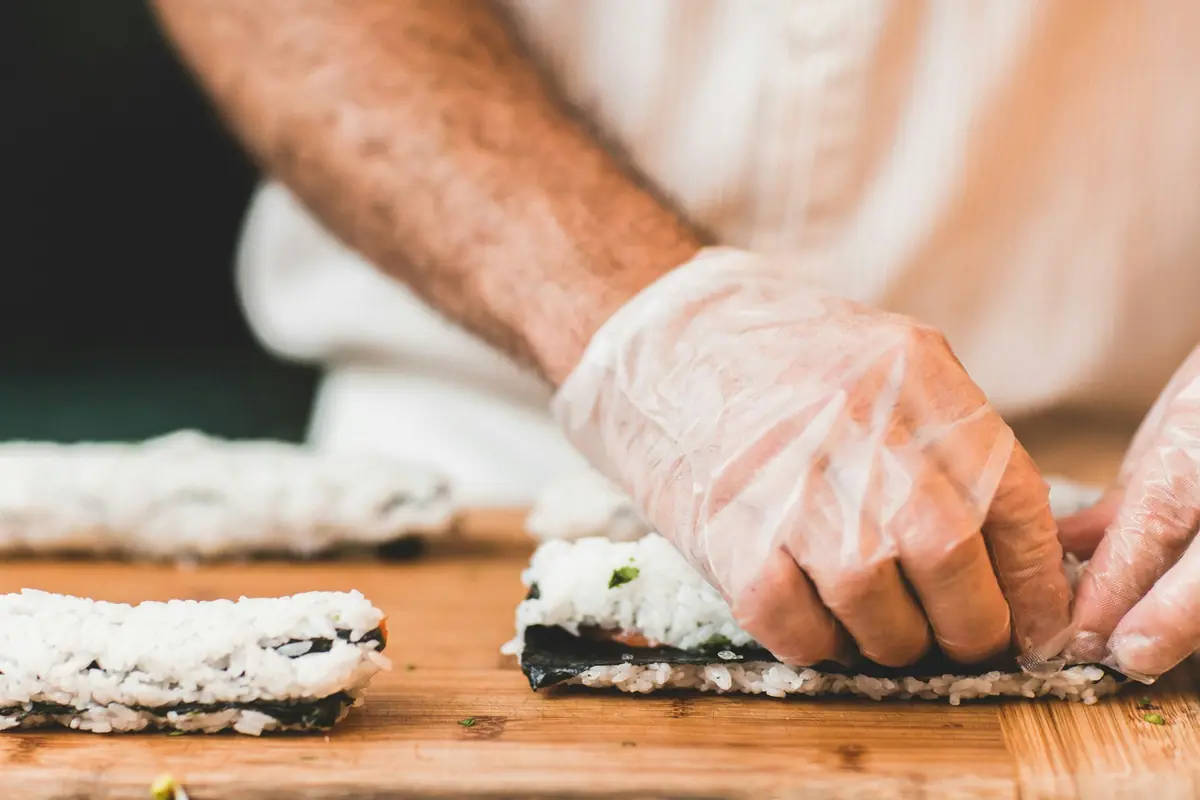
The opening image illustrates sushi making; it is not a photograph of the classes featured here. Photo: Epicurrence / Unsplash
Choose by what you make and the activity language
Some classes cover sushi rolls and miso soup; others focus on nigiri. Home cooking and kitchenware shopping offer different experiences again. The options below are examples. A shared class means joining other people who have booked separately. Japan Experience activities are abbreviated to “JE” below.
| What to compare | JE Sushi Workshop | Chagohan Tokyo (茶御飯東京) shared nigiri class | Home cooking with Akiko | JE Kappabashi tour |
|---|---|---|---|---|
| What you do | Make vinegared rice, sushi rolls, inari, nigiri, rolled omelet and miso soup | Prepare fish, season rice and shape nigiri; some tasks may be shared | Make home-style food in a private home in Hongo (本郷) | Walk between kitchenware shops and try snacks |
| Activity language | English | English | French or Italian only | English, French, German, Italian or Spanish |
| Duration and area | 3 hours; Shinjuku City (新宿区) | About 2.5 hours, Tuesdays at 10:00; Asakusa (浅草) | 4 hours; Hongo | 3 hours; Asakusa to Kappabashi (かっぱ橋) |
| Food | Eat the dishes you make | Eat the nigiri you make | Eat the home-cooked dishes you make | Snacks included; lunch is separate |
For a solo visitor looking for an English-language class, Chagohan teaches in English and accepts bookings for one person. However, this shared class is listed for Tuesdays, so it will not fit a stay running only from Friday through Monday. If you prefer a walk, the Kappabashi activity for 1–10 people is another option. Even when you can read the sales page in English, check the language used by the instructor or guide separately.
Sushi classes: the techniques and how tasks are shared
Nigiri is sushi shaped by hand, with a topping placed on vinegared rice. Inari sushi is rice packed into seasoned fried-tofu pockets. The types of sushi you make determine the techniques you practice.
Learn sushi rolls and how to use dashi
JE’s Sushi Workshop covers preparing rice, choosing and seasoning ingredients, and making several types of sushi. It also includes using dashi stock and making miso soup.
Make nigiri in a shared class
Chagohan welcomes beginners, who can ask the instructor for help if they are unsure about handling knives or heat.
Its class covers preparing fish, mixing vinegar into the rice and shaping nigiri. In the regular class, you share some or all of the tasks with other participants.
If you would like to cook again at home, recipes are provided to take away. They are for personal use. The class rules do not allow you to take the food away, so allow time to eat it there.
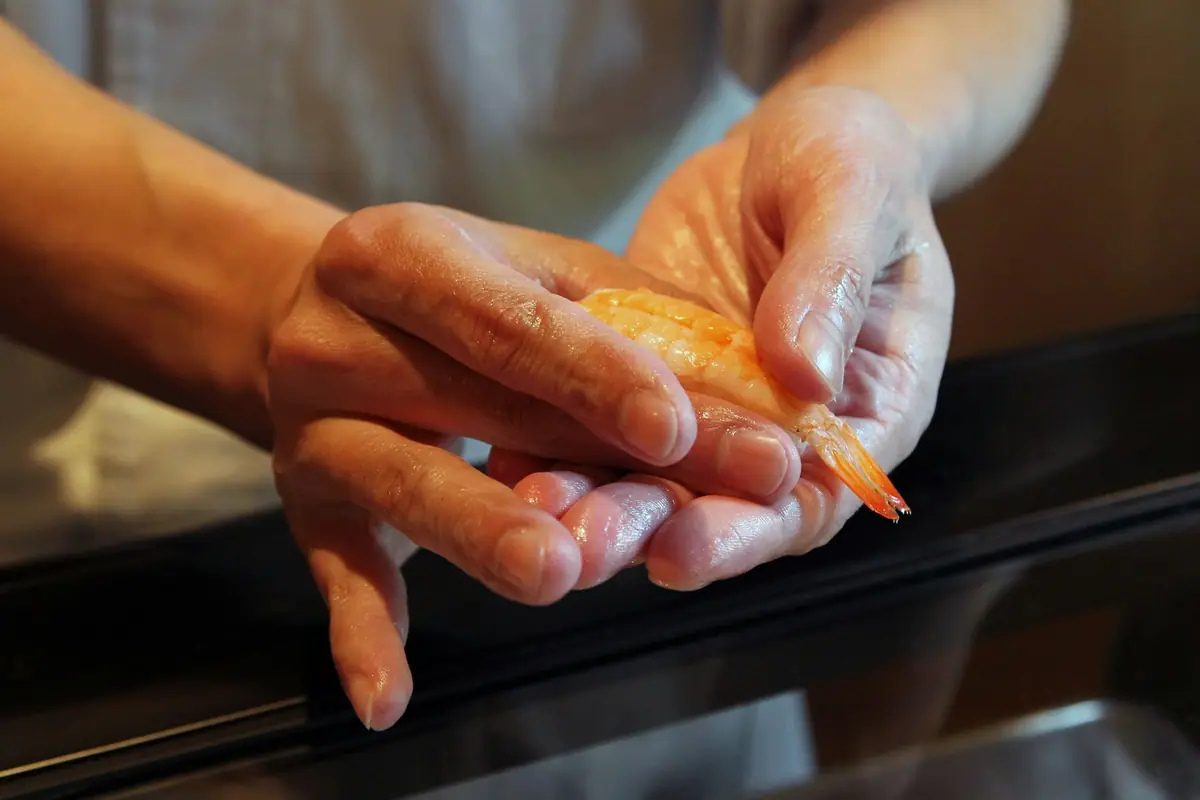
An illustrative photo of shaping nigiri. It does not show the featured class or the ingredients you will use on the day. Photo: Tadahiro Higuchi / Unsplash
Home cooking: choose a menu and language that suit you
Akiko’s experience is one option for learning in a home kitchen. It features dishes using rice, soy products such as tofu, fish and vegetables. You cook while hearing about everyday life in Japan, then sit down to eat together.
You can request dishes that are easy to recreate at home. The activity is offered in French and Italian only.
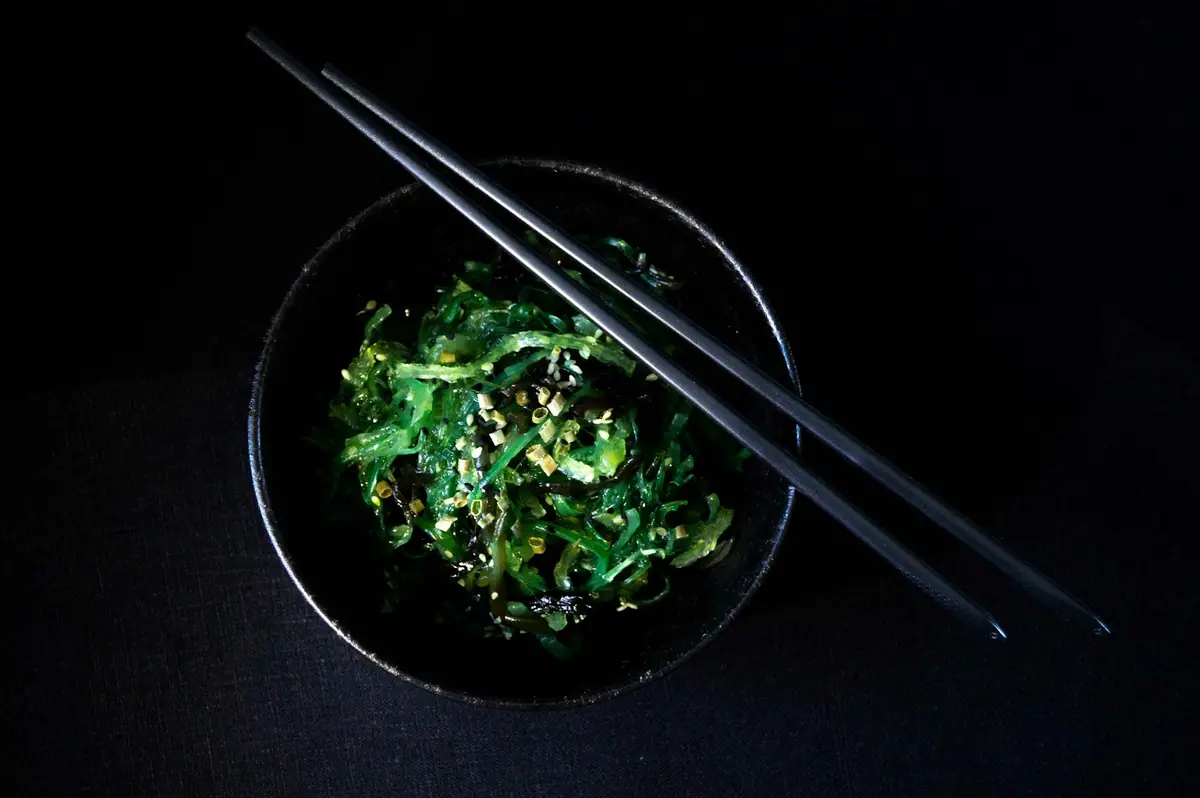
An illustrative photo of a small side dish, not Akiko’s menu. Photo: Dilara Yilmaz / Unsplash
Kappabashi: browse kitchenware and taste snacks
For browsing knives, tableware and chopsticks, one option is JE’s Cooking and Snacking in Tokyo. Despite “Cooking” in the name, it is a walking tour combining kitchenware shops in Asakusa and Kappabashi with snack tastings. Treat it as a different type of activity from a cooking lesson.
Snacks chosen by the guide are included; melon pan and curry bread are examples.
The meeting time is 10:00 outside Exit 1 of Tawaramachi Station (田原町駅), and the tour lasts 3 hours, putting the approximate finish at 13:00. You can locate Exit 1 on the official Tawaramachi Station map. Hotel pickup is not included.
The tour ends outside a restaurant recommended by the guide, but lunch is not included. Set aside money for lunch and leave time to eat before your afternoon plans.
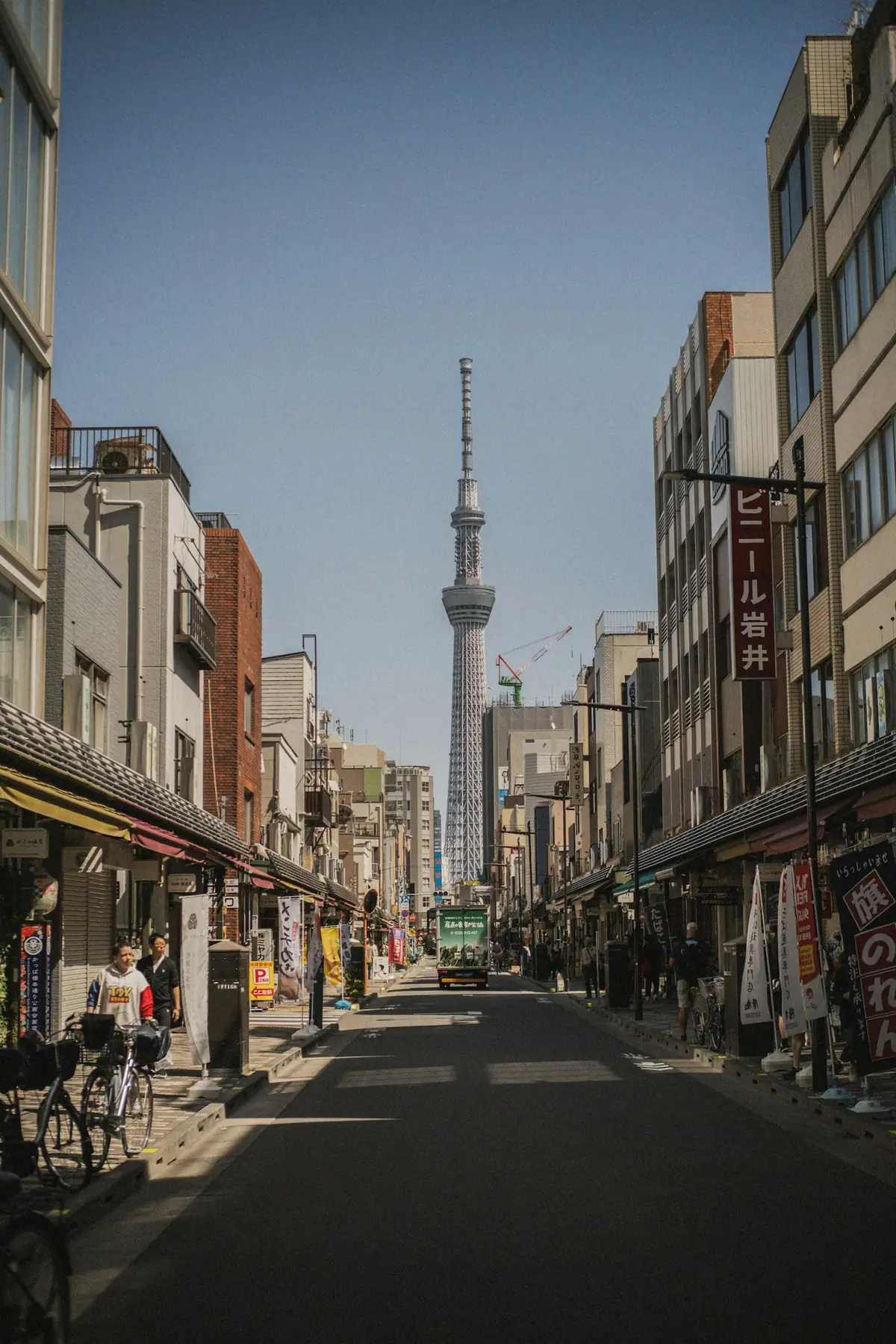
A street near Kappabashi. This photo does not identify the tour’s meeting point or the shops it visits. Photo: Zeke Tucker / Unsplash
What the meal includes and how to compare costs
Even when a class includes eating what you cook, the quantity is not necessarily enough for lunch. The Kappabashi walk includes snacks, but you need a separate lunch budget.
| Example activity | What the fee includes and extra food or drinks |
|---|---|
| JE sushi workshop | Cooking and the meal |
| Chagohan shared nigiri class | Ingredients, equipment, an apron, water and recipes, plus the meal. Alcohol and special Japanese teas cost extra |
| Akiko | Cooking and the meal. Dessert and alcohol are offered as additions |
| JE Kappabashi | Guide and snacks. Lunch and additional food or drinks are separate |
The JE sushi workshop displays a per-person price. Chagohan’s regular shared class has a listed price of ¥19,800 including tax, but the pricing unit is unclear. Before multiplying that amount by your family size, confirm how many people it covers. Compare totals for your intended date and number of participants.
Chagohan’s class fee is normally paid in advance, with Visa, Mastercard, American Express and PayPal accepted. JE’s general website payment guidance lists credit cards and bank transfers.
Chagohan’s private-class pricing conditions vary with the number of participants. Alongside the activity fee, budget for transport, other meals and any shopping. If you would rather spend your food budget on eating sushi than learning to make it, see the guide to eating sushi in Tokyo.
Solo visitors, children and food allergies
Solo bookings, private activities and confirmed dates
Chagohan accepts bookings for one person, but charges extra for a private class for one. The Kappabashi tour is listed as a private activity for 1–10 people.
Being able to book for one person does not mean your preferred date is confirmed. For the JE sushi workshop and Akiko’s experience, confirm whether you can take part on your own.
Children’s fees and the tasks they can do
At Chagohan, children under 16 must be accompanied by a parent or guardian; ages 3 and over pay the adult rate, while children under 3 can accompany you free. For example, two adults with children aged 8 and 5 count as four people booking at the adult rate.
A parent or guardian may need to take over steps involving knives or heat. If your child wants to shape the sushi themselves, explain that and give their age when checking the participation conditions.
Free observation is generally not available, and accompanying people also need to be booked in. For children joining any of the three JE activities, confirm the eligible ages and fees before booking.
Ingredient changes and shared kitchens
Chagohan requires at least one week’s notice of dietary restrictions or allergies, and ingredients cannot be changed on the day. It also states that various allergens are handled in its kitchen.
The JE sushi workshop asks you to mention vegetarian requirements and whether you can eat dashi. Being invited to discuss vegetarian requirements does not establish whether an allergy can be accommodated.
As well as naming the foods you cannot eat, ask how cross-contact through shared utensils and work surfaces is handled. If you cannot get the answers you need to decide, an experience that does not involve eating is another option.
Before you go and if plans change
If you have dietary restrictions, get an answer about whether you can participate before deciding to book and pay. For Chagohan, use the “Booking Form” on the class page; JE takes online bookings through each activity’s page.
Dietary-request deadlines and cancellation fees
Chagohan’s regular shared class has different deadlines for booking, dietary requests and cancellation.
| Item | Regular shared-class conditions |
|---|---|
| Booking | Normally at least one day in advance |
| Dietary requests | At least one week in advance; no ingredient changes on the day |
| Arrival | 10 minutes before the start |
| Cancellation | No fee 14 or more days before; 50% at 13–7 days before; 100% from 6 days before, including no-shows |
If your decision depends on the response to a dietary request, discuss it before booking and paying. By the one-week dietary-notice deadline, the regular shared class’s free-cancellation deadline has already passed.
Cancellation requests are accepted Monday–Saturday, 9:30–18:30 Japan time, by email or phone.
Private classes have different cancellation conditions from regular shared classes, so check the terms that apply when booking. JE’s conditions also vary by activity. The Kappabashi tour’s cancellation fee exactly 7 days before is unclear. If you might cancel on that day, clarify the fee before paying.
Save the final arrangements before setting off
With JE, the order-number email sent after ordering and paying is separate from the detailed email sent after the arrangements are made. Check the date, time, participant count and meeting point in the detailed message, and save the map and contact details for the day. If it does not arrive, check your spam folder and ask about the arrangements through JE’s contact page, quoting your order number.
For directions to Chagohan, use its official access page and location on Google Maps. Save the location and map before setting off so you can check them on the way. For the Tuesday 10:00 class, arrive 10 minutes before the start, around 9:50. If you get lost or expect to be late, use the contact details in your saved information.
At Chagohan, arriving more than 30 minutes late means you cannot join and normally incurs a 100% cancellation fee. There is an exemption if an official public-transport service suspension prevents you from attending and the school verifies it. Allow room for travel before and after the activity with the Tokyo itinerary-planning guide.
If the food requirements do not work for you, consider cultural experiences other than cooking. For a rainy-day alternative, there are also free indoor places to visit.
Learning how to shape sushi or cook a home-style dish, and browsing tableware as you walk through the city, are different ways to enjoy Tokyo’s food culture. Think about the dish you would like to make again at home or the kitchenware you would like to use.
Frequently asked questions
Can I join a cooking experience without speaking Japanese?
Among these examples, the JE sushi workshop and Chagohan classes run in English. Akiko’s home-cooking experience is in French or Italian only. The Kappabashi tour is available in English, French, German, Italian and Spanish. Choose by the activity language, not just the language of the sales website.
Do you cook on the Cooking and Snacking tour?
It is a walking tour of kitchenware shops with snacks to try. It is different from a class where you cook.
Can I take part on my own?
Among these examples, Chagohan Tokyo accepts bookings for one person, and the Kappabashi tour is a private activity for 1–10 people. Solo participation in the JE sushi workshop and Akiko’s experience needs confirmation. Being able to book for one person does not mean your preferred date is confirmed.
Can children do the cooking?
At Chagohan Tokyo, children under 16 must be accompanied by a parent or guardian, and ages 3 and over pay the adult rate. A parent or guardian may need to take over steps involving knives or heat. If your child wants to shape the sushi themselves, explain that and give their age when checking the participation conditions.
Will a cooking experience be enough for lunch?
At the JE sushi workshop, you eat what you make. Chagohan’s class also includes a meal after cooking, and you eat the food you prepare at Akiko’s home. Whether that is enough for lunch depends on the quantity and your appetite. The Kappabashi tour includes snacks chosen by the guide, but not lunch.
Can I take part if I have a food allergy?
Participation cannot be guaranteed for every allergy. Chagohan Tokyo requires at least one week’s notice, and ingredients cannot be changed on the day. Check how allergens and equipment are handled in the shared kitchen. If you cannot get the answers you need to decide, another experience may be a better fit.
References
* This article was translated from the original Japanese with the help of machine translation. Some expressions may not read naturally.
Related Guides
4 Tokyo Cultural Experiences and How to Book
Compare kimono walks, tea ceremonies, sushi classes and sumo experiences in Tokyo, with example prices, timing, language options and booking tips.
How to Eat Sushi on a Budget in Tokyo
Choose sushi in Tokyo by your meal budget. Compare tax-inclusive menu prices, opening and check-in times, access, and reservations at branches in Ueno, Asakusa, and Ginza. Learn how conveyor belt sushi works and what to check at standing bars and when buying discounted supermarket sushi.

How to Plan Your Tokyo Itinerary Without Burning Out
2-3 spots per day is the right pace. Group nearby areas, add 15-minute buffers, and halve your plans on jet-lag day one. A practical framework to avoid over-scheduling.

Free Things to Do in Tokyo on a Rainy Day
Tokyo rainy day, ¥0 budget: 5 free routes — Intermediatheque, Ginza galleries, National Art Center, Nakano Broadway, Musashi-Koyama Palm.
Gifu Crafts in Tokyo: Knives, Pottery and Food Replicas
Shop for Seki knives and Mino ware, or make wax food replicas in Tokyo. Find example shops, workshop prices, booking steps and language rules.