L I V I N G
Hogyan bérelj lakást Tokióban külföldként [költségek, kezes, UR]
Az előzetes költségek 4–5 havi bérleti díjat tesznek ki. Még kezes nélkül is segít egy kezességvállalási cég a szerződéskötésben. Hogyan találj kaució nélküli lakásokat, UR lakhatási feltételek, mit tegyél 'nincs külföldi' politika esetén és az egész folyamat a kerestetéstől a beköltözésig 2 héten belül.
![Hogyan bérelj lakást Tokióban külföldként [költségek, kezes, UR]](https://images.unsplash.com/photo-1480796927426-f609979314bd?w=1536&q=72&auto=format&fit=crop&h=1024)
A lakáskeresés valósága külföldként
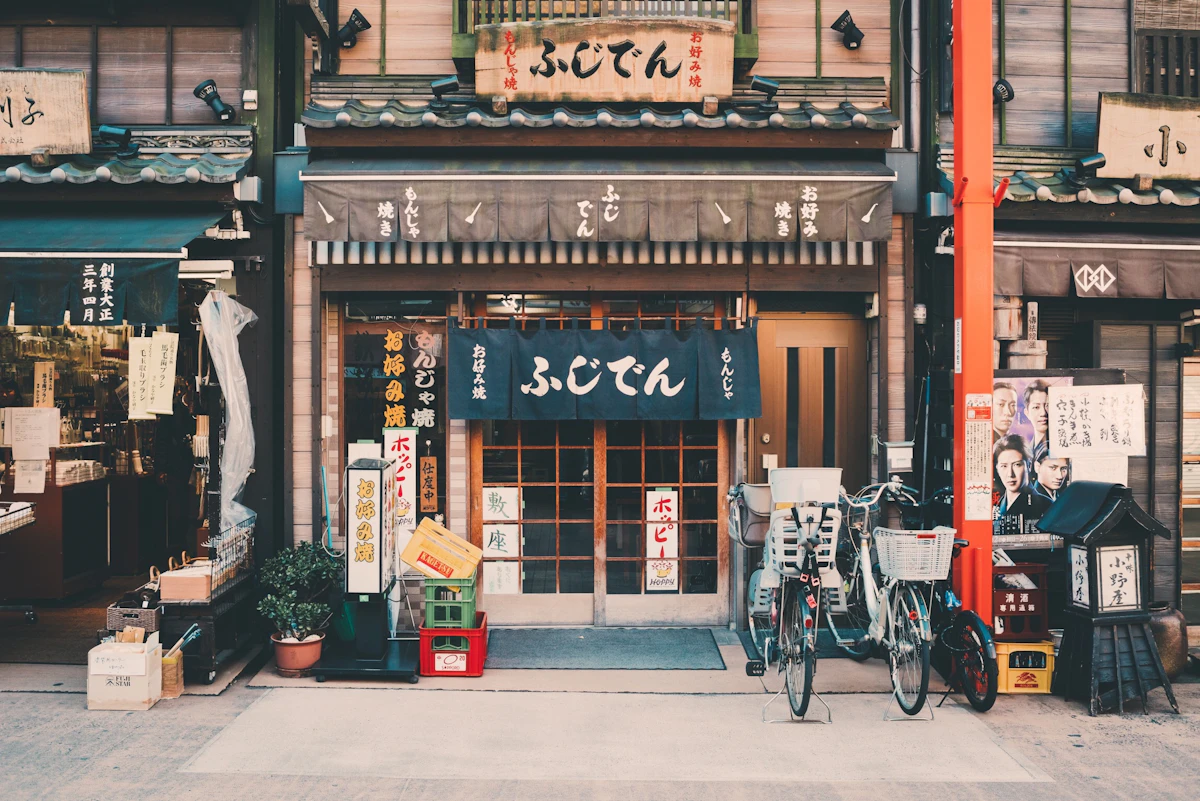
Az Igazságügyi Minisztérium 2016-os felmérése szerint az lakást kereső külföldiek körülbelül 40%-át utasították el állampolgárságuk miatt. Másrészt, a Japan Property Management Association (JPM) ingatlanügynökökre és bérlakás-kezelő cégekre kiterjedő felmérése szerint a licencelt ügynökök kb. 92%-a fogad külföldi bérlőket — a nagyobb tokiói agglomerációban ez az arány 94,9%. Ez a szám azonban csak az ügynökökre (közvetítőkre) vonatkozik — a bérbeadók (ingatlan-tulajdonosok) elfogadási aránya alacsonyabb. A különbség nem feltétlenül ellenségesség; sok bérbeadó a kommunikációs akadályoktól és ismeretlen eljárásoktól tart.
A kormány igyekszik csökkenteni ezt a különbséget. Az MLIT (Földügyi, Infrastrukturális, Közlekedési és Idegenforgalmi Minisztérium) 14 nyelven tett közzé többnyelvű bérleti szerződés-mintákat és útmutatókat, és Tokió Fővárosi Önkormányzata is fenntart egy saját támogató oldalt. 2025 októberében hatályba lépett a módosított Lakhatási Biztonsági Hálóról szóló törvény, amely új támogatási rendszereket vezet be külföldiek és mások számára, akik nehézségekbe ütköznek lakáskeresés során.
Megjegyzés: A fent hivatkozott Igazságügyi Minisztérium felmérése 2016-ból való, és azóta intézményi fejlesztések történtek.
A teljes időterv
Az általam ismert sok külföldi mérnök az első hónapot Japánba érkezés után share house-ban (közös lakásban) vagy havi bérlésű lakásban töltötte, közben lakást keresett, és a második hónapban beköltözött saját lakásába. A folyamat általában így zajlik:
1. Válassz területet (1–3 nap) Szűkítsd le az ingázás és a költségvetés alapján. Belső Tokió (23 különleges kerület) vagy a nyugati külvárosok (Tama terület)?
2. Keress hirdetéseket (3–7 nap) Böngészd az ingatlanportálokat, válassz ki ingatlanokat, lépj kapcsolatba ingatlanügynökségekkel.
3. Tekintsd meg a lakásokat (1–3 nap) Látogass el személyesen. Törekedj naponta 3–4 megtekintésre.
4. Nyújts be kérelmet és várj az elbírálásra (3–7 nap) Küld be a dokumentumokat. A kezességvállalási cég és a bérbeadó felülvizsgálja a kérelmedet.
5. Írd alá a szerződést és költözz be (1–3 nap) Hallgasd meg a fontos tételek kötelező magyarázatát, írd alá a bérleti szerződést és vedd át a kulcsokat. Beköltözés után regisztrálnod kell a lakcímedet, bankszámlát kell nyitnod és be kell köttetned a közüzemi szolgáltatásokat. Lásd: Első önálló költözésem Tokióban arról, mi vár a beköltözési nap után.
Összesen: minimum 2 hét, 4 hét tartalékkal.
Költözési szezon
A tokiói bérleti piac határozott szezonális ritmussal rendelkezik. Január–március a legforgalmasabb időszak — a japán pénzügyi és tanévi év áprilisban kezdődik, így az egyetemi felvételik, az új alkalmazottak és a céges áthelyezések mind egyszerre generálnak költözési hullámot. A jó lakások gyorsan eltűnnek ezekben a hónapokban. Szombaton megnézed a lakást, és hétfő reggel valaki más már alá is írta a szerződést.
Április–augusztus csendesebb. Kevesebb új hirdetés, de kevesebb versenyző is — ráveheted magad az időre. Szeptember és október kisebb csúcsot mutat a féléves céges áthelyezések miatt.
Ha rugalmasan választhatsz időpontot, a január–márciusi roham elkerülése több mozgásteret és potenciálisan nagyobb tárgyalási erőt ad a bérleti díj és díjak terén.
Terület kiválasztása

Tokió két fő zónára oszlik: a 23 különleges kerületre (23区) és a Tama területre (多摩地域, 26 város). A lakóhelyed meghatározza a bérleti díjat, az ingázást és a mindennapi életminőséget.
A 23 különleges kerület
Kiváló tömegközlekedési elérhetőség, de magasabb bérleti díjak. A SUUMO bérleti adatai szerint a garzonlakások (1R/1K/1DK) átlagosan ¥80 000–120 000/hónapba kerülnek, kerületeként jelentős eltérésekkel. Több kerületben kialakult külföldi közösségek és többnyelvű önkormányzati szolgáltatások találhatók.
Lásd: Mik Tokió 23 különleges kerülete? — területenkénti összefoglaló
A Tama terület
Alacsonyabb bérleti díjak és több tér ugyanakkora költségvetés mellett. Ugyanazok a SUUMO adatok azt mutatják, hogy a garzonlakások a legtöbb városban átlagosan ¥50 000–70 000/hónapba kerülnek. Több park, több zöld terület, családok körében népszerű.
Lásd: Mik Tokió városai? — vonalanként összefoglaló
Hogyan dönts:
Ha a munkahelyед adott, használd a Yahoo! Transit alkalmazást vagy a Google Maps-et az ajtótól ajtóig tartó ingázási idők ellenőrzésére. „A 23 kerületen belül” nem jelent automatikusan kényelmet. Például Kichijoji (Musashino város, a 23 kerületen kívül) körülbelül 15 percre van Shinjukutól JR Chuo Line Rapid vonattal, míg Oizumi-Gakuen (Nerima kerület, a 23 kerületen belül) 33–39 percet vesz igénybe Shinjukuba átszállással.
Biztonságos költségvetési szabály: tartsd a bérleti díjat a nettó fizetésed egyharmada alatt (lásd még az UR bérleti díj-tervezési útmutatóját). Ha havonta ¥250 000-t keresel adózás után, célozz meg körülbelül ¥80 000-s bérleti díjat. Ennél a büdzsénél, a fenti SUUMO adatokat ellenőrizve, reális lehetőségek lesznek a keleti kerületek, mint Arakawa, Katsushika és Adachi, vagy a Tama területi Chuo vonal folyosója. Ha még nincs hitelkártyád Japánban, a Hitelkártyák külföldieknek Japánban cikk elmagyarázza, hogyan működik az elbírálási folyamat.
Előzetes költségek (tervezz 4–5 havi bérleti díjjal)

A legnagyobb meglepetés az újonnan érkezőknek: sokat fizetsz, mielőtt egyáltalán a lakásban aludnál. Íme egy összefoglaló egy ¥80 000/hónapos ingatlanhoz:
| Tétel | Japán megnevezés | Összeg | Mi ez |
|---|---|---|---|
| Kaució | 敷金 (shikikin) | ¥0–160 000 | Részben visszatérítik kiköltözéskor, levonva a javítási költségeket. A tokiói agglomerációban a ¥100 000/hó alatti lakások több mint 60%-ánál már nulla a kaució |
| Kulcspénz | 礼金 (reikin) | ¥0–80 000 | „Ajándék” a bérbeadónak. Nem visszatérítendő. A reikin nélküli hirdetések egyre gyakoribbak |
| Ügynöki díj | 仲介手数料 (chukai tesuryo) | ¥88 000 | Törvényes felső határ: 1 havi bérleti díj + adó |
| Előre fizetett bérleti díj | 前家賃 (mae yachin) | ¥80 000–160 000 | Arányosított első hónap + következő teljes hónap, előre fizetendő |
| Kezességvállalási cég díja | 保証会社費用 (hosho gaisha hiyou) | ¥40 000–80 000 | A havi bérleti díj 50–100%-a. Éves megújítás vonatkozik rá |
| Tűzbiztosítás | 火災保険 (kasai hoken) | ¥15 000–20 000 | Általában 2 éves kötvény |
| Zárcserje | 鍵交換 (kagi koukan) | ¥10 000–30 000 | A zár cseréje az előző bérlő után |
Összesen: nagyjából ¥350 000–450 000 egy ¥80 000/hónapos lakáshoz.
Kaució és kulcspénz nélküli ingatlan választásával ez ¥250 000 alá csökkenthető. Egy figyelmeztetés: a kaució nélküli lakásoknál kiköltözéskor néha egyösszegű takarítási díjat számítanak fel. A szerződés aláírása előtt kérdezz rá a kiköltözési költségekre.
Szükséges dokumentumok
Az alábbiak a legtöbb kérelemhez elegendők. A pontos követelmények ingatlantól függően változnak.
- Tartózkodási kártya (在留カード / zairyu card) — Az elsődleges igazolványod külföldi rezidensként. Mutatja a vízum státuszát és lejárati dátumát. Másolat szükséges
- Útlevél — A tartózkodási kártyával együtt használják személyazonosság-ellenőrzésre
- Jövedelemigazolás (収入証明 / shunyu shomei) — 3 havi bérszámfejtő, vagy adóigazolás (課税証明書 / kazei shomeisho). Az elbírálás általában ellenőrzi, hogy az éves jövedelem legalább a havi bérleti díj 36-szorosa-e
- Munkáltatói igazolás (在籍証明書 / zaiseki shomeisho) — A munkáltató állítja ki. Diákok beiratkozási igazolást adnak be helyette
- Japán sürgősségi kapcsolat (緊急連絡先 / kinkyuu renrakusaki) — Név, telefonszám és kapcsolat jellege. Barát vagy munkatárs megfelel
A személyes pecsét (印鑑 / inkan) néha szükséges, de sok ügynökség ma már elfogad aláírást külföldi bérlőktől. Előzetesen egyeztesd az ügynökséggel.
Ha frissen érkeztél és még nem regisztrálta a lakcímed, még mindig benyújthatod a kérelmet, amíg megvan a tartózkodási kártyád. A tipikus folyamat az, hogy a beköltözési regisztrációt (転入届 / tennyuu todoke) a szerződés aláírása előtt kell elvégezni. A japán telefonszám fontos — az ingatlanügynököknek és a kezességvállalási cégeknek el kell érniük, és ennek hiánya akadályokat okoz. Érdemes a telefont elintézni a lakáskeresés megkezdése előtt. Részletekért lásd: A telefon és bankszámla ördögi köre.
A kezesi probléma megoldása

A hagyományos japán bérleti szerződések 連帯保証人 (rentai hoshounin — személyes kezes) bevonását igénylik, aki jogilag felelős, ha nem fizeted a bérleti díjat. Japánban mélyen gyökerező kapcsolatok nélküli külföldieknek ez korábban áthidalhatatlan akadályt jelentett.
Már nem így van. Kezességvállalási cégek (保証会社 / hosho gaisha) váltak a szabványra. A legtöbb bérelhető ingatlan ma már kezességvállalási cég igénybevételét követeli meg, így személyes kezes nélkül is aláírhatsz szerződést.
Hogyan működik:
- Kezdeti díj: a havi bérleti díj 50–100%-a (¥40 000–80 000 egy ¥80 000-s lakáshoz)
- Éves megújítás: körülbelül ¥10 000/év, vagy a havi bérleti díj 10–30%-a
- Ellenőrzik a vízum státuszát, a jövedelmet és a foglalkoztatást
Egyre több kezességvállalási cég specializálódik külföldi bérlőkre többnyelvű támogatással. A „外国人 保証会社” (gaikokujin hosho gaisha — külföldi kezességvállalási cég) keresés több lehetőséget is hoz, és a JPM külföldi rezidenseket támogató oldala összegyűjti a kapcsolódó forrásokat.
Azonban általában nem kell saját magad kezességvállalási céget keresni. Az ingatlanügynökség ajánl olyat, amely az általad választott ingatlannal együttműködik. Csak kérdezd meg: „Tudnak-e olyan kezességvállalási céget igénybe venni, amelynek van tapasztalata külföldi bérlők elfogadásában?” (外国人の入居実績がある保証会社を使えますか?/ Gaikokujin no nyuukyo jisseki ga aru hosho gaisha wo tsukaemasu ka?)
Hol keress

Két fő módszer lakáskeresésre.
Japán hirdetési oldalak (legnagyobb választék)
Így keresnek lakást a japánok: keresnek egy portálon, kapcsolatba lépnek az általuk megkedvelt hirdetést kezelő ügynökséggel, felkeresik az irodát és megnézik a lakást. Ez a szokásos folyamat, és az ezeken az oldalakon szereplő ingatlanok száma messze meghaladja a külföldiek számára kínált szolgáltatásokon elérhetőt. Ha olvasol japánul — vagy böngészős fordítást használsz — itt találod a legnagyobb választékot.
- SUUMO — Fő ingatlanportál a legnagyobb kínálattal
- LIFULL HOME’S — Fő ingatlanportál. Használd a FRIENDLY DOOR funkciót idegen nyelvű támogatást kínáló ingatlanügynökségek kereséséhez
Angol nyelvű szolgáltatások
Ha a japán akadály, ezek a platformok csak külföldiek számára jóváhagyott ingatlanokat listáznak:
- GaijinPot Apartments — Minden hirdetés megerősítve, hogy külföldbarát. Kétnyelvű közvetítői támogatás
- wagaya Japan — Angol, kínai, vietnami. Tartalmaz kezes nélküli hirdetéseket
- Real Estate Japan — Angol nyelvű tokiói bérleti keresés
Mit mondj az ingatlanügynöknél
Ügynökség látogatásakor hasznos ez a párbeszéd:
Te: „Lakást keresek a ○○ állomás közelében, havi ¥80 000 alatt.” (○○駅の近くで、家賃8万円以下で探しています / ○○-eki no chikaku de, yachin hachi-man en ika de sagashite imasu)
Ügynök: „Milyen elrendezést szeretne? 1K vagy 1LDK?” (間取りのご希望は?/ Madori no go-kibou wa?)
Te: „Az 1K megfelel. Ha lehetséges, 10 percen belül sétára az állomástól.” (1Kで大丈夫です。駅から徒歩10分以内だと助かります / 1K de daijoubu desu. Eki kara toho jup-pun inai dato tasukarimasu)
Tipp: Előzetesen hívj vagy írj annak megerősítésére, hogy foglalkoznak külföldi bérlőkkel. Így elkerülheted a felesleges utat.
A megtekintéstől az aláírásig
Elengedhetetlen a személyes megtekintés (内見 / naiken). A fotók félrevezetők lehetnek.
Mit ellenőrizz megtekintés közben:
- Napfény és zaj (nyisd ki az ablakokat)
- Víznyomás és lefolyó szaga a fürdőszobában
- Tárolóhely (gyakran kisebb a vártnál)
- Legközelebbi szupermarket és convenience store (kisbolt) távolsága — a tokiói konbini sokkal többet nyújt élelmiszer eladásnál (lásd konbini útmutatónkat)
Találtál megfelelő helyet? Nyújts be kérelmet azonnal. A január–márciusi csúcsszezonban valaki más már ugyanazon az estén benyújthat kérelmet, amikor te megnézted a lakást. „Majd átgondolom” — és a hirdetés másnap reggelig bezárul — ez az általános minta a csúcshónapokban.
Határozd meg a nem alkuképes kritériumaidat minden megtekintés előtt: maximális bérleti díj, maximális sétatávolság az állomástól, kötelező jellemzők. Az egyértelmű kritériumok lehetővé teszik, hogy azonnal igennel vagy nemmel válaszolj, habozás nélkül.
A kérelem benyújtása után a kezességvállalási cég és a bérbeadó ellenőrzi azt. Érvényes vízummal és a havi bérleti díj 36-szorosának megfelelő jövedelemmel az eredmények általában 3–7 napon belül megérkeznek.
Jóváhagyás után megkapod a 重要事項説明 (juuyou jikou setsumei) — az ingatlan feltételeinek törvényes kötelezettségű magyarázatát egy licencelt ingatlanügynöktől. Ez alapértelmezés szerint japánul zajlik, de az MLIT többnyelvű dokumentumsablonokat készített. Előre kérdezz az ügynökségtől, hogy tud-e anyagokat biztosítani a saját nyelveden.
Mit tegyél, ha elutasítanak, mert külföldi vagy
Megesik. Íme, amit tudnod kell.
A Ingatlan-tranzakciók Promóciós Központjának jogi elemzése szerint a bérlő kizárólag állampolgársága alapján történő elutasítása jogsértésnek (不法行為 / fuhou koui) minősülhet a japán jog szerint, és bíróságok kártérítést (損害賠償 / songai baishou) ítéltek meg ilyen ügyekben. A jelenlegi jog azonban nem kényszerítheti a bérbeadót szerződés aláírására.
Gyakorlati megközelítés:
Ahelyett, hogy egy konkrét ingatlanért harcolnál, váltj olyan szolgáltatásokra, amelyek előzetesen szűrik a külföldbarát bérbeadókat. A GaijinPot Apartments és a Real Estate Japan minden hirdetése rendelkezik a tulajdonos jóváhagyásával külföldi bérlők fogadásához.
Ha segítségre van szükséged, ingyenes nyilvános tanácsadási szolgáltatások állnak rendelkezésre:
- FRESC (Külföldi Rezidensek Támogatási Központja) — Yotsuya Tower 13. emelet, a JR Yotsuya állomás mellett. Négy minisztérium és nyolc ügynökség egy fedél alatt. Telefon: 0570-011000
- Tokyo Multilingual Consultation Navi — Ingyenes hívások 14 nyelven. 0120-142-142 (hétköznapokon 10:00–16:00)
UR lakhatás (kezes nélkül, kulcspénz nélkül)
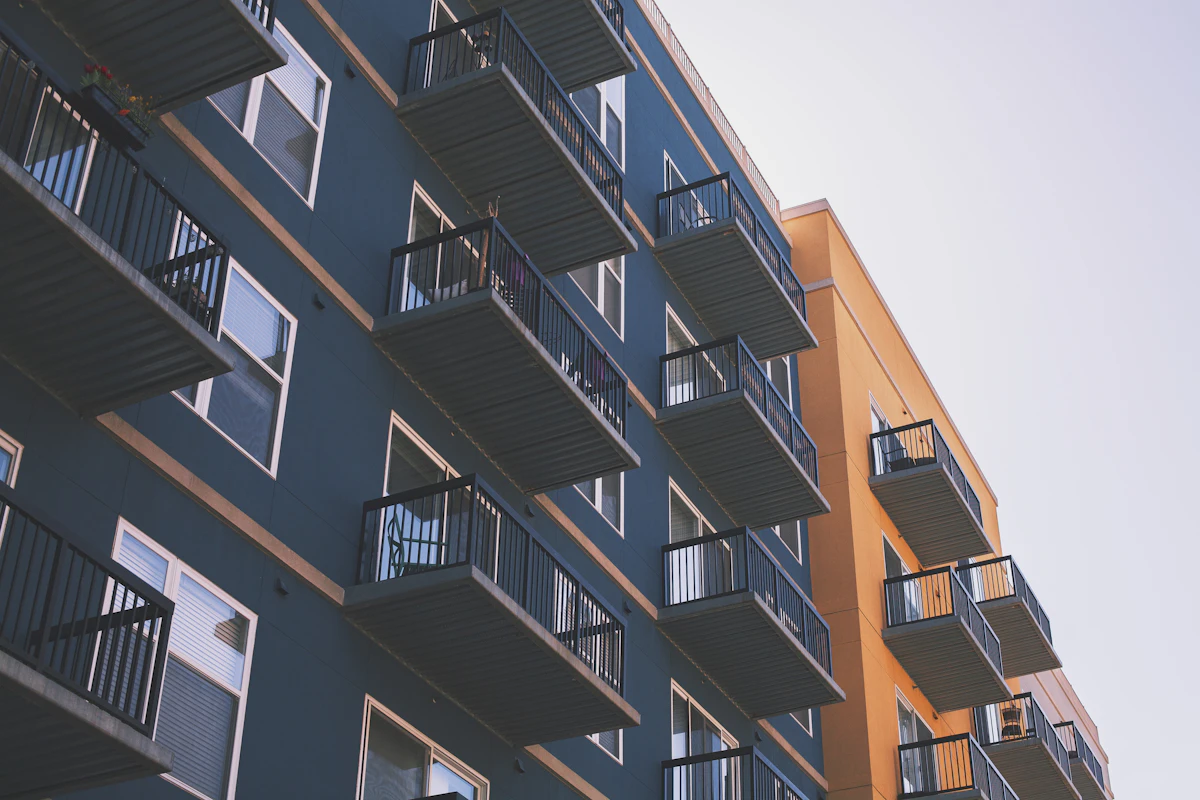
Az UR Urban Renaissance Agency (Városmegújítási Ügynökség) olyan állami bérlakásokat üzemeltet, amelyek megszüntetik a külföldiek által a magánbérletekkel szembesülő akadályok némelyikét:
- Nem szükséges kezes
- Nincs kulcspénz (礼金)
- Nincs ügynöki díj (仲介手数料)
- Nincs megújítási díj (更新料)
Egy ¥80 000/hónapos lakásnál az UR-nál felmerülő kezdeti költségek körülbelül ¥200 000 (kaució + arányosított bérleti díj + közös területek díjai) — kevesebb mint fele annak, amennyit a magánbérleténél fizetnél.
Ki nyújthat be kérelmet:
- Érvényes tartózkodási kártyával rendelkező közép- és hosszú távú rezidensek (munkavállalói vízum, diákvízum stb.)
- Havi jövedelem legalább a bérleti díj 4-szorosa (¥320 000/hó egy ¥80 000-s lakáshoz)
- Alternatíva: a havi bérleti díj 100-szorosának megfelelő megtakarítás (¥8 000 000 ugyanahhoz a lakáshoz) vagy egyszeri bérleti díj előrefizetés
Az UR ingatlanok száma kisebb és elhelyezkedésük korlátozottabb a magánbérletekhez képest, de erős lehetőség, ha a kezesi követelmény vagy az előzetes költségek akadályoznak.
Bérleti problémák kezelése
| Helyzet | Mit tegyél |
|---|---|
| Kérelmet elutasítottak | Kérdezd meg az ügynökséget az okról. A rövid vízum érvényessége gyakori ok — nyújtsd be újra megújítás után. Egy másik kezességvállalási cég elfogadhat |
| Ismételten elutasítottak, mert külföldi vagy | Váltj külföldiekre specializált szolgáltatásokra (GaijinPot, Real Estate Japan). Fontold meg az UR lakhatást |
| Nem engedheted meg magadnak az előzetes költségeket | Szűrj kaució és reikin nélküli ingatlanokra. Néhány ügynökség részletfizetési tervet kínál |
| Nem tudod elolvasni a bérleti szerződést | Hívd a FRESC-et (0570-011000) vagy a Tokyo Multilingual Navi-t (0120-142-142). Kérj az ügynökségtől többnyelvű szerződéssablonokat |
| Nem találsz semmi megfelelőt | Gondold át a prioritásaidat. Az állomástól 10-ről 15 perces gyaloglásra való bővítés, az épület korára vonatkozó követelmény lazítása vagy a szomszédos állomás hozzáadása új lehetőségeket nyithat |
Bérleti alternatívák
Ha a szokásos bérleti folyamat túl nehéznek tűnik, más utak is léteznek.
Share house (közös lakás)
Nincs szükség kezesre, és az előzetes költségek csak néhány tízezer jen. A bérleti díj gyakran tartalmazza a közüzemi díjakat és az internetet. Az Oak House és a Cross House a fő üzemeltetők. Sok újonnan érkezők a letelepedés közben első bázisként alkalmaz share house-t. Nagyszerű módja annak is, hogy barátokat szerezz Tokióban.
Havi apartmanok
Bútorozott lakások (マンスリーマンション / mansuri manshon — havi apartmanok) hónapra bérelve. Drágábbak, mint a szokásos szerződés, de kezes nélkül és azonnali beköltözési lehetőséggel. Praktikus átmeneti állomás: élj egyikben, amíg megtalálod a megfelelő hosszú távú lakást.
Céges lakhatás
Ha japán munkáltatóhoz csatlakozol, kérdezz az emberi erőforrás osztálytól lakhatási juttatásról (住宅手当 / juutaku teate) vagy vállalati lakásról (社宅 / shataku). Ez teljes mértékben megszüntetheti a lakáskeresés szükségességét.
Kapcsolódó cikkek
- Mik Tokió 23 különleges kerülete? — Bérleti díj tartományok, gyermekgondozás, ingázás — hogyan különböznek az egyes kerületek. Nélkülözhetetlen a terület kiválasztásához
- Mik Tokió városai? — 26 város a 23 kerülettől nyugatra. Alacsonyabb bérleti díjak, több tér, jó természethez való hozzáférés
- Első önálló költözésem Tokióban — Személyes beszámoló a lakáskeresésről, szerződéskötésről és beköltözési napról
- A telefon és bankszámla ördögi köre — Telefonszám és bankszámla intézése beköltözés után
- Hogyan működnek a fizetések Japánban — Milyen fizetési módokat vigyél magadnál beköltözés után
- Hogyan kerékpározzunk Tokióban — Ha mérlegeled az ingázási lehetőségeket, a kerékpár a megfelelő kerületben időt és pénzt takaríthat meg
- Tokiói hulladékválogatás és gyűjtési szabályok — A szabályok kerületenként eltérnek; ismeretük beköltözés előtt felesleges fejfájástól kímél meg
- Hogyan vehet át csomagokat és kérhet újraküldést Tokióban — Hogyan kezeld a sikertelen kézbesítéseket és kérj újraküldést az első naptól fogva
Hivatkozások:
-
Igazságügyi Minisztérium „Külföldi Rezidensek Felmérése (2016)” https://www.moj.go.jp/content/001226182.pdf (hozzáférés: 2026-02-16)
-
Japan Property Management Association „Külföldi bérlők zökkenőmentes beköltözésének támogatása” https://www.jpm.jp/foreign/ (hozzáférés: 2026-02-16)
-
MLIT „Külföldiek zökkenőmentes belépése magánbérlakásokba” https://www.mlit.go.jp/jutakukentiku/house/jutakukentiku_house_tk3_000017.html (hozzáférés: 2026-04-08)
-
SUUMO „Tokiói átlagbérleti díjak” https://suumo.jp/chintai/soba/tokyo/ (hozzáférés: 2026-04-08)
-
UR Urban Renaissance Agency „A nettó fizetés egyharmada a megfelelő bérleti díj büdzsé?” https://www.ur-net.go.jp/chintai/college/202402/000732.html (hozzáférés: 2026-04-08)
-
Tokió Fővárosi Önkormányzata Lakáspolitikai Főosztály „Külföldiek zökkenőmentes belépése magánbérlakásokba” https://www.juutakuseisaku.metro.tokyo.lg.jp/fudosan/torihiki/gaikoku_nyuukyo (hozzáférés: 2026-02-16)
-
Government PR Online „Módosított Lakhatási Biztonsági Hálóról szóló törvény” https://www.gov-online.go.jp/article/202511/entry-9947.html (hozzáférés: 2026-02-16)
-
LIFULL HOME’S „2025-ös kaució/kulcspénz trendfelmérés” https://lifull.com/news/45530/ (hozzáférés: 2026-02-16)
-
UR Urban Renaissance Agency „Kérelmi követelmények” https://www.ur-net.go.jp/chintai/rent/requirements/ (hozzáférés: 2026-02-16)
-
Ingatlan-tranzakciók Promóciós Központja „Állampolgárságon alapuló elutasítás elemzése” https://www.retpc.jp/archives/30909/ (hozzáférés: 2026-02-16)
-
Tokyo Multilingual Consultation Navi https://tabunka.tokyo-tsunagari.or.jp/soudan/navi.html (hozzáférés: 2026-02-16)
-
Bevándorlási Szolgáltatások Ügynöksége „FRESC” https://www.moj.go.jp/isa/support/fresc/fresc01.html (hozzáférés: 2026-02-16)
FAQ
- Mennyi a kezdeti költség egy lakás bérlésénél Tokióban?
- Számítson körülbelül 4-5 havi bérleti díjnak megfelelő kezdeti költségre. Egy ¥80 000/hó lakás esetén az összeg jellemzően ¥350 000–¥450 000, beleértve a kauciót, key money-t, ügynöki díjat, előre fizetett bérleti díjat, kezes társaság díját, tűzbiztosítást és zárcsere költségét.
- Bérelhetnek külföldiek lakást Tokióban?
- Igen, bár egyes bérbeadók még mindig elutasítják a külföldi bérlőket. A Japan Property Management Association ingatlanügynökökre és bérlakás-kezelő cégekre kiterjedő felmérése szerint az engedéllyel rendelkező ügynökök kb. 92%-a elfogadja a külföldi bérlőket — a nagyobb tokiói agglomerációban ez az arány 94,9%. A bérbeadók (ingatlantulajdonosok) elfogadási aránya ennél alacsonyabb. A GaijinPot Apartments vagy Real Estate Japan használata a legmegbízhatóbb út.
- Szükségem van japán kezesre lakásbérléshez?
- Nem. Míg a hagyományos bérleti szerződések japán személyes kezest (連帯保証人) igényeltek, a kezes társaságok (保証会社) váltak az alapértelmezéssé. A kezdeti díj jellemzően a havi bérleti díj 50–100%-a.
- Mennyi ideig tart a lakáskeresés folyamata?
- Tervezzen minimum 2 héttel és pufferrel akár 4 héttel. Tipikus ütemterv: terület kiválasztása 1–3 nap, hirdetések keresése és ügynökségek látogatása 3–7 nap, megtekintés 1–3 nap, jelentkezés elbírálása 3–7 nap, szerződés aláírása és kulcs átvétele 1–3 nap.
- Milyen dokumentumok kellenek lakásbérléshez Tokióban?
- Jellemzően szükséges a tartózkodási kártya (在留カード), útlevél, jövedelemigazolás (3 havi fizetési szalag vagy adóigazolás), munkáltatói igazolás és sürgősségi kapcsolattartó Japánban.
- Jó választás a UR lakás külföldieknek?
- A UR közlakás kiváló választás, ha megfelel a feltételeknek. Nincs szükség kezesre, key money-ra, ügynöki díjra és megújítási díjra — a kezdeti költségek egy ¥80 000/hó egység esetén körülbelül ¥200 000, kevesebb mint a magánbérlés fele.
- Mikor a legjobb időszak lakást keresni Tokióban?
- Április-augusztus a legnyugodtabb időszak — kevesebb a verseny és több idő a mérlegelésre. Január-március a legzsúfoltabb szezon, mert Japán pénzügyi és tanéve áprilisban kezdődik.
- Mit ellenőrizzek lakásmegtekintéskor?
- Ellenőrizze a napfényt és a zajt az ablakok kinyitásával, tesztelje a víznyomást és szagolja meg a fürdőszobai lefolyót, értékelje a tárolóhelyet (gyakran kisebb, mint a fotókon) és jegyezze fel a legközelebbi szupermarket és convenience store távolságát.
* Ezt a cikket a japán eredetiből gépi fordítás segítségével fordítottuk. Egyes kifejezések nem feltétlenül hangzanak természetesen.


