
Narita & Haneda to Central Tokyo: 2026 Airport Access Guide
Compare trains, buses and taxis from Narita and Haneda to Tokyo with 2026 fares. Find routes to your hotel, late-night options and tips for using Suica.
tokyo.how uses affiliate links. If you buy through these links, we may earn a commission at no extra cost to you.
On this page
Narita & Haneda to Central Tokyo: Fares and Times at a Glance
- For Nippori & Ueno: Keisei Skyliner (as fast as 36 min from Narita Airport Terminal 2·3 Station to Nippori), ¥2,580 standard adult paper ticket
- For Shinjuku & Shibuya: Narita Express (¥3,140 to Tokyo Station, ¥3,330 to Shinjuku or Shibuya)
- Lower-cost train: Access Express (¥1,235 IC / ¥1,240 paper ticket to Ueno)
- Bus to Tokyo Station: TYO-NRT (¥1,500 standard fare, ¥3,000 late-night fare)
- Bus to Shinjuku: Limousine bus — check departures and stops near your accommodation
- For Shinagawa: Keikyu Line (¥327 IC / ¥330 paper ticket from Terminal 3, the same fare from Terminals 1 and 2)
- For Hamamatsucho: Tokyo Monorail (¥520 paper ticket / ¥519 IC). The Haneda Express takes 13 min from Terminal 3 or 19 min from Terminal 2
- Direct to your hotel: Limousine bus — use the official search to check stops, times and fares
- Taxi: ¥7,600 daytime base fare from Haneda to Chiyoda Ward. Late-night/early-morning surcharges, expressway tolls and other extras are additional
Key Changes in 2026
- Fixed-rate taxi fares revised on April 20, 2026: Fixed fares from Haneda Airport have changed. The new fare to Chiyoda Ward is ¥7,600 (Tokyo Hire-Taxi Association, effective April 20, 2026).
- N’EX round-trip discount revised on March 14, 2026: ¥5,200 round trip. Announced on January 28, 2026, effective March 14. Available to holders of a non-Japanese passport.
Choosing Your Route After Landing
- Save your hotel’s nearest station, the exit you need and your check-in time. If you need to arrange mobile data, see the SIM and eSIM guide.
- Choose an option from the routes by destination. With heavy luggage, compare trains with reserved seats and buses that stop near your accommodation.
- Look up the full route from your arrival terminal to your hotel’s nearest station, including transfers. For an evening arrival, check both the last departure from the airport and your final onward connection.
- Buy tickets for your destination, train and group size, then follow the signs to the boarding area.
The Skyliner requires a base-fare ticket and a Skyliner ticket; the N’EX requires a base-fare ticket and a limited express ticket. Even if you pay the base fare with an IC card, you still need a separate Skyliner ticket or N’EX limited express ticket.
You can pass through the gates with a compatible transit IC card on the Access Express, Keikyu and Tokyo Monorail. The Suica guide explains physical cards and mobile apps separately.
Recommended Routes by Destination
| Destination | From Narita | From Haneda |
|---|---|---|
| Tokyo Station | N’EX or TYO-NRT | Monorail → Hamamatsucho → JR |
| Shinjuku | Direct N’EX, Skyliner → Nippori → JR, or a limousine bus to Shinjuku | Keikyu → Shinagawa → JR Yamanote Line, or a limousine bus to Shinjuku |
| Shibuya | Direct N’EX, or Skyliner → Nippori → JR | Keikyu → Shinagawa → JR Yamanote Line |
| Shinagawa | N’EX, or an Access Express through service onto the Asakusa and Keikyu lines | Keikyu |
| Asakusa | Access Express through service onto the Asakusa Line | Keikyu through service onto the Asakusa Line |
| Ikebukuro | Skyliner → Nippori → JR Yamanote Line | Monorail → Hamamatsucho → JR Yamanote Line |
Fares and journey times depend on your departure terminal and transfer route. If you plan to take the N’EX, also check the November engineering-work suspension notice.
From Narita Airport to Central Tokyo
Keisei Skyliner
The Keisei Skyliner is a limited express train linking Narita Airport with Nippori and Ueno via the Narita Sky Access Line, with a top speed of 160 km/h.
| Section | Fare | Journey time |
|---|---|---|
| Narita Airport Terminal 2·3 Station → Nippori | ¥2,580 | As fast as 36 min |
| Narita Airport Terminal 2·3 Station → Keisei Ueno | ¥2,580 | As fast as 41 min |
The standard adult one-way fare totals ¥2,580: a ¥1,280 paper base-fare ticket plus a ¥1,300 Skyliner ticket. Paying the base fare by IC card costs ¥1,267 + ¥1,300, for a total of ¥2,567. Discount products have separate conditions.
The fastest times cover the train journey from Narita Airport Terminal 2·3 Station, not the time from your flight’s arrival.
All seats are reserved, so get a ticket for the train you will take. The dedicated ticket machines accept credit cards.
At Nippori, transfer to the JR Yamanote Line for Tokyo, Shinjuku, Shibuya or Ikebukuro. Keisei Ueno Station and JR Ueno Station are separate stations, so check the station name when looking up a transfer.
The Skyliner and Tokyo Subway Ticket set includes 24, 48 or 72 hours of unlimited travel on the Tokyo Metro and Toei subways. It is an option for an itinerary with frequent subway rides. JR journeys cost extra.
This Klook product is not available to Japanese passport holders. The subway-only option covers Tokyo Metro and Toei subway lines, without airport transport. Bundles with the Skyliner and other services are also available, so check the included tickets and eligibility for the option you select on the product page.
Narita Express (N’EX)
Selected services between Tokyo and Shinjuku or Ofuna are scheduled to be suspended for engineering work from the evening of November 6 to the morning of November 8, 2026. On November 7, trains will turn back at Tokyo Station. If you plan to travel directly to accommodation around Shinjuku, Shibuya or Shinagawa, check JR East’s train-by-train suspension table and plan an alternative route from Tokyo Station.
The Narita Express is a JR East limited express train serving Tokyo Station, Shinagawa, Shibuya and Shinjuku. It suits travelers with heavy luggage who want to avoid a transfer at Nippori or Ueno.
| Section | Fare |
|---|---|
| Narita Airport → Tokyo | ¥3,140 |
| Narita Airport → Shibuya | ¥3,330 |
| Narita Airport → Shinjuku | ¥3,330 |
Narita Airport to Tokyo Station takes as little as 53 minutes.
Each car has luggage storage. You need a base-fare ticket (or an IC card) plus a limited express ticket. Seat-unassigned tickets are also available, but to secure a seat, select your train and seat when buying the ticket.
Reserved-seat ticket machines offer English, Chinese and Korean displays and accept credit cards.
The N’EX TOKYO Round Trip Ticket costs ¥5,200 and is valid for 14 days. It is available to holders of a non-Japanese passport, and you must show your original passport when collecting it. Use the outbound journey from Narita Airport first, followed by the return journey to the airport.
Regular tickets between Narita Airport and Shinjuku cost ¥3,330 one way × 2 = ¥6,660 for a round trip. If you meet the eligibility, validity and travel-order conditions above, the ¥5,200 round-trip ticket saves ¥1,460, working out at ¥2,600 each way.
Keisei Access Express
The Keisei Access Express has no limited express surcharge, with fares to Ueno of ¥1,235 by IC card or ¥1,240 with a paper ticket. Choose a through service onto the Asakusa and Keikyu lines to reach Oshiage, Asakusa, Nihonbashi, Shimbashi or Shinagawa without changing trains. Check the departure board for the train’s destination and your stop.
Airport Bus TYO-NRT
TYO-NRT connects Narita Airport with Tokyo Station. Standard services cost ¥1,500 one way; services with the late-night/early-morning fare cost ¥3,000. Buses leave Tokyo Station from the Yaesu South Exit and arrive from Narita at the Nihonbashi Exit.
The official PDF timetable for departures from Narita Airport lists departure times by terminal and arrival times at Tokyo Station. Road conditions can cause delays. Services leaving Tokyo Station from 5:00 to 6:00 and the last service from Narita Airport accept cash or transit IC cards, but not credit cards.
Limousine Buses to Shinjuku
Airport Transport Service runs limousine buses between Narita Airport and the Shinjuku area and between Haneda Airport and the Shinjuku area. A stop near your accommodation can save you train transfers with luggage. This is a separate service from TYO-NRT, which serves Tokyo Station.
Japan Experience is one option for buying a ticket before your trip. Its airport bus e-ticket covers the terminals at Narita and Haneda and the Shinjuku area. The listed stops are Busta Shinjuku and Shinjuku Station West Exit for Narita services, and Busta Shinjuku for Haneda services. Hotel stops depend on the service.
Use the link in the emailed voucher to choose your boarding and alighting stops and departure, then board with the QR code issued. Japan Experience sends the voucher normally within 5 days of purchase, or at least 20 days before your specified date if you buy more than a month before travel. Check the product page for change and cancellation terms before buying.
Japan Experience allows up to 2 pieces of luggage per person. Airport Transport Service lists a limit of 50 × 60 × 120 cm and 30 kg per piece, but conditions may differ on jointly operated services. When traveling with children, check the ticket conditions for their ages and whether they need seats. The operator’s guidance on child fares and seats is also useful.
Buses may be delayed by road conditions. Check journey times and final departures in the operator’s information for the Narita route and Haneda route.
From Haneda Airport to Central Tokyo
Keikyu Line
Take the Keikyu Line to Shinagawa, where you can transfer to the JR Yamanote Line or Tokaido Shinkansen. The fare to Shinagawa is ¥327 by IC card or ¥330 with a paper ticket from Terminal 3. The same fare applies from Terminals 1 and 2.
You can use transit IC cards such as Suica and PASMO at the gates. Ticket machines accept credit cards for regular train tickets, but this does not cover buying or topping up a PASMO card.
Choose a through service onto the Asakusa Line to reach Shimbashi, Nihonbashi, Asakusa or Oshiage without changing trains. Check the destination and stops before boarding.
Tokyo Monorail
The Tokyo Monorail costs ¥520 with a paper ticket or ¥519 by IC card to Hamamatsucho. A Haneda Express heading to Hamamatsucho takes 13 minutes from Terminal 3 or 19 minutes from Terminal 2. Journey times vary by service type and time of day.
At Hamamatsucho, you can transfer to the JR Yamanote and Keihin-Tohoku lines. The monorail also accepts compatible transit IC cards.
The Monorail & Yamanote Line Discount Ticket costs ¥590. It covers one journey from the airport to a station within the Yamanote Line area on weekends, public holidays and designated periods. It is valid only on the day of purchase, with no stopovers.
Limousine Bus
Use Airport Transport Service’s route guide to find a bus that stops near your accommodation. For Shinjuku, see the stops, fares and times between Haneda Airport and the Shinjuku area and the e-ticket purchase options and boarding conditions.
Fixed-Rate Taxi
Fixed-rate taxi fares from Haneda Airport changed on April 20, 2026. Tokyo Yonsha’s daytime base fares are ¥7,600 to Chiyoda Ward, ¥8,500 to Shibuya Ward and ¥9,000 to Shinjuku Ward. Separate late-night/early-morning fares apply from 22:00 to 5:00.
Expressway tolls and other extras are charged separately. Check your taxi company’s reservation fees, fixed-fare coverage area and conditions for late-night/early-morning fares. Tokyo Yonsha generally requires reservations at least 1 hour before the ride. It also explains how to use a fixed fare from Haneda Airport’s taxi stands to covered areas.
Splitting the ¥9,000 daytime base fare to Shinjuku between 4 people works out at ¥2,250 each, with expressway tolls and other extras still to add. Check that your group and luggage will fit in the vehicle.
Comparing Transport from Narita and Haneda
Narita Airport Options Compared
Fares are adult one-way examples for the sections listed. Onward fares after a transfer are extra.
| Option | Fare | Journey time | Payment / purchase | Best for |
|---|---|---|---|---|
| Skyliner | ¥2,580 | As fast as 36 min (Nippori) | Dedicated ticket machines accept credit cards. Base fare + Skyliner ticket | Getting to Ueno or Nippori quickly |
| N’EX | From ¥3,140 | As fast as 53 min (Tokyo) | Reserved-seat ticket machines accept credit cards. Base fare (IC accepted) + limited express ticket | A reserved seat to Shinjuku or Shibuya |
| Access Express | ¥1,235 IC | Depends on train and transfer route | IC cards accepted; no limited express surcharge | Saving money; destinations on the Asakusa Line |
| TYO-NRT | ¥1,500 standard / ¥3,000 late-night | Depends on service and traffic | Buy regular-service tickets at the counter. The last airport departure accepts only cash or transit IC cards | The Tokyo Station area |
| Limousine bus | Depends on route and ticket | Depends on service and traffic | Purchase options and boarding conditions | Shinjuku; accommodation near a stop |
Haneda Airport Options Compared
| Option | Fare | Journey time | Payment / purchase | Best for |
|---|---|---|---|---|
| Keikyu | T3 → Shinagawa: ¥327 IC / ¥330 paper ticket; same fare from T1/T2 | Depends on station and train | IC cards accepted. Regular tickets can be bought by credit card | Shinagawa; destinations on the Asakusa Line |
| Monorail | To Hamamatsucho: ¥520 paper ticket / ¥519 IC | Haneda Express: 13 min from T3 / 19 min from T2 | IC cards or paper tickets | Hamamatsucho; destinations on the Yamanote Line |
| Limousine bus | Varies by route | Depends on route and traffic | Check ticket machines, counters and reservations | Direct to your hotel |
| Fixed-rate taxi | ¥7,600 daytime base fare to Chiyoda Ward (surcharges, expressway tolls and other extras excluded) | Depends on traffic | Check the company’s reservation and fare conditions | Heavy luggage; groups |
What to Do After You Arrive
Getting a Suica/PASMO
Sales of unregistered Suica and PASMO cards resumed on March 1, 2025. Check your rail operator’s guidance for purchase locations and availability at airport stations.
On a compatible iPhone, Welcome Suica Mobile is an option, with each issued Suica valid for 180 days. Mobile Suica on Android works only on supported devices. Check compatible models through JR East’s guide, and use a physical card if your device is not supported.
If you already have an IC card, check its balance and that it is still usable. → How to buy and use a Suica
Arranging a SIM/eSIM
Arrange connectivity for after you land so you can look up routes. If you need voice calls, pay attention to the difference between voice-enabled and data-only plans. → SIM and eSIM guide
Late-Night Arrival Guide
Allow time for immigration and baggage collection between your flight’s arrival and reaching the station or bus stop. Before you leave, look up the last connections from your arrival terminal to your accommodation, and decide how you will travel or where you will stay if you miss them.
Narita Airport (After the Last Train)
- TYO-NRT’s late-night service to Tokyo Station costs ¥3,000; pay on board the last departure with cash or a transit IC card. It does not run all night, so check the last departure from your terminal.
- If you also miss the bus, consider a taxi or an airport or nearby hotel. Check room availability and whether the hotel accepts late-night arrivals separately.
Haneda Airport (After the Last Train)
- Haneda Airport lists late-night/early-morning buses from Terminal 3 toward Shinjuku and Ikebukuro, and toward Yokohama Station and Sakuragicho. Check services for your travel date and arrival terminal.
- Fixed-rate taxis also have separate late-night/early-morning fares. Expressway tolls and other extras are additional.
- If you plan to wait at a facility such as the hot spring at a hotel connected to the airport, check admission rules, reception hours and bath-cleaning times.
Even if a bus gets you into central Tokyo, trains to your accommodation may have stopped running. Include the onward journey and its extra cost when comparing options.
Related Articles
- How to buy and use a Suica — Airport purchase and setup
- SIM and eSIM guide — Buying a SIM at the airport
- Tokyo station navigation — Transfers at complex stations
- JR Pass guide — Whether a JR Pass suits your itinerary and budget
Sources:
- JR East “N’EX (Narita Express)” https://www.jreast.co.jp/multi/nex/
- JR East “N’EX Tickets” https://www.jreast.co.jp/multi/nex/tickets/
- JR East “N’EX TOKYO Round Trip Ticket” https://www.jreast.co.jp/en/multi/pass/nex.html
- Keisei Electric Railway “Skyliner” https://www.keisei.co.jp/keisei/tetudou/skyliner/jp/skyliner/index.php
- Keisei Electric Railway “Skyliner Major Station Fares” https://www.keisei.co.jp/keisei/tetudou/skyliner/us/skyliner/purchase.php
- Keisei Electric Railway “Access Express Fares” https://www.keisei.co.jp/keisei/tetudou/skyliner/jp/traffic/express_fares.php
- Keikyu Corporation “Haneda Airport Access” https://www.keikyu.co.jp/visit/haneda-airport/access/train.html
- Keikyu Corporation “Tickets & Passes” https://www.keikyu.co.jp/ride/ticket/
- Tokyo Monorail https://www.tokyo-monorail.co.jp/
- Tokyo Monorail “Monorail & Yamanote Line Discount Ticket” https://www.tokyo-monorail.co.jp/tickets/value/yamanote.html
- TYO-NRT Bus https://tyo-nrt.com/
- Haneda Airport Passenger Terminal “Highway & Local Buses” https://www.tokyo-haneda.com/access/bus/
- JR East “Resumption of Unregistered Suica & PASMO Sales” https://www.jreast.co.jp/press/2024/20250218_ho02.pdf
- JR East “Welcome Suica Mobile” https://www.jreast.co.jp/multi/wsmlp/
- Tokyo Hire-Taxi Association “Haneda Airport Fixed-Rate Fare Table (effective April 20, 2026)” https://www.taxi-tokyo.or.jp/assets/pdf/teigaku/teigaku_busan2026.pdf
- JR East “New Rail Passes for Inbound Visitors” https://www.jreast.co.jp/e/press/pdf/0128_pass_en.pdf
* This article was translated from the original Japanese with the help of machine translation. Some expressions may not read naturally.
Related Guides
Where to Stay in Tokyo: Comparing Six Areas
Compare Tokyo Station, Ueno, Asakusa, Shinjuku, Shibuya and Shinagawa around your airport and morning and evening plans. Includes an eight-night cost worksheet, family room checks, station exits and late check-in.
What to Book in Advance in Tokyo — teamLab, Ghibli & Shibuya Sky (2026)
teamLab, Ghibli Museum, and Shibuya Sky sell out weeks ahead. On-sale dates, prices, booking steps, and free backup spots when tickets are gone.
Tokyo Etiquette — Manners for Trains, Restaurants, Shrines & Onsen
No calls on trains, no swimsuits in onsen, no tipping. A scene-by-scene guide to Tokyo manners for trains, dining, shrines, and hot springs.
Free Things to Do in Tokyo on a Rainy Day
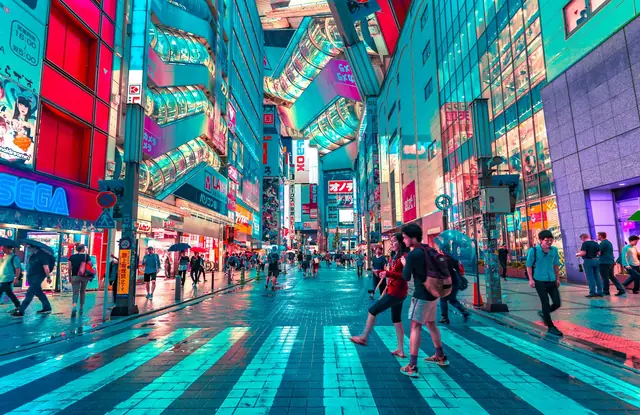
Tokyo rainy day, ¥0 budget: 5 free routes — Intermediatheque, Ginza galleries, National Art Center, Nakano Broadway, Musashi-Koyama Palm.
Gifu from Tokyo: Takayama and Shirakawago Travel Guide
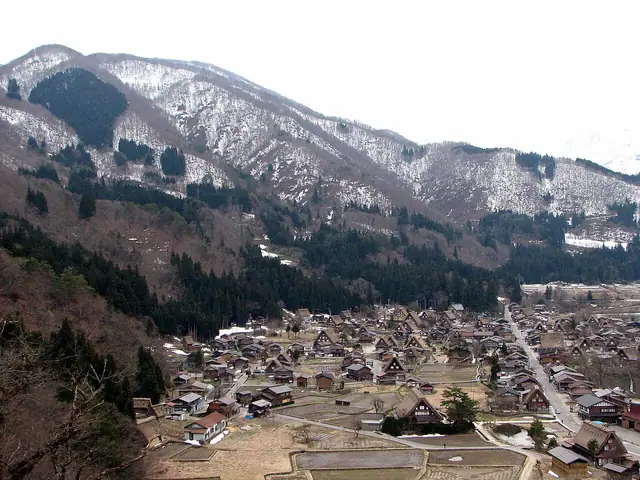
Plan a Gifu trip from Tokyo with Takayama's old streets, Shirakawago's thatched houses and hot springs. Compare routes, fares and places to stay.