L I V I N G
Jak pronajmout byt v Tokiu jako cizinec [Náklady, ručitel, UR]
Počáteční náklady v Tokiu činí 4–5 měsíčních nájmů. I bez ručitele vám smlouvu zajistí záruční společnost. Jak najít byty bez zálohy, požadavky UR bydlení, co dělat při odmítnutí cizinců a celý postup od hledání po nastěhování — i za 2 týdny.
![Jak pronajmout byt v Tokiu jako cizinec [Náklady, ručitel, UR]](https://images.unsplash.com/photo-1480796927426-f609979314bd?w=1536&q=72&auto=format&fit=crop&h=1024)
Realita hledání bytu jako cizinec
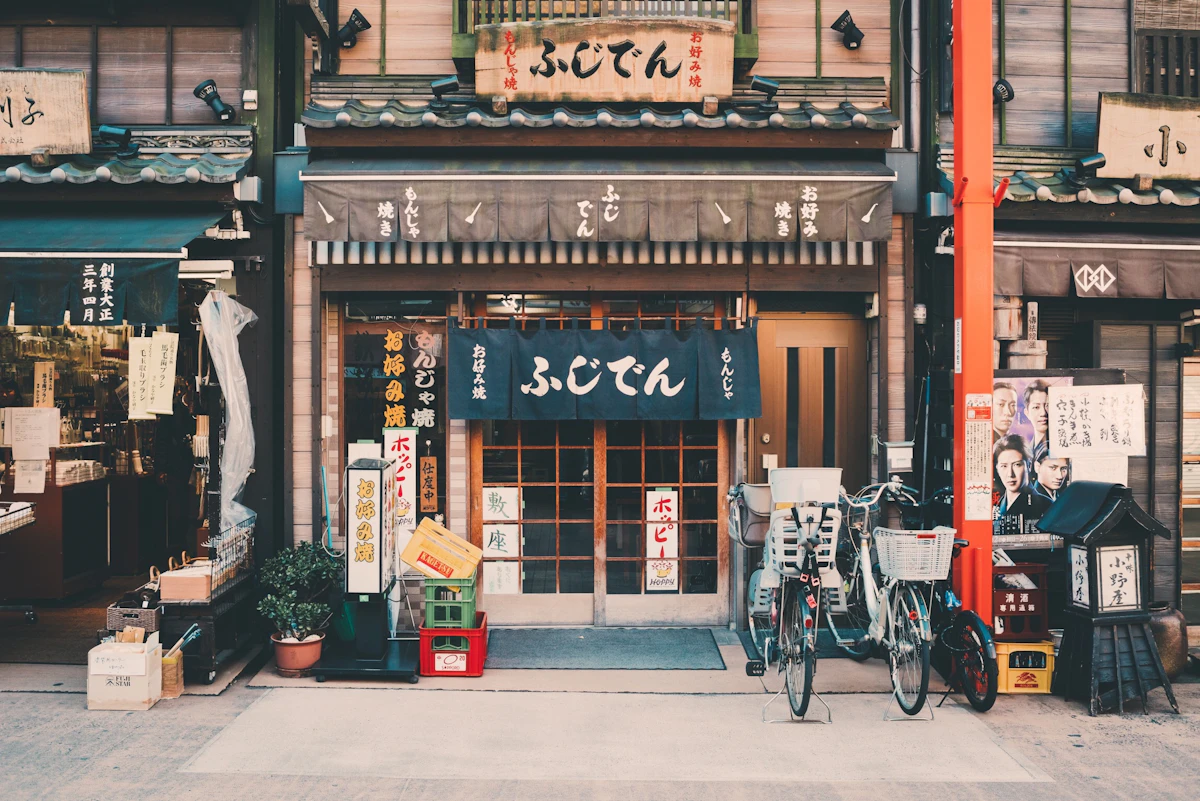
Průzkum Ministerstva spravedlnosti z roku 2016 zjistil, že přibližně 40 % cizinců hledajících bydlení bylo odmítnuto kvůli své národnosti. Na druhé straně, průzkum Japonské asociace správy nemovitostí (JPM) zaměřený na realitní agenty a správce nájemního bydlení zjistil, že zahraniční nájemníky přijímá přibližně 92 % licencovaných realitních agentů — v oblasti velkého Tokia dokonce 94,9 %. Toto číslo se však týká pouze agentů (zprostředkovatelů) — míra přijetí ze strany pronajímatelů (vlastníků nemovitostí) je nižší. Nesoulad není nutně nepřátelstvím; mnoho pronajímatelů se obává komunikačních bariér a neznámých postupů.
Vláda se snaží tuto mezeru zmenšit. MLIT (Ministerstvo pro rozvoj půdy, infrastruktury, dopravy a cestovního ruchu) zveřejnilo vícejazyčné šablony nájemních smluv a pokyny ve 14 jazycích a Metropolitní vláda Tokia má také vlastní stránku podpory. V říjnu 2025 vstoupil v platnost novelizovaný zákon o bezpečnostní síti pro bydlení, který zavádí nové systémy podpory pro cizince a další osoby, jimž se obtížně hledá bydlení.
Poznámka: Výše uvedený průzkum Ministerstva spravedlnosti pochází z roku 2016 a od té doby bylo provedeno institucionální zlepšení.
Celkový harmonogram
Mnoho zahraničních inženýrů, které znám, strávilo první měsíc po příjezdu do Japonska ve sdíleném domě nebo měsíčním bytě, během té doby hledalo byt a druhý měsíc se nastěhovalo do vlastního. Typický průběh procesu:
1. Výběr oblasti (1–3 dny) Zúžte výběr podle dojíždění a rozpočtu. Centrální Tokio (23 čtvrtí) nebo západní předměstí (oblast Tama)?
2. Hledání inzerátů (3–7 dní) Procházejte portály s inzeráty, vyberte nemovitosti a kontaktujte realitní kanceláře.
3. Prohlídky bytů (1–3 dny) Navštivte osobně. Zaměřte se na 3–4 prohlídky denně.
4. Podání žádosti a čekání na prověření (3–7 dní) Předložte dokumenty. Záruční společnost a pronajímatel vaši žádost zkontrolují.
5. Podpis smlouvy a nastěhování (1–3 dny) Obdržíte povinné vysvětlení důležitých skutečností, podepíšete nájemní smlouvu a dostanete klíče. Po nastěhování si budete muset zaregistrovat adresu, otevřít bankovní účet a zařídit veřejné služby. Viz Moje první samostatné stěhování v Tokiu pro informace o tom, co přichází po dni nastěhování.
Celkem: minimálně 2 týdny, 4 týdny s rezervou.
Délka pobytu mění výpočet
| Délka pobytu | Nejlepší typ bydlení | Typické počáteční náklady |
|---|---|---|
| Méně než 3 měsíce | Měsíční byt nebo sdílený dům | 30 000–150 000 ¥ |
| 3 měsíce až 1 rok | Standardní pronájem (bez zálohy/klíčových peněz) | 200 000–300 000 ¥ |
| Více než 1 rok | Standardní pronájem nebo UR bydlení | 200 000–450 000 ¥ |
Pokud pobýváte méně než šest měsíců, měsíční byt je obvykle celkově levnější než platit 350 000–450 000 ¥ v počátečních poplatcích za standardní nájemní smlouvu. U pobytů delších než šest měsíců se pravidelný pronájem stává výhodnější volbou.
Hlavní stěhovací sezóna
Tokijský trh s pronájmy má výrazný sezonní rytmus. Leden až březen je nejrušnějším obdobím — japonský fiskální a akademický rok začíná v dubnu, takže přijímání na univerzity, nástup do zaměstnání a firemní přesuny způsobují vlnu stěhování najednou. Dobré byty během těchto měsíců rychle mizí. V sobotu si prohlédnete byt a v pondělí ráno ho někdo jiný již podepsal.
Duben až srpen je klidnější. Méně nových inzerátů, ale také méně konkurentů — máte čas. Září a říjen zaznamenávají menší nárůst v důsledku firemních přesunů uprostřed roku.
Pokud máte flexibilitu v načasování, vyhnutí se lednovoúnorové špičce vám dává více prostoru a potenciálně větší vyjednávací sílu ohledně nájmu a poplatků.
Výběr oblasti

Tokio je rozděleno na dvě hlavní zóny: 23 speciálních čtvrtí (23区) a oblast Tama (多摩地域, 26 měst). Kde žijete, určuje váš nájem, dojíždění a každodenní kvalitu života.
23 speciálních čtvrtí
Skvělá dopravní dostupnost, ale vyšší nájem. Podle dat o nájemném SUUMO se garsoniéry (1K/1DK) pohybují průměrně 70 000–120 000 ¥/měsíc (jednotky 1R mohou být nižší), s výraznou variací podle čtvrti. Několik čtvrtí má zavedené zahraniční komunity a vícejazyčné městské služby.
Viz Co jsou tokijských 23 čtvrtí? pro přehled podle oblastí
Oblast Tama
Nižší nájem a více prostoru za stejný rozpočet. Stejná data SUUMO ukazují průměr garsoniér 50 000–70 000 ¥/měsíc ve většině měst. Více parků, více zeleně, oblíbené u rodin.
Viz Co jsou tokijská města? pro přehled trasa po trase
Jak se rozhodnout:
Pokud máte stanovené pracoviště, zkontrolujte časy dojíždění od dveří ke dveřím pomocí Yahoo! Transit nebo Google Maps. „Uvnitř 23 čtvrtí” automaticky neznamená výhodná poloha. Například Kichijoji (město Musashino, mimo 23 čtvrtí) je přibližně 15 minut od Shinjuku rychlíkem JR Chuo Line, zatímco Oizumi-Gakuen (čtvrť Nerima, uvnitř 23 čtvrtí) trvá přibližně 30–40 minut do Shinjuku s přestupem.
Bezpečné pravidlo pro rozpočet: udržujte nájem pod jednou třetinou čistého příjmu (viz také průvodce UR pro plánování nájemního rozpočtu). Pokud vyděláváte 250 000 ¥/měsíc po zdanění, zaměřte se na nájem kolem 80 000 ¥. S takovým rozpočtem, jak ukazují výše uvedená data SUUMO, se realistickými možnostmi stávají východní čtvrti jako Arakawa, Katsushika a Adachi nebo koridor linky Chuo v oblasti Tama. Pokud ještě nemáte kreditní kartu v Japonsku, Kreditní karty pro cizince v Japonsku vysvětluje, jak funguje schvalovací proces.
Počáteční náklady (rozpočet 4–5 měsíčních nájmů)

Největší překvapení pro nováčky: platíte hodně ještě před tím, než v bytě přespíte. Zde je přehled pro byt za 80 000 ¥/měsíc:
| Položka | Japonský termín | Výše | Co to je |
|---|---|---|---|
| Záloha | 敷金 (shikikin) | 0–160 000 ¥ | Částečně vrácena při odchodu, mínus náklady na opravy. Více než 60 % bytů pod 100 000 ¥/měsíc v metropolitní oblasti Tokia má nyní nulovou zálohu |
| Klíčové peníze | 礼金 (reikin) | 0–80 000 ¥ | „Dar” pronajímateli. Nevratné. Inzeráty bez klíčových peněz přibývají |
| Zprostředkovatelský poplatek | 仲介手数料 (chukai tesuryo) | 88 000 ¥ | Zákonný strop: 1 měsíční nájem + daň (dohromady pronajímatel + nájemník). Nájemníci jsou technicky zodpovědní pouze za 0,5 měsíce + daň, ale většina podepíše souhlas s 1 měsícem |
| Nájem předem | 前家賃 (mae yachin) | 80 000–160 000 ¥ | Poměrný první měsíc + celý příští měsíc, placeno předem |
| Poplatek záruční společnosti | 保証会社費用 (hosho gaisha hiyou) | 40 000–80 000 ¥ | 50–100 % měsíčního nájmu. Roční obnova |
| Pojištění proti požáru | 火災保険 (kasai hoken) | 15 000–20 000 ¥ | Obvykle dvouletá pojistka |
| Výměna zámku | 鍵交換 (kagi koukan) | 10 000–30 000 ¥ | Výměna zámku po předchozím nájemníkovi |
Celkem: přibližně 350 000–450 000 ¥ pro byt za 80 000 ¥/měsíc.
Výběrem bytu bez zálohy a bez klíčových peněz lze tuto částku snížit pod 250 000 ¥. Jedna výhrada: byty bez zálohy někdy účtují paušální poplatek za úklid při odchodu. Zeptejte se na náklady při odchodu před podpisem smlouvy.
Dokumenty, které budete potřebovat
Tyto pokrývají většinu žádostí. Přesné požadavky se liší podle nemovitosti.
- Průkaz pobytu (在留カード / průkaz zairyu) — Váš primární doklad totožnosti jako cizinec s pobytem. Ukazuje stav víza a datum vypršení platnosti. Kopie je povinná
- Pas — Používá se společně s průkazem pobytu pro ověření totožnosti
- Doklad o příjmu (収入証明 / shunyu shomei) — 3 měsíce výplatních pásek nebo daňové potvrzení (課税証明書 / kazei shomeisho). Prověrka obvykle kontroluje, zda je roční příjem alespoň 36násobkem měsíčního nájmu
- Potvrzení o zaměstnání (在籍証明書 / zaiseki shomeisho) — Vydává zaměstnavatel. Studenti místo toho doloží potvrzení o zápisu
- Kontakt v nouzi v Japonsku (緊急連絡先 / kinkyuu renrakusaki) — Jméno, telefonní číslo a vztah. Přítel nebo kolega z práce je v pořádku
Osobní pečeť (印鑑 / inkan) je někdy vyžadována, ale mnoho agentur nyní přijímá podpisy cizích nájemníků. Ověřte si to s agenturou předem.
Pokud jste právě dorazili a ještě jste si nezaregistrovali adresu, žádost přesto podat můžete, pokud máte průkaz pobytu. Typický postup je dokončit registraci nastěhování (転入届 / tennyuu todoke) před podpisem nájemní smlouvy. Japonské telefonní číslo je důležité — realitní agenti a záruční společnosti vás potřebují kontaktovat a bez něho vznikají komplikace. Je dobrý nápad vyřídit si telefon před zahájením hledání bytu. Viz Problém telefonu a bankovního účtu pro podrobnosti.
Řešení problému s ručitelem

Tradiční japonské nájemní smlouvy vyžadují 連帯保証人 (rentai hoshounin) — osobního ručitele, který nese právní odpovědnost, pokud nezaplatíte nájem. Pro cizince bez pevných vazeb v Japonsku to byl neřešitelný problém.
Dnes to tak není. Záruční společnosti (保証会社 / hosho gaisha) se staly standardem. Většina pronájmů nyní vyžaduje záruční společnost, takže smlouvu podepíšete bez osobního ručitele.
Jak to funguje:
- Počáteční poplatek: 50–100 % jednoho měsíčního nájmu (40 000–80 000 ¥ pro byt za 80 000 ¥)
- Roční obnova: přibližně 10 000 ¥/rok, nebo 10–30 % měsíčního nájmu
- Prověřují stav vašeho víza, příjem a zaměstnání
Rostoucí počet záručních společností se zaměřuje konkrétně na zahraniční nájemníky s vícejazyčnou podporou. Vyhledávání „外国人 保証会社” (gaikokujin hosho gaisha — záruční společnost pro cizince) nabídne několik možností a stránka JPM pro podporu zahraničních rezidentů shromažďuje související zdroje.
To znamená, že záruční společnost obvykle nemusíte hledat sami. Realitní kancelář vám doporučí takovou, která pracuje s vámi zvolenou nemovitostí. Jen se zeptejte: „Můžete použít záruční společnost se zkušenostmi s přijímáním zahraničních nájemníků?” (外国人の入居実績がある保証会社を使えますか?/ Gaikokujin no nyuukyo jisseki ga aru hosho gaisha wo tsukaemasu ka?)
Kde hledat
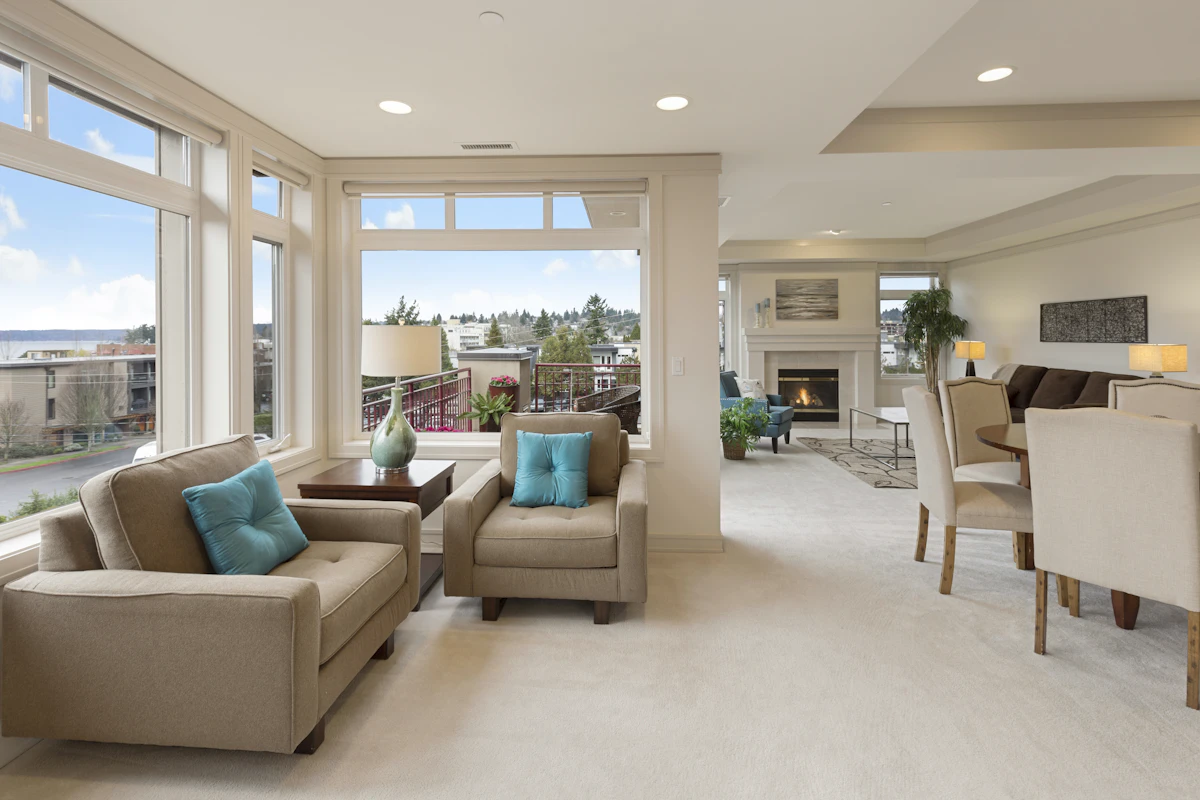
Dvě hlavní cesty k nalezení bytu.
Japonské portály s inzeráty (největší výběr)
Takto Japonci hledají byty: prohledají portál, kontaktují kancelář zpracovávající inzerát, který se jim líbí, navštíví kancelář a přijdou se podívat na byt. To je standardní postup a počet nemovitostí na těchto stránkách dalece převyšuje to, co je dostupné přes služby zaměřené na cizince. Pokud umíte japonsky — nebo použijete překlad v prohlížeči — zde najdete nejširší výběr.
- SUUMO — Hlavní realitní portál s největším výběrem inzerátů
- LIFULL HOME’S — Hlavní realitní portál. Použijte FRIENDLY DOOR k vyhledání realitních agentur nabízejících podporu v cizích jazycích
Služby v anglickém jazyce
Pokud japonština představuje překážku, tyto platformy uvádějí pouze nemovitosti schválené pro cizince:
- GaijinPot Apartments — Všechny inzeráty potvrzeny jako vhodné pro cizince. Dvoujazyčná podpora makléřů
- wagaya Japan — Angličtina, čínština, vietnamština. Mnoho nemovitostí schválených pro cizince
- Real Estate Japan — Vyhledávání pronájmů v Tokiu v angličtině
Co říct v realitní kanceláři
Při návštěvě kanceláře se hodí tento rozhovor:
Vy: „Hledám byt poblíž stanice ○○, do 80 000 ¥/měsíc.” (○○駅の近くで、家賃8万円以下で探しています / ○○-eki no chikaku de, yachin hachi-man en ika de sagashite imasu)
Agent: „Jaké uspořádání preferujete? 1K nebo 1LDK?” (間取りのご希望は?/ Madori no go-kibou wa?)
Vy: „1K je v pořádku. Pokud možno do 10 minut pěšky od stanice.” (1Kで大丈夫です。駅から徒歩10分以内だと助かります / 1K de daijoubu desu. Eki kara toho jup-pun inai dato tasukarimasu)
Tip: Zavolejte nebo napište předem, abyste potvrdili, že kancelář pracuje se zahraničními nájemníky. Vyhnete se tak zbytečné cestě.
Od prohlídky po podpis smlouvy
Osobní prohlídka bytu (内見 / naiken) je nezbytná. Fotografie mohou být zavádějící.
Co zkontrolovat při prohlídce:
- Světlo a hluk (otevřete okna)
- Tlak vody a zápach odpadu v koupelně
- Úložný prostor (často menší, než se čekalo)
- Vzdálenost k nejbližšímu supermarketu a convenience store (convenience stores v Tokiu dělají mnohem víc než jen prodávají jídlo — viz náš průvodce konbini)
Našli jste místo, které se vám líbí? Podejte žádost na místě. Během špičkové sezóny leden–březen může někdo jiný podat žádost tentýž večer, kdy jste byt prohlédli. „Přespím to” a ráno je inzerát stažen — to je běžný vzorec v hlavních měsících.
Ještě před jakoukoli prohlídkou si stanovte své nepřekročitelné limity: maximální nájem, maximální vzdálenost od stanice, povinné prvky. Jasná kritéria vám umožní říci ano nebo ne okamžitě bez váhání.
Po podání žádosti záruční společnost a pronajímatel vaši žádost prověří. S platným vízem a příjmem 36násobku měsíčního nájmu výsledky obvykle přicházejí za 3–7 dní.
Po schválení obdržíte 重要事項説明 (juuyou jikou setsumei) — zákonem nařízené vysvětlení podmínek nemovitosti licencovaným realitním agentem. To se provádí standardně v japonštině, ale MLIT připravilo vícejazyčné šablony dokumentů. Zeptejte se předem své agentury, zda mohou poskytnout materiály ve vašem jazyce.
Co dělat, pokud jste odmítnuti jako cizinec
Stává se to. Zde je to, co byste měli vědět.
Podle právní analýzy Centra pro podporu realitních transakcí může odmítnutí nájemníka výhradně na základě národnosti představovat přečin (不法行為 / fuhou koui) podle japonského práva a soudy v takových případech přiznaly náhradu škody (損害賠償 / songai baishou). Stávající zákon však nemůže přinutit pronajímatele k podpisu nájemní smlouvy.
Praktický přístup:
Místo boje o konkrétní nemovitost přejděte na služby, které předem prověřují pronajímatele přátelsky nakloněné cizincům. Každý inzerát na GaijinPot Apartments a Real Estate Japan má souhlas vlastníka pro zahraniční nájemníky.
Pokud potřebujete pomoc, existují bezplatné veřejné poradenské služby:
- FRESC (Centrum podpory zahraničních rezidentů) — Yotsuya Tower 13F, vedle stanice JR Yotsuya. Čtyři ministerstva a osm agentur na jednom místě. Telefon: 0570-011000
- Tokyo Multilingual Consultation Navi — Bezplatné hovory ve 14 jazycích. 0120-142-142 (pracovní dny 10:00–16:00)
Bydlení UR (bez ručitele, bez klíčových peněz)
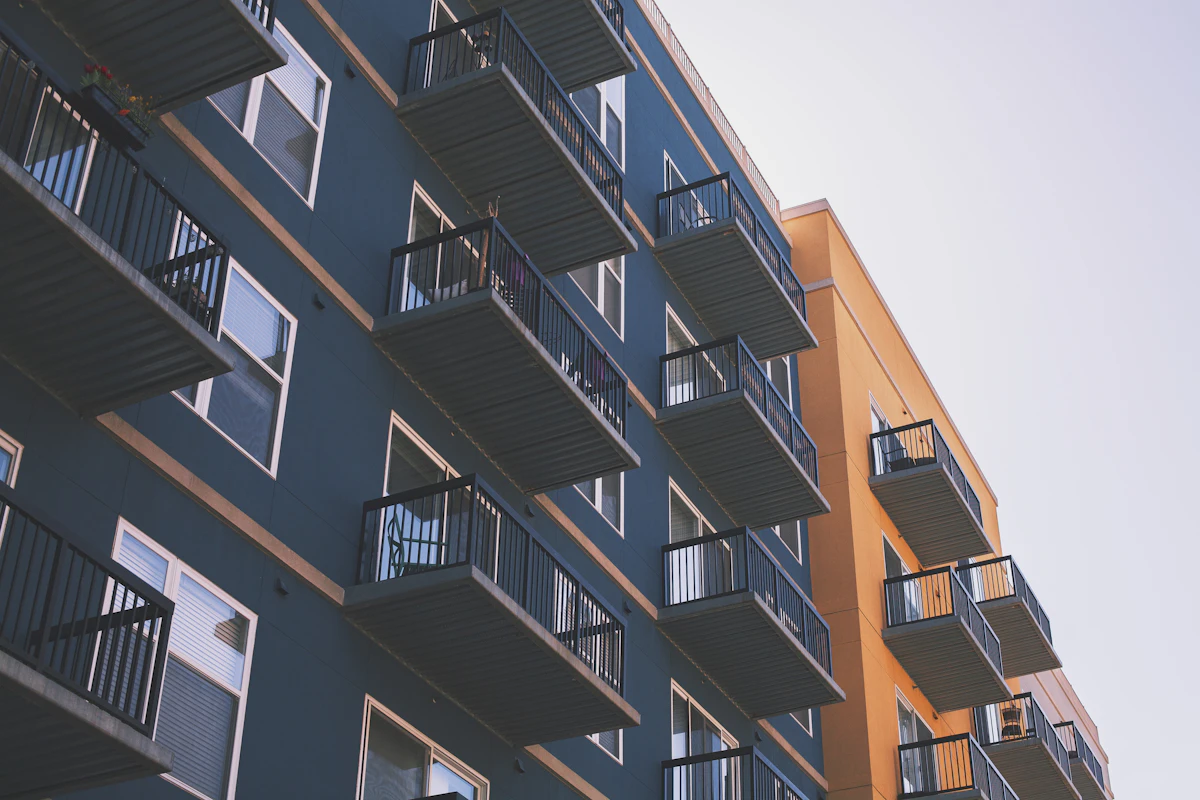
UR Urban Renaissance Agency provozuje veřejné nájemní bydlení, které odstraňuje několik překážek, s nimiž se cizinci při soukromých pronájmech setkávají:
- Žádný ručitel není vyžadován
- Žádné klíčové peníze (礼金)
- Žádný zprostředkovatelský poplatek (仲介手数料)
- Žádný poplatek za obnovu (更新料)
Pro byt za 80 000 ¥/měsíc jsou počáteční náklady u UR přibližně 200 000 ¥ (záloha + poměrný nájem + poplatky za společné prostory) — méně než polovina toho, co byste zaplatili za soukromý pronájem.
Kdo může požádat:
- Střednědobí až dlouhodobí rezidenti s platným průkazem pobytu (pracovní vízum, studentské vízum atd.)
- Měsíční příjem alespoň 4násobku nájmu (320 000 ¥/měsíc pro byt za 80 000 ¥)
- Alternativa: úspory 100násobku měsíčního nájmu (8 000 000 ¥ pro stejný byt), nebo předplatba nájmu jednorázově
Nemovitostí UR je méně a jejich umístění je omezenější než u soukromých pronájmů, ale jsou silnou volbou, když vám blokuje požadavek na ručitele nebo počáteční náklady.
Řešení problémů s pronájmem
| Situace | Co dělat |
|---|---|
| Žádost odmítnuta | Zeptejte se agentury na důvod. Krátká platnost víza je častý důvod — znovu požádejte po obnovení. Jiná záruční společnost vás může schválit |
| Opakovaně odmítnuti jako cizinec | Přejděte na specializované služby pro cizince (GaijinPot, Real Estate Japan). Zvažte bydlení UR |
| Nelze uhradit počáteční náklady | Filtrujte podle bytů bez zálohy a bez klíčových peněz. Některé kanceláře nabízejí splátkové plány |
| Nemohu přečíst nájemní smlouvu | Zavolejte FRESC (0570-011000) nebo Tokyo Multilingual Navi (0120-142-142). Požádejte kancelář o vícejazyčné šablony smluv |
| Nemohu najít nic, co se mi líbí | Přehodnoťte své priority. Rozšíření z 10minutové na 15minutovou vzdálenost od stanice pěšky, uvolnění požadavku na stáří budovy nebo přidání sousední stanice může otevřít nové možnosti |
Obnova a ukončení nájemní smlouvy
Většina nájemních smluv v Tokiu trvá dva roky. Při obnově očekávejte poplatek za obnovu rovnající se jednomu měsíčnímu nájmu — standardní v oblasti Tokia — plus pojištění proti požáru (15 000–20 000 ¥) a obnova záruční společnosti (přibližně 10 000 ¥). UR bydlení neúčtuje poplatek za obnovu.
Při odchodu musíte svou správcovskou společnost nebo pronajímatele písemně informovat, obvykle 1–2 měsíce před plánovaným datem odchodu. Zkontrolujte svou smlouvu ohledně přesné výpovědní lhůty. Pozdní upozornění může znamenat placení nájmu i po vašem odchodu.
Při odchodu se očekává, že byt uvedete do původního stavu (原状回復 / genjou kaifuku), ale to neznamená vrátit ho do stavu jako nový. Podle pokynů MLIT pro obnovu je normální opotřebení — tapety vybledlé sluncem, přirozené poškrábání podlahy — zodpovědností pronajímatele. Platíte pouze za škody způsobené nedbalostí nebo úmyslným zneužitím: skvrny od cigaret, díry po hřebících, škrábance od domácích zvířat. Náklady na úklid při odchodu závisejí na velikosti bytu: 20 000–30 000 ¥ pro 1R/1K, 40 000–60 000 ¥ pro 1LDK nebo větší.
Vaše záloha (pokud jste ji zaplatili) se vrací po odečtení nákladů na obnovu a úklid. Pokud jste podepsali smlouvu bez zálohy, poplatky za úklid jsou fakturovány samostatně při odchodu.
Alternativy k pronájmu
Pokud se standardní proces pronájmu zdá příliš náročný, existují jiné cesty.
Sdílené domy
Žádný ručitel není potřeba a počáteční náklady jsou jen několik desítek tisíc jenů. Nájem často zahrnuje veřejné služby a internet. Oak House a Cross House jsou hlavní provozovatelé. Mnoho nováčků využívá sdílený dům jako první základnu při zabydlování. Jsou také skvělým způsobem, jak začít navazovat přátelství v Tokiu.
Měsíční byty
Zařízené jednotky (マンスリーマンション / mansuri manshon) pronajímané po měsících. Dražší než standardní smlouva, ale bez ručitele a s možností okamžitého nastěhování. Praktický mezikrok: žijte v jednom, dokud si nenajdete ten správný dlouhodobý byt.
Firemní bydlení
Pokud nastupujete k japonskému zaměstnavateli, zeptejte se personálního oddělení na příspěvky na bydlení (住宅手当 / juutaku teate) nebo firemní ubytování (社宅 / shataku). To může hledání bytu zcela eliminovat.
Související články
- Co jsou tokijských 23 čtvrtí? — Rozsahy nájmů, péče o děti, dojíždění — čím se každá čtvrť liší. Nezbytné pro výběr oblasti
- Co jsou tokijská města? — 26 měst západně od 23 čtvrtí. Nižší nájem, více prostoru, skvělý přístup k přírodě
- Moje první samostatné stěhování v Tokiu — Osobní zkušenost s hledáním bytu, podpisem smlouvy a dnem nastěhování
- Problém telefonu a bankovního účtu — Jak si po nastěhování vyřídit telefonní číslo a bankovní účet
- Jak fungují platby v Japonsku — Jaké platební metody nosit po nastěhování
- Cyklistika v Tokiu — Pokud zvažujete možnosti dojíždění, jízdní kolo může ušetřit čas a peníze ve správné čtvrti
- Třídění odpadu v Tokiu — Pravidla se liší podle čtvrti; znalost před nastěhováním ušetří starosti
- Doručování balíků pro cizince v Tokiu — Jak zvládat zmeškaná doručení a žádosti o opakované doručení od prvního dne
Reference:
-
Ministerstvo spravedlnosti „Průzkum o zahraničních rezidentech (2016)” https://www.moj.go.jp/content/001226182.pdf (přístup: 2026-02-16)
-
Japonská asociace správy nemovitostí „Podpora hladkého nastěhování zahraničních nájemníků” https://www.jpm.jp/foreign/ (přístup: 2026-02-16)
-
MLIT „Hladký vstup cizinců do soukromého nájemního bydlení” https://www.mlit.go.jp/jutakukentiku/house/jutakukentiku_house_tk3_000017.html (přístup: 2026-04-08)
-
SUUMO „Průměry nájmů v Tokiu” https://suumo.jp/chintai/soba/tokyo/ (přístup: 2026-04-08)
-
UR Urban Renaissance Agency „Je třetina čistého příjmu správný nájemní rozpočet?” https://www.ur-net.go.jp/chintai/college/202402/000732.html (přístup: 2026-04-08)
-
Metropolitní vláda Tokia Sekce bytové politiky „Hladký vstup cizinců do soukromého nájemního bydlení” https://www.juutakuseisaku.metro.tokyo.lg.jp/fudosan/torihiki/gaikoku_nyuukyo (přístup: 2026-02-16)
-
MLIT „Systém bezpečnostní sítě pro bydlení” https://www.mlit.go.jp/jutakukentiku/house/jutakukentiku_house_tk3_000055.html (přístup: 2026-05-07)
-
LIFULL HOME’S „Průzkum trendů zálohy/klíčových peněz 2025” https://lifull.com/news/45530/ (přístup: 2026-02-16)
-
UR Urban Renaissance Agency „Požadavky na žádost” https://www.ur-net.go.jp/chintai/rent/requirements/ (přístup: 2026-02-16)
-
Centrum pro podporu realitních transakcí „Analýza odmítnutí na základě národnosti” https://www.retpc.jp/archives/30909/ (přístup: 2026-02-16)
-
Tokyo Multilingual Consultation Navi https://tabunka.tokyo-tsunagari.or.jp/soudan/navi.html (přístup: 2026-02-16)
-
Agentura pro imigrační služby „FRESC” https://www.moj.go.jp/isa/support/fresc/fresc01.html (přístup: 2026-02-16)
-
MLIT „Pokyny pro obnovu nájemního bydlení” https://www.mlit.go.jp/jutakukentiku/house/jutakukentiku_house_tk3_000020.html (přístup: 2026-05-07)
-
MLIT „Maximální zprostředkovatelský poplatek pro realitní transakce” https://www.mlit.go.jp/totikensangyo/const/1_6_bf_000013.html (přístup: 2026-05-07)
-
UR „Vyvážení příjmu a nájmu” https://www.ur-net.go.jp/chintai/college/202105/000675.html (přístup: 2026-05-07)
-
SUUMO „Průvodce poplatkem za obnovu” https://suumo.jp/article/oyakudachi/oyaku/chintai/fr_money/chintai_koushinryou/ (přístup: 2026-05-07)
FAQ
- Kolik stojí počáteční náklady na pronájem bytu v Tokiu?
- Počítejte s přibližně 4–5 měsíčními nájmy jako počátečními náklady. U bytu za 80 000 ¥/měsíc to obvykle vychází na 350 000–450 000 ¥, což zahrnuje zálohu, klíčové peníze, zprostředkovatelský poplatek, nájem předem, poplatek záruční společnosti, pojištění proti požáru a výměnu zámku. Výběrem bytu bez zálohy a bez klíčových peněz lze tuto částku snížit pod 250 000 ¥.
- Mohou cizinci pronajmout byty v Tokiu?
- Ano, i když někteří pronajímatelé stále odmítají cizí nájemníky. Podle průzkumu Japonské asociace správy nemovitostí zaměřeného na realitní agenty a správce nájemního bydlení přijímá zahraniční nájemníky přibližně 92 % licencovaných realitních agentů — v oblasti velkého Tokia dokonce 94,9 % — míra přijetí ze strany jednotlivých pronajímatelů je však nižší. Spolehlivou cestou jsou specializované portály jako GaijinPot Apartments nebo Real Estate Japan, které nabízejí pouze předem schválené nemovitosti.
- Potřebuji japonského ručitele k pronájmu bytu?
- Ne. Přestože tradiční nájemní smlouvy vyžadovaly japonského osobního ručitele (連帯保証人), záruční společnosti (保証会社) se staly standardem a tento požadavek odstraňují. Většina pronájmů nyní vyžaduje záruční společnost místo osobního ručitele, takže smlouvu podepíšete bez ručitele v Japonsku. Počáteční poplatek je obvykle 50–100 % jednoho měsíčního nájmu.
- Jak dlouho trvá hledání bytu?
- Počítejte s minimálně 2 týdny a až 4 týdny s rezervou. Typický harmonogram: 1–3 dny výběr oblasti, 3–7 dní procházení inzerátů a návštěva realitních kanceláří, 1–3 dny prohlídky, 3–7 dní prověřování žádosti, 1–3 dny podpis smlouvy a předání klíčů.
- Jaké dokumenty potřebuji k pronájmu bytu v Tokiu?
- Obvykle budete potřebovat průkaz pobytu (在留カード), pas, doklad o příjmu (výplatní pásky za 3 měsíce nebo daňové potvrzení), potvrzení o zaměstnání a kontakt v nouzi v Japonsku. Osobní pečeť může být vyžadována, i když mnoho kanceláří nyní přijímá podpisy cizích nájemníků.
- Je UR bydlení dobrou volbou pro cizince?
- Veřejné bydlení UR nevyžaduje ručitele, klíčové peníze, zprostředkovatelský poplatek ani poplatek za obnovu — počáteční náklady u bytu za 80 000 ¥/měsíc činí přibližně 200 000 ¥, méně než polovinu nákladů u soukromého pronájmu. Požadavek na příjem je alespoň 4násobek měsíčního nájmu (320 000 ¥/měsíc pro byt za 80 000 ¥) a platný průkaz pobytu pro střednědobý nebo dlouhodobý pobyt.
- Kdy je nejlepší čas hledat byt v Tokiu?
- Duben až srpen je nejklidnějším obdobím — méně konkurentů a více času na rozmyšlenou. Leden až březen je nejrušnější sezonou, protože japonský fiskální a akademický rok začíná v dubnu, což způsobuje vlnu stěhování. Během špičkových měsíců mohou dobré byty zmizet během několika dnů od zveřejnění inzerátu.
- Co bych měl kontrolovat při prohlídce bytu?
- Zkontrolujte světlo a hluk otevřením oken, vyzkoušejte tlak vody a přičichněte k odpadu v koupelně, zhodnoťte úložný prostor (často menší než na fotografiích) a poznamenejte si vzdálenost k nejbližšímu supermarketu a convenience store. Zejména v hlavní sezoně buďte připraveni podat žádost na místě, pokud se vám byt líbí — čekání přes noc může znamenat ztrátu bytu jinému zájemci.
* Tento článek byl přeložen z japonského originálu s pomocí strojového překladu. Některé formulace nemusí znít přirozeně.


