
Tokyo Transport Passes 2026: Compare Subway, JR, and Suica by Itinerary
Compare the Tokyo Metro 24-hour Ticket, Tokyo Subway Ticket, Tokunai Pass, and more by price, lines, and validity. Calculate pass versus Suica costs for Asakusa, Ueno, Ginza, and Shibuya, and check purchase eligibility and airport sections that are not covered.
tokyo.how uses affiliate links. If you buy through these links, we may earn a commission at no extra cost to you.
On this page
Tokyo transport passes are easier to compare once you know where you want to go and which railway operators you will use. A simple return trip between Asakusa and Ueno costs ¥356 at adult IC fares. An example that also visits Ginza and Shibuya before returning to Asakusa costs ¥817, making the ¥700 Tokyo Metro 24-hour Ticket ¥117 cheaper. Compare the same itinerary rather than choosing by ride count alone.
Choose Your Destinations and Lines First
- List the station nearest your accommodation and the places you will visit that day. Include the journey back to your accommodation.
- Check the railway operators in your route search. Tokyo Metro, including the Ginza Line (G), Toei Subway, including the Oedo Line (E), and JR, including the Yamanote Line (JY), have different coverage.
- Add up the regular fares for the sections covered by the pass. If the total is less than the pass price, paying as you go with a transport IC card such as Suica is cheaper.
Check line names and station numbers against the Tokyo Metro and Toei Subway map. Look at the operator and line names, not just the colors. If saving money requires a large detour, factor in extra transfers and walking too.
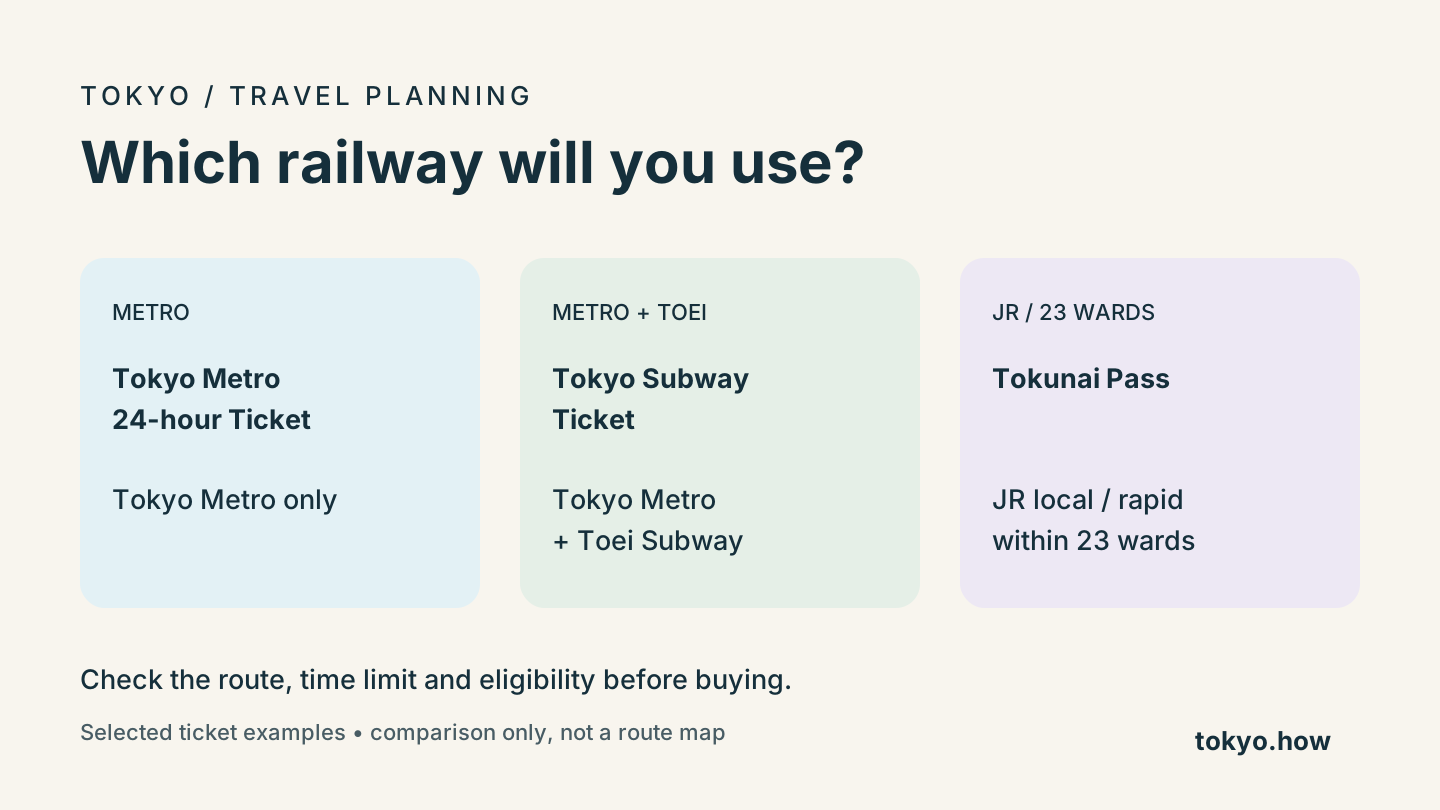
This compares three representative products; it is not a route map. Compare other passes in the table below.
Main Pass Prices and Coverage
Amounts are for one adult, with child prices in parentheses. These are standalone tickets, not packages combined with airport transport.
| Pass | Price | Main coverage | Validity |
|---|---|---|---|
| Tokyo Metro 24-hour Ticket | ¥700 (¥350) | All Tokyo Metro lines | 24 hours. The start time depends on the ticket format |
| Tokyo Subway Ticket | 24 hours: ¥1,000 (¥500) / 48 hours: ¥1,500 (¥750) / 72 hours: ¥2,000 (¥1,000) | Tokyo Metro and Toei Subway | 24, 48, or 72 consecutive hours from first use |
| Common One-day Ticket for Tokyo Metro & Toei Subway | ¥1,100 (¥550) | Tokyo Metro and Toei Subway | From the first to the last train of the specified day |
| Tokunai Pass | ¥870 (¥430) | Non-reserved ordinary-car seats on JR local and rapid trains within Tokyo’s 23 wards | The day of use; at night, until the last train within the valid area |
| Tokyo 1-Day Ticket (Tokyo Free Kippu) | ¥1,720 (¥860) | Tokyo Metro, Toei Subway, JR within the 23 wards, Toei buses, and other covered services | One specified day |
Sources: Tokyo Metro one-day tickets, Tokyo Subway Ticket, and JR East’s Tokunai Pass. Prices for Tokyo Subway Ticket and other tickets changed on March 14, 2026.
If most of your journeys are on Toei services, another option is the Toei One-Day Pass (Toei Marugoto Kippu). It costs ¥700 for adults and ¥350 for children, and covers Toei Subway, Toei buses except the Koto 01 route, Tokyo Sakura Tram, and the Nippori-Toneri Liner. It does not include Tokyo Metro or JR. Advance sales of magnetic tickets ended on September 30, 2026, so watch for outdated purchasing instructions.
24 Hours Versus One Day, and Who Can Buy Each Ticket
A 24-hour ticket can run from 15:00 on Monday to 15:00 on Tuesday, for example. By contrast, a common one-day ticket used on Monday lasts only until Monday’s last train. This matters if you begin sightseeing in the afternoon and want to include travel the following morning.
The Tokyo Metro 24-hour Ticket has the following differences by format. Check the official product guide for details of sales locations, compatible cards, and deadlines to begin use.
| Format | When the 24 hours begin | What to check when buying and using it |
|---|---|---|
| Paper magnetic ticket | First passage through a ticket gate | A same-day ticket bought at a station machine must be used for the first time by that day’s last train |
| QR ticket | First passage through a ticket gate after activating the ticket | Check supported devices and use deadlines on the official sales page. Some gates do not support QR tickets |
| IC ticket | Time of purchase | Loaded onto an eligible PASMO. It cannot be loaded onto Suica. Check which PASMO types are supported |
Tokyo Subway Ticket has purchase eligibility conditions. It is intended for visitors from outside Japan, or domestic travelers from outside Tokyo, Kanagawa, Saitama, Chiba, Ibaraki, Tochigi, Gunma, and Yamanashi. Check required proof, such as a passport, and collection methods with the seller you select through the official sales guide. If you live in Tokyo and do not meet the purchase conditions, compare alternatives such as the Metro 24-hour Ticket and the common one-day ticket.
Check children’s age categories too. Tokyo Metro’s guidance generally defines children as age six to under twelve, but a six-year-old who has not yet started elementary school is classed as a young child, while a twelve-year-old still in elementary school pays the child fare. For ordinary travel, up to two young children accompanying one adult or fare-paying child travel free. The third young child onward, or a young child traveling alone, pays the child fare. For a family calculation, total adults and children separately.
Calculate a Day Visiting Asakusa, Ueno, Ginza, and Shibuya
This example is for one adult traveling on the Ginza Line and exiting the gates at each station to sightsee. Every journey stays within Tokyo Metro.
| Journey | Adult IC fare |
|---|---|
| Asakusa → Ueno | ¥178 |
| Ueno → Ginza | ¥178 |
| Ginza → Shibuya | ¥209 |
| Shibuya → Asakusa | ¥252 |
| Total | ¥817 |
Source: Tokyo Metro fare table, current as of April 1, 2026. For this itinerary, the difference from the ¥700 Metro 24-hour Ticket is ¥117. With no Toei journeys, you do not need the ¥1,000 24-hour Tokyo Subway Ticket.
A simple Asakusa–Ueno return trip is ¥178 × 2 = ¥356, which is ¥344 cheaper than a ¥700 pass. When considering a 48- or 72-hour ticket, add up the fares on covered lines across the entire period too. Do not include JR or private railway fares in the savings from a subway pass.
Buying a Pass and Using the Gates
Once you have an itinerary, choose the date and ticket format. For a same-day paper ticket at a Metro station, look under “おトクなきっぷ” (Otoku na kippu, discount tickets) on the ticket machine and check the product name. For Tokyo Subway Ticket, use an official traveler sales channel. For the Tokunai Pass, use a reserved-seat ticket machine or another eligible sales point at a participating station. The Mobile Suica version of the Tokunai Pass is adult-only and sold for same-day use. A pass cannot necessarily be loaded onto any IC card you already have.
After purchasing, check the product name, start date, and expiry time. At the gates, use the ticket you bought as your pass. Tapping a different IC card may charge a separate fare, so take care not to confuse a paper ticket with your IC card.
- Magnetic ticket: Insert it into a compatible gate and collect it when it comes out. You will reuse it during the validity period, so do not leave it behind.
- QR ticket: Follow the seller’s instructions to display the valid code and use a compatible reader. At an unsupported gate, ask station staff or use the intercom. Keep your device charged.
- IC ticket: Tap the card or device onto which you bought the pass, such as a supported PASMO or Mobile Suica, as applicable to that product.
If a gate stops you, show staff the same ticket and your destination, and ask, “この券で〇〇駅まで行けますか? / Kono ken de ___ eki made ikemasu ka? / Can I use this pass to get to ___ Station?” Ask how to settle the fare before entering another unfamiliar gate with a different ticket. For getting around inside stations, see the Tokyo major station transfer guide.
Check Coverage for Airports, Maihama, and Odaiba
A train can continue from the subway onto another operator’s tracks without you changing trains. Through services and pass coverage are separate things.
| Destination or line | What to consider |
|---|---|
| Haneda Airport: Keikyu or Tokyo Monorail | The passes in this guide do not cover the entire fare to the airport on their own |
| Narita Airport: Keisei or JR | Check airport sections and limited-express charges separately |
| Maihama: JR Keiyo Line | It is in Chiba Prefecture, outside the Tokunai Pass’s coverage within Tokyo’s 23 wards |
| Odaiba: Yurikamome or Rinkai Line | Not covered by Tokyo Metro and Toei Subway tickets |
Compare each product’s covered subway lines and the Tokunai Pass’s valid area with your actual route. For travel from the airport to your accommodation, see Narita and Haneda transport into Tokyo. For trips from Tokyo to other cities, see the JR Pass itinerary comparison.
If your plans may change, check unused-ticket refund conditions and fees before buying. Reducing your destinations after starting to use a pass does not necessarily entitle you to a refund of the difference. If you will be out late, check both the pass expiry and the last train that gets you back to your accommodation.
FAQ
Is a Tokyo Subway Ticket or Suica cheaper?
Can I use the Tokyo Metro 24-hour Ticket on Toei Subway or JR?
Can I reach Haneda or Narita Airport with a subway pass?
Can I use a 24-hour ticket the following day?
* This article was translated from the original Japanese with the help of machine translation. Some expressions may not read naturally.
Related Guides
Suica Card in 2026: Buy, Top Up & Use (Physical + Mobile Guide)
Where to buy Suica, child cards, Apple Wallet vs. Welcome Suica Mobile, cash top-ups and refunds: a guide to choosing and using your card.
Is the JR Pass Worth It? October 2026 Prices and Itineraries
A 7-day Ordinary JR Pass costs ¥50,000 direct or ¥53,000 through overseas agents. Compare six itineraries, coverage, regional passes, and pickup requirements.
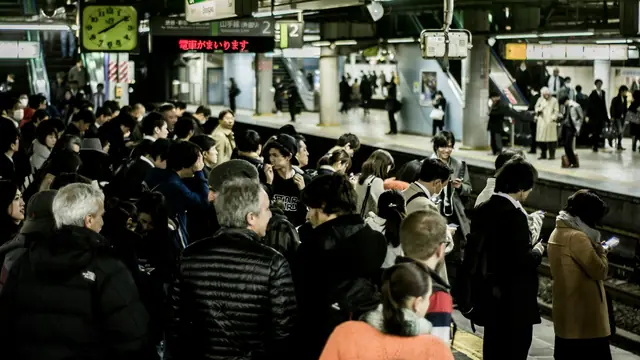
Tokyo Station Transfers: Shinjuku, Shibuya, Tokyo and Ikebukuro
Use official maps to find gates and lines at Tokyo's major stations. Check Shinjuku's Oedo stations, Keiyo transfers, Shinkansen IC tickets, and elevator routes.
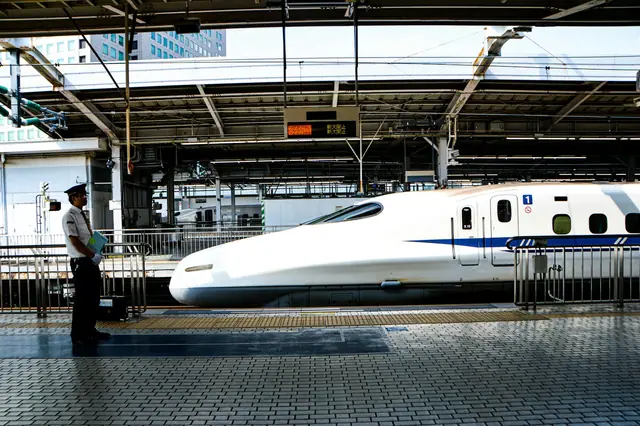
Narita & Haneda to Central Tokyo: 2026 Airport Access Guide
Compare trains, buses and taxis from Narita and Haneda to Tokyo with 2026 fares. Find routes to your hotel, late-night options and tips for using Suica.
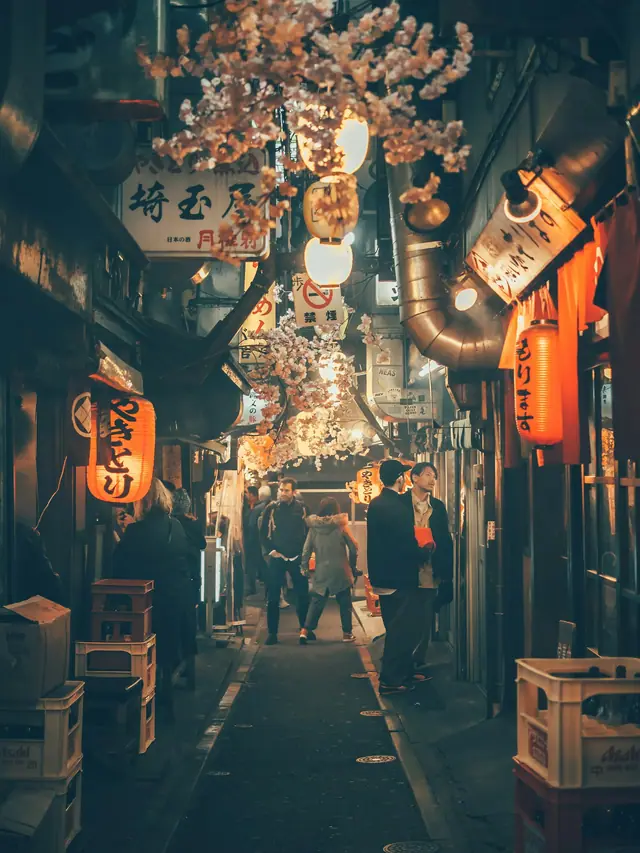
Tokyo's Last Train: How to Check and What to Do If You Miss It
Find the last connection to your hotel and compare taxis, internet cafes, and overnight stays. Check Tokyo taxi fares, venue prices, ID rules, and late check-in.